Loading video…


 26 Concepts
 35.1K views

Video Summary: What Is Organization of the Brain
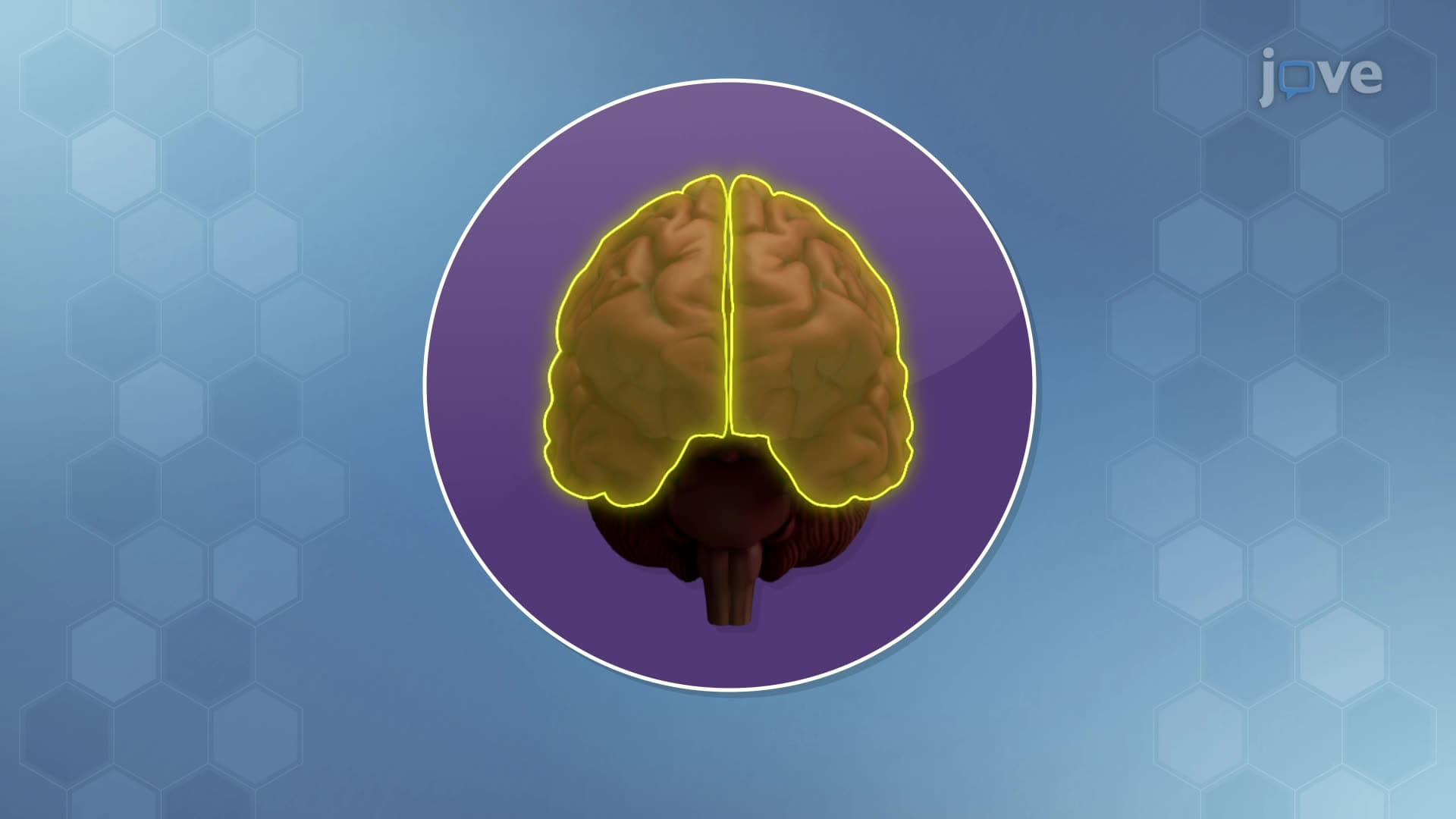
Ever wonder why a stroke patient at Johns Hopkins Hospital might lose speech but retain memory? The cerebral hemispheres, two mirror-image halves of your brain's outer layer, each control different specialized functions that define who you are. Understanding the organization of the brain reveals how these hemispheres work together to process everything from language to spatial reasoning. Watch the full video on JoVE Coach to master this concept with expert-led visuals and step-by-step explanations.
The cerebral hemispheres represent the most evolutionarily advanced portion of the human brain, forming the wrinkled outer layer we recognize as the cerebral cortex. These two symmetrical halves are connected by a thick bundle of nerve fibers called the corpus callosum, allowing constant communication between left and right sides. Each hemisphere contains approximately 16 billion neurons organized into six distinct layers, creating the neural networks responsible for everything from solving calculus problems to appreciating music.
The concept of cerebral hemisphere dominance challenges the oversimplified "left brain/right brain" theory popularized in media. In roughly 95% of right-handed individuals and 70% of left-handed people, the left hemisphere serves as the dominant hemisphere for language processing. This dominance extends beyond speech to include mathematical reasoning, logical sequencing, and analytical thinking-skills heavily tested on the SAT Math section and AP Psychology exams.
The non-dominant hemisphere (typically the right) specializes in spatial awareness, pattern recognition, emotional processing, and creative thinking. Neurosurgeons at places like Mayo Clinic use this knowledge during brain mapping procedures, carefully avoiding damage to critical language areas in the dominant hemisphere while treating conditions like epilepsy or brain tumors.
Each cerebral hemisphere contains four major lobes with distinct functions. The frontal lobe houses the primary motor cortex and prefrontal regions responsible for executive functions-the same areas that develop throughout adolescence and explain why teenagers sometimes struggle with impulse control. The parietal lobe processes sensory information and spatial relationships, while the temporal lobe manages auditory processing and memory formation through structures like the hippocampus.
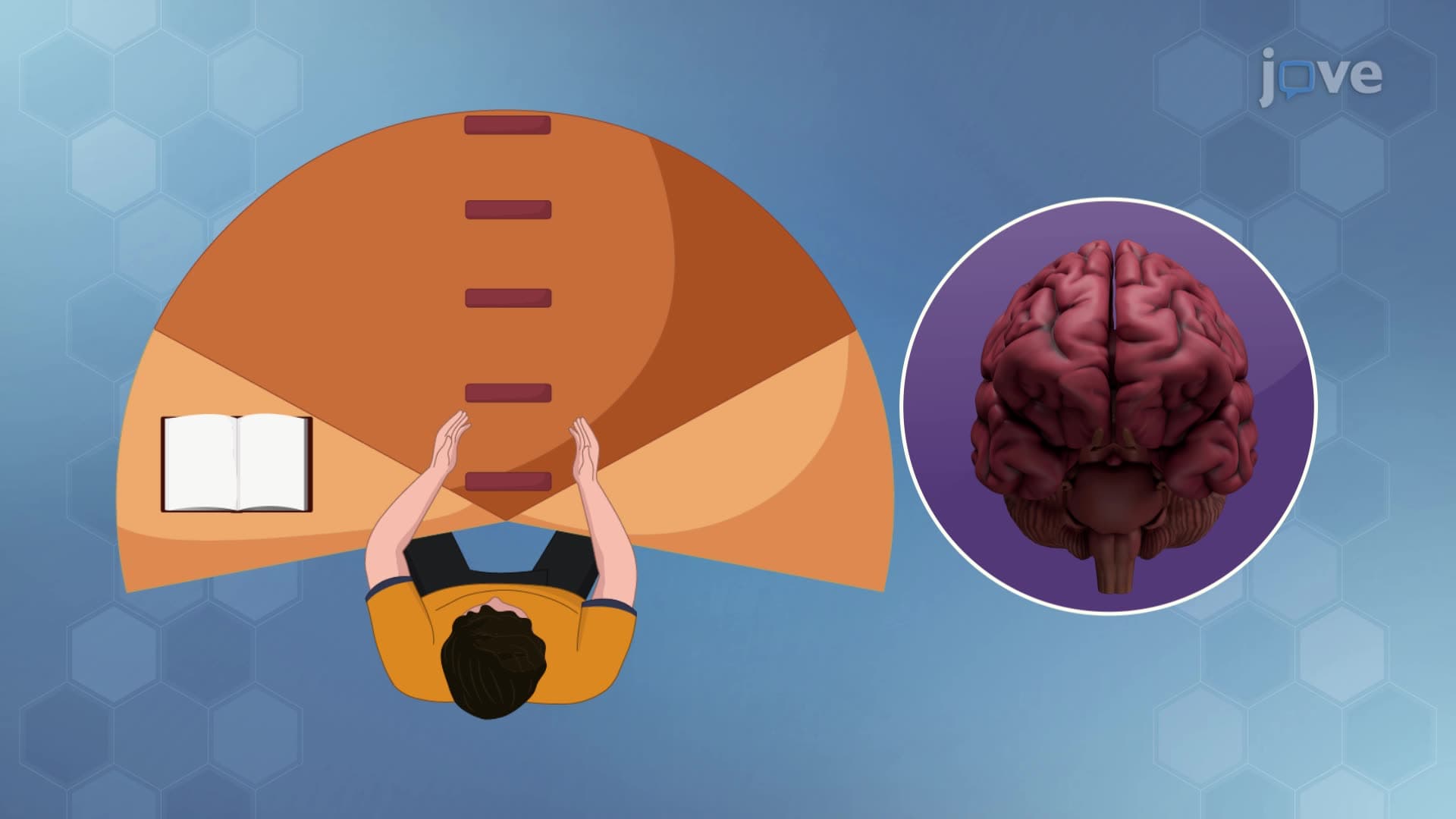
The occipital lobe, located at the back of each hemisphere, processes visual information. This organization proves crucial for understanding conditions like hemispatial neglect, where patients with right hemisphere damage may ignore the left side of their visual field-a concept frequently appearing on MCAT neuroscience sections.
Understanding cerebral hemisphere organization proves essential for healthcare professionals interpreting brain scans and planning treatments. When emergency physicians at hospitals like Cleveland Clinic evaluate stroke patients, they use knowledge of hemisphere specialization to predict which functions might be affected. Left hemisphere strokes often impact speech and language (aphasia), while right hemisphere strokes may cause spatial neglect or emotional regulation difficulties.
This organizational knowledge also explains why physical therapy approaches differ based on stroke location, and why some patients recover language function more readily than others-concepts that appear regularly in nursing school curricula and NCLEX-RN examinations.
Related Micro-courses