Loading subject page…


35,067 views

Video Summary: What Is the Endocrine System
Did you know that major hormones and their functions control everything from your morning energy levels to how your body responds during a midterm exam? Major hormones and their functions work like a sophisticated communication network, with chemical messengers traveling through your bloodstream to coordinate vital processes. For instance, when you're stressed about the SAT, your adrenal glands release cortisol and adrenaline to help you stay alert and focused. What is the endocrine system reveals how this intricate hormone network maintains your body's balance and responses. Watch the full video on JoVE Coach to master this concept with expert-led visuals and step-by-step explanations.
The endocrine system represents one of your body's most sophisticated control networks, orchestrating everything from your growth during adolescence to your body's response during final exams. Unlike the nervous system's rapid electrical signals, major hormones and their functions operate through chemical messengers that travel via the bloodstream, creating longer-lasting but more gradual effects throughout your body.
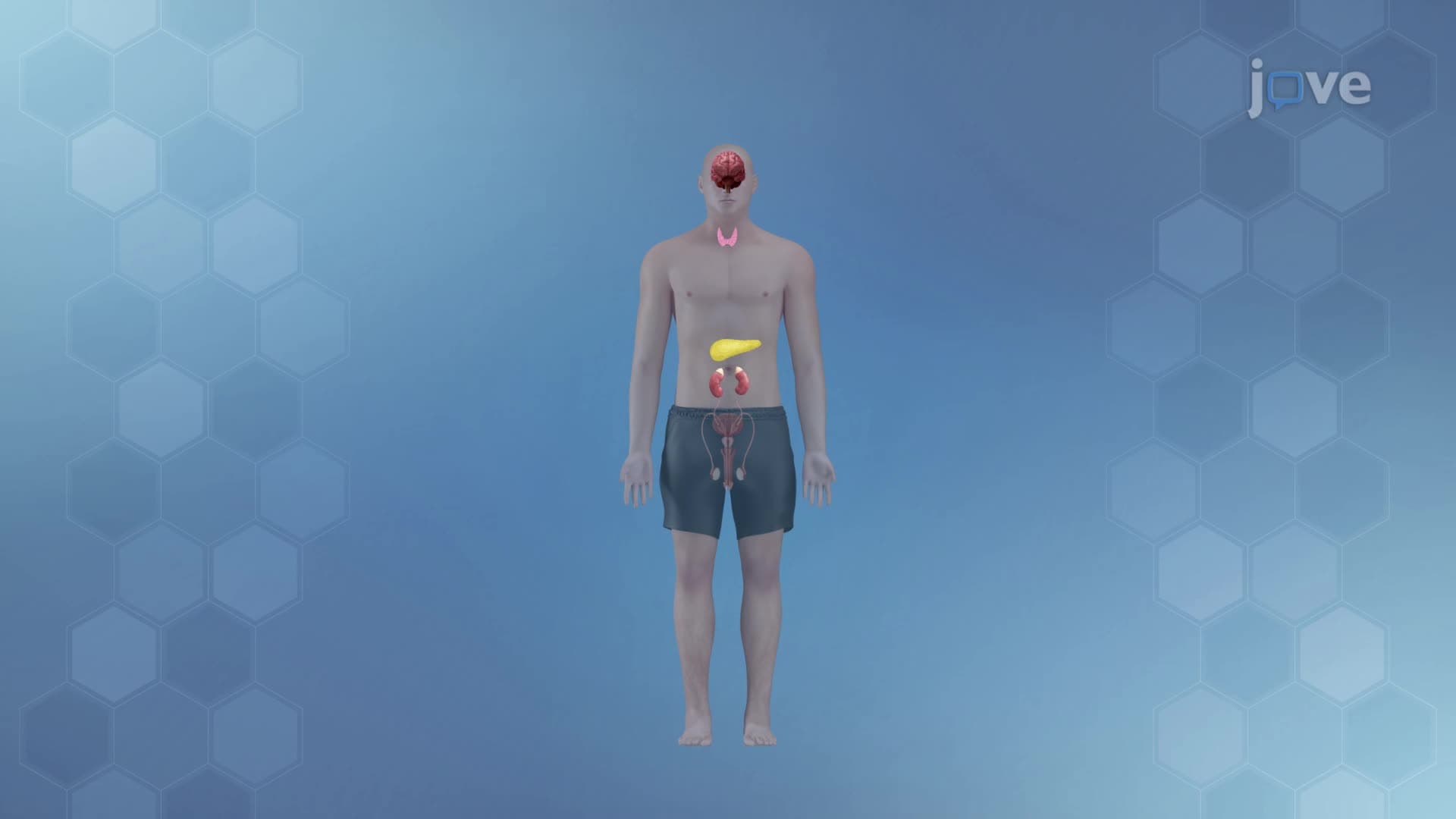
The pituitary gland, often called the "master gland," demonstrates how major hormones and their functions work in hierarchical control. Located at the base of your brain, it releases growth hormone (essential during your teenage years), oxytocin (the "bonding hormone" released during social connections), and adrenocorticotropic hormone (ACTH) that signals your adrenal glands during stress. Students preparing for AP Biology exams should understand that the hypothalamus controls the pituitary through releasing and inhibiting hormones, creating a critical feedback loop.
Your thyroid gland produces thyroxine (T4) and triiodothyronine (T3), which regulate your metabolic rate-explaining why some students feel more energetic than others or why weight management varies between individuals. The major hormones and their functions tutorial concept becomes clear when you consider how thyroid disorders like hyperthyroidism can cause anxiety and rapid heartbeat, symptoms that might be mistaken for test anxiety.
The pancreas exemplifies precision in hormone regulation through its dual function as both an endocrine and exocrine gland. Beta cells secrete insulin when blood glucose rises (like after lunch), while alpha cells release glucagon when glucose drops (such as during overnight fasting). This major hormones and their functions concept appears frequently on MCAT questions, particularly regarding diabetes pathophysiology.
Reproductive hormones demonstrate how major hormones and their functions change throughout life stages. The gonads produce testosterone in males and estrogen plus progesterone in females, hormones that not only drive sexual development during puberty but also influence bone density, mood regulation, and cardiovascular health. Understanding major hormones and their functions becomes crucial for students pursuing pre-med tracks, as hormone replacement therapy and reproductive endocrinology represent growing medical specialties.
College students studying for USMLE Step 1 should focus on hormone feedback mechanisms, particularly how cortisol from the adrenal cortex follows a circadian rhythm and responds to stress through the hypothalamic-pituitary-adrenal (HPA) axis.
Related Micro-courses