Loading subject page…


14,540 views

Video Summary: What Is Color Vision
Ever wondered why some people can't distinguish red traffic lights from green ones? Auditory perception and visual processing work together to help us navigate the world, but color vision specifically relies on specialized cells in our eyes. The trichromatic theory explains how three types of cone cells detect different wavelengths, while opponent-process theory reveals why we see afterimages after staring at bright colors. These theories help explain conditions like red-green color blindness, which affects about 8% of American men. Watch the full video on JoVE Coach to master this concept with expert-led visuals and step-by-step explanations.
What is color vision fundamentally involves how our visual system transforms light wavelengths into the rich spectrum of colors we perceive daily. This complex process requires understanding two groundbreaking theories that revolutionized vision science and continue to guide modern research in ophthalmology and neuroscience.
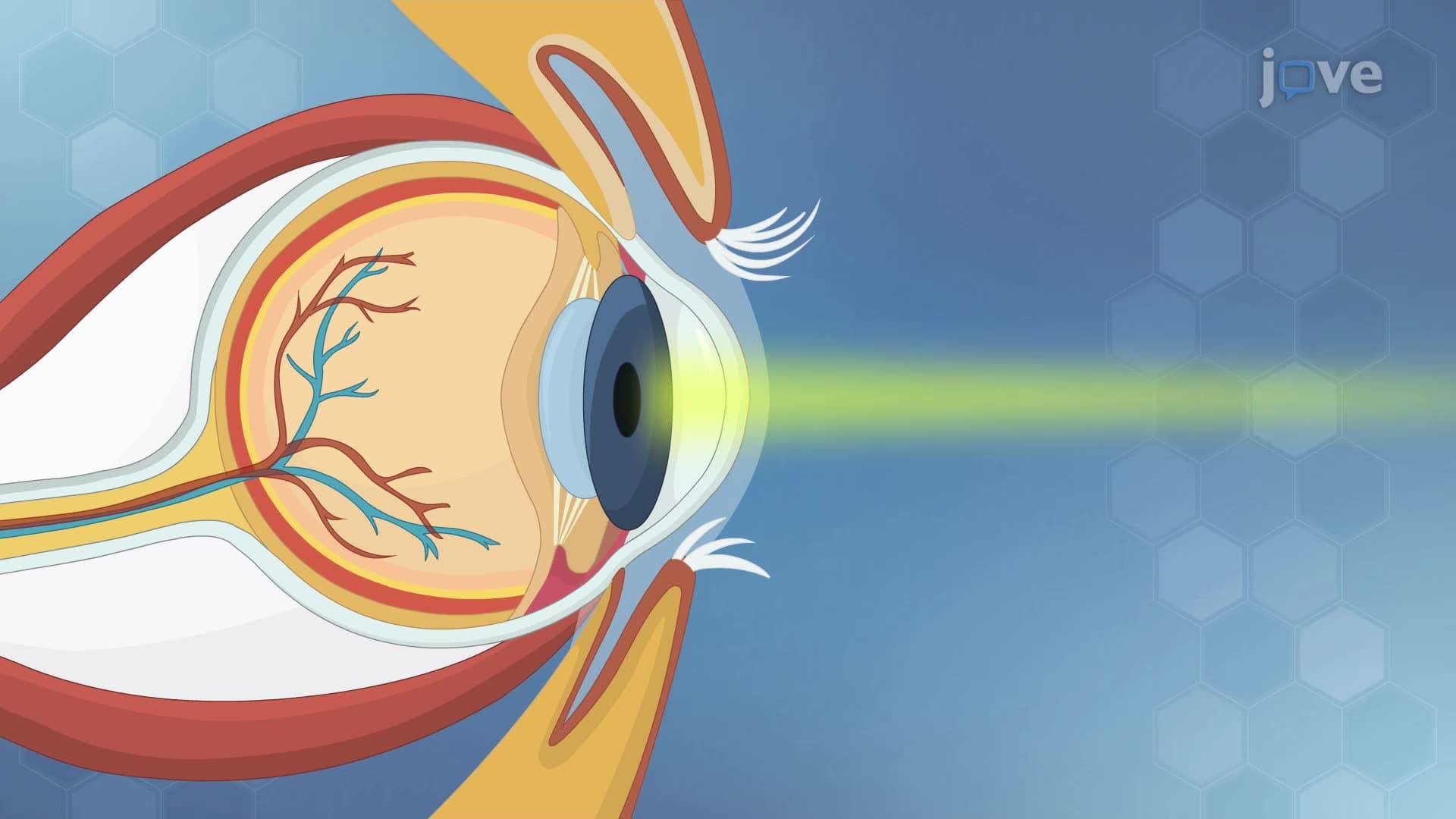
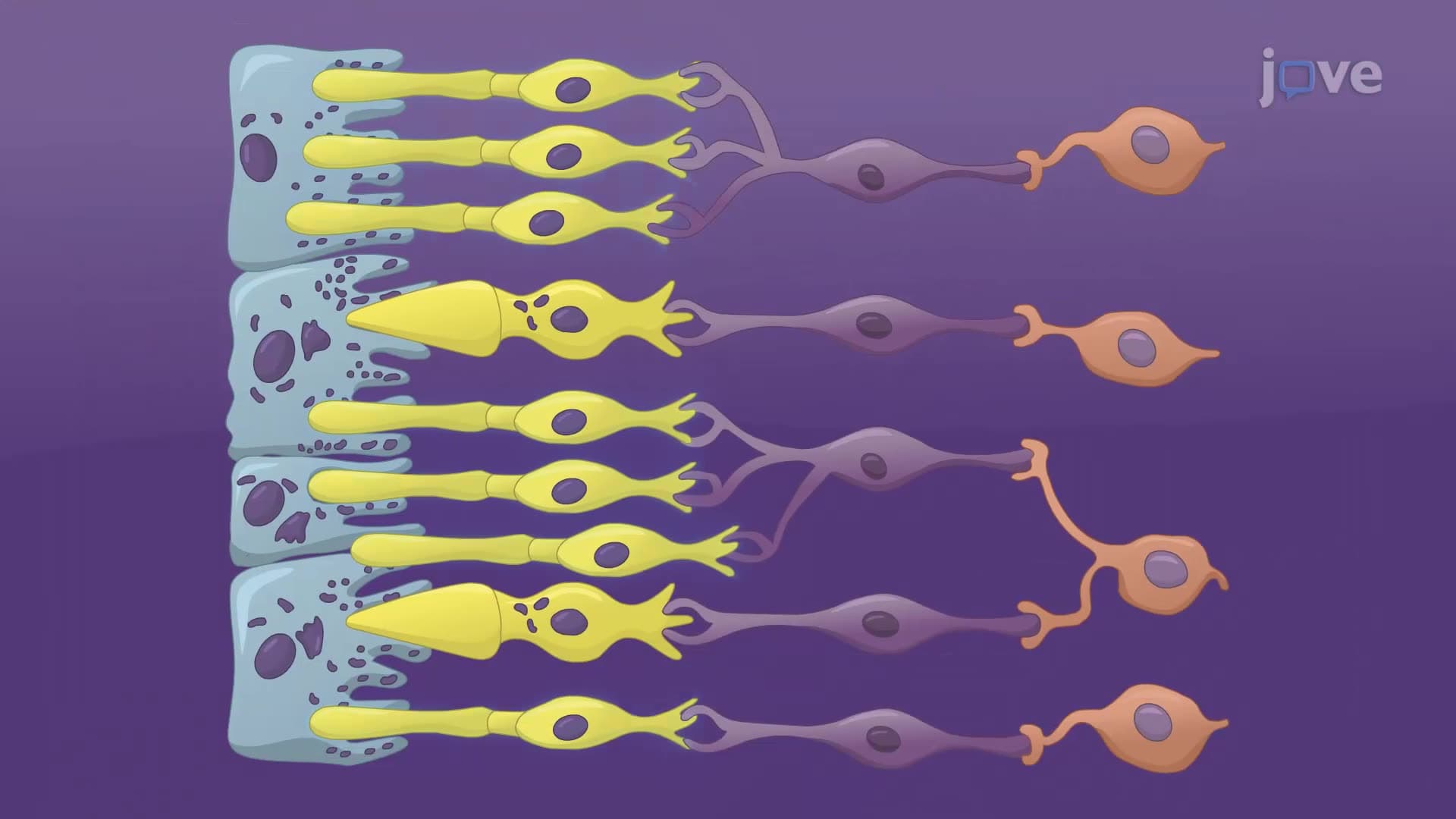
The trichromatic theory, developed by Thomas Young and Hermann von Helmholtz, proposes that color perception begins with three distinct cone cell types in the retina. Each cone type responds optimally to specific wavelength ranges: short wavelengths (blue), medium wavelengths (green), and long wavelengths (red). This system works similarly to how digital cameras use RGB sensors.
Color blindness research strongly supports this theory. Protanopia affects individuals lacking long-wavelength (red) cones, making it difficult to distinguish reds from greens-a condition affecting approximately 1% of American males. Deuteranopia involves medium-wavelength (green) cone deficiency, while tritanopia affects short-wavelength (blue) cones but occurs in less than 0.01% of the population.
Ewald Hering's opponent-process theory addresses phenomena the trichromatic theory cannot explain alone. This theory proposes that visual processing occurs through three opponent channels: red-green, blue-yellow, and black-white (brightness). When one color in a pair activates cells, it simultaneously inhibits the opposing color's response.
This mechanism explains afterimages perfectly. After staring at a red stop sign for 30 seconds, then looking at a white wall, you'll see a green afterimage. The red-sensitive cells become fatigued, allowing green-sensitive cells to dominate temporarily-a rebound effect demonstrating opponent processing.
Contemporary vision science recognizes both theories as correct and complementary. The retina uses trichromatic processing through cone cells, while ganglion cells convert this information into opponent-process codes before sending signals to the brain. This dual-system approach appears frequently on AP Psychology exams and MCAT questions, requiring students to understand both mechanisms and their interaction.
For students preparing for standardized tests, remember that color vision questions often test your understanding of how these theories work together, not separately. The integration explains why we can perceive millions of color variations despite having only three cone types-a concept crucial for success in advanced biology and psychology coursework.
Related Micro-courses