Loading subject page…


14,540 views

Video Summary: What Is Pain
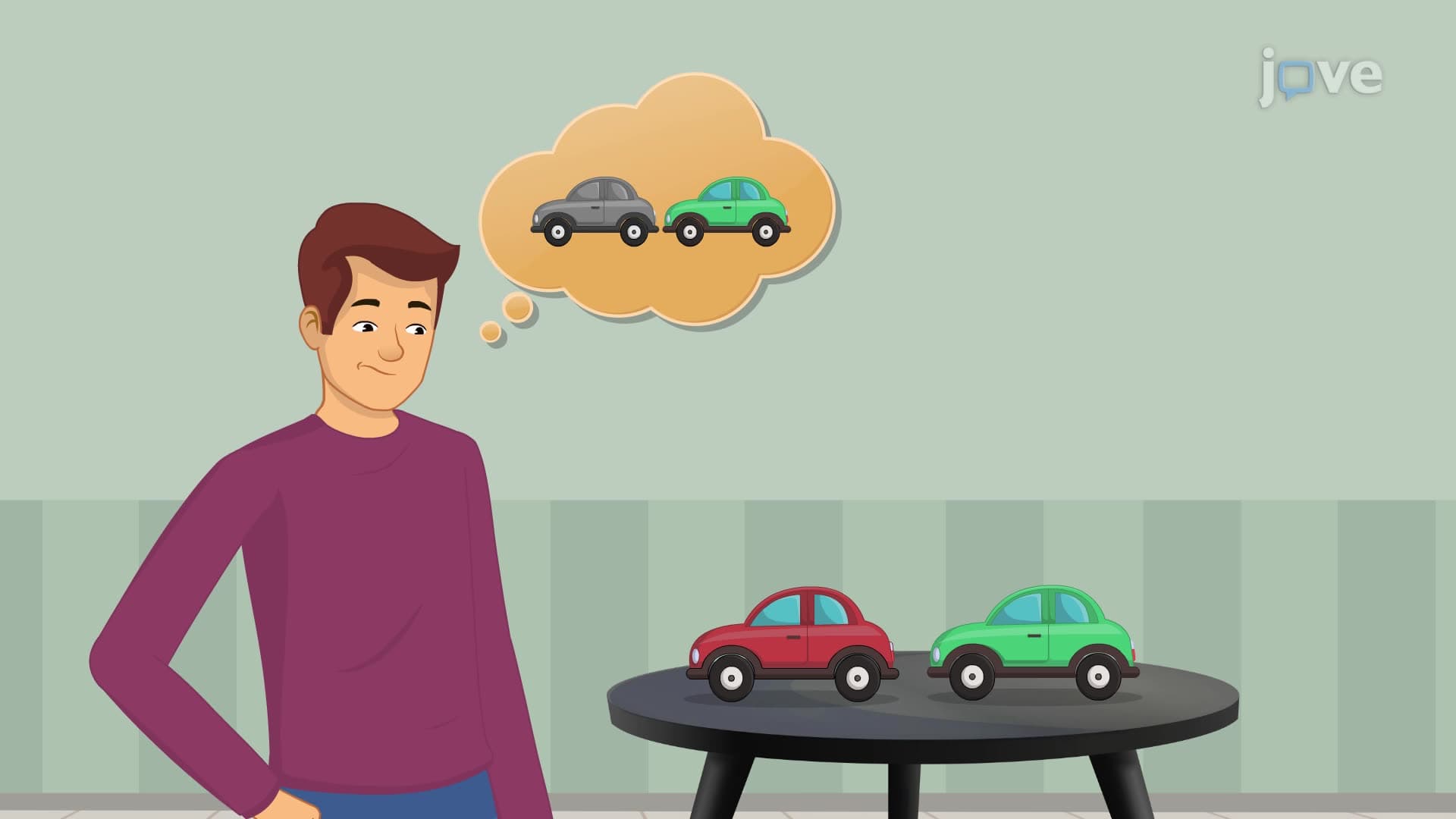
Did you know that people born with congenital insensitivity to pain often suffer severe injuries because they can't detect tissue damage? Visual agnosia, a neurological condition where patients can see objects but cannot recognize what they are, reveals fascinating insights about how our brain processes sensory information-much like how pain processing involves complex neural pathways. Consider a stroke patient at Johns Hopkins Hospital who can perfectly describe a key's shape and color but cannot identify it as a key. This visual agnosia demonstrates the intricate relationship between sensation and perception that also governs our understanding of pain. Watch the full video on JoVE Coach to master this concept with expert-led visuals and step-by-step explanations.
Pain serves as the body's primary alarm system, functioning as a crucial protective mechanism that prevents further tissue damage. Unlike simple sensory experiences, pain involves complex neural processing that transforms mechanical, thermal, or chemical stimuli into conscious awareness of potential harm. This sophisticated system ensures survival by triggering immediate protective responses-from reflexively pulling your hand away from a hot stove to seeking medical attention for chest pain.
Pain receptors, scientifically termed nociceptors, are specialized nerve endings distributed throughout virtually every tissue in the human body. These receptors populate the skin's dermis and epidermis, muscle fascia, internal organ walls, and the periosteum surrounding bones. When tissue damage occurs or threatens to occur, nociceptors convert harmful stimuli into electrical signals that travel through peripheral nerves to the spinal cord, then ascend to brain regions including the thalamus and somatosensory cortex for conscious perception.
The revolutionary gate control theory, developed by researchers Melzack and Wall, explains how the spinal cord acts as a neural "gate" that can either facilitate or inhibit pain signal transmission. This mechanism explains why rubbing an injured area reduces pain-competing touch signals can effectively "close the gate" to pain transmission. Understanding this theory is crucial for AP Psychology students and appears frequently on MCAT neuroscience sections, as it demonstrates the dynamic nature of pain perception rather than simple stimulus-response relationships.
Pain manifests differently across individuals due to genetic variations, previous experiences, and psychological states. In clinical settings like those at Mayo Clinic or Cleveland Clinic, healthcare providers use standardized pain scales (0-10) while recognizing that a "5" for one patient may represent vastly different tissue damage than for another. This individual variation becomes particularly relevant in conditions ranging from acute surgical pain to chronic conditions like fibromyalgia, where traditional pain mechanisms become dysregulated.
Related Micro-courses