Loading subject page…

Micro-course: Sensation and Perception
14,522 views
Learn key concepts and earn your certificate.






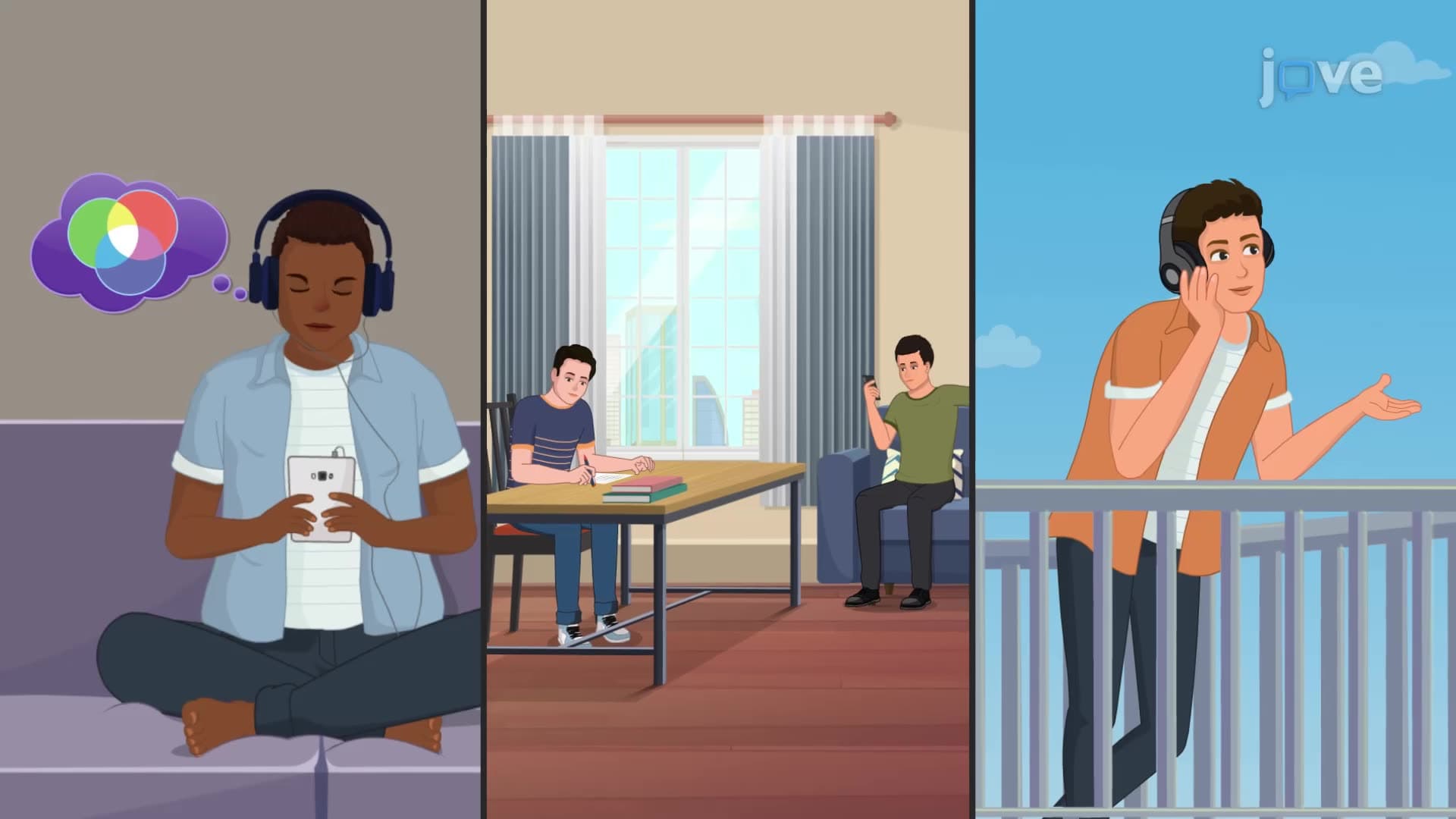
Perception

00:00
01:28
Video Summary: What Is Perception
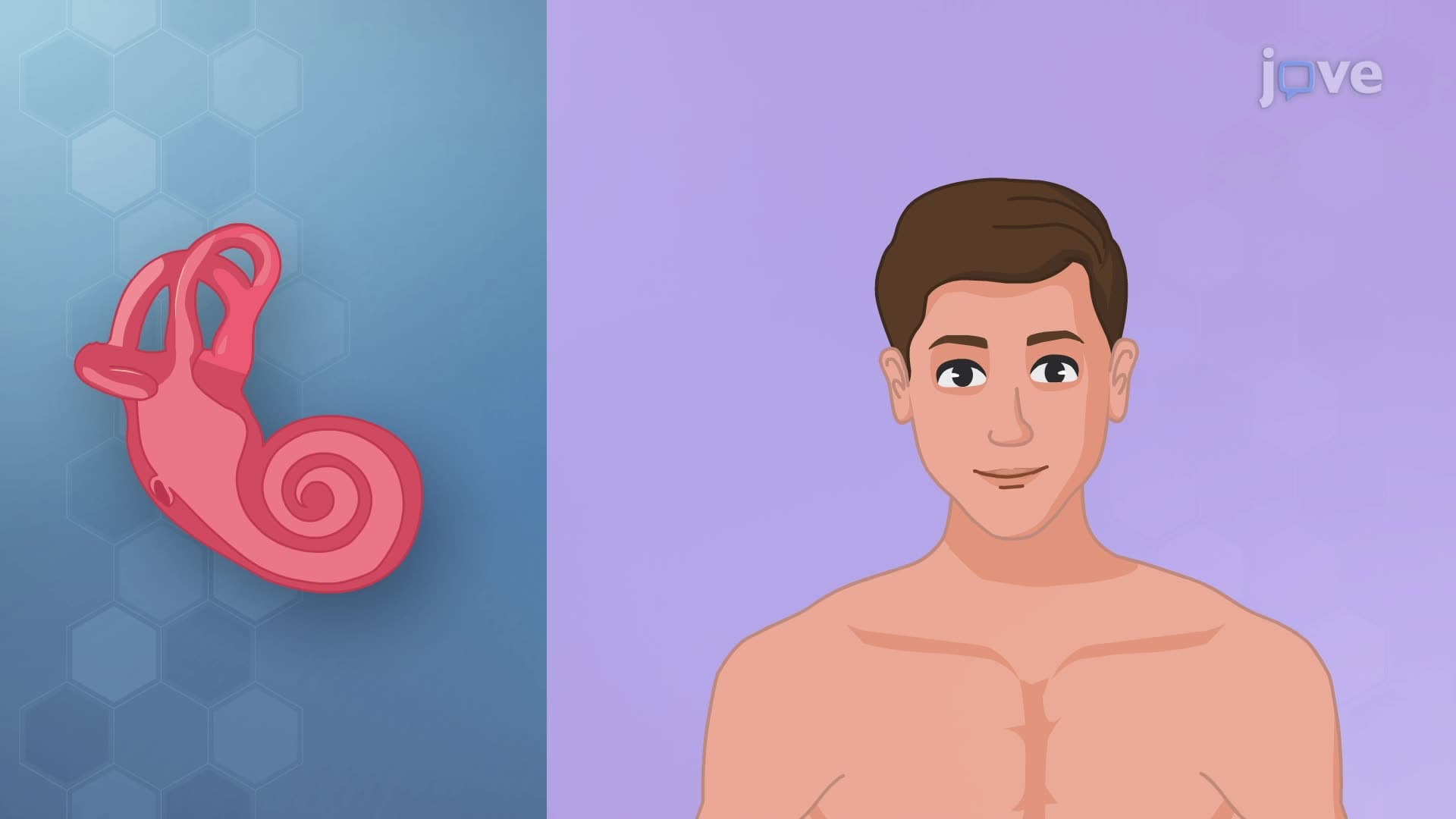
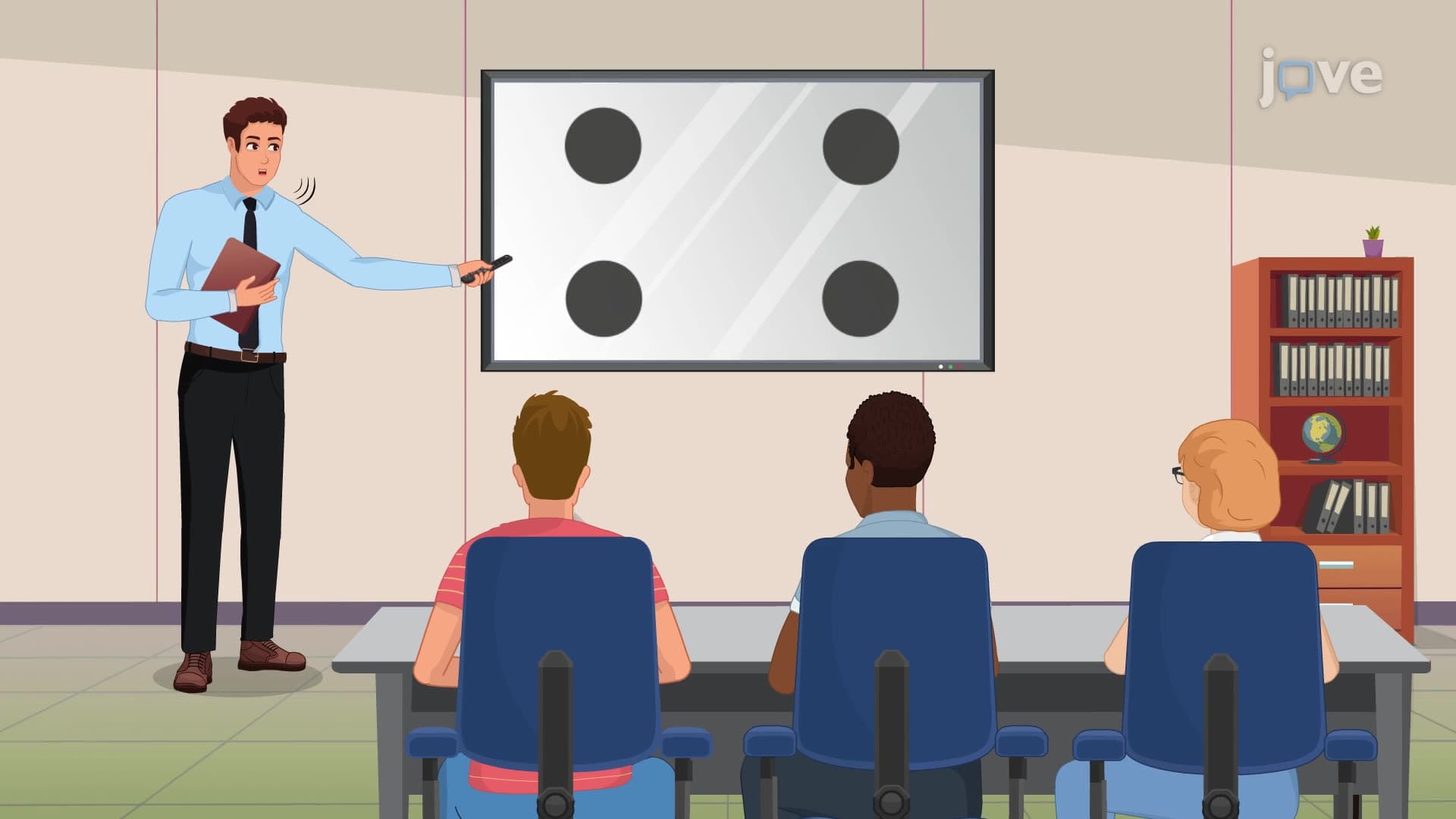
Ever wonder why you can instantly recognize your friend's face in a crowded Times Square, even from a distance? Depth perception and spatial vision work together as part of the broader process called perception-how our brain transforms raw sensory data into meaningful experiences. When baseball players at Yankee Stadium track a fly ball's trajectory, they're using sophisticated perceptual mechanisms that combine bottom-up sensory detection with top-down cognitive processing. Watch the full video on JoVE Coach to master this concept with expert-led visuals and step-by-step explanations.
- Understand what perception is and how it transforms sensory inputs into conscious experiences through organized interpretation
- Identify the key differences between bottom-up processing (data-driven sensory detection) and top-down processing (knowledge-driven interpretation)
- Analyze how depth perception and spatial vision contribute to our three-dimensional understanding of the environment
- Compare sensory adaptation mechanisms that filter overwhelming environmental stimuli in everyday situations
- Evaluate real-world examples of perceptual processes, from facial recognition to object location tasks
- Apply perceptual principles to explain phenomena like visual illusions and spatial misjudgments
- Recognize how prior knowledge and expectations influence sensory interpretation
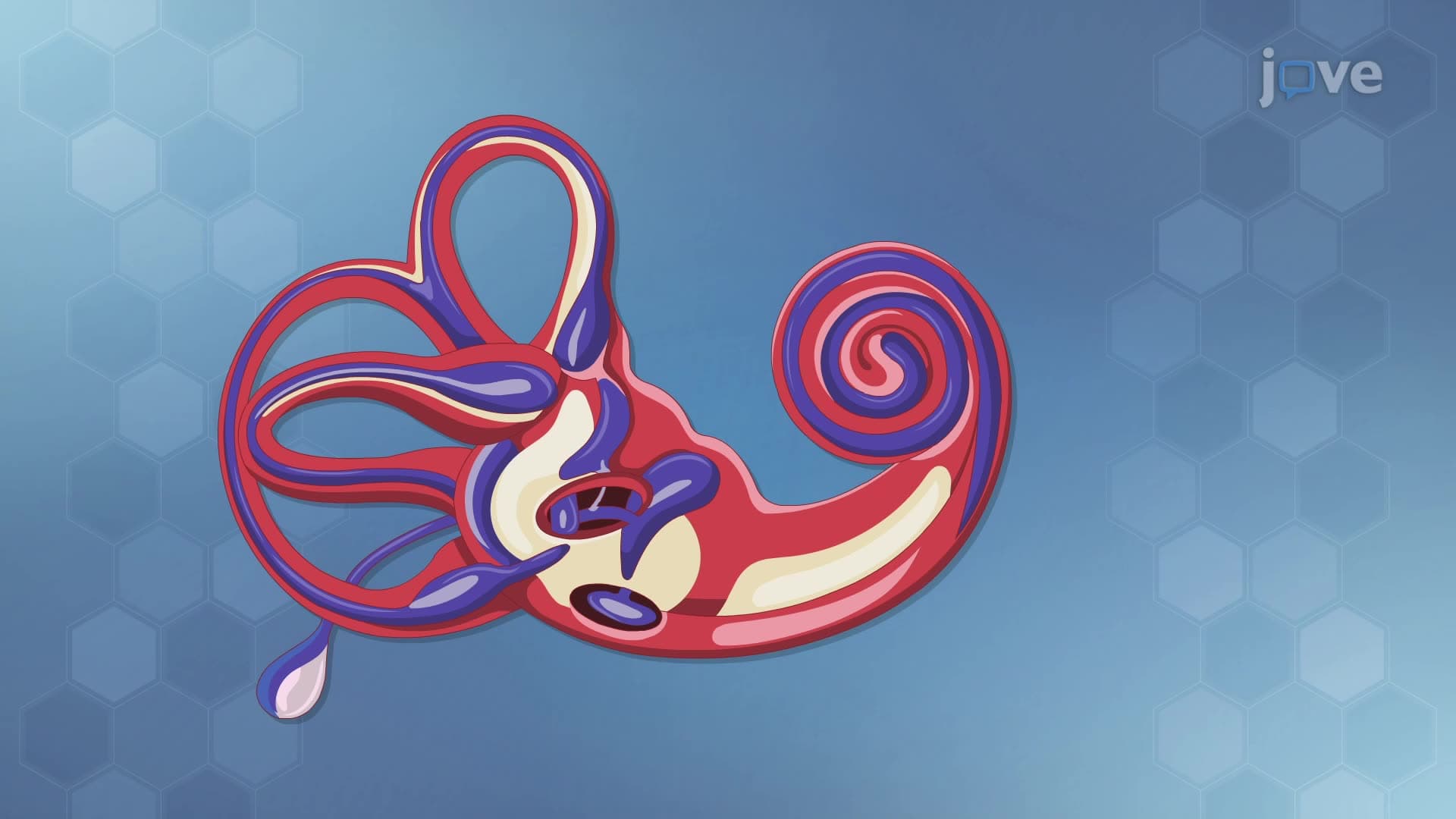
- Explore the relationship between sensory receptors, neural processing, and conscious awareness
Understanding What Perception Is: The Foundation of Conscious Experience
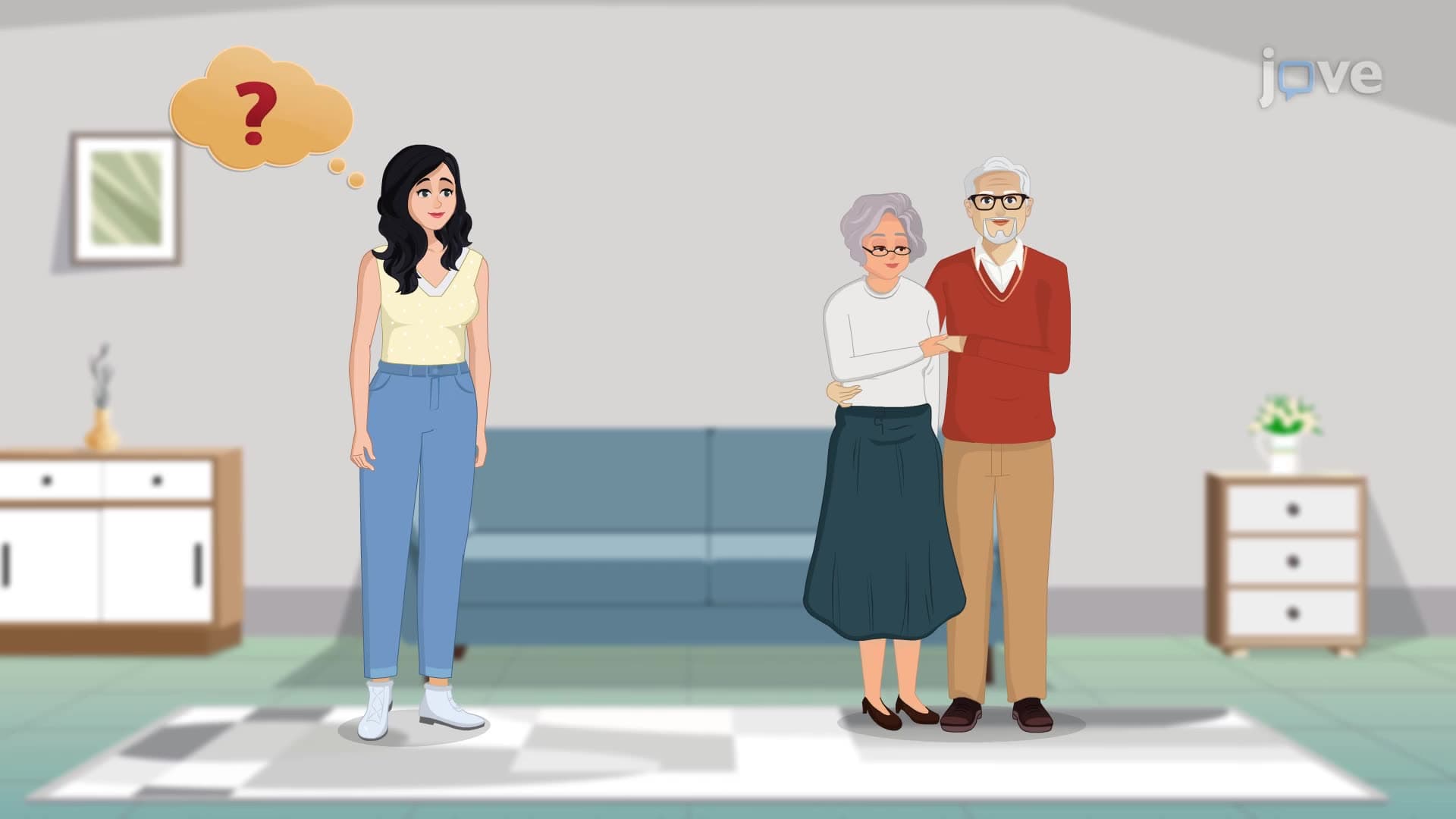
Perception represents one of psychology's most fascinating processes-the bridge between raw sensory input and meaningful conscious experience. Unlike simple sensation, which involves detecting stimuli through our sensory organs, perception actively organizes, interprets, and gives meaning to that sensory information. This complex process enables us to navigate our environment effectively, from recognizing faces at a high school reunion to safely driving through busy intersections in downtown Chicago.
Bottom-Up vs. Top-Down Processing in Depth Perception and Spatial Vision
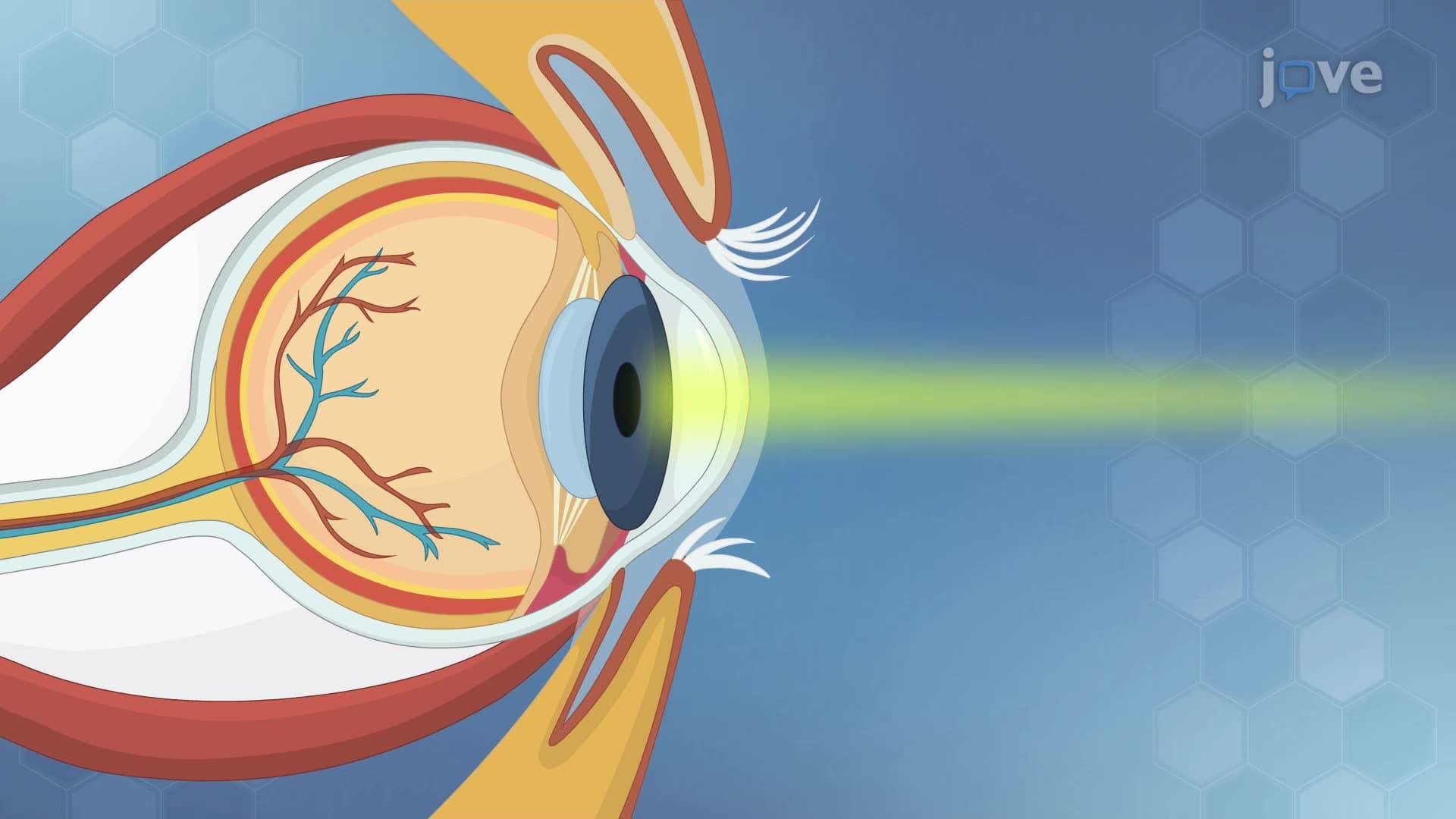
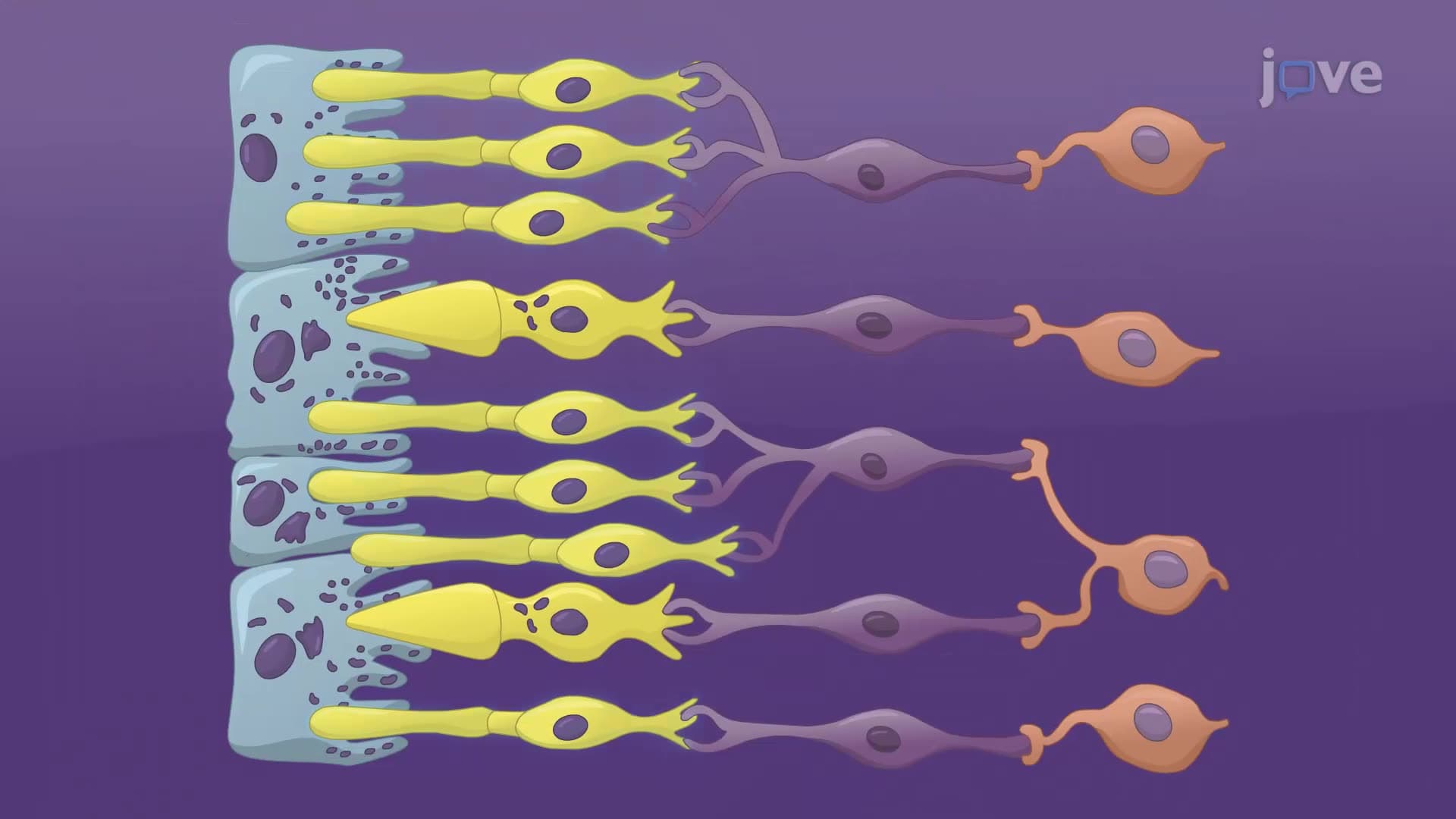
Perceptual processing operates through two complementary pathways. Bottom-up processing begins with sensory receptors detecting environmental stimuli-light waves hitting our retinas, sound waves reaching our eardrums, or pressure sensors in our skin responding to touch. This data-driven approach builds perception from basic sensory components upward. For example, when viewing the Grand Canyon, our visual system first detects edges, colors, and textures before assembling them into a complete scenic vista.
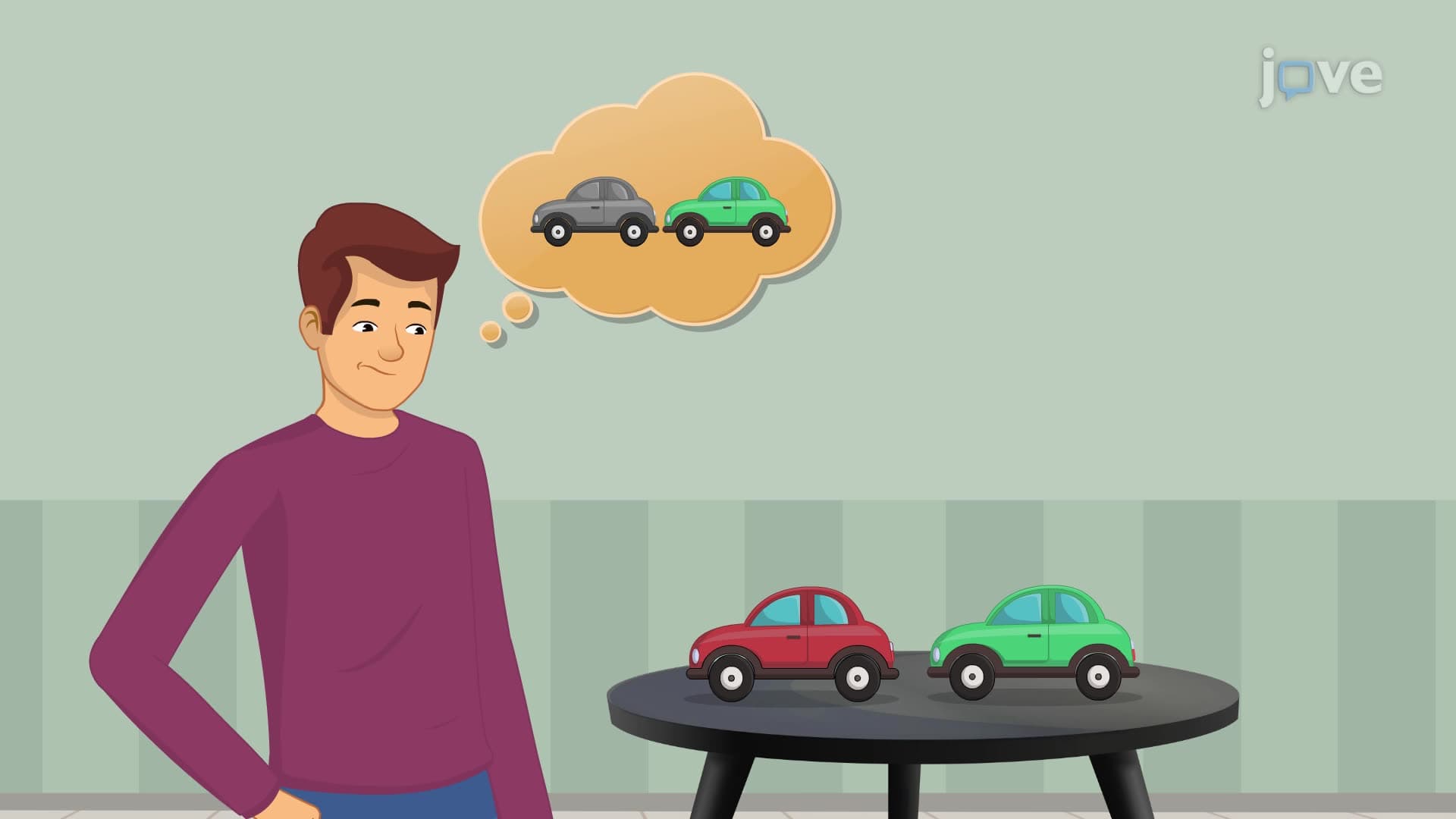
Conversely, top-down processing applies our stored knowledge, expectations, and experiences to interpret incoming sensory data. This knowledge-driven approach explains why medical students at Johns Hopkins can quickly identify anatomical structures in X-rays that appear meaningless to untrained observers. Their prior learning shapes how they perceive and organize visual information.
Depth Perception and Spatial Vision: Navigating Three-Dimensional Space
Depth perception and spatial vision represent specialized aspects of visual perception that allow us to judge distances, sizes, and spatial relationships in three-dimensional environments. These systems combine multiple visual cues-binocular disparity from our two eyes, motion parallax, linear perspective, and texture gradients-to create our sense of depth and spatial awareness.
Consider how basketball players at Duke University accurately judge the distance to the basket during free throws. Their visual system integrates depth cues with learned motor patterns, demonstrating how perception guides skilled action. This same depth perception and spatial vision system helps drivers merge onto Interstate 95 or helps students navigate crowded university hallways.
Sensory Adaptation: Managing Information Overload
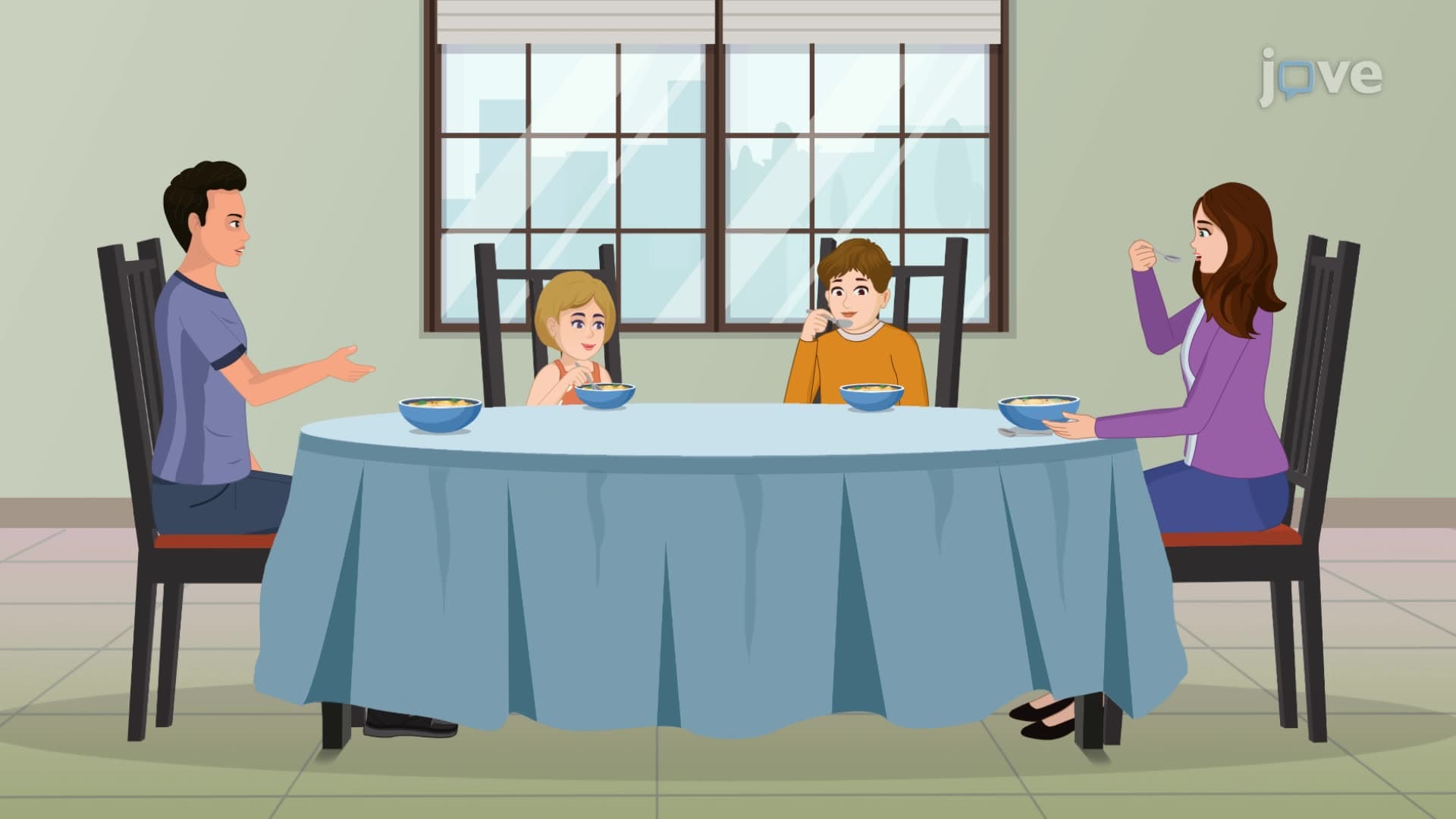
Our perceptual systems face constant bombardment from environmental stimuli. Sensory adaptation provides a crucial filtering mechanism, allowing our brains to focus on novel or important changes while diminishing awareness of constant background stimuli. Students studying in campus libraries gradually stop noticing the hum of air conditioning systems, while remaining alert to sudden sounds that might signal important events.
This adaptive capacity proves essential for academic success on standardized tests like the SAT or AP Psychology exam, where students must maintain focus despite environmental distractions. Understanding these perceptual principles also appears frequently in college-level cognitive psychology courses and features prominently in MCAT psychological sciences sections.
Frequently Asked Questions
Perception is the active process of organizing, interpreting, and consciously experiencing sensory information, while sensation simply involves detecting stimuli through sensory organs. Perception gives meaning to raw sensory data, allowing you to recognize your teacher's voice in a noisy cafeteria or identify a friend's face across a crowded mall. This distinction frequently appears on AP Psychology exams and college cognitive science courses.
The MCAT Psychological, Social, and Biological Foundations section regularly tests depth perception concepts, particularly binocular and monocular depth cues. You'll encounter questions about how the brain processes visual information to judge distances and spatial relationships. Focus on understanding specific depth cues like linear perspective, texture gradients, and binocular disparity for optimal test performance.
AP Psychology exams commonly test this distinction through scenario-based questions. Bottom-up processing starts with sensory input and builds upward (like hearing individual musical notes before recognizing a song), while top-down processing uses prior knowledge to interpret stimuli (like expecting to hear your school's fight song at a basketball game). Practice identifying which type of processing applies to different everyday situations.
Professional basketball players rely on sophisticated depth perception and spatial vision systems to judge distances for accurate shooting and passing. Their visual system integrates binocular depth cues, motion parallax, and learned spatial relationships to track the ball's trajectory and anticipate player movements. This real-world application demonstrates how perceptual training can enhance athletic performance through deliberate practice and visual-motor integration.
Perception concepts are highly accessible because they relate to everyday experiences everyone shares. You don't need extensive neuroscience knowledge to understand how you recognize faces or judge distances while walking. Start with familiar examples like recognizing friends in crowds or finding objects in your room, then build toward understanding the underlying mechanisms step by step.
Create real-world connections by observing your own perceptual experiences throughout the day. Notice how you identify sounds, judge distances, or recognize objects in different lighting conditions. Practice distinguishing bottom-up from top-down processing using everyday scenarios, and memorize key depth cues with visual examples. Many professors favor application questions over pure memorization.
Sensory adaptation allows your brain to filter out constant background stimuli like air conditioning noise or the feeling of clothes against your skin while maintaining alertness to important changes in your environment. This mechanism prevents sensory overload during extended studying, though it means you might miss important sounds like phone notifications. Understanding this process helps explain why changing study locations occasionally can refresh your attention and improve concentration.
After understanding fundamental perception principles, explore specialized areas like visual illusions, perceptual constancies, and cross-modal sensory integration. Advanced topics include studying how perception changes with development, investigating cultural differences in spatial processing, or examining how perceptual disorders affect daily functioning. These areas provide excellent preparation for graduate-level cognitive science or neuroscience coursework.
User interface designers at companies like Apple and Google extensively apply perceptual principles when creating smartphones, apps, and websites. They use depth cues to create intuitive navigation, leverage gestalt principles for clear visual organization, and consider sensory adaptation when designing notification systems. Understanding perception helps explain why certain technological interfaces feel natural and others seem confusing or overwhelming to users.
Related Micro-courses