Loading subject page…


14,540 views


Video Summary: What Is Perceptual Constancy
Ever wonder why a Boeing 747 looks like it could still carry 400 passengers even when it's a tiny speck in the sky? This phenomenon demonstrates perceptual constancy, our brain's remarkable ability to recognize that objects maintain their essential properties despite dramatic changes in how they appear to our eyes. From recognizing your friend's face in different lighting at a football game to identifying a stop sign from various angles while driving, perceptual constancy helps us navigate daily life with consistency and accuracy. Watch the full video on JoVE Coach to master this concept with expert-led visuals and step-by-step explanations.
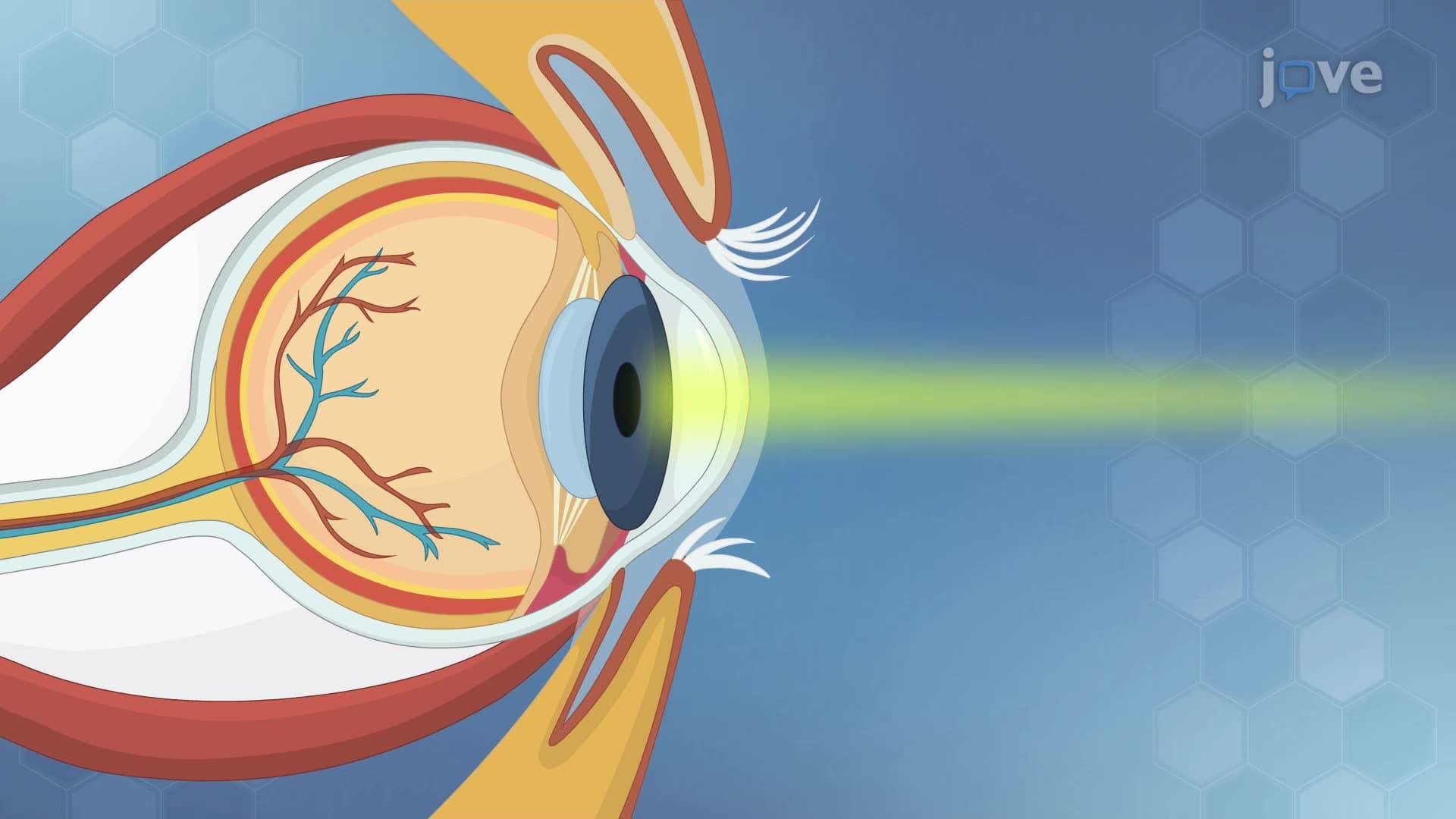
Perceptual constancy represents one of the most sophisticated achievements of human visual processing. This cognitive mechanism allows our brains to maintain stable perceptions of objects despite constantly changing sensory input. When you look at your smartphone screen from different angles throughout the day, your brain doesn't interpret it as a series of different rectangular shapes-it consistently recognizes it as the same rectangular device. This stability in perception occurs because our visual system processes not just the raw retinal image, but also contextual information about lighting, distance, and viewing angle.
The evolutionary advantage of perceptual constancy becomes clear when considering survival scenarios. Early humans needed to recognize predators, prey, and resources regardless of lighting conditions or viewing distances. A lion remained dangerous whether seen at dawn, midday, or dusk, and whether encountered at 50 feet or 500 feet away.
Size constancy enables us to perceive objects as maintaining their actual dimensions despite dramatic changes in retinal image size. When you watch a friend walk away across a football field, they don't appear to be shrinking into a miniature person-your brain compensates for distance to maintain size perception. This process involves complex calculations incorporating depth cues, including linear perspective, texture gradients, and familiar size comparisons.
Students preparing for AP Psychology exams frequently encounter size constancy questions involving everyday scenarios. For example, test questions might ask why a school bus appears large enough to transport students even when viewed from a mile away, despite creating a tiny retinal image. Understanding this concept proves crucial for success on standardized tests and college psychology courses.
Shape constancy allows recognition of objects across different orientations and viewing angles. A textbook maintains its rectangular identity whether lying flat on a desk, standing upright on a bookshelf, or viewed from the side. This constancy proves essential for navigation and object manipulation in three-dimensional space.
Color constancy demonstrates perhaps the most remarkable aspect of perceptual processing. A red apple appears red whether viewed under the fluorescent lights of a grocery store, the warm lighting of your kitchen, or natural sunlight outdoors. This occurs because our visual system automatically adjusts for the color temperature of ambient lighting, extracting the object's inherent color properties from the overall illumination context.
Medical students studying for the MCAT often encounter color constancy in the context of visual processing disorders. Understanding normal color constancy helps explain conditions where this mechanism fails, such as certain types of cortical visual impairments that can result from stroke or traumatic brain injury.
Related Micro-courses