Loading subject page…


14,540 views

Video Summary: What Is Sensation
Ever wonder how your brain knows when your phone buzzes in your pocket before you consciously realize it? This phenomenon involves sensation, the fundamental process by which our sensory organs detect and convert environmental stimuli into neural signals. From the moment light hits your retina during a standardized test to detecting the faintest whisper in a library at Harvard University, sensation operates through specialized receptors that transform physical energy into electrical impulses your brain can interpret. Watch the full video on JoVE Coach to master this concept with expert-led visuals and step-by-step explanations.
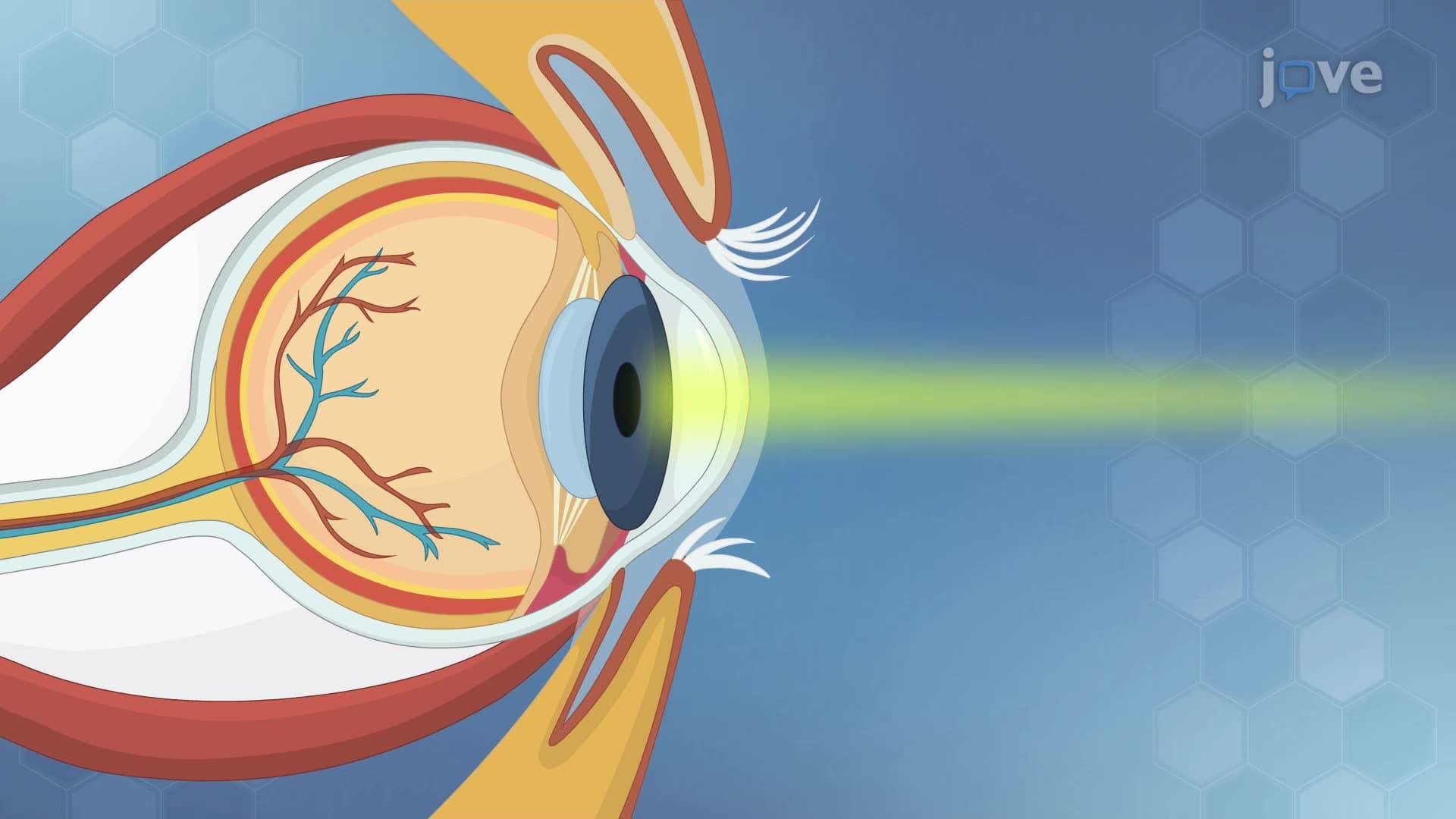
Sensation represents the initial step in how humans experience their environment, involving the detection and conversion of physical stimuli into neural signals. Unlike perception, which interprets these signals, sensation focuses purely on the mechanical and chemical processes occurring at sensory receptor sites. When you take the SAT in a testing center, your visual system's sensation allows you to detect the contrast between black text and white paper, while your auditory sensation picks up the proctor's instructions-all before your brain consciously processes this information.
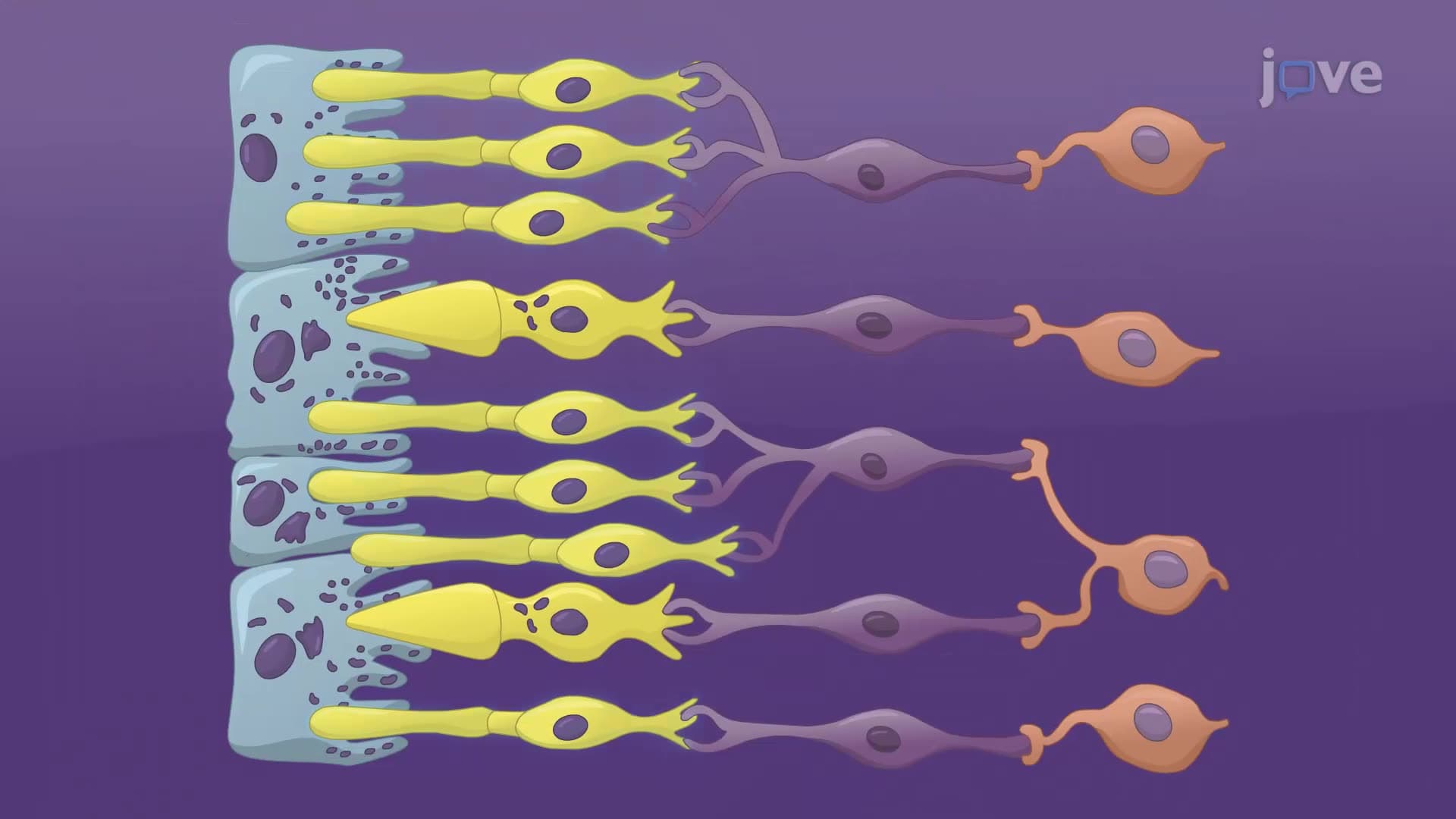
Transduction serves as the bridge between the physical world and neural processing. In your retina, photoreceptor cells containing rhodopsin undergo conformational changes when struck by photons, triggering a cascade of chemical reactions that ultimately generate action potentials. This same principle applies across all sensory modalities-mechanical pressure deforms skin receptors, sound waves vibrate hair cells in the cochlea, and chemical molecules bind to olfactory neurons. For MCAT preparation, understanding that each sensory system uses specialized proteins and ion channels for transduction proves essential for biochemistry and neuroscience sections.
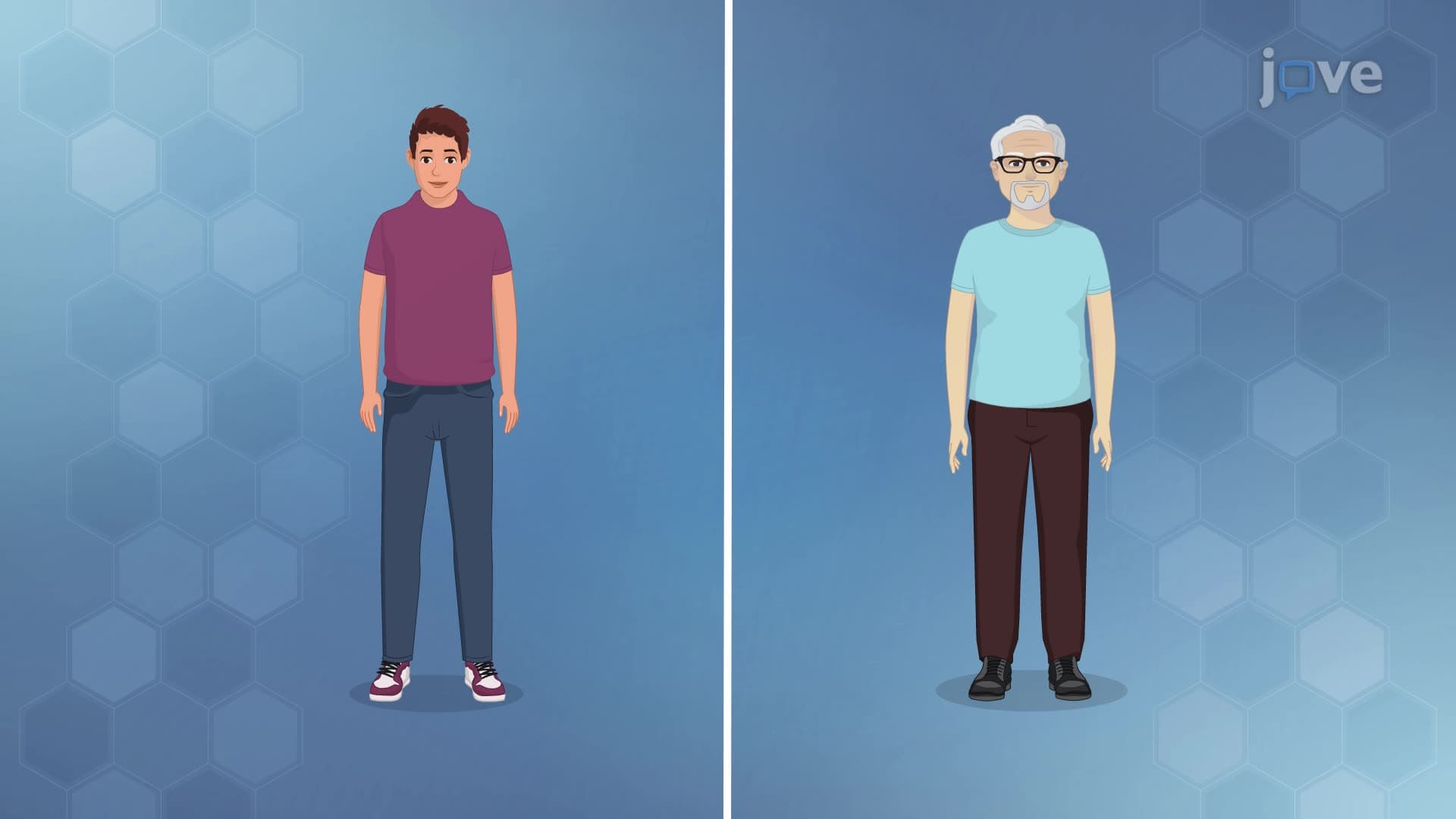
Absolute threshold represents a cornerstone concept in psychophysics, defined as the minimum stimulus intensity detected correctly 50% of the time under controlled conditions. Research conducted at institutions like Stanford University demonstrates that absolute thresholds vary significantly between individuals and can be influenced by factors such as age, attention, and environmental conditions. For example, audiologists use absolute threshold measurements to diagnose hearing loss, testing frequencies from 250 Hz to 8000 Hz to create comprehensive audiograms for patients.
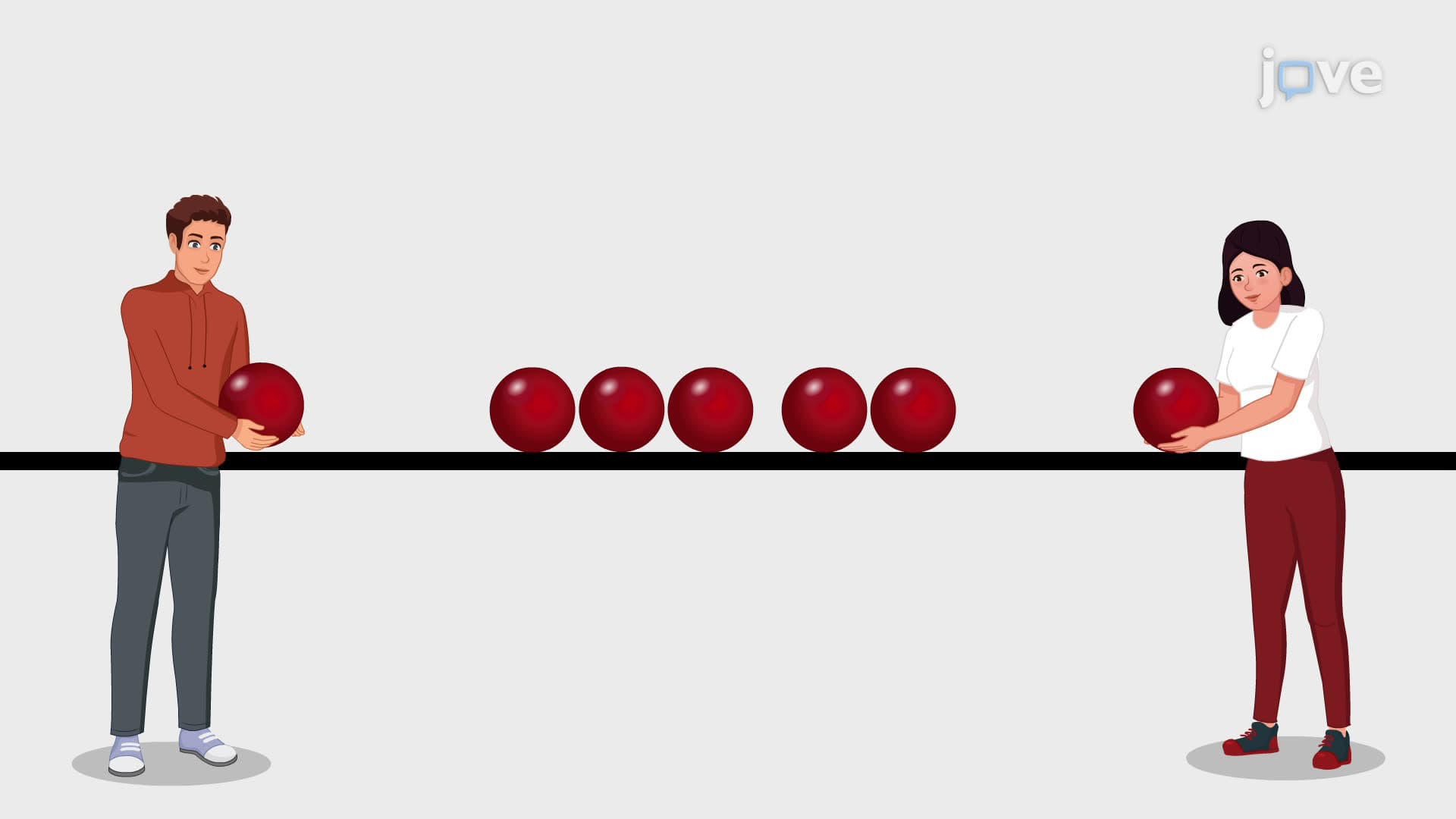
The difference threshold, or just noticeable difference (JND), follows Weber's Law, which states that the JND is proportional to the original stimulus intensity. If you're holding a 100-gram textbook and someone adds 2 grams, you likely won't notice. However, Weber's Law predicts that you'd need approximately 2-3% additional weight (2-3 grams) to detect the change reliably. This principle appears frequently on AP Psychology exams and helps explain why turning up your car radio one notch seems insignificant at low volumes but dramatically loud at high volumes. College psychology courses often require students to calculate Weber fractions for different sensory modalities, with vision showing ratios around 8% and weight discrimination around 2%.
Related Micro-courses