Loading subject page…

Micro-course: Sensation and Perception
14,522 views
Learn key concepts and earn your certificate.








Synesthesia

00:00
01:27
Video Summary: What Is Synesthesia
Ever wondered why some people literally see music in vivid colors or taste words on their tongue? Understanding consciousness: states and theories reveals fascinating conditions like synesthesia, where neural networks cross-connect to create extraordinary sensory experiences. Musicians like Billy Joel have described seeing colors when composing, demonstrating how synesthesia blends multiple senses simultaneously. This neurological phenomenon offers unique insights into how our brains process and interpret sensory information. Watch the full video on JoVE Coach to master this concept with expert-led visuals and step-by-step explanations.
- Understand what synesthesia is and how it demonstrates complex neural connectivity patterns in consciousness studies
- Identify different types of synesthesia including chromesthesia, mirror-touch, and misophonia
- Analyze the neurological mechanisms behind cross-modal sensory processing and perception
- Compare synesthetic experiences to typical sensory processing in the human brain
- Evaluate how synesthesia impacts creativity, memory, and daily functioning
- Apply knowledge of synesthesia to broader concepts of consciousness and sensory integration
- Recognize the role of synesthesia research in advancing neuroscience and psychology
- Explore connections between synesthesia and enhanced cognitive abilities
Understanding Synesthesia: A Window into Neural Connectivity
Synesthesia represents one of the most intriguing examples of how our brains process sensory information, offering valuable insights into understanding consciousness: states and theories. This neurological condition affects approximately 4% of the population, occurring when neural pathways that typically process separate senses become interconnected, creating automatic and consistent cross-sensory experiences.
Types and Manifestations of Synesthetic Experiences
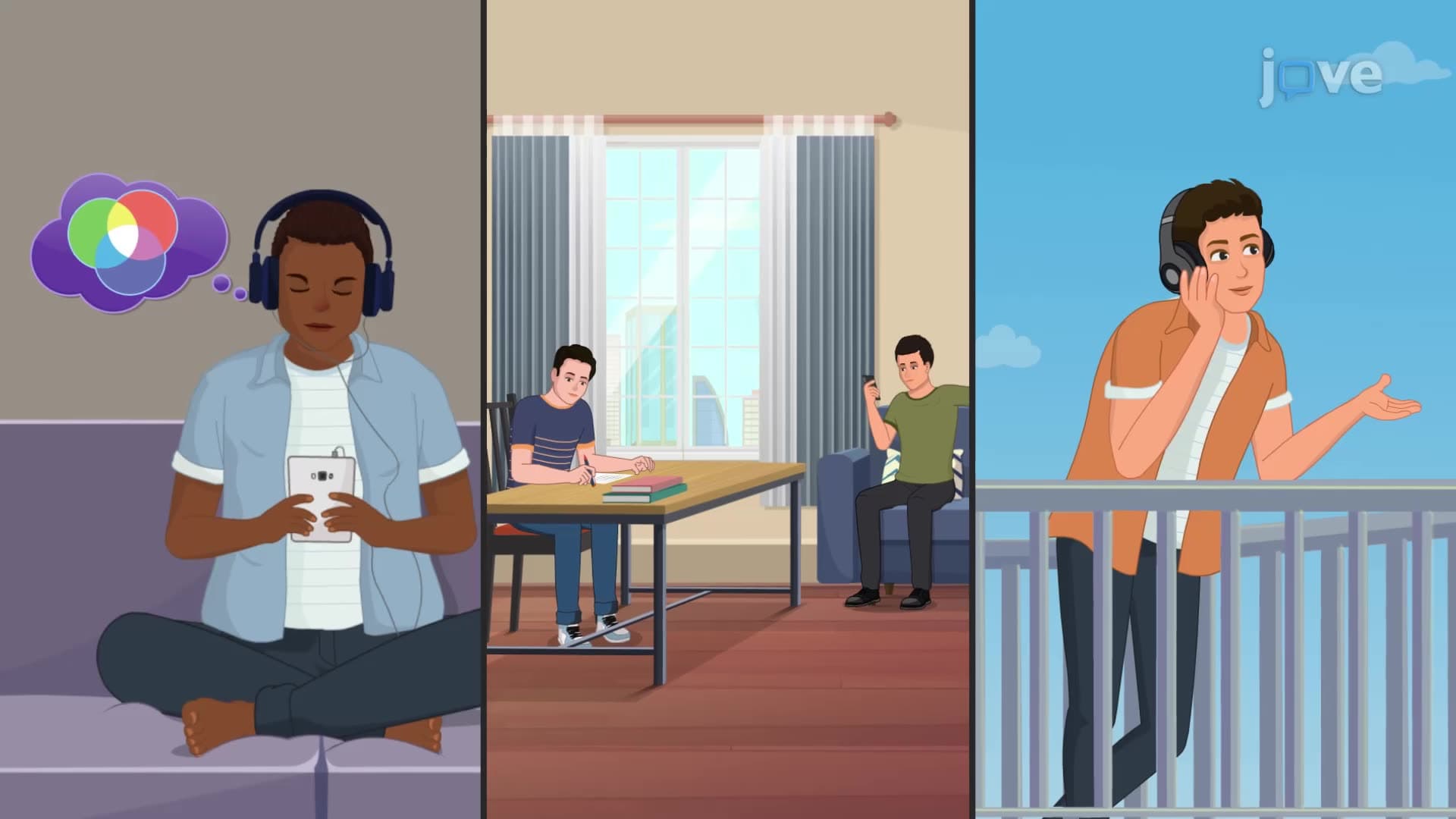
The most common form, chromesthesia, involves seeing colors when hearing sounds. Musicians like Duke Ellington and Tori Amos have credited their synesthesia with enhancing their musical compositions. Grapheme-color synesthesia causes letters and numbers to appear in specific colors-the letter "A" might always appear red, while "7" consistently looks blue.
Mirror-touch synesthesia creates particularly empathetic experiences, where individuals literally feel sensations when watching others being touched. Research at University of California, San Diego, has shown that people with this condition demonstrate heightened emotional intelligence and stronger neural responses in mirror neuron systems.
Misophonia, while debated as a form of synesthesia, involves intense emotional reactions to specific sounds like chewing or tapping. This condition affects millions of Americans and demonstrates how sensory processing can trigger powerful emotional and physiological responses.
Neurological Mechanisms and Brain Function
Brain imaging studies using fMRI technology at institutions like Harvard Medical School and Stanford University reveal that synesthetes show increased connectivity between brain regions. The angular gyrus, located in the parietal lobe, appears particularly important in binding different sensory experiences together.
This enhanced neural connectivity may explain why many synesthetes demonstrate superior memory abilities. The additional sensory associations create more elaborate memory networks, making information easier to recall-a concept frequently tested on AP Psychology exams and relevant for MCAT preparation.
Applications in Education and Creative Fields
Understanding synesthesia proves valuable for students preparing for psychology courses, neuroscience programs, and medical school entrance exams. The condition illustrates key principles about brain plasticity, sensory processing, and individual differences in perception-topics commonly appearing on standardized tests like the SAT Subject Test in Biology and college-level neuroscience assessments.
Many synesthetes pursue careers in creative fields, leveraging their unique perceptual abilities in art, music, and literature. Understanding how synesthesia enhances creativity provides insights into human cognition and the relationship between sensory processing and artistic expression.
Frequently Asked Questions
Synesthesia is a neurological condition where stimulation of one sensory pathway automatically triggers another, creating experiences like seeing colors when hearing music. It provides crucial insights into how consciousness processes and integrates sensory information, demonstrating the brain's remarkable plasticity and interconnectedness. This phenomenon helps researchers understand the boundaries and flexibility of human perception.
Yes, synesthesia frequently appears on both exams as it illustrates key principles of sensation, perception, and brain function. AP Psychology tests often include questions about sensory processing disorders and individual differences in perception. The MCAT incorporates synesthesia when testing knowledge of neural pathways, brain anatomy, and psychological concepts, particularly in the Psychological, Social, and Biological Foundations section.
Focus on understanding the neural mechanisms, types of synesthesia, and research methodologies used to study the condition. Review brain imaging studies, memorize key brain regions involved (especially the angular gyrus), and practice explaining how cross-modal processing works. Connect synesthesia to broader topics like neuroplasticity and sensory integration that commonly appear on neuroscience exams.
Not at all-synesthesia concepts are accessible to high school students with basic biology knowledge. Understanding requires familiarity with neurons, brain regions, and sensory systems, topics covered in introductory psychology and biology courses. The fascinating nature of synesthetic experiences actually makes complex neuroscience concepts more engaging and easier to remember.
Musicians like Pharrell Williams and Lady Gaga have publicly discussed their synesthetic experiences, describing how they see colors in music. Author Vladimir Nabokov wrote extensively about his letter-color synesthesia, and physicist Richard Feynman saw equations in colors. These examples demonstrate how synesthesia can enhance creativity while remaining a scientifically studied neurological phenomenon.
Create visual aids connecting different types of synesthesia to their neural mechanisms, and use mnemonic devices to remember brain regions involved. Practice explaining synesthesia to friends or family members, as teaching others reinforces your understanding. Focus on connecting synesthesia to broader neuroscience principles rather than memorizing isolated facts.
Synesthesia research contributes to understanding neuroplasticity, brain development, genetics, and consciousness. It connects to phantom limb syndrome, autism spectrum disorders, and sensory processing differences. These connections frequently appear in advanced psychology courses and provide excellent examples for discussing individual differences in neural organization and function.
Knowledge of synesthesia proves valuable for neurologists, psychiatrists, cognitive psychologists, and neuroscience researchers. Art therapists and music therapists often work with synesthetic clients, while educators benefit from understanding sensory processing differences. This knowledge also supports careers in brain imaging, pharmaceutical research, and assistive technology development for sensory processing disorders.
Related Micro-courses