Loading subject page…
- Macroeconomics
- Inflation: Causes, Measures, and Economic Impacts
Macroeconomics
All Micro-courses:7

1.
Introduction to Macroeconomics
10 Concepts
2.
Measuring National Output and National Income
26 Concepts
3.
Savings, Consumption and Investment
24 Concepts
4.
Unemployment: Measurement, Causes, and Policy Implications
22 Concepts
5.
Inflation: Causes, Measures, and Economic Impacts
16 Concepts
6.
The Money Supply and the Federal Reserve
20 Concepts
7.
Theories and Drivers of Economic Growth
17 Concepts
Inflation: Causes, Measures, and Economic Impacts
 16 Concepts
 3K Views
 Popular topics
Concepts: 16
01:29
54 views

01:29
59 views
01:29
62 views
01:29
52 views

01:27
61 views
01:28
88 views

01:28
270 views
01:28
309 views
01:29
212 views

01:25
296 views
01:28
233 views
01:30
404 views

01:16
334 views

01:24
216 views

01:29
190 views
01:19
186 views
Understanding inflation causes is essential for analyzing modern economic dynamics. This JoVE Coach course explores how price increases affect purchasing power, examines measurement tools like the Consumer Price Index (CPI) and Producer Price Index (PPI), and analyzes different inflation types from moderate price rises to hyperinflation through the Quantity Theory of Money framework.
- Understand how inflation reduces purchasing power and affects consumers, businesses, and savers differently
- Learn to calculate and interpret the Consumer Price Index (CPI) as a key inflation measurement tool
- Identify how the Producer Price Index (PPI) tracks price changes at the production level before reaching consumers
- Explore three distinct types of inflation: moderate, galloping, and hyperinflation with real-world examples
- Analyze the Quantity Theory of Money equation (MV = PT) and its components
- Apply the modified quantity equation (MV = PY) using real GDP data
- Understand the relationship between money supply, velocity, and price levels in economic analysis
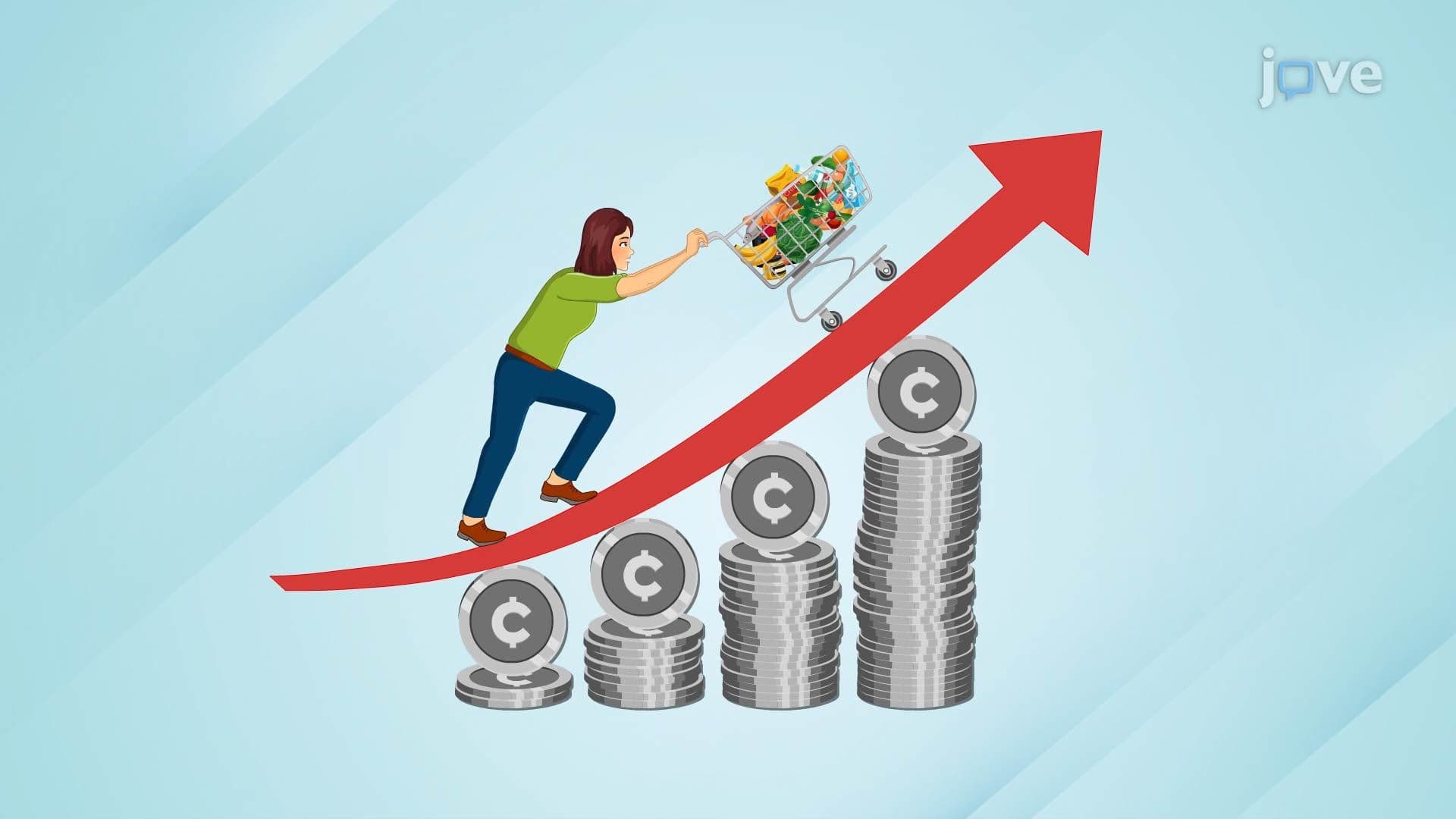
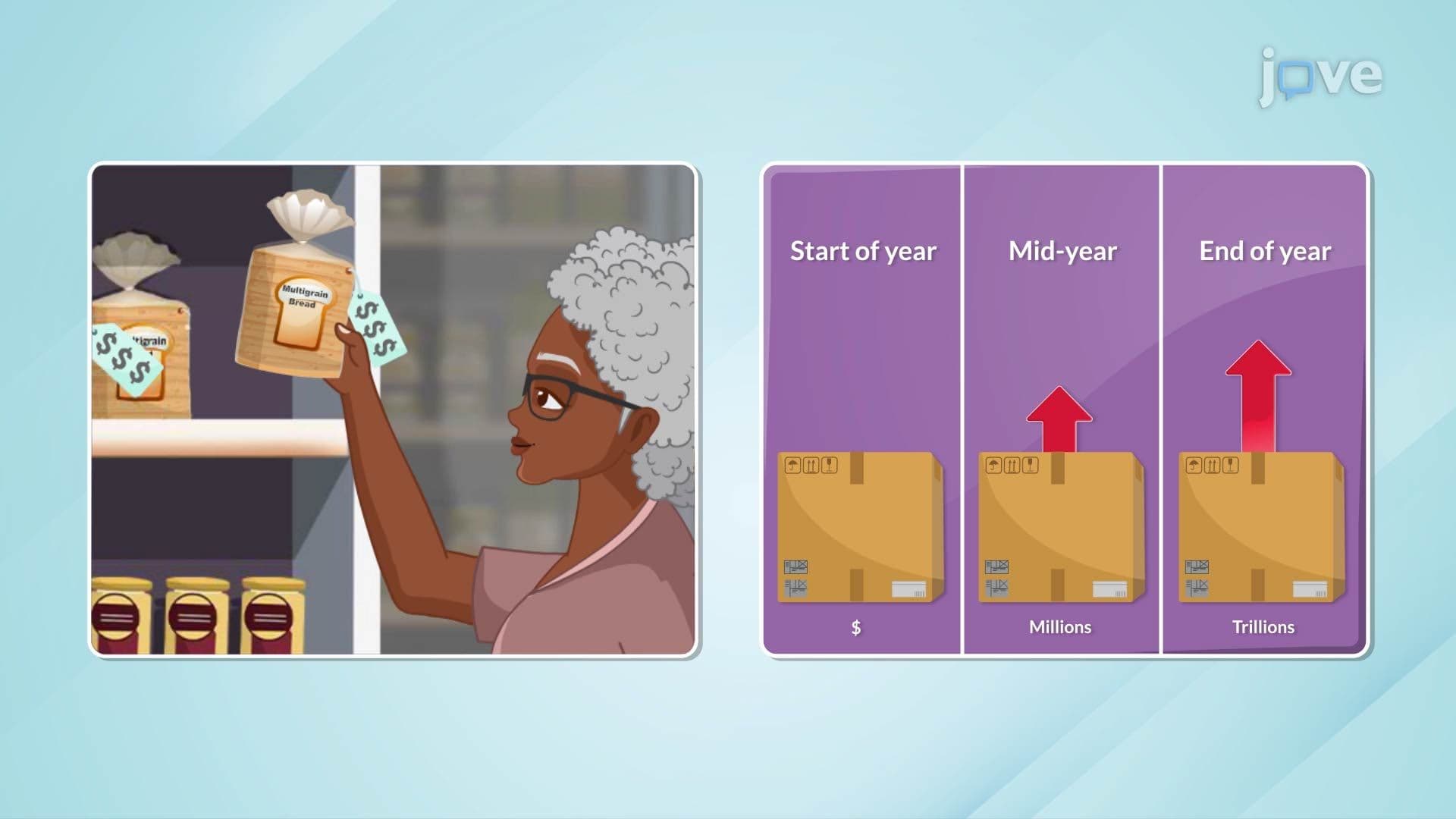
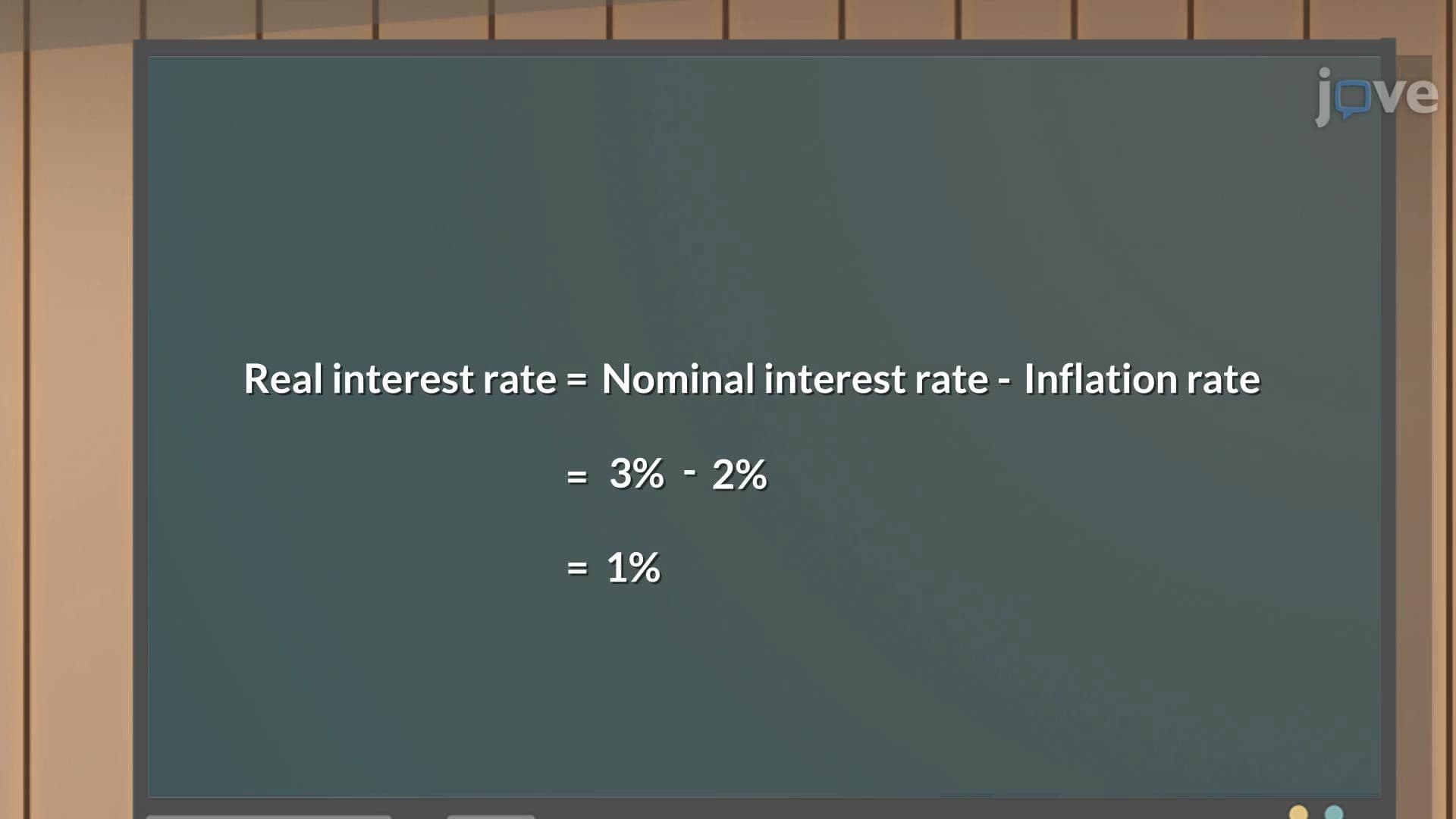
1. Inflation's Economic Ripple Effects: Inflation extends beyond simple price increases to fundamentally alter economic behavior. When purchasing power declines, fixed-income earners like retirees face particular hardship as their income buys fewer goods and services. Savings lose real value when inflation exceeds interest rates, eroding wealth preservation strategies. Businesses confront rising input costs, often passing these increases to consumers through higher prices. This creates potential wage-price spirals where workers demand higher nominal wages to maintain living standards, prompting further price increases. Understanding these interconnected effects helps explain why the Federal Reserve monitors inflation closely when setting monetary policy.
2. Consumer Price Index (CPI) Measurement: The CPI tracks average price changes for urban consumers using a weighted market basket of goods and services including housing, food, transportation, and healthcare. Weights reflect typical household spending patterns derived from national consumer expenditure surveys conducted by the Bureau of Labor Statistics. The calculation compares current basket costs to base-year costs, providing the foundation for inflation rate calculations. While periodically updated to reflect changing consumption patterns, the CPI faces limitations including substitution bias when consumers switch to cheaper alternatives, quality improvement adjustments, and regional cost variations across different metropolitan areas.
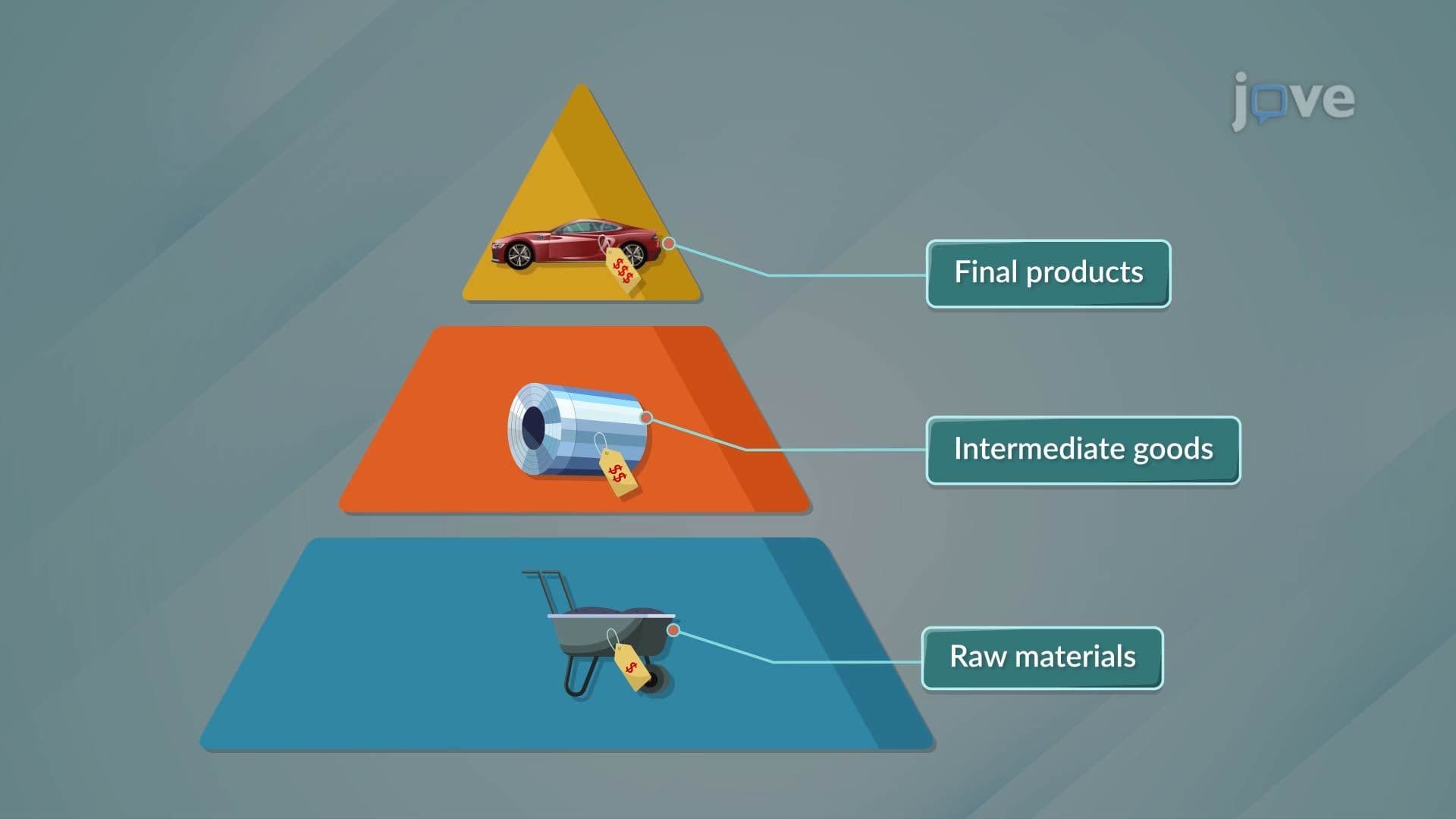
3. Producer Price Index (PPI) Applications: The PPI measures price changes at the production level, capturing cost movements before they reach consumers. Unlike the CPI's retail focus, PPI tracks what domestic producers receive for their output across different production stages. For example, rising steel prices appear in PPI data before affecting automobile prices in the CPI. This early warning system helps businesses adjust long-term contracts and pricing strategies. The Federal Reserve uses PPI trends to anticipate future consumer inflation, making it valuable for monetary policy decisions. However, PPI typically excludes imports and may underrepresent the growing services sector in the U.S. economy.
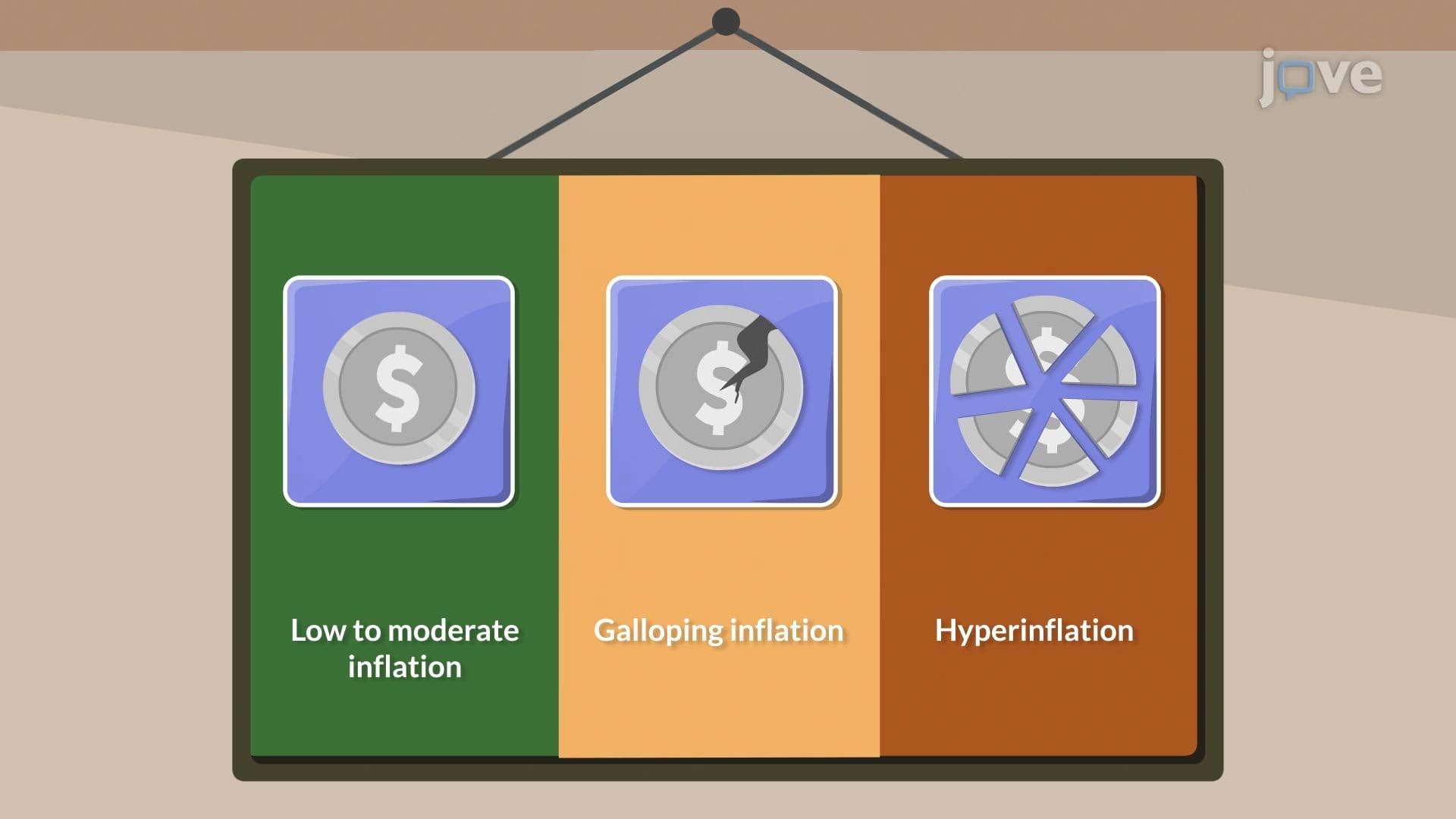
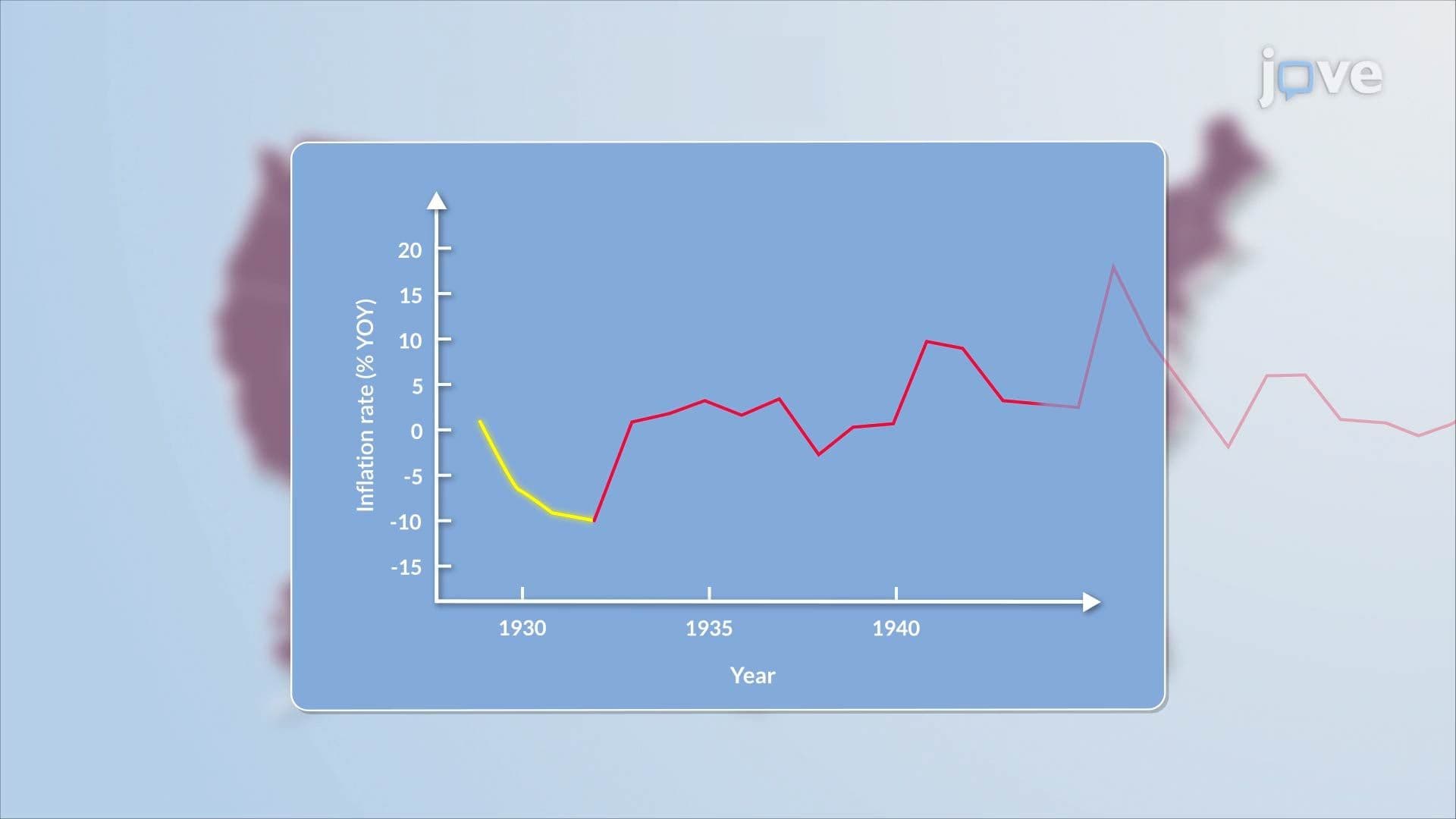
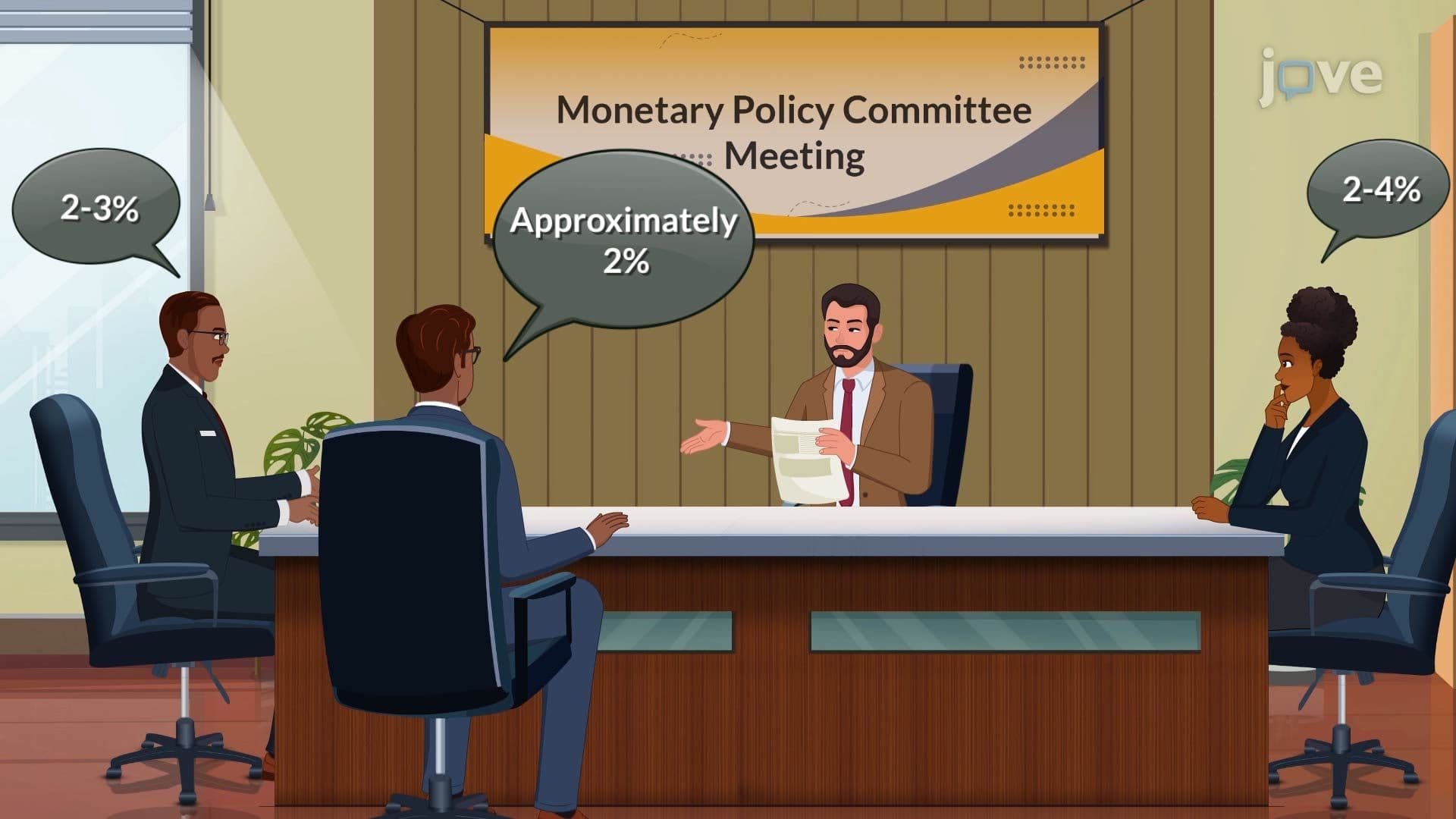
4. Three Inflation Classifications: Economic theory distinguishes three inflation types based on severity and impact. Low to moderate inflation (typically 2-4% annually) maintains economic stability, allowing confident saving and investment planning. The Federal Reserve targets 2% inflation as optimal for economic growth. Galloping inflation reaches high double or triple digits annually, eroding currency confidence and prompting consumers to purchase real assets or foreign currency. Brazil experienced this during the 1980s with rates exceeding 1000%. Hyperinflation represents complete monetary breakdown with prices rising exponentially, as Zimbabwe experienced in the 2000s when inflation peaked at 89.7 sextillion percent, rendering currency worthless and forcing barter systems.
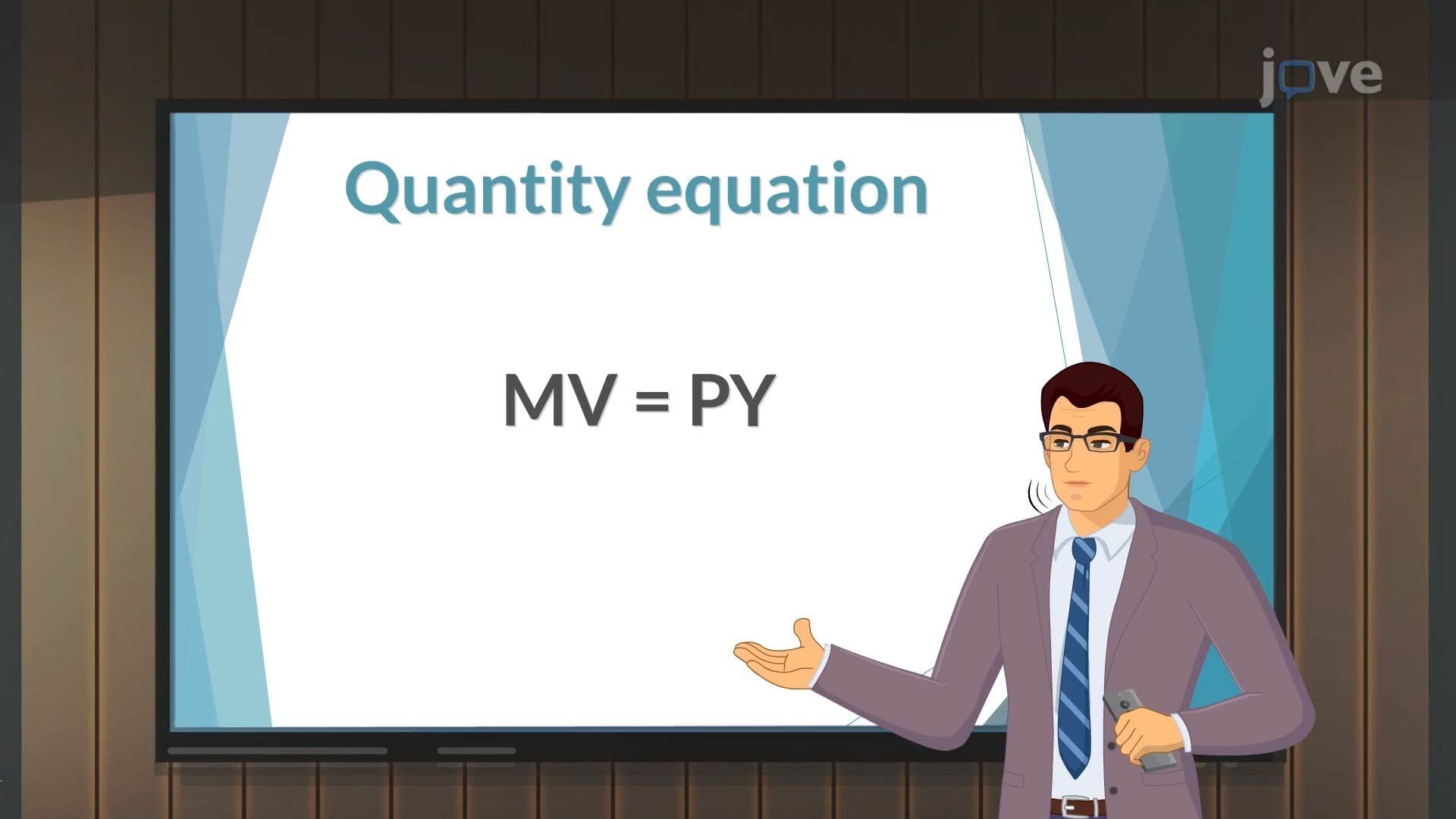
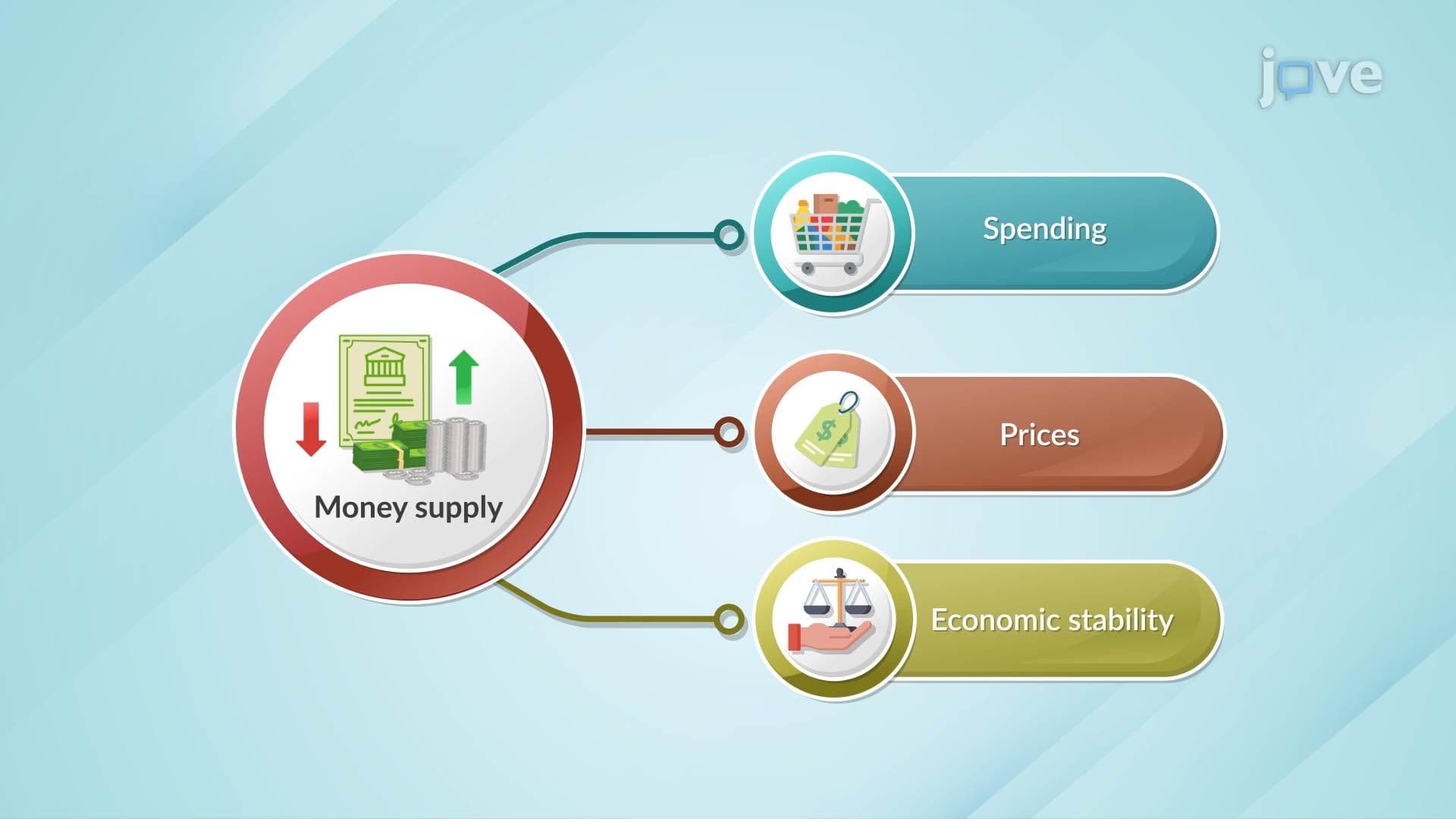
5. Quantity Theory of Money Framework: The quantity equation MV = PT establishes relationships between money supply (M), velocity of money (V), price level (P), and transactions (T). This framework assumes velocity and transactions remain relatively stable short-term, suggesting money supply changes directly influence prices. For practical application, economists use the modified equation MV = PY, where Y represents real GDP rather than total transactions. This substitution improves measurement accuracy since tracking every transaction proves impossible, while GDP data from the Bureau of Economic Analysis provides reliable output measures. Understanding this relationship helps explain how Federal Reserve monetary policy decisions affect overall price levels.