Loading subject page…


63,140 views


Video Summary: What Is Value Creation in Marketing
In today's hyper-competitive marketplace, businesses struggle to differentiate themselves while maintaining profitability. Value creation marketing represents the strategic foundation for building sustainable competitive advantage by delivering net benefits that exceed customer costs. Companies like Apple have mastered what is value creation in marketing by developing interconnected ecosystems that command premium pricing while fostering unparalleled customer loyalty. This concept drives critical business decisions from product development to pricing strategy. Watch the full video on JoVE Coach to master this concept with expert-led visuals and step-by-step explanations.
Consider a scenario familiar to many executives: your company faces declining market share despite maintaining product quality. The root cause often lies in misaligned value creation marketing definition, the strategic process of developing and delivering benefits that customers perceive as worth more than their total cost of acquisition and ownership.
Value creation in marketing extends far beyond product features or competitive pricing. It represents a holistic approach to customer relationship management that encompasses every touchpoint in the buyer's journey. For working professionals, mastering this concept directly impacts P&L performance, customer acquisition costs, and long-term business sustainability.
The value creation in marketing concept explained centers on four critical pillars that drive business performance. First, customer insight development requires deep understanding of target segment pain points and aspirations. Second, competitive differentiation demands unique value propositions that resist commoditization. Third, operational excellence ensures consistent delivery of promised value. Fourth, continuous innovation maintains relevance in evolving markets.
Leading companies demonstrate these principles through measurable business outcomes. Netflix revolutionized entertainment consumption by creating value through personalized content curation and convenient access, generating over $31 billion in annual revenue. Their subscription model transforms traditional transactional relationships into ongoing value exchanges, resulting in industry-leading customer lifetime value metrics.
Starbucks exemplifies sophisticated value creation marketing by monetizing experiences rather than just products. Their premium pricing strategy succeeds because customers perceive value in the complete coffee shop experience, from mobile ordering convenience to workspace ambiance. This approach generates higher profit margins than traditional coffee retailers while building stronger brand loyalty.
Walmart demonstrates value creation through operational efficiency and supply chain optimization. Their "Everyday Low Prices" strategy creates customer value by reducing total cost of ownership across broad product categories. This model requires exceptional logistics capabilities and vendor relationship management but delivers sustainable competitive advantages in price-sensitive markets.
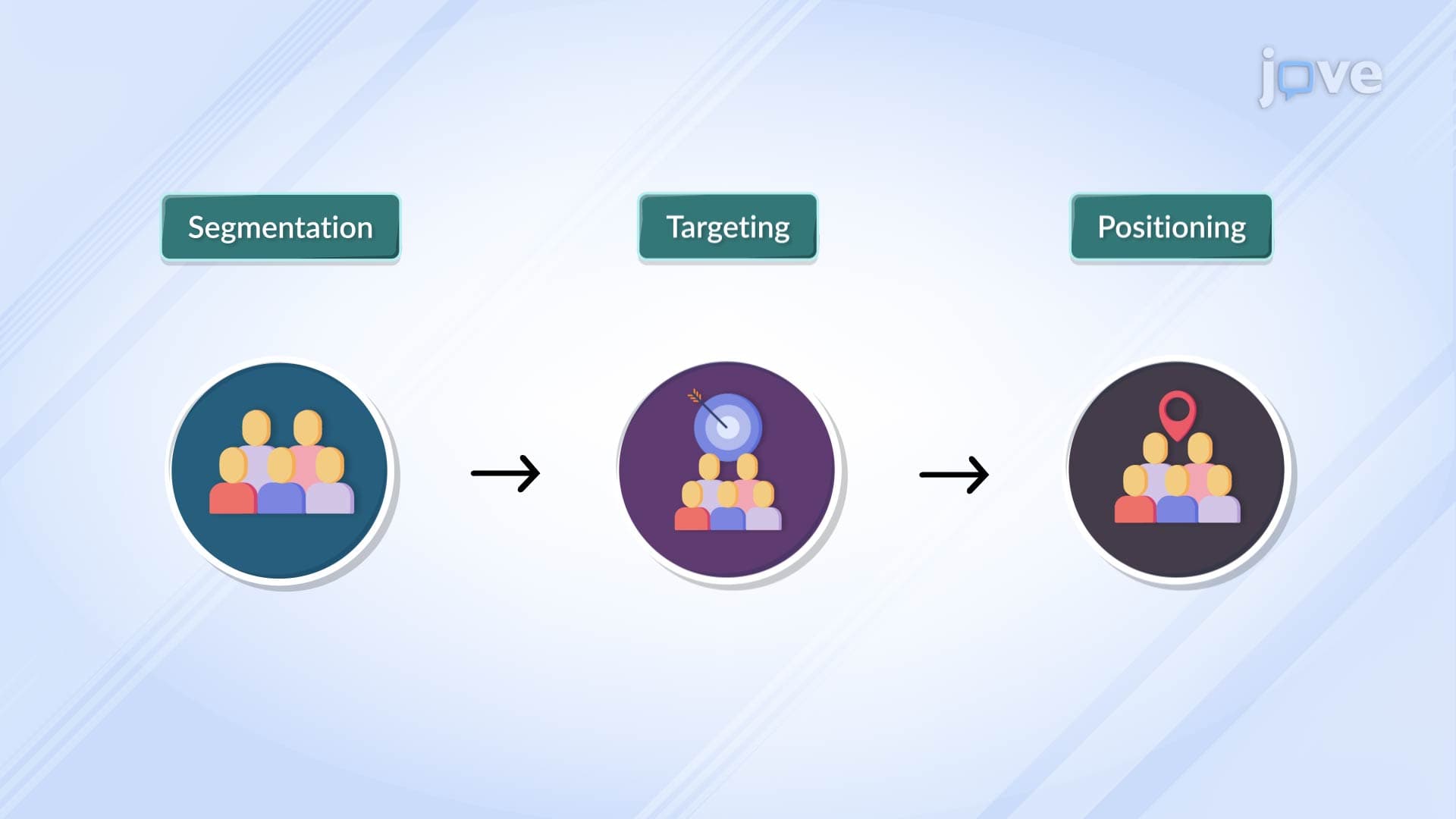
Successful value creation requires systematic approach to market analysis, customer segmentation, and competitive positioning. Start by conducting value driver analysis to identify which benefits customers prioritize most highly. Then evaluate your organization's capabilities against these priorities to identify strategic gaps and opportunities. Finally, develop integrated marketing strategies that communicate value effectively while ensuring operational delivery matches customer expectations.
Related Micro-courses