Loading subject page…

- Marketing
- Digital Marketing
- E-Commerce Marketing
Micro-course: Digital Marketing
5,167 views
Learn key concepts and earn your certificate.


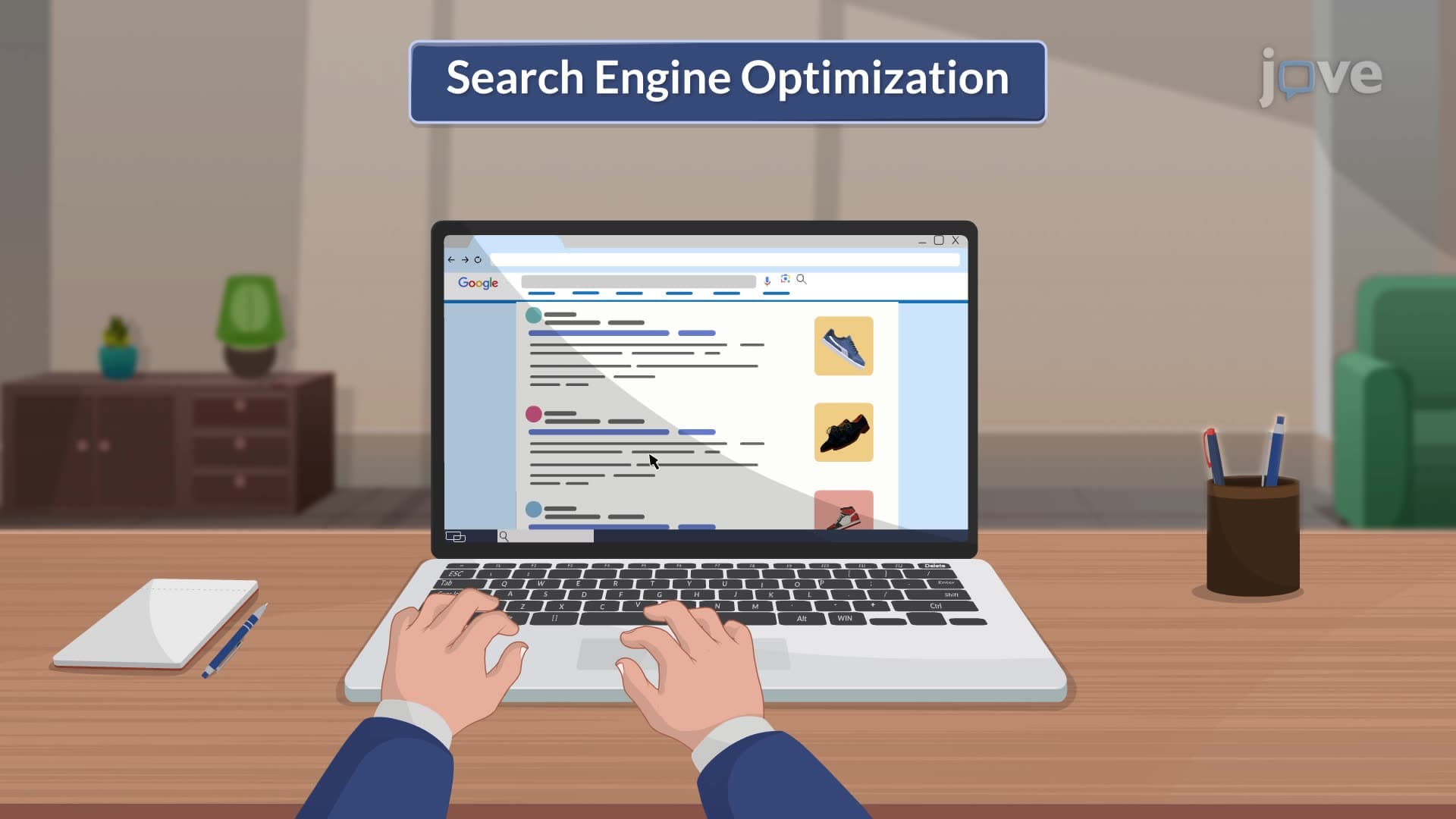
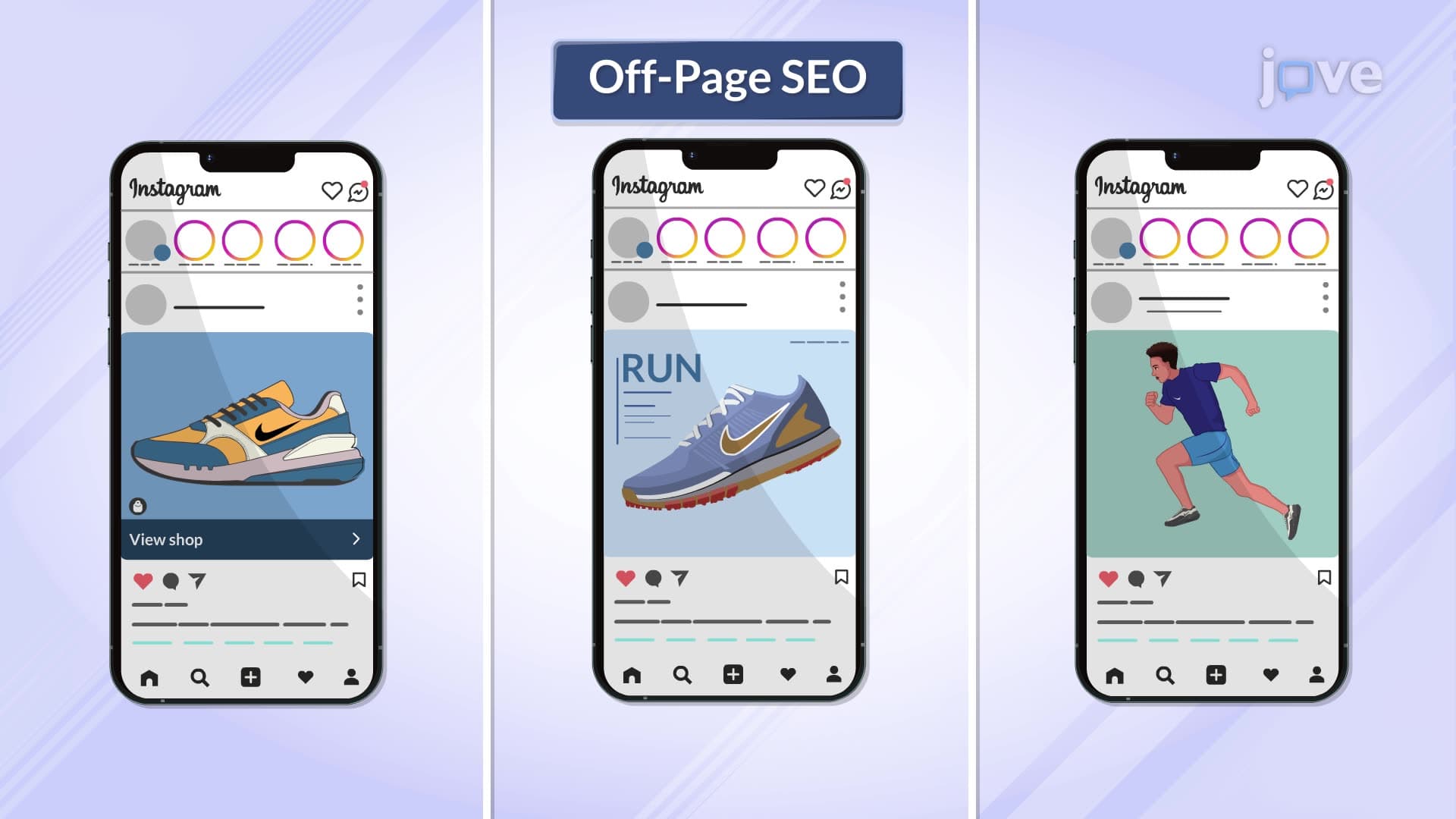

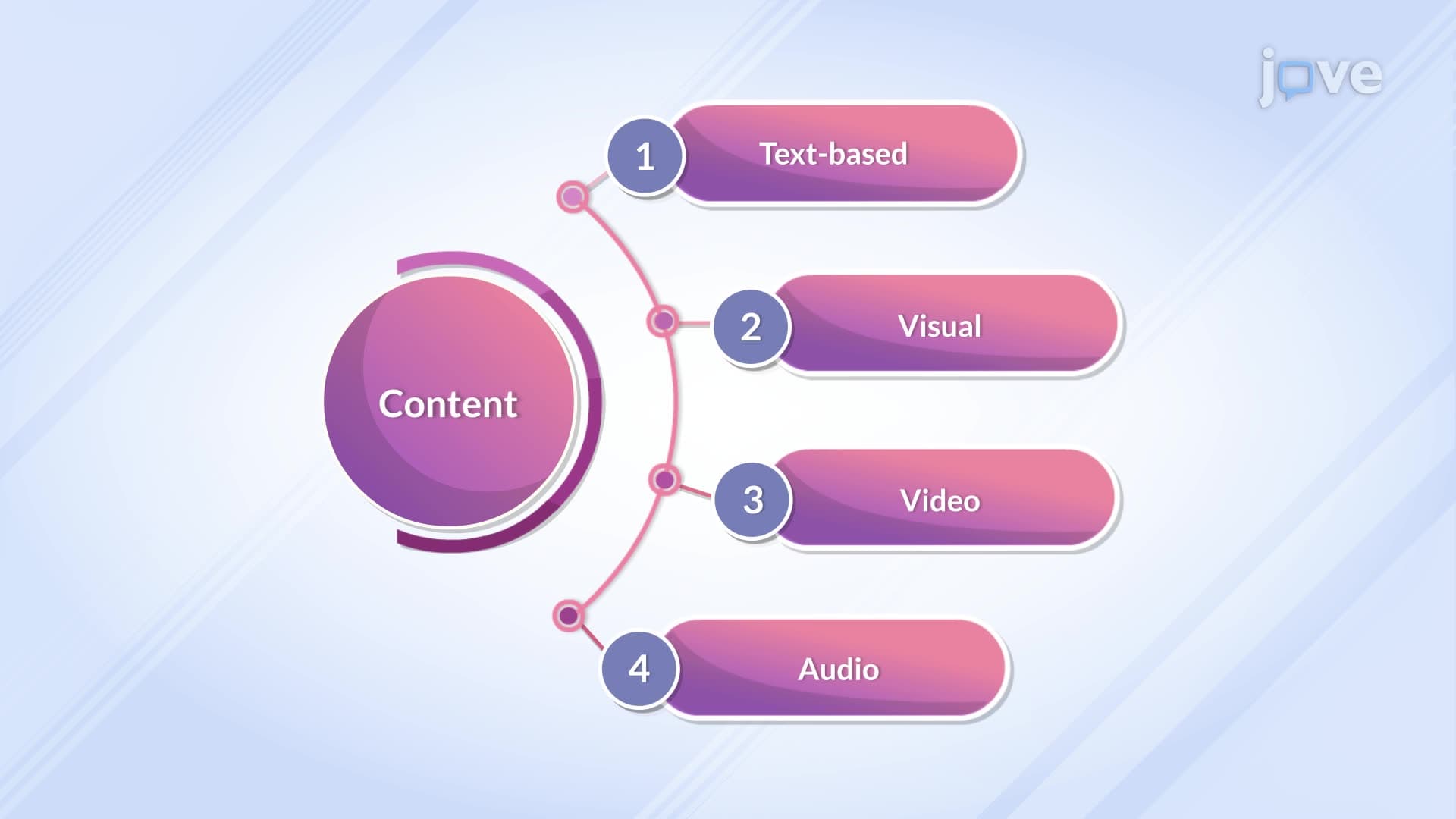
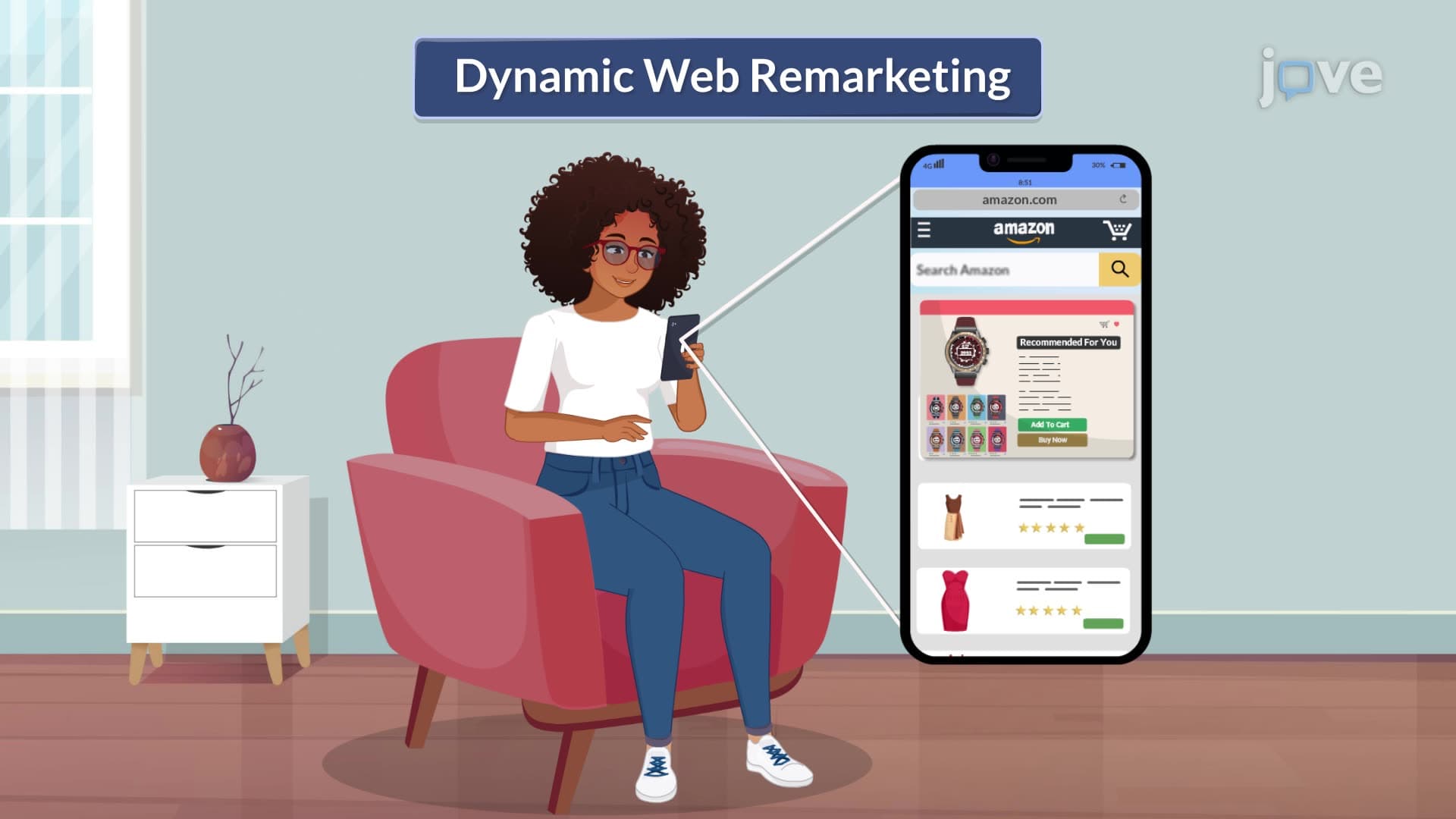
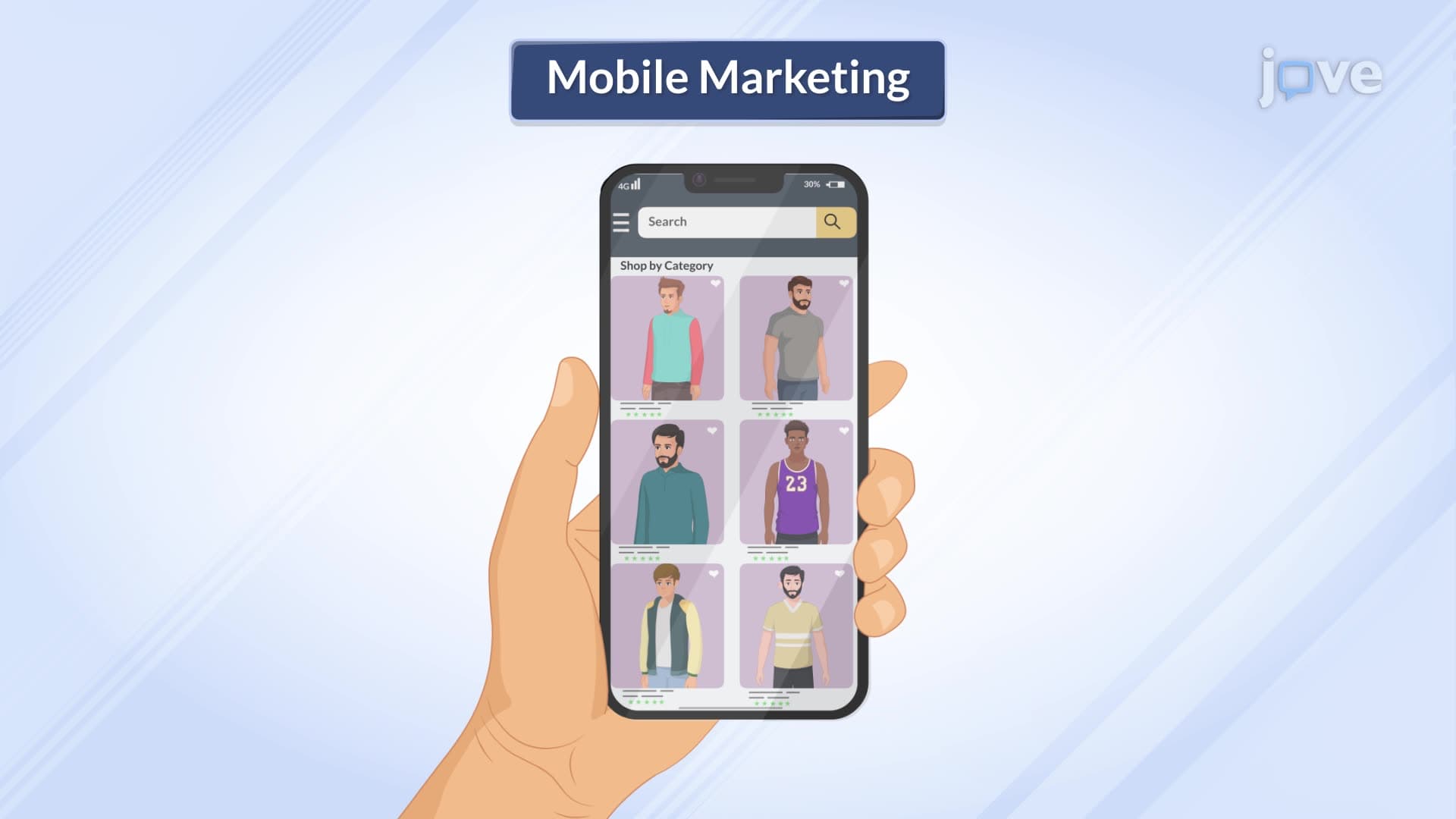
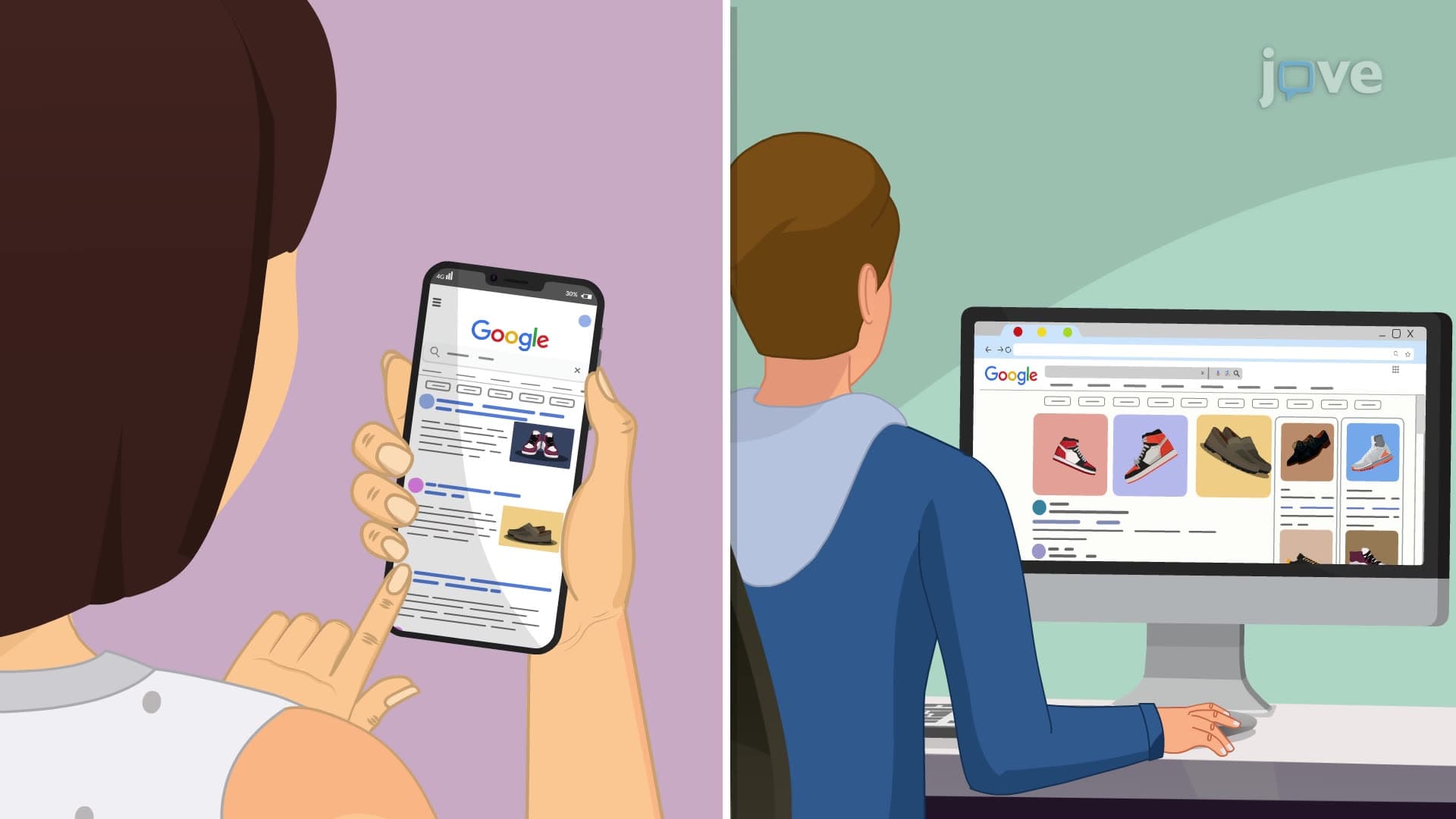
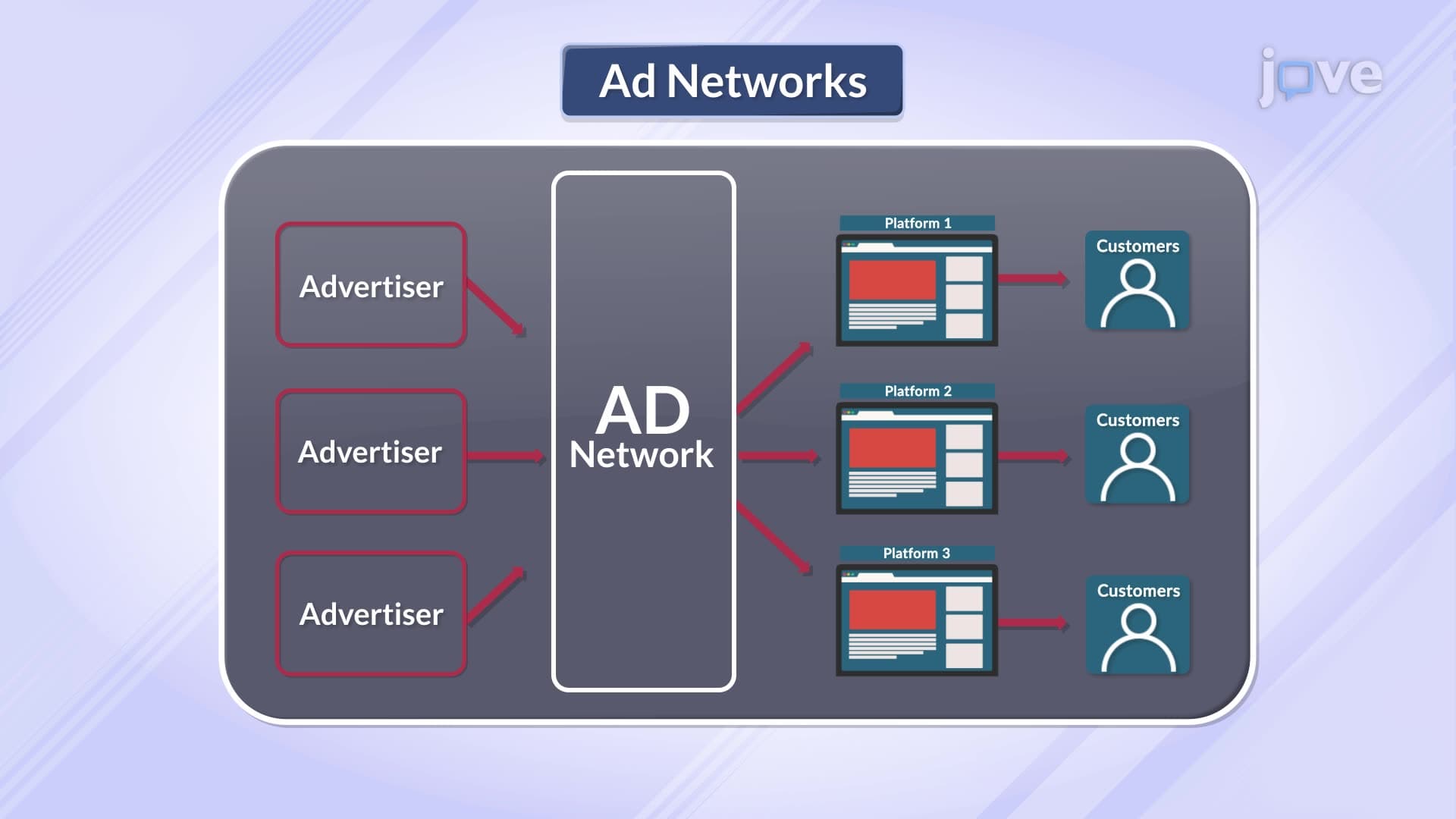
E-Commerce Marketing

00:00
01:26
Video Summary: What Is E Commerce Marketing
With over $1 trillion in US e-commerce sales annually, e commerce marketing has become the cornerstone of retail success-yet 70% of online shopping carts are abandoned before purchase. E commerce marketing encompasses the strategic use of digital channels to drive customer acquisition, conversion, and retention for online businesses. Companies like Amazon have revolutionized this space by mastering product optimization, SEO, and data-driven advertising across multiple touchpoints. Watch the full video on JoVE Coach to master this concept with expert-led visuals and step-by-step explanations.
- Apply product page optimization techniques to increase conversion rates and reduce cart abandonment in your online channels
- Evaluate e-commerce SEO strategies to improve organic search rankings and drive qualified traffic to digital storefronts
- Implement analytics frameworks using Google Analytics to measure campaign effectiveness and optimize marketing spend allocation
- Analyze shopping ad performance across platforms like Google Shopping to maximize return on advertising spend (ROAS)
- Leverage marketplace strategies to expand product visibility and tap into established customer bases on third-party platforms
- Assess mobile responsiveness and site performance metrics to enhance user experience and competitive positioning
- Identify key touchpoints in the customer journey to develop comprehensive omnichannel marketing strategies
- Compare pricing and positioning strategies against competitors to maintain market share and profitability
Understanding E Commerce Marketing Strategy
When Best Buy's leadership faced declining in-store sales in 2012, they didn't just pivot to online-they reimagined their entire customer acquisition and retention strategy through comprehensive e commerce marketing. This transformation illustrates how modern businesses must orchestrate multiple digital channels to capture, convert, and retain customers in an increasingly competitive online marketplace.
Core Components of E Commerce Marketing Excellence
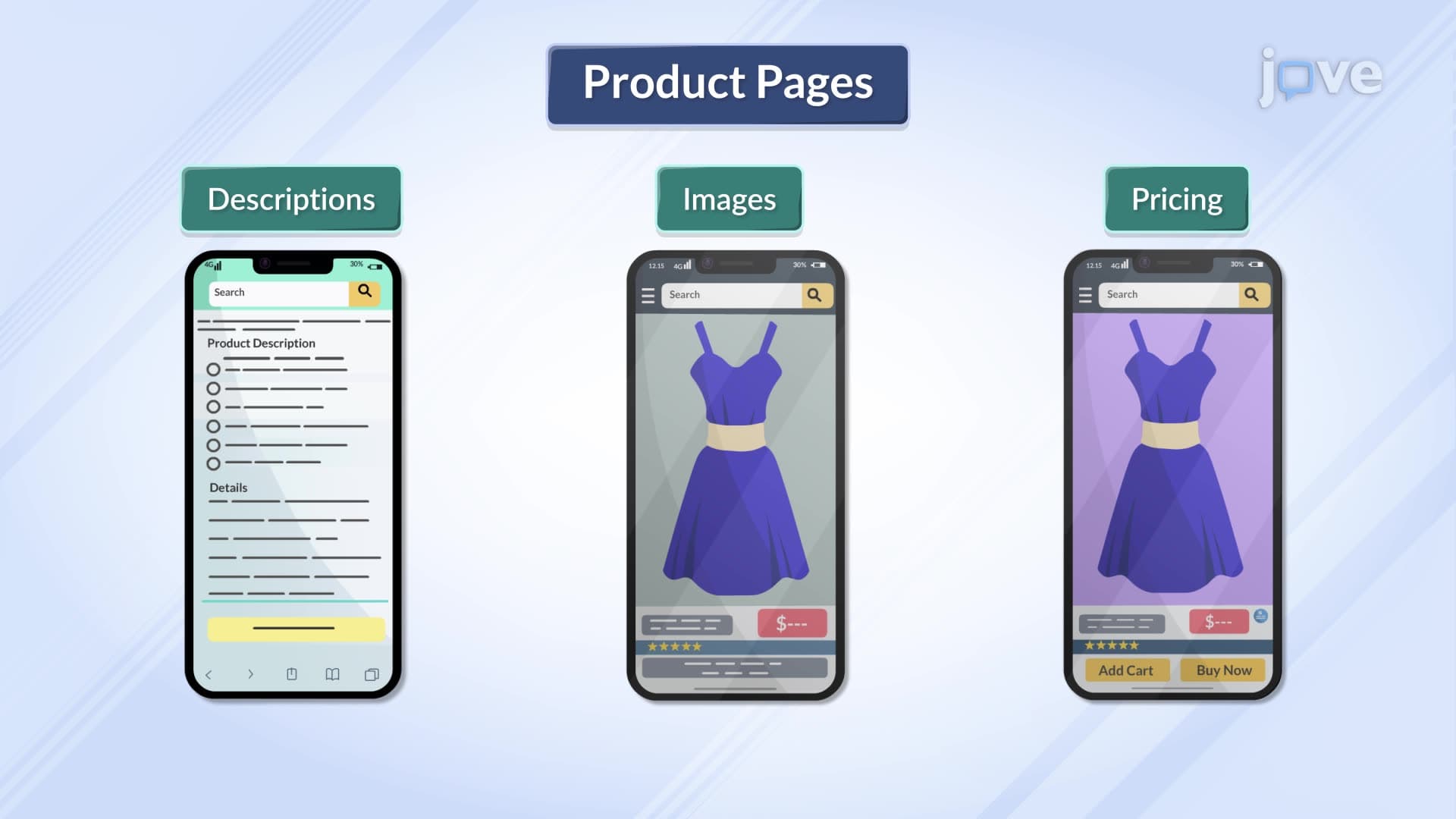
E commerce marketing encompasses four critical pillars that drive measurable business results. Product page optimization forms the foundation, requiring strategic attention to user experience, mobile responsiveness, and conversion-focused design elements. Companies like Wayfair have mastered this approach, using high-quality product imagery, detailed specifications, and customer reviews to reduce return rates and increase average order values.
Search engine optimization for e-commerce extends beyond traditional SEO, encompassing product descriptions, category architecture, and technical performance optimization. Home Depot's digital transformation exemplifies this approach-their investment in e-commerce SEO has driven significant organic traffic growth, reducing customer acquisition costs while increasing market share in the competitive home improvement sector.
Paid Advertising and Marketplace Strategy
Shopping ads and marketplace presence represent immediate revenue opportunities that complement organic growth strategies. Google Shopping campaigns allow businesses to showcase products directly in search results, while Amazon's marketplace provides access to over 300 million active customers. Target's omnichannel approach demonstrates how traditional retailers can leverage both owned properties and third-party marketplaces to maximize reach and revenue.
Data-Driven Performance Optimization
Analytics and tracking capabilities enable continuous refinement of marketing strategies through performance measurement and customer behavior analysis. Companies utilizing advanced analytics platforms report 15-25% improvements in conversion rates when implementing data-driven optimization strategies. This approach transforms marketing from cost center to profit driver, providing clear ROI metrics that support budget allocation decisions and strategic planning initiatives.
Frequently Asked Questions
E commerce marketing specifically focuses on driving online sales through optimized product pages, shopping ads, and conversion-focused strategies. Unlike traditional digital marketing that may prioritize brand awareness, e-commerce marketing emphasizes immediate revenue generation through targeted customer acquisition and retention tactics across digital touchpoints.
Start with foundational elements like Google Analytics setup, basic SEO optimization of product descriptions, and Google Shopping campaigns. Many successful small businesses begin by focusing on one or two channels, then expand based on performance data and available resources.
Most businesses see initial results from paid advertising within 30-60 days, while SEO and organic strategies typically show measurable improvement in 90-180 days. The key is establishing proper tracking mechanisms from day one to measure incremental revenue and customer lifetime value improvements.
Successful Shopify merchants leveraged integrated e-commerce marketing approaches, combining optimized storefronts with targeted social media advertising and email marketing automation. They focused on mobile optimization and streamlined checkout processes, resulting in significantly higher conversion rates than traditional e-commerce platforms.
Most successful e-commerce businesses employ both strategies simultaneously, using paid advertising for immediate results while building organic presence for long-term sustainability. The optimal mix depends on your industry competitiveness, budget constraints, and customer acquisition cost targets.
While technical knowledge helps, many successful e-commerce marketers focus on strategic planning and data interpretation rather than technical implementation. Most platforms offer user-friendly tools, and the key skills involve understanding customer behavior, analyzing performance metrics, and making data-driven optimization decisions.
E-commerce marketing expertise opens opportunities in digital strategy, revenue optimization, and general management roles across industries. As businesses continue digital transformation, professionals who understand customer acquisition, conversion optimization, and multi-channel marketing command premium salaries and leadership positions.
Consider diving deeper into marketing automation, customer segmentation strategies, and omnichannel integration. Understanding customer lifetime value optimization and advanced analytics will position you for senior marketing and strategy roles.
Related Micro-courses