Loading subject page…


7,907 views

Video Summary: The 5 Cs of Pricing Explained
When Target's pricing strategy differs dramatically from Walmart's, it's because they're applying the 5 c's pricing framework differently across their business models. The 5 C's of Pricing Explained provides a systematic approach to developing pricing strategies that align with company objectives, customer willingness to pay, cost structures, competitive dynamics, and channel distribution decisions. This framework helps business leaders navigate complex pricing decisions that directly impact profitability and market positioning. Watch the full video on JoVE Coach to master this concept with expert-led visuals and step-by-step explanations.
Pricing decisions represent one of the most critical levers for driving profitability and competitive advantage, yet many organizations approach pricing reactively rather than strategically. Consider Netflix's evolution from DVD-by-mail to streaming giant-their pricing strategy fundamentally shifted across all five dimensions of the pricing framework to support their business transformation and market dominance.
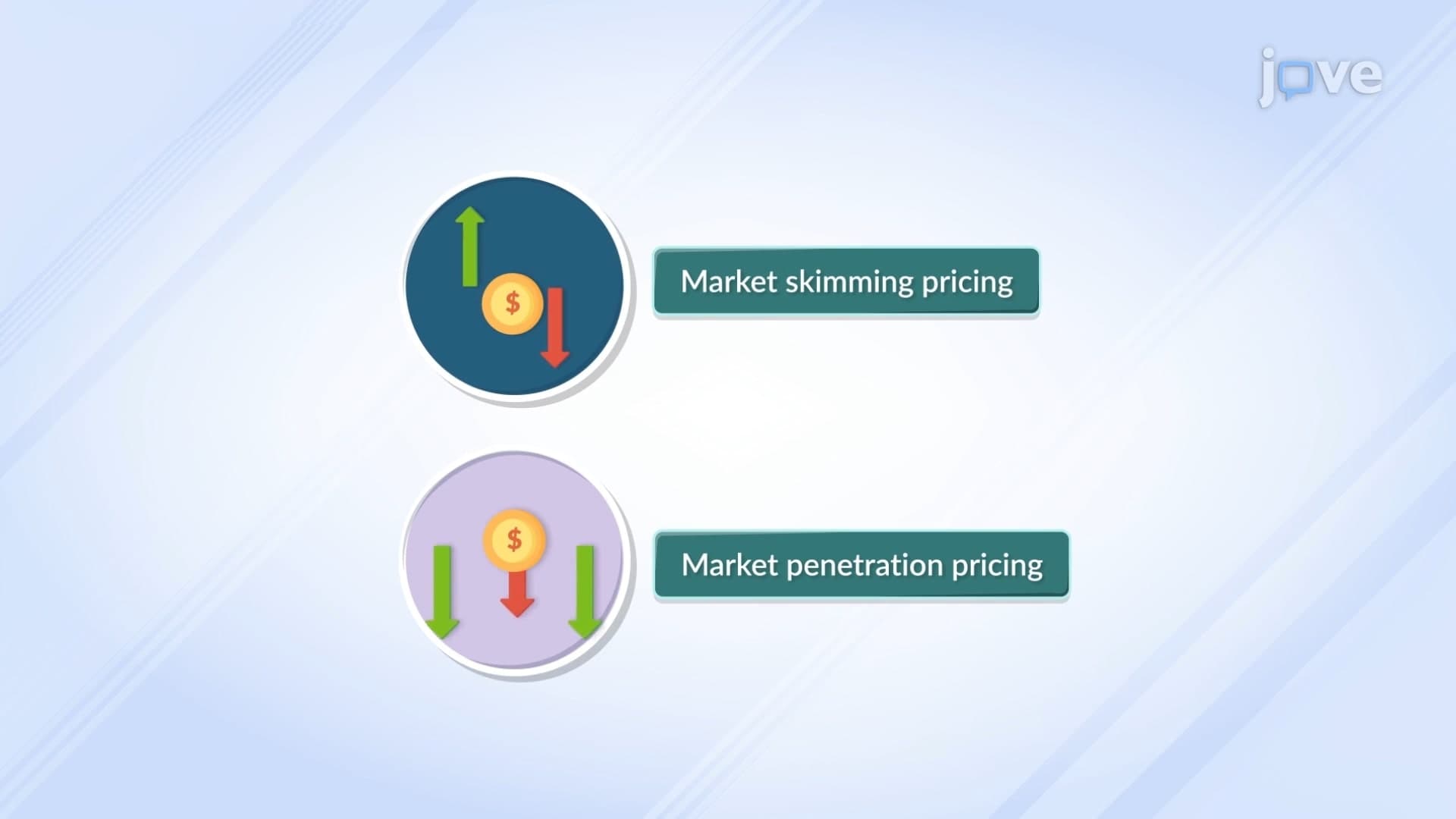
Your pricing strategy must directly support broader business objectives, whether that's market penetration, premium positioning, or maximizing short-term cash flow. Tesla exemplifies objective-driven pricing, initially setting Model S prices at premium levels to establish luxury positioning and fund R&D, then systematically reducing prices on Model 3 to achieve mass-market penetration goals. This sequential approach demonstrates how pricing objectives can evolve with business maturity and market conditions.
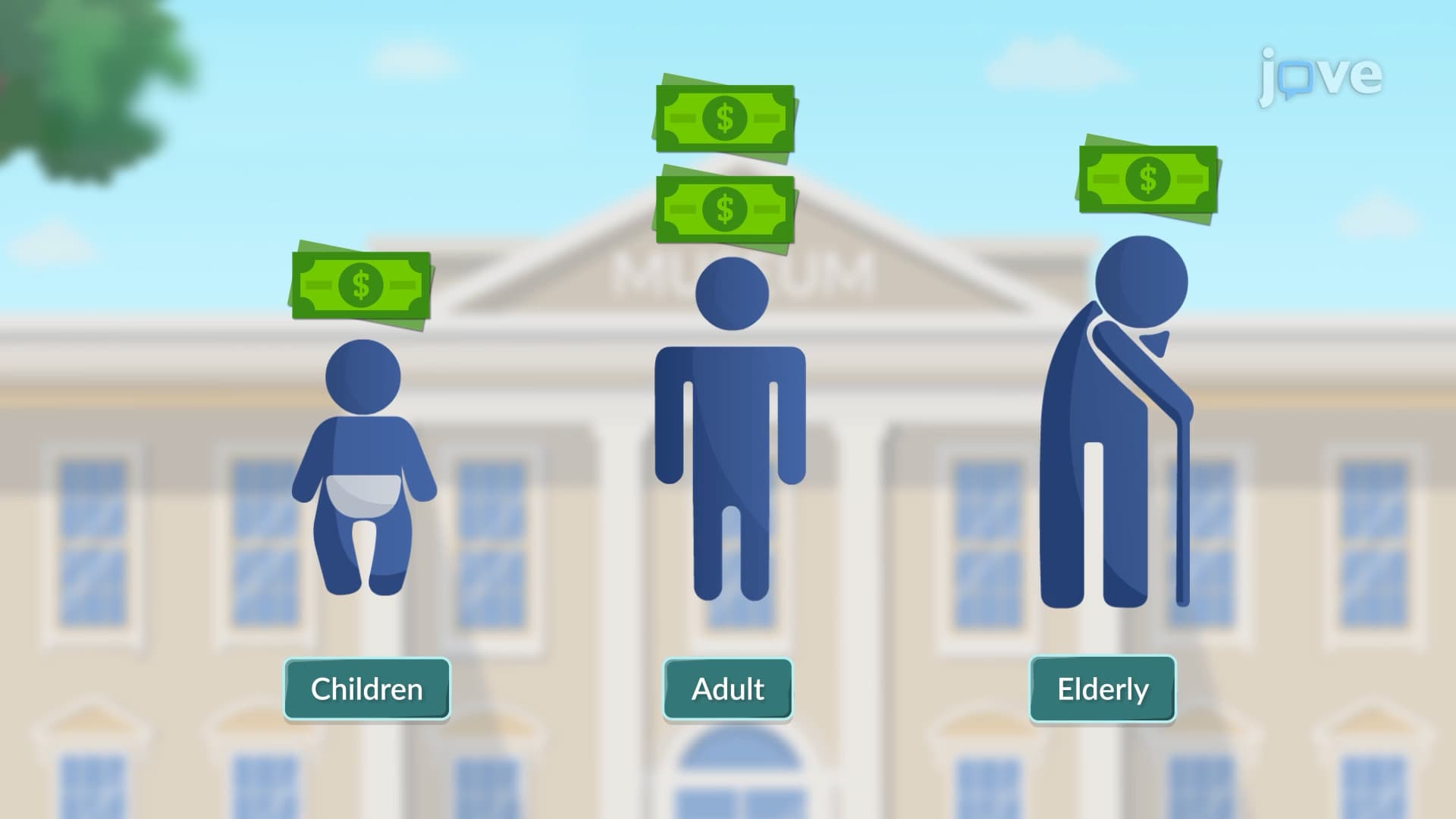
Understanding customer segments and their value perceptions enables sophisticated pricing strategies beyond simple cost-plus models. Amazon Prime's $139 annual fee reflects deep customer research showing members' willingness to pay for convenience, free shipping, and entertainment value. The key lies in quantifying the economic value customers receive and capturing an appropriate share of that value through pricing.
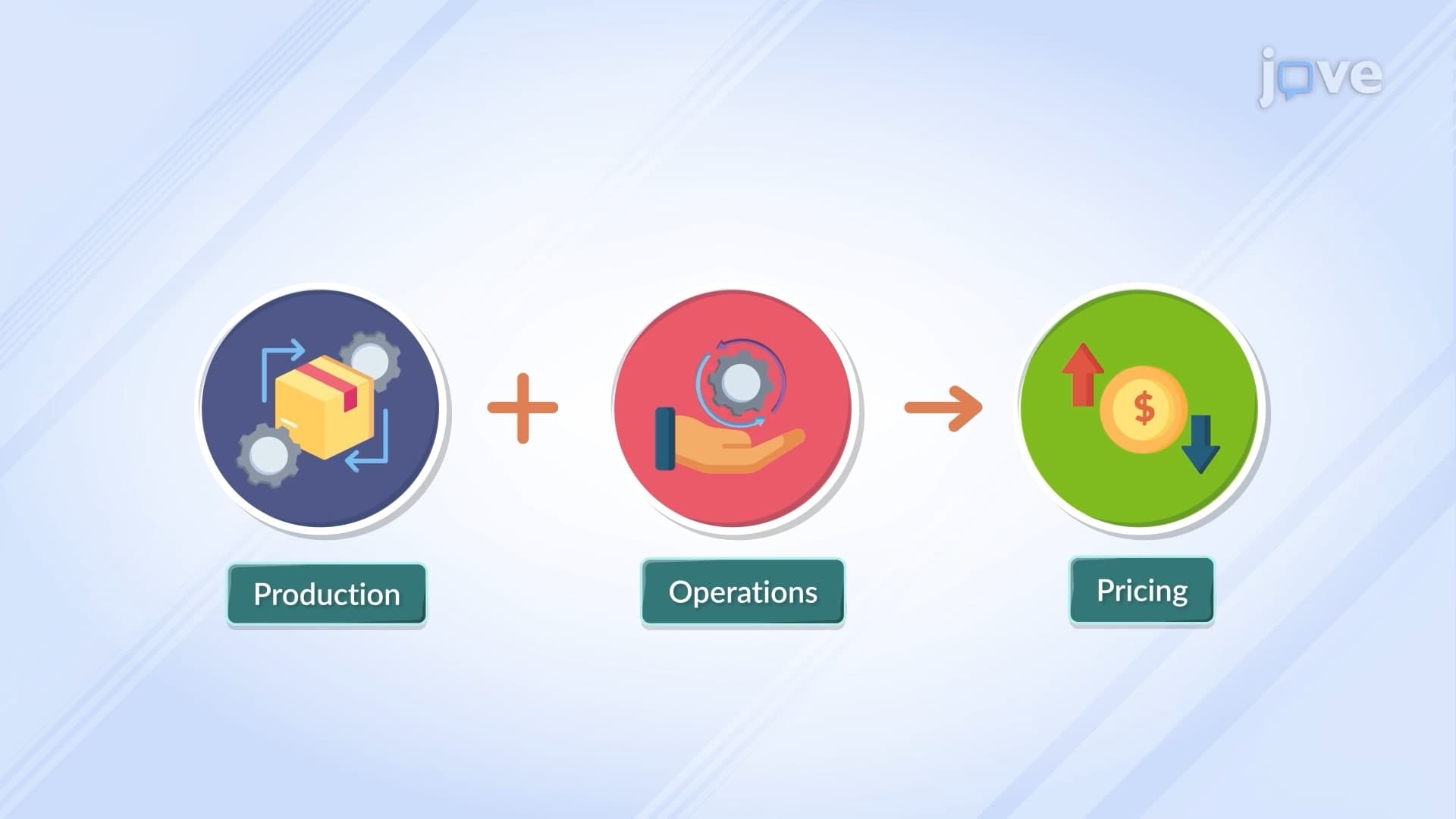
While customer value sets the ceiling for pricing, costs establish the floor. Successful pricing strategies account for both direct costs and allocated overhead while considering economies of scale. Southwest Airlines built their entire business model around low-cost operations enabling aggressive pricing that competitors couldn't match without fundamentally restructuring their operations and cost base.
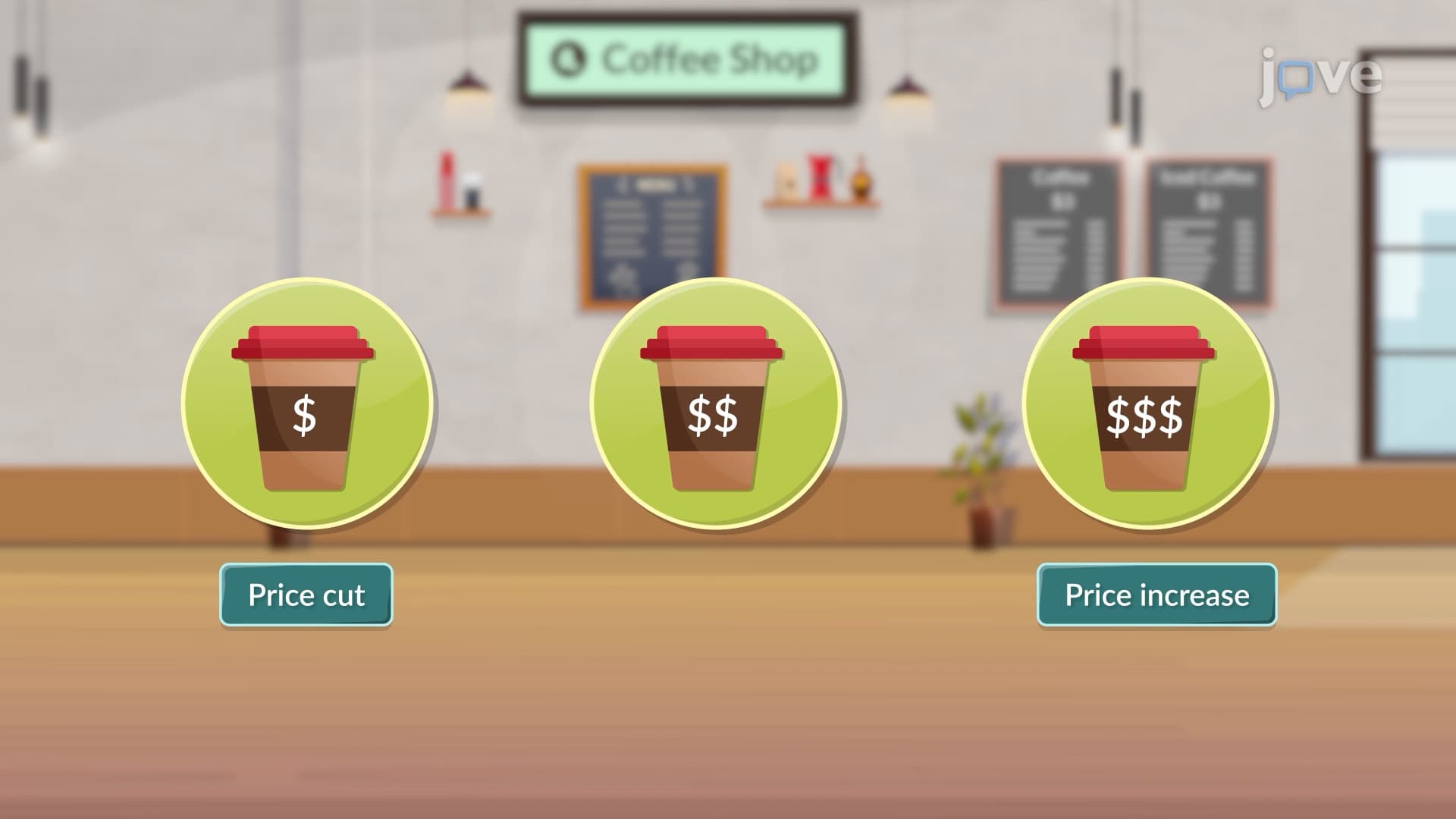
Competitive analysis informs both pricing levels and positioning strategies. Microsoft's Office 365 subscription pricing directly responds to Google Workspace's competitive pressure while leveraging Microsoft's enterprise relationships and feature advantages. Understanding competitive pricing helps identify opportunities for premium positioning or value-based differentiation rather than engaging in destructive price wars.
Distribution channel requirements significantly influence final pricing strategy and profit margins. Nike's direct-to-consumer push through their apps and flagship stores enables higher margins compared to wholesale distribution, allowing reinvestment in innovation and marketing while maintaining competitive retail prices.
Related Micro-courses