Loading subject page…


7,908 views

Video Summary: What are New Product Pricing Strategies
Product launch pricing decisions can make or break a new offering's market success, directly impacting revenue projections and competitive positioning. New product pricing strategies provide frameworks for capturing maximum value while achieving market penetration goals. Apple's iPhone launches exemplify premium pricing approaches, while companies like Walmart leverage low-price strategies to rapidly gain market share. Understanding these pricing methodologies enables executives to align pricing decisions with broader business objectives and market conditions. Watch the full video on JoVE Coach to master this concept with expert-led visuals and step-by-step explanations.
When Netflix launched its streaming service, leadership faced a critical decision: price high to maximize per-subscriber revenue or price low to rapidly scale the user base. This scenario illustrates the fundamental challenge executives face when determining new product pricing strategies-the systematic approaches companies use to set initial prices for new offerings entering the market.
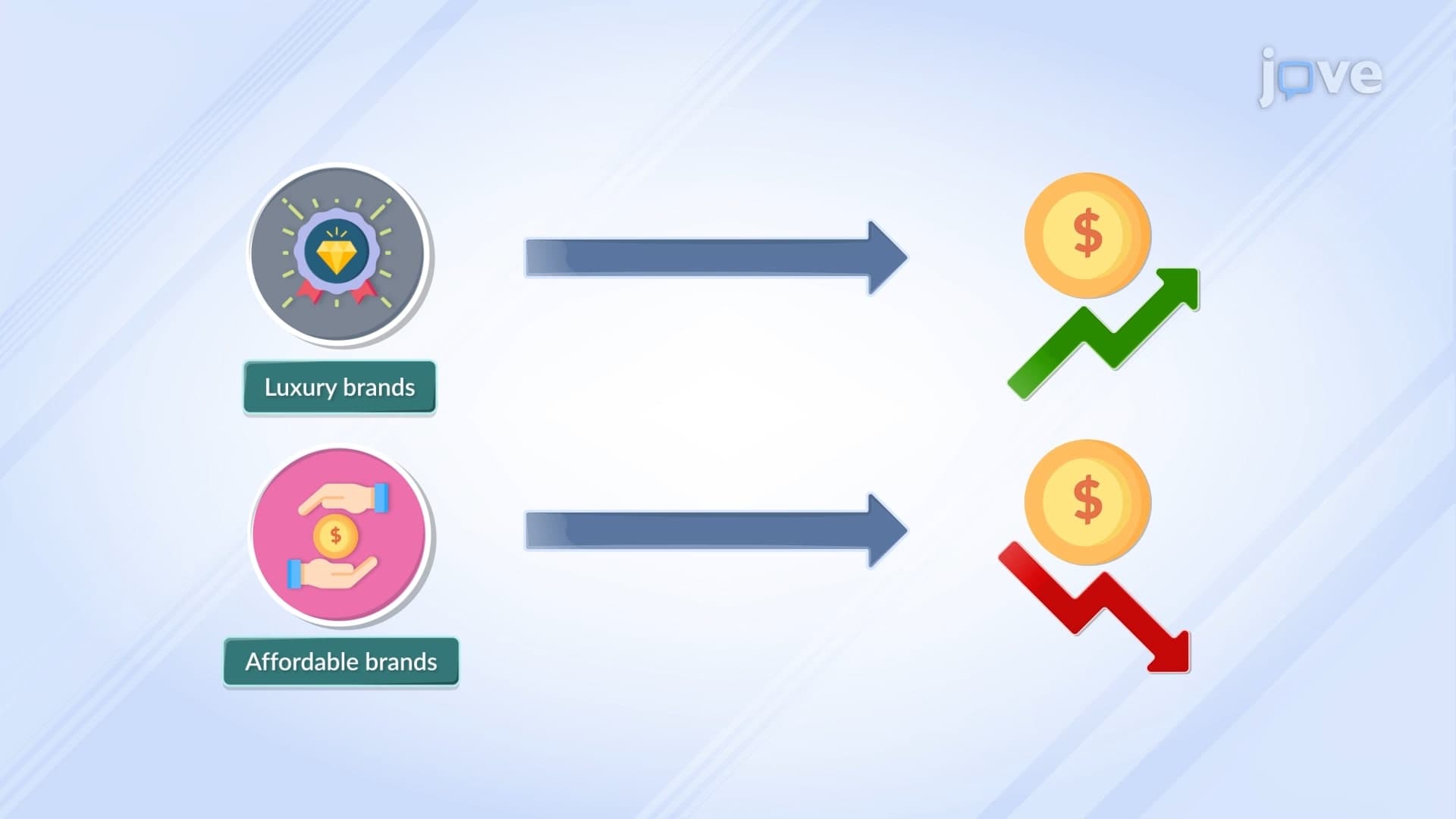
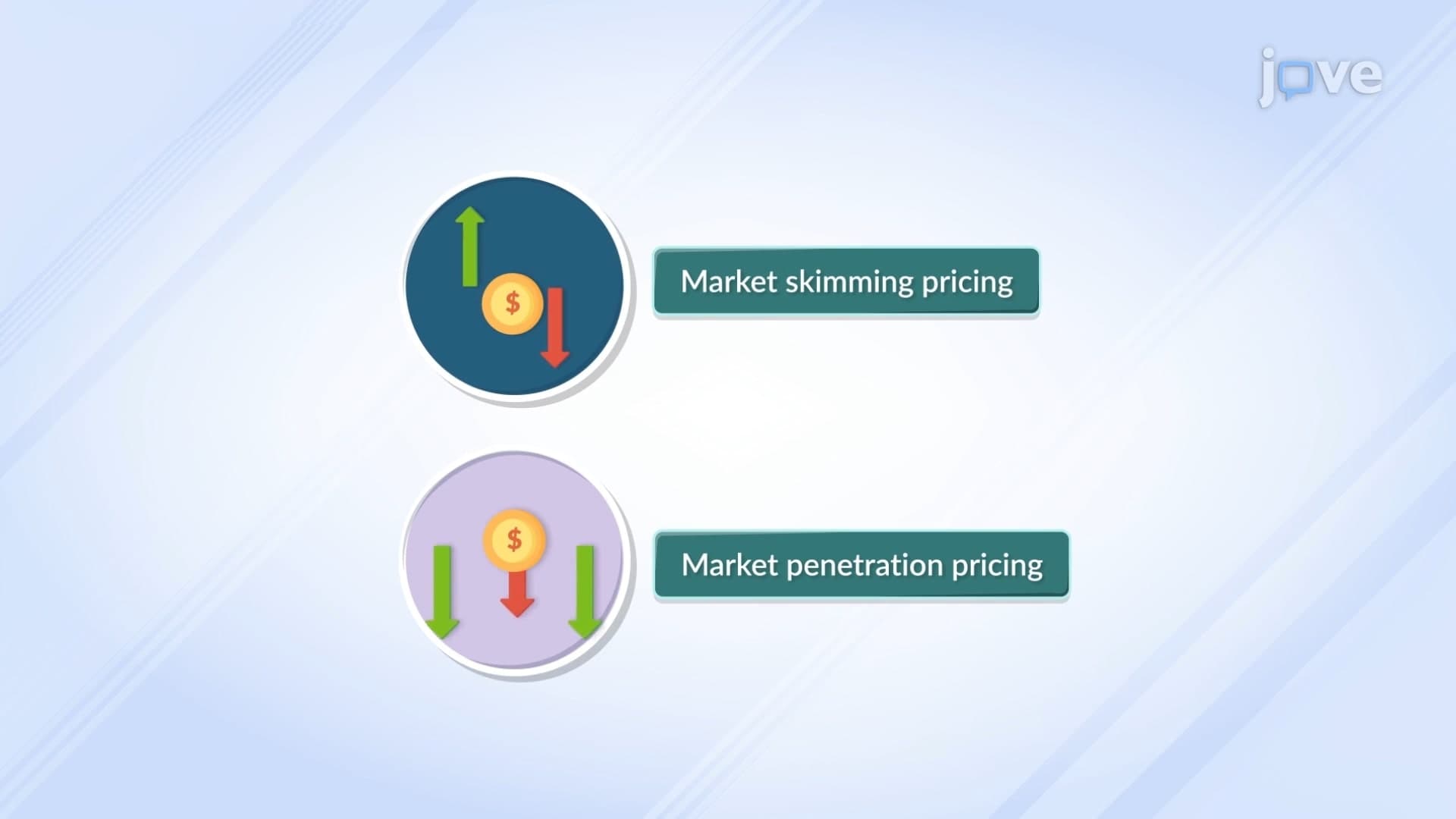
Market-skimming pricing involves setting premium initial prices that gradually decrease over time. This strategy works exceptionally well for companies with strong brand equity and innovative products. Apple's iPhone pricing exemplifies this approach perfectly-each new model launches at $999-$1,199, targeting affluent early adopters willing to pay premiums for cutting-edge technology. As newer models release, Apple systematically reduces prices on previous generations, expanding market reach while protecting profit margins.
This strategy delivers optimal results when products exhibit inelastic demand characteristics-situations where price increases don't proportionally reduce quantity demanded. Technology companies like Microsoft with Xbox gaming consoles and Tesla with electric vehicles have successfully employed skimming strategies to fund continued innovation while maximizing shareholder returns.
Conversely, penetration pricing sets deliberately low initial prices to quickly gain market share and customer acquisition. Amazon Prime's original $79 annual membership represented classic penetration pricing-the company sacrificed short-term profitability to build a massive subscriber base and create switching costs for competitors.
This approach proves most effective in markets with high price elasticity, where small price changes significantly impact demand volumes. Costco's membership-based wholesale model demonstrates penetration pricing at scale, using razor-thin margins to drive membership growth and customer loyalty while generating profits through membership fees rather than product markups.
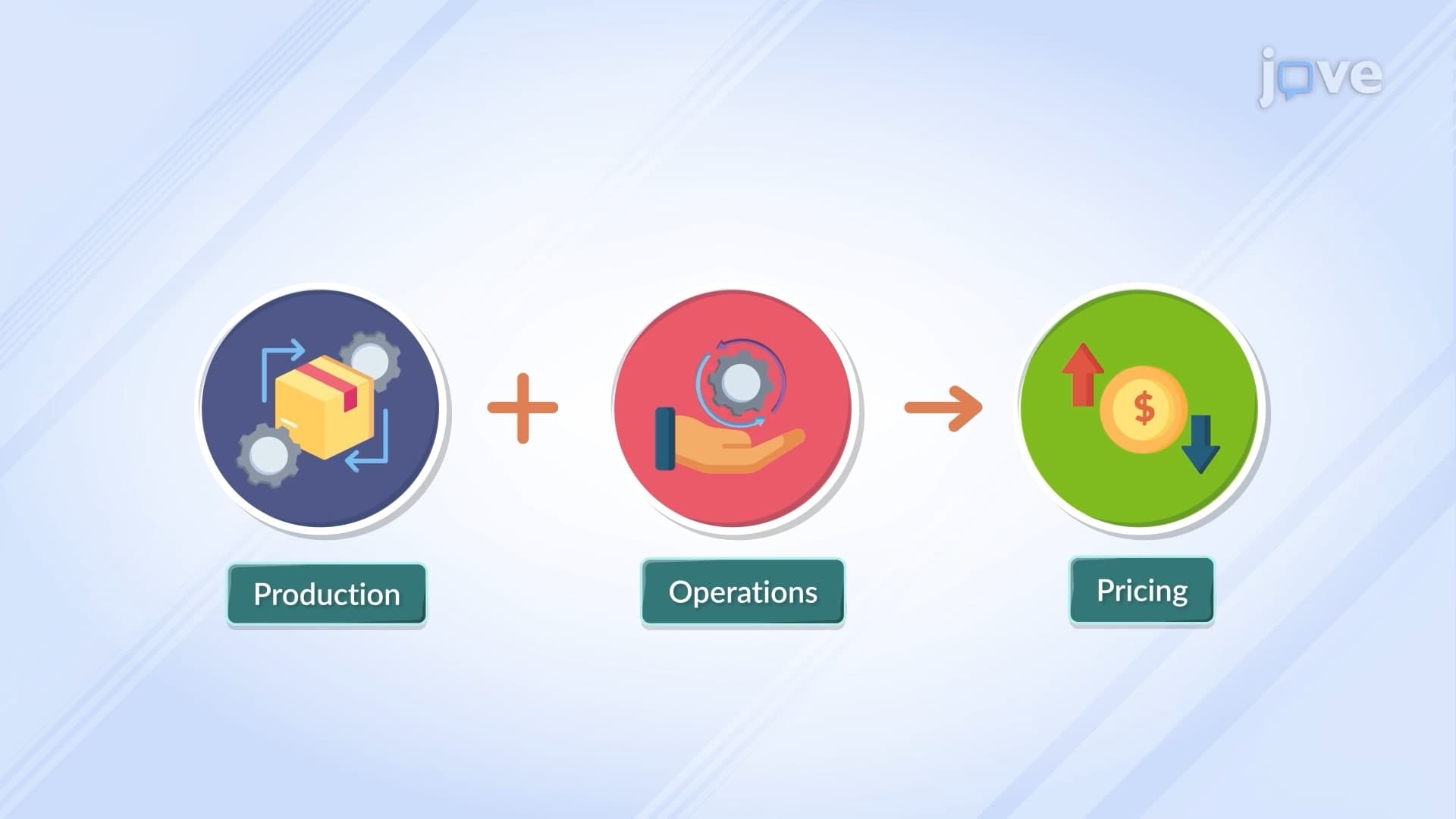
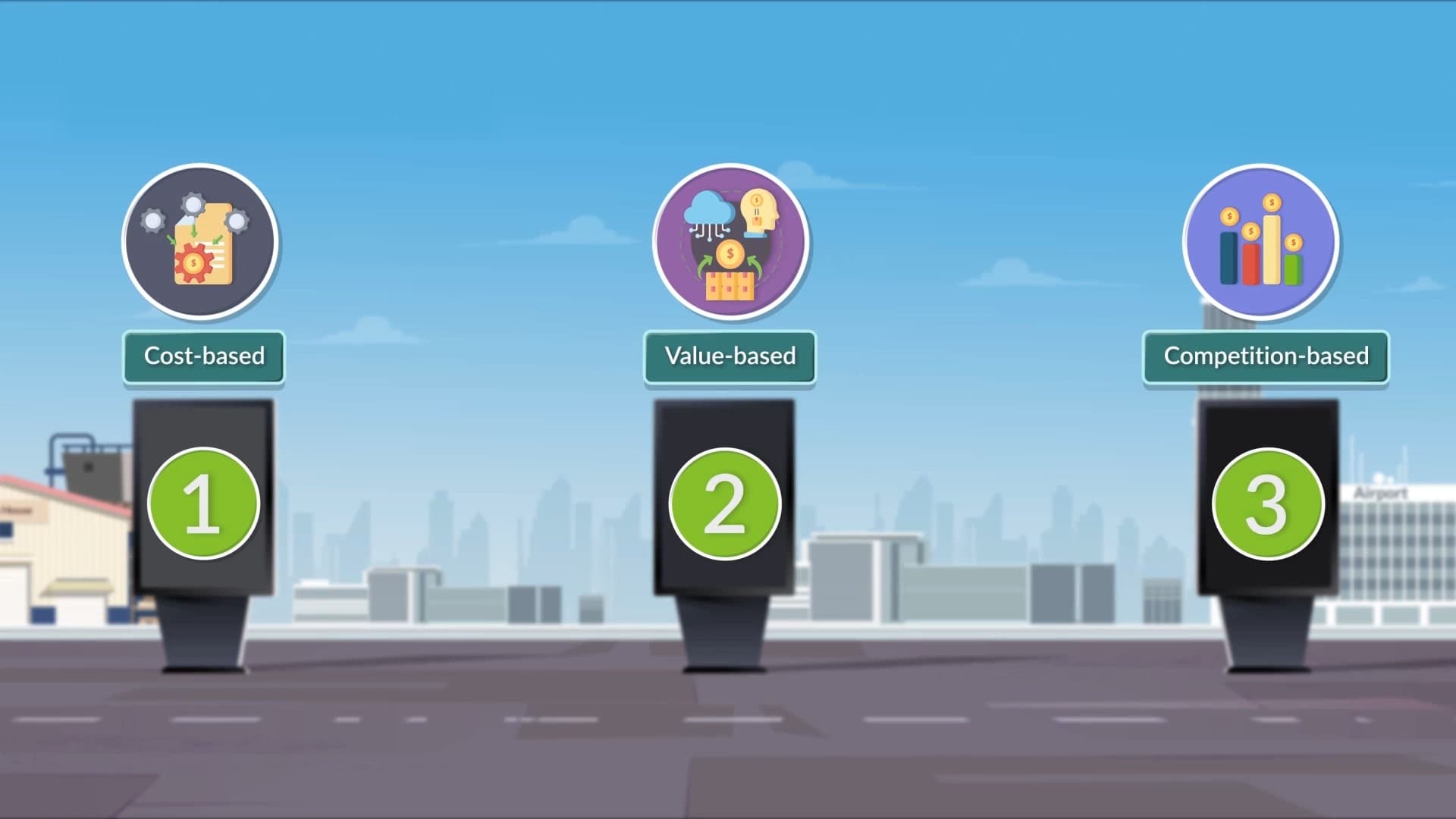
Successful pricing strategy selection requires comprehensive market analysis, competitive intelligence, and financial modeling. Companies must evaluate production costs, competitive positioning, target customer segments, and long-term strategic objectives. The choice between skimming and penetration pricing often determines product lifecycle profitability, market position, and competitive dynamics for years following launch.
Related Micro-courses