Loading subject page…


7,908 views

Video Summary: What Is Price Adjustment Strategies I
Price adjustment strategies are critical when 47% of B2B buyers report switching vendors primarily due to pricing misalignment with market expectations. These dynamic pricing frameworks enable businesses to optimize revenue while responding to competitive pressures and customer segments. Amazon exemplifies mastery of What is Price Adjustment Strategies I through its real-time algorithmic pricing that adjusts millions of products based on demand, competition, and inventory levels. From psychological pricing tactics to segmented pricing models, these strategies directly impact profit margins and market positioning. Watch the full video on JoVE Coach to master this concept with expert-led visuals and step-by-step explanations.
When Best Buy faced Amazon's aggressive pricing in consumer electronics, the retailer transformed its approach through sophisticated price adjustment strategies. Rather than engaging in a destructive price war, Best Buy implemented dynamic pricing models that balanced competitive positioning with profitability-demonstrating how strategic price adjustments can preserve market share while protecting margins.
Professional discount strategies extend far beyond marking down inventory. Enterprise software companies like Salesforce utilize early payment discounts to improve cash flow while offering volume-based pricing tiers that incentivize larger commitments. These approaches create win-win scenarios where customers perceive value while businesses optimize working capital and reduce churn rates.
The key lies in structuring discounts that align with business objectives. Bulk purchase discounts reduce per-unit fulfillment costs while encouraging larger order volumes. Early payment terms improve cash conversion cycles, particularly crucial for companies with high operational expenses or growth investments.
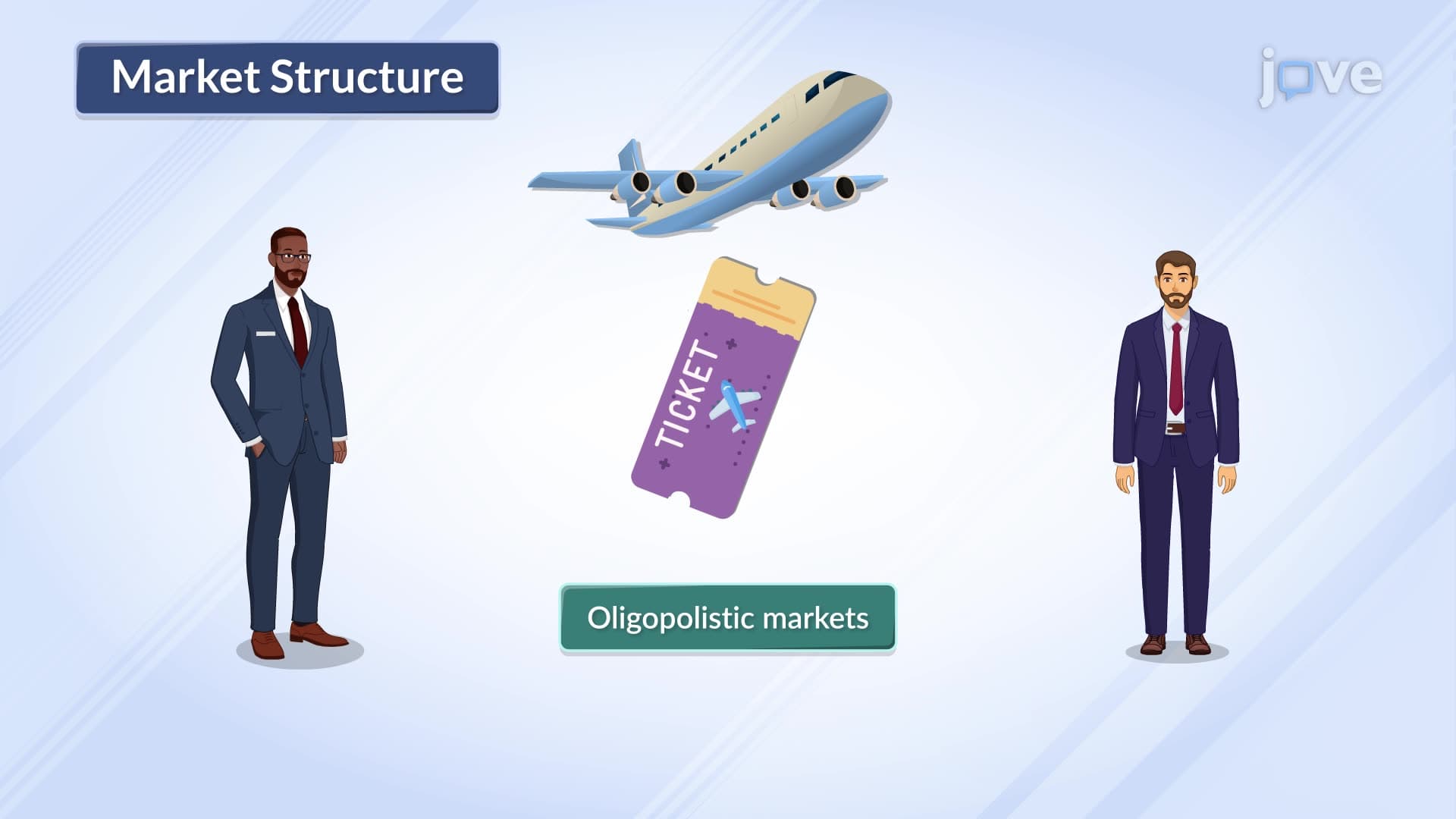
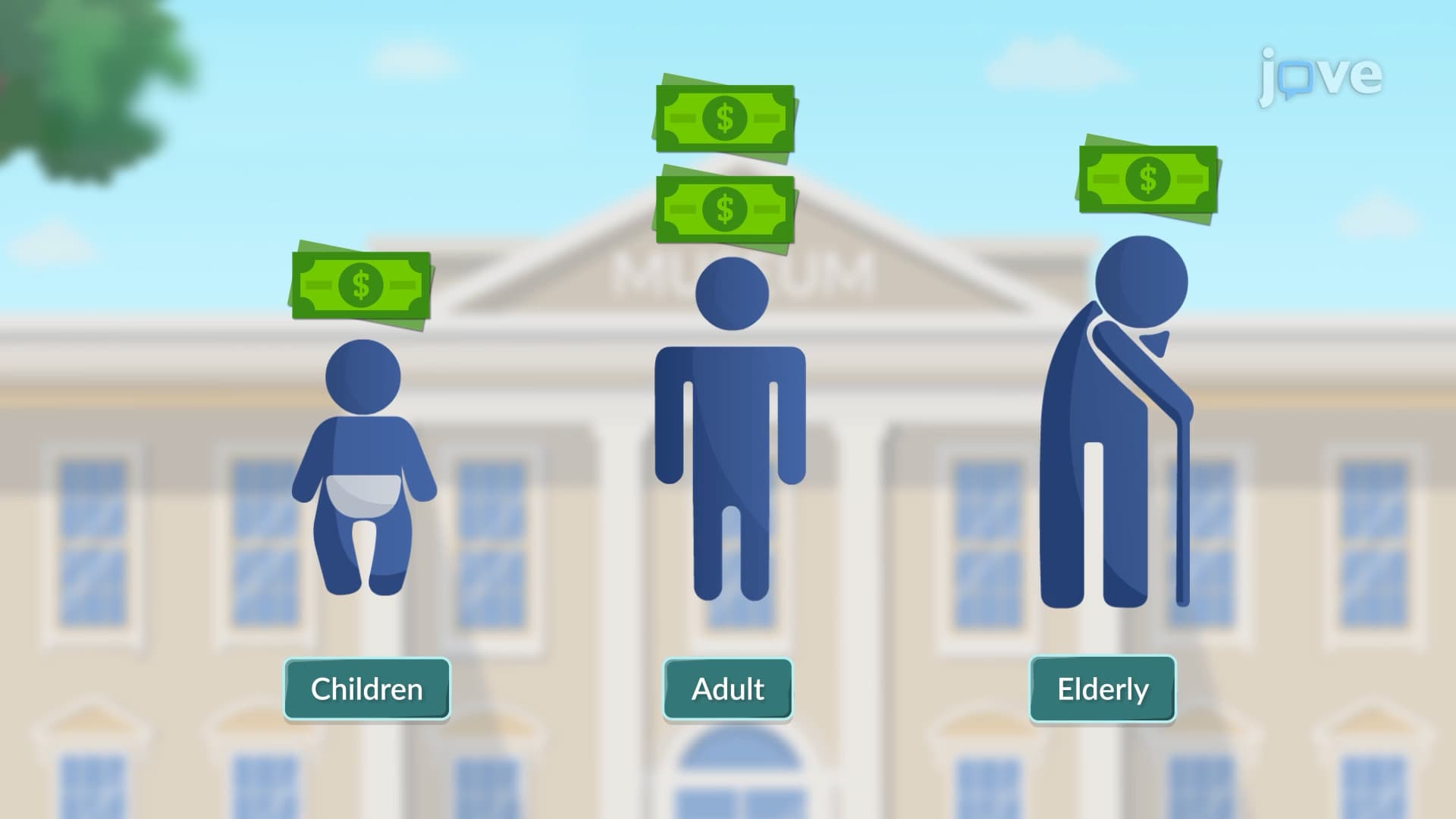
Airlines perfected segmented pricing through sophisticated yield management systems. Delta Air Lines charges premium prices for business-class seats while offering economy options, but the strategy extends deeper-pricing varies by booking timing, route demand, and customer loyalty status. This approach maximizes revenue per available seat mile while serving diverse customer segments.
The business application extends across industries. Software-as-a-Service companies implement tiered pricing based on feature access and usage limits. Professional services firms adjust rates based on client size, project complexity, and geographic location. The goal remains consistent: capture maximum willingness to pay across different customer segments.
Psychological pricing leverages behavioral economics to influence purchase decisions. Retailers like Target use $19.99 instead of $20.00 pricing because consumers mentally anchor on the first digit. Reference pricing amplifies this effect-showing original prices alongside sale prices creates perceived value even when margins remain healthy.
Promotional pricing requires careful calibration to avoid training customers to expect constant discounts. Limited-time offers create urgency while flash sales can clear inventory and generate cash flow spikes. However, overuse risks devaluing the brand and reducing full-price purchasing behavior.
Related Micro-courses