Loading subject page…

- Marketing
- Capturing Customer Value: Price to Exchange
- Price Changes
Micro-course: Capturing Customer Value: Price to Exchange
7,907 views
Learn key concepts and earn your certificate.










Price Changes

00:00
01:24
Video Summary: What Is Price Changes
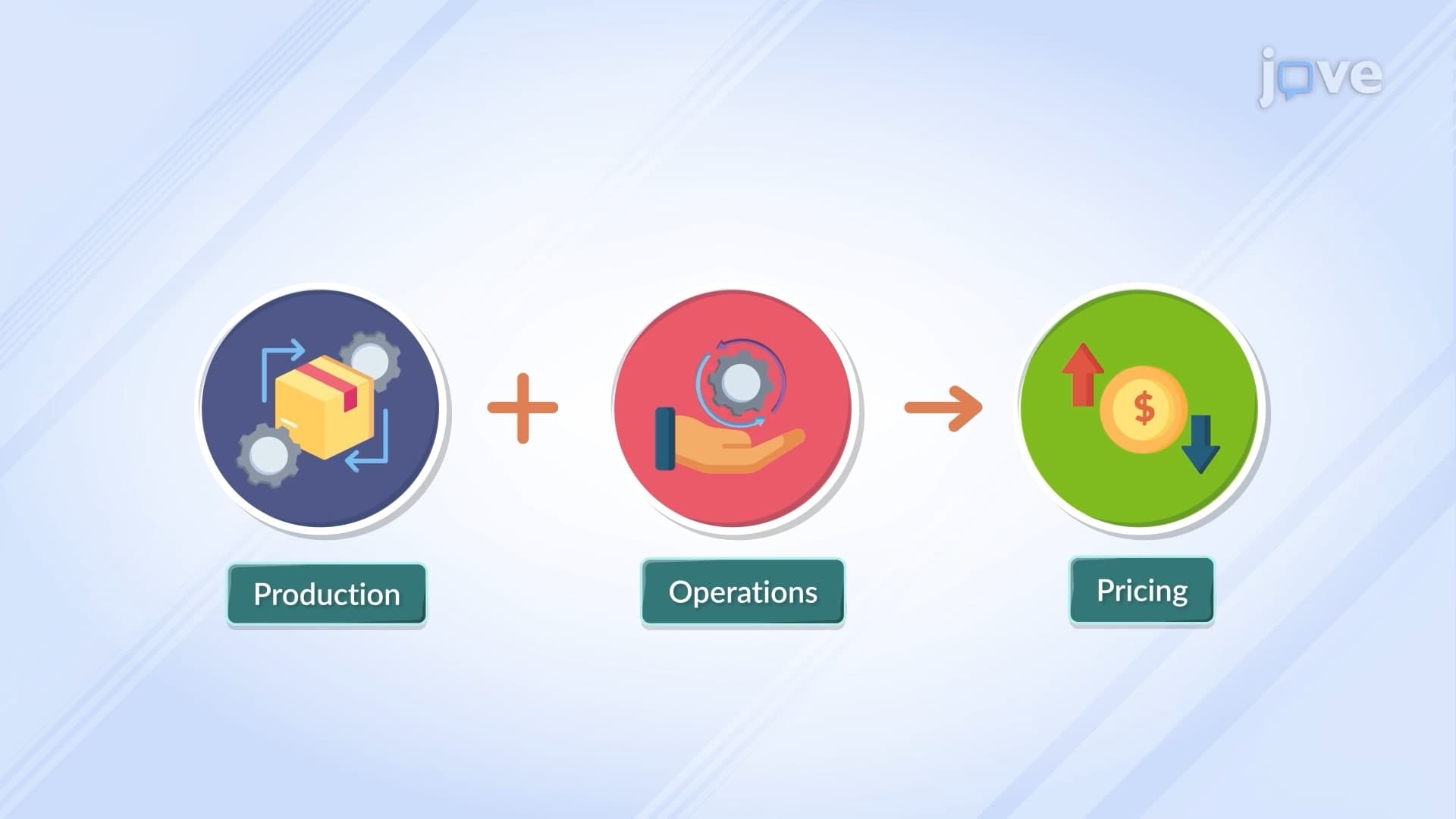
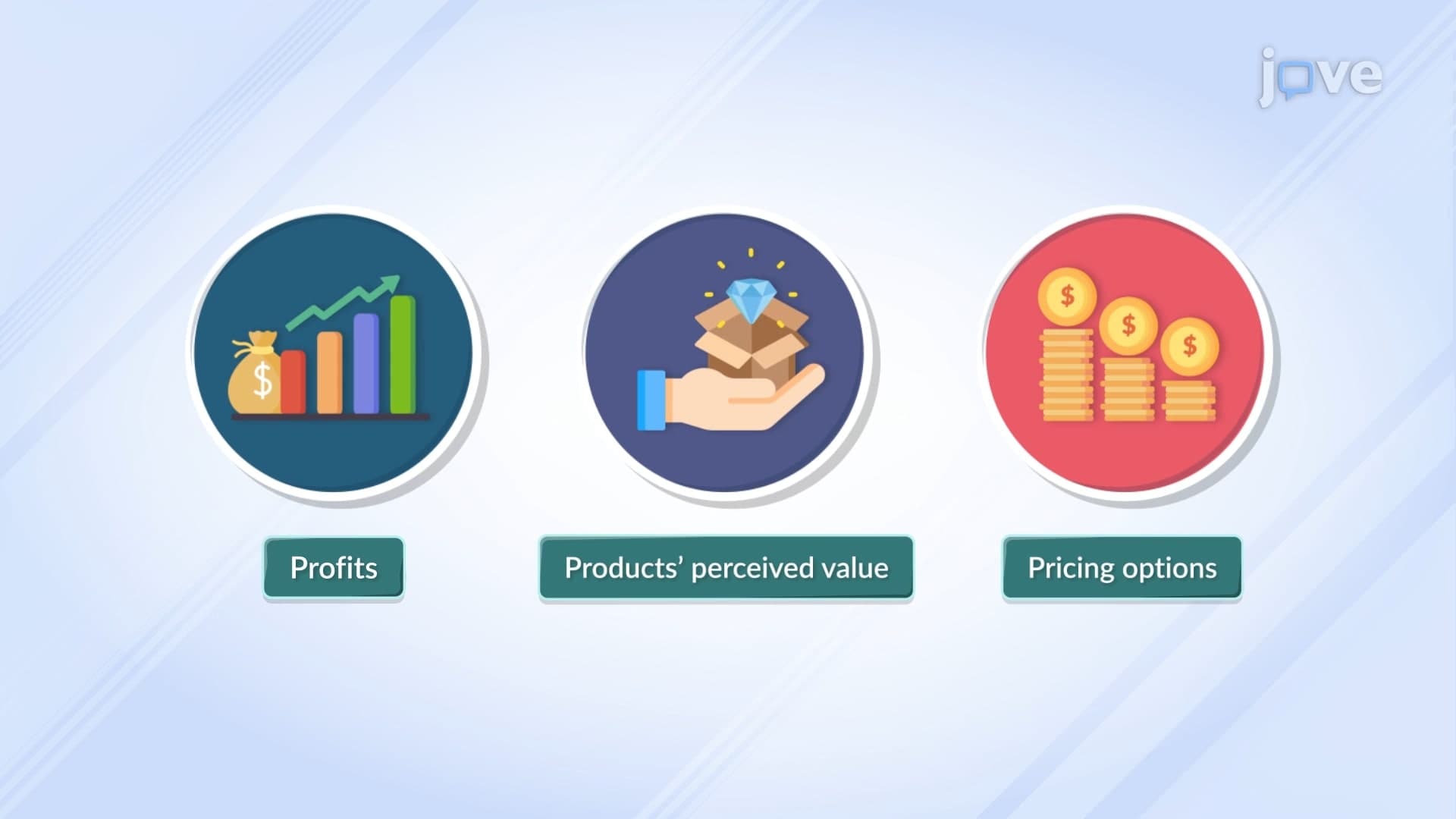
In today's volatile market environment, understanding price changes has become critical for maintaining competitive advantage and protecting profit margins. Price changes encompass strategic adjustments businesses make to product or service pricing, either proactively or in response to competitive pressures. Consider how Amazon consistently adjusts pricing across millions of products daily to maintain market leadership. These decisions directly impact revenue streams, customer retention, and competitive positioning. Watch the full video on JoVE Coach to master this concept with expert-led visuals and step-by-step explanations.
- Apply strategic pricing frameworks to evaluate when price cuts versus price increases optimize market position and profitability
- Analyze competitor price movements to anticipate market shifts and develop responsive pricing strategies
- Implement price adjustment strategies that balance cost inflation pressures with customer price sensitivity
- Evaluate the four competitive response strategies when rivals change pricing to maintain market share
- Assess market conditions that signal optimal timing for initiating price changes across product portfolios
- Leverage pricing psychology principles to minimize quality perception risks during price reductions
- Identify excess capacity indicators that necessitate strategic price cuts to stimulate demand
- Compare repositioning versus promotional strategies for defending market position against price-aggressive competitors
Understanding Strategic Price Changes in Competitive Markets
When Netflix raised subscription prices by 13% in 2019, it demonstrated how successful companies navigate the complex dynamics of strategic pricing decisions. Price changes represent deliberate adjustments to product or service pricing that businesses implement to achieve specific strategic objectives, whether responding to market pressures or proactively positioning for competitive advantage.
Driving Forces Behind Price Reductions
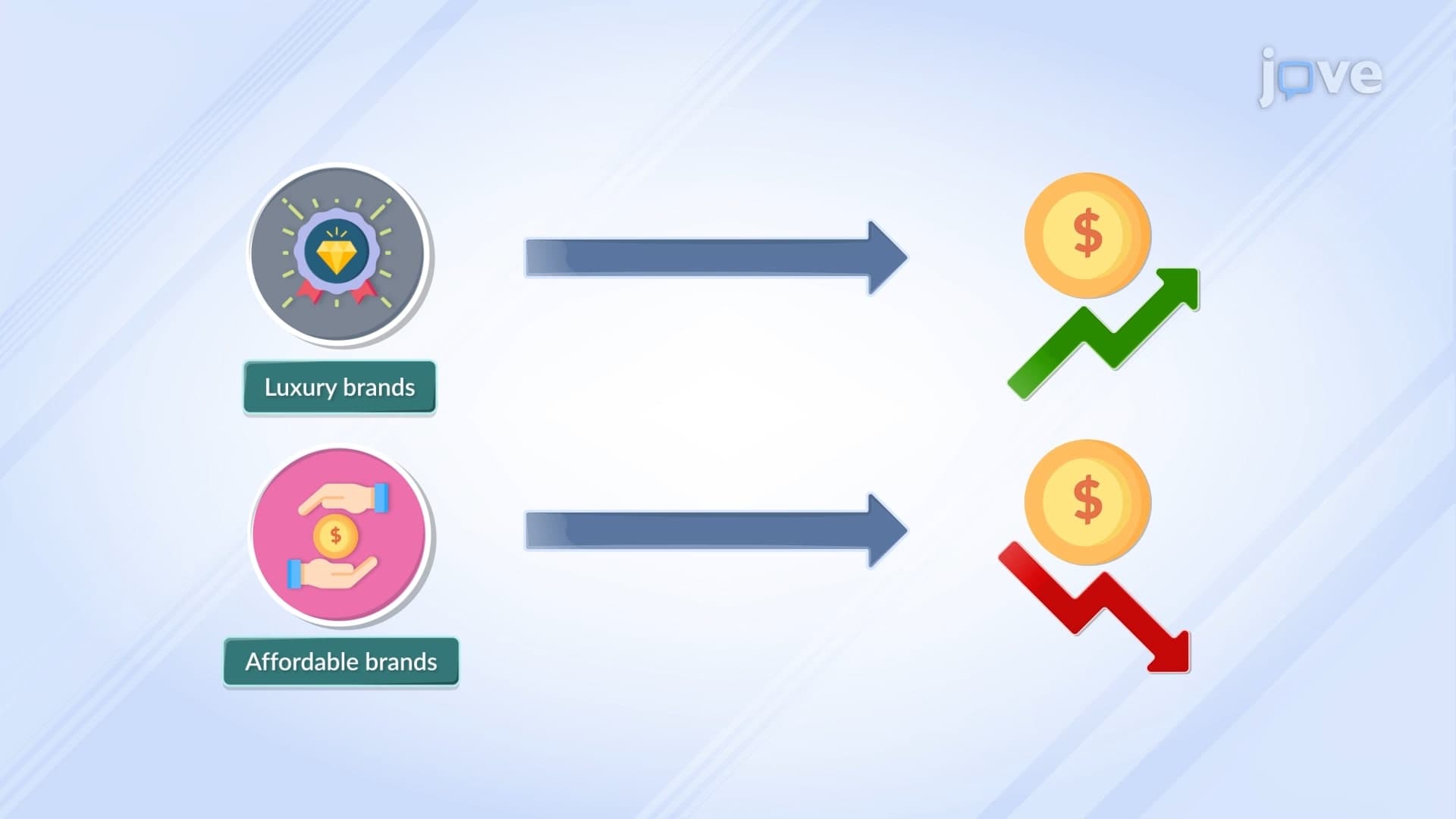
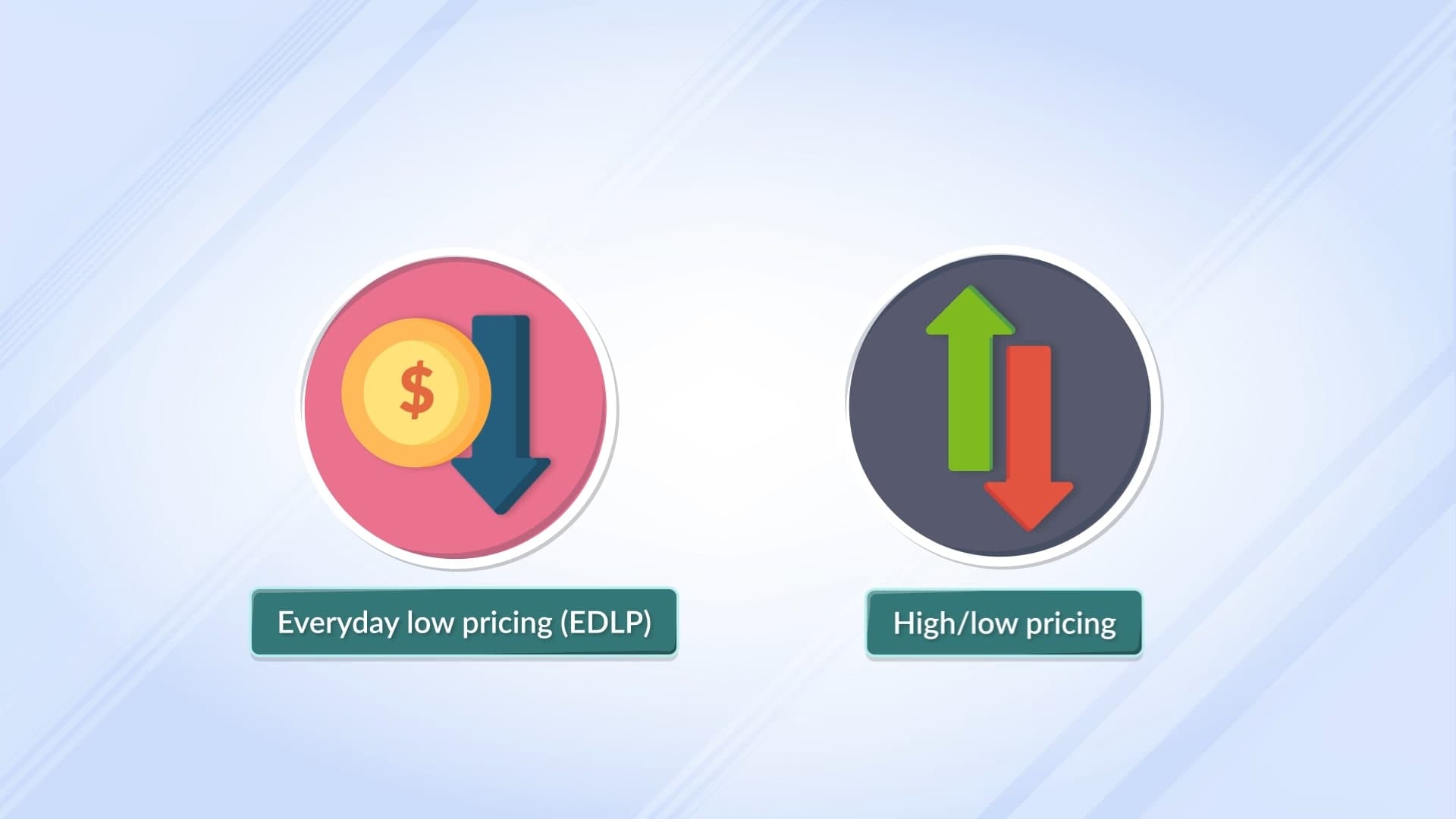
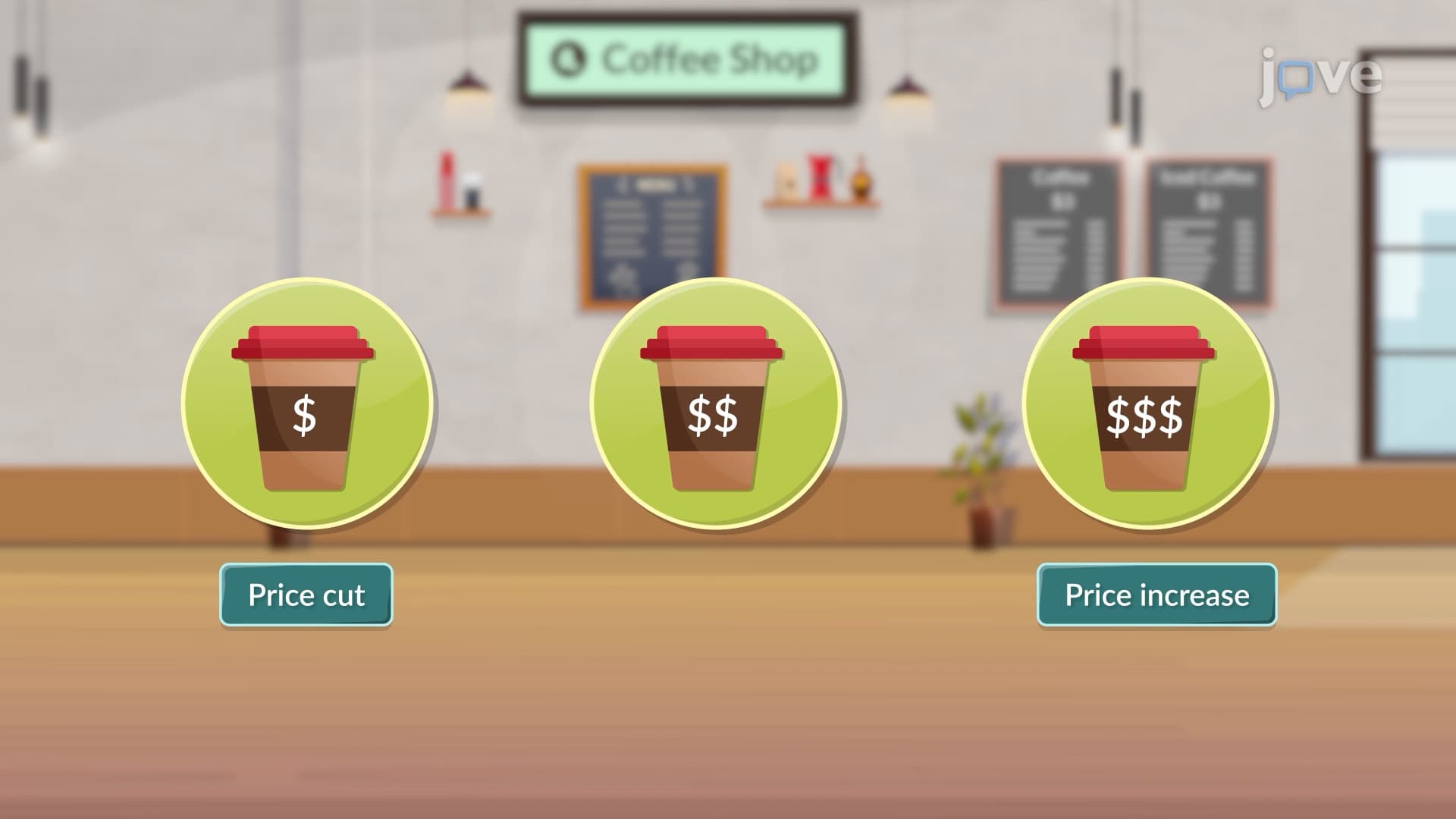
Price cuts typically emerge from three strategic scenarios. First, companies pursuing low-cost market domination strategies systematically reduce prices to capture market share. Walmart's everyday low pricing strategy exemplifies this approach, using scale economies to sustain lower margins while increasing volume. Second, intense competitive pressure or excess manufacturing capacity forces companies to stimulate demand through lower prices. The airline industry frequently employs this tactic during off-peak seasons. Third, companies may reduce prices when traditional sales efforts and product enhancements fail to generate adequate business growth.
However, price reductions carry inherent risks. Customers may interpret lower prices as indicators of inferior quality, potentially damaging brand equity. This perception challenge requires careful communication and positioning to maintain brand value while capturing price-sensitive segments.
Strategic Rationale for Price Increases
Price increases typically respond to two primary drivers. Cost inflation pressures force companies to pass increased input costs to customers to maintain profit margins. Recent supply chain disruptions have compelled numerous manufacturers to implement staged price increases. Over-demand scenarios, where companies cannot fulfill existing customer orders, also justify price increases as demand management tools.
Competitive Response Strategies
When competitors initiate price changes, businesses can deploy four strategic responses. Direct price matching works effectively in highly price-sensitive markets where customers readily switch based on pricing alone. Alternatively, companies may maintain existing prices while enhancing perceived value through promotional activities, loyalty programs, or service improvements. Brand repositioning represents a third option, simultaneously increasing both quality and price to justify premium positioning. Finally, launching lower-priced product lines or sub-brands allows companies to compete for price-sensitive segments without cannibalizing premium offerings.
These strategic choices require careful analysis of market dynamics, customer segments, and competitive positioning to optimize long-term profitability and market share.
Frequently Asked Questions
Price changes refer to strategic adjustments businesses make to product or service pricing to achieve competitive objectives or respond to market conditions. These adjustments can involve either price increases or decreases, each serving different strategic purposes. Successful price changes require careful analysis of market dynamics, customer sensitivity, and competitive positioning to optimize profitability and market share.
Monitor key indicators including cost inflation rates, competitor pricing moves, capacity utilization, and customer demand patterns. Price increases work best when costs rise significantly or demand exceeds capacity. Price cuts become necessary when facing aggressive competition, excess capacity, or declining market share despite improved sales efforts.
Frame price changes within broader business objectives using data-driven analysis of market conditions, competitive responses, and financial impact projections. Present multiple scenarios showing revenue, margin, and market share implications. Include customer research data on price sensitivity and competitor analysis to justify your recommended approach.
Prepare compelling value propositions that clearly articulate enhanced benefits, improved service levels, or superior outcomes justifying the increase. Provide advance notice, offer flexible implementation timelines, and consider loyalty programs for long-term clients. Document cost pressures and market conditions driving the necessity for adjustment.
Apple consistently demonstrates masterful price change strategy by maintaining premium pricing while introducing lower-priced variants like the iPhone SE. This approach captures price-sensitive segments without diluting the premium brand, allowing Apple to defend market share while preserving high margins on flagship products.
Basic understanding of profit margins, market analysis, and competitive dynamics suffices for most price change decisions. Focus on understanding your cost structure, customer price sensitivity, and competitive positioning. Many successful pricing professionals develop expertise through practical application rather than formal financial training.
Pricing expertise directly impacts P&L performance, making it highly valued by senior leadership across industries. Professionals who understand pricing dynamics often advance to strategic roles in product management, business development, and general management. This skill set demonstrates business acumen essential for executive advancement.
Study price elasticity analysis to understand customer demand sensitivity, competitive positioning frameworks for market analysis, and value-based pricing methodologies. Understanding customer segmentation and market research techniques will also enhance your ability to develop sophisticated pricing strategies.
Related Micro-courses