Loading subject page…

- Marketing
- Capturing Customer Value: Price to Exchange
- Pricing Tactics I
Micro-course: Capturing Customer Value: Price to Exchange
7,907 views
Learn key concepts and earn your certificate.








Pricing Tactics I


00:00
01:20
Video Summary: What Is Pricing Tactics I
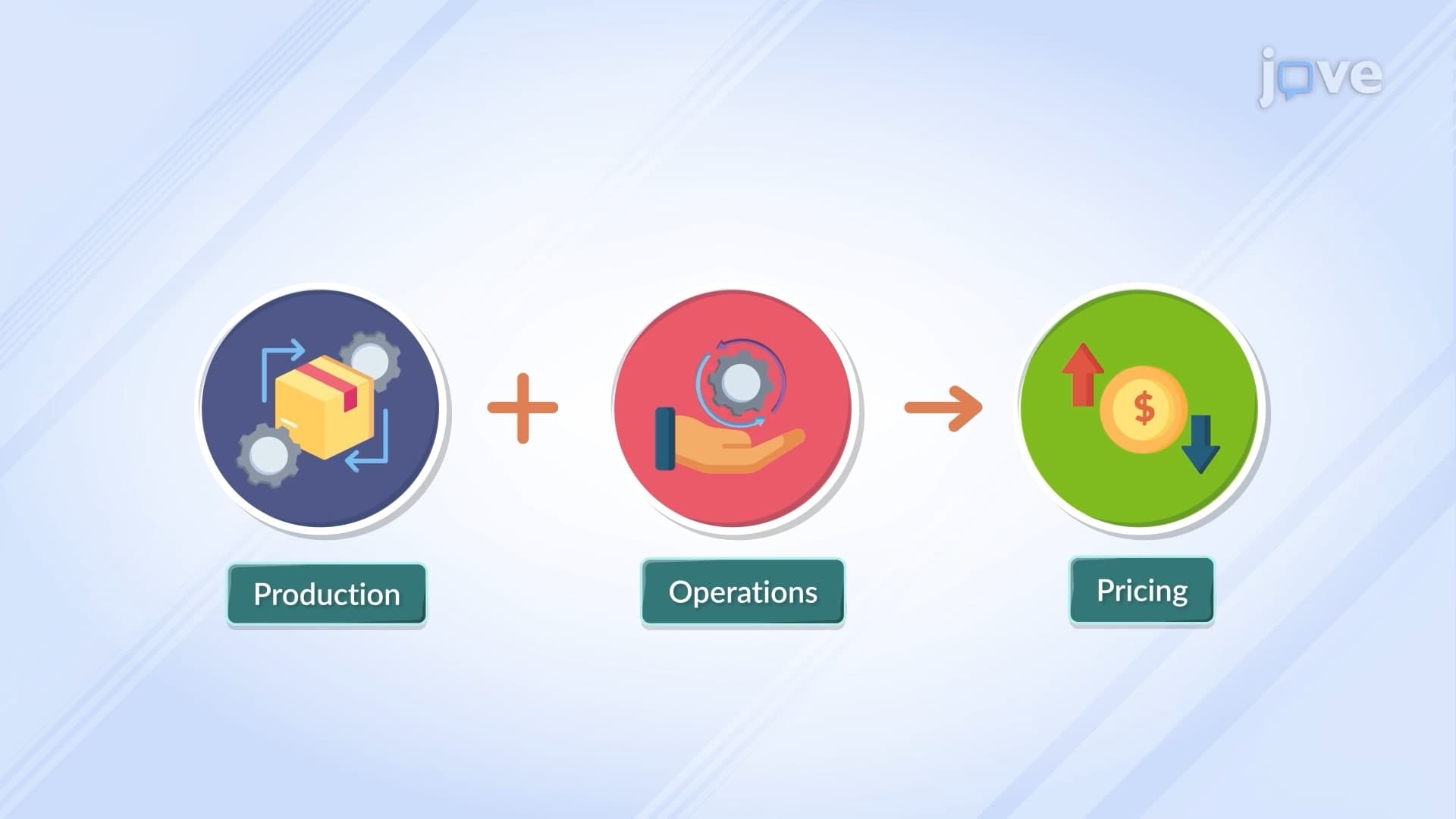
Dynamic pricing tactics can make or break quarterly revenue targets, as demonstrated when Delta Air Lines adjusts fares based on demand fluctuations and competitor positioning. These pricing tactics represent temporary methods businesses use to adjust prices according to market conditions, stimulating demand while achieving strategic marketing objectives. The four core tactics-markdowns, quantity discounts, seasonal adjustments, and coupon strategies-form the foundation of What is Pricing Tactics I. Watch the full video on JoVE Coach to master this concept with expert-led visuals and step-by-step explanations.
- Apply markdown strategies to optimize inventory turnover and maximize revenue from underperforming products or services
- Evaluate quantity discount structures to increase average order values while maintaining healthy profit margins
- Implement seasonal pricing adjustments that capitalize on demand patterns and competitive market positioning
- Leverage coupon distribution channels to acquire new customers while building loyalty among existing client bases
- Analyze the relationship between high/low pricing strategies and overall brand positioning in your market segment
- Assess the financial impact of temporary pricing tactics on monthly and quarterly P&L performance
- Identify optimal timing for price adjustments based on market conditions, inventory levels, and competitive intelligence
- Compare pricing tactics effectiveness across different customer segments and distribution channels
Understanding Pricing Tactics I in Strategic Context
Modern business leaders face constant pressure to optimize revenue while maintaining competitive positioning. Pricing tactics represent dynamic tools that complement your base pricing strategy, allowing for tactical adjustments without fundamental changes to your value proposition. Unlike permanent pricing decisions that require board approval and extensive market research, these temporary methods provide operational flexibility to respond to market conditions, inventory challenges, and competitive pressures.
Markdown Implementation and Revenue Optimization
Markdowns serve as strategic tools for inventory management and cash flow optimization. When American Airlines reduces prices on unsold seats approaching departure, they're executing calculated revenue management rather than desperate discounting. Effective markdown strategies require sophisticated analysis of price elasticity, customer segments, and competitive response patterns. Finance leaders must balance the immediate cash benefits against potential brand dilution and customer expectation setting for future purchases.
Volume-Based Pricing and Customer Value Maximization
Quantity discounts create win-win scenarios by increasing transaction sizes while reducing per-unit fulfillment costs. Consider how Costco's bulk pricing model drives both customer loyalty and operational efficiency. Professional implementation requires careful analysis of cost structures, customer purchasing patterns, and competitive positioning. The key lies in setting discount thresholds that meaningfully impact customer behavior while preserving healthy contribution margins across your product portfolio.
Seasonal Strategies and Market Timing
Seasonal pricing tactics align revenue strategies with predictable demand cycles and competitive dynamics. Hilton Hotels' off-season pricing demonstrates sophisticated revenue management that maximizes occupancy while maintaining premium positioning during peak periods. Successful seasonal pricing requires robust forecasting capabilities, flexible operational models, and clear communication strategies that frame discounts as value opportunities rather than quality compromises.
Integration with High/Low Pricing Strategies
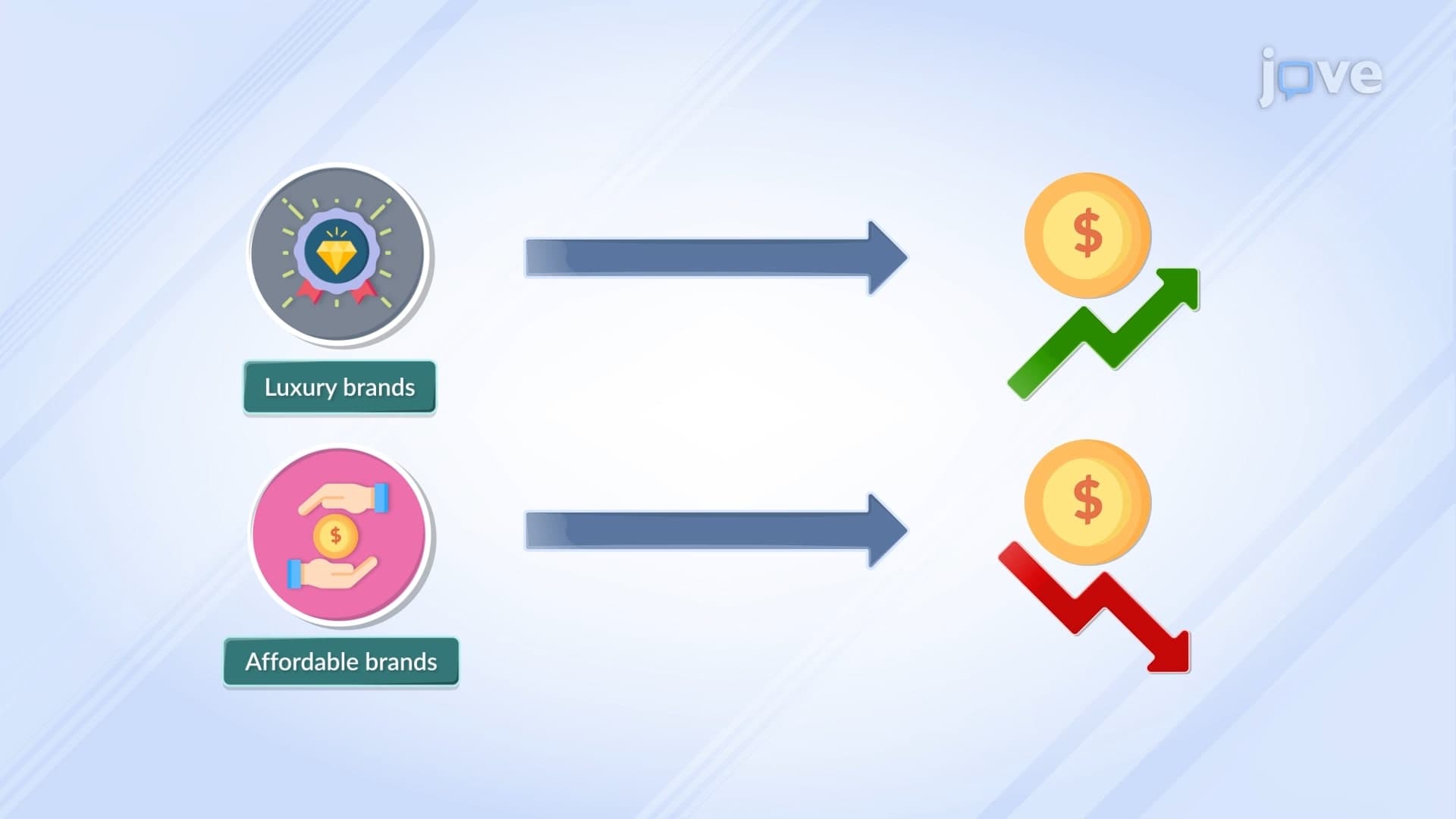
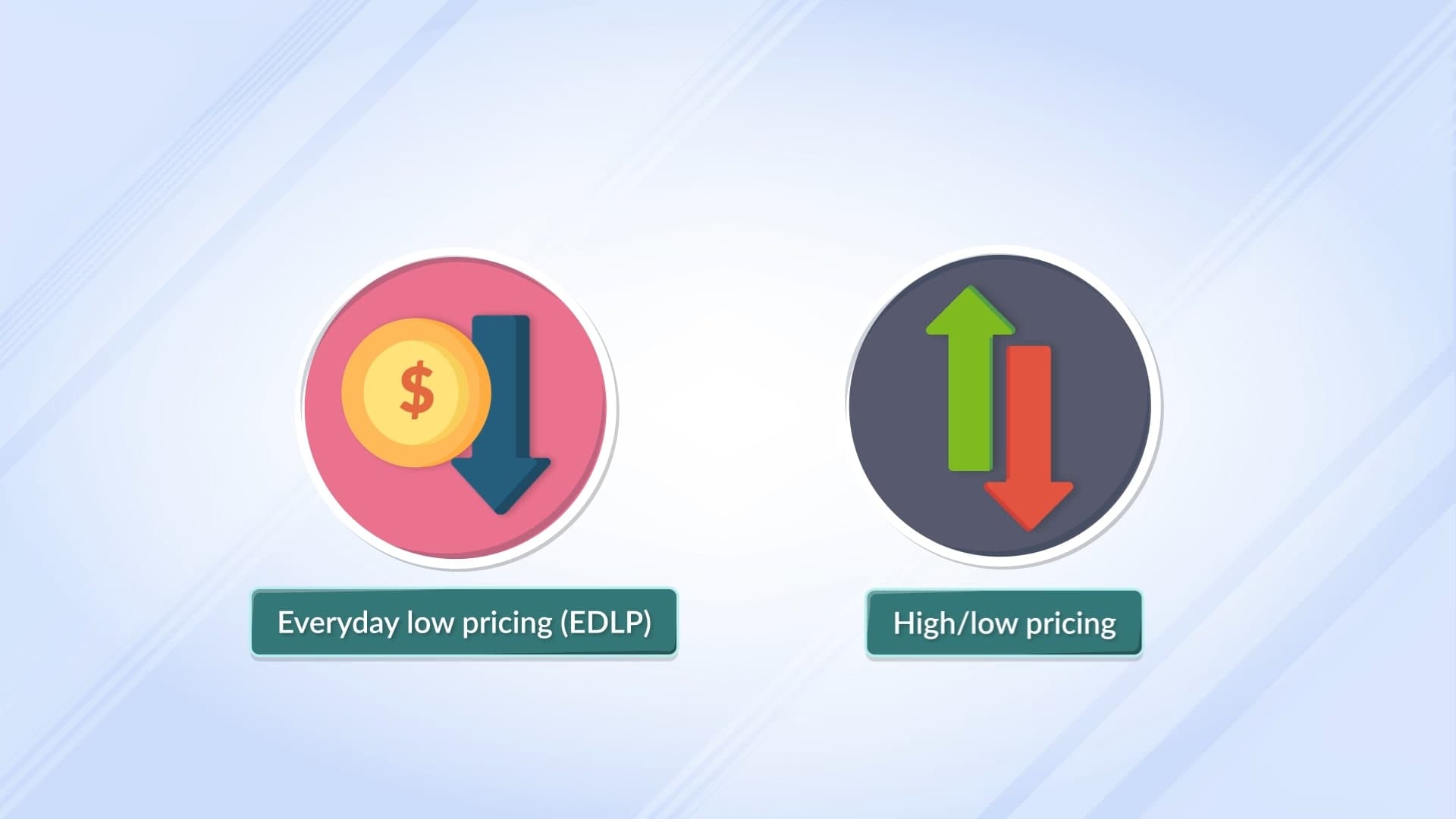
These tactical approaches support broader high/low pricing architectures that balance premium positioning with accessibility. Retailers like Macy's have built entire business models around this approach, using regular-price periods to establish value perceptions while employing sales events to drive volume and clear inventory. The effectiveness depends on customer education, competitive differentiation, and operational excellence in execution timing.
Frequently Asked Questions
Pricing tactics are temporary, flexible price adjustments used to respond to immediate market conditions, while pricing strategies represent long-term positioning decisions. Tactics provide operational agility within your established strategic framework, allowing quick responses to competitive pressures, inventory challenges, or seasonal demand fluctuations without changing your fundamental value proposition.
Start by analyzing your current inventory levels, competitive landscape, and customer purchasing patterns from the previous quarter. Markdowns work best for excess inventory, quantity discounts boost transaction sizes, seasonal adjustments capitalize on predictable demand cycles, and coupons drive new customer acquisition. Consider your cash flow needs, margin requirements, and brand positioning goals when selecting tactics.
Present pricing tactics during monthly performance reviews when revenue targets need adjustment, during quarterly planning sessions to optimize seasonal performance, or when competitive intelligence indicates market shifts. Focus on projected revenue impact, margin implications, and alignment with annual growth objectives rather than tactical details.
Amazon employs dynamic pricing algorithms that automatically implement markdowns based on inventory velocity, offers quantity discounts through bulk purchasing programs, adjusts prices seasonally during Prime Day and holiday periods, and distributes targeted coupons to specific customer segments. Their sophisticated approach demonstrates how technology can optimize multiple tactics simultaneously across millions of products.
While advanced financial modeling helps optimize tactics, you can start with basic contribution margin analysis and customer segment data. Focus on understanding your cost structures, monitoring competitive responses, and tracking customer behavior changes. Many successful implementations begin with simple A/B testing and gradually incorporate more sophisticated analytical approaches.
Pricing expertise directly translates to revenue responsibility and P&L management opportunities. Professionals who demonstrate measurable results from tactical pricing decisions often advance to strategic roles in revenue management, product marketing, or general management. This skill set proves particularly valuable in senior leadership positions where pricing decisions significantly impact company performance.
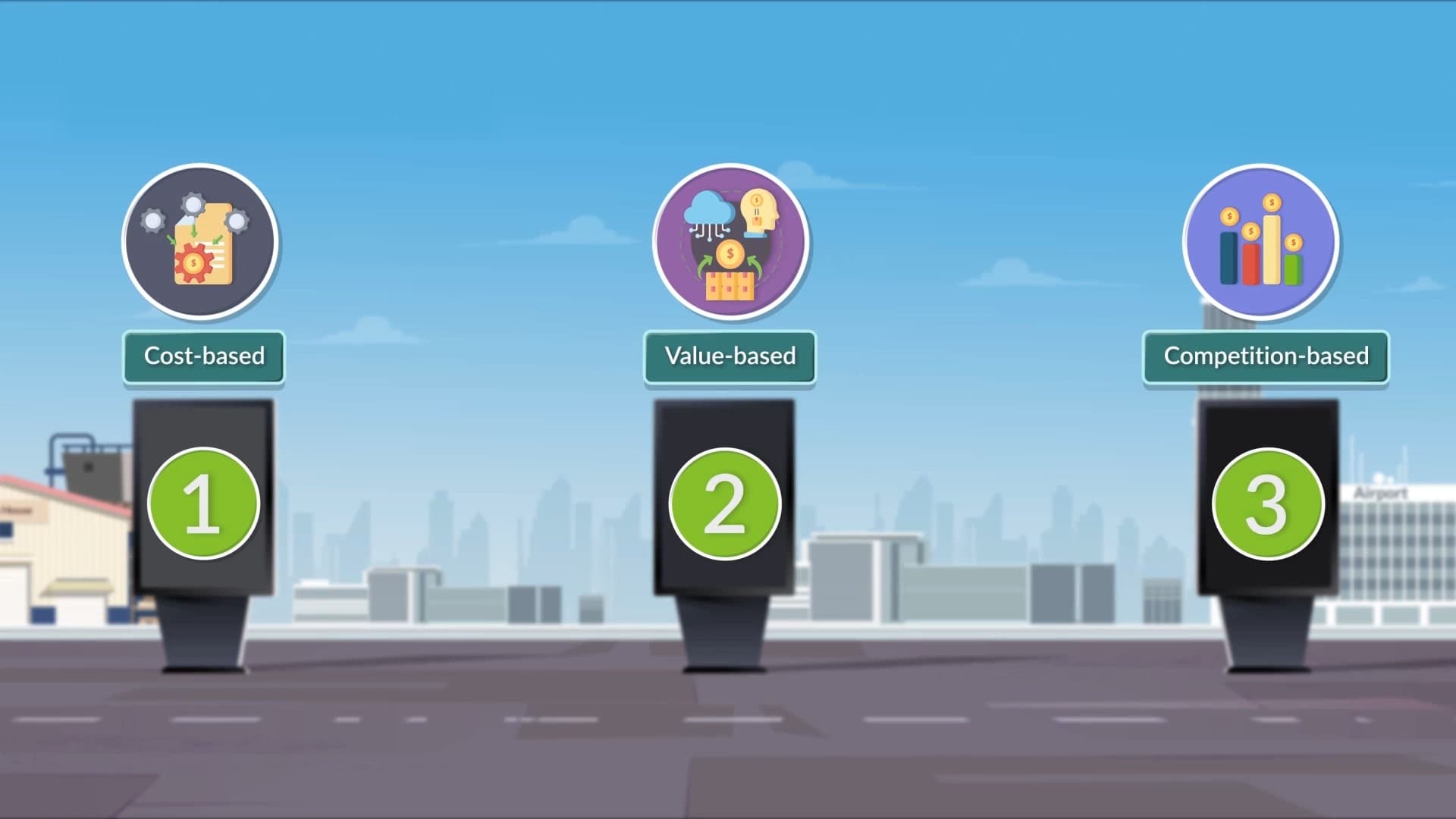
Consider studying dynamic pricing algorithms, value-based pricing methodologies, and behavioral economics applications in pricing. Advanced topics include price optimization software, competitive pricing intelligence systems, and psychological pricing techniques. These concepts build upon tactical foundations to create comprehensive pricing competencies for senior leadership roles.
Related Micro-courses