Loading subject page…


7,907 views

Video Summary: What Is Pricing Tactics Ii
In today's competitive marketplace, sophisticated pricing tactics can drive revenue growth of 15-20% annually when executed strategically. Pricing tactics encompass five core strategies that businesses use to maximize profitability and market penetration: rebate pricing, lease/rental models, price bundling, leader pricing, and price lining. Companies like Apple masterfully deploy these tactics across their product ecosystem, using price lining to capture different customer segments simultaneously. Understanding What is Pricing Tactics II becomes essential for professionals managing product portfolios, competitive positioning, and revenue optimization initiatives. Watch the full video on JoVE Coach to master this concept with expert-led visuals and step-by-step explanations.
When Walmart's leadership team meets quarterly to review pricing strategy, they're not just discussing numbers-they're orchestrating one of the most sophisticated pricing operations in retail. The challenge facing today's business leaders is selecting and implementing pricing tactics that drive both immediate revenue and long-term customer value.
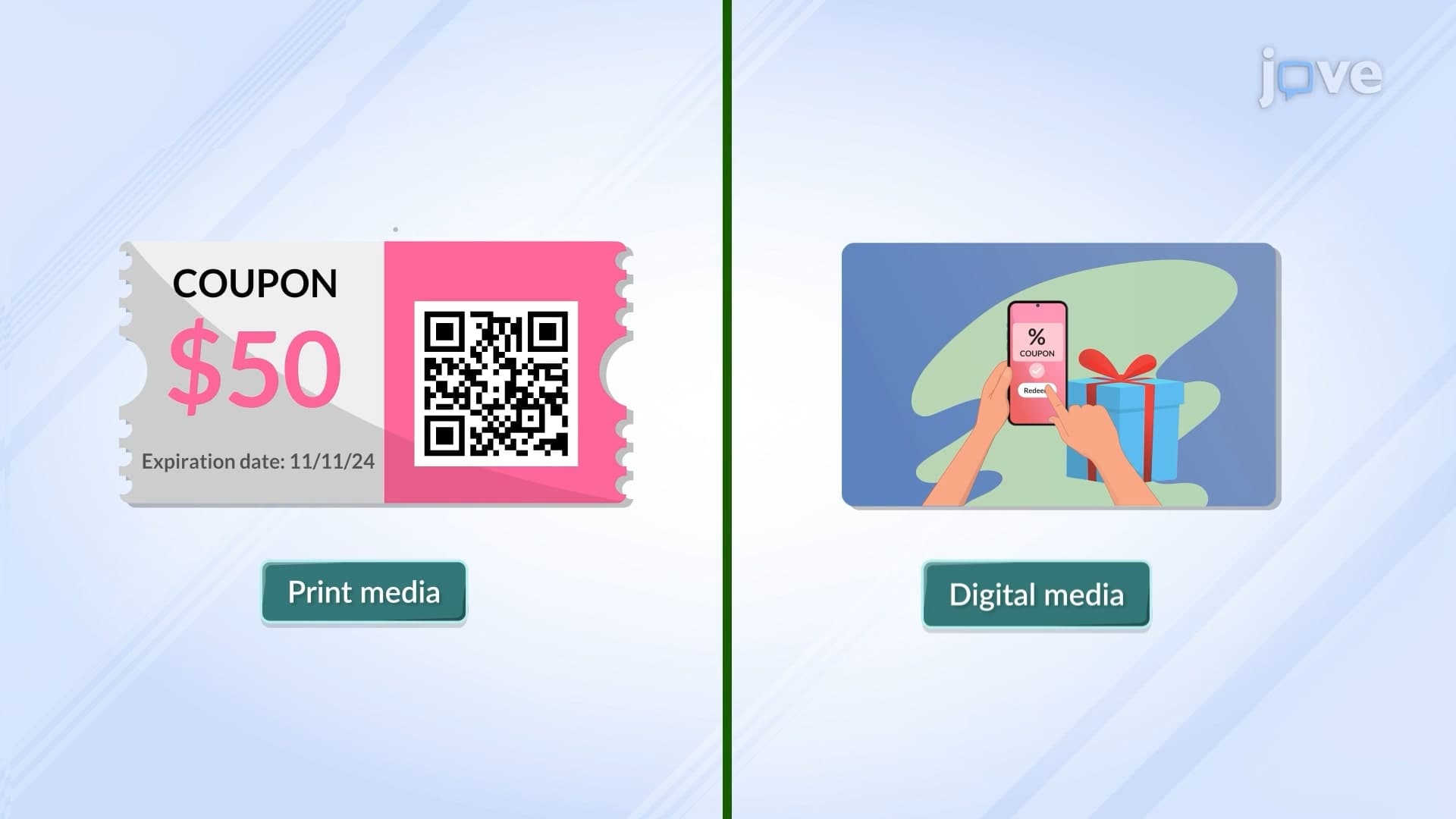
Rebate pricing represents a sophisticated cash flow management tool that creates psychological ownership while deferring actual cost reduction. Companies like Best Buy leverage this approach during major appliance sales, offering $200 rebates on refrigerators over $1,500. This tactic improves immediate cash flow while creating a future touchpoint for customer engagement.
Lease and rental models have evolved beyond traditional equipment financing into comprehensive service strategies. Enterprise Holdings built a $25 billion empire by recognizing that mobility-as-a-service often provides better customer value than ownership models, particularly in urban markets where storage and maintenance costs exceed usage benefits.
Price bundling creates compelling value narratives while increasing average transaction values. Microsoft's Office 365 bundling strategy transformed individual software sales into comprehensive productivity suites, increasing customer lifetime value by 300% compared to standalone product sales.
Leader pricing requires sophisticated P&L management, as companies sacrifice margins on specific products to drive overall profitability. Costco's famous $4.99 rotisserie chicken strategy exemplifies this approach-the company loses money on each chicken but generates substantial profits from complementary purchases during the same shopping trip.
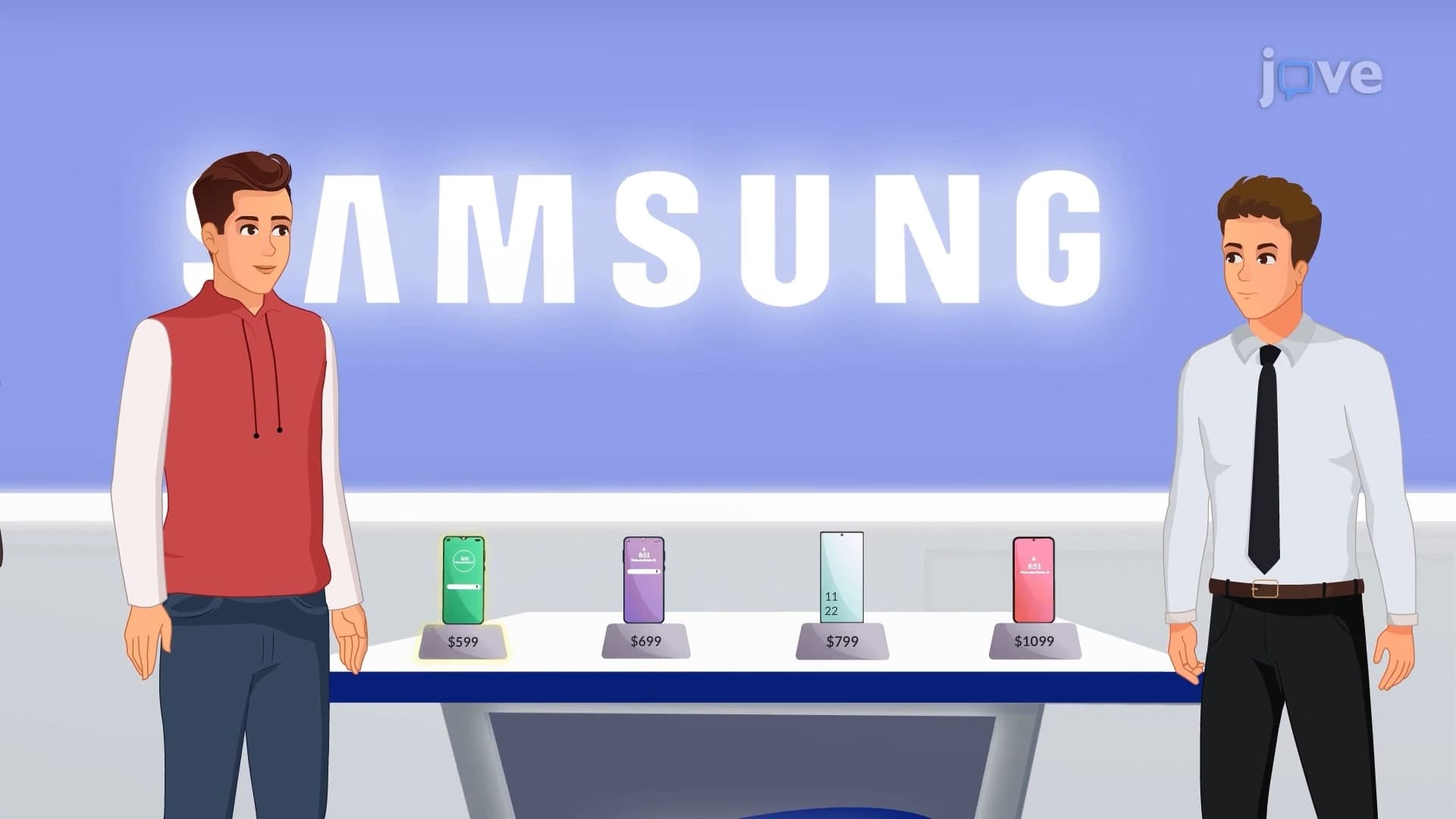
Price lining enables market segmentation without product proliferation costs. Tesla's Model 3, Model Y, Model S, and Model X strategy allows the company to capture price-sensitive consumers while maintaining premium positioning for performance-focused buyers, maximizing revenue across diverse customer segments.
Successful pricing tactics implementation requires careful consideration of competitive response, customer psychology, and operational capabilities. Companies must evaluate cannibalization risks, margin impacts, and long-term brand positioning when deploying these strategies across their product portfolios.
Related Micro-courses