Loading…
Loading video…
382 views
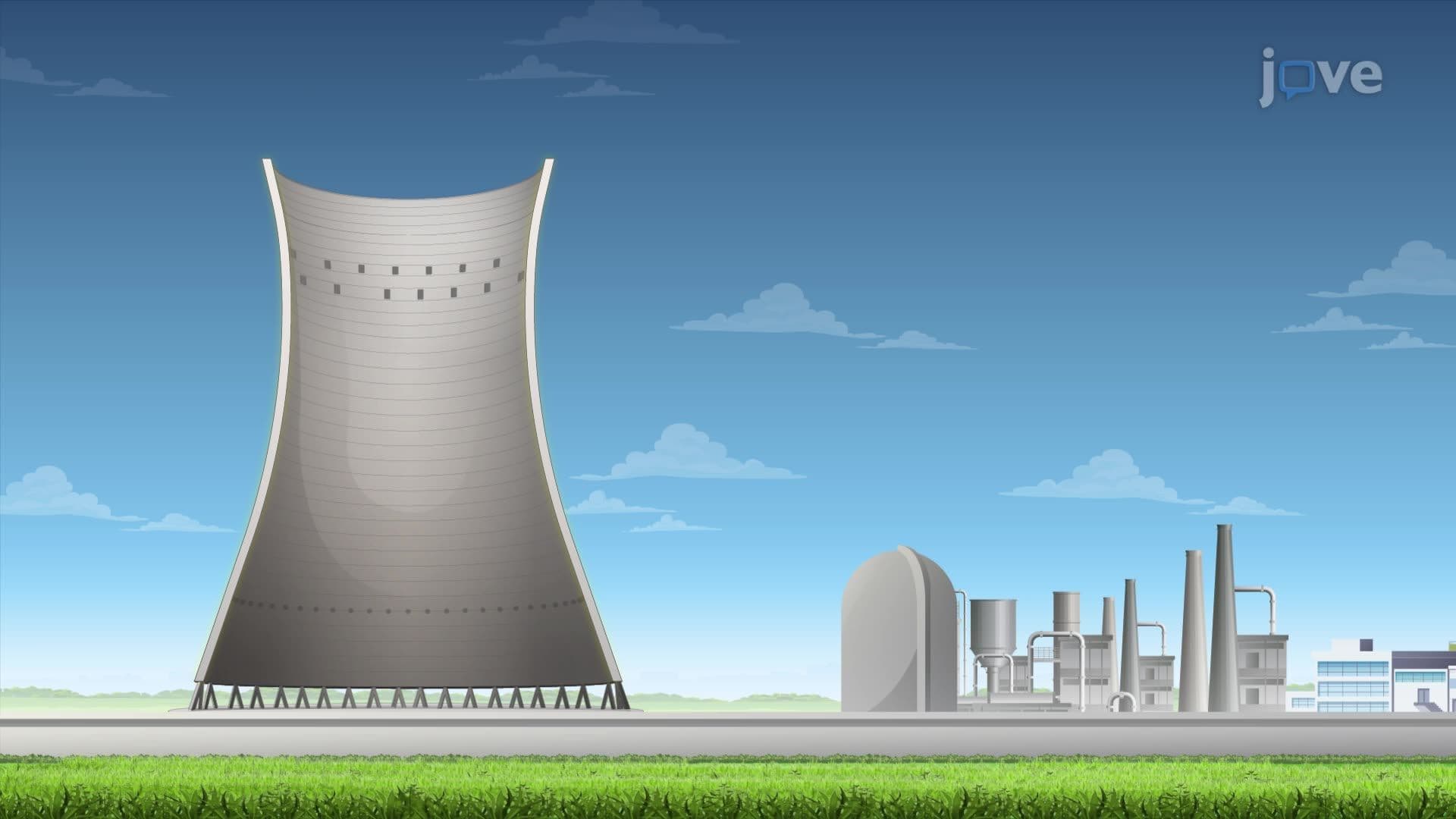
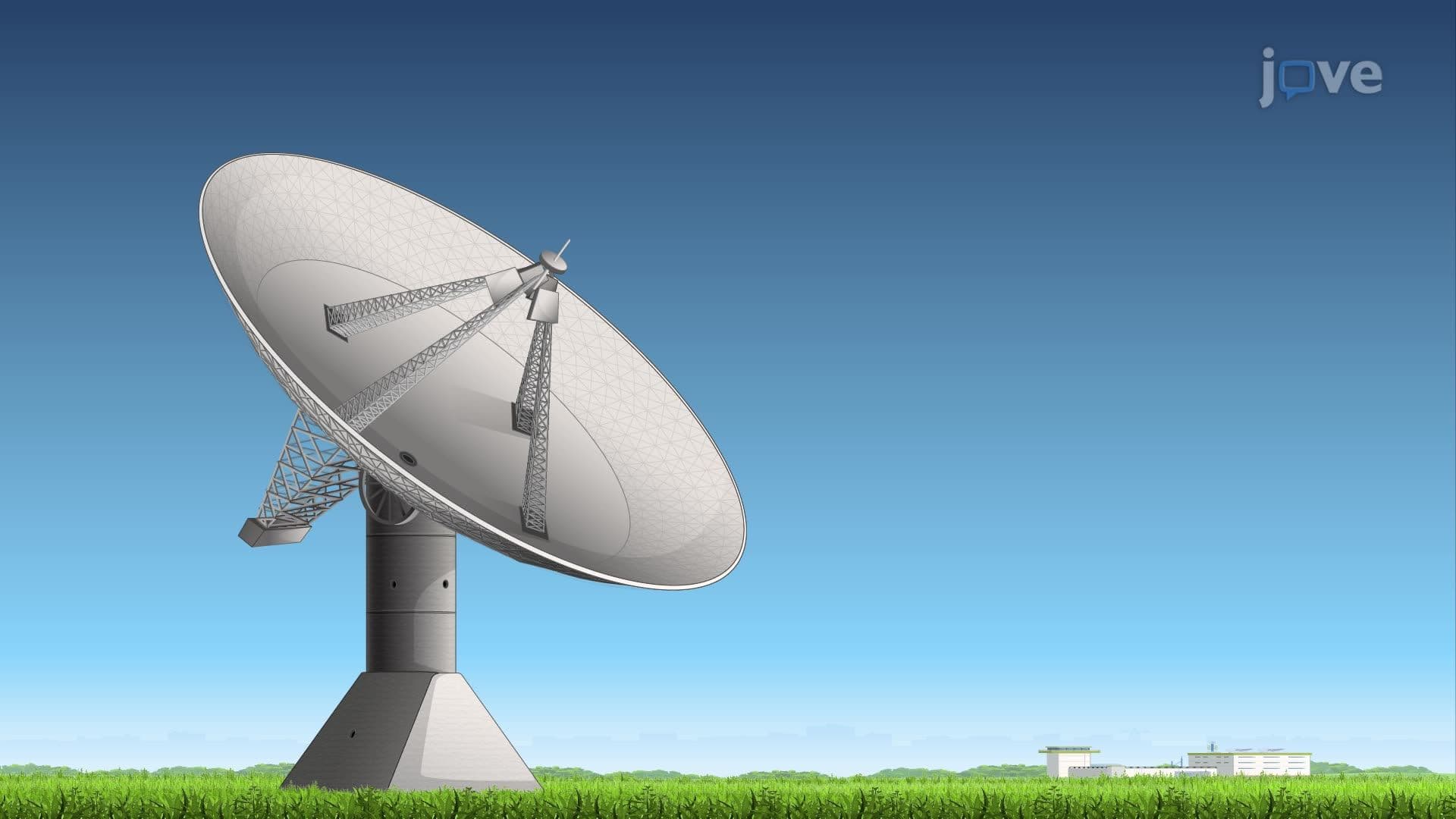
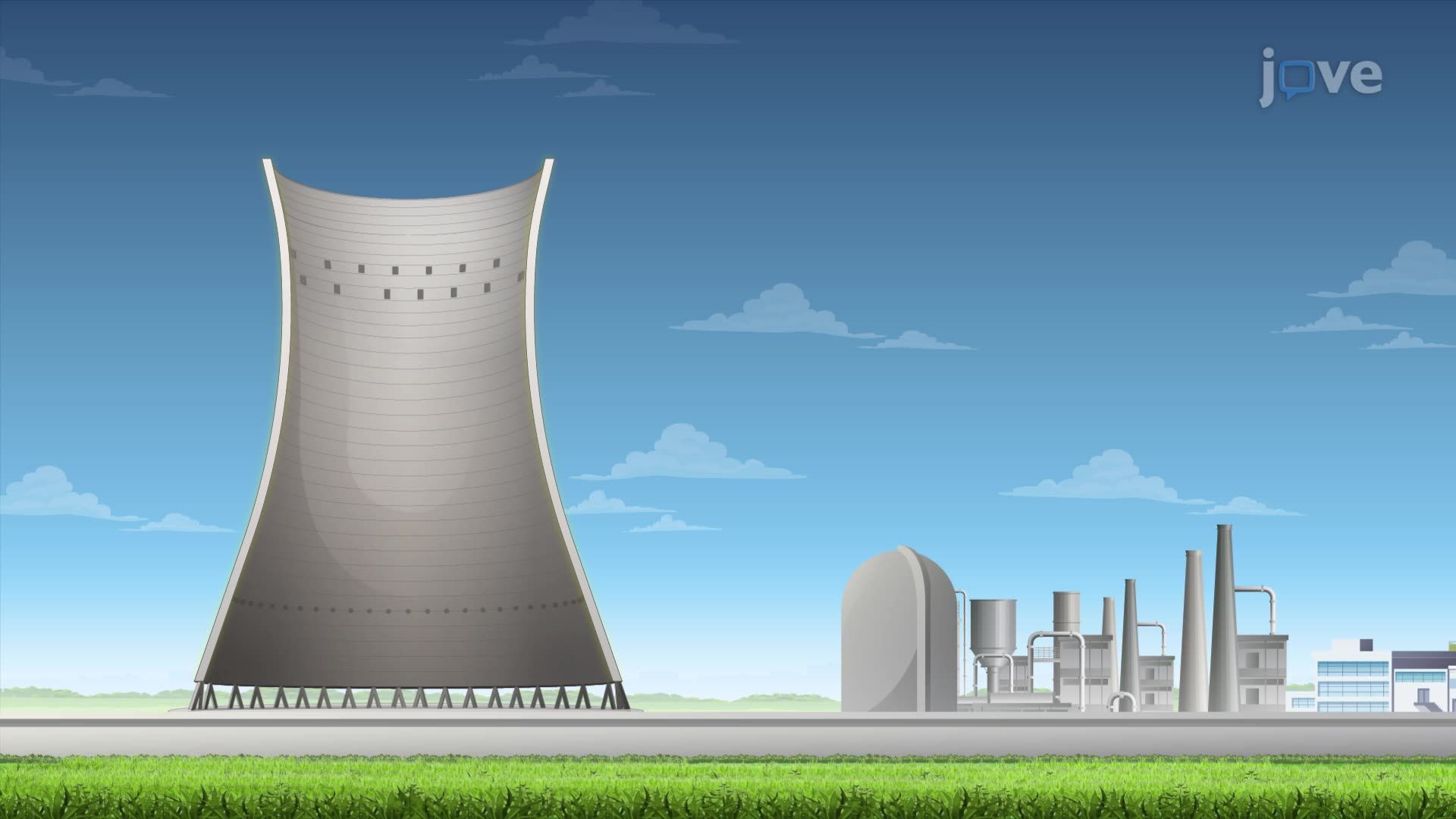
Ever wondered why nuclear power plant cooling towers have that distinctive curved shape? Hyperbolas are mathematical curves formed when a plane slices through both halves of a double cone, creating two mirror-image branches that never meet. These elegant curves appear everywhere from the Hoover Dam's arch design to satellite dish reflectors across America. Understanding what is hyperbolas reveals how mathematics shapes our engineered world through their unique geometric properties and practical applications. Watch the full video on JoVE Coach to master this concept with expert-led visuals and step-by-step explanations.
Hyperbolas represent one of the four fundamental conic sections, distinguished by their unique two-branch structure. Unlike circles or ellipses that form closed curves, hyperbolas create two separate, mirror-image branches that extend infinitely. This occurs when a cutting plane intersects both nappes (cone halves) of a double cone at an angle steeper than the cone's sides.
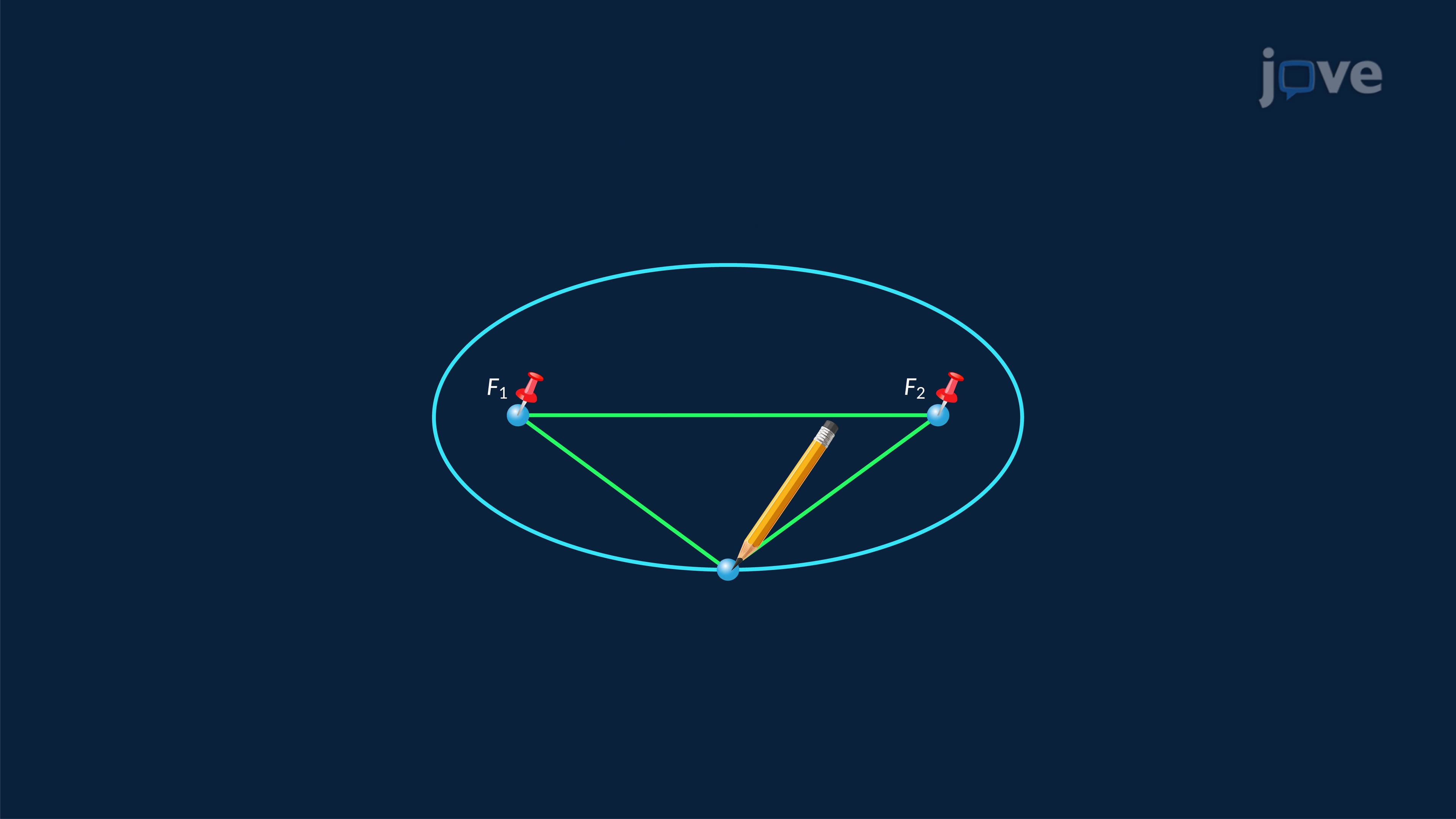
The mathematical beauty of hyperbolas lies in their defining property: any point on a hyperbola maintains a constant absolute difference in distances to two fixed points called foci. This relationship, expressed as |d1 - d2| = 2a, where 'a' represents the distance from center to vertex, creates the hyperbola's characteristic shape.
The transverse axis serves as the hyperbola's main axis, connecting the two vertices and measuring 2a in length. Perpendicular to this lies the conjugate axis with length 2b. These axes create a fundamental rectangle whose diagonal extensions become the hyperbola's asymptotes—invisible guide lines that the branches approach but never touch.
The standard equation x²/a² - y²/b² = 1 emerges from applying the distance formula to the defining property. Here, 'c' represents the distance from center to each focus, related by the Pythagorean relationship c² = a² + b². This connection proves crucial for AP Calculus and college algebra courses, where students must manipulate these relationships to solve complex problems.
Nuclear power plants across the United States, including those at Palo Verde in Arizona and Vogtle in Georgia, utilize hyperbolic cooling towers. The hyperbolic shape maximizes structural strength while optimizing airflow patterns, demonstrating how mathematical principles translate into practical engineering solutions.
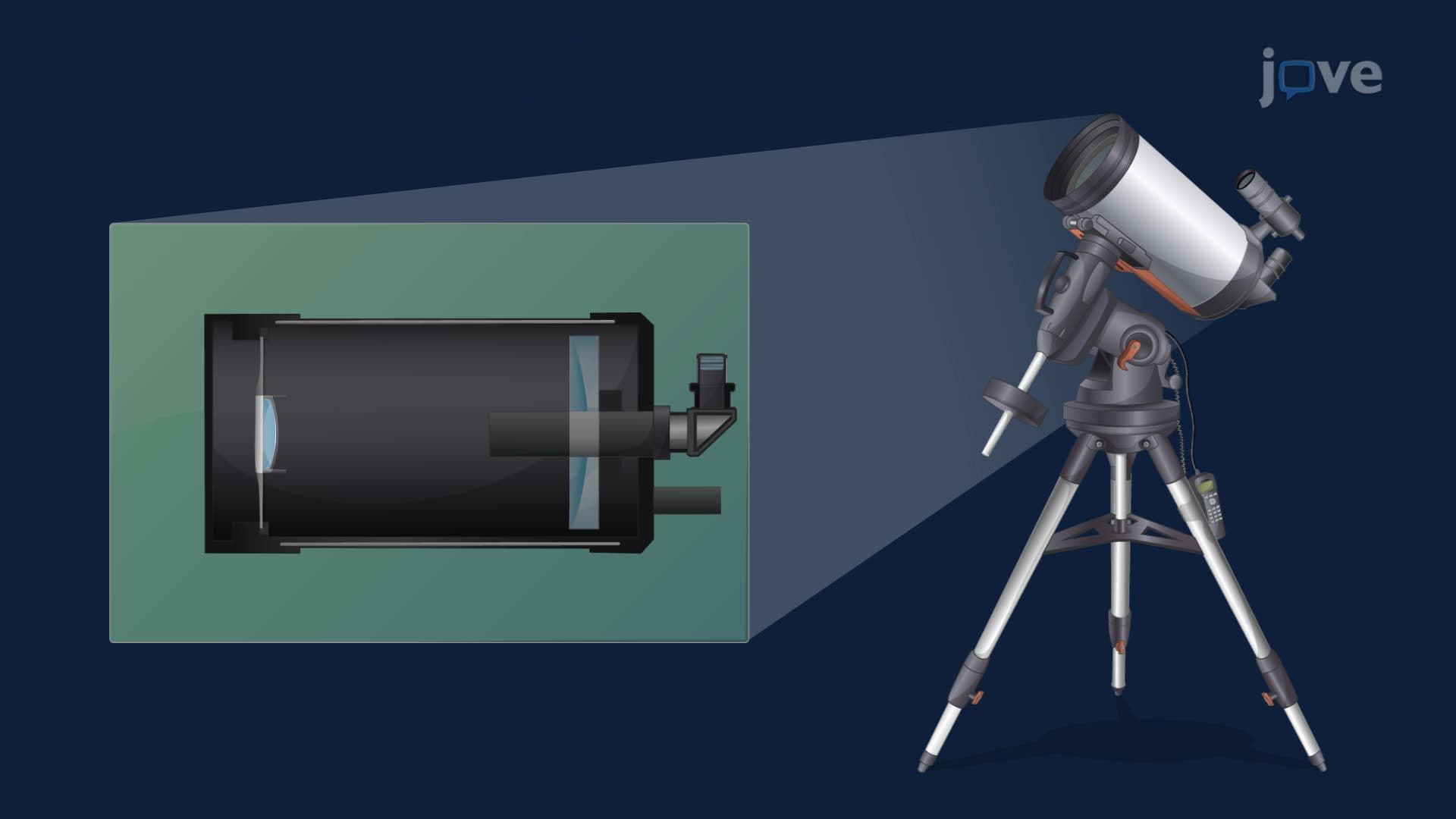
Similarly, the LIGO gravitational wave detectors in Louisiana and Washington State employ hyperbolic mirror arrangements to detect cosmic phenomena. These applications showcase how hyperbolas concepts appear in cutting-edge American scientific research, making this topic relevant for students pursuing STEM careers.
Frequently Asked Questions
Hyperbolas are curves with two separate branches formed when a plane cuts through both halves of a double cone. They're defined by points where the difference in distances to two fixed points (foci) remains constant. Think of them as "open" curves that extend infinitely, unlike circles or ellipses that close back on themselves.
AP Calculus frequently tests hyperbola equations, asymptote identification, and derivative applications. Students encounter problems involving optimization of hyperbolic functions and analysis of their behavior at infinity. The College Board often includes hyperbolas in free-response questions about conic sections and their geometric properties.
Hyperbolas have two branches and two foci, while parabolas have one branch and one focus. SAT questions typically test recognition of their standard forms: hyperbolas use x²/a² - y²/b² = 1, while parabolas use y = ax² + bx + c. Understanding these distinctions helps students quickly identify problem types during timed tests.
Nuclear power plant cooling towers across the US use hyperbolic shapes for optimal strength and airflow. The Gateway Arch in St. Louis approximates a hyperbolic curve, and many suspension bridge cables follow hyperbolic patterns. Even some modern skyscrapers like New York's One World Trade Center incorporate hyperbolic design elements.
Not at all! While hyperbolas build on algebra and coordinate geometry, they're accessible to any student comfortable with basic equations and graphing. High school Algebra 2 or Pre-Calculus provides sufficient foundation. The key is visualizing the geometric relationship rather than memorizing complex formulas.
Focus on understanding the relationship between components rather than rote memorization. Remember that 'a' relates to vertices, 'b' to the conjugate axis, and c² = a² + b² connects everything. Practice sketching hyperbolas from equations, and use the asymptote rectangle as a visual guide during tests.
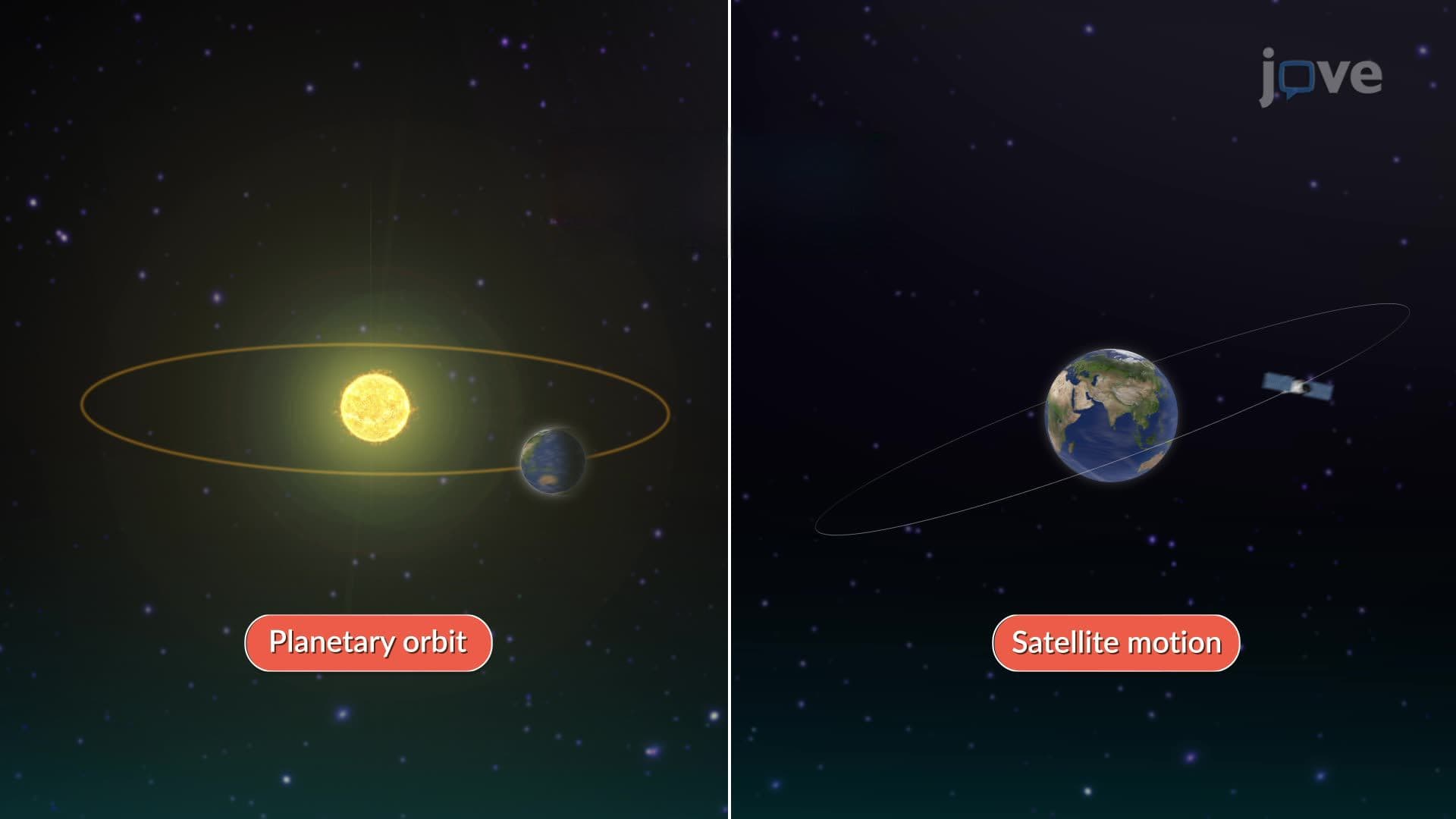
Hyperbolas naturally lead into advanced topics like parametric equations, polar coordinates, and calculus applications. They're fundamental in physics for understanding orbital mechanics and wave behavior. Students often encounter them again in multivariable calculus, differential equations, and engineering mathematics courses.
Engineering disciplines including aerospace, nuclear, and structural engineering regularly apply hyperbolic principles. Architects designing modern buildings, satellite communications engineers, and even financial analysts modeling certain economic relationships use hyperbola mathematics. These applications make hyperbolas valuable for STEM career preparation.
Related Micro-courses
Related Subjects
 Physics 33 micro-courses›
 Statistics 17 micro-courses›