- Math Fundamentals
- Limits
Micro-courses:11

Limits
1. Tangent to a Curve

2. Velocity of an Object
3. Introduction to Limits

4. Types of Limits I
5. Types of Limits II

6. Limits with Oscillating Discontinuities

7. Limit Laws I

8. Limit Laws II

9. Evaluating Limits by Direct Substitution
10. The Squeeze Theorem

11. The Precise Definition of a Limit
12. Continuity of a Function
13. Properties of Continuous Functions
14. The Intermediate Value Theorem
15. Limits at Infinity
Math limits form the foundation of calculus, describing how functions behave as inputs approach specific values. This comprehensive introduction covers limit definition, one-sided limits, continuity, and essential limit laws through practical applications like analyzing vehicle velocity, temperature changes, and population density. Master these fundamental concepts with JoVE Coach to excel in advanced mathematics.
- Understand the geometric interpretation of limits through tangent lines and curve behavior
- Learn to calculate instantaneous velocity using limiting processes
- Identify different types of limits including infinite limits and oscillating discontinuities
- Explore one-sided limits and their role in determining function continuity
- Analyze limit laws for sums, products, quotients, powers, and roots
- Apply direct substitution methods for evaluating limits of continuous functions
- Master the Squeeze Theorem for functions bounded between known limits
- Understand the precise epsilon-delta definition of limits
- Examine continuity properties and the Intermediate Value Theorem
- Evaluate limits at infinity and identify horizontal asymptotes
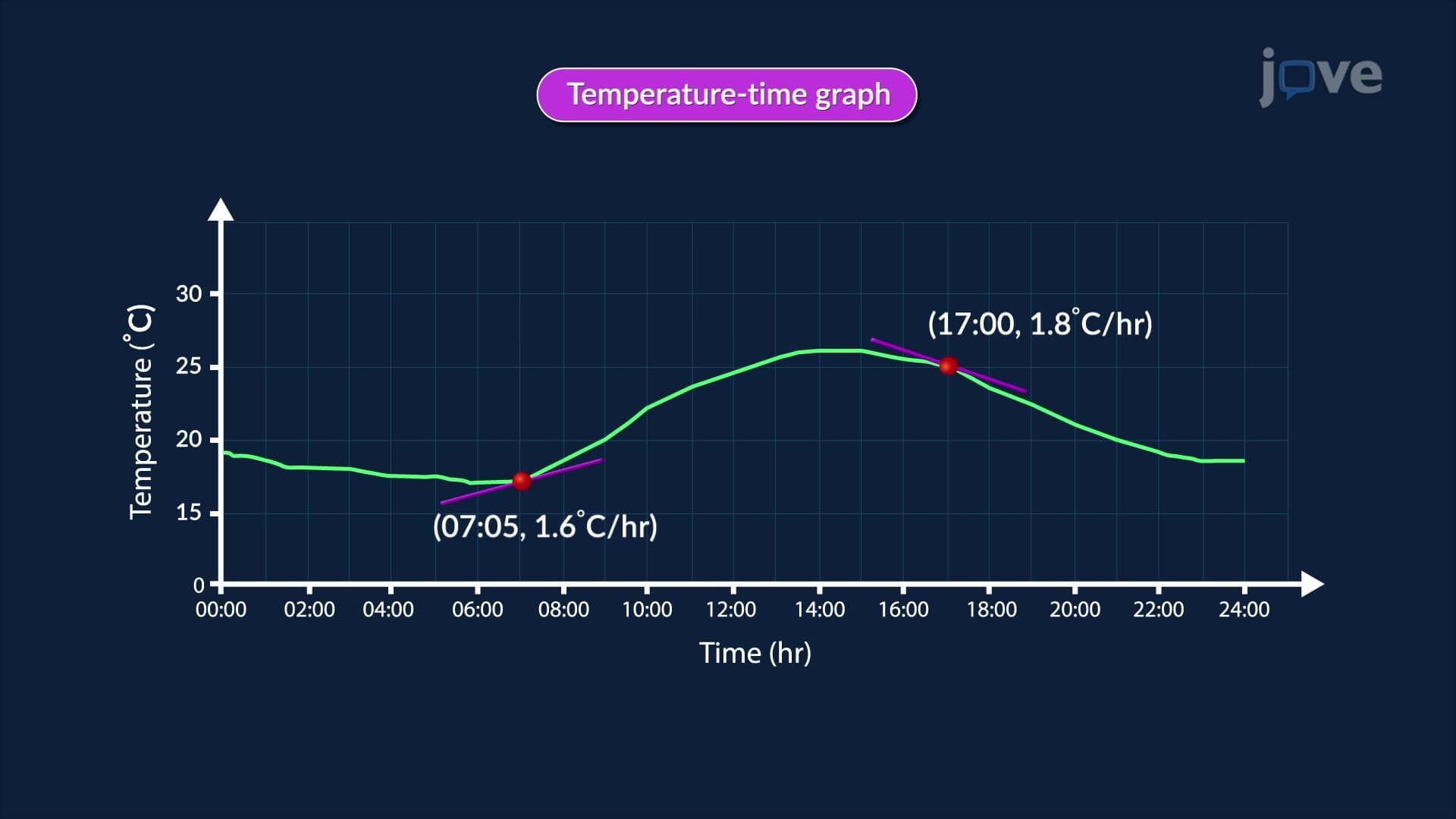
1. Tangent Lines and Instantaneous Rates of Change Understanding math limits begins with visualizing how secant lines approach tangent lines. When analyzing the curve f(x) = x², the slope between two points simplifies to x + 2 as the points converge. This limiting process reveals the instantaneous rate of change at any point, fundamental to differential calculus. Real applications include analyzing temperature changes on weather graphs, where the tangent slope indicates how rapidly temperature rises or falls at specific moments.
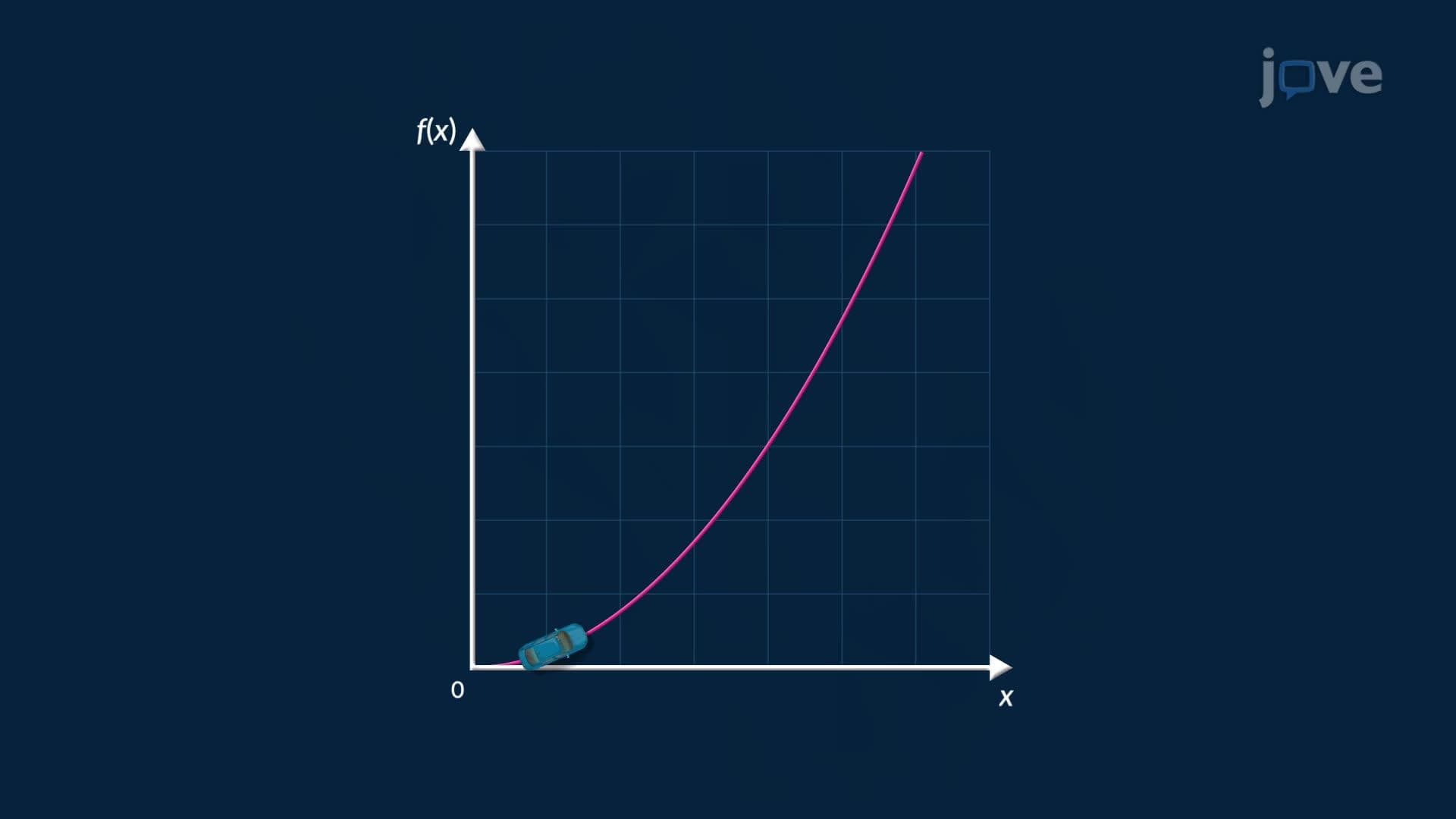
2. Average vs. Instantaneous Velocity Calculus limits introduction demonstrates how instantaneous velocity emerges from average velocity calculations over shrinking time intervals. A car's position function allows calculation of average velocities over shorter periods, which approach a single value representing exact speed at one moment. This concept applies to analyzing motion in physics problems, sports performance metrics, and any situation requiring precise rate measurements rather than general averages.
3. One-Sided Limits and Discontinuities Understanding limits in calculus requires recognizing when functions approach different values from left and right directions. Smart thermostat systems illustrate this perfectly: the heating function jumps from 0 to 1 at the set temperature, creating different left-hand and right-hand limits. When these one-sided limits don't match, the overall limit doesn't exist, indicating a discontinuity that appears as a sudden jump on the function's graph.
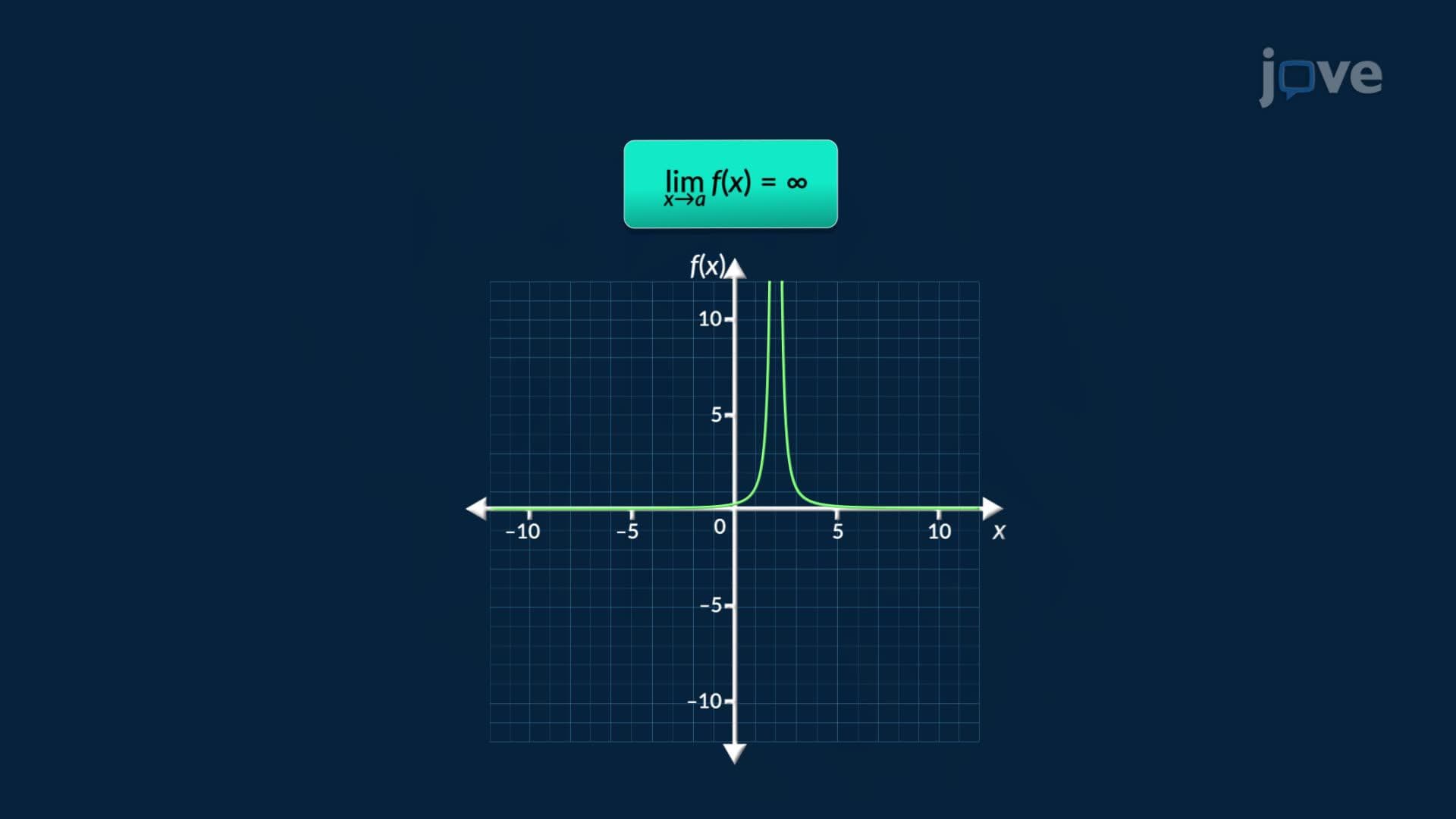
4. Infinite Limits and Vertical Asymptotes Functions exhibiting infinite limits demonstrate unbounded growth as inputs approach specific values, creating vertical asymptotes. The expression 1/(x-2) grows infinitely large as x approaches 2, similar to a rock climber facing an increasingly steep cliff that becomes impossible to scale. These concepts help analyze rational functions, model population explosions, and understand mathematical behavior near undefined points in various scientific applications.
5. Oscillating Functions and Non-Existent Limits The function sin(1/x) near x = 0 oscillates infinitely without settling on any value, like spokes on a rapidly spinning bicycle wheel that blur beyond recognition. This epsilon delta limit concept shows that some limits simply don't exist due to perpetual oscillation. Understanding these behaviors helps students recognize when mathematical expressions have no meaningful limiting value, crucial for advanced calculus problem-solving.
6. Fundamental Limit Laws Limit laws provide systematic methods for evaluating complex expressions by breaking them into manageable parts. The sum, product, quotient, power, and root laws allow calculation of limits involving combined functions, provided individual limits exist. Car rental cost models demonstrate these principles: total cost limits equal the sum of base cost and mileage cost limits, multiplied by discount factor limits, enabling real-world optimization and economic analysis.
7. Direct Substitution and Continuity When functions are continuous at a point, limit evaluation simplifies to direct substitution of the approaching value. A motorist's smooth position function f(t) = t² + 3t allows direct calculation at t = 4 by substituting, yielding the exact position without complex limit processes. This principle applies to most polynomial, exponential, and trigonometric functions, making many calculus problems straightforward when continuity is established.
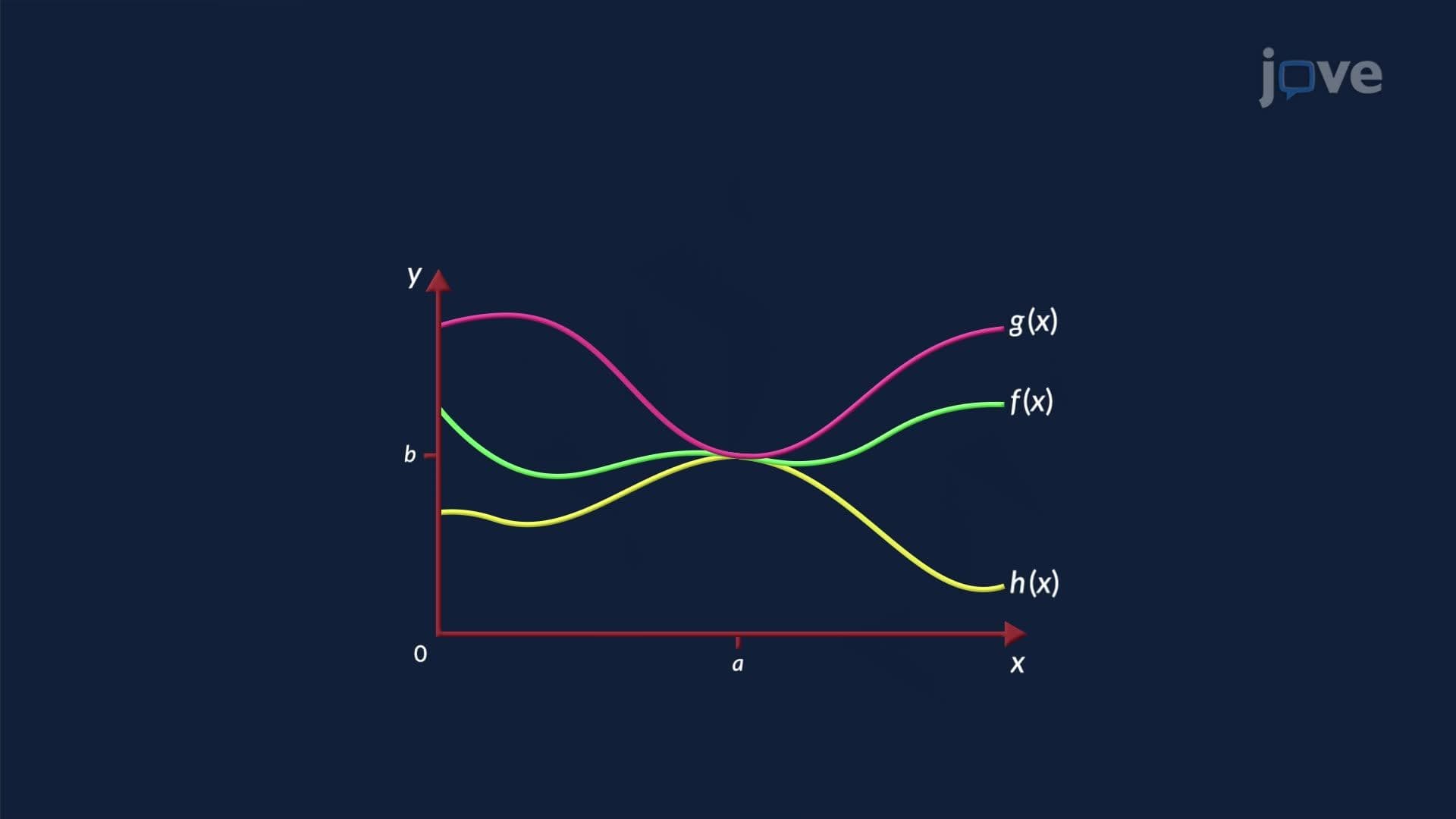
8. The Squeeze Theorem This powerful technique determines limits of functions trapped between two others with known limits. The function x·cos(20x) oscillates between -x and x, both approaching zero as x approaches zero, forcing the middle function to zero as well. Engineering applications include stress analysis where estimates are bounded between upper and lower limits, gradually converging to precise values through iterative calculations.
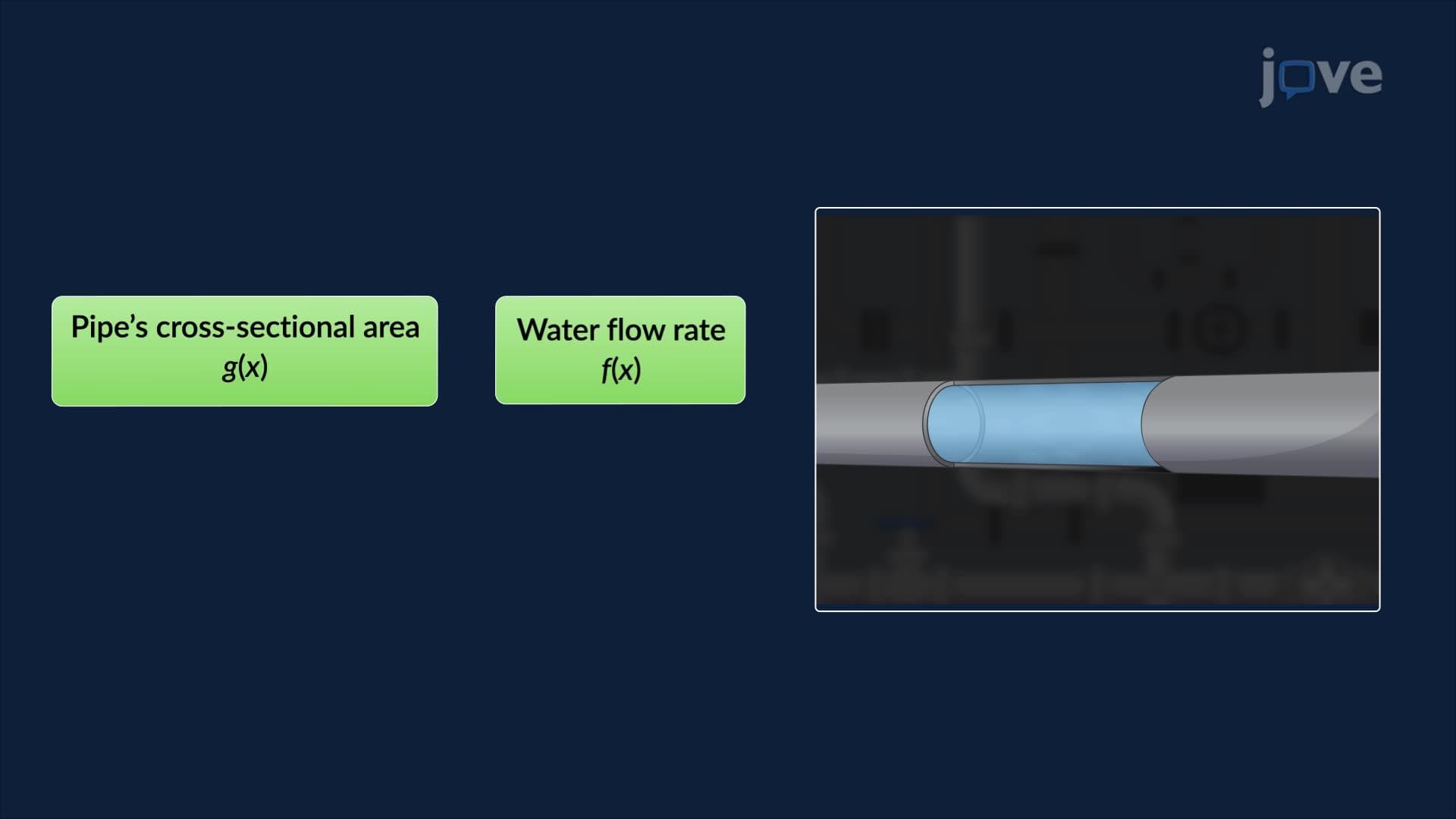
9. Properties of Continuous Functions Continuous functions combine predictably under arithmetic operations, preserving smoothness without creating gaps or jumps. Water pipe flow analysis demonstrates this: when cross-sectional area g(x) and flow rate f(x) are both continuous and g(x) > 0, their ratio remains continuous. However, division by functions that equal zero creates discontinuities, requiring careful analysis in practical applications involving rates and ratios.
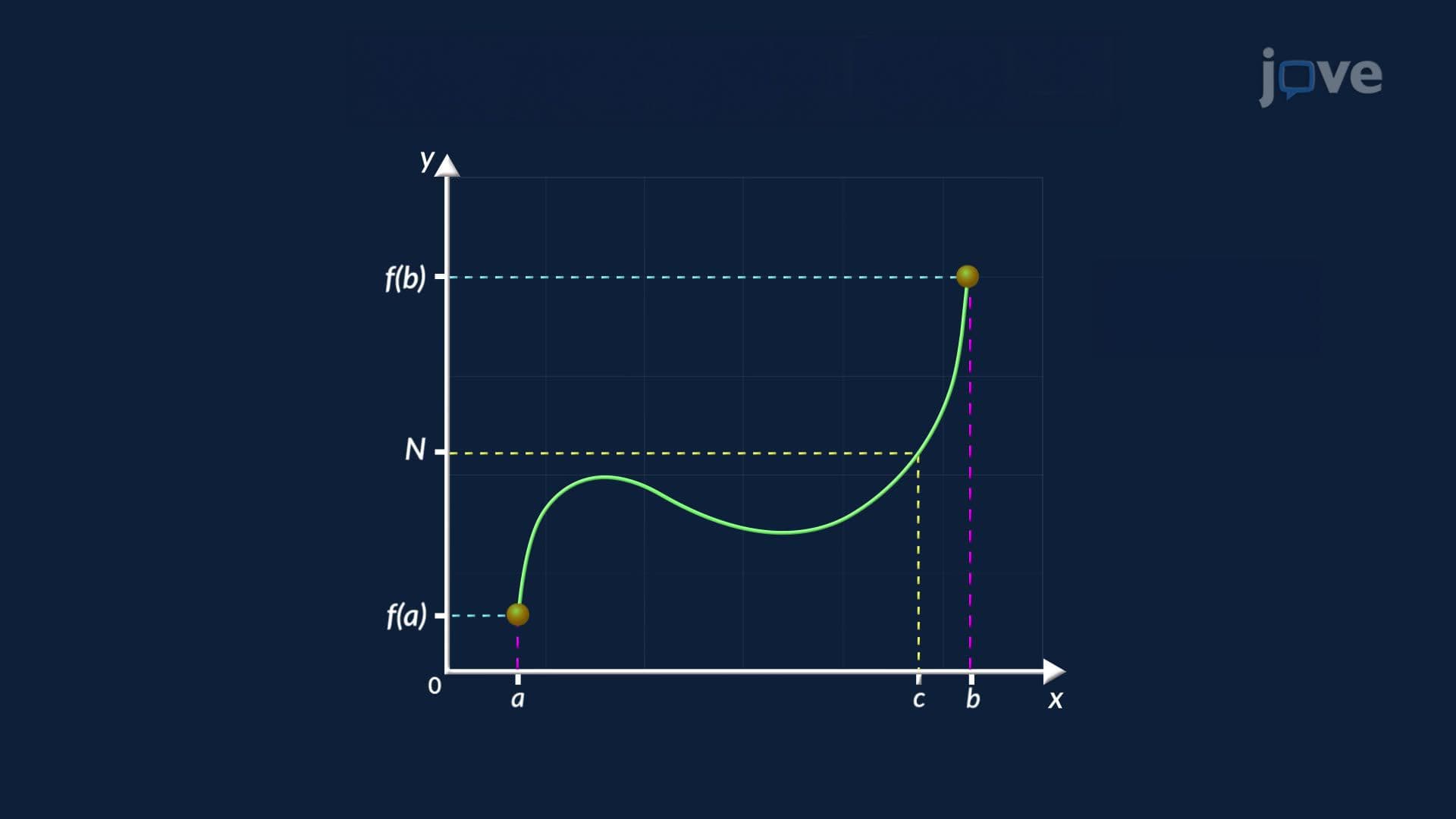
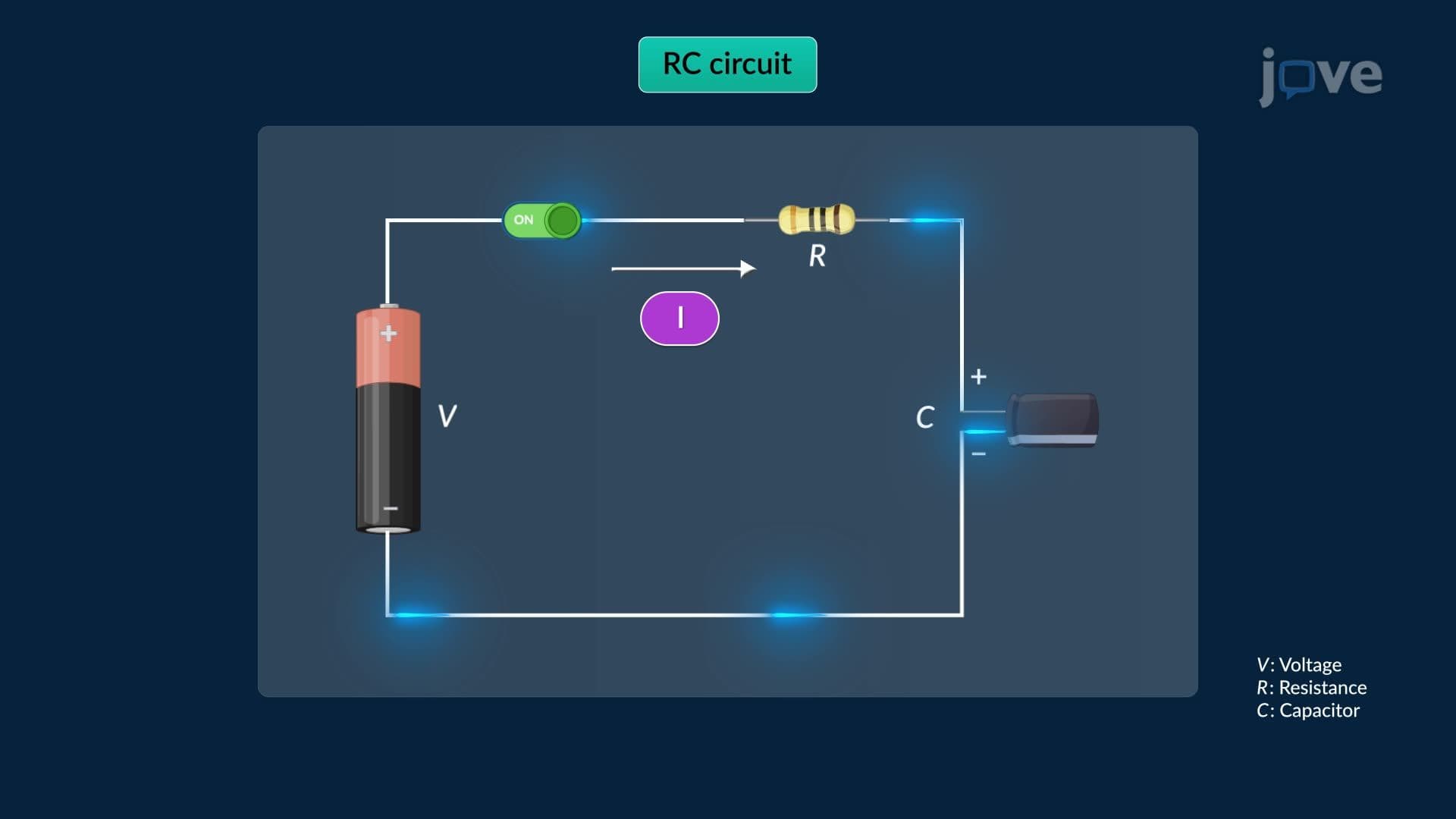
10. The Intermediate Value Theorem and Limits at Infinity This theorem guarantees that continuous functions cross every intermediate value between endpoint values, essential for finding zeros and solving equations. Roller coaster paths modeled by polynomials must cross reference levels when endpoint values have opposite signs. Additionally, limits at infinity reveal long-term behavior: capacitor charging in RC circuits approaches maximum charge asymptotically, demonstrating how mathematical limits model real physical processes reaching equilibrium states.
Frequently Asked Questions
A limit describes what value a function approaches as the input gets close to a specific point, while the function value is what actually occurs at that point. The limit can exist even when the function is undefined at that point, such as with removable discontinuities where lim(x→1) (x²-1)/(x-1) = 2, but the function is undefined at x = 1.
AP Calculus AB and BC exams frequently test limit evaluation using direct substitution, L'Hôpital's rule, squeeze theorem, and graphical interpretation. Expect problems involving continuity, one-sided limits, and limits at infinity. The multiple-choice section often includes limit-based questions worth 10-15% of the total score, while free-response questions integrate limits with derivatives and integrals.
Use limit laws for computational problems involving combinations of functions with known limits. The epsilon-delta definition is primarily for proving theorems and understanding the rigorous mathematical foundation. For most high school and early college coursework, limit laws, direct substitution, and graphical analysis suffice for problem-solving, while epsilon-delta appears mainly in advanced courses and proofs.
Limits fail to exist when left-hand and right-hand limits differ, when functions oscillate without settling (like sin(1/x) at x = 0), or when functions grow without bound toward infinity. Check one-sided limits separately, look for oscillating behavior near the point, and examine vertical asymptotes. Graphical analysis often reveals non-existent limits more clearly than algebraic methods.
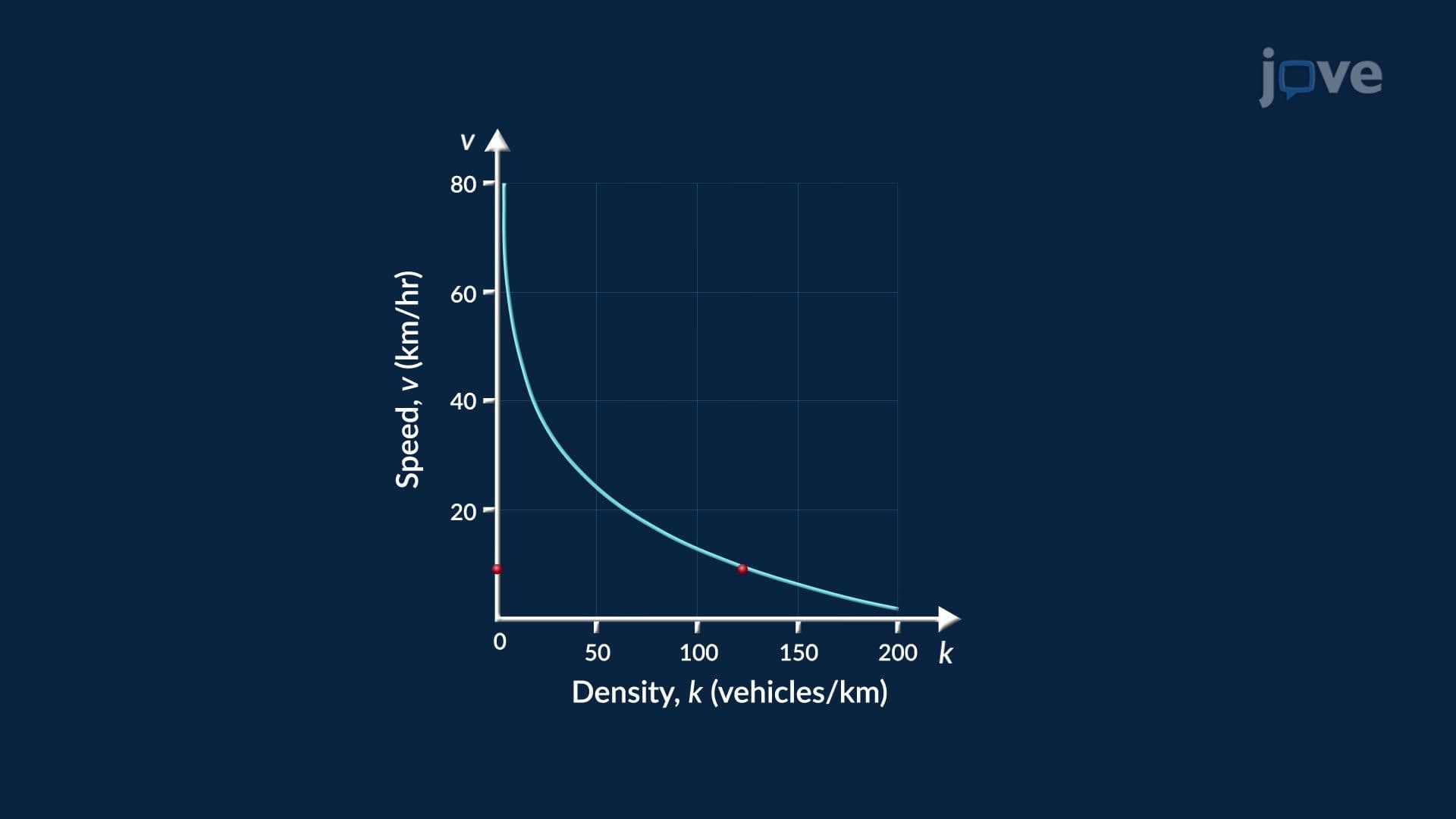
Limits model instantaneous rates in physics (velocity, acceleration), optimization in economics (marginal cost, revenue), and equilibrium states in engineering (circuit analysis, population dynamics). Medical applications include drug concentration models, while environmental science uses limits for pollution dispersion and ecosystem capacity analysis. Understanding limits enables mathematical modeling of any changing system approaching a specific state.
Students typically struggle with the conceptual shift from concrete algebra to abstract "approaching" behavior. The epsilon-delta definition, one-sided limits, and recognizing when limits don't exist present the greatest difficulties. Oscillating discontinuities and infinite limits also challenge intuitive understanding. Focus on graphical interpretation first, then progress to algebraic techniques while connecting concepts to familiar real-world scenarios.
Practice graphical interpretation before algebraic manipulation, create concept maps connecting different limit types, work through real-world applications to build intuition, and use online graphing tools to visualize function behavior. Form study groups to discuss conceptual challenges, complete practice problems from multiple textbooks, and teach concepts to others to identify knowledge gaps. Consistent daily practice with varied problem types builds fluency.
Limits form the foundation for derivatives (instantaneous rate of change), integrals (area under curves), and series convergence. The derivative definition uses limits of difference quotients, while Riemann sums approach definite integrals through limiting processes. Mastering limits enables understanding of continuity, differentiability, and convergence tests essential for multivariable calculus, differential equations, and real analysis in advanced mathematics courses.
This microcourse includes 15 concept videos that walk you through the building blocks of Math Fundamentals. Each video is short, about 1 minute, so you can cover a full topic during a coffee break or between classes. The full sequence starts with Tangent to a Curve and ends with Limits at Infinity.
The playlist moves from big-picture ideas to the precise vocabulary used in Math Fundamentals. Early videos introduce Tangent to a Curve, Velocity of an Object, and Introduction to Limits. The middle of the series focuses on Types of Limits II, Limits with Oscillating Discontinuities, and Limit Laws I. The final stretch covers Limit Laws II, Evaluating Limits by Direct Substitution, The Squeeze Theorem, The Precise Definition of a Limit, Continuity of a Function, Properties of Continuous Functions, and Limits at Infinity.
Related Subjects
 Physics 33 micro-courses›
 Statistics 17 micro-courses›