- Math Fundamentals
- Trigonometry
Micro-courses:11

Trigonometry
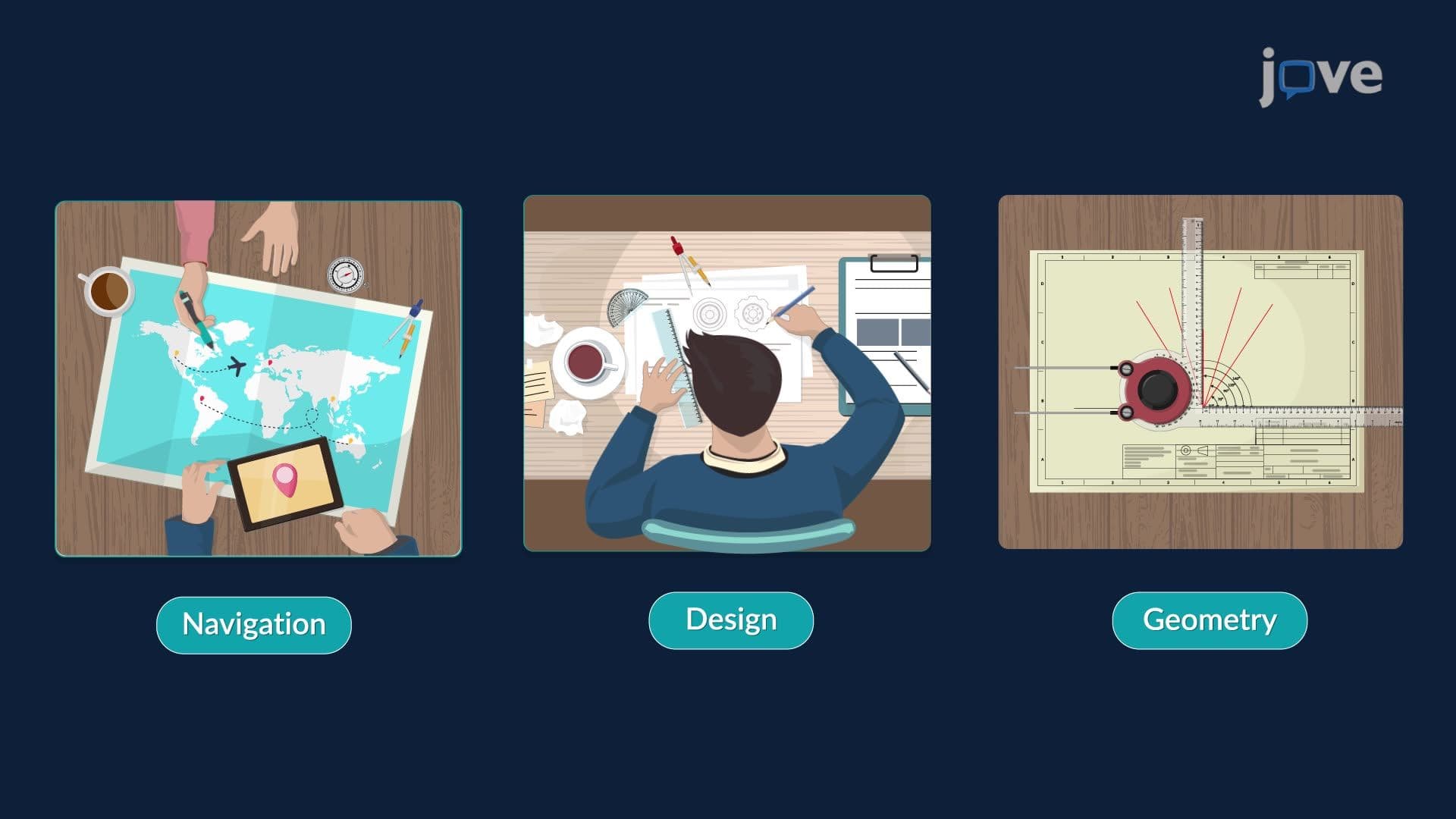
1. Radian and Degree Measure
2. Trigonometric Functions of Real Numbers
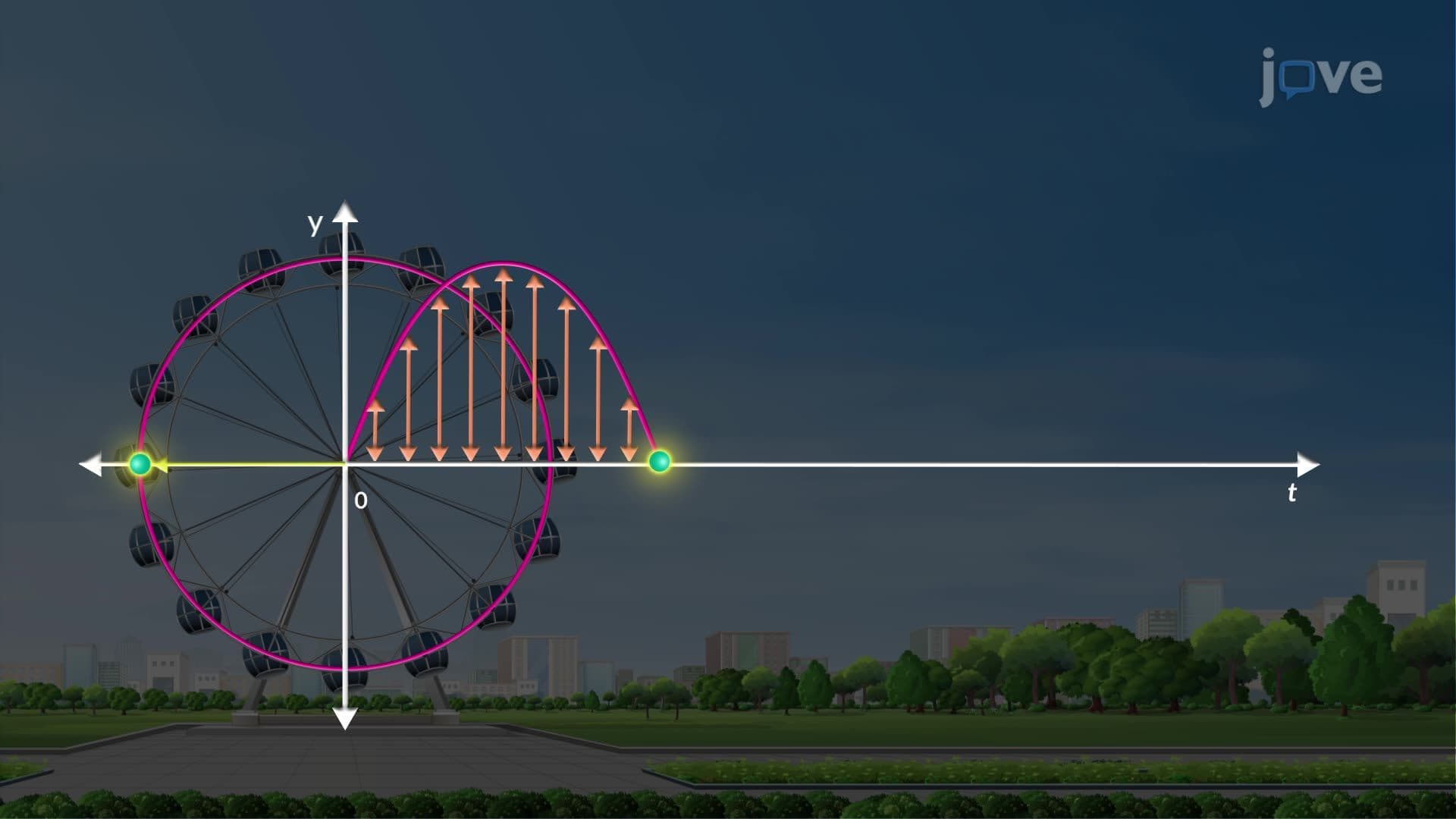
3. Graphs of Trigonometric Functions
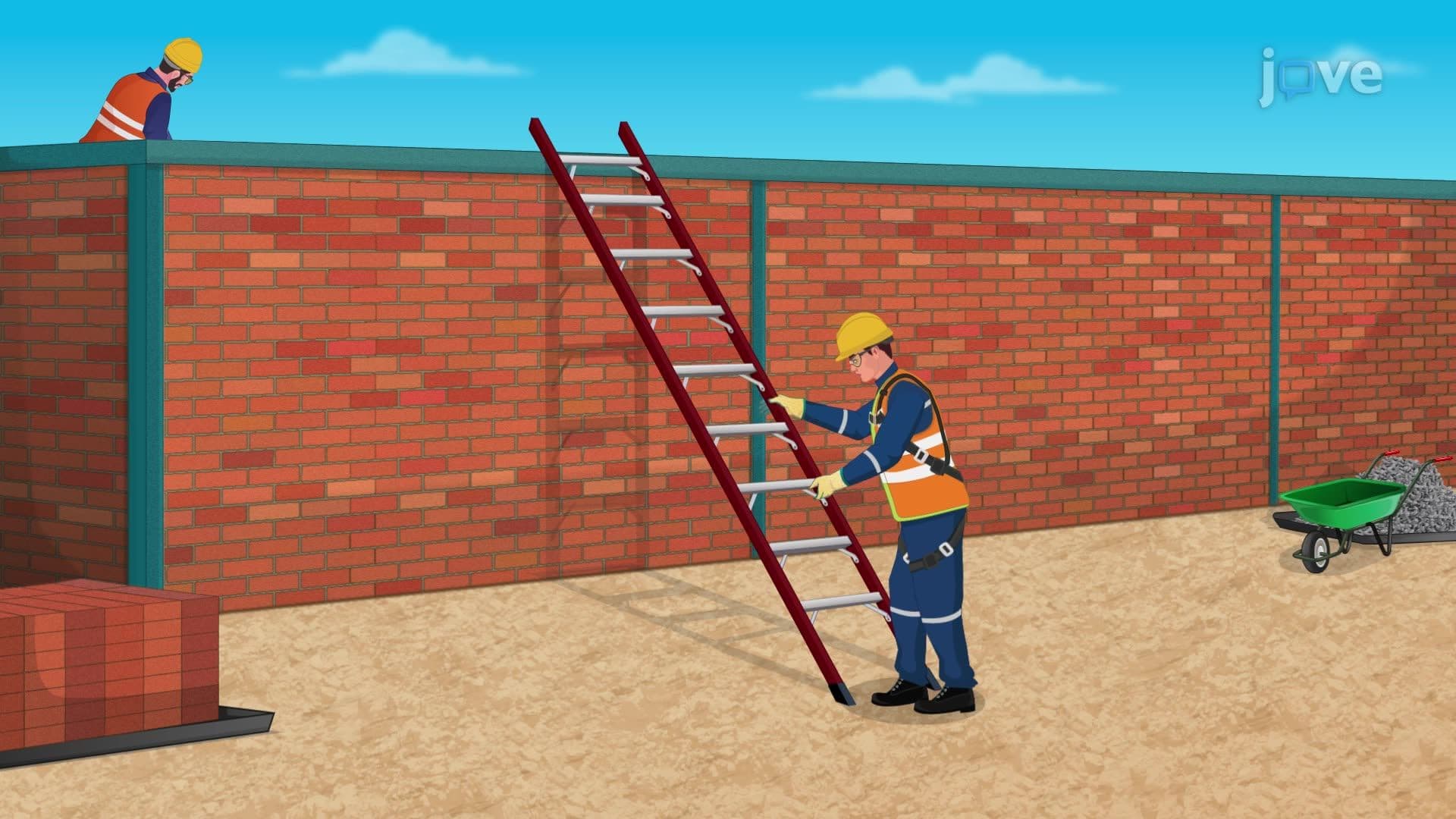
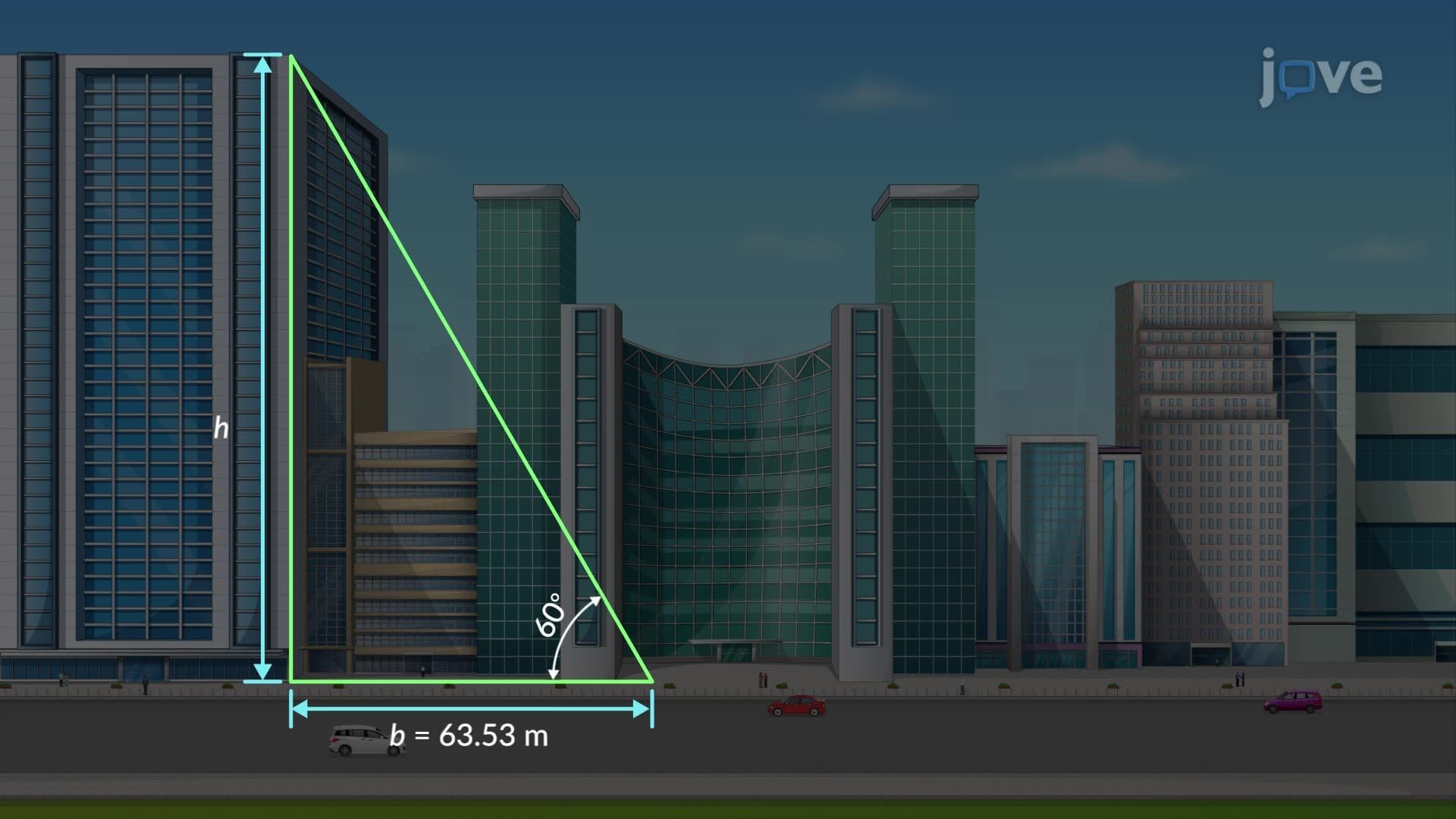
4. Trigonometry of Right Triangles
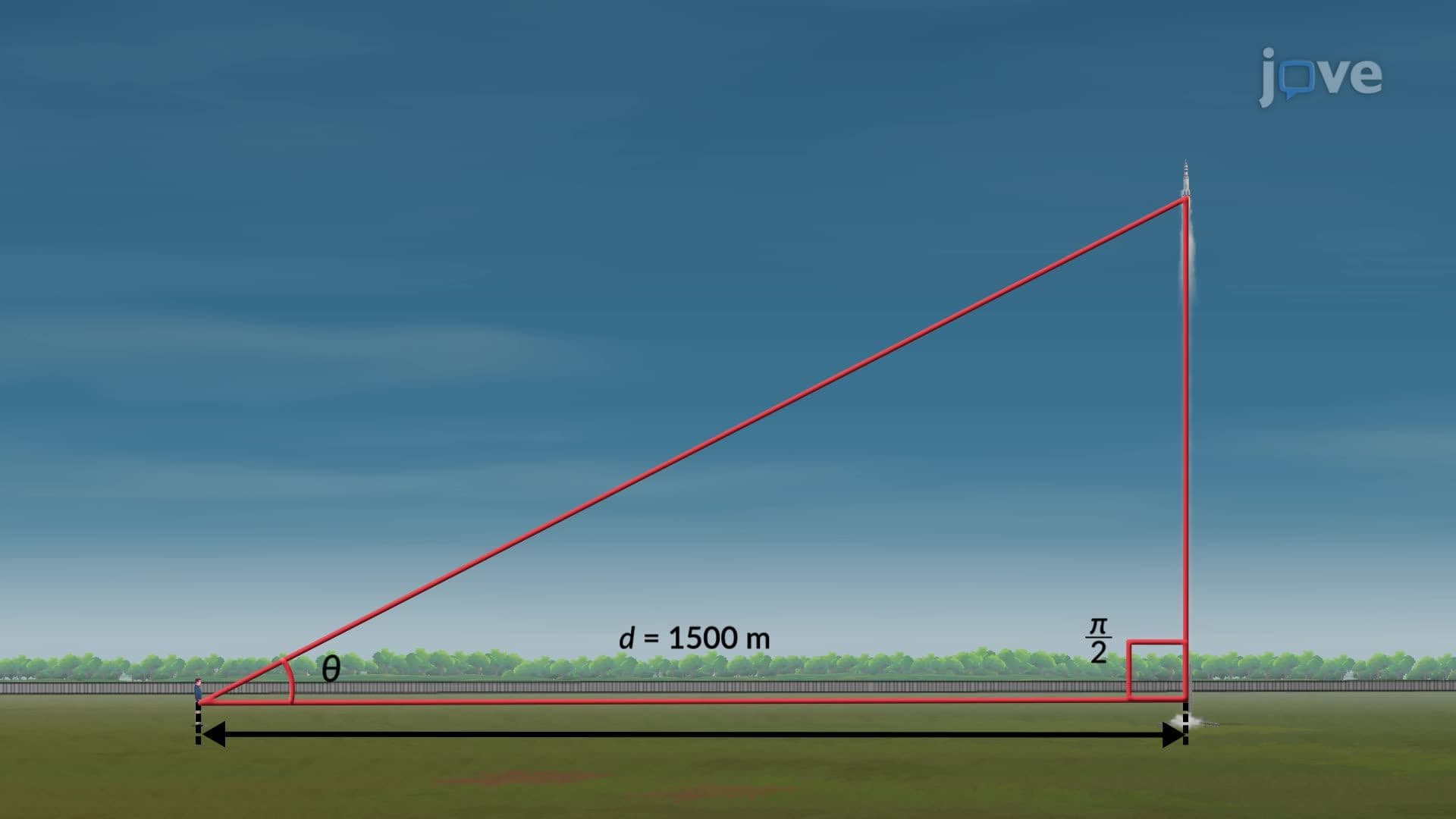
5. Trigonometric Functions: Problem Solving
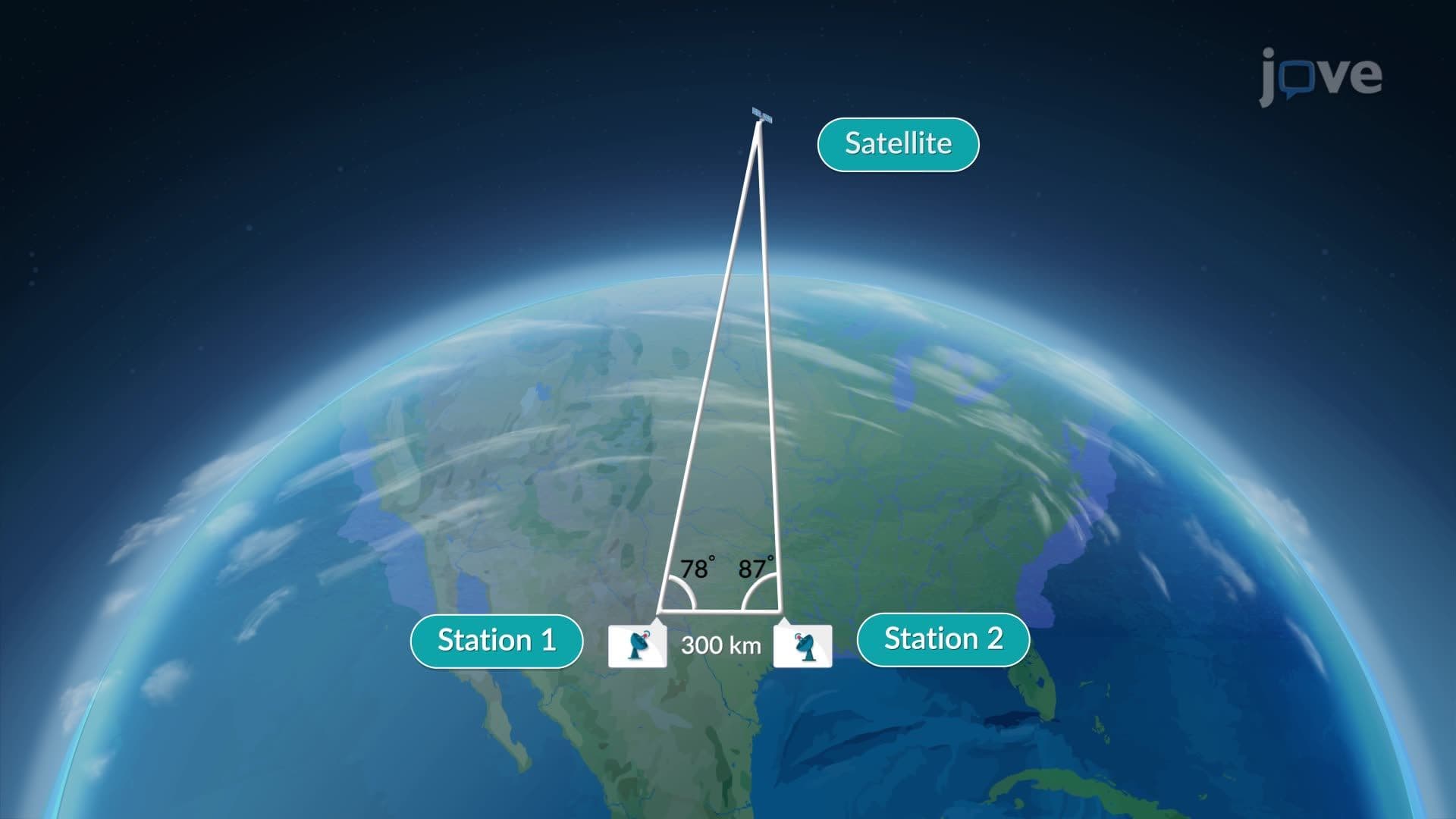
6. The Law of Sines

7. The Law of Cosines
8. Trigonometric Identities I
9. Trigonometric Identities II

10. Trigonometric Identities III
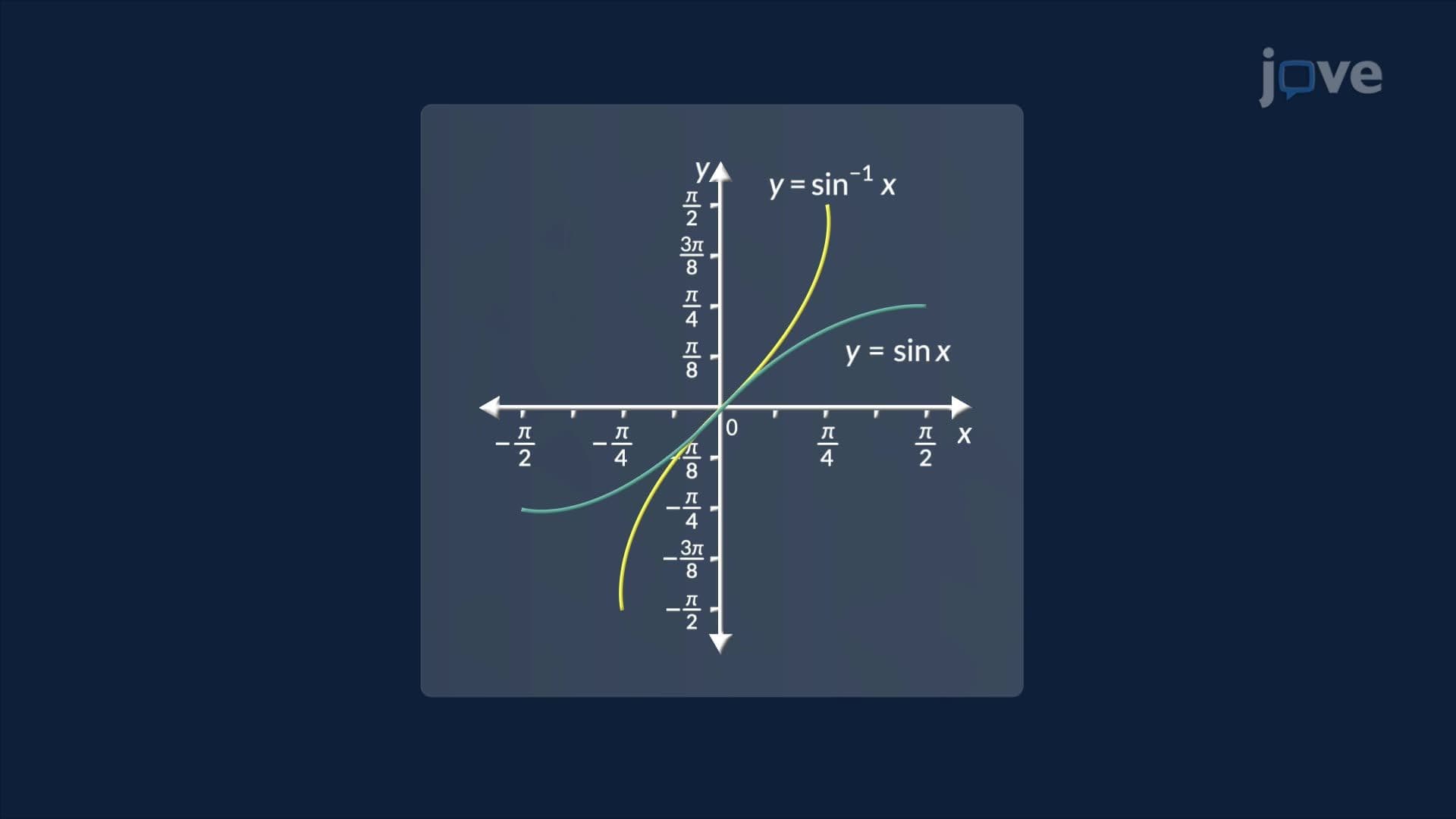
11. Inverse Trigonometric Functions
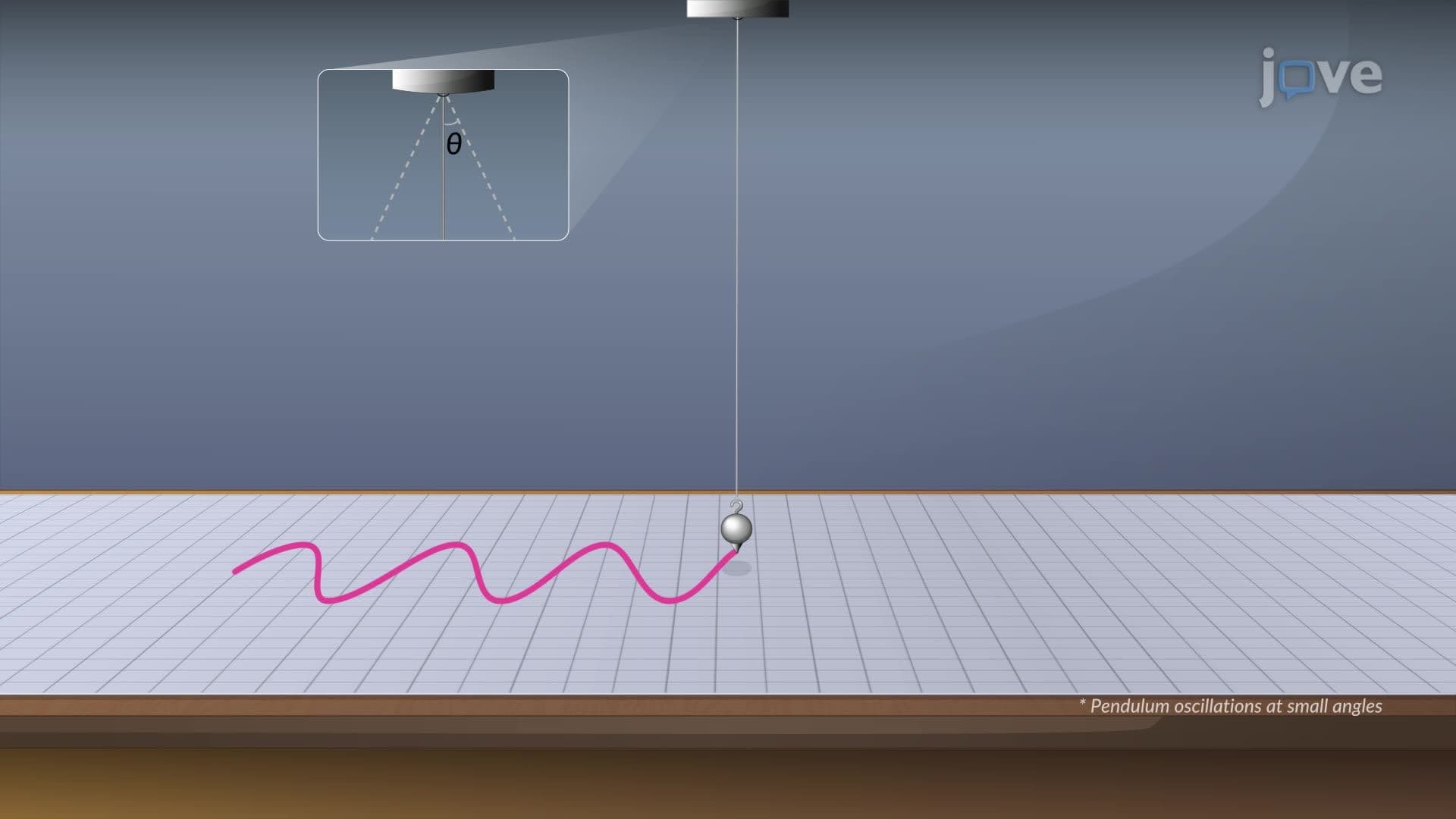
12. Trigonometric Equations
Trigonometry forms the mathematical foundation for understanding relationships between angles and sides in triangles, with applications spanning from construction safety to astronomical observations. This comprehensive course through JoVE Coach explores fundamentals of trigonometry including angle measurement, trig functions unit circle relationships, graphing periodic functions, and solving real-world problems using trigonometric principles essential for advanced mathematics and science courses.
- Understand the relationship between degrees and radians for measuring angles in mathematical and real-world contexts
- Learn to define and apply trigonometric functions using the unit circle for any real number input
- Identify key characteristics of trigonometric function graphs including period, amplitude, and domain restrictions
- Explore right triangle trigonometry through sine, cosine, and tangent ratios for practical problem-solving
- Apply the Law of Sines and Law of Cosines to solve oblique triangles in surveying and navigation
- Analyze fundamental trigonometric identities including Pythagorean, double-angle, and cofunction relationships
- Understand inverse trigonometric functions and their role in finding unknown angles from given ratios
- Learn systematic approaches to solving trigonometric equations with multiple solutions
1. Angle Measurement and Unit Circle Fundamentals Understanding both degree and radian measurements provides the foundation for all trigonometric work. The unit circle serves as the central tool for defining sine cosine tangent functions, where coordinates represent function values for any angle. Students learn that 360° equals 2π radians, enabling conversion between systems. Real applications include calculating wheel rotations in automotive engineering and determining angular displacement in mechanical systems. The unit circle's four quadrants help determine function signs, crucial for solving complex trigonometric problems in physics and engineering contexts.
2. Trigonometric Function Graphs and Periodic Behavior Sine, cosine, and tangent functions create distinctive wave patterns with specific periods, domains, and ranges. Sine and cosine graphs oscillate between -1 and 1 with period 2π, while tangent has period π with vertical asymptotes. These patterns model real phenomena like Ferris wheel motion, sound waves, and seasonal temperature variations. Understanding amplitude, phase shifts, and vertical translations allows students to analyze periodic data in economics, biology, and physics. Secant, cosecant, and cotangent graphs extend these concepts with different domain restrictions and ranges.
3. Right Triangle Trigonometry and Applications The fundamental ratios of sine, cosine, and tangent in right triangles provide practical tools for measuring inaccessible heights and distances. Construction workers use these ratios to ensure proper ladder angles, while surveyors calculate building heights using angle of elevation measurements. Students learn that these ratios remain constant for similar triangles, making trigonometry reliable for scaling measurements. Applications include determining shadow lengths, calculating ramp slopes for accessibility compliance, and finding distances across obstacles like rivers or canyons using indirect measurement techniques.
4. Law of Sines and Law of Cosines for Oblique Triangles When triangles lack right angles, the Law of Sines and Law of Cosines extend trigonometric problem-solving capabilities. The Law of Sines applies when knowing one side and two angles or two sides and a non-included angle, useful in navigation and GPS triangulation. The Law of Cosines works with two sides and an included angle or all three sides, essential in surveying inaccessible terrain. These laws enable calculations in satellite positioning, aviation flight paths, and geological mapping where direct measurement proves impossible or impractical.
5. Trigonometric Identities and Equation Solving Trig identities like the Pythagorean identity (sin²θ + cos²θ = 1) provide algebraic tools for simplifying complex expressions and proving mathematical relationships. Double-angle, half-angle, and cofunction identities extend problem-solving capabilities in calculus and physics applications. Students learn to recognize when equations are identities (true for all angles) versus conditional equations (true for specific angles only). Solving trigonometric equations requires understanding periodic nature and finding all solutions within specified intervals, essential for modeling oscillatory motion in engineering and physics systems.
Frequently Asked Questions
Degrees divide a circle into 360 equal parts and are commonly used in navigation, construction, and everyday applications. Radians measure angles using arc length equal to the radius, making them natural for calculus and advanced mathematics. Use degrees for practical applications and radians for mathematical analysis and calculus problems.
The unit circle provides a visual foundation where coordinates directly represent sine and cosine values for any angle. The x-coordinate gives cosine, the y-coordinate gives sine, and their ratio provides tangent. This visualization helps understand function signs in different quadrants and periodic behavior essential for graphing and problem-solving.
The SAT and ACT primarily test right triangle trigonometry, basic trig function values for special angles (30°, 45°, 60°), and simple trigonometric equations. Focus on SOH-CAH-TOA ratios, unit circle values, and applying trig functions to solve geometric problems rather than complex identities or advanced equation-solving.
Use the Law of Sines when you know one side and two angles (ASA/AAS) or two sides and an angle opposite one of them (SSA). Use the Law of Cosines when you know two sides and the included angle (SAS) or all three sides (SSS). The Law of Cosines reduces to the Pythagorean theorem for right triangles.
Engineers use trigonometry for structural analysis and wave calculations, architects design roofs and determine optimal angles, pilots navigate using trigonometric principles, and medical technicians operate imaging equipment requiring angular measurements. GPS systems, video game graphics, and music production all rely heavily on trigonometric calculations.
Trigonometric identities seem abstract because they involve multiple function relationships simultaneously. Start with the fundamental Pythagorean identity and derive others step-by-step rather than memorizing formulas. Practice recognizing patterns and understand that identities are tools for simplifying expressions, not just equations to memorize.
Begin by simplifying using identities, then isolate the trigonometric function. Remember that trig functions are periodic, so solutions repeat at regular intervals. Always check your answers in the original equation and consider the specified domain to determine if you need all solutions or just those in a specific interval.
Inverse trig functions reverse the process, finding angles from given ratios. Their domains are restricted because basic trig functions aren't one-to-one over their entire domain - they repeat values. Restricting domains ensures each output corresponds to exactly one input, making the inverse function well-defined and useful for finding unique angle measurements.
This microcourse includes 12 concept videos that walk you through the building blocks of Math Fundamentals. Each video is short, about 1 minute, so you can cover a full topic during a coffee break or between classes. The full sequence starts with Radian and Degree Measure and ends with Trigonometric Equations.
The playlist moves from big-picture ideas to the precise vocabulary used in Math Fundamentals. Early videos introduce Radian and Degree Measure, Trigonometric Functions of Real Numbers, and Graphs of Trigonometric Functions. The middle of the series focuses on Trigonometric Functions: Problem Solving, The Law of Sines, and The Law of Cosines. The final stretch covers Trigonometric Identities I, Trigonometric Identities II, Trigonometric Identities III, Inverse Trigonometric Functions, and Trigonometric Equations.
The natural next step is Polar Coordinates and Vectors. From there, you can move to Analytic Geometry, Introduction to Sequences and Series, and Limits. Once you finish those, the full Math Fundamentals curriculum of 11 microcourses on JoVE Coach opens up, taking you from foundational concepts to advanced systems.
Related Subjects
 Physics 33 micro-courses›
 Statistics 17 micro-courses›