Loading subject page…

642 views

Video Summary: What Is the Law of Sines
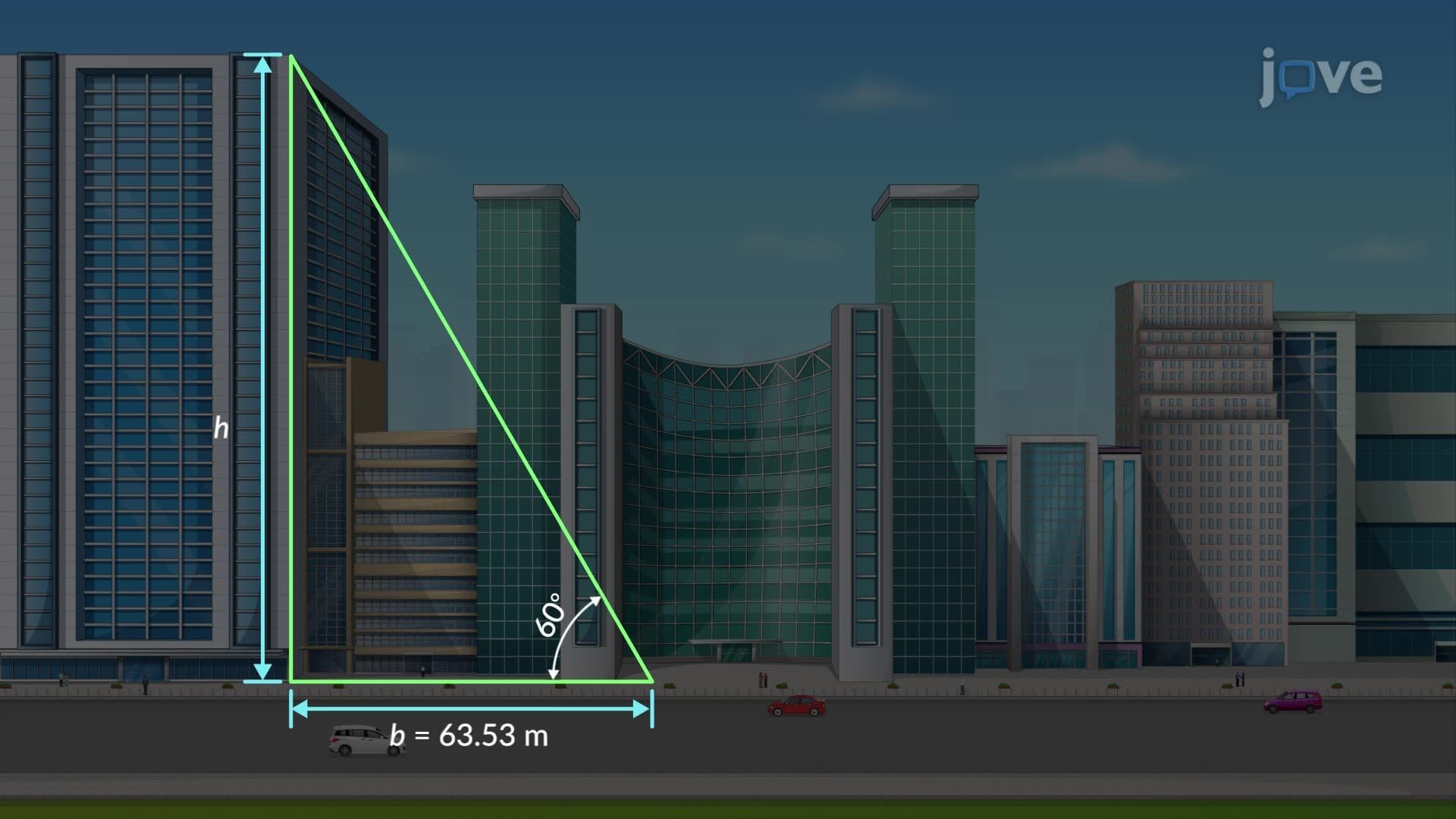
Did you know surveyors use the law of sines to measure distances across impossible terrain like the Grand Canyon? The law of sines reveals how triangles maintain constant ratios between their sides and opposite angles, making it invaluable for solving real-world problems. From calculating satellite positions to measuring river widths, this fundamental trigonometric principle helps engineers and scientists determine unknown distances when direct measurement isn't possible. Watch the full video on JoVE Coach to master this concept with expert-led visuals and step-by-step explanations.
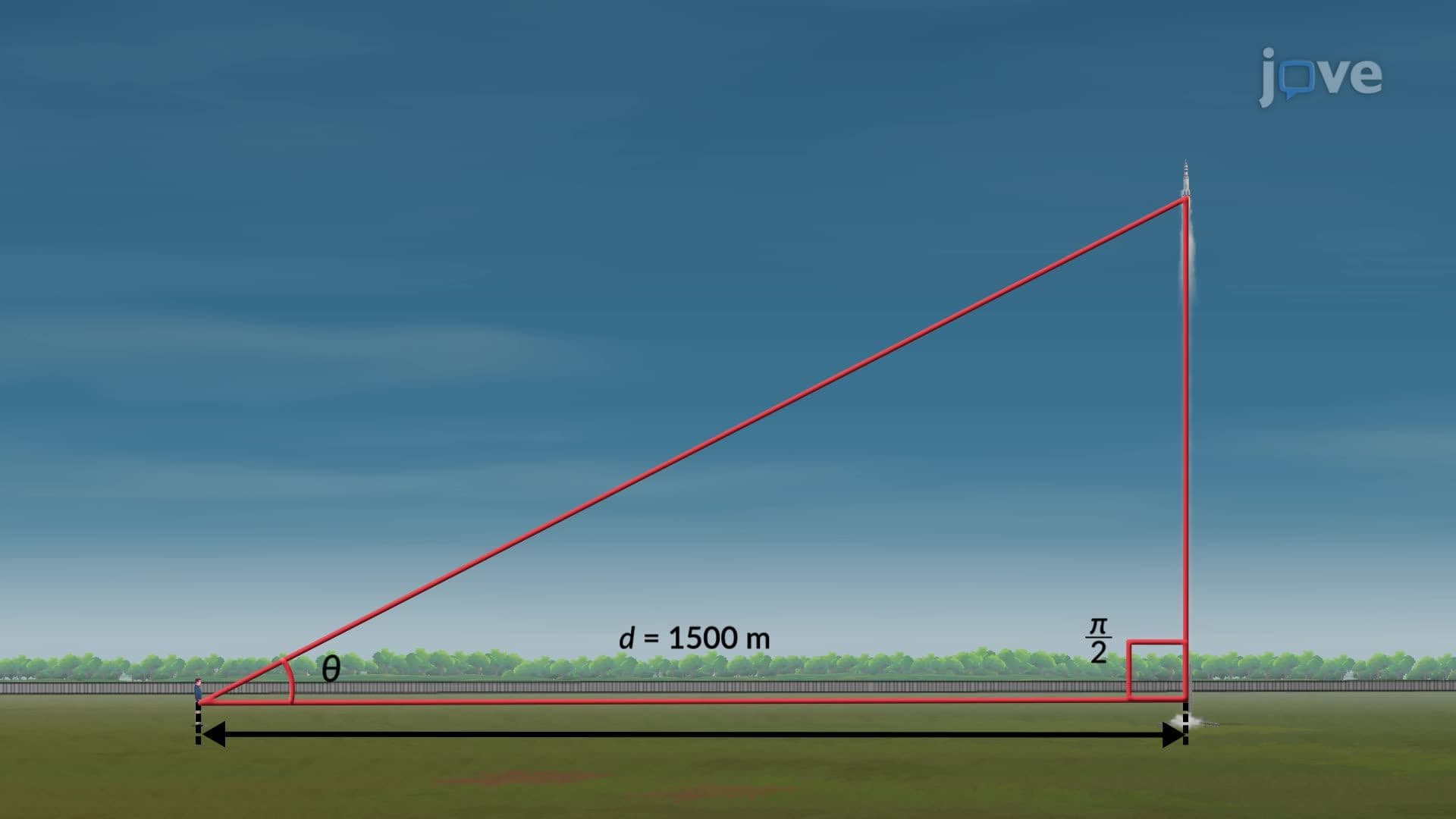
The law of sines represents one of trigonometry's most practical tools, establishing that in any triangle, the ratio of each side length to the sine of its opposite angle remains constant. This relationship, expressed as a/sin(A) = b/sin(B) = c/sin(C), becomes invaluable when solving triangles where direct measurement proves impossible or impractical.
The law of sines definition centers on this proportional relationship between sides and angles. When you know either two angles and one side (AAS or ASA cases) or two sides and an angle opposite one of them (SSA case), this law provides the pathway to finding unknown measurements. For AP Calculus and SAT Math Level 2 test-takers, mastering this concept proves essential for solving complex geometric problems efficiently.
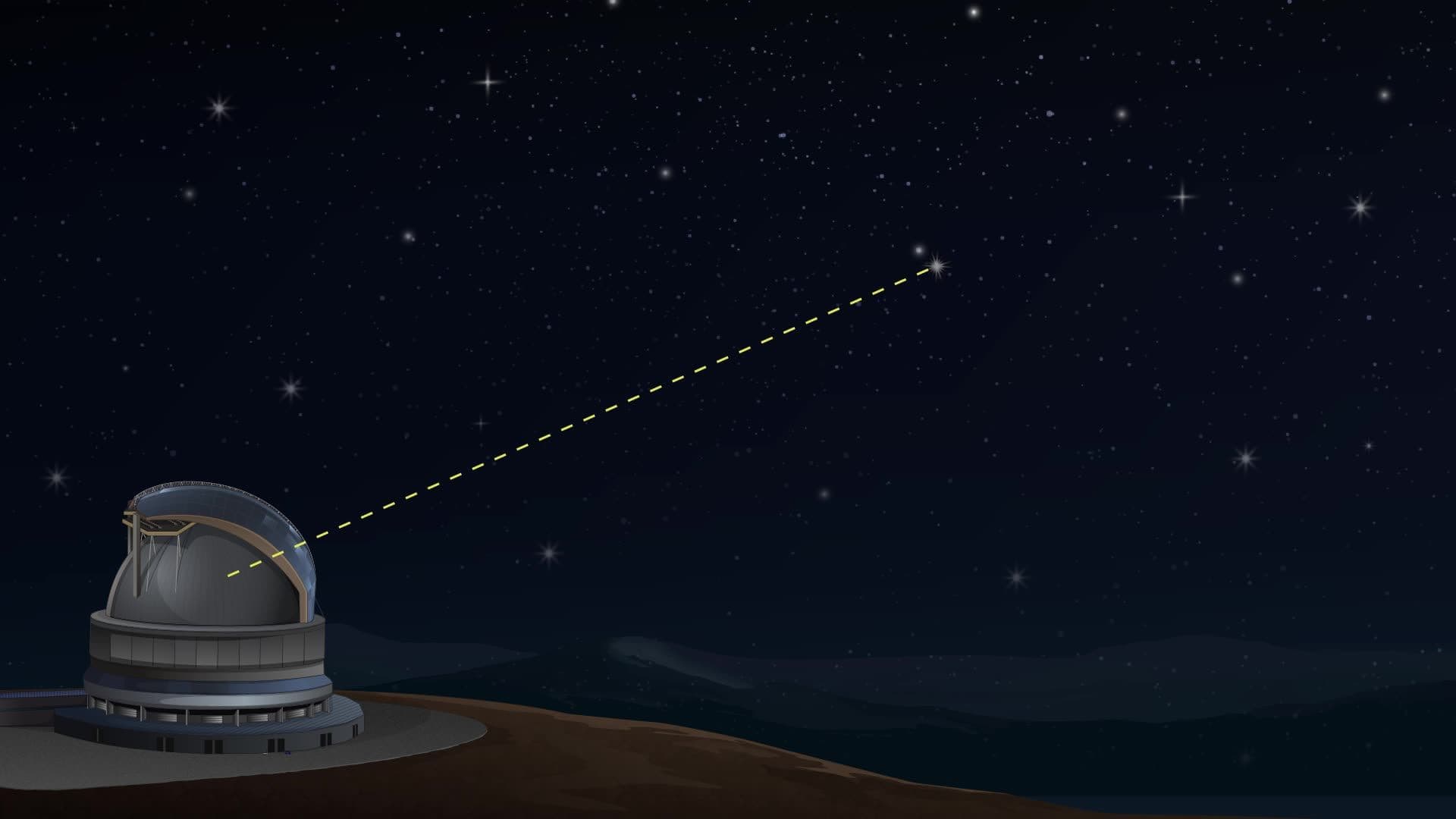
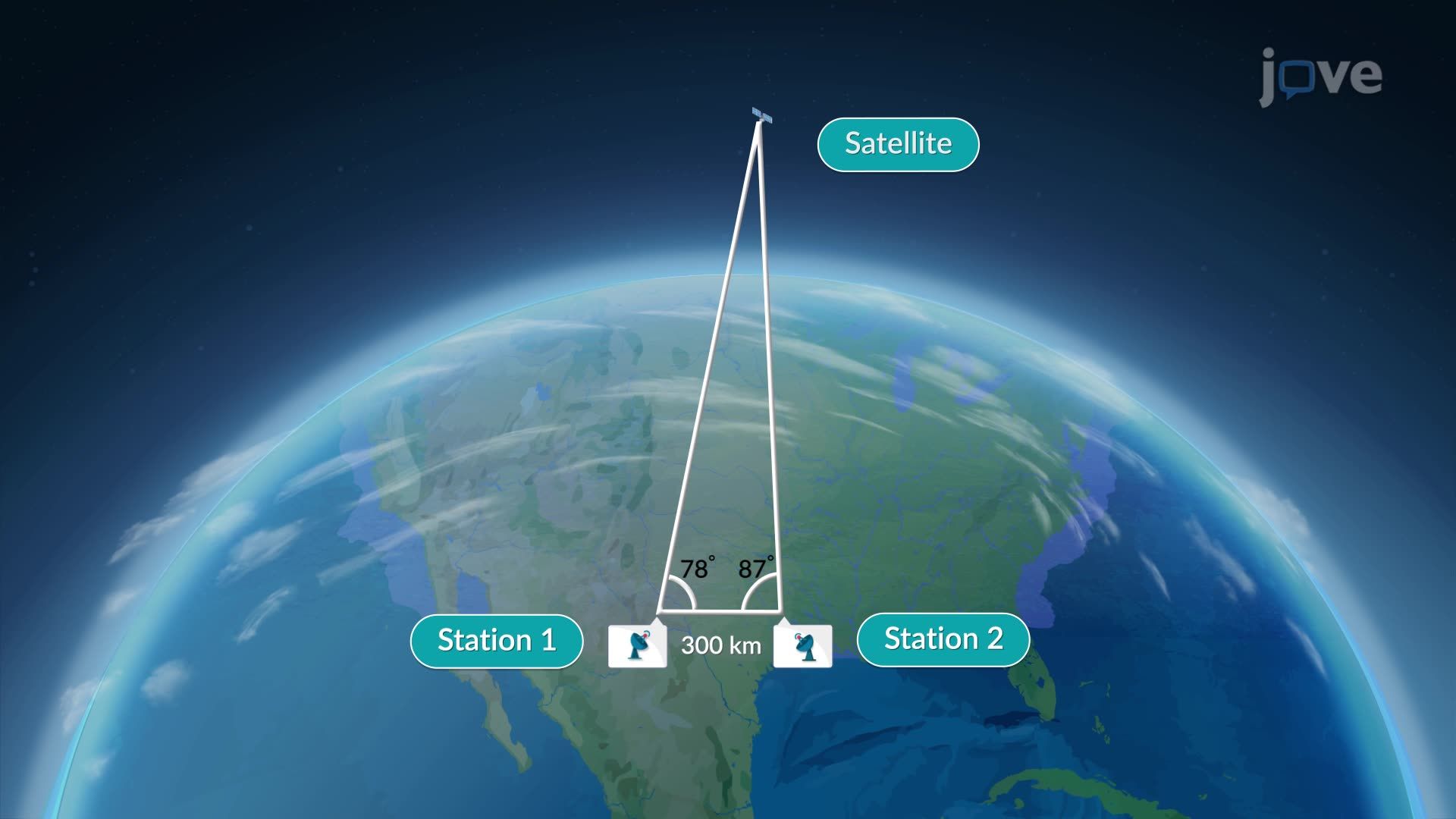
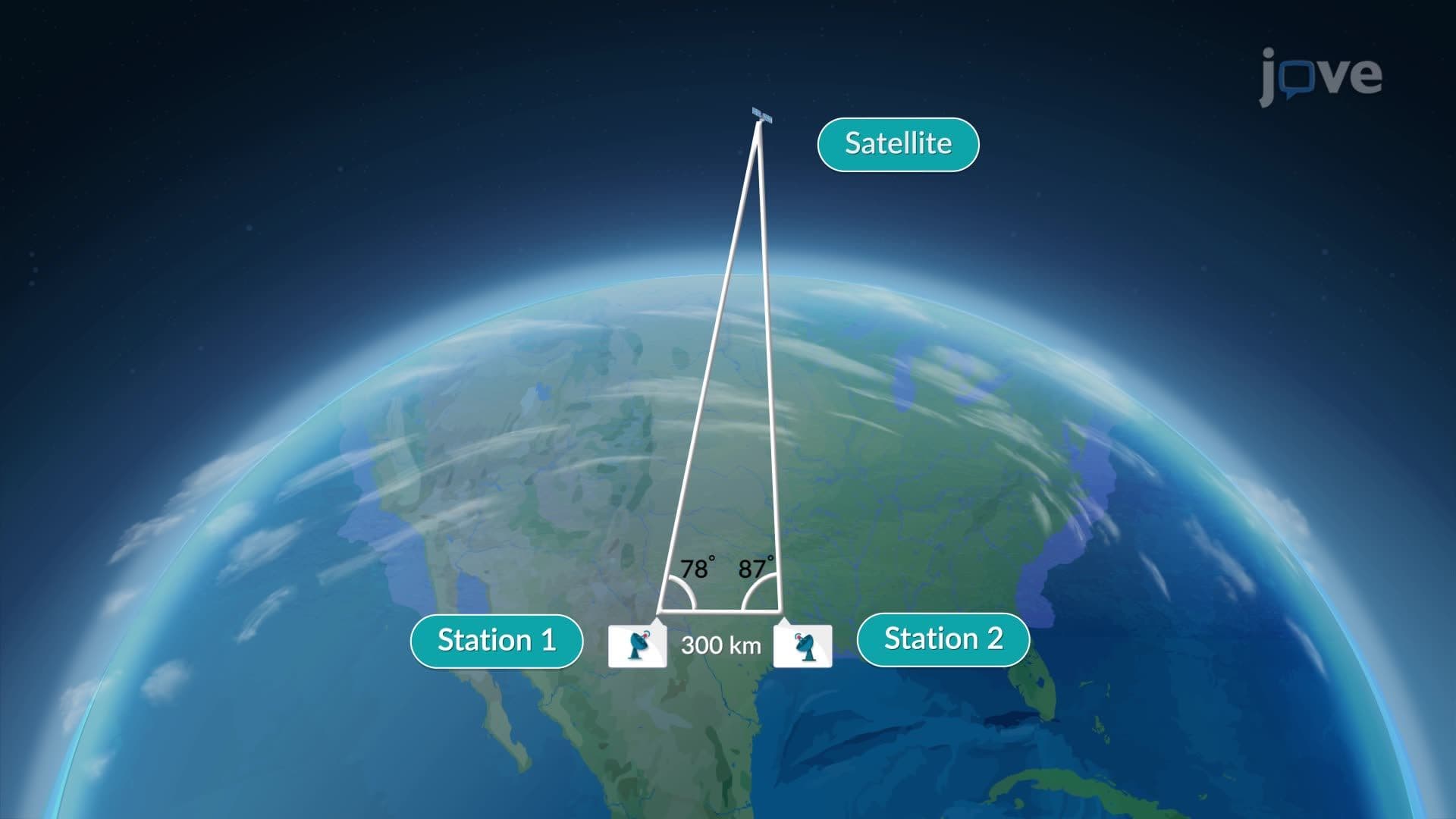
Consider the practical application: NASA engineers use similar principles when calculating spacecraft trajectories. If Mission Control knows the angle to a satellite from two ground stations and the distance between those stations, they can determine the satellite's exact distance from either location using the law of sines.
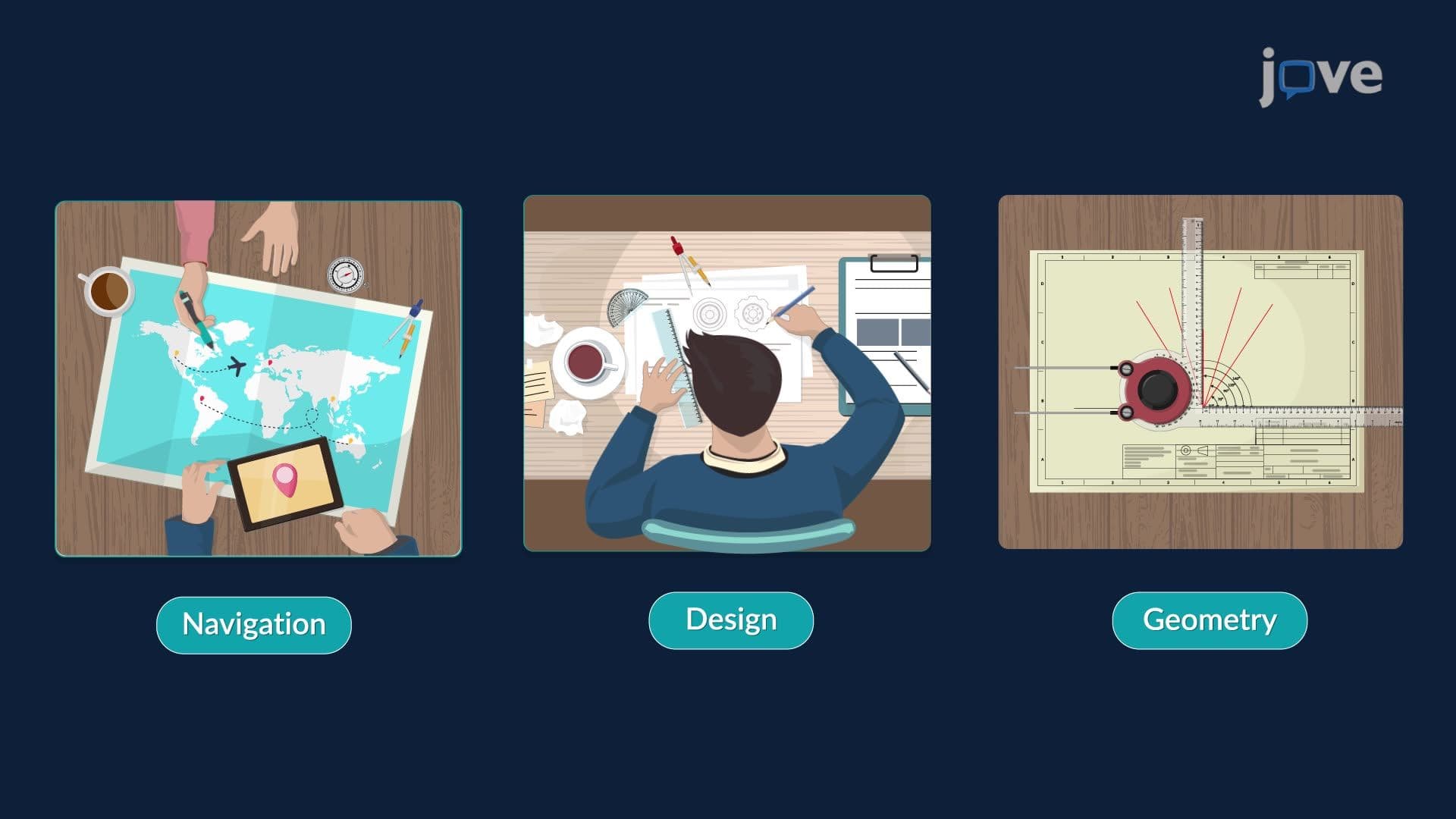
Understanding the law of sines extends far beyond classroom exercises. Coast Guard rescue operations utilize this principle when triangulating distress signals from ships. When rescue stations receive emergency signals at known angles and know the distance between stations, they can pinpoint a vessel's location precisely.
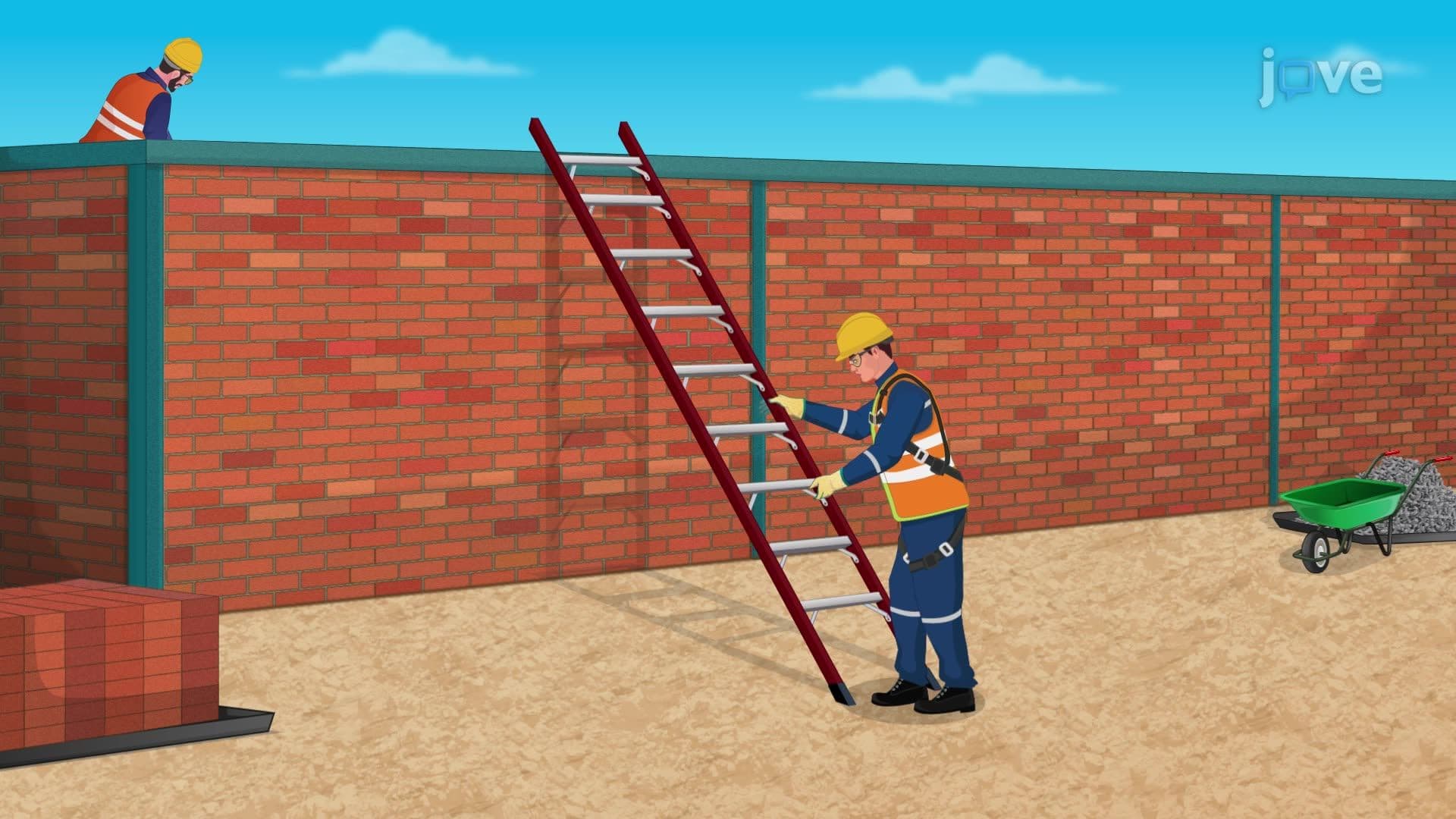
Architectural firms across major US cities employ these calculations when designing structures like the Golden Gate Bridge approach angles or determining optimal sight lines for sports stadiums. Civil engineers working on projects from California's earthquake-resistant buildings to Florida's hurricane-proof structures rely on these fundamental trigonometric relationships.
For students preparing for standardized tests, what is the law of sines in detail often appears in SAT Subject Tests, AP Calculus AB/BC, and college placement exams. The most frequent question types involve surveying scenarios, navigation problems, and geometric proof applications. Practice problems typically present triangular configurations where students must identify which trigonometric law applies before solving.
State university systems, including the University of California and State University of New York networks, regularly include law of sines applications in their mathematics placement assessments, making this concept crucial for academic advancement.
Related Micro-courses