Loading…
Loading video…
636 views
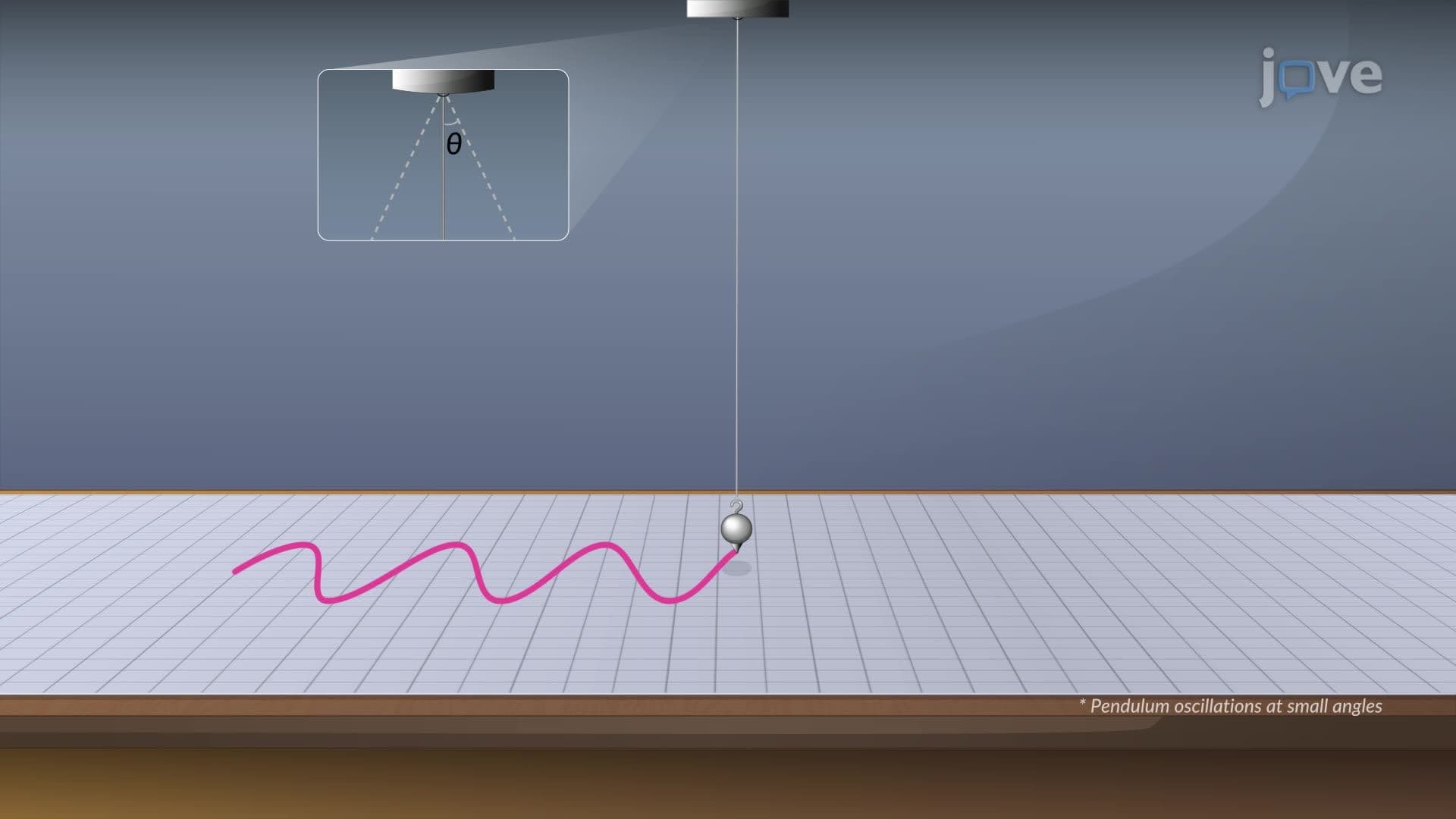
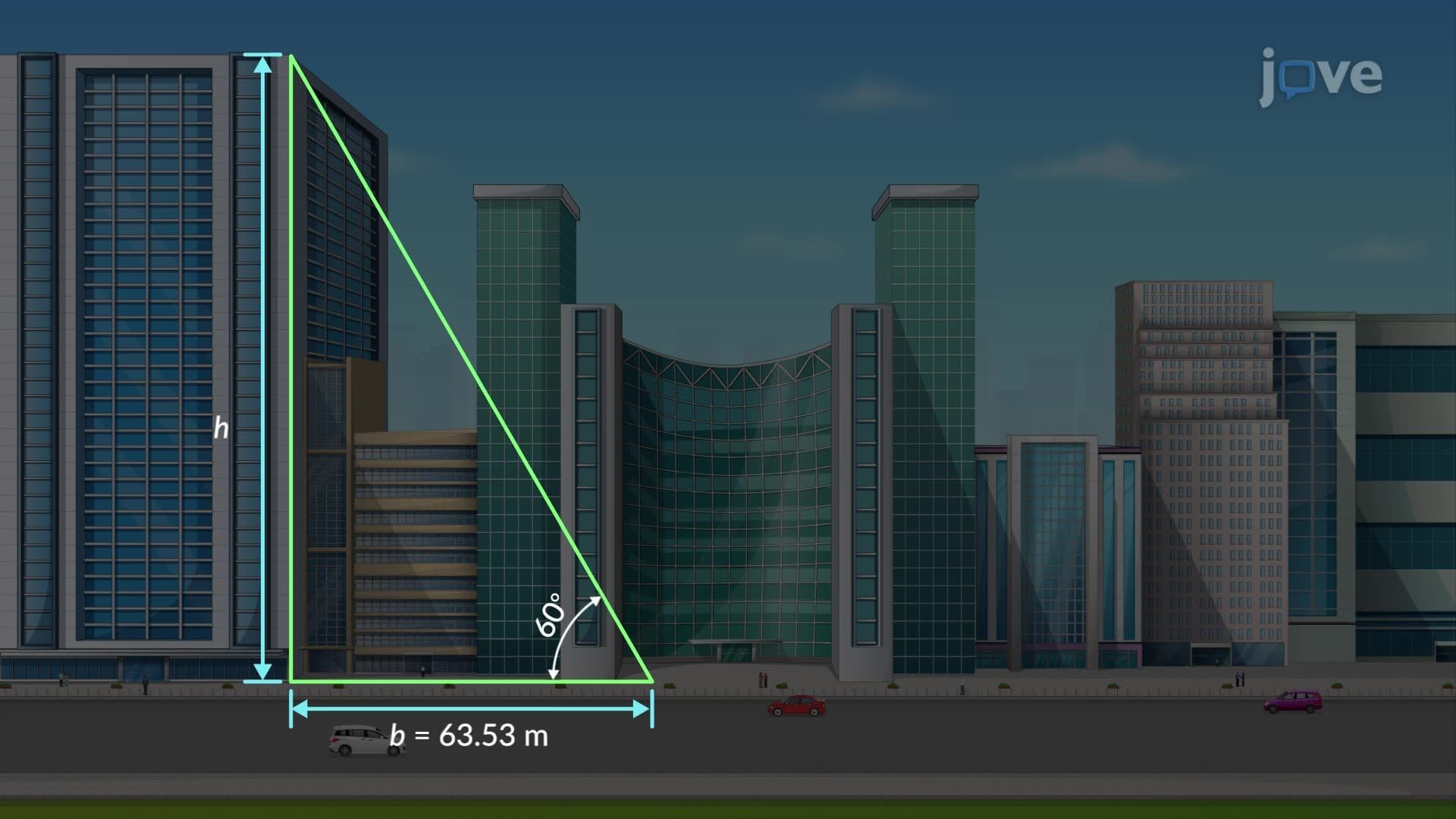
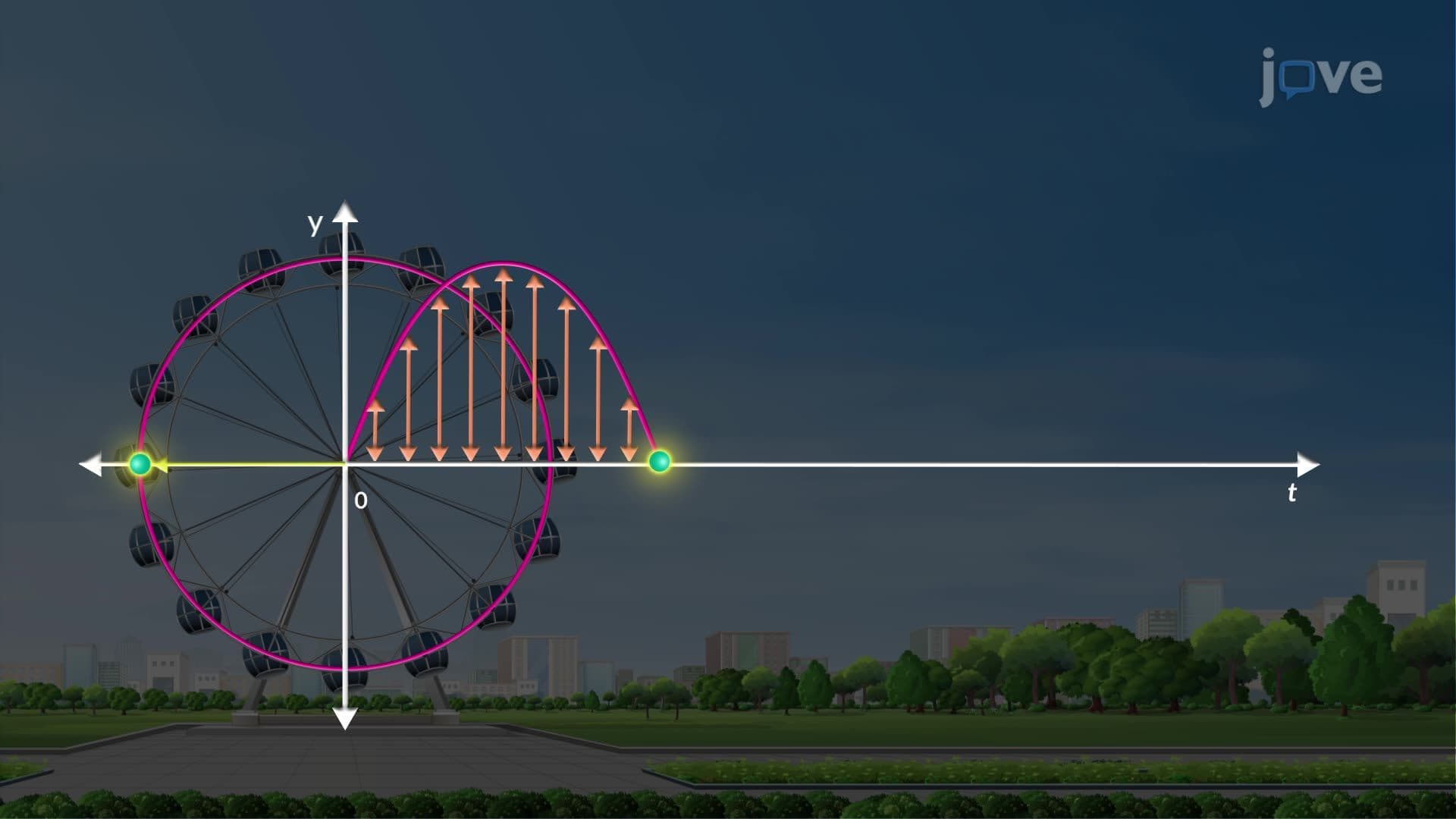
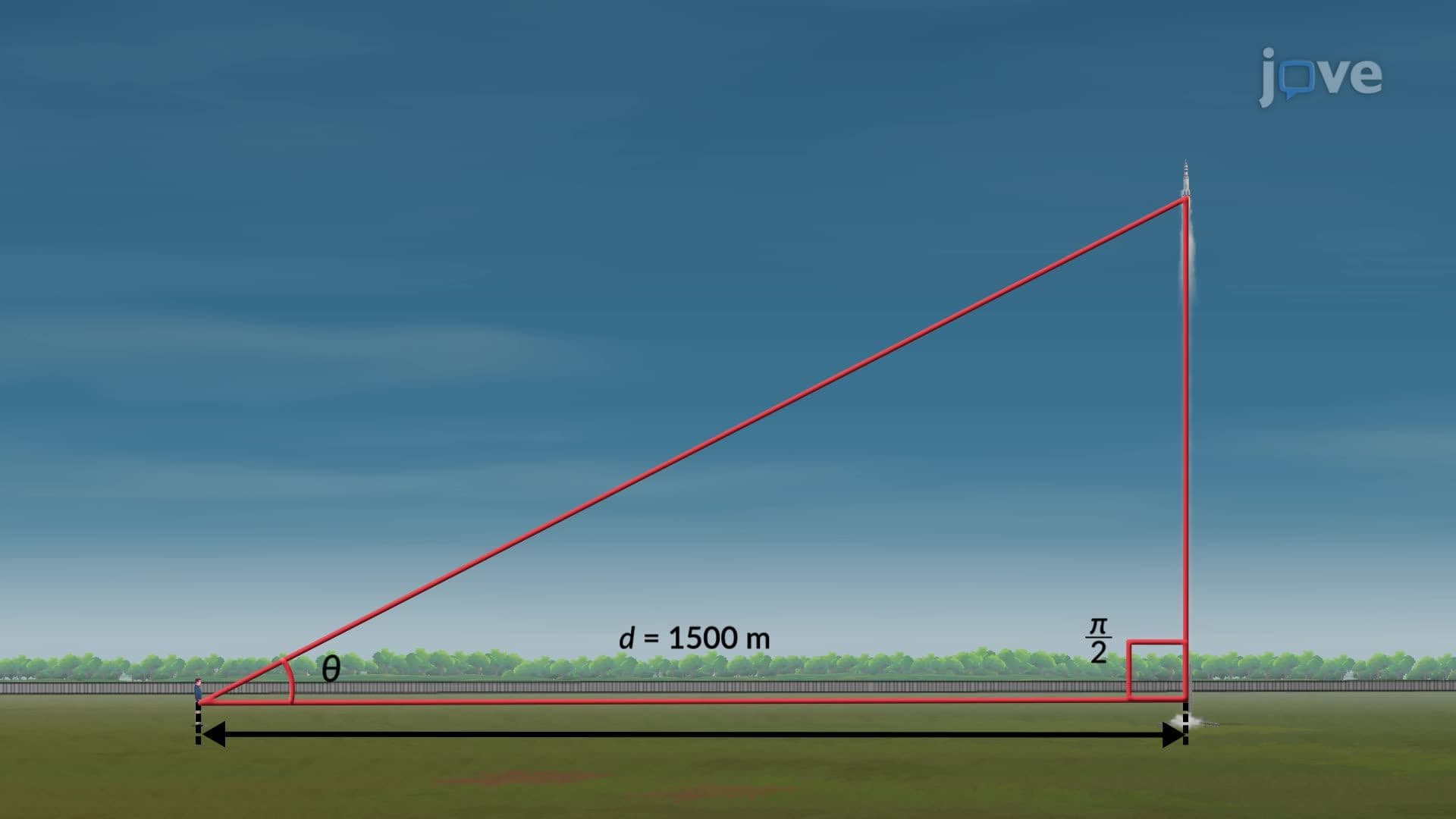
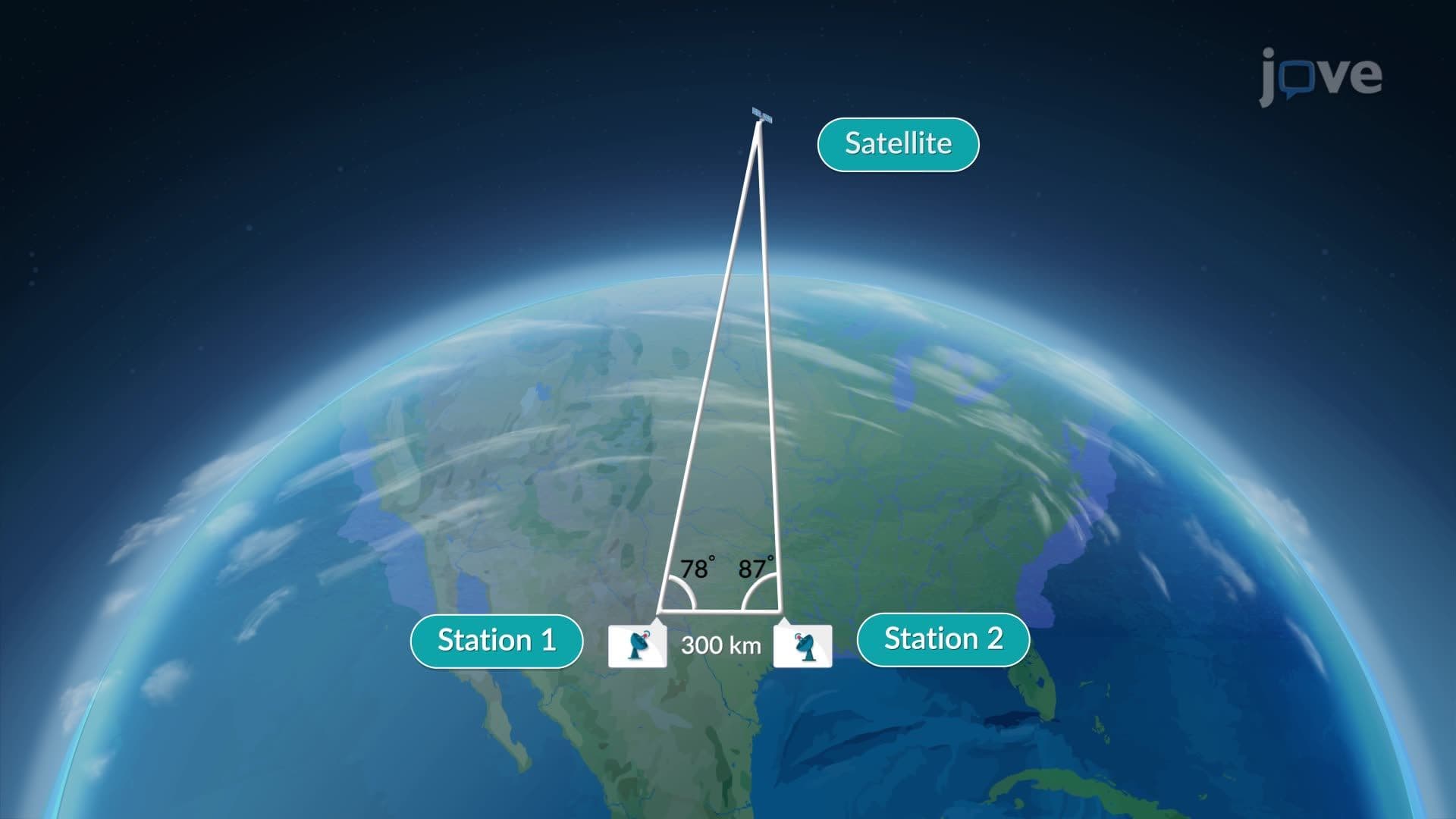
Ever wondered how engineers predict when a bridge will stop swaying after an earthquake? Trigonometric equations are mathematical expressions involving sine, cosine, tangent, and other trig functions that help solve these real-world problems. These equations appear everywhere from the Golden Gate Bridge's oscillation patterns to NASA's satellite trajectory calculations. What are Trigonometric Equations represents a fundamental concept connecting periodic functions to practical applications in engineering and physics. Watch the full video on JoVE Coach to master this concept with expert-led visuals and step-by-step explanations.
Trigonometric equations form the backbone of advanced mathematics, appearing frequently on the SAT Math Level 2 test and AP Calculus exams. Unlike algebraic equations that involve only polynomial expressions, these equations incorporate trigonometric functions like sine, cosine, tangent, secant, cosecant, and cotangent. The key distinction lies between trigonometric identities—equations true for all angle values—and conditional trigonometric equations that hold only for specific angles.
The most common types of trigonometric equations include linear equations (like 2sin(x) = 1), quadratic equations (such as cos²(x) - 3cos(x) + 2 = 0), and composite equations involving multiple functions. Quadratic-type equations often require substitution methods similar to standard algebra. For instance, if you encounter sin²(x) + 3sin(x) - 4 = 0, you can substitute u = sin(x) to get u² + 3u - 4 = 0, then solve using factoring or the quadratic formula.
Understanding periodicity distinguishes successful students on college placement exams from those who struggle. Sine and cosine functions repeat every 2π radians (360°), while tangent repeats every π radians (180°). This means if x = π/6 satisfies sin(x) = 1/2, then x = π/6 + 2πn (where n is any integer) represents the complete solution set. Students preparing for the MCAT often encounter this concept in physics problems involving wave mechanics.
NASA engineers use trigonometric equations to calculate satellite orbital mechanics, while seismologists apply them to predict earthquake aftershock patterns. In structural engineering, the Tacoma Narrows Bridge collapse of 1940 demonstrated the critical importance of solving trigonometric equations related to resonance frequency. Modern suspension bridges like San Francisco's Golden Gate Bridge incorporate these mathematical solutions in their design specifications to prevent similar disasters.
Frequently Asked Questions
Trigonometric equations contain sine, cosine, tangent, or other trig functions of unknown angles, unlike regular equations with just variables. They have infinite solutions due to the periodic nature of trig functions. For example, sin(x) = 1/2 has solutions at x = π/6, 5π/6, 13π/6, 17π/6, and so on.
The SAT typically features basic linear trigonometric equations like 2cos(x) = √3, while AP Calculus includes more complex quadratic forms. Both exams emphasize finding solutions within specific intervals, usually [0, 2π). Understanding period properties and using unit circle values are essential for success.
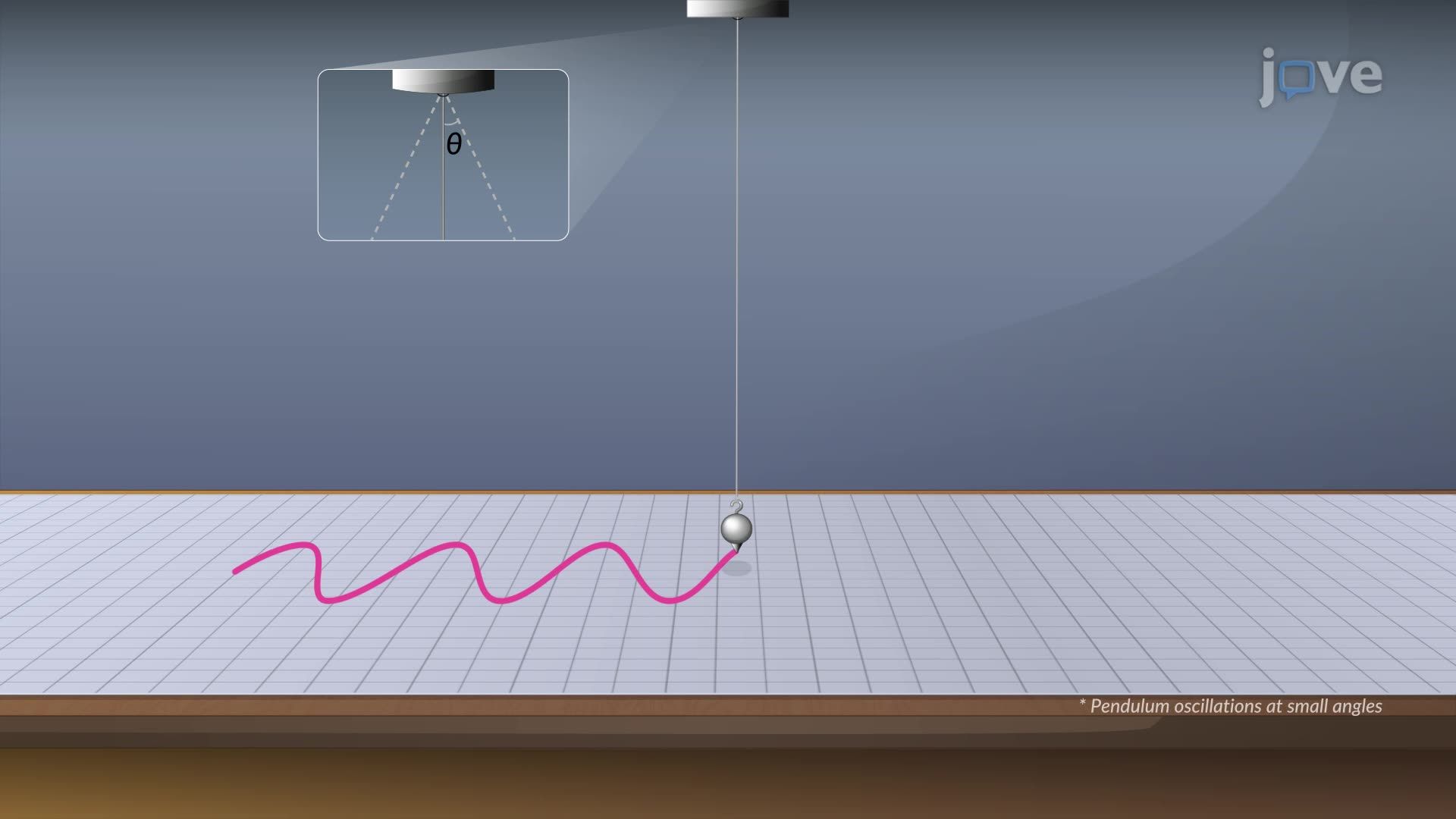
MCAT physics sections frequently test trigonometric equations in wave motion, pendulum problems, and harmonic oscillators. You'll solve equations like x(t) = A cos(ωt + φ) to find when objects reach maximum displacement. These appear in approximately 10-15% of MCAT physics questions.
Not necessarily—if you're comfortable with basic trig functions and the unit circle, trigonometric equations follow similar solving patterns. The main difference is remembering to find all solutions using period properties. Most students with solid Algebra 2 and Trigonometry foundations succeed with consistent practice.
Focus on memorizing exact values for common angles (30°, 45°, 60°) and practice identifying equation types quickly. Create a reference sheet with period properties and standard solution formats. Work through at least 20 practice problems covering linear, quadratic, and composite equation types before your exam.
Structural engineers solve trigonometric equations to calculate load distributions, wind resistance patterns, and oscillation frequencies. For suspension bridges, they use equations like F(t) = F₀ cos(ωt) to model cable tension variations. This prevents resonance disasters like the 1940 Tacoma Narrows Bridge collapse.
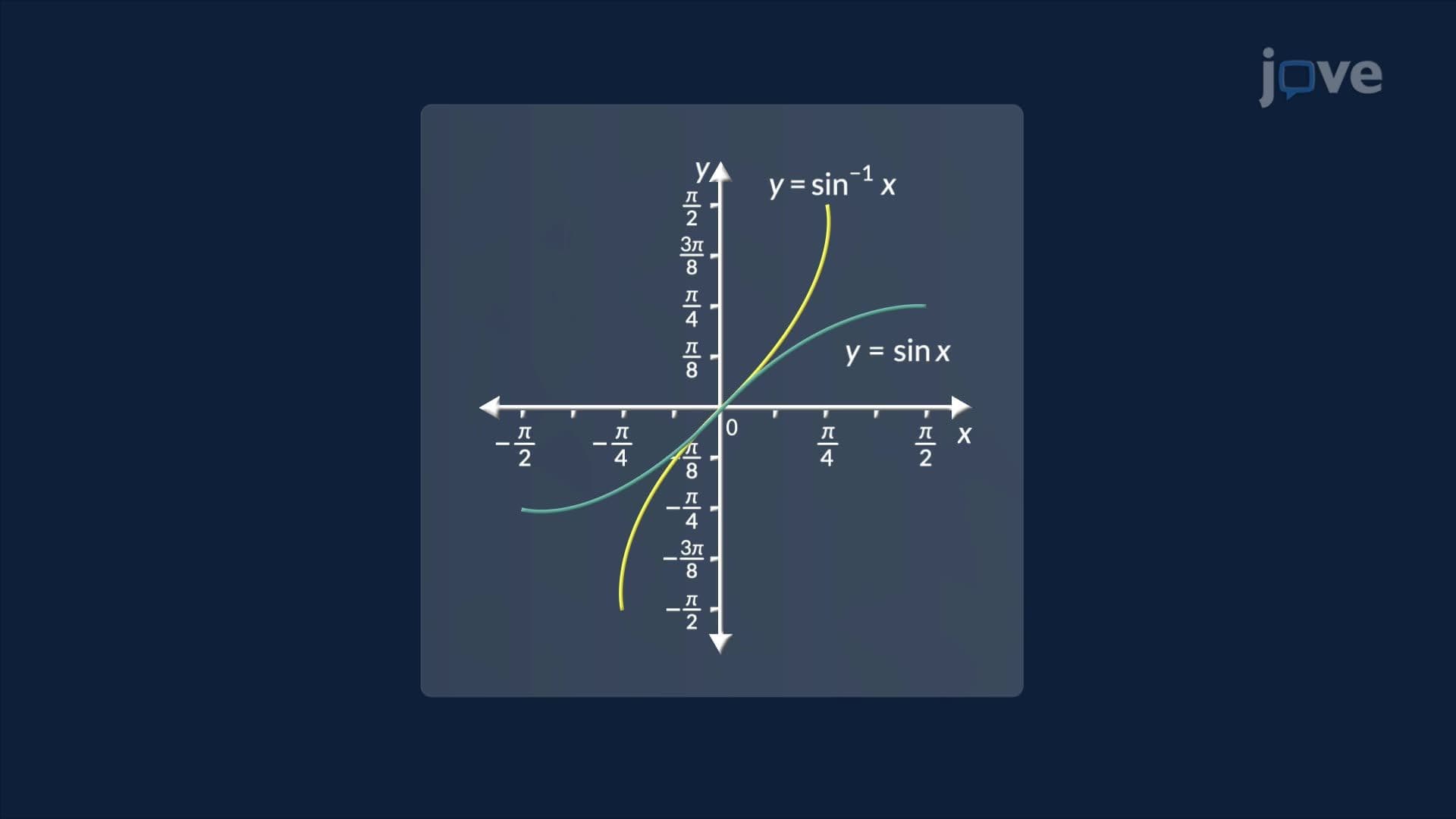
Master basic trigonometric equations first, as they provide the foundation for understanding inverse functions. Once comfortable solving equations like sin(x) = 1/2, you'll naturally progress to using arcsin, arccos, and arctan. This sequence builds confidence and prevents conceptual confusion.
Trigonometric equations lead directly to differential equations, Fourier series, and complex analysis in advanced calculus. They're fundamental to understanding harmonic motion, signal processing, and engineering applications. Mastering them now prepares you for upper-level mathematics and engineering coursework.
Related Micro-courses


Related Subjects
 Physics 33 micro-courses›
 Statistics 17 micro-courses›