- Math Fundamentals
- Analytic Geometry
Micro-courses:11

Analytic Geometry
1. Inclination of a Line

2. Parabolas
3. Reflective Property of Parabolas
4. Ellipses
5. Eccentricity of an Ellipse

6. Hyperbolas
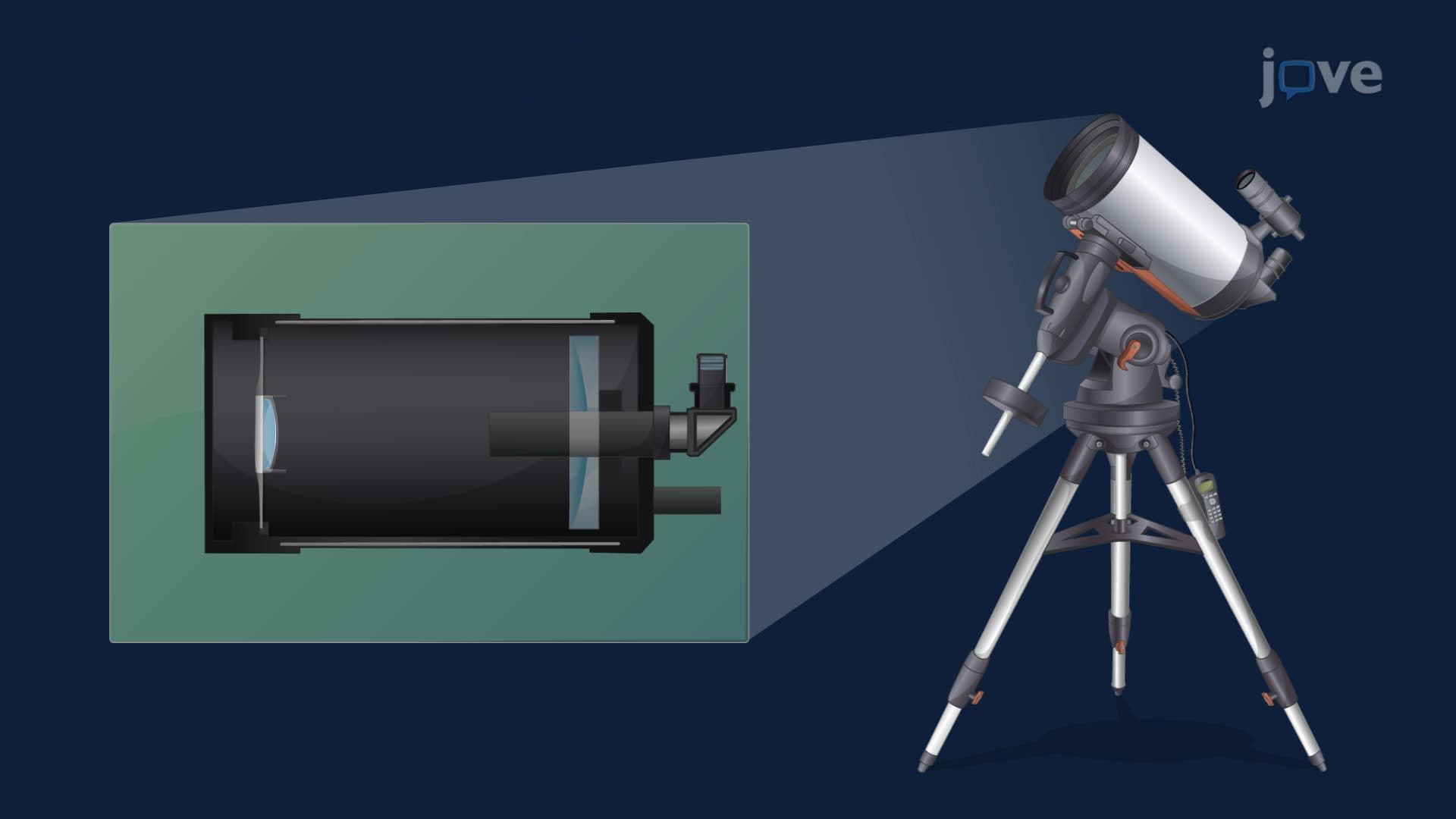
7. Geometry of Hyperbolas
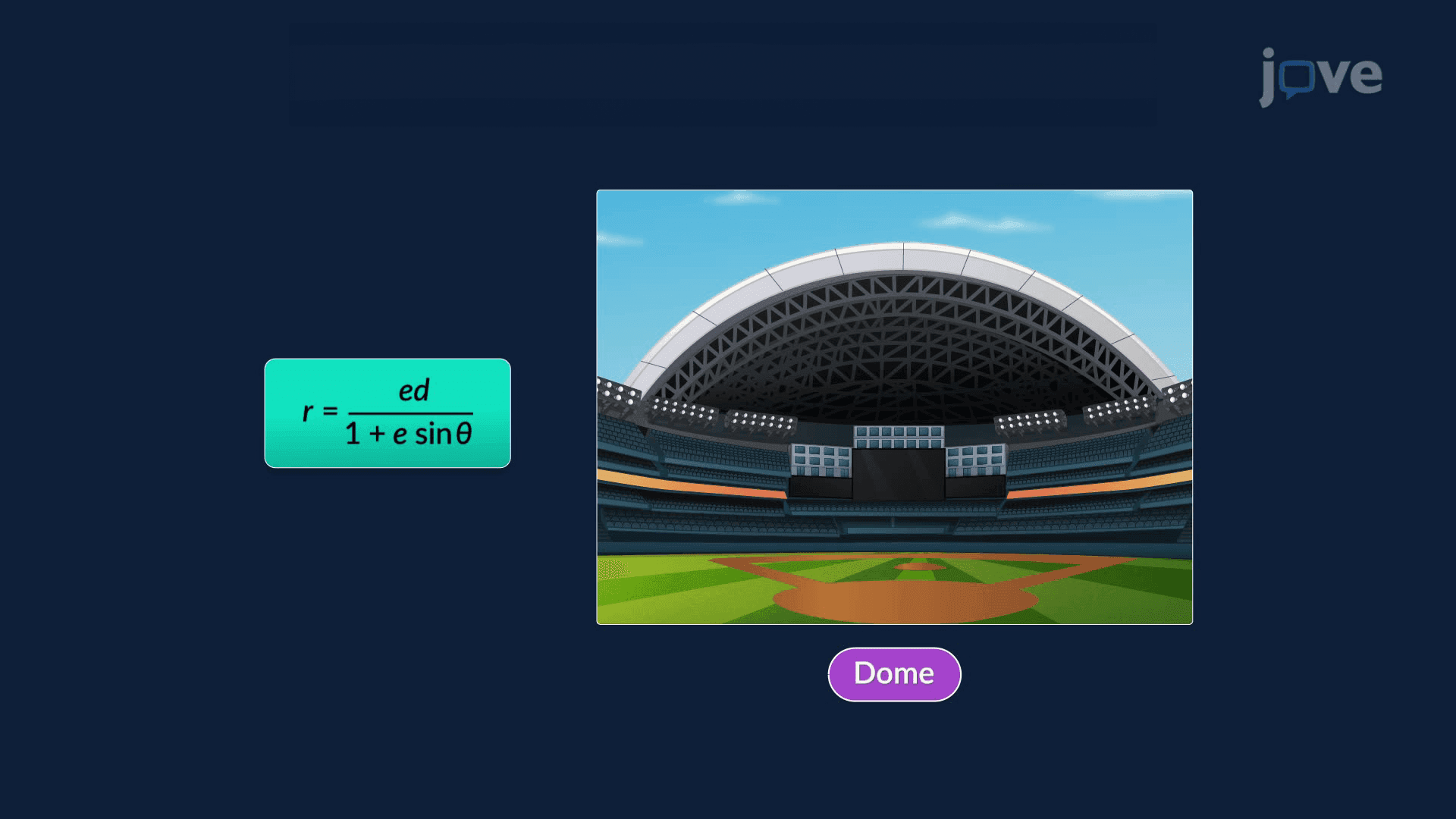
8. Polar Equations of Conics
Analytic geometry combines algebra and geometry to study conic sections—parabolas, ellipses, and hyperbolas—using coordinate systems and equations. This comprehensive course explores how these mathematical concepts apply to real-world structures like satellite dishes, suspension bridges, and telescope mirrors throughout the United States. Master the fundamental principles through JoVE Coach's systematic approach to coordinate geometry and conic applications.
- Understand the relationship between slope and inclination of lines in coordinate systems
- Learn to derive and apply standard equations for parabolas, ellipses, and hyperbolas
- Identify key geometric properties including foci, directrix, vertices, and asymptotes
- Explore the reflective properties of parabolic surfaces in satellite dish applications
- Analyze eccentricity values to determine conic section shapes and characteristics
- Apply polar coordinate equations to model conic sections with focus at origin
- Understand how conic geometry appears in engineering structures and optical instruments
- Master geometric proofs using distance formulas and algebraic manipulation
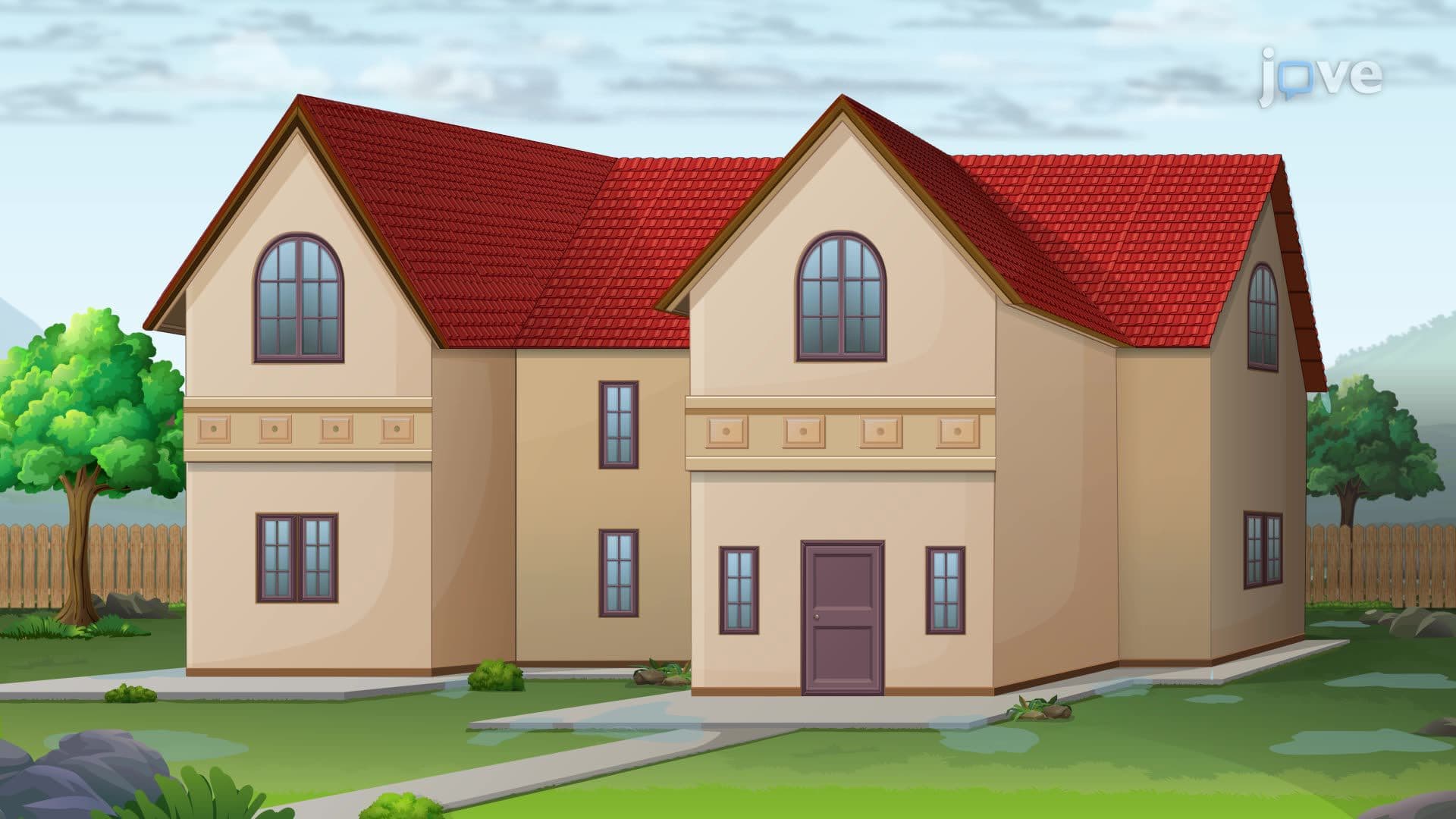
1. Line Inclination and Slope Relationships: The inclination of a line represents the angle formed with the positive x-axis, measured counterclockwise, while slope describes the ratio of vertical to horizontal change. These concepts connect through the tangent function, where slope equals the tangent of the inclination angle. When two lines intersect, the angle between them equals the absolute difference of their inclinations. This relationship proves essential for analyzing roof pitch in American construction, where proper angles ensure effective water drainage and structural integrity across different climate zones.
2. Parabola Definition and Standard Forms: A parabola consists of all points equidistant from a fixed point (focus) and a fixed line (directrix). The standard form x² = 4py describes a vertical parabola with vertex at the origin, while y² = 4px represents a horizontal orientation. The parameter p determines the distance from vertex to focus and directrix. American suspension bridges like the Golden Gate Bridge utilize parabolic cable curves to distribute weight evenly across the span, demonstrating how mathematical precision ensures structural safety.
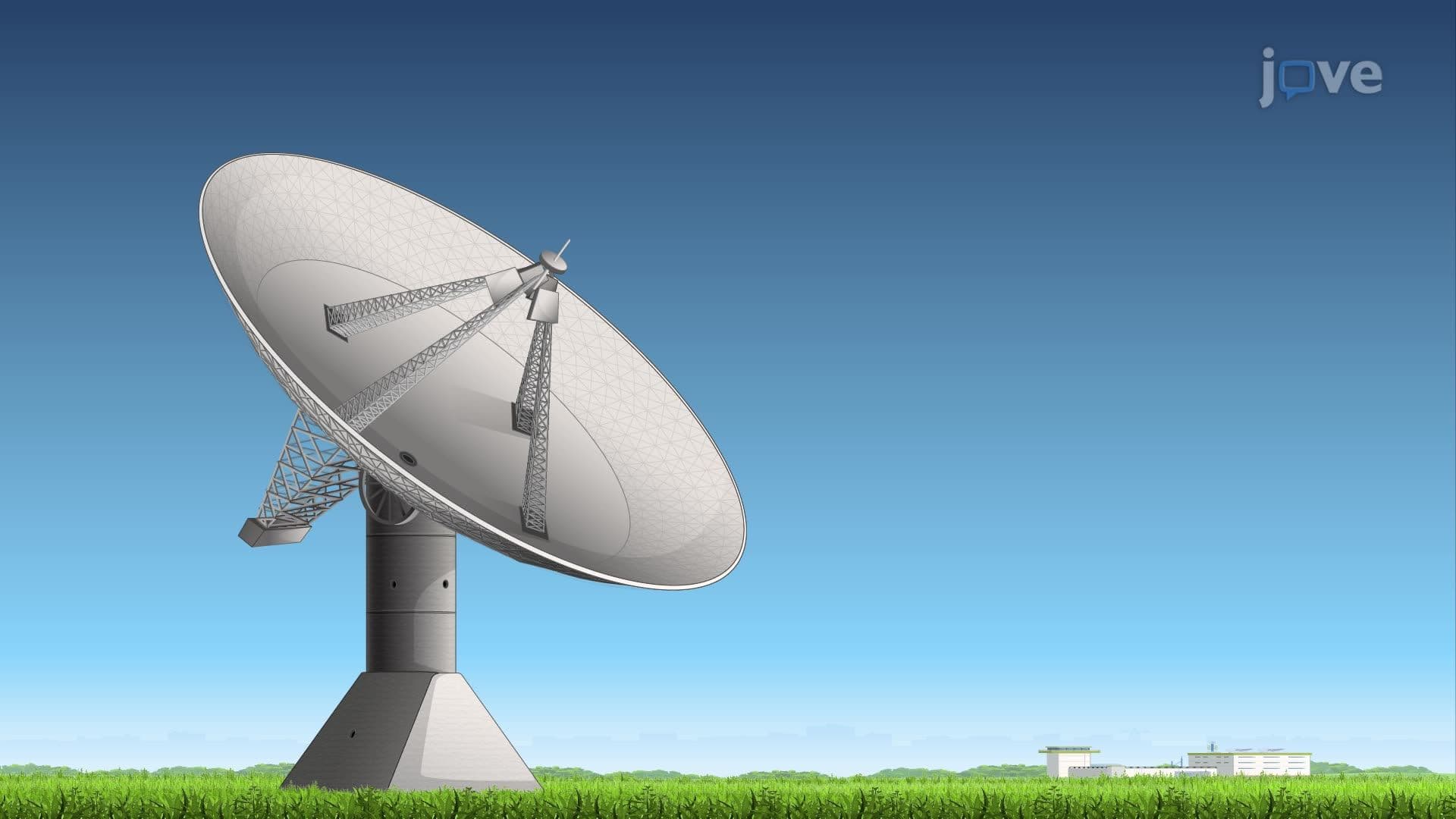
3. Reflective Properties and Applications: Parabolic surfaces possess unique reflective properties where parallel rays converge at the focus point. This principle governs satellite dish design throughout the United States, from residential DirectTV installations to massive radio telescopes like those at the National Radio Astronomy Observatory. For a satellite dish 6 meters wide and 1 meter deep, the receiver positioning at the calculated focus point (2.25 meters above vertex) ensures optimal signal collection efficiency for telecommunications networks.
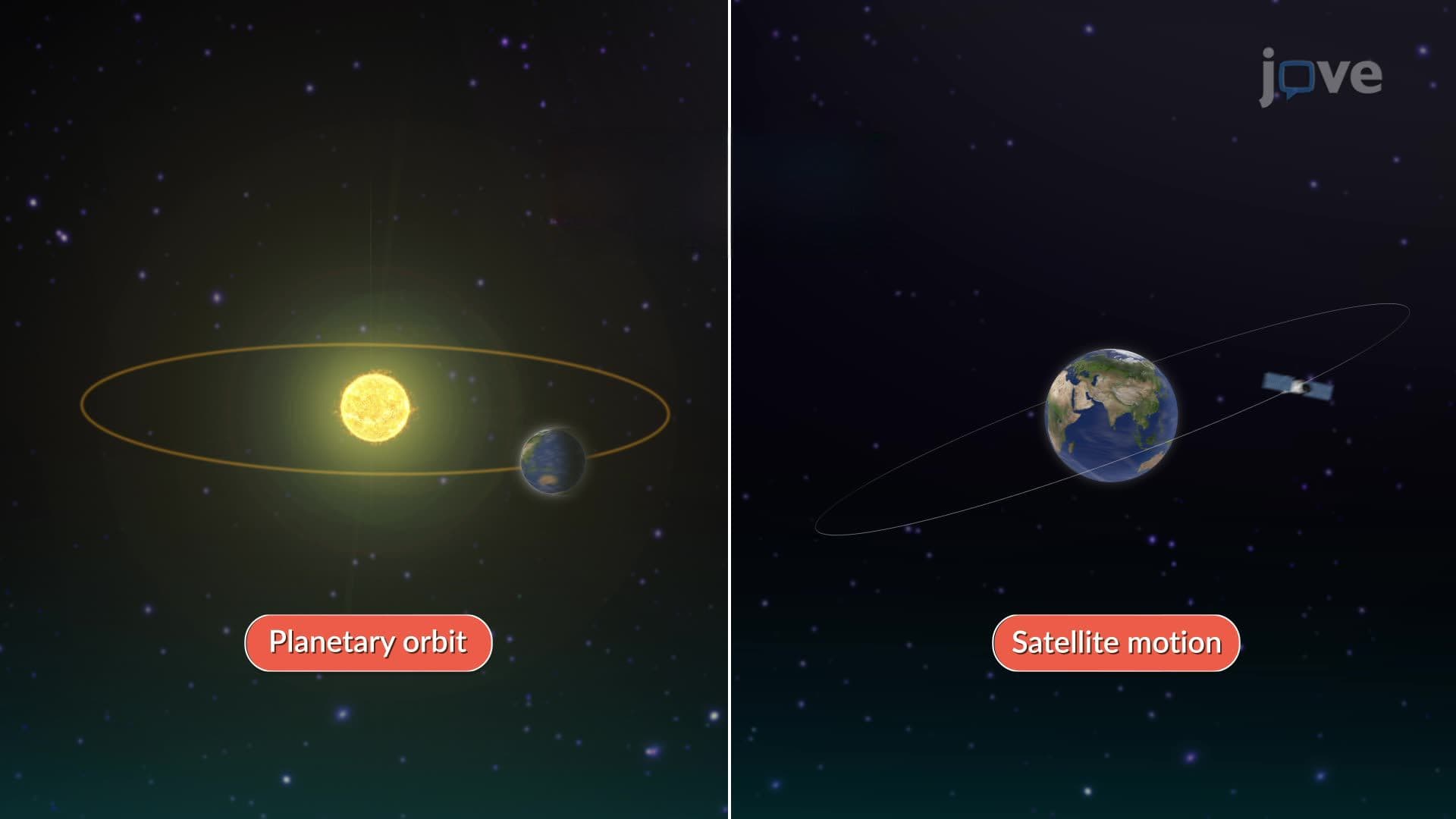
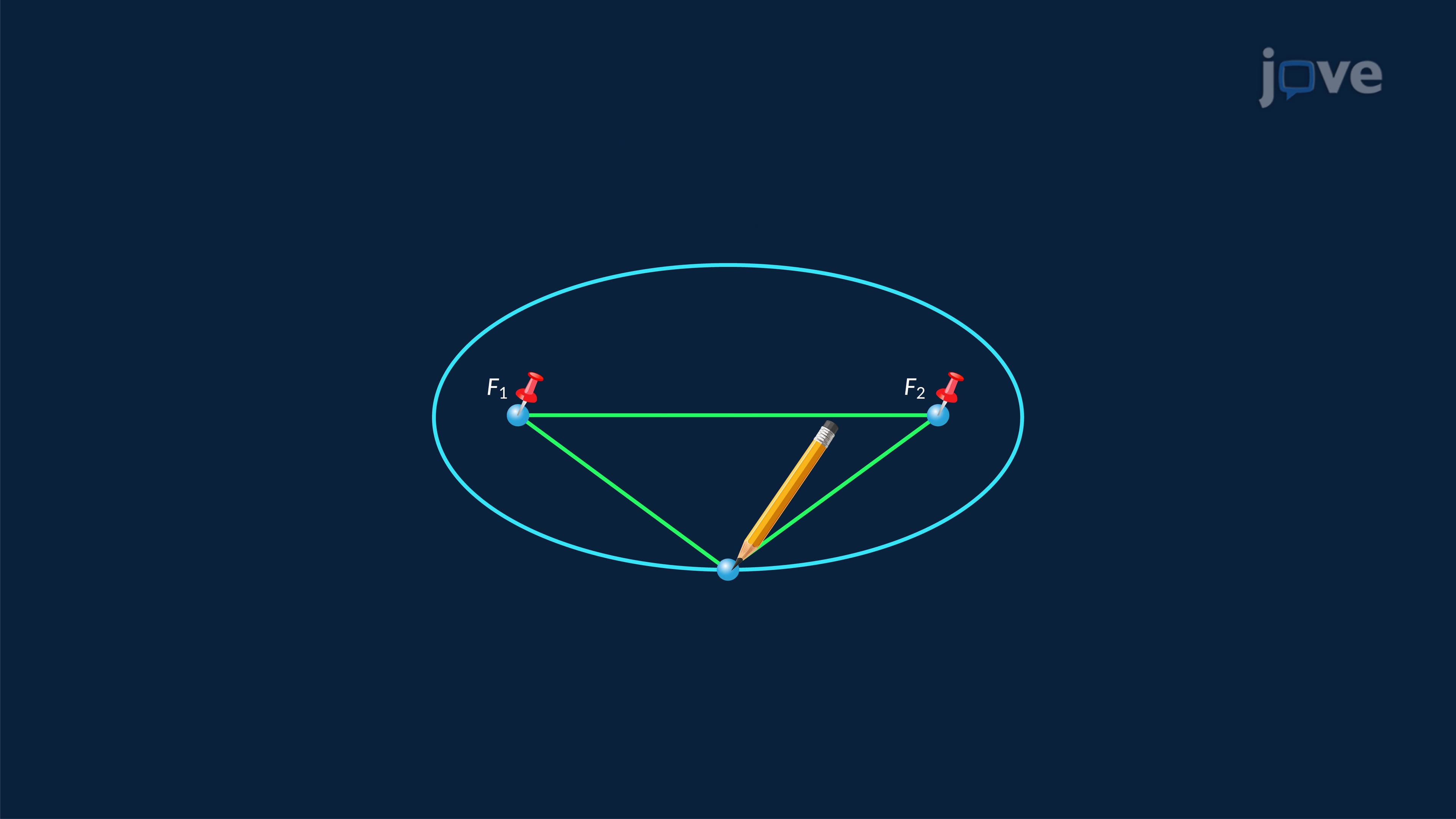
4. Ellipse Geometry and Orbital Mechanics: An ellipse forms when the sum of distances from any point to two fixed foci remains constant. The standard form (x²/a²) + (y²/b²) = 1 describes ellipses centered at the origin, where a and b represent semi-major and semi-minor axis lengths. Planetary orbits exemplify elliptical motion, with NASA's space missions requiring precise elliptical trajectory calculations for spacecraft launches from Kennedy Space Center and other US facilities to achieve proper orbital mechanics around Earth.
5. Eccentricity and Shape Determination: Eccentricity (e = c/a) determines an ellipse's shape, ranging from 0 (perfect circle) to values approaching 1 (highly elongated). Halley's Comet demonstrates extreme eccentricity at 0.967, creating its distinctive elongated orbit with the Sun at one focus. American astronomers track such celestial bodies using eccentricity calculations to predict viewing opportunities across US time zones, with observatories from California to Maine coordinating observation schedules based on orbital mathematics.
6. Hyperbola Structure and Properties: A hyperbola contains two branches where the absolute difference in distances to two foci equals a constant value 2a. The standard form (x²/a²) - (y²/b²) = 1 describes hyperbolas opening horizontally, with asymptotes y = ±(b/a)x guiding the branches to infinity. American nuclear power plants utilize hyperbolic cooling towers because this shape optimizes structural strength while promoting efficient airflow circulation, demonstrating how mathematical curves solve practical engineering challenges in US energy infrastructure.
7. Polar Equations of Conic Sections: The unified polar equation r = ed/(1 ± e cos θ) or r = ed/(1 ± e sin θ) describes all conic sections based on eccentricity values and directrix orientation. When e < 1, the curve forms an ellipse; e = 1 creates a parabola; e > 1 produces a hyperbola. American architectural projects like domed stadiums and planetariums utilize polar conic equations to design structures that distribute loads evenly while creating aesthetically pleasing curves that enhance both function and visual appeal.
Frequently Asked Questions
Slope represents the ratio of vertical change to horizontal change (rise over run), while inclination is the actual angle the line makes with the positive x-axis, measured counterclockwise. They're related by the tangent function: slope = tan(inclination angle). Slope is often more practical for calculations, while inclination provides the geometric angle measurement.
Focus on the signs and denominators. Ellipses have both x² and y² terms with positive signs and different denominators. Hyperbolas have opposite signs (one positive, one negative). Parabolas have only one squared term. The larger denominator in an ellipse indicates the major axis direction.
The SAT Subject Test in Mathematics Level 2 includes significant conic sections content. AP Calculus AB and BC exams feature conic applications. The SAT and ACT include basic parabola concepts. Students preparing for engineering programs should master these concepts for college placement exams and calculus readiness assessments.
The position of the focus relative to the vertex determines opening direction. If the focus lies above the vertex, the parabola opens upward; below means downward. Similarly, focus to the right of vertex creates rightward opening, while focus to the left creates leftward opening. The sign of the parameter p in standard form also indicates direction.
Parabolic surfaces have the unique property that all parallel rays (like satellite signals) reflect to converge at a single point called the focus. This concentrates the maximum signal strength at the receiver location. Other curve shapes would scatter the signals, reducing reception quality and requiring larger, more expensive equipment.
Remember the ranges: e = 0 gives a perfect circle, 0 < e < 1 creates an ellipse (like planetary orbits), e = 1 forms a parabola (like projectile paths), and e > 1 produces a hyperbola (like some comet trajectories). As eccentricity increases toward 1, ellipses become more elongated; values above 1 create increasingly "open" hyperbolic branches.
Start by identifying the conic type from the equation form or given information. Sketch the basic shape and label key features (center, vertices, foci). Use the relationships between a, b, and c (like c² = a² + b² for hyperbolas, c² = a² - b² for ellipses) to find missing parameters. Practice converting between standard forms and apply geometric definitions to verify solutions.
Conic sections form the foundation for calculus applications like optimization problems and related rates. In engineering, they appear in optics (telescope mirror shapes), architecture (arch designs), and aerospace (orbital mechanics). Advanced courses explore three-dimensional applications, parametric equations, and calculus-based analysis of conic properties, making this knowledge essential for STEM career preparation.
This microcourse includes 8 concept videos that walk you through the building blocks of Math Fundamentals. Each video is short, about 1 minute, so you can cover a full topic during a coffee break or between classes. The full sequence starts with Inclination of a Line and ends with Polar Equations of Conics.
The playlist moves from big-picture ideas to the precise vocabulary used in Math Fundamentals. Early videos introduce Inclination of a Line, Parabolas, and Reflective Property of Parabolas. The middle of the series focuses on Eccentricity of an Ellipse, Hyperbolas, and Geometry of Hyperbolas. The final stretch covers Polar Equations of Conics.
The natural next step is Introduction to Sequences and Series. From there, you can move to Limits. Once you finish those, the full Math Fundamentals curriculum of 11 microcourses on JoVE Coach opens up, taking you from foundational concepts to advanced systems.
Related Subjects
 Physics 33 micro-courses›
 Statistics 17 micro-courses›