Loading subject page…

382 views

Video Summary: What Is Polar Equations of Conics
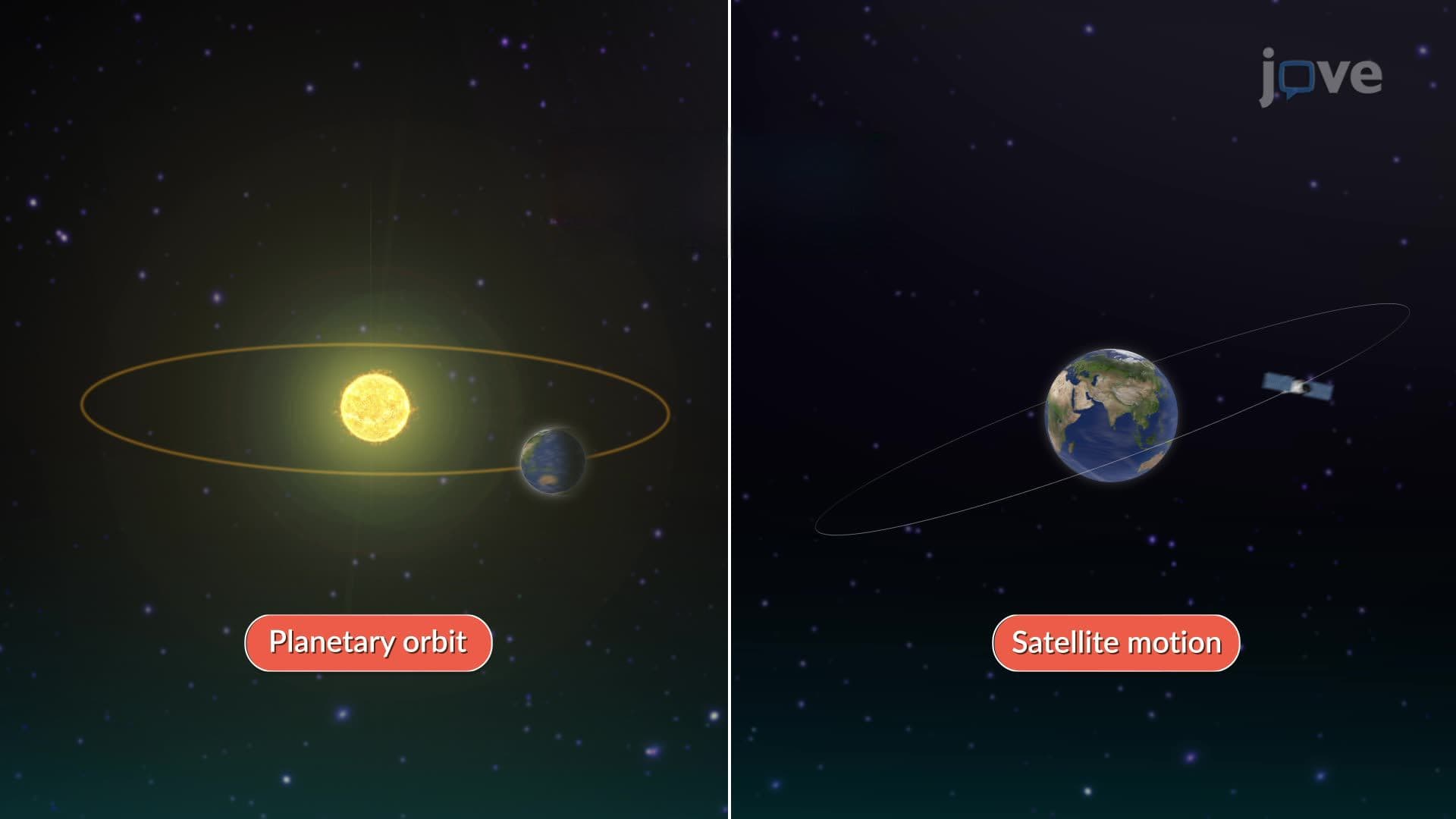
Did you know that the same mathematical framework used to design the US Capitol dome also describes planetary orbits? Polar equations of conics provide a unified way to represent ellipses, parabolas, and hyperbolas using a single elegant formula that relates distance, angle, and eccentricity. NASA engineers rely on these equations to calculate spacecraft trajectories around Earth and other celestial bodies. Watch the full video on JoVE Coach to master this concept with expert-led visuals and step-by-step explanations.
Polar equations of conics represent one of mathematics' most elegant unifying principles. Unlike Cartesian coordinates that require different equations for each conic type, polar coordinates allow us to describe all conic sections-ellipses, parabolas, and hyperbolas-using a single general form: r = ed/(1 ± e·cos(θ)) or r = ed/(1 ± e·sin(θ)), where e represents eccentricity and d represents the distance from focus to directrix.
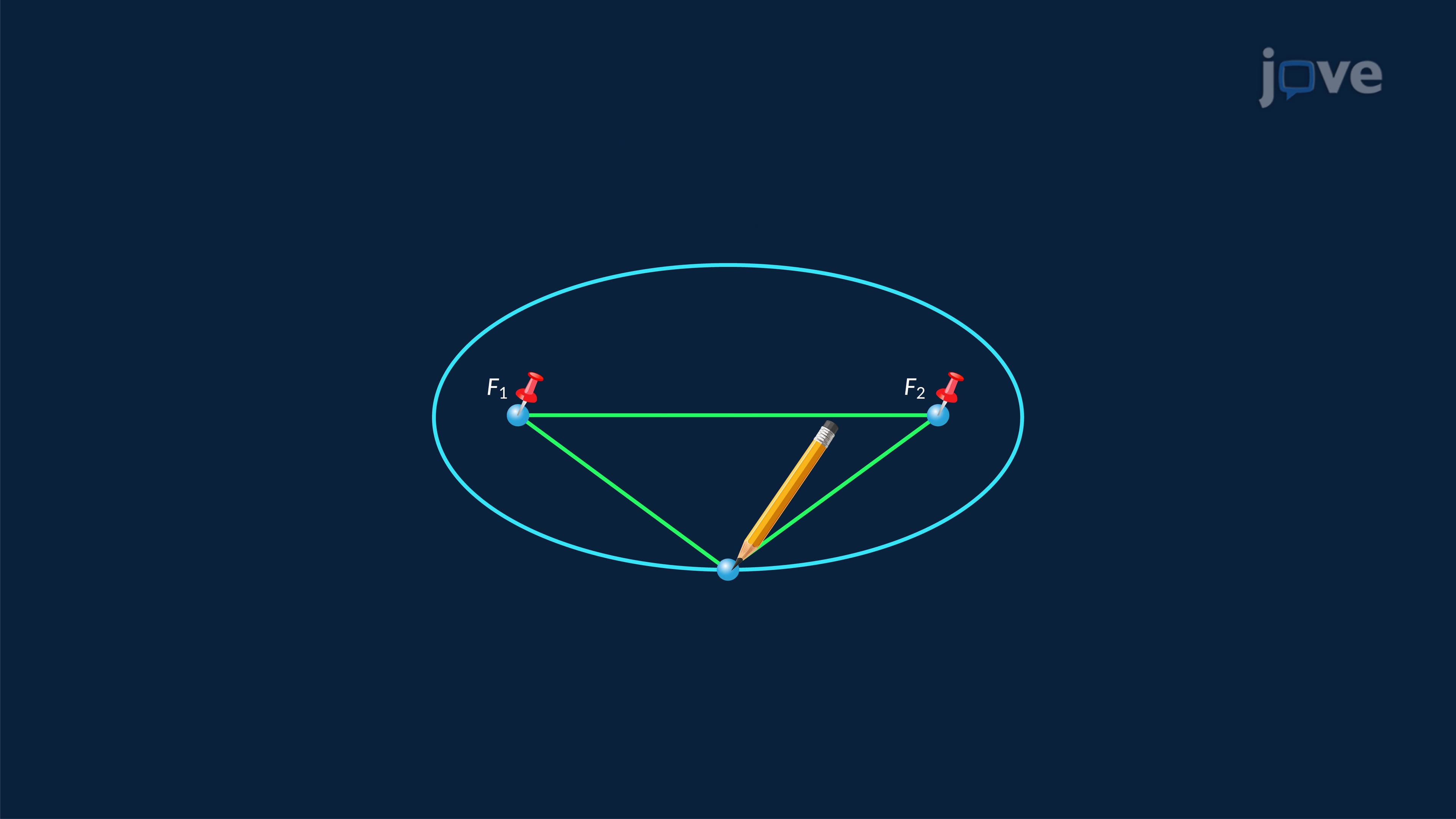
This unified approach stems from the fundamental definition of conic sections as loci of points maintaining a constant ratio between distances to a focus and directrix. When we place the focus at the origin in polar coordinates, this ratio becomes the eccentricity, elegantly determining the conic's shape through a single parameter.
Eccentricity serves as the key classifier in polar equations of conics. For ellipses (including circles), 0 ≤ e < 1 creates closed, bounded curves. The closer e approaches zero, the more circular the ellipse becomes. Parabolas have exactly e = 1, forming open curves with infinite extent in one direction. Hyperbolas feature e > 1, creating open curves extending infinitely in both directions with two distinct branches.
Students preparing for AP Calculus BC or college-level mathematics courses frequently encounter problems requiring identification of conic types solely from eccentricity values. Understanding this relationship proves crucial for SAT Subject Test Math Level 2 questions involving conic sections.
The choice between cosine and sine functions in polar conic equations depends entirely on directrix orientation. Vertical directrix lines require cosine functions because cosine measures horizontal displacement from the polar axis. When the directrix sits to the right of the focus, we use the positive form (1 + e·cos(θ)); when left of the focus, we use the negative form (1 - e·cos(θ)).
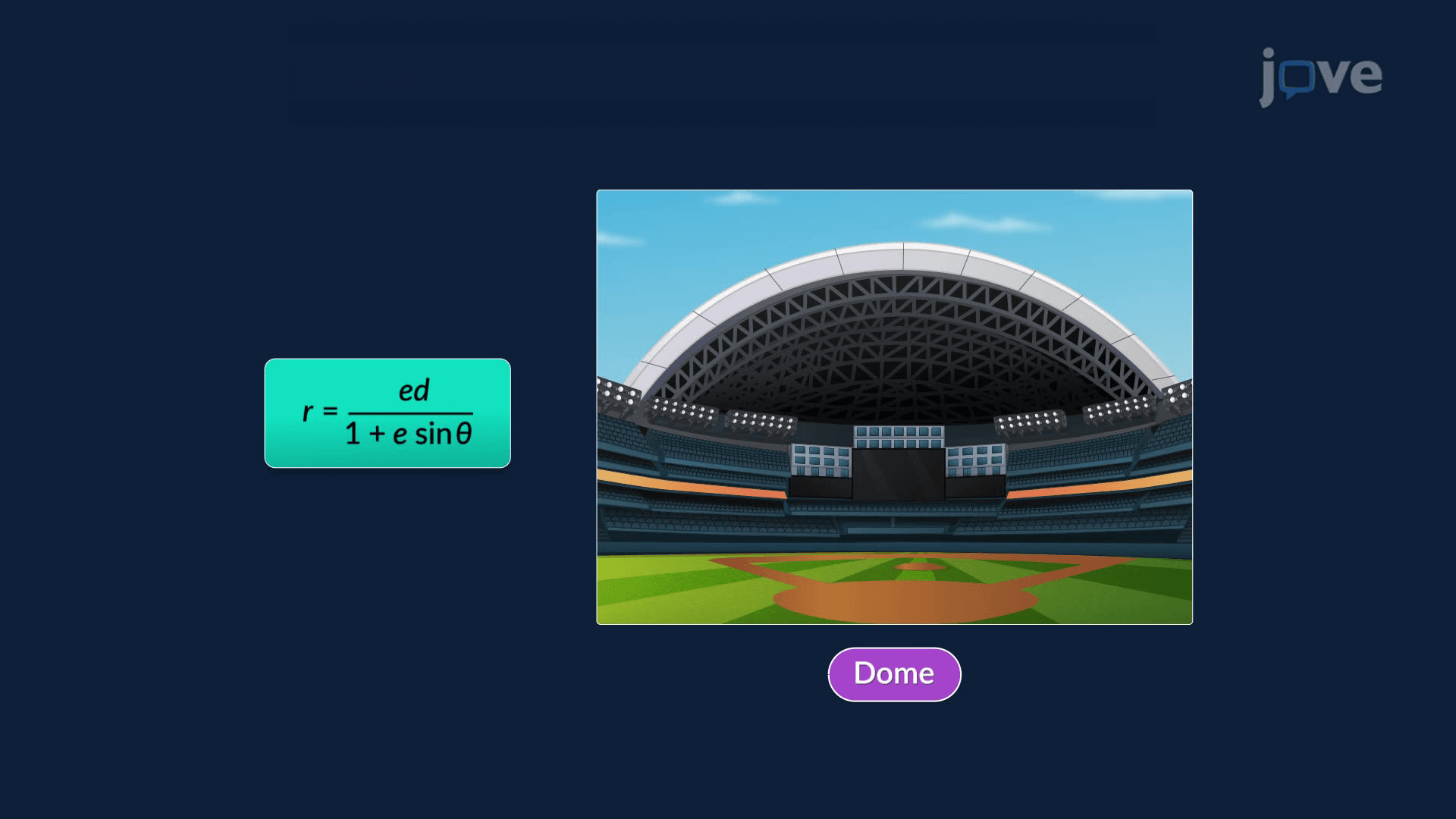
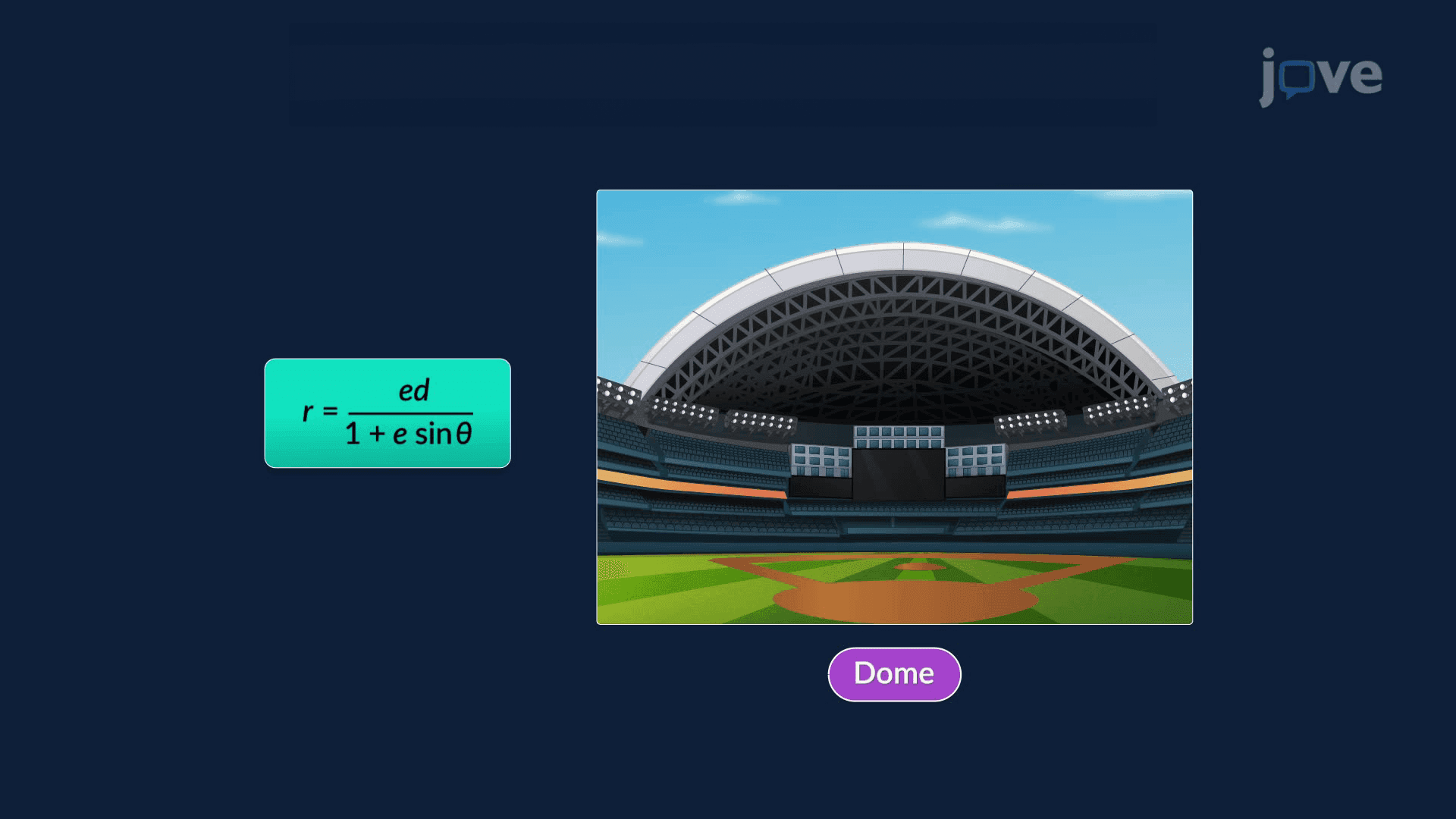
Horizontal directrix lines necessitate sine functions since sine measures vertical displacement. Directrix lines above the focus employ (1 + e·sin(θ)), while those below use (1 - e·sin(θ)). This systematic approach helps students avoid common sign errors on standardized tests and college examinations.
Polar equations of conics find extensive application in structural engineering, particularly in dome construction. The US Capitol dome, completed in 1863, utilizes elliptical and parabolic curves designed using these mathematical principles to distribute weight evenly across support structures. Modern architects continue applying these equations when designing sports venues like basketball arenas and convention centers.
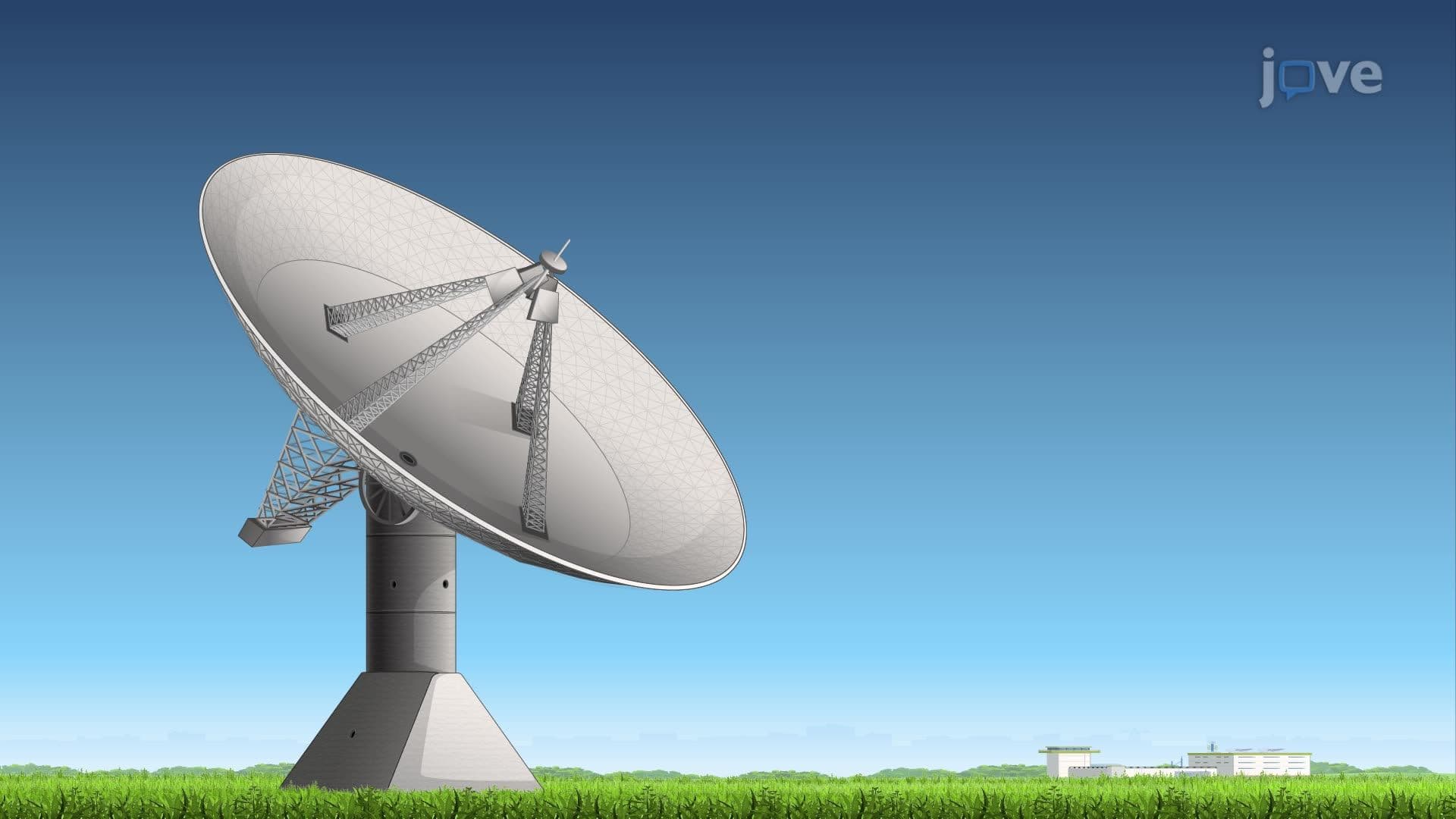
NASA's Jet Propulsion Laboratory relies heavily on polar conic equations for spacecraft trajectory planning. When launching missions to Mars or Jupiter, engineers use these equations to calculate optimal flight paths, taking advantage of gravitational assists and fuel-efficient orbital transfers. Understanding these applications helps students connect abstract mathematical concepts to cutting-edge technological achievements.
Related Micro-courses