Loading…
Loading video…
651 views
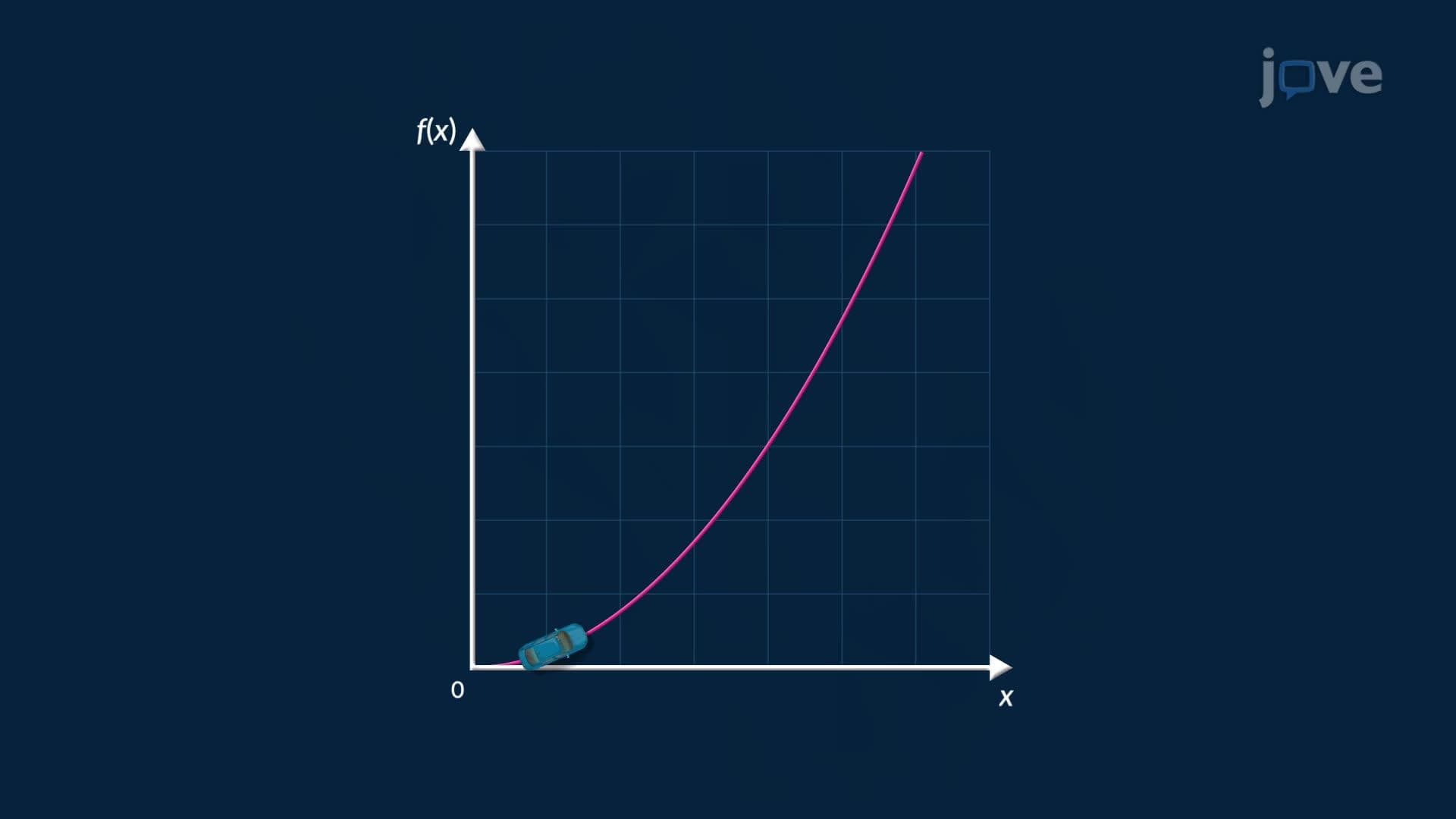
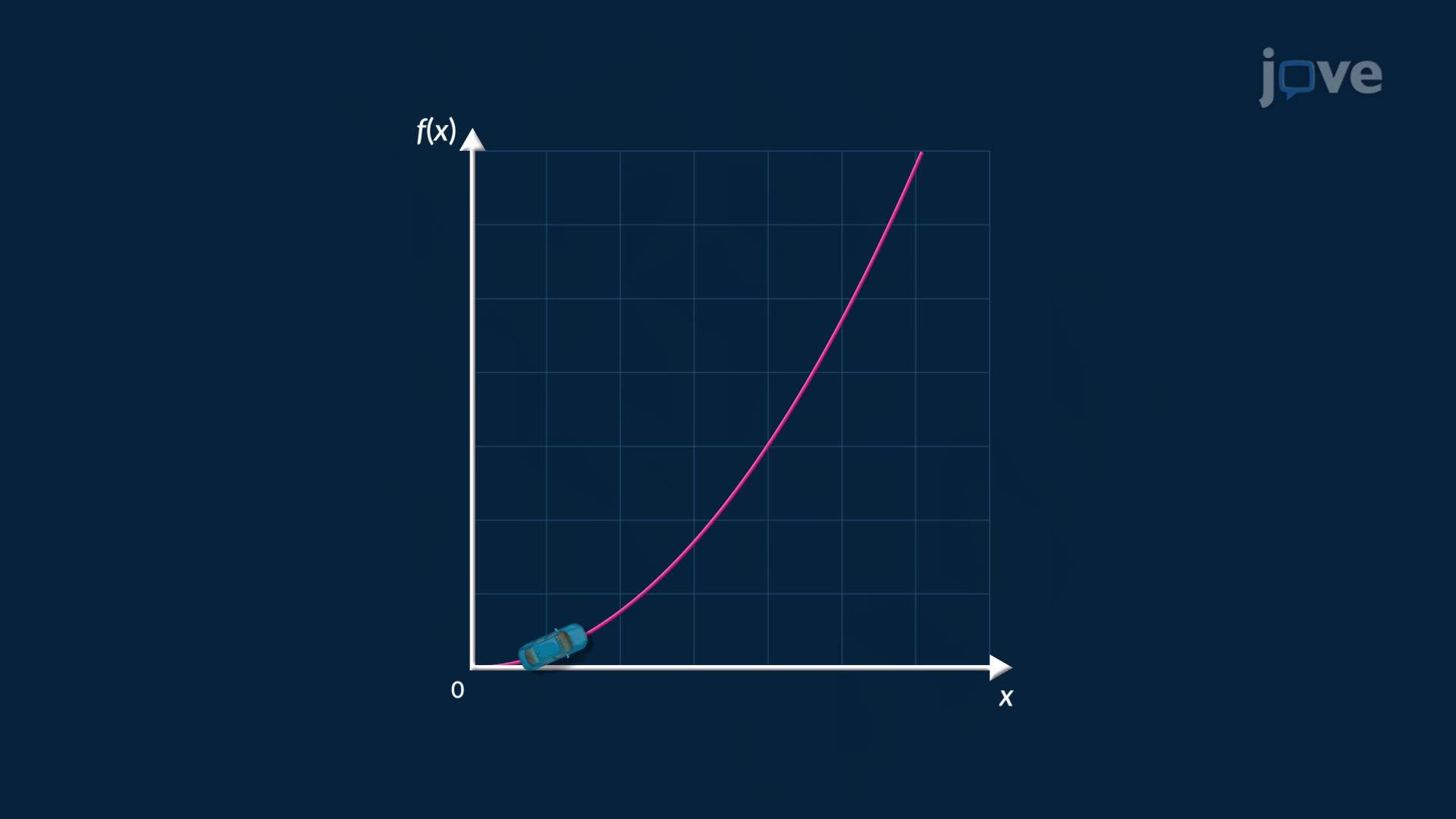
Imagine driving on a perfectly smooth highway versus hitting sudden potholes or gaps in the road—this everyday experience captures the essence of continuity of a function. In mathematics, continuous functions behave like smooth paths without breaks, jumps, or holes, while discontinuous functions create mathematical "roadblocks" where limits don't align. Consider how GPS navigation systems in US ride-sharing apps like Uber must calculate smooth, continuous routes to provide accurate arrival times. What is continuity of a function becomes crucial when analyzing everything from stock market trends to engineering designs. Watch the full video on JoVE Coach to master this concept with expert-led visuals and step-by-step explanations.
Continuity of a function represents one of calculus's most intuitive yet mathematically precise concepts. When mathematicians say a function is continuous at a point, they mean you can draw the function's graph at that location without lifting your pencil from the paper. This seemingly simple idea underpins advanced topics in calculus, differential equations, and real analysis.
For a continuity of a function definition to be complete, three conditions must simultaneously hold at any point x = c: 1. The function f(c) must be defined (no division by zero or undefined operations) 2. The limit of f(x) as x approaches c must exist 3. The limit must equal the actual function value: lim(x→c) f(x) = f(c)
US college students often encounter this definition in Calculus I courses, where professors emphasize that all three conditions are non-negotiable. Missing even one condition creates a discontinuity.
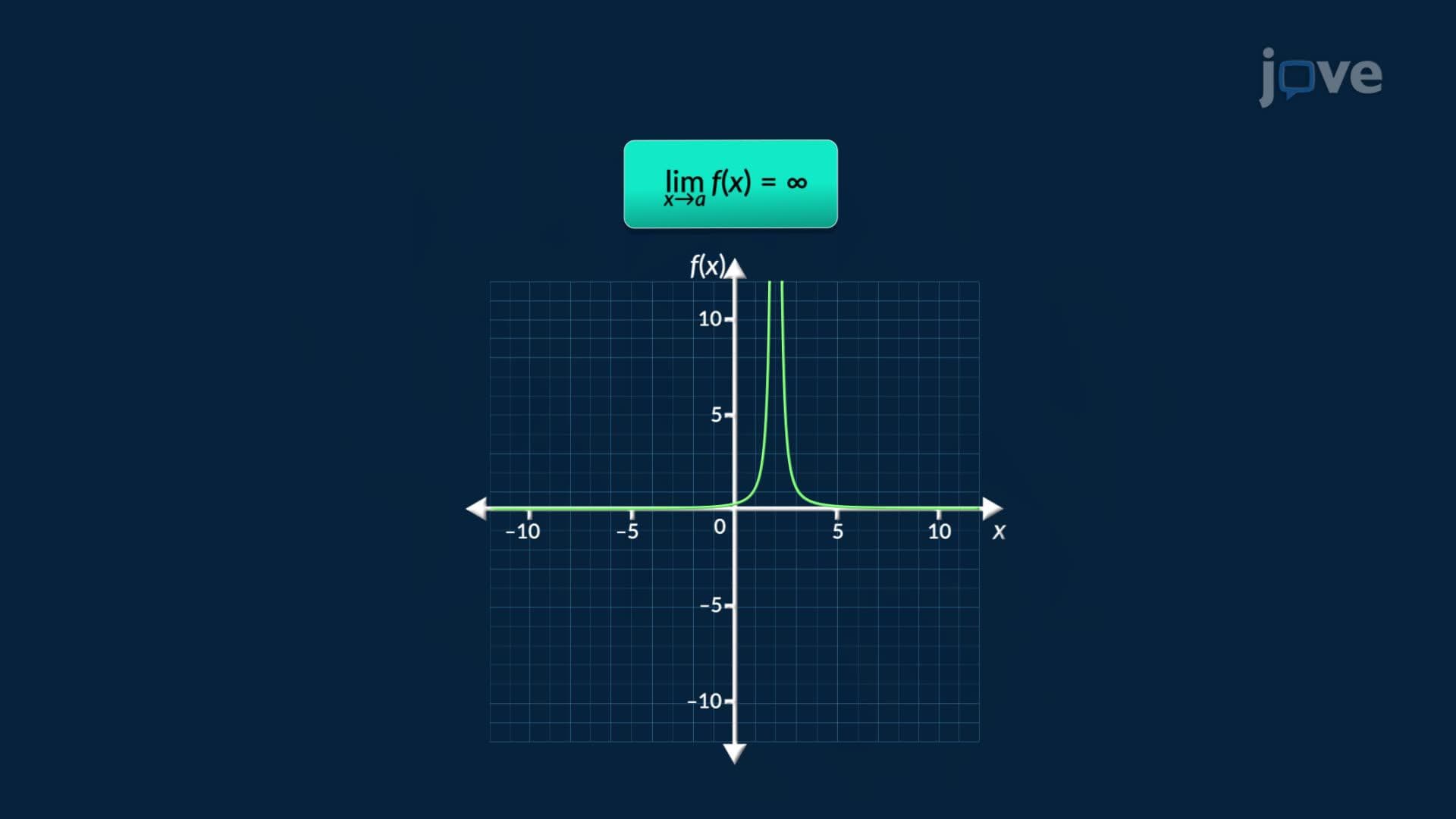
What is continuity of a function in detail becomes clearer when examining discontinuity types. Removable discontinuities occur when limits exist but don't match function values—imagine a single missing point that could be "filled in" to restore continuity. Jump discontinuities happen in piecewise functions where left and right limits exist but differ, creating sudden vertical leaps. Infinite discontinuities appear at vertical asymptotes where functions race toward positive or negative infinity.
AP Calculus students frequently see these concepts in free-response questions, particularly when analyzing rational functions or piecewise-defined scenarios. The College Board emphasizes graphical interpretation alongside algebraic verification.
Understanding continuity of a function proves essential across numerous American industries. Engineers designing roller coasters must ensure track curvature remains continuous to prevent dangerous jerks that could harm riders. NASA scientists modeling spacecraft trajectories require continuous functions to guarantee smooth orbital paths. Financial analysts use continuous models when predicting stock market trends, though real markets often exhibit jump discontinuities during major economic events.
Medical schools teaching pharmacokinetics rely heavily on continuous functions to model drug concentration curves in patient bloodstreams. The MCAT frequently tests these applications, expecting students to interpret continuous versus discontinuous biological processes.
Frequently Asked Questions
Continuity of a function means the graph has no breaks, holes, or jumps at a specific point. The function value and its limit must match exactly, creating a smooth, uninterrupted curve you could trace without lifting your pencil.
The AP Calculus exam tests continuity through graphical analysis, limit calculations, and piecewise function evaluation. Students must identify discontinuity types, verify continuity conditions algebraically, and determine where functions can be made continuous by redefining values.
College exams typically emphasize removable discontinuities (holes in graphs), jump discontinuities (sudden vertical leaps), and vertical asymptotes (infinite discontinuities). Students must classify these types and explain whether they can be "repaired."
The MCAT tests continuity concepts in biological contexts like enzyme kinetics, population dynamics, and pharmacokinetics. Recognizing continuous versus discontinuous biological processes helps answer quantitative reasoning questions involving mathematical modeling.
Continuity appears everywhere from roller coaster engineering ensuring smooth rides to GPS navigation calculating optimal routes. Financial modeling, medical device design, and aerospace engineering all require continuous mathematical functions for safety and accuracy.
While formal continuity definitions use limits from calculus, the basic concept builds on algebra and graphing skills from high school. Students with strong Algebra II and Pre-Calculus backgrounds can grasp continuity fundamentals before formal calculus study.
Focus on graphical interpretation first, then algebraic verification. Practice identifying discontinuity types visually, work through piecewise function examples, and connect mathematical definitions to real-world scenarios like motion along curved paths.
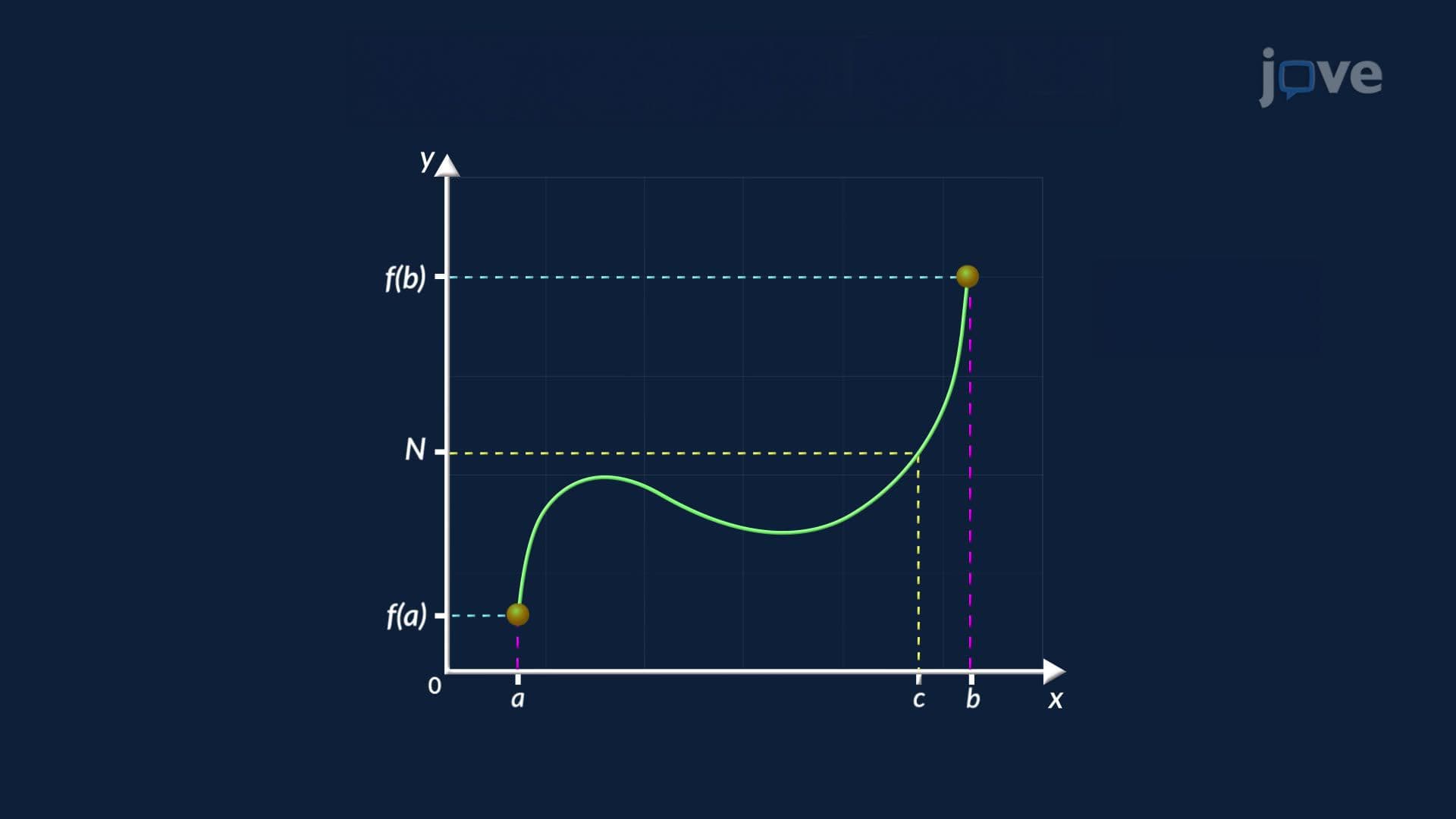
Continuity naturally leads to derivative concepts, since differentiability requires continuity. Study the Intermediate Value Theorem, then progress to limits, derivatives, and eventually the Fundamental Theorem of Calculus for comprehensive understanding.
Related Micro-courses


Related Subjects
 Physics 33 micro-courses›
 Statistics 17 micro-courses›