Loading subject page…
- Math Fundamentals
- Limits
- Tangent to a Curve
Micro-course: Limits
651 views
Learn key concepts and earn your certificate.









Tangent to a Curve

00:00
01:30
Video Summary: What Is Tangent to a Curve
Ever wondered how engineers calculate the exact rate at which a rocket accelerates at liftoff? The tangent to a curve reveals the instantaneous rate of change at any single point, making it essential for understanding motion, growth, and change. For instance, NASA engineers use tangent lines to determine precise velocity changes during shuttle launches. What is tangent to a curve becomes clearer when you see how a secant line's slope approaches a limiting value as two points converge into one. Watch the full video on JoVE Coach to master this concept with expert-led visuals and step-by-step explanations.
- Understand what is tangent to a curve and how it represents instantaneous rate of change at a specific point
- Identify the relationship between secant lines and tangent lines through limiting processes
- Analyze how the slope of a secant line approaches the slope of a tangent line as two points converge
- Apply the point-slope formula to write equations of tangent lines using calculated slopes
- Recognize tangent lines as touching curves at exactly one point without crossing through
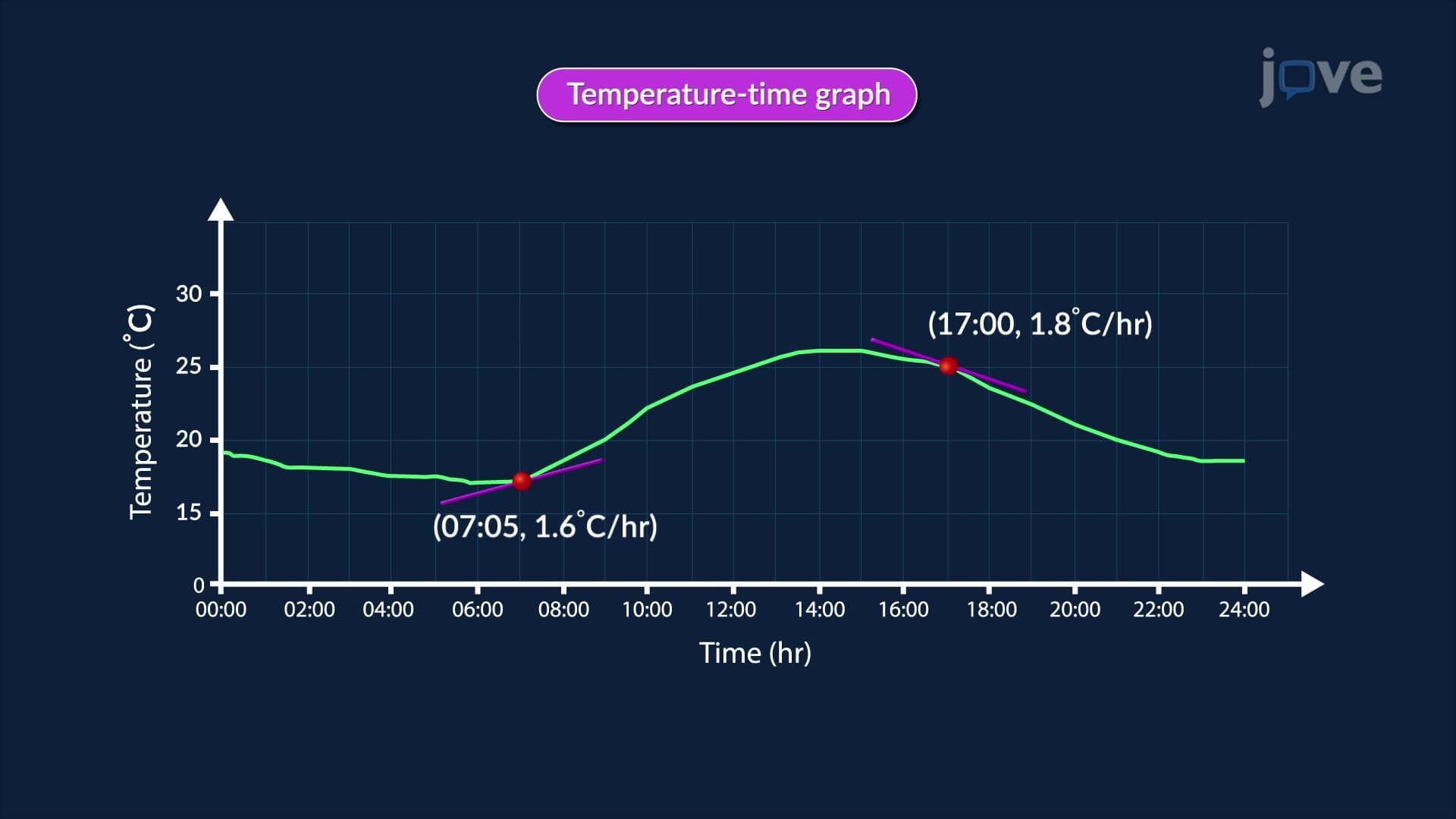
- Evaluate real-world scenarios where tangent slopes indicate rates of change, such as temperature or velocity
- Compare secant and tangent line behaviors in graphical representations
- Explore the geometric interpretation of derivatives through tangent line visualization
Understanding What is Tangent To A Curve: The Foundation
A tangent to a curve represents the straight line that touches the curve at exactly one point and has the same slope as the curve at that precise location. Unlike secant lines that connect two distinct points, a tangent line captures the instantaneous behavior of the curve at a single moment. This concept forms the geometric foundation of differential calculus and appears frequently in AP Calculus AB/BC exams and college-level mathematics courses.
The tangent to a curve definition emerges from a limiting process involving secant lines. When you select two points on a curve and draw a line connecting them, you create a secant line whose slope represents the average rate of change between those points. As the second point slides closer to the first point, the secant line's slope approaches a specific limiting value-this becomes the slope of the tangent line.
The Mathematical Process: From Secant to Tangent
Understanding tangent to a curve requires mastering the transition from secant to tangent lines. Consider the function f(x) = x². At the point where x = 2, the curve reaches a height of 4, giving us the coordinate (2, 4). When we select a nearby point and calculate the secant line's slope using the slope formula (change in y over change in x), we get an expression that simplifies as the two points approach each other.
This limiting process, fundamental to calculus, shows how discrete measurements evolve into continuous rates of change. The tangent to a curve concept appears in SAT Subject Tests and forms the basis for derivative calculations in college mathematics programs across universities like MIT, Stanford, and state university systems.
Real-World Applications and Exam Relevance
The tangent to a curve overview extends far beyond theoretical mathematics into practical applications. Automotive engineers use tangent line slopes to design optimal acceleration curves for vehicles. Financial analysts apply these concepts to determine instantaneous rates of return in investment portfolios. Medical researchers utilize tangent slopes to analyze drug concentration curves in pharmacokinetic studies.
In academic settings, this tangent to a curve study guide material appears consistently in Advanced Placement exams, college entrance assessments, and university calculus courses. Students encounter tangent line problems in physics when analyzing motion graphs, in economics when studying marginal cost curves, and in biology when examining population growth models.
Practical Problem-Solving Strategies
Mastering what is tangent to a curve in detail involves recognizing the geometric and algebraic components working together. The point-slope form (y - y₁ = m(x - x₁)) provides the standard method for writing tangent line equations once you determine the slope through limiting processes or derivative calculations.
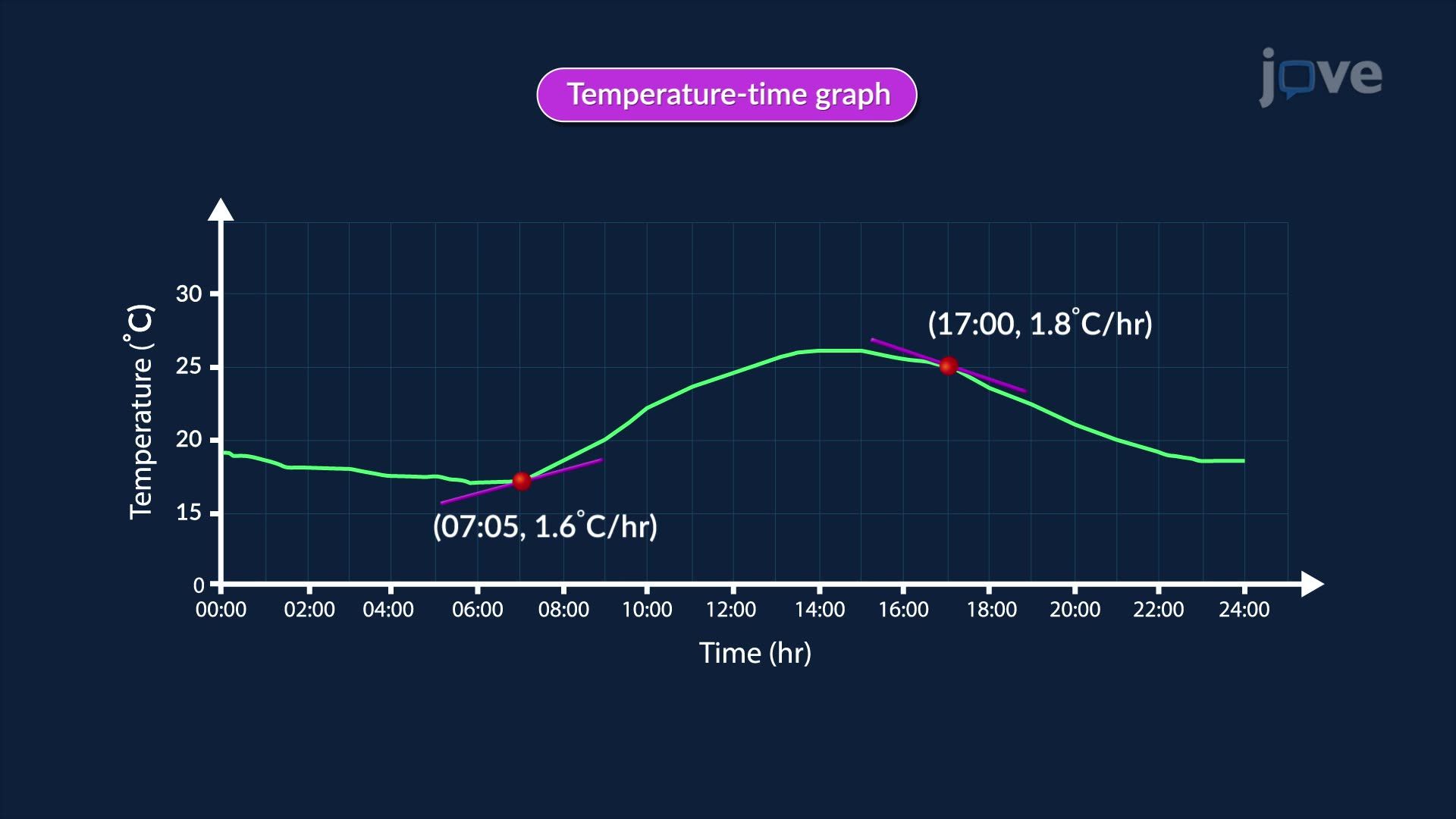
Temperature-time graphs offer intuitive examples where tangent slopes indicate whether temperatures rise or fall at specific moments. This tangent to a basics understanding helps students visualize abstract mathematical concepts through familiar, observable phenomena like weather patterns or cooking temperatures.
Frequently Asked Questions
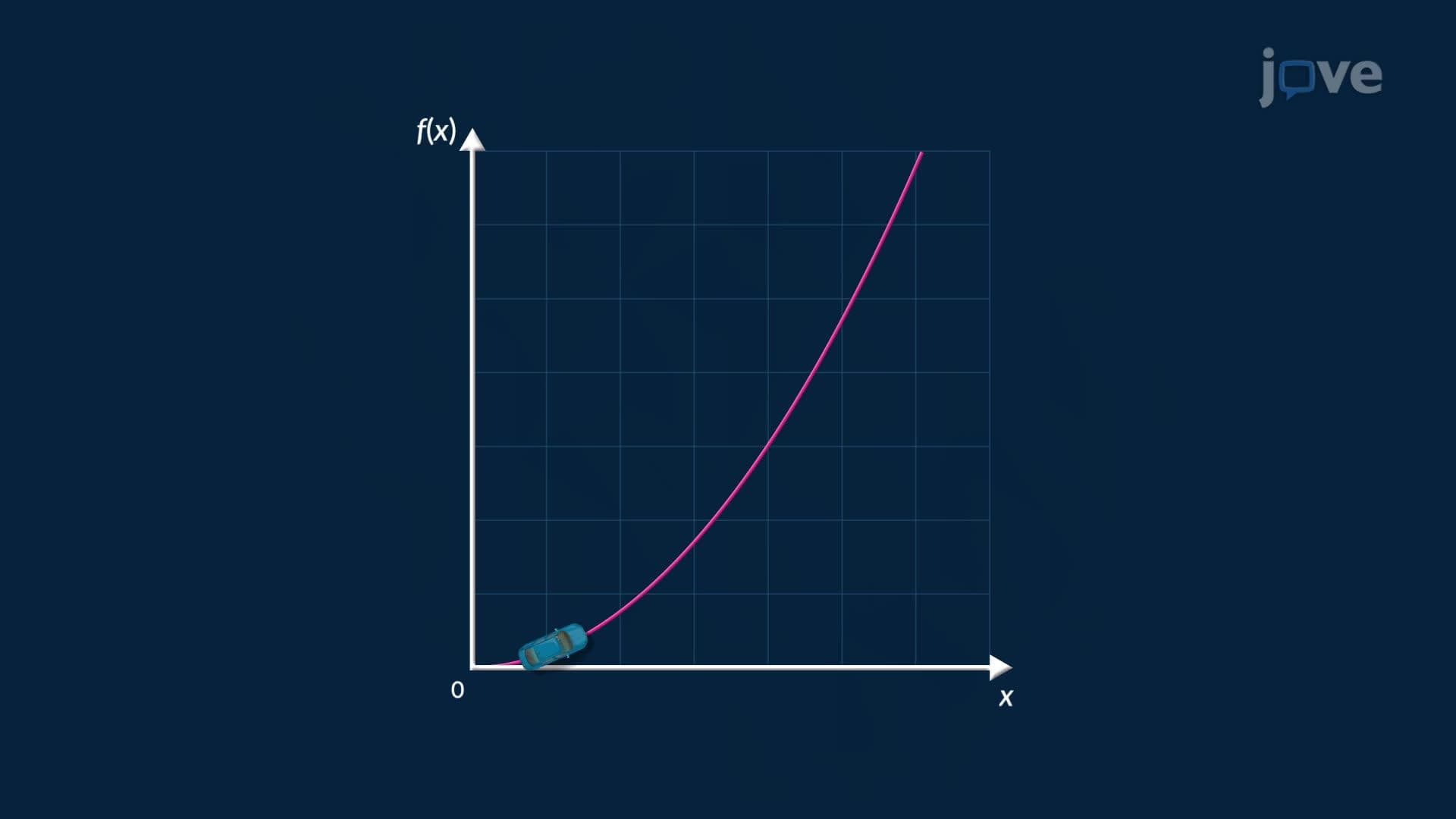
A tangent to a curve is a straight line that touches the curve at exactly one point and has the same slope as the curve at that point. It represents the instantaneous rate of change and direction of the curve at that specific location. Think of it as the path a car would follow if it suddenly left a curved road at that exact moment.
Understanding tangent lines is fundamental for AP Calculus AB and BC exams since they introduce derivative concepts geometrically. The College Board frequently tests tangent line equations, slopes, and interpretations in both multiple-choice and free-response sections. This concept connects limits, derivatives, and graphical analysis-three major exam topics.
College calculus exams typically include finding tangent line equations at specific points, determining where tangent lines are horizontal or vertical, and interpreting tangent slopes in applied contexts. Students encounter problems involving polynomial functions, trigonometric curves, and exponential functions. Many universities also test tangent line applications in related rates and optimization problems.
NASA engineers use tangent line slopes to calculate instantaneous velocity changes during rocket launches and spacecraft trajectory adjustments. Automotive engineers apply these concepts when designing acceleration profiles for electric vehicles to optimize battery efficiency. Civil engineers utilize tangent slopes when designing highway curves and bridge approaches for safe vehicle transitions.
Most students find tangent concepts manageable with proper foundation in algebra and basic graphing skills. The geometric visualization makes the concept intuitive-students can see how secant lines approach tangent lines. Starting with simple functions like parabolas helps build confidence before tackling more complex curves in advanced courses.
Practice drawing secant and tangent lines by hand to develop geometric intuition, then focus on algebraic calculations using the limiting process. Work through problems involving different function types systematically, and always verify your tangent line equations by checking that they pass through the given point. Create a formula sheet with point-slope form and common derivative rules for quick reference.
Tangent lines emerge from limit processes where secant line slopes approach specific values as two points converge. This connection makes tangents the geometric interpretation of derivatives-the fundamental concept linking algebra and calculus. Understanding this relationship prepares students for advanced topics like differential equations and multivariable calculus in university mathematics programs.
Students should progress to derivative rules (power, product, quotient, and chain rules), then explore applications like related rates, optimization problems, and curve sketching. Advanced topics include implicit differentiation, parametric equations, and polar coordinate systems. These concepts build naturally on tangent line foundations and appear in calculus II and III courses.
Related Micro-courses

14 Concepts
8 Concepts

14 Concepts