Loading video…

 15 Concepts
 651 views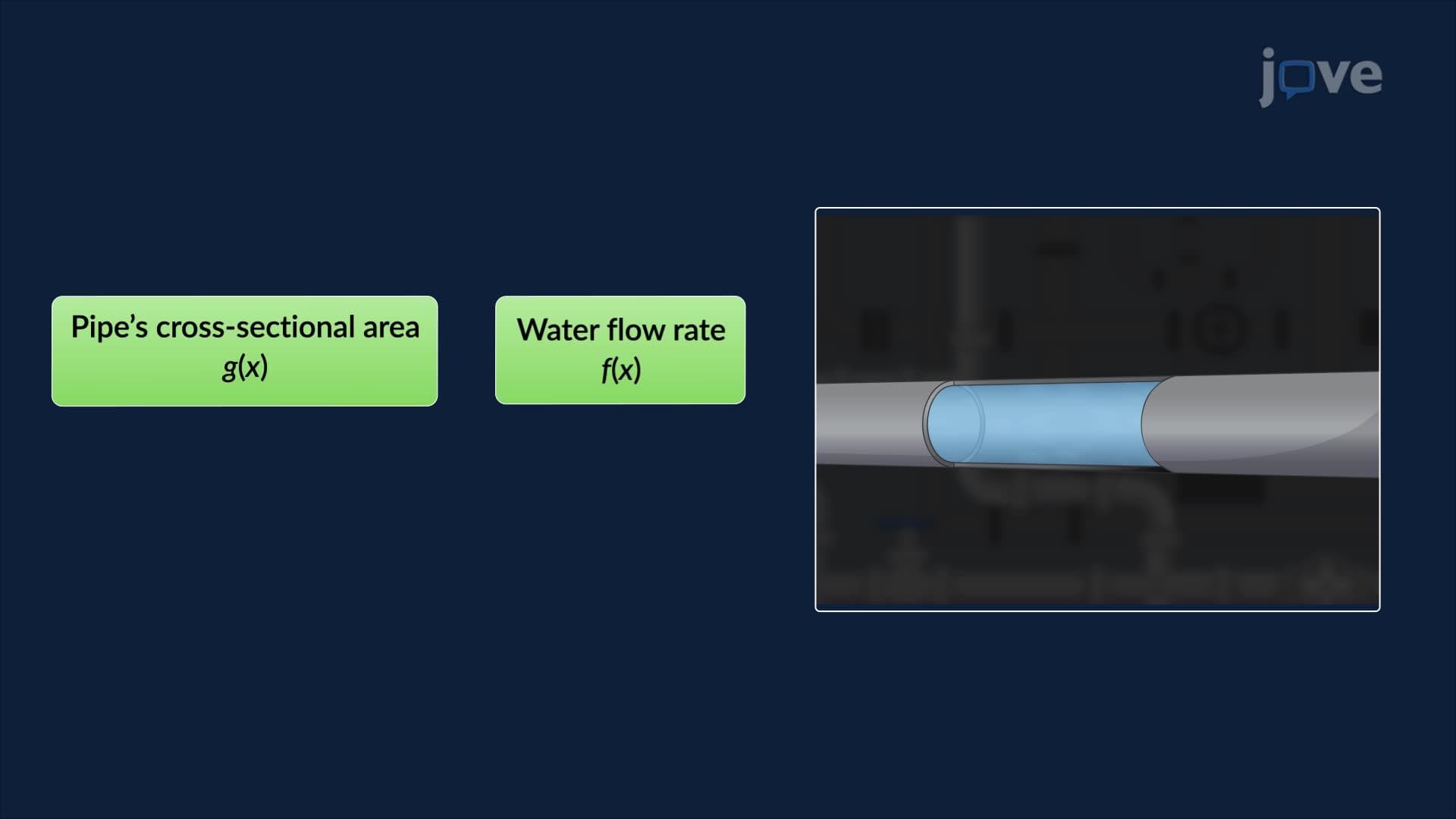

Video Summary: What are Properties of Continuous Functions
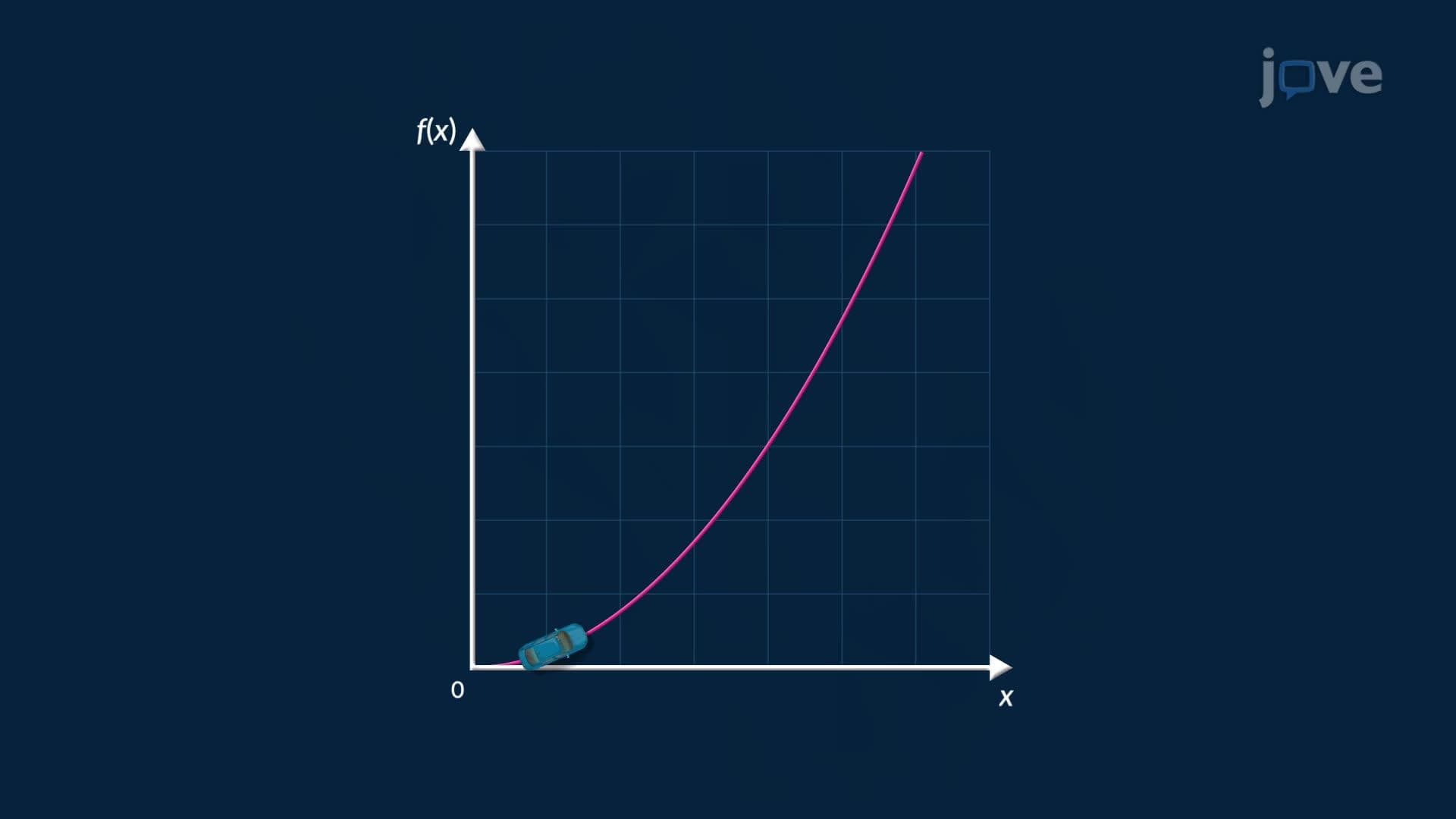
Ever wondered why your smartphone's GPS can smoothly track your location without sudden jumps? The properties of continuous functions explain this seamless behavior in mathematical terms. These functions create unbroken curves without gaps, and when combined through addition, subtraction, or multiplication, they preserve their smooth nature. Consider how a NASCAR driver's speed changes gradually around curves at Daytona International Speedway-this represents continuity in action. Understanding what are properties of continuous functions reveals how mathematical operations maintain smoothness in real-world applications. Watch the full video on JoVE Coach to master this concept with expert-led visuals and step-by-step explanations.
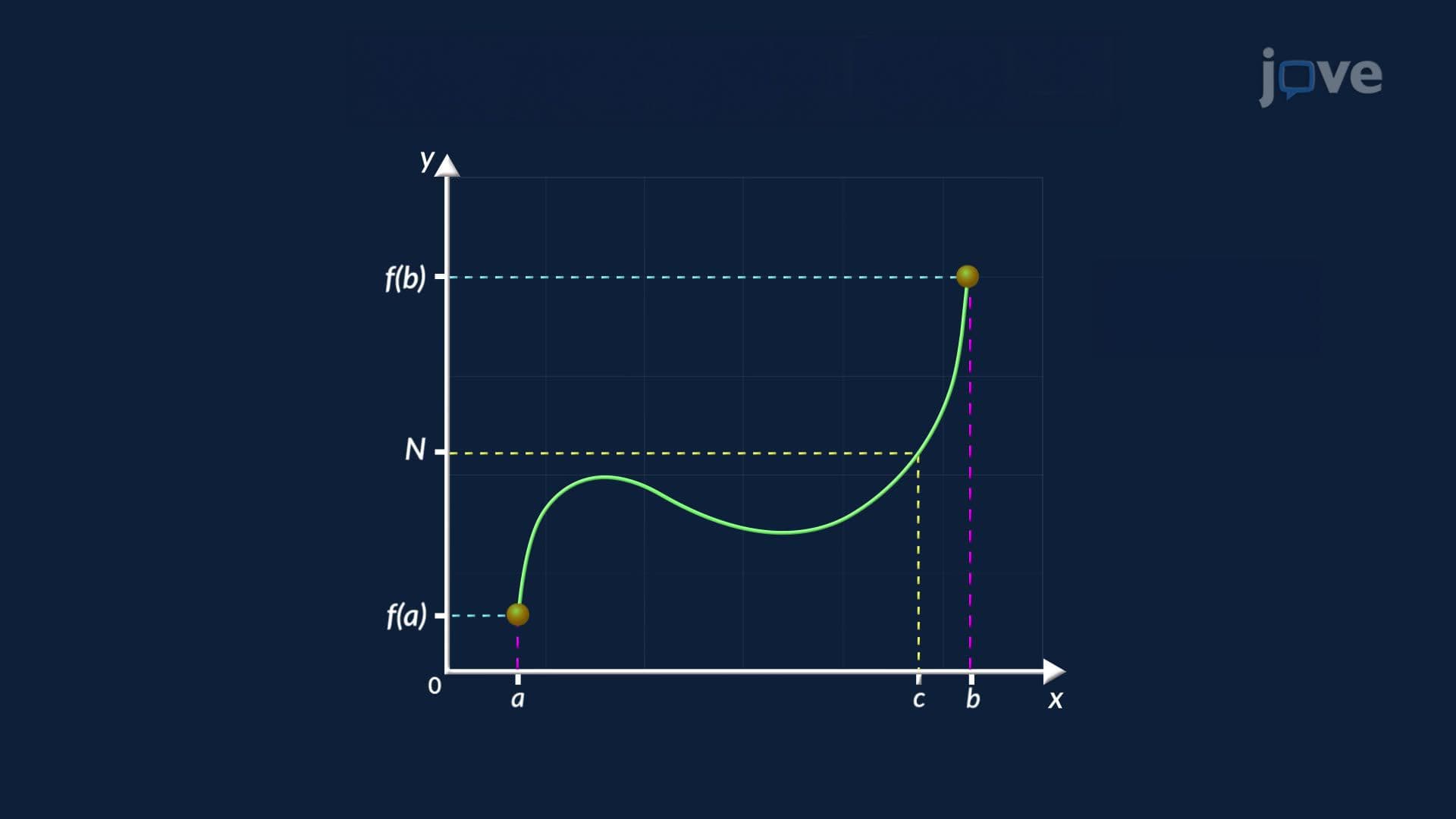
The properties of continuous functions form a cornerstone of calculus and advanced mathematics, describing how functions behave without breaks, jumps, or holes in their graphs. A continuous function over its domain creates a smooth curve that you could draw without lifting your pencil from paper. This fundamental concept appears throughout AP Calculus courses and college-level mathematics, making it essential for students preparing for standardized tests like the AP Calculus AB and BC exams.
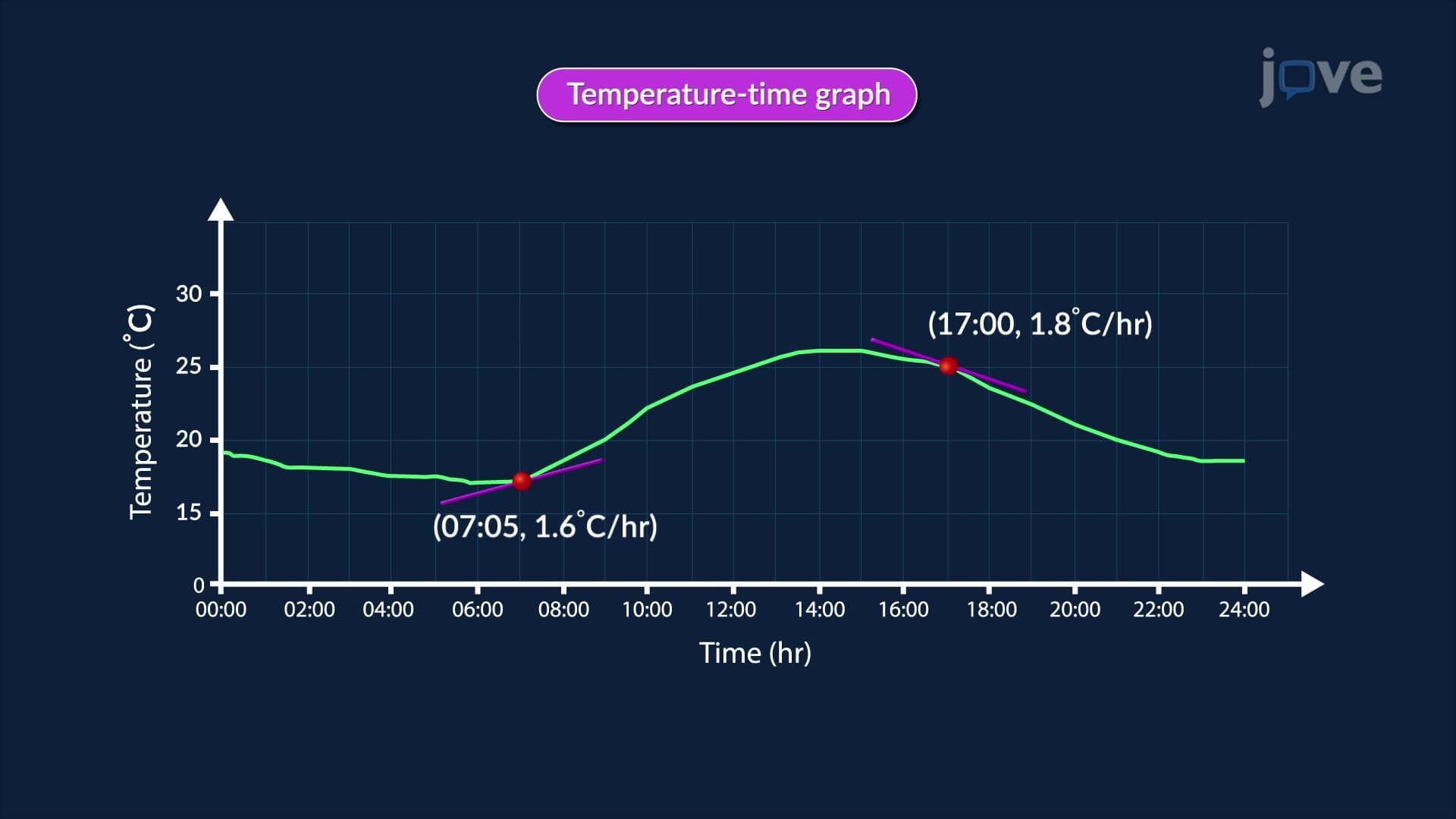
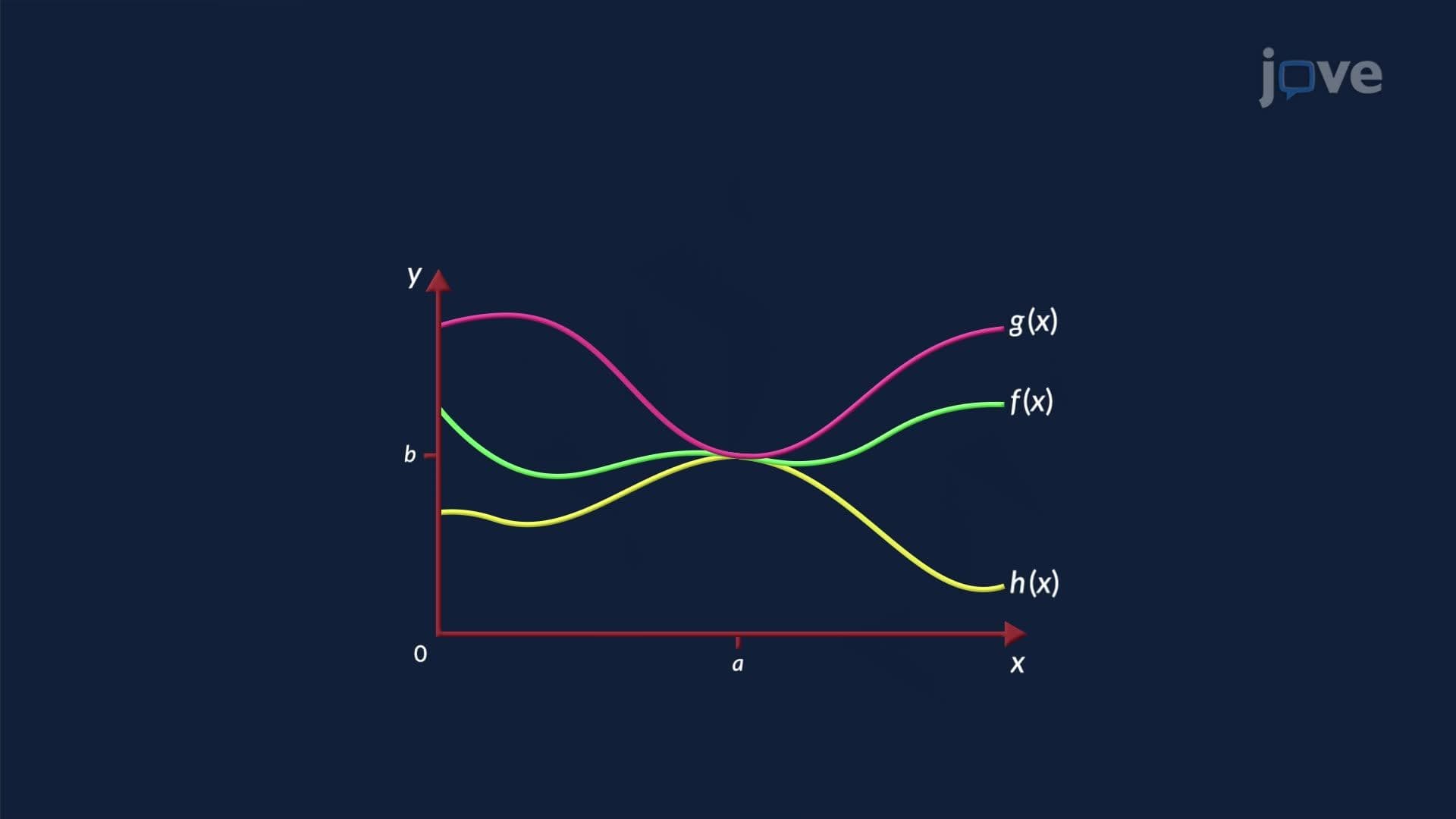
When working with continuous functions, most algebraic operations preserve the types of properties of continuous functions we value. If f(x) and g(x) are both continuous over a domain, then their sum f(x) + g(x), difference f(x) - g(x), and product f(x) × g(x) all remain continuous. Consider the temperature variation throughout a day in Phoenix, Arizona-if both the base temperature and humidity-adjusted "feels like" temperature change continuously, their sum also varies smoothly.
This preservation principle extends to scalar multiplication as well. If you multiply a continuous function by any constant, the result stays continuous. For instance, converting Fahrenheit to Celsius involves multiplying by 5/9 and adding a constant-since temperature changes continuously, the converted values do too.
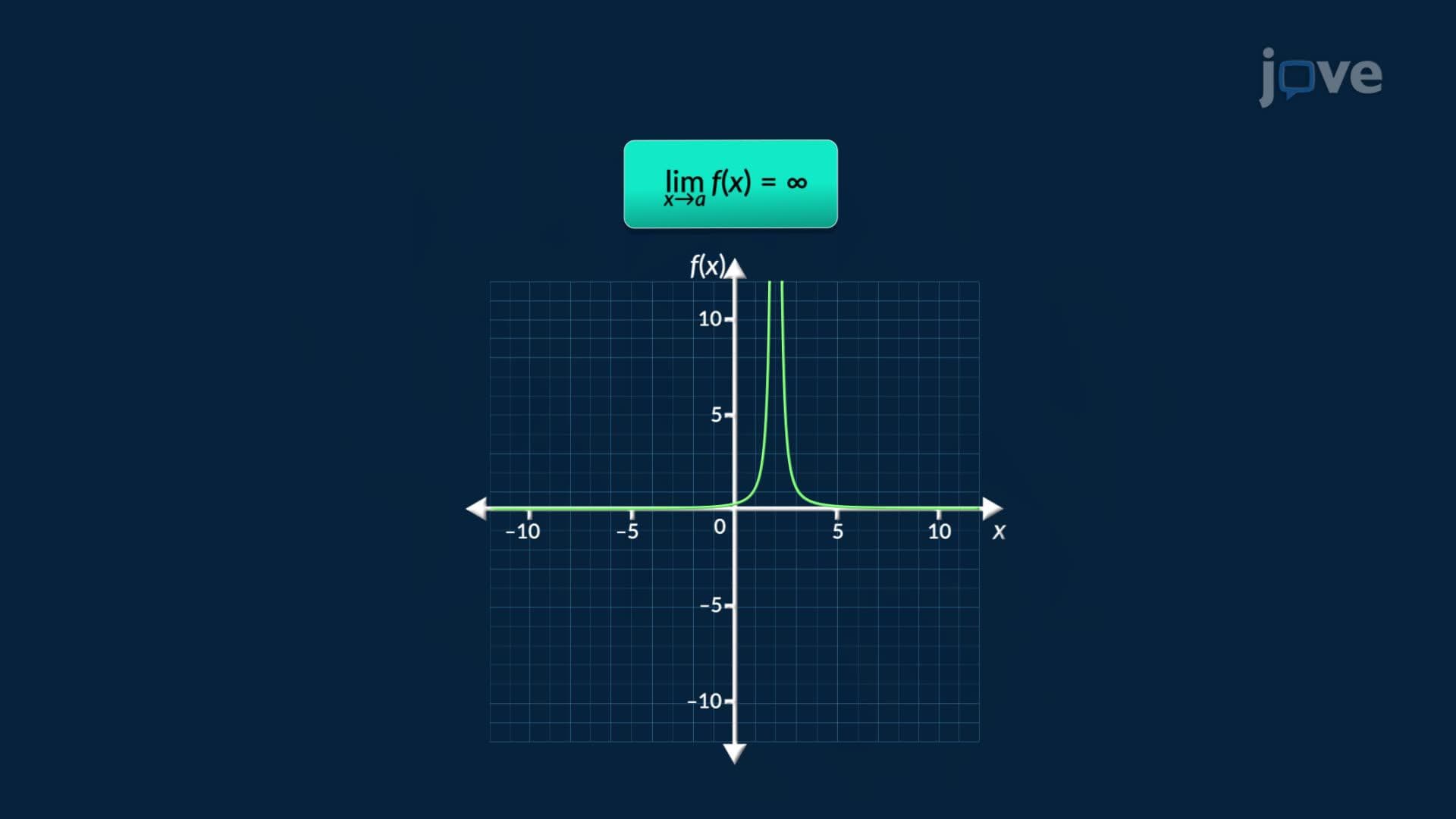
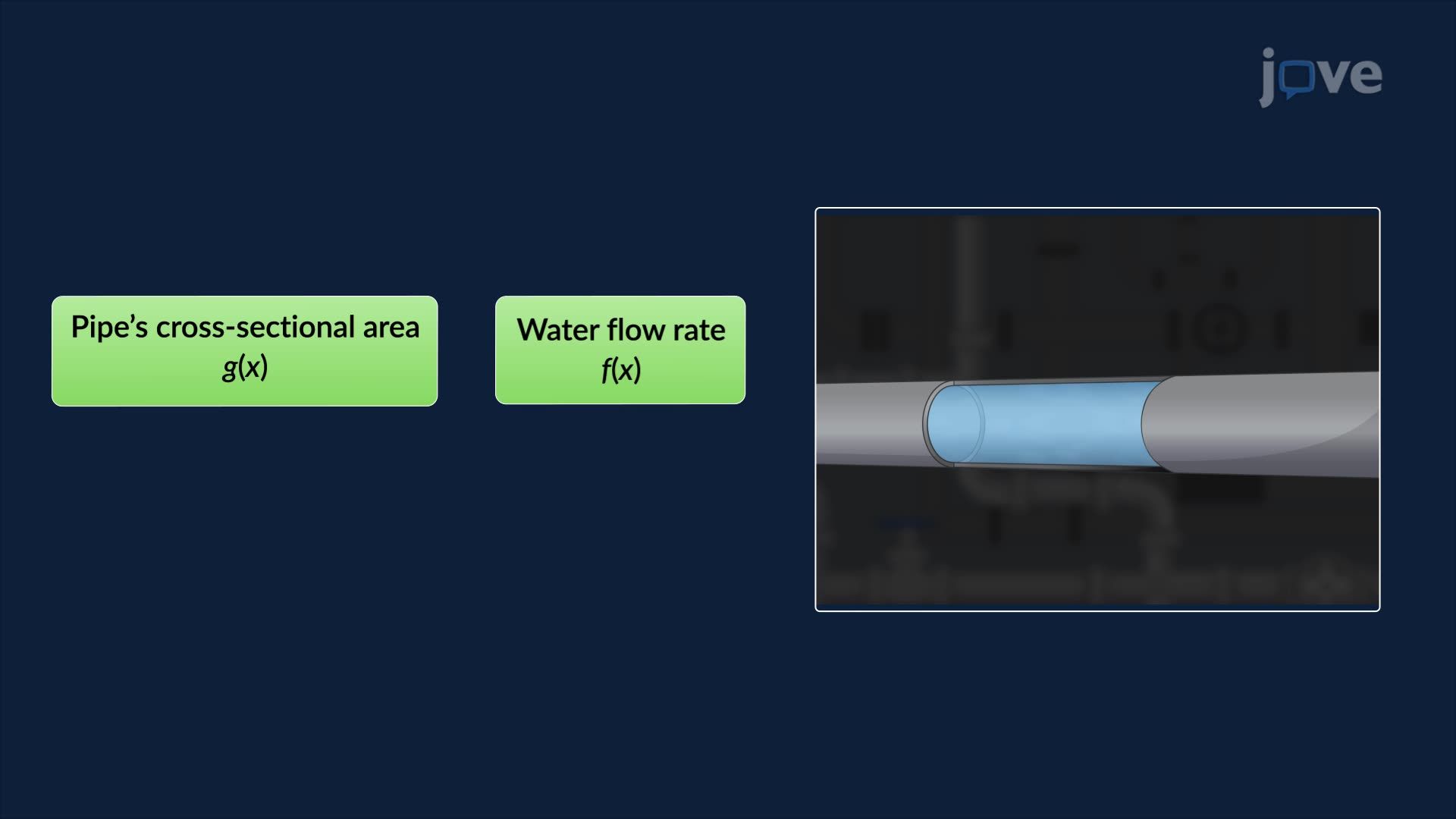
Division presents unique challenges in the properties of continuous functions overview. While f(x)/g(x) can remain continuous when both f(x) and g(x) are continuous, problems arise wherever g(x) equals zero. These points create discontinuities, forming vertical asymptotes or holes in the graph.
Consider calculating fuel efficiency for vehicles on Interstate 95. If f(x) represents miles traveled and g(x) represents gallons consumed, both functions are typically continuous. However, at moments when fuel consumption temporarily reaches zero (perhaps during coasting), the efficiency ratio f(x)/g(x) becomes undefined, creating a discontinuity.
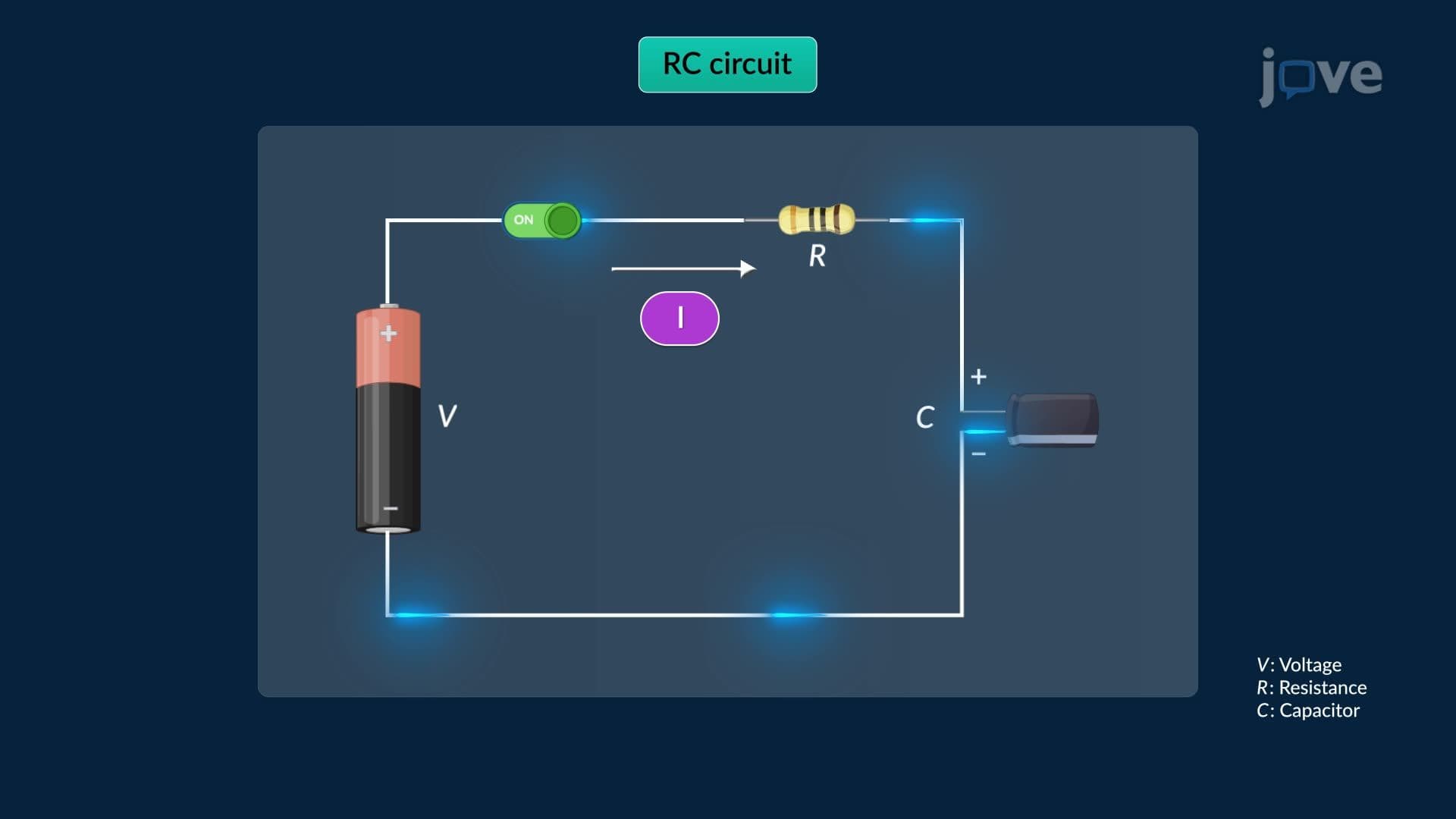
The properties of continuous functions concept appears frequently in engineering and physics applications across American universities. Electrical engineers rely on continuity when analyzing circuit behavior, while mechanical engineers use these principles to model stress distributions in bridges and buildings. Students preparing for the MCAT encounter continuity in physiology, where blood pressure and heart rate change smoothly under normal conditions.
Understanding these properties proves crucial for success in college calculus courses and professional engineering programs, forming the foundation for more advanced topics like differential equations and complex analysis.
Related Micro-courses