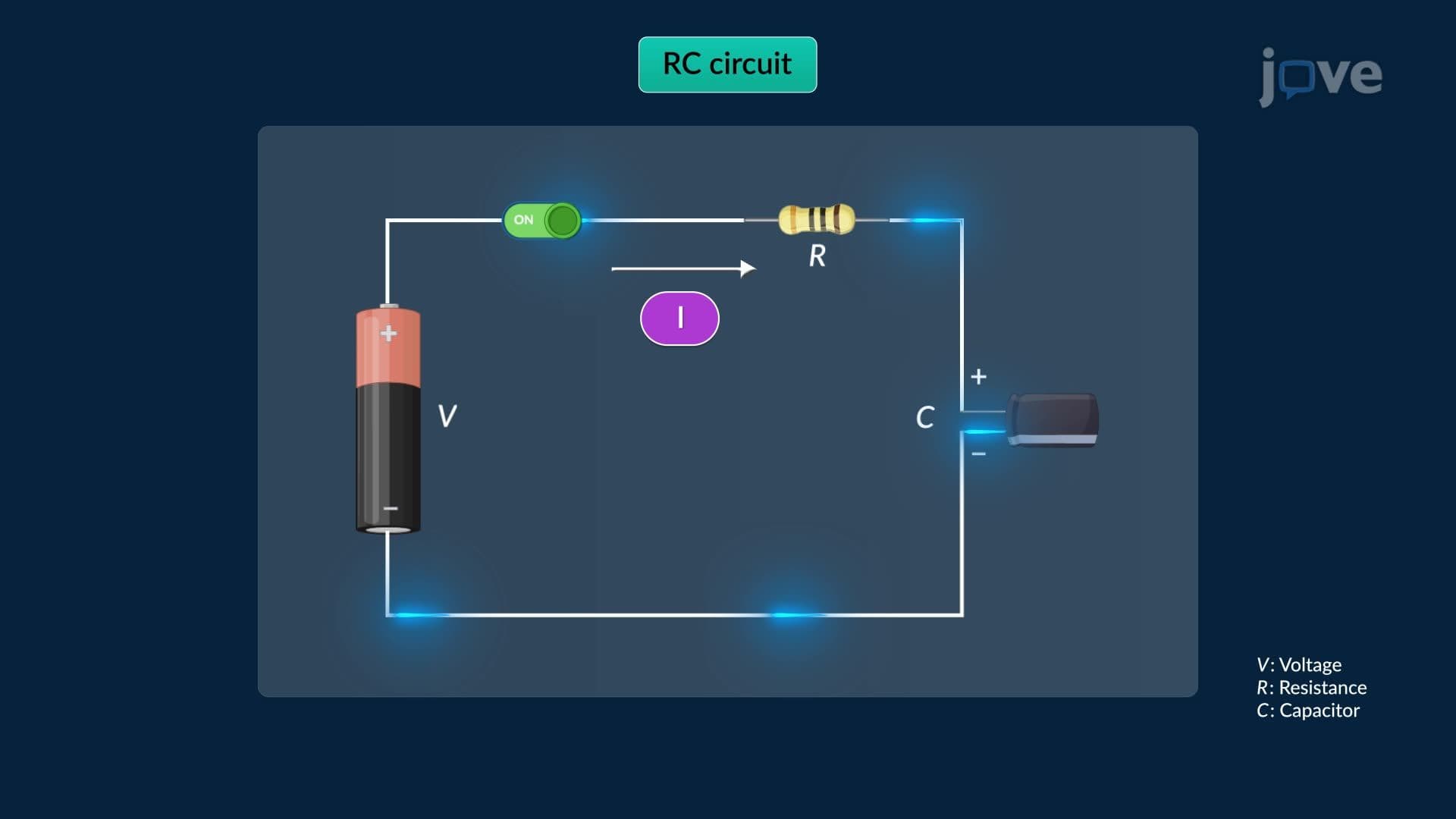
Loading video…

 15 Concepts
 651 views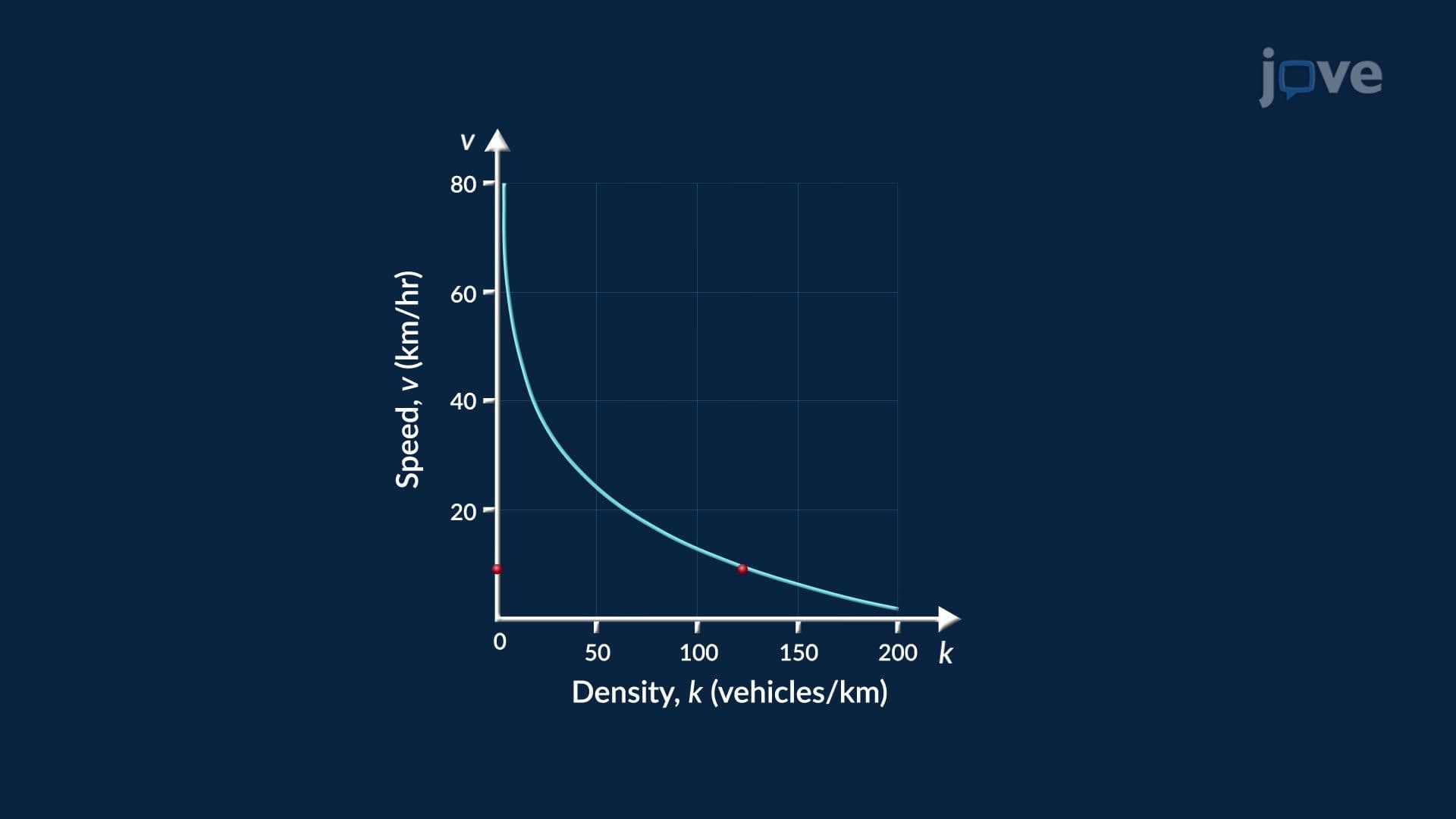

Video Summary: What Is Limits
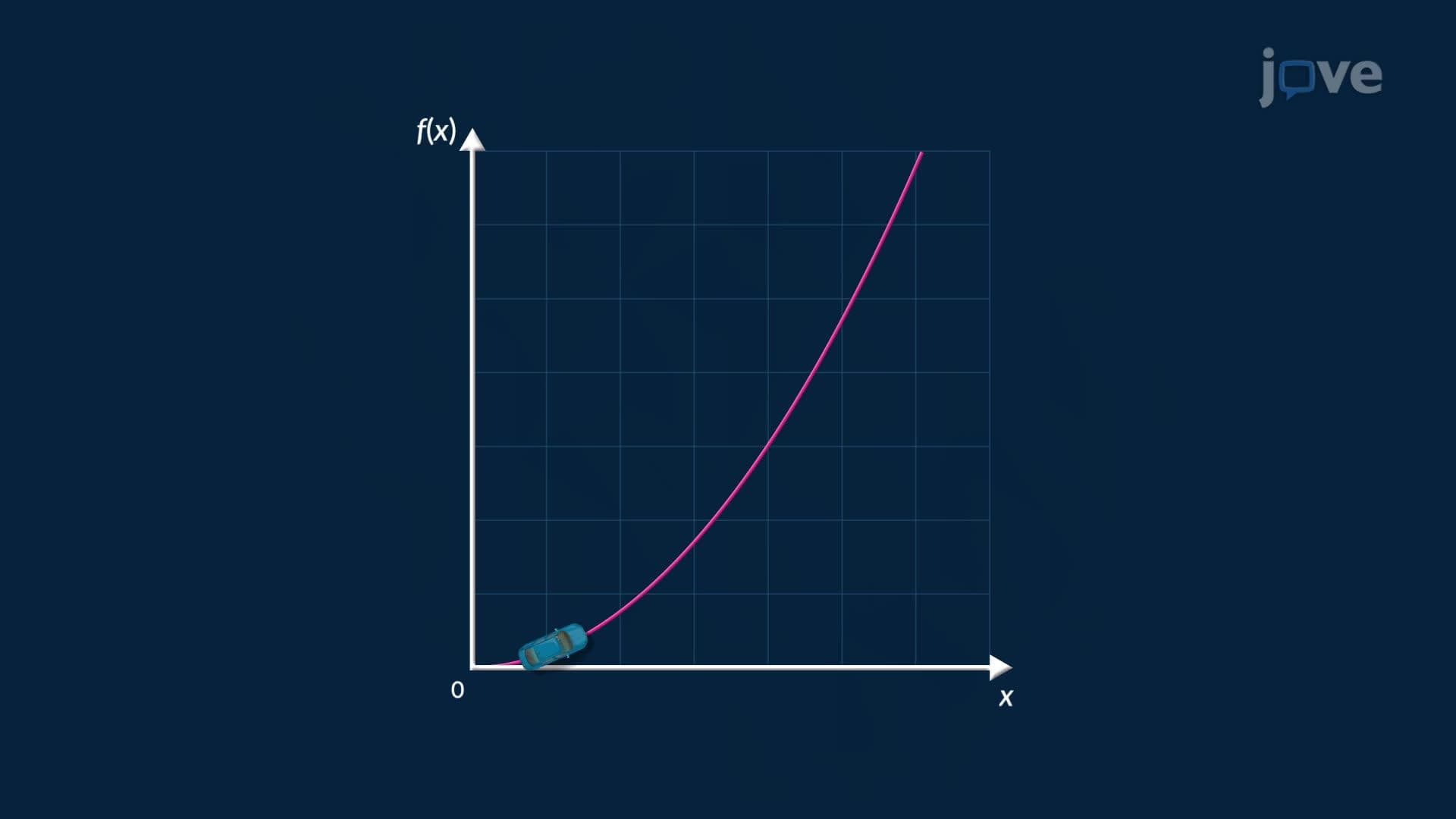
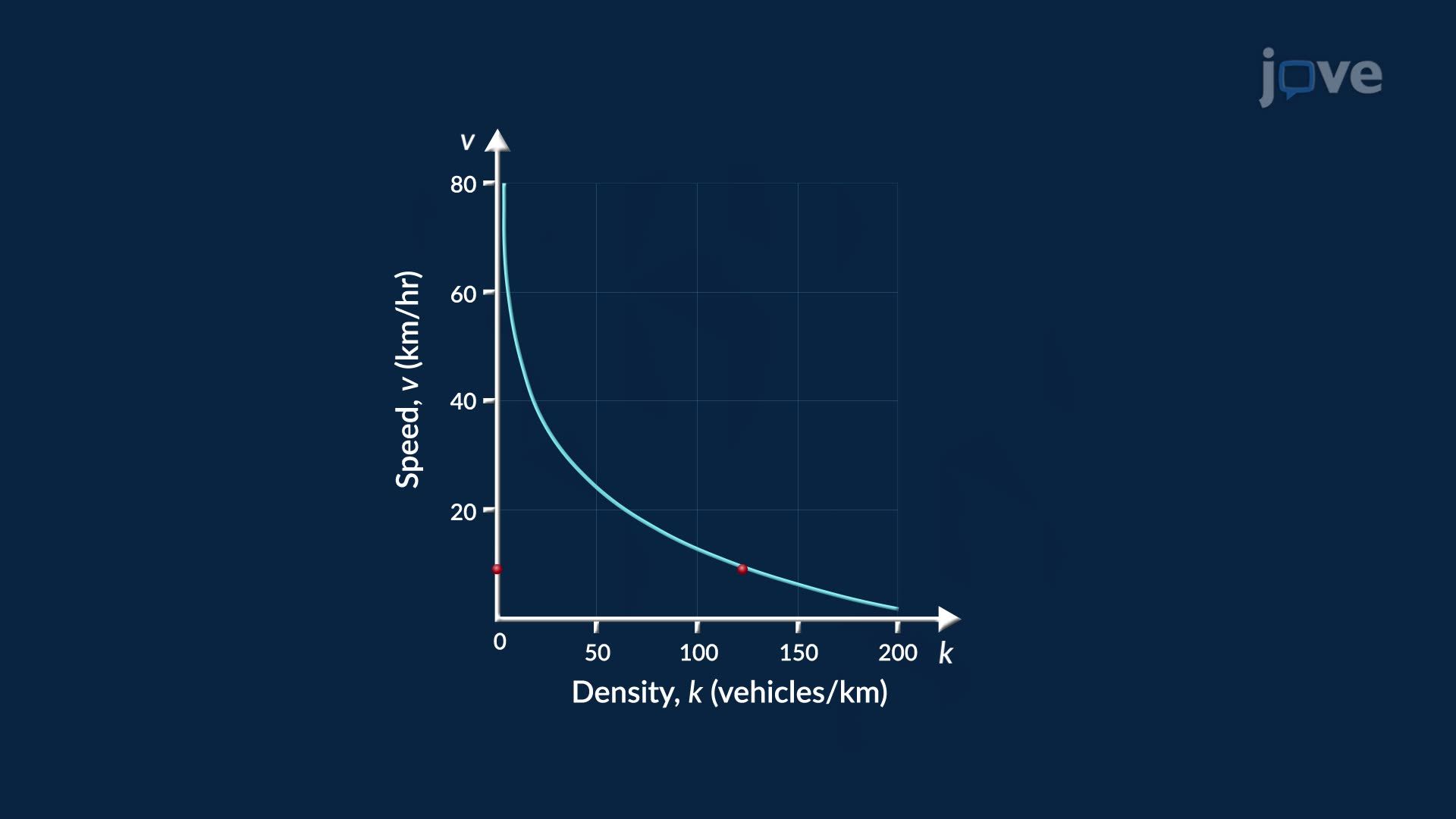
Ever wondered why highway traffic slows to a crawl during rush hour but never completely stops? Limits describe how mathematical functions behave as inputs approach specific values, even when those exact values can't be reached. Like vehicles on Interstate 95 approaching gridlock speeds near zero during peak traffic, limits help us understand what happens at the "edge" of mathematical behavior. This fundamental calculus concept bridges algebra and advanced mathematics, making complex relationships understandable through real-world scenarios. Watch the full video on JoVE Coach to master this concept with expert-led visuals and step-by-step explanations.
Limits represent one of calculus's most fundamental concepts, describing the value that a function approaches as its input gets arbitrarily close to a particular point. Unlike simple substitution, limits allow mathematicians to analyze function behavior even when direct calculation is impossible or undefined. This concept bridges the gap between algebraic thinking and the sophisticated analysis required for calculus, making it essential for students progressing from Algebra 2 to AP Calculus.
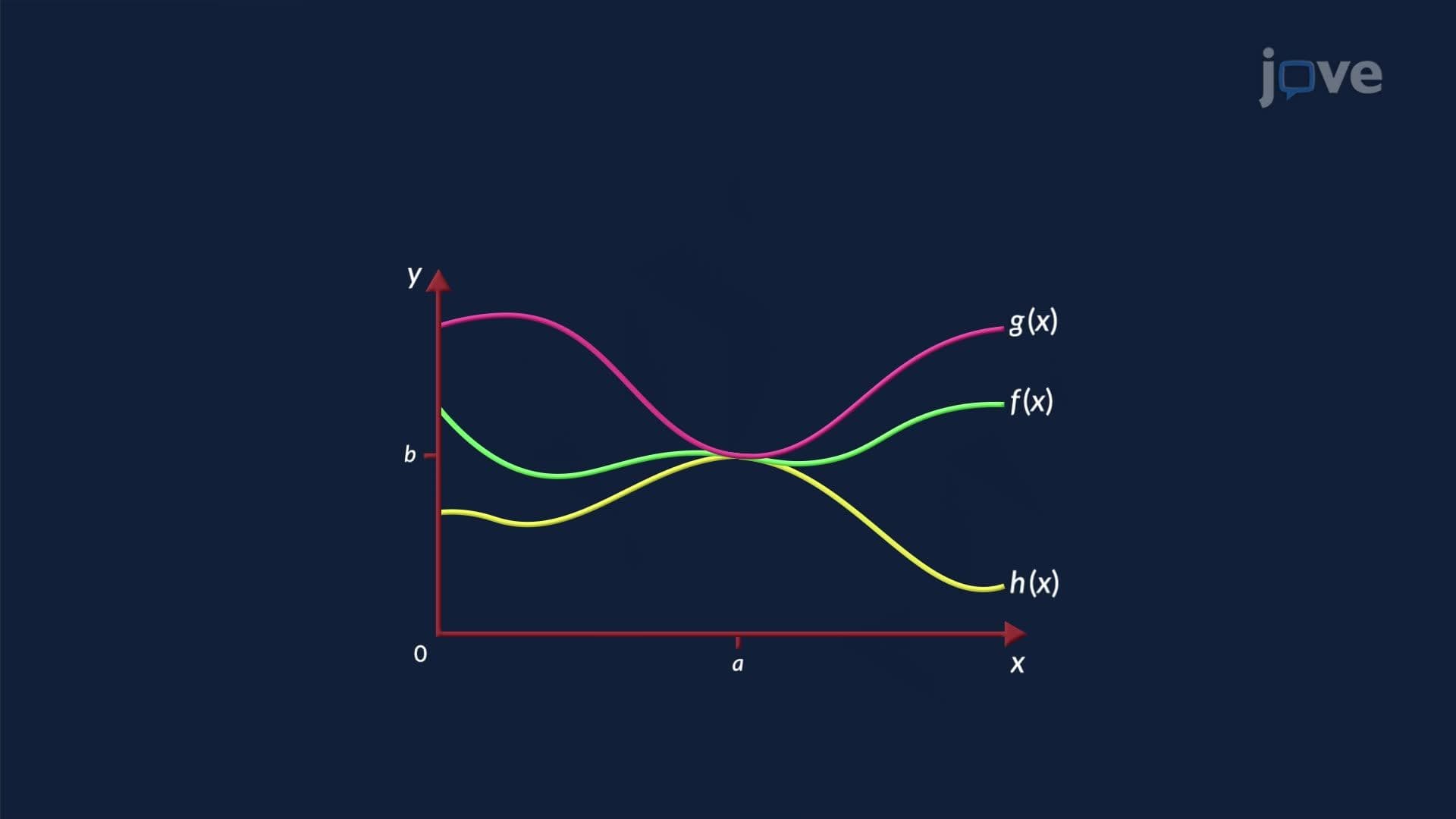
The limits definition involves examining what happens to function outputs as inputs approach-but don't necessarily reach-a target value. Mathematically, we write this as "the limit of f(x) as x approaches a equals L," meaning f(x) gets arbitrarily close to L when x gets sufficiently close to a. This precise language distinguishes limits from simple function evaluation, addressing scenarios where functions might be undefined at specific points but still exhibit predictable behavior nearby.
Understanding what is limits in detail extends far beyond academic exercises. Consider how pharmaceutical companies model drug concentration in bloodstreams-the concentration approaches zero over time but never completely disappears. Similarly, economists use limits to model market saturation, where sales growth approaches a maximum threshold. These applications appear frequently on AP Calculus exams and college placement tests, where students must interpret limit behavior in context.
Engineering students encounter limits when analyzing circuit behavior, population dynamics, and optimization problems. The traffic flow example from the transcript-where speed approaches zero as vehicle density increases-mirrors real Highway Traffic Safety Administration models used for interstate planning. Such practical connections help students grasp why limits matter beyond classroom calculations.
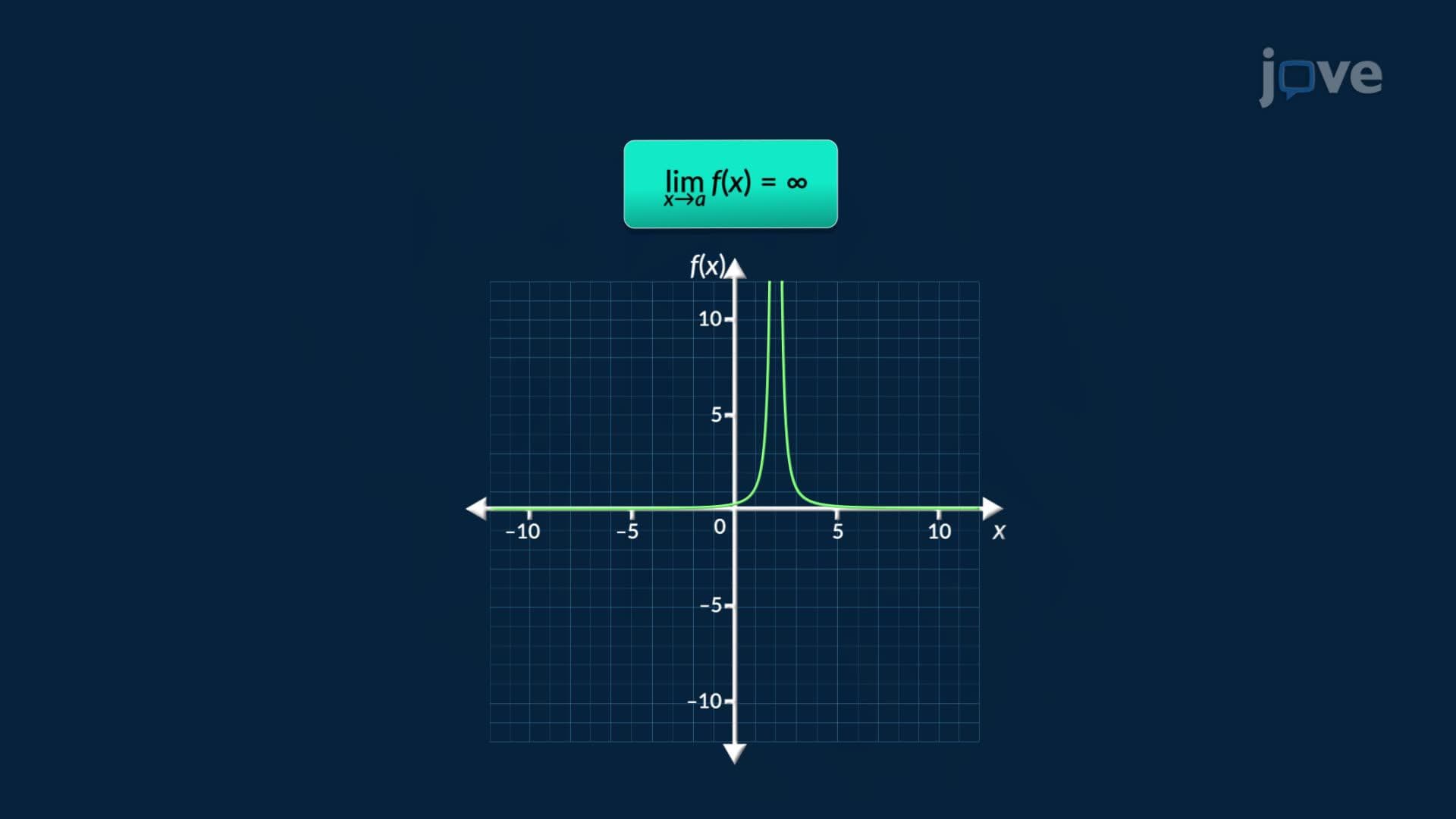
Students preparing for standardized tests like the SAT Math Level 2 or AP Calculus AB/BC should focus on graphical interpretation alongside algebraic manipulation. Common limit types include removable discontinuities (holes in graphs), vertical asymptotes (where functions approach infinity), and horizontal asymptotes (end behavior). Practice problems often involve rational functions, trigonometric limits, and piece-wise defined functions-all scenarios where understanding the limits concept proves crucial for success.
Related Micro-courses