Loading subject page…

- Math Fundamentals
- Limits
- Velocity of an Object
Micro-course: Limits
651 views
Learn key concepts and earn your certificate.






Velocity of an Object


00:00
01:18
Video Summary: What Is Velocity of an Object
Did you know a NASCAR driver traveling at 200 mph can have zero velocity at the exact moment they cross the finish line if they're decelerating? The velocity of an object isn't just about speed-it's a vector quantity that describes both how fast and in which direction something moves. When analyzing a car's motion on Interstate 95, physicists distinguish between average velocity over a trip segment and instantaneous velocity at any specific moment. Watch the full video on JoVE Coach to master this concept with expert-led visuals and step-by-step explanations.
- Understand what is velocity of an object and how it differs from speed as a vector quantity with both magnitude and direction
- Identify the relationship between displacement, time, and average velocity using the fundamental equation v = Δx/Δt
- Analyze instantaneous velocity as the limiting value of average velocity as time intervals approach zero
- Compare average velocity calculations over different time intervals to understand motion patterns
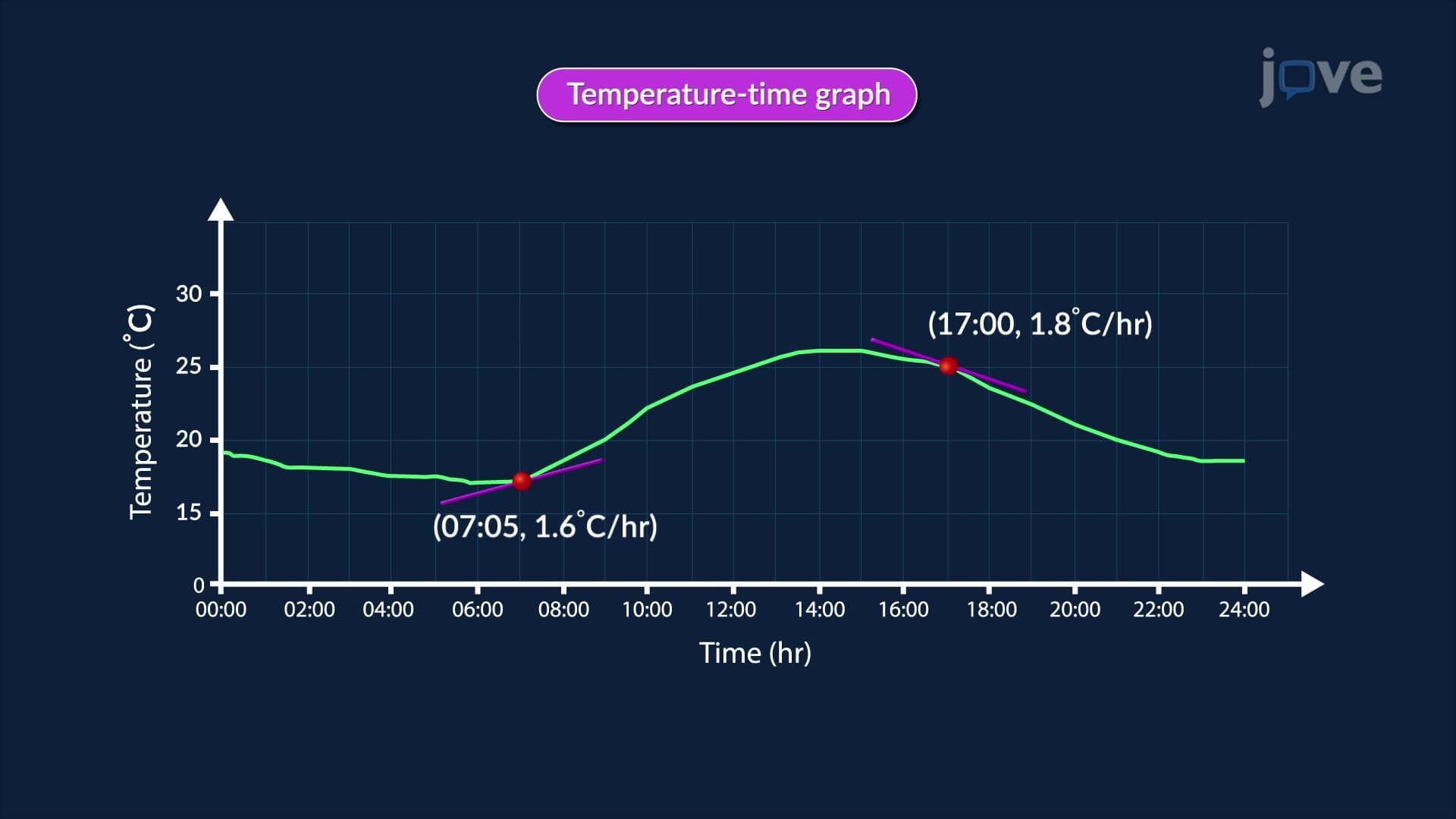
- Evaluate position-time graphs to determine both average and instantaneous velocities at specific points
- Apply calculus concepts to find instantaneous velocity as the derivative of position with respect to time
- Recognize real-world applications of velocity calculations in transportation, sports, and engineering contexts
- Explore the mathematical foundation of limits that connects average velocity to instantaneous velocity
Understanding What is Velocity of An Object: The Foundation of Motion
The velocity of an object represents one of physics' most fundamental concepts, describing how quickly an object changes its position in a specific direction. Unlike speed, which only tells us how fast something moves, velocity provides complete information about an object's motion by including directional components. This vector nature makes velocity essential for understanding everything from satellite trajectories to baseball pitches.
Average Velocity: Motion Between Two Points
Average velocity measures the overall rate of position change during a specific time interval. The mathematical relationship is straightforward: average velocity equals displacement divided by time elapsed (v_avg = Δx/Δt). Consider a delivery truck traveling from Dallas to Houston-a 240-mile journey completed in 4 hours yields an average velocity of 60 mph southward. This calculation provides valuable information for logistics planning but doesn't reveal speed variations during the trip.
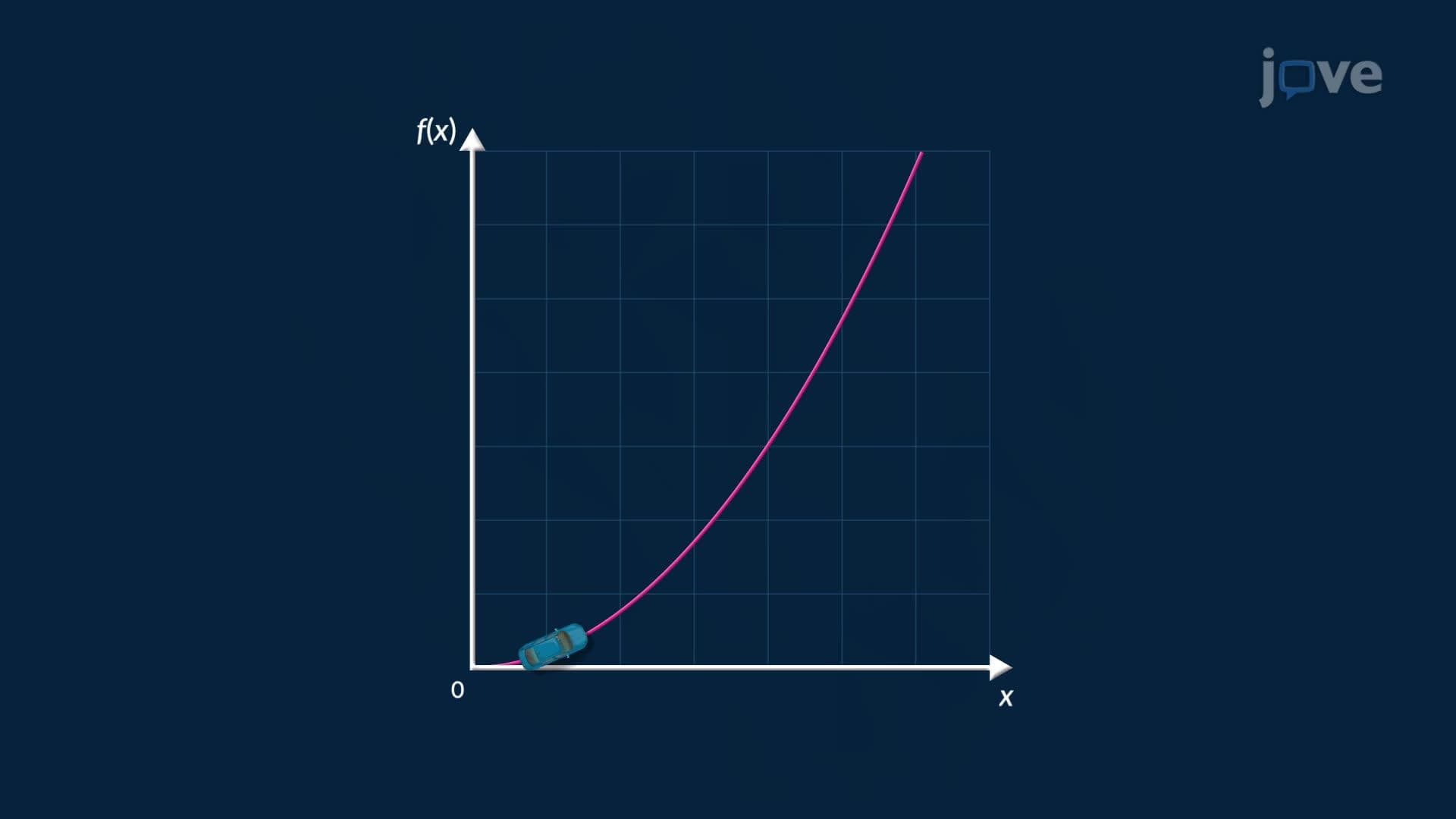
In graphical terms, average velocity appears as the slope of a straight line connecting two points on a position-time graph. Students preparing for AP Physics or SAT Subject Tests frequently encounter problems requiring average velocity calculations from position data or graphs. The key insight is that average velocity represents the constant velocity that would produce the same displacement over the same time period.
Instantaneous Velocity: Motion at a Specific Moment
Instantaneous velocity captures an object's velocity at a precise moment, requiring more sophisticated mathematical tools. Unlike average velocity, which covers time intervals, instantaneous velocity has no duration-it's the velocity "right now." Finding instantaneous velocity involves calculating average velocities over increasingly smaller time intervals surrounding the target moment.
This process introduces the mathematical concept of limits, where average velocity values converge toward a single number as time intervals shrink toward zero. For students taking calculus-based physics courses, instantaneous velocity represents the derivative of position with respect to time: v(t) = dx/dt. This connection between physics and calculus appears regularly on MCAT examinations and college physics midterms.
Real-World Applications and Problem-Solving Strategies
Velocity calculations appear throughout engineering, meteorology, and transportation industries. Air traffic controllers use velocity vectors to maintain safe aircraft separation, while automotive engineers analyze velocity profiles to optimize fuel efficiency. For academic success, students should practice converting between different units (mph to m/s), interpreting position-time graphs, and applying kinematic equations that incorporate velocity relationships.
Frequently Asked Questions
Velocity of an object describes both how fast and in which direction the object moves through space. Unlike speed, velocity is a vector quantity that becomes zero when an object returns to its starting position, even if it traveled a great distance. This directional component makes velocity essential for describing motion completely.
Speed measures only the magnitude of motion (how fast), while velocity includes direction (vector). A car driving in circles at constant 50 mph has constant speed but changing velocity because the direction continuously changes. This distinction frequently appears on AP Physics exams and standardized tests.
MCAT physics sections typically include velocity calculations involving projectile motion, circular motion, and kinematic equations. Students encounter problems requiring average velocity from displacement data, instantaneous velocity from position functions, and velocity vector components. Practice with graphical analysis and calculus-based velocity problems proves essential for success.
Engineers use velocity calculations for designing roller coasters at Six Flags, NASA employs velocity vectors for spacecraft navigation, and meteorologists track storm systems using wind velocity data. Emergency responders calculate vehicle velocities from skid marks at accident scenes. These applications demonstrate velocity's practical importance beyond academic settings.
Basic velocity concepts require only algebra, making them accessible to high school physics students. However, understanding instantaneous velocity fully benefits from calculus knowledge, particularly limits and derivatives. Many introductory physics courses present velocity conceptually without requiring calculus calculations.
Focus on drawing clear diagrams showing position, direction, and time relationships before attempting calculations. Practice converting between units (m/s, mph, km/h) and interpreting position-time graphs. Work through progressively complex problems, starting with constant velocity before advancing to acceleration scenarios.
Acceleration measures how quickly velocity changes over time, creating the foundation for kinematic equations used throughout physics. Understanding velocity thoroughly prepares students for studying forces, momentum, and energy conservation. This progression continues through advanced topics like rotational motion and electromagnetic field interactions.
Related Micro-courses

14 Concepts
8 Concepts

14 Concepts