Loading subject page…

494 views

Video Summary: What are Application of Nonlinear Inequalities
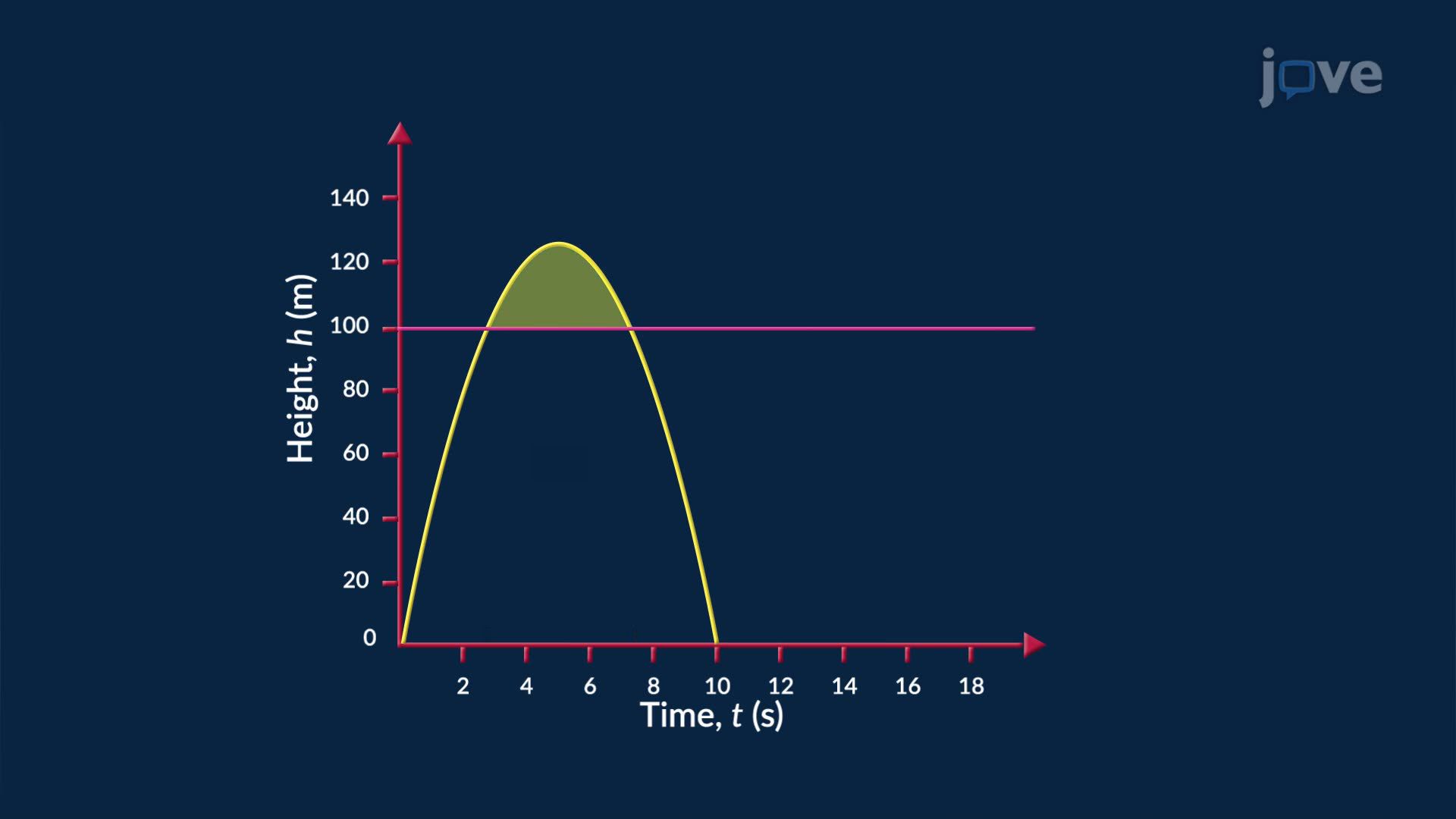
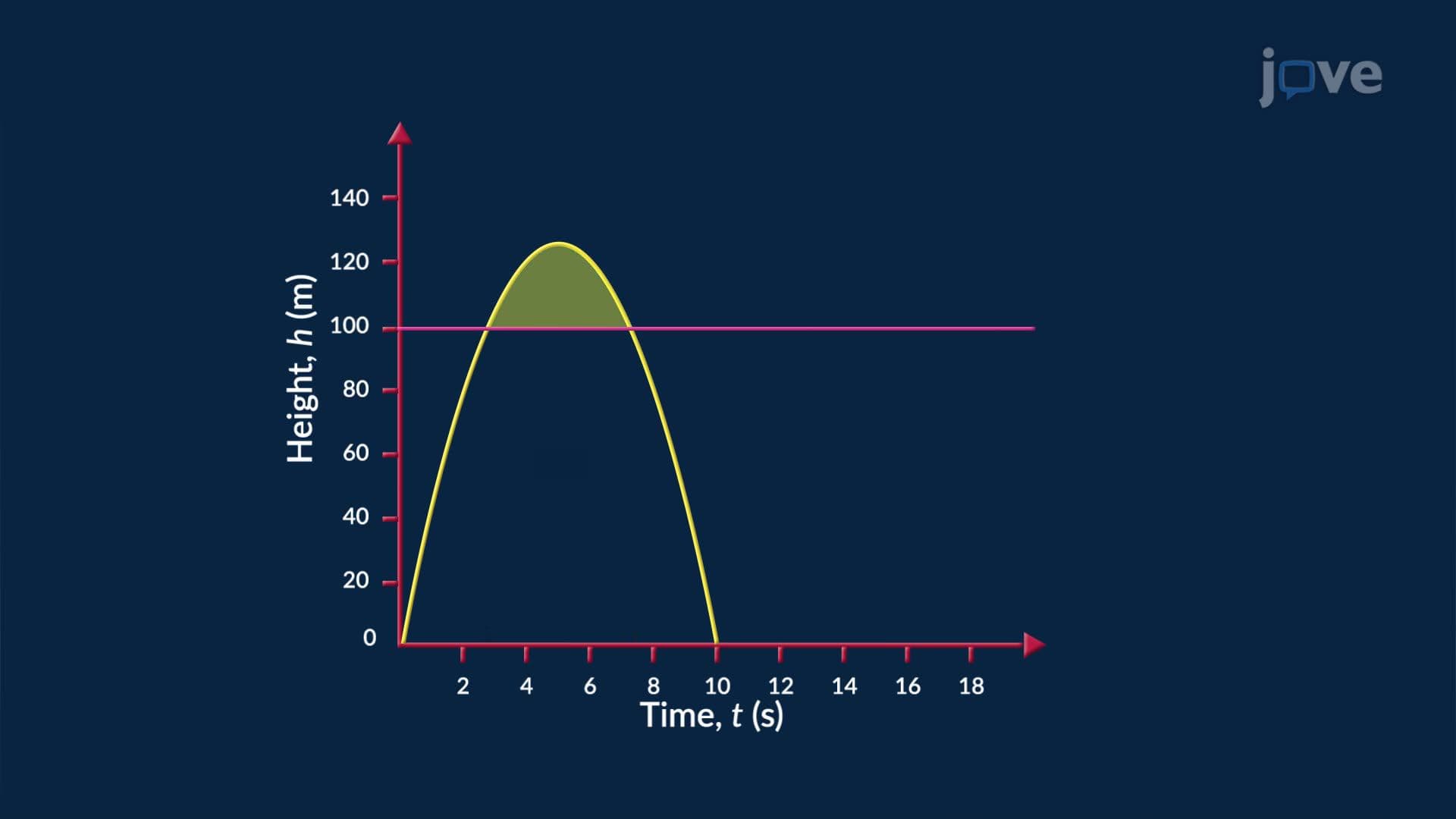
Did you know that NASA engineers use application of nonlinear inequalities to calculate safe launch windows for rocket missions? These mathematical tools help determine when spacecraft will maintain specific altitudes during flight. From predicting when a baseball stays above stadium lights to calculating profit margins for tech startups, understanding what are application of nonlinear inequalities opens doors to solving complex real-world problems that linear equations simply can't handle. Watch the full video on JoVE Coach to master this concept with expert-led visuals and step-by-step explanations.
Application of nonlinear inequalities extends far beyond classroom exercises into practical problem-solving across multiple disciplines. Unlike linear inequalities that represent straight-line relationships, nonlinear inequalities model curved relationships found in physics, economics, and engineering. These applications become particularly important when dealing with quadratic functions, exponential growth, and optimization problems that appear frequently on AP Calculus, SAT Math Level 2, and college algebra exams.
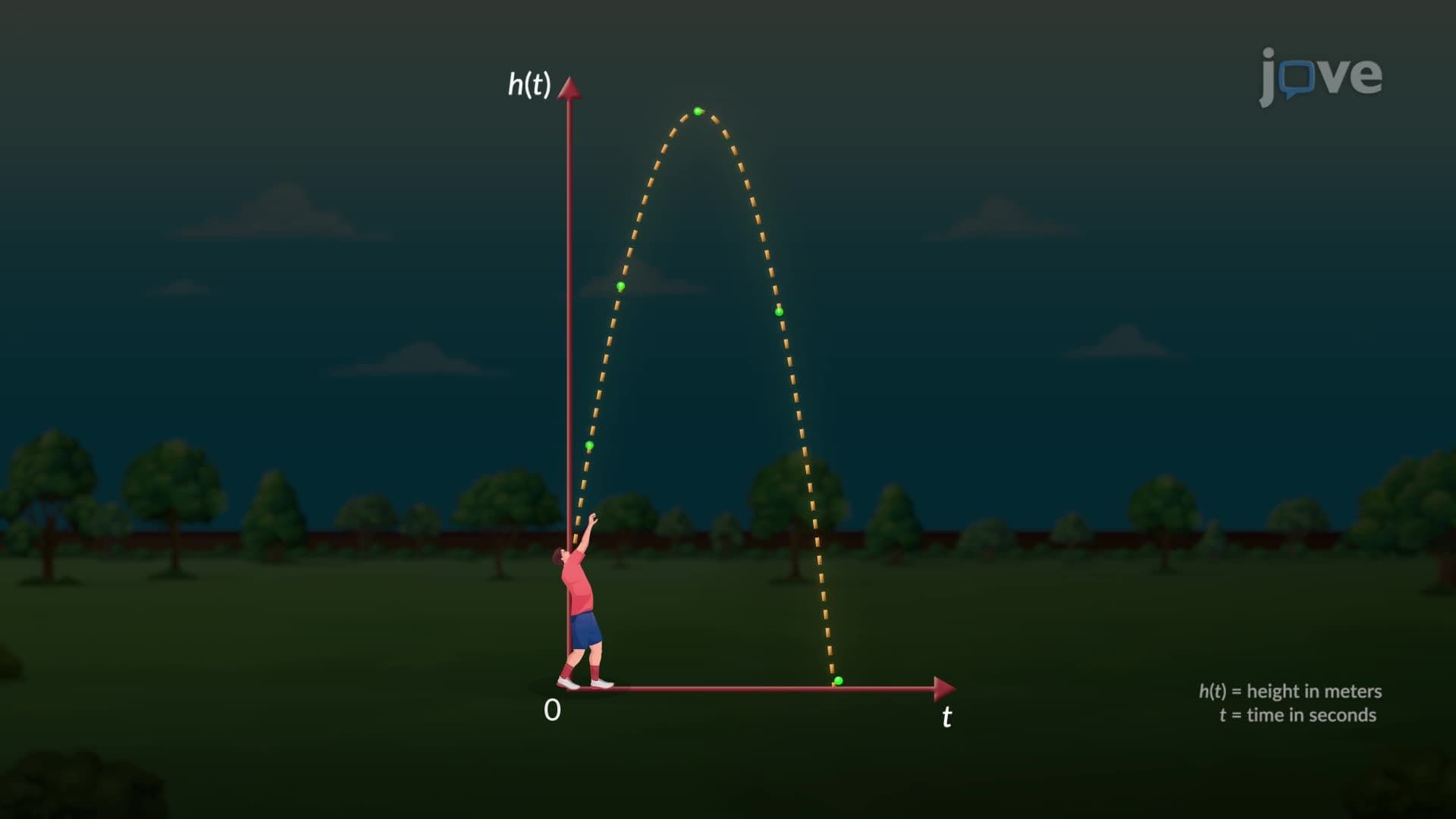
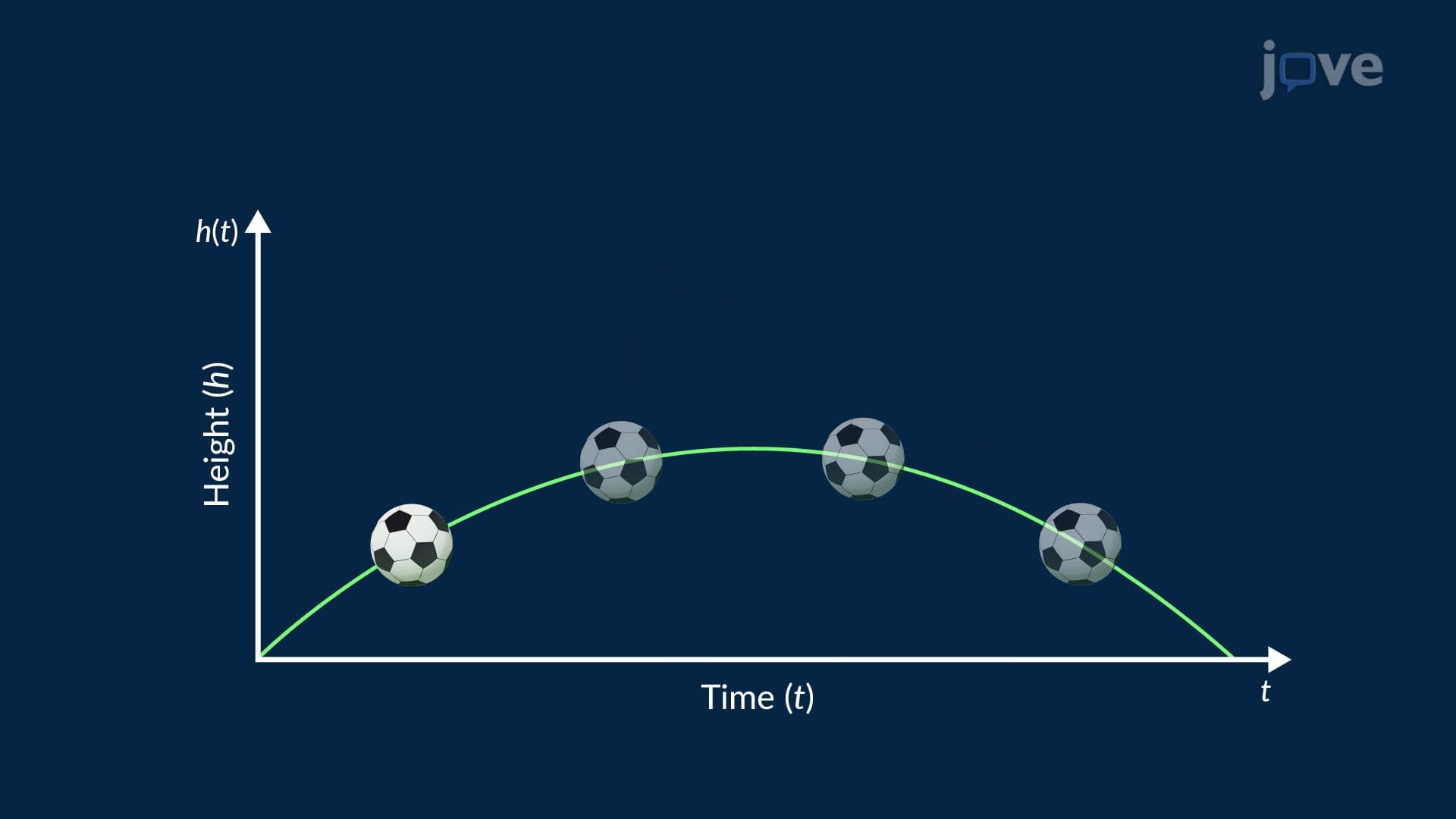
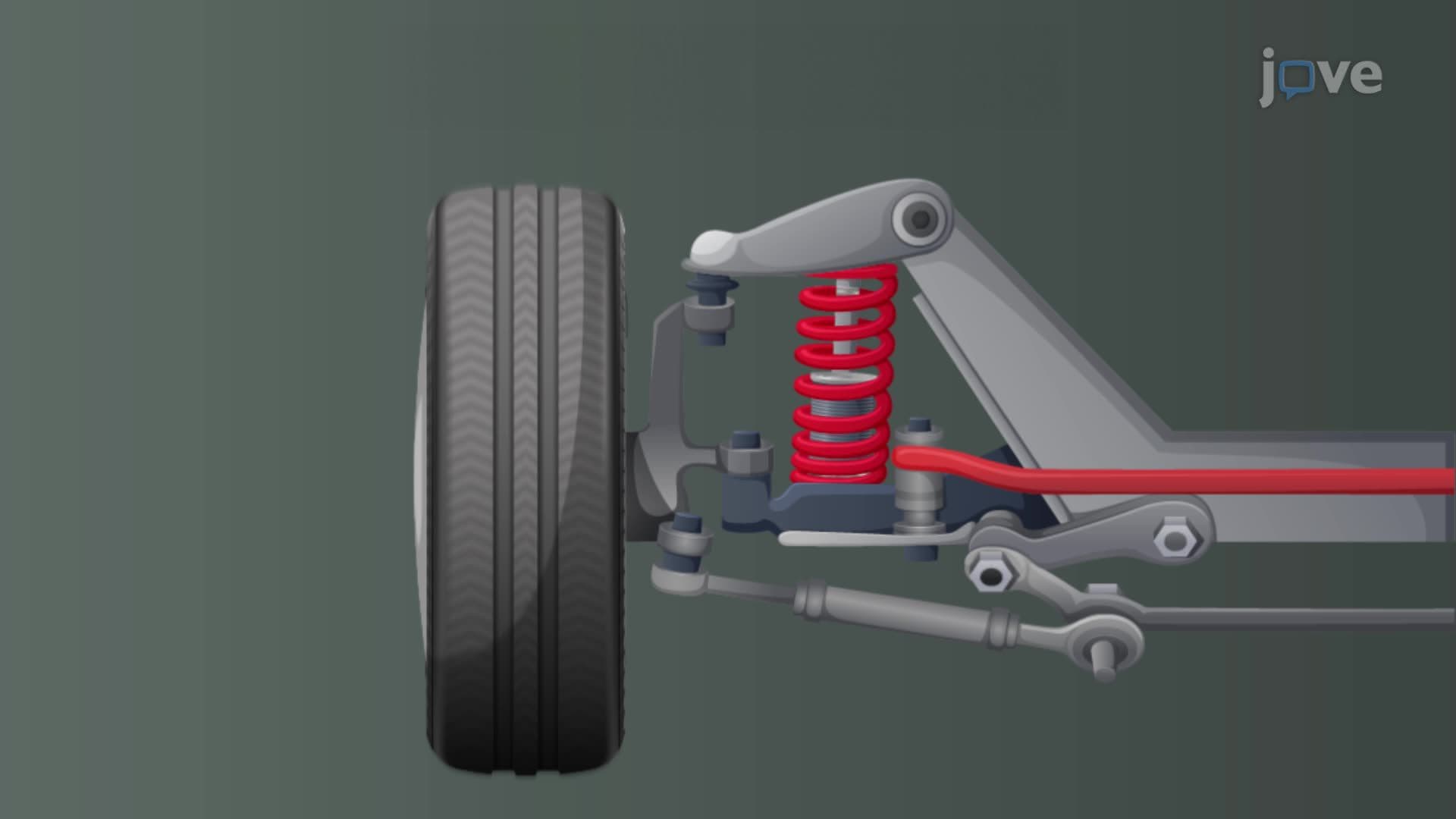
Physics applications dominate many textbook examples, with projectile motion serving as the classic case study. When the Space Shuttle program calculated launch trajectories, engineers used quadratic inequalities to determine safe altitude windows during ascent and descent phases. Similarly, automotive safety engineers apply these concepts when designing airbag deployment systems, ensuring activation occurs within specific velocity ranges.
Business applications showcase equally compelling types of application of nonlinear inequalities. Revenue optimization problems frequently involve quadratic functions where companies must determine price points that generate profits above certain thresholds. For instance, Netflix uses similar mathematical models to determine subscriber pricing tiers that maximize revenue while maintaining market penetration above competitive benchmarks.
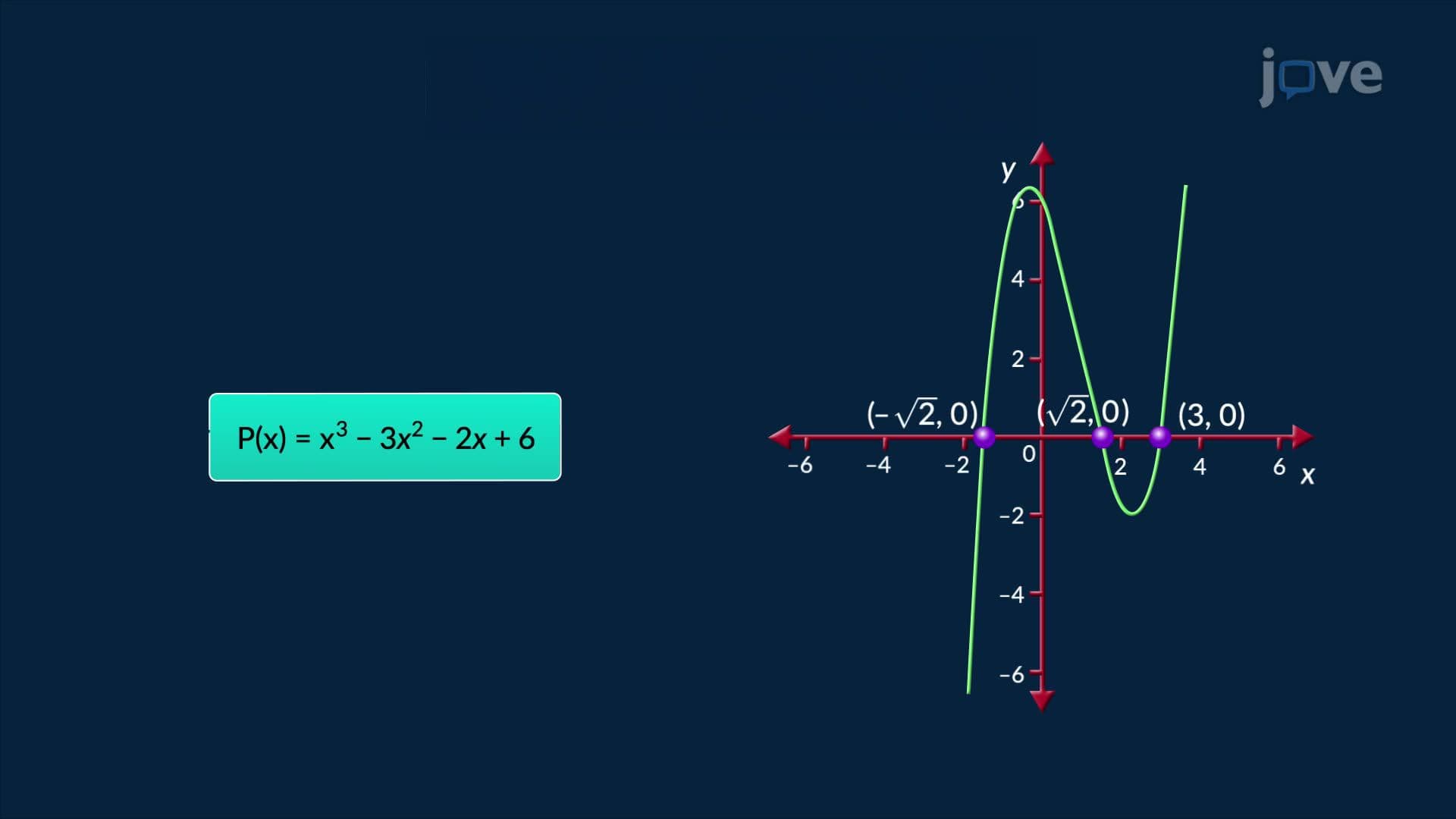
The application of nonlinear inequalities concept requires systematic approaches that differ from linear methods. Students must first identify the inequality type, rearrange terms to standard form, then choose between factoring, completing the square, or applying the quadratic formula. Graphical interpretation becomes crucial-the solution represents regions where the curve lies above or below specified values, not just intersection points.
College entrance exams like the SAT frequently test understanding application of nonlinear inequalities through word problems involving optimization scenarios. AP Calculus courses extend these concepts into derivative applications, while college algebra courses emphasize algebraic manipulation techniques. Students preparing for STEM majors encounter these applications in physics prerequisites, where trajectory analysis and wave behavior modeling require solid inequality foundations.
Mastering this application of nonlinear inequalities overview prepares students for advanced coursework in engineering, economics, and applied mathematics, where nonlinear relationships govern everything from bridge load calculations to stock market volatility models.
Related Micro-courses