Loading subject page…

- Math Fundamentals
- Polynomial and Rational Functions
- Introduction to Nonlinear Inequalities
Micro-course: Polynomial and Rational Functions
494 views
Learn key concepts and earn your certificate.

Introduction to Nonlinear Inequalities


00:00
01:25
Video Summary: What are Nonlinear Inequalities
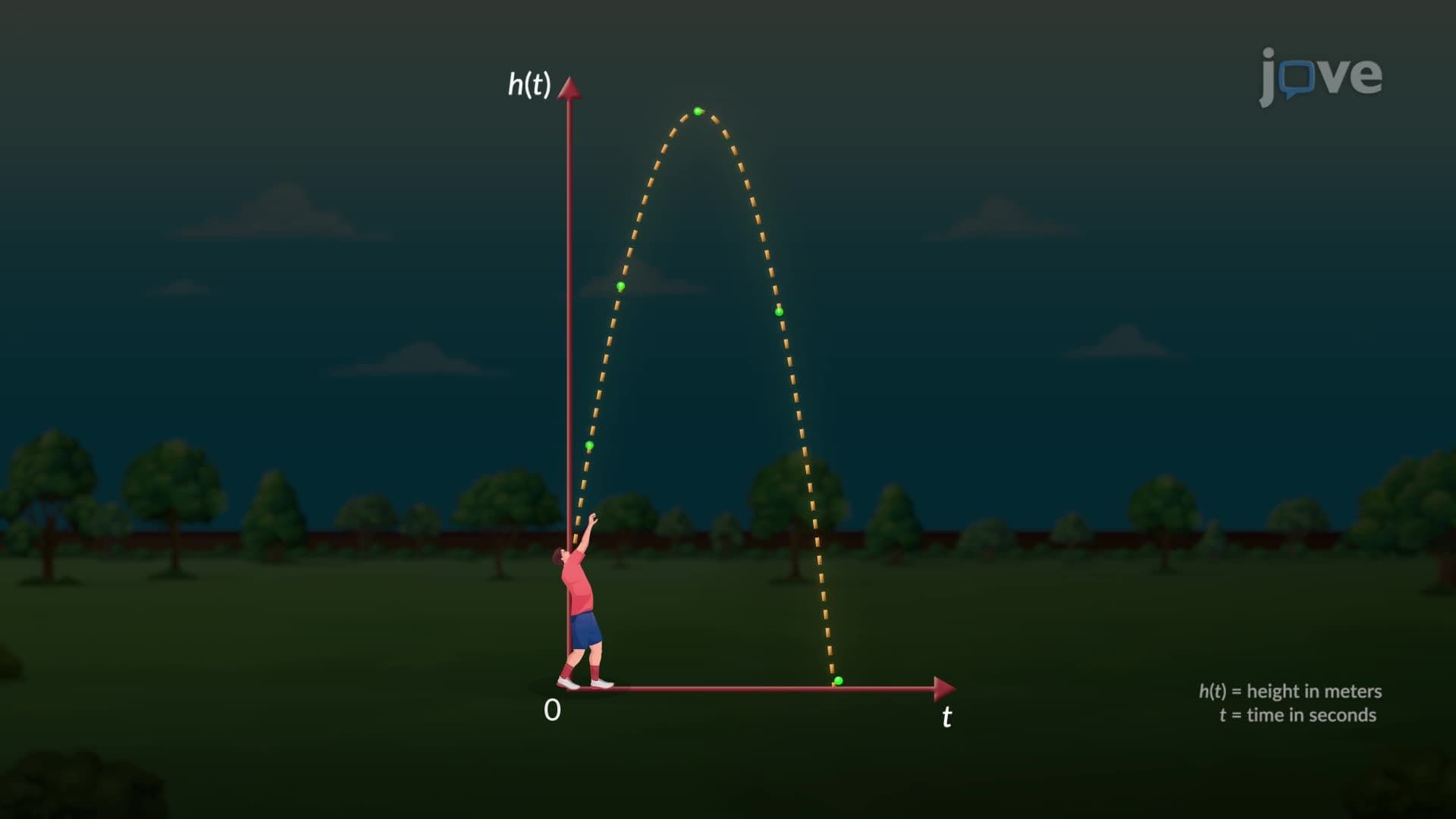
Did you know that determining the optimal production range for a tech startup's profit margins involves solving curved mathematical boundaries rather than straight lines? Nonlinear inequalities create these complex solution regions using polynomial expressions and higher-degree terms that form parabolic or exponential curves. Unlike linear inequalities with straight-line boundaries, these mathematical relationships define solution sets through factoring techniques and interval testing methods. For instance, a California-based software company might use nonlinear inequalities to model when their app downloads exceed profitability thresholds based on quadratic cost functions. Watch the full video on JoVE Coach to master this concept with expert-led visuals and step-by-step explanations.
- Understand what are nonlinear inequalities and how they differ fundamentally from linear inequalities through curved boundary representations
- Identify types of nonlinear inequalities including quadratic, polynomial, rational, and exponential inequality forms commonly encountered in mathematics
- Analyze solution methods using factoring techniques to find critical points where expressions equal zero and change sign
- Apply interval testing procedures to determine which regions satisfy the original inequality by substituting test values from each interval
- Compare curved versus straight boundaries to recognize when nonlinear inequalities create parabolic, hyperbolic, or other non-linear solution regions
- Evaluate real-world applications in business profit models, physics motion problems, and engineering optimization scenarios
- Recognize sign changes at critical points that divide the number line into testable intervals for solution verification
Understanding What are Nonlinear Inequalities
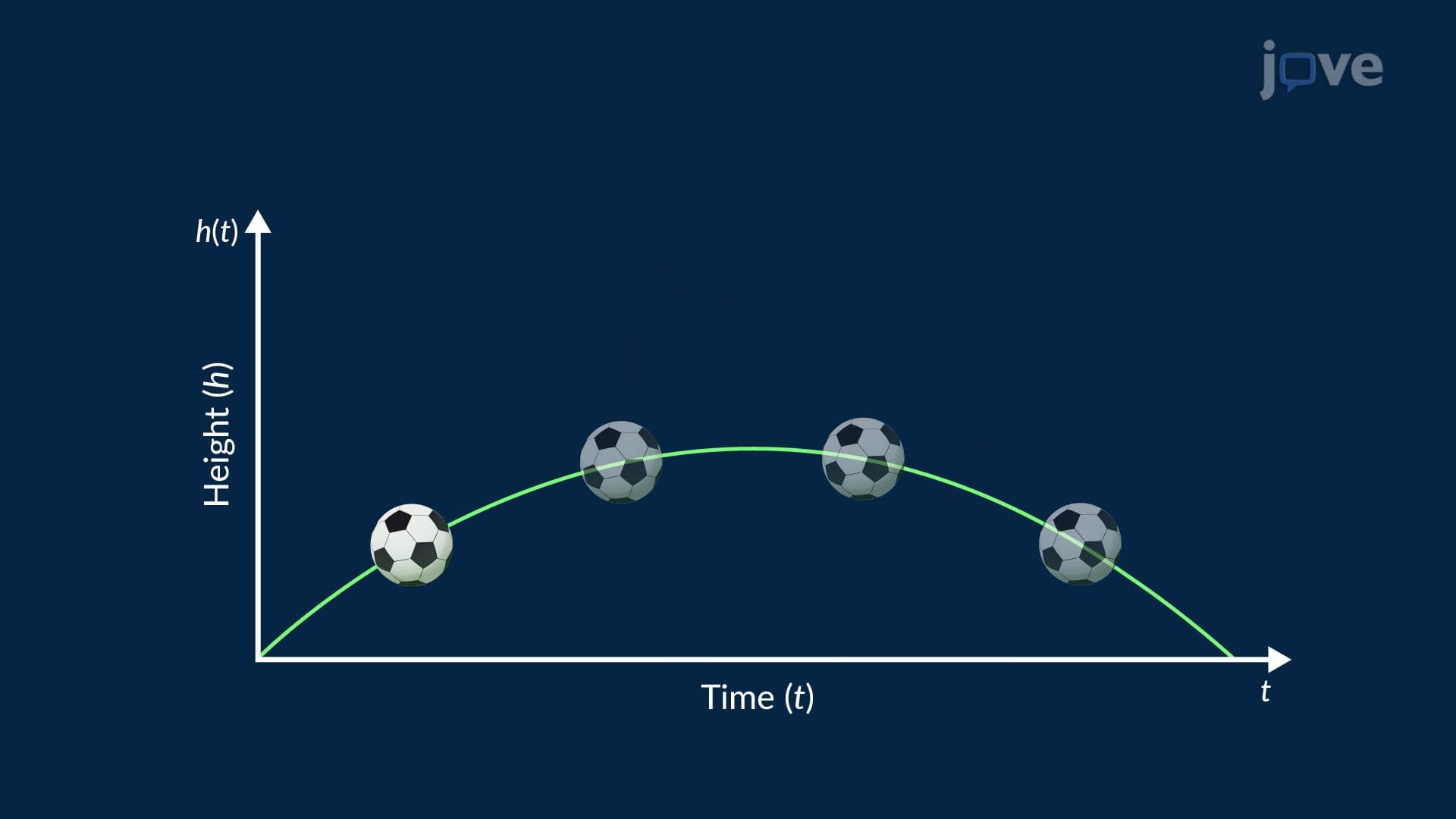
Nonlinear inequalities represent mathematical relationships where the highest degree of variables exceeds one, creating curved boundaries that separate solution regions from non-solution areas. Unlike linear inequalities that produce straight-line boundaries, these expressions involve quadratic, cubic, or higher-degree polynomial terms that generate parabolic, cubic, or more complex curved boundaries.
The fundamental difference lies in boundary shape and solution methodology. While linear inequalities like 2x + 3 > 7 create straight dividing lines, nonlinear inequalities such as x² - 4x + 3 > 0 produce curved boundaries requiring specialized solving techniques.
Types of Nonlinear Inequalities and Solution Methods
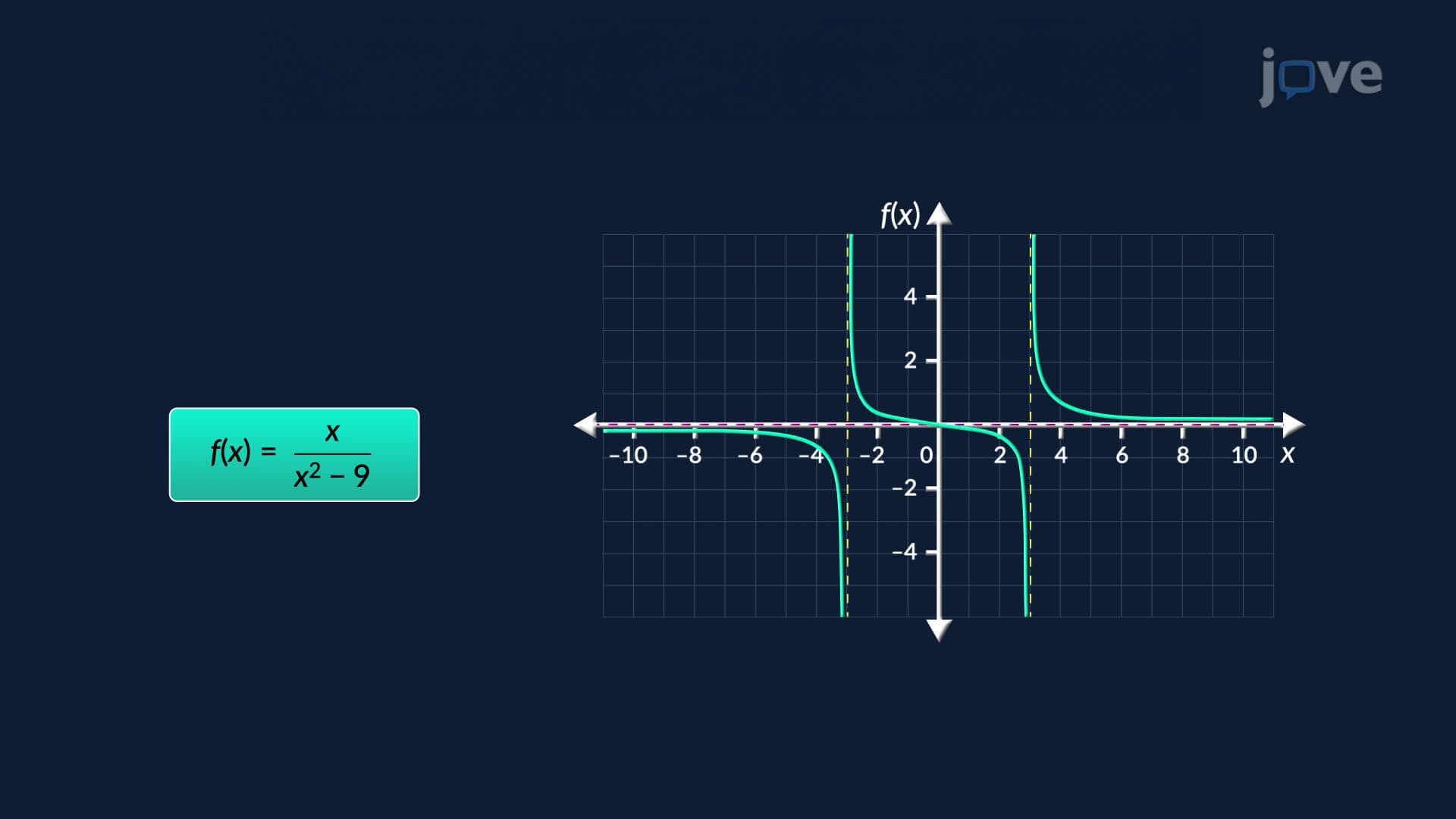
Types of nonlinear inequalities encompass several categories based on their mathematical structure. Quadratic inequalities like x² + 5x - 6 ≤ 0 represent the most common form, featuring parabolic boundaries. Rational inequalities such as (x + 2)/(x - 3) > 1 involve fraction expressions with vertical asymptotes. Exponential inequalities like 2^x > 8 contain exponential functions creating exponential curve boundaries.
The primary solution approach involves factoring the expression completely, then setting each factor equal to zero to identify critical points or zeros. These critical points don't belong to the solution set but indicate where the expression changes from positive to negative or vice versa. For x² - 5x + 6 > 0, factoring yields (x - 2)(x - 3) > 0 with critical points at x = 2 and x = 3.
Interval Testing and Solution Verification
After identifying critical points, the number line divides into distinct intervals requiring individual testing. For the previous example with critical points at x = 2 and x = 3, three intervals emerge: (-∞, 2), (2, 3), and (3, ∞). Test values from each interval substitute into the original inequality to determine validity.
Testing x = 0 in (-∞, 2): (0)² - 5(0) + 6 = 6 > 0 ✓ Testing x = 2.5 in (2, 3): (2.5)² - 5(2.5) + 6 = -0.25 < 0 ✗ Testing x = 4 in (3, ∞): (4)² - 5(4) + 6 = 2 > 0 ✓
Therefore, the solution includes (-∞, 2) ∪ (3, ∞).
Real-World Applications and Academic Context
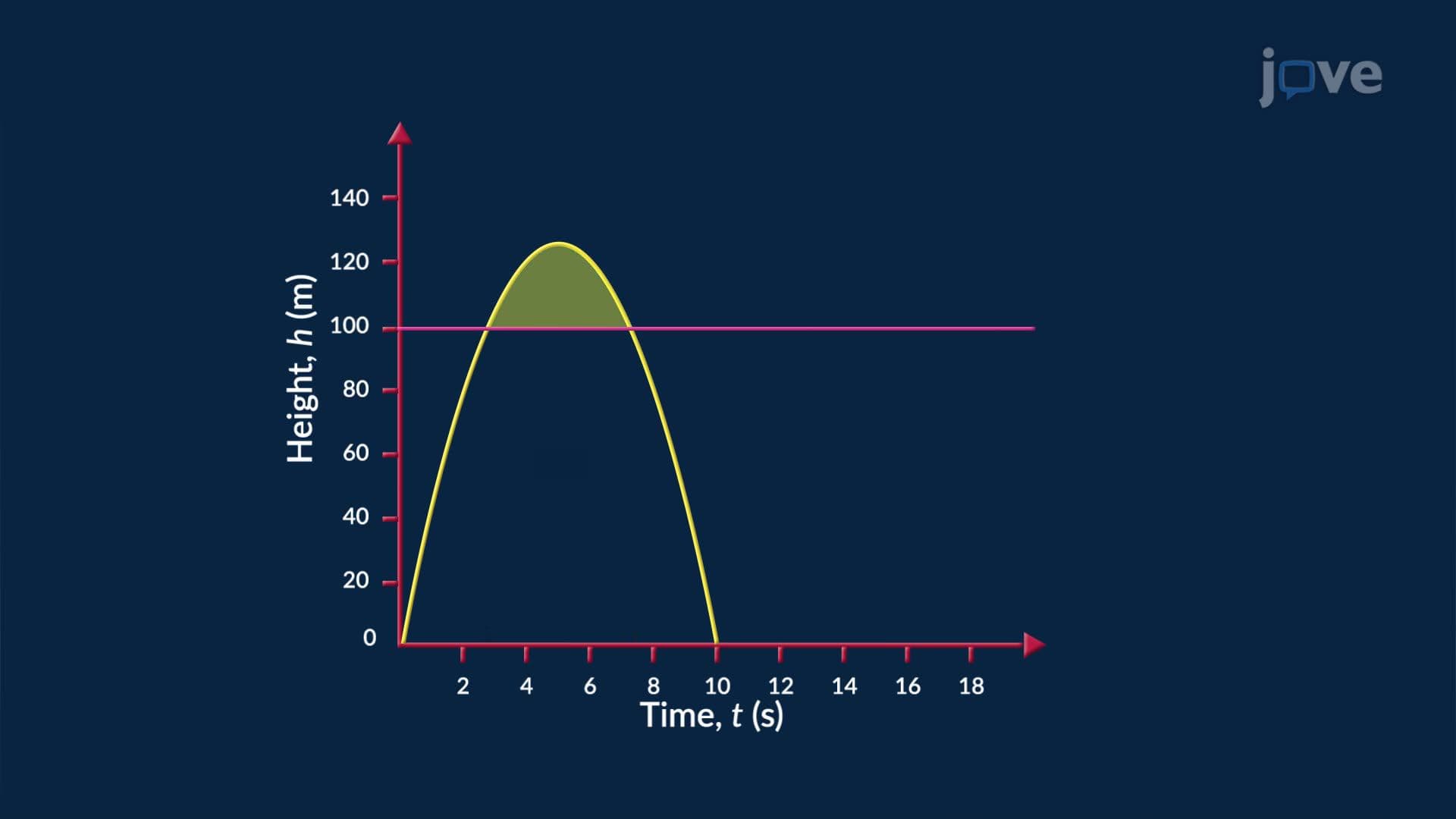
Business applications frequently utilize nonlinear inequalities for profit optimization models. A Denver-based manufacturing company might determine production levels where profit P = -2x² + 100x - 800 exceeds $500, requiring solving -2x² + 100x - 800 > 500.
These concepts appear extensively in AP Calculus, SAT Math Level 2, and college algebra coursework. Students encounter nonlinear inequalities in precalculus courses as preparation for calculus optimization problems. Understanding these principles proves essential for STEM majors pursuing engineering, economics, or applied mathematics degrees at universities like MIT, Stanford, or UC Berkeley.
Frequently Asked Questions
Nonlinear inequalities are mathematical expressions involving variables raised to powers greater than one, creating curved solution boundaries instead of straight lines. Unlike linear inequalities that produce straight-line boundaries separating solution regions, nonlinear inequalities generate parabolic, exponential, or other curved boundaries. The solution process requires factoring and interval testing rather than simple algebraic manipulation.
The primary types include quadratic inequalities (x² + bx + c > 0), rational inequalities with fractions, and exponential inequalities. Quadratic forms are most common in Algebra 2 and precalculus courses. Each type requires specific solution strategies, with quadratic inequalities typically solved through factoring and sign analysis methods.
SAT Math includes quadratic inequality problems worth 2-3 questions, often in calculator-allowed sections requiring graphical interpretation. AP Calculus incorporates nonlinear inequalities within optimization problems and curve sketching exercises. Students must demonstrate factoring skills and interval notation proficiency for maximum credit on both exams.
Students need solid factoring skills, basic polynomial manipulation, and number line concepts from Algebra 1. Most high school juniors possess sufficient background after completing Algebra 2. The conceptual leap from linear to nonlinear thinking represents the primary challenge rather than computational complexity.
Practice identifying critical points through factoring, then systematically test intervals using organized sign charts. Focus on graphical interpretation skills by sketching parabolic boundaries and shading solution regions. Create study cards linking factored forms to their corresponding interval solutions for rapid pattern recognition during timed exams.
Companies like Amazon use quadratic cost models to determine optimal inventory levels where storage costs don't exceed profit margins. Tesla applies nonlinear inequalities in battery optimization, ensuring charge rates stay within safe operational parameters. Marketing firms utilize exponential growth inequalities to predict when advertising spending yields positive ROI thresholds.
Advanced topics include systems of nonlinear inequalities, optimization calculus, and linear programming applications. Students typically progress to multivariable calculus concepts or business calculus courses. Engineering majors often encounter nonlinear inequalities within differential equations and control systems theory coursework.
Related Micro-courses

8 Concepts
5 Concepts

12 Concepts