Loading subject page…
- Math Fundamentals
- Polynomial and Rational Functions
- Introduction to Polynomial Functions
Micro-course: Polynomial and Rational Functions
494 views
Learn key concepts and earn your certificate.


Introduction to Polynomial Functions

00:00
01:26
Video Summary: What are Polynomial Functions
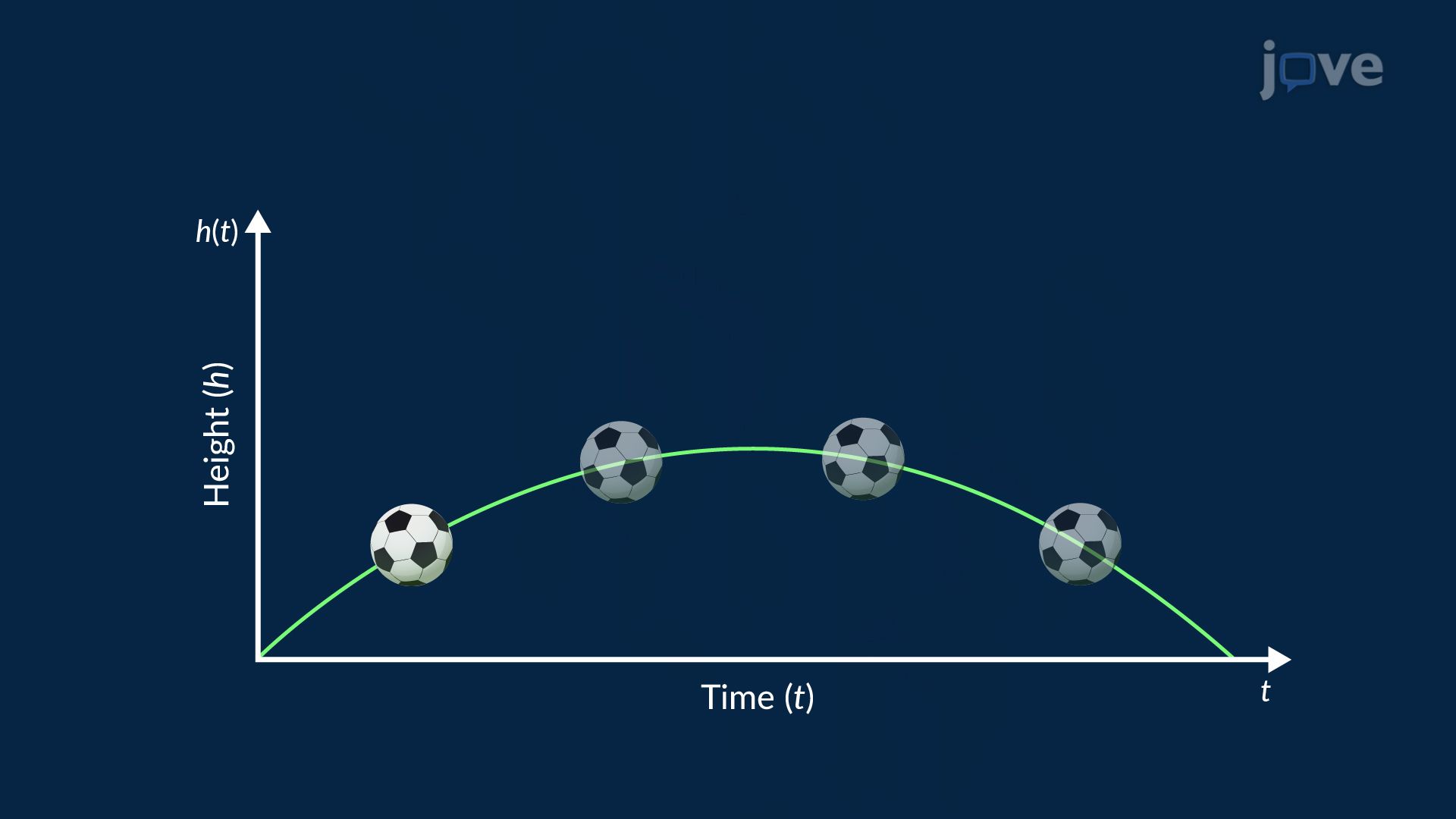
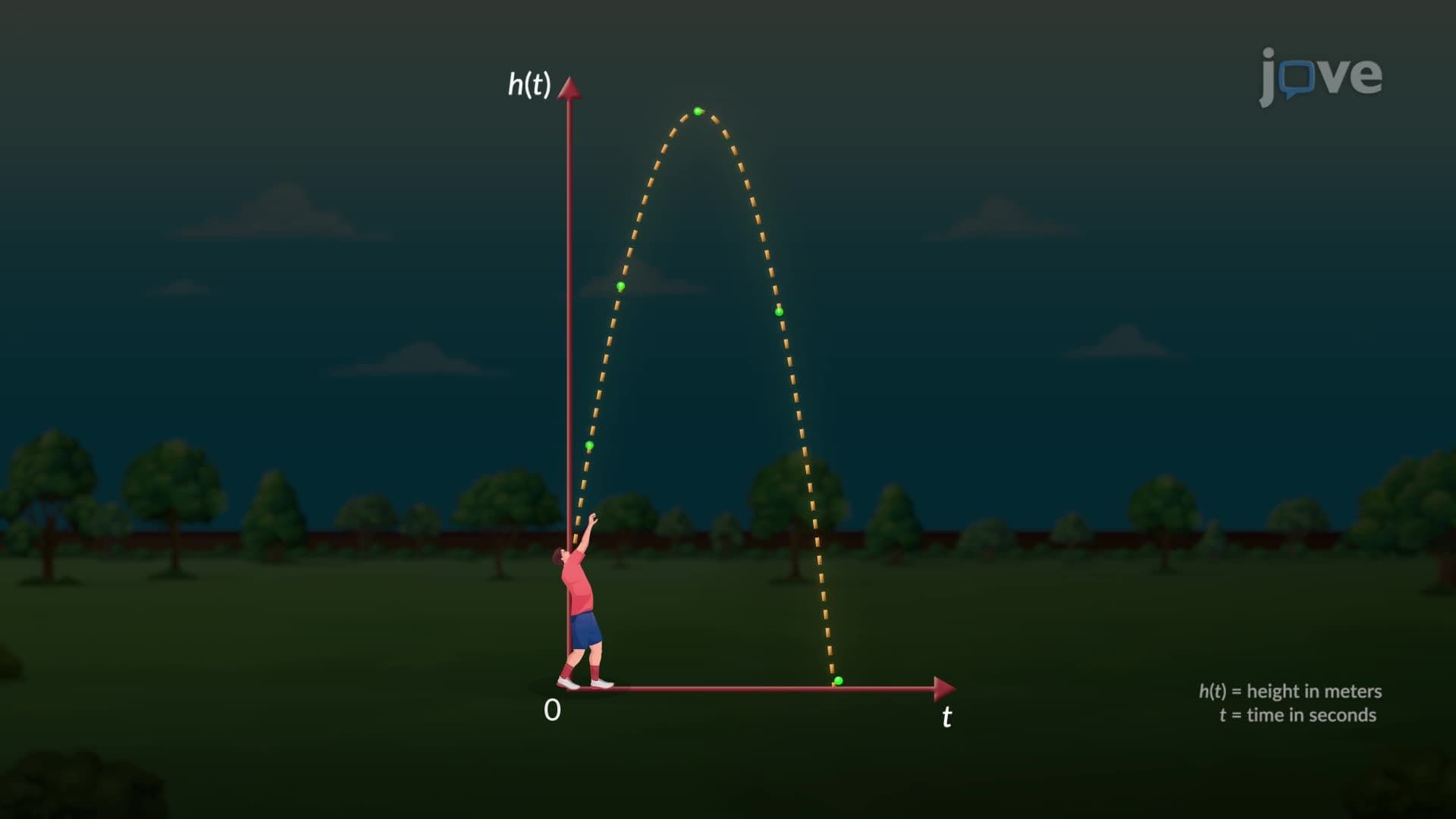
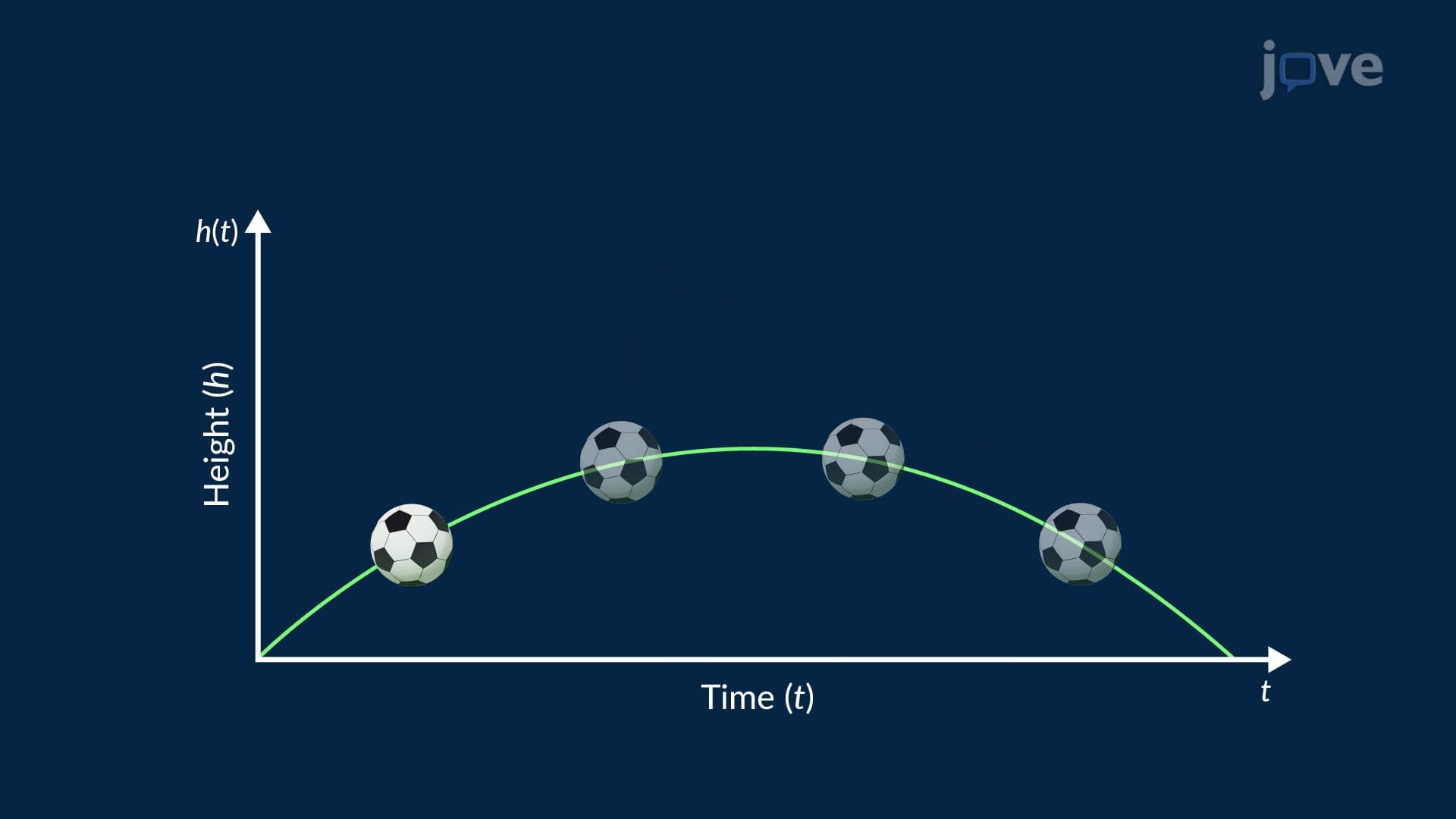
Ever wonder why a basketball's arc looks so predictable? Polynomial functions govern these curved trajectories, from sports projectiles to roller coaster designs across American theme parks. These mathematical expressions combine variables and constants through addition, subtraction, and multiplication, with variables raised to whole number powers. Understanding polynomial functions unlocks patterns in everything from NASA's satellite orbits to Netflix's recommendation algorithms. Watch the full video on JoVE Coach to master this concept with expert-led visuals and step-by-step explanations.
- Understand what are polynomial functions and identify their key components including terms, coefficients, and degree
- Recognize different types of polynomial functions based on their degree: linear, quadratic, cubic, and higher-order polynomials
- Analyze the relationship between a polynomial's degree and the shape characteristics of its graph
- Compare the behavior of odd-degree versus even-degree polynomial functions at their extremes
- Identify zeros of polynomial functions and understand their significance on coordinate graphs
- Apply the Intermediate Value Theorem to determine when polynomial functions cross the x-axis
- Evaluate leading terms and leading coefficients to predict polynomial behavior
- Explore real-world applications of polynomial functions in physics, economics, and engineering
Understanding What are Polynomial Functions
Polynomial functions form the backbone of algebra and calculus, representing relationships where variables are combined using only addition, subtraction, multiplication, and non-negative integer exponents. Unlike more complex functions involving division by variables or fractional exponents, polynomials maintain elegant simplicity while modeling countless real-world phenomena. From calculating pharmaceutical dosages to predicting stock market trends, these functions appear throughout American industries and academic curricula.
Types of Polynomial Functions by Degree
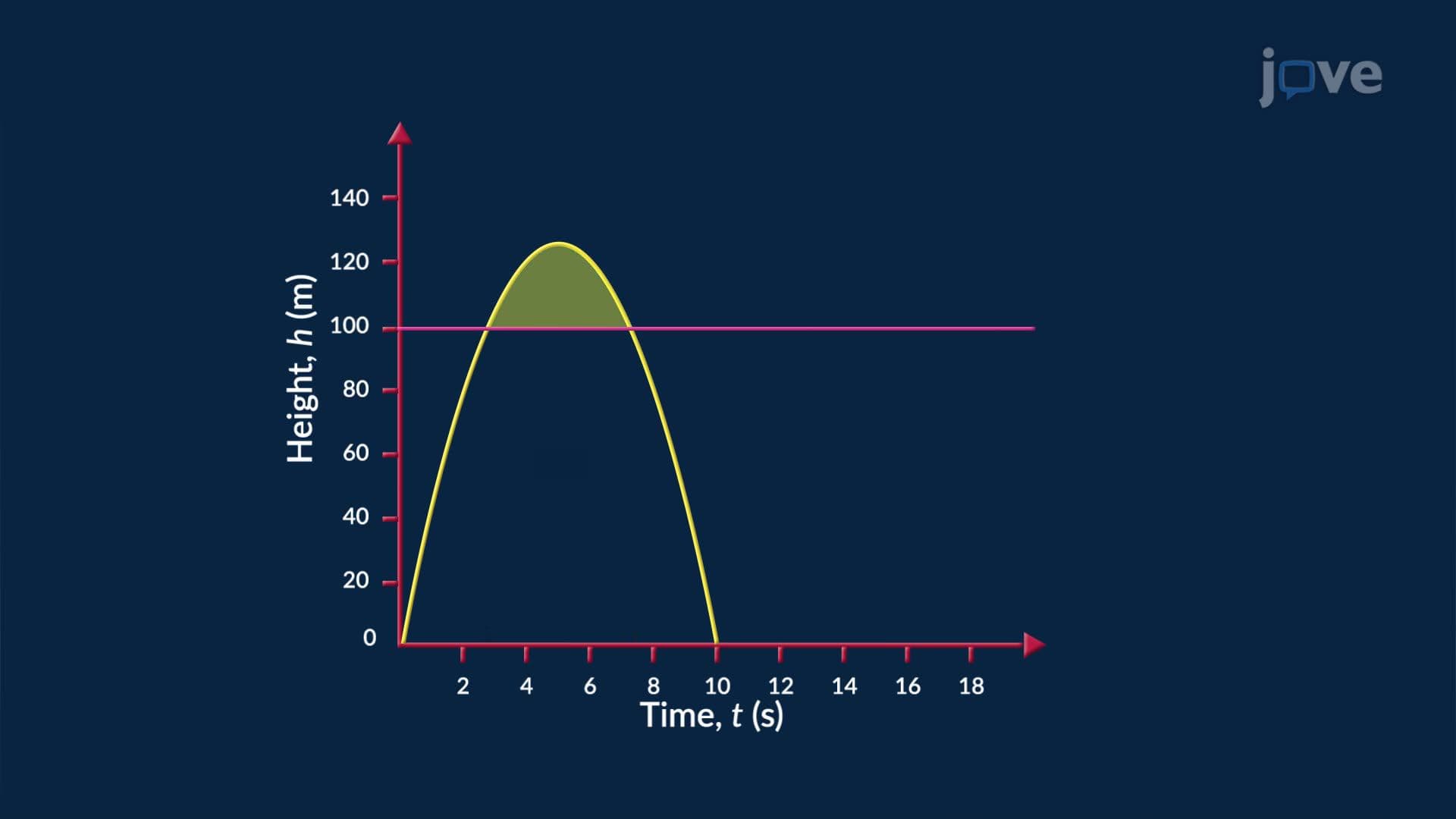
The classification system for types of polynomial functions centers on degree-the highest power of the variable. Linear polynomials (degree 1) like f(x) = 2x + 3 produce straight-line graphs, fundamental to economics courses studying supply and demand. Quadratic functions (degree 2) such as f(x) = x² - 4x + 3 create parabolic curves essential for physics students analyzing projectile motion at institutions like MIT or Stanford.
Cubic polynomials (degree 3) and higher-degree functions generate increasingly complex curves with multiple turning points. These appear frequently on AP Calculus exams and SAT Subject Tests, where students must identify key features like local maxima and minima. Understanding these patterns helps students tackle challenging problems on college entrance exams and succeed in undergraduate mathematics courses.
Graph Behavior and Key Characteristics
Polynomial function graphs exhibit predictable behavior patterns crucial for academic success. Even-degree polynomials stretch toward positive or negative infinity in the same direction on both ends, while odd-degree functions extend in opposite directions. This concept frequently appears on standardized tests, where students must match equations to their corresponding graphs.
The leading coefficient determines whether parabolas open upward or downward for quadratics, and whether cubic functions rise or fall as x increases. Students at universities like UCLA or University of Michigan encounter these concepts in calculus courses, where understanding end behavior helps solve optimization problems in engineering and business applications.
Finding Zeros and Applications
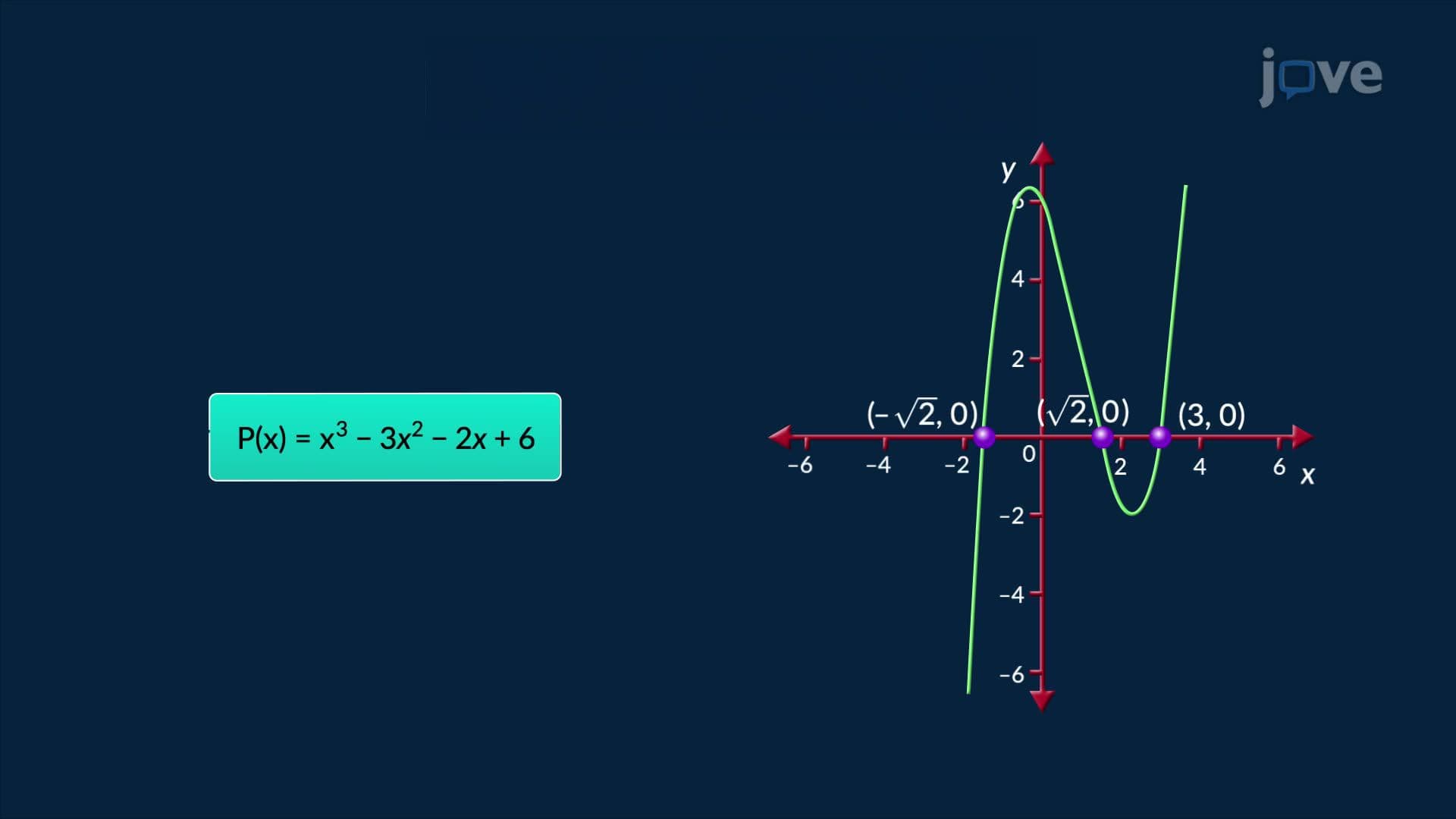
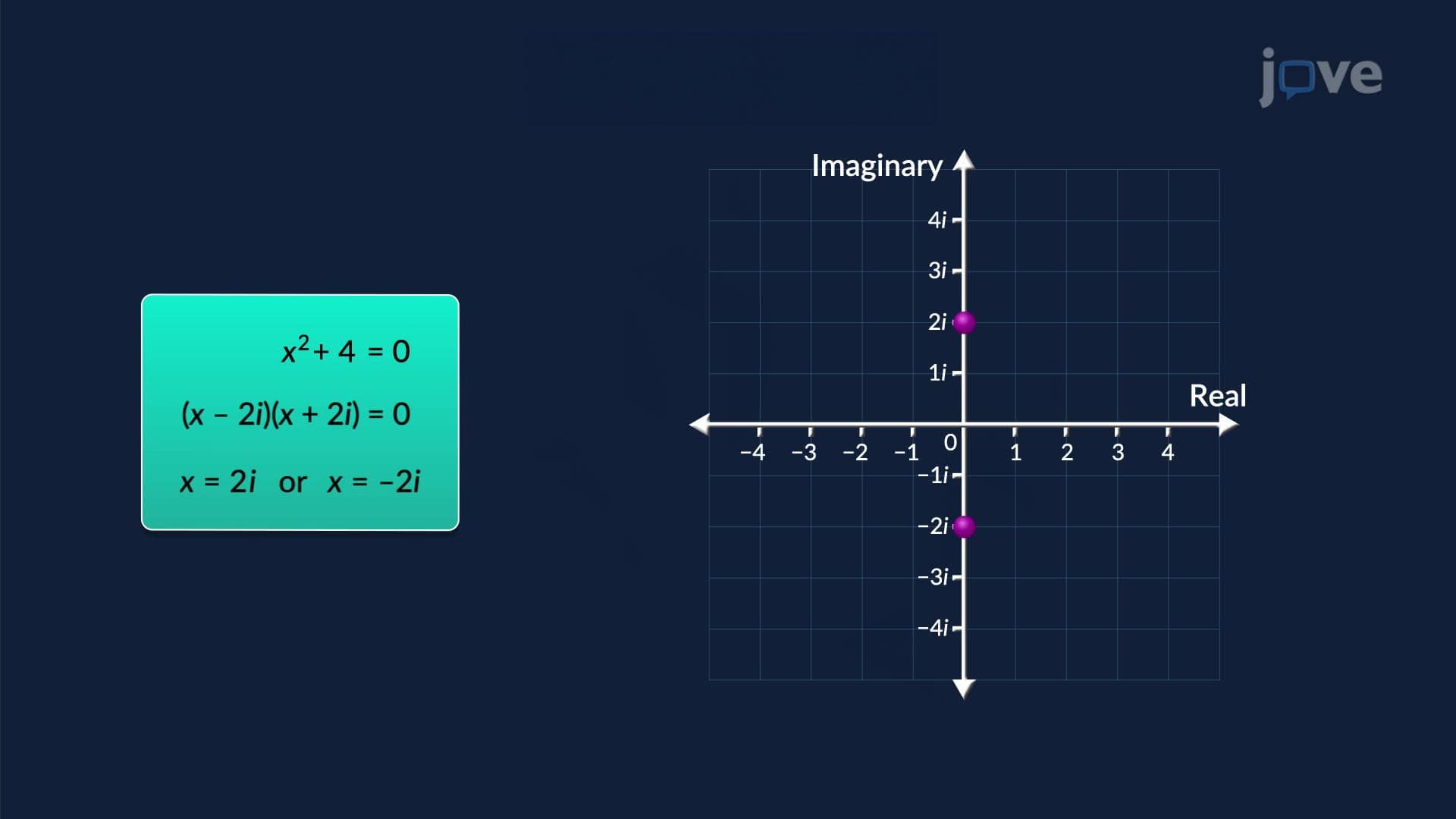
Zeros represent x-values where polynomial functions equal zero, corresponding to x-intercepts on graphs. The Fundamental Theorem of Algebra guarantees that an nth-degree polynomial has exactly n zeros (counting multiplicities), a concept central to advanced mathematics courses. These zeros have practical significance: in business, they might represent break-even points; in medicine, they could indicate when drug concentrations reach therapeutic levels.
Frequently Asked Questions
Polynomial functions are mathematical expressions combining variables and numbers using only addition, subtraction, and multiplication, with variables raised to whole number powers. They're like mathematical recipes that create smooth, continuous curves when graphed. Common examples include linear functions (straight lines) and quadratic functions (U-shaped curves). These functions model everything from business profit calculations to the path of a thrown football.
The primary types include constant (degree 0), linear (degree 1), quadratic (degree 2), cubic (degree 3), and higher-degree polynomials. Linear functions create straight lines, quadratics form parabolas, and cubics produce S-shaped curves. Each type has distinct characteristics that appear regularly on AP Calculus, SAT Subject Tests, and college algebra exams. Mastering these classifications helps students quickly identify function behavior and solve related problems.
AP Calculus frequently tests polynomial derivatives, integrals, and optimization problems involving polynomial functions. Students encounter questions about finding critical points, determining concavity, and solving related rates problems. The exam often presents real-world scenarios like maximizing profit or minimizing cost using polynomial models. Understanding polynomial behavior helps students tackle free-response questions worth significant points on the exam.
Yes, the SAT regularly includes polynomial function questions, especially quadratics in various forms. Students encounter problems involving factoring, finding zeros, vertex form, and interpreting graphs. These questions often connect to real-world contexts like projectile motion or business applications. Strong polynomial skills contribute significantly to achieving high scores in the SAT's algebra and advanced mathematics categories.
NASA uses polynomial functions to calculate spacecraft trajectories and satellite orbits. Wall Street analysts employ them in financial modeling and risk assessment algorithms. Pharmaceutical companies utilize polynomials to model drug absorption rates and dosage optimization. Engineering firms like Boeing apply polynomial functions in aerodynamic design and stress analysis. These applications demonstrate why polynomial mastery remains crucial for STEM career preparation.
No, polynomial functions build naturally from basic algebra concepts you already know. If you can add, subtract, multiply, and work with exponents, you have the foundation needed. Most high school algebra courses introduce these concepts gradually, starting with simple linear and quadratic examples. The key is practicing pattern recognition and understanding how degree affects graph shape rather than memorizing complex formulas.
Focus on connecting equations to their graphs through systematic practice with different polynomial types. Create summary sheets showing how degree affects graph behavior, and practice identifying key features like zeros, turning points, and end behavior. Use graphing calculators to visualize functions, then verify your predictions algebraically. Work through past AP or SAT problems to understand how these concepts appear in test contexts.
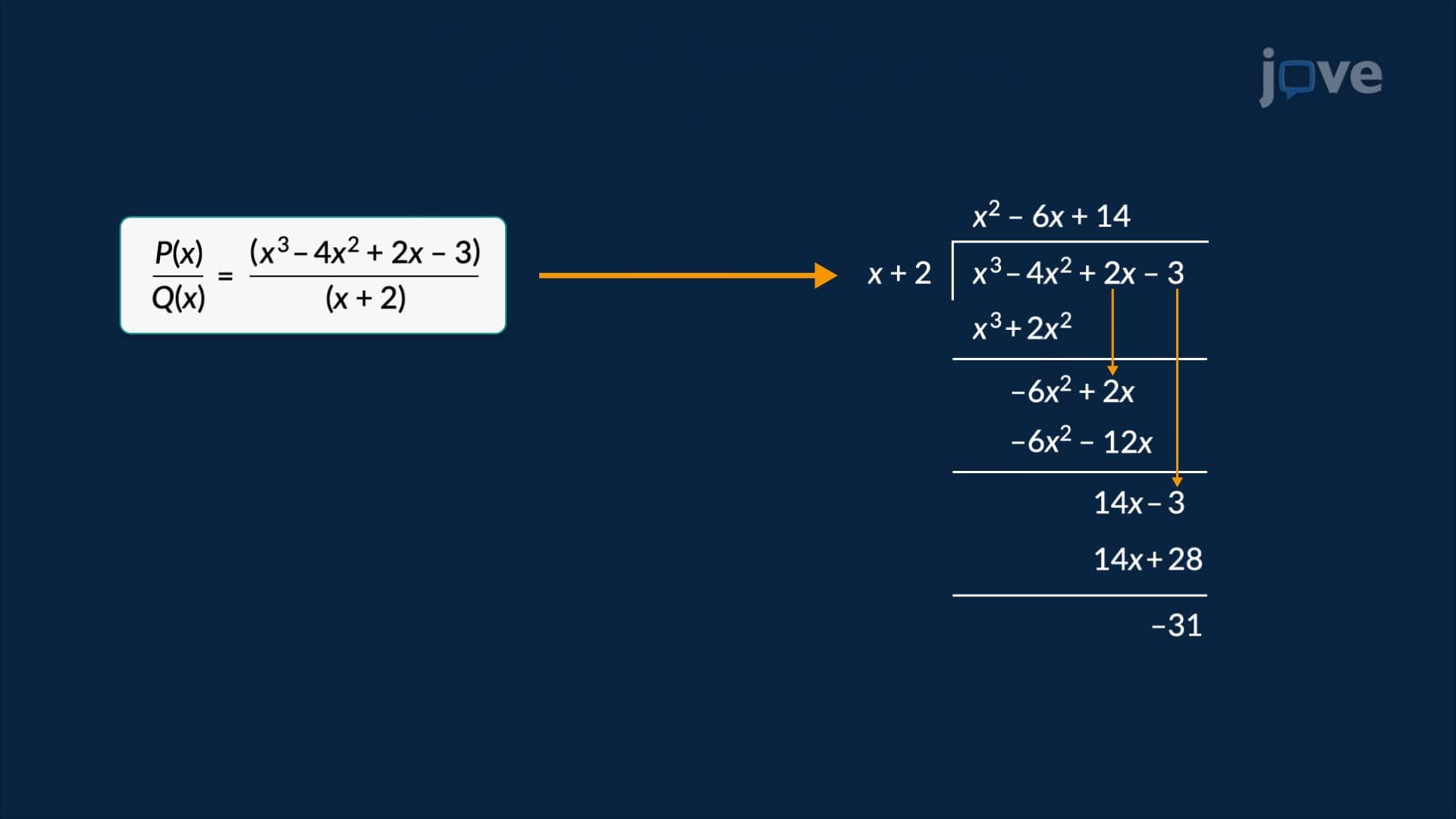
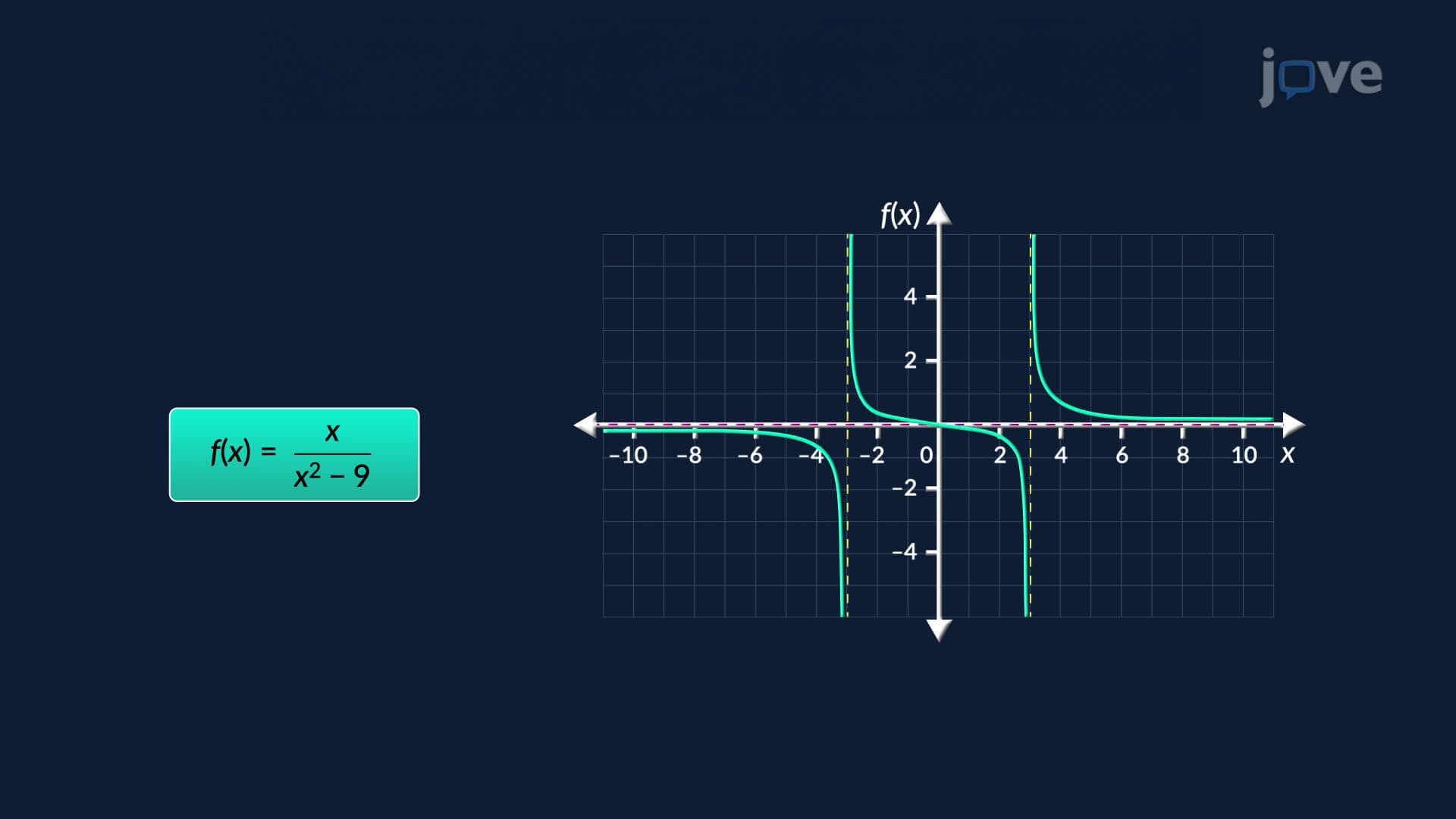
Advanced topics include rational functions (polynomials divided by polynomials), exponential and logarithmic functions, and trigonometric functions. These concepts build directly on polynomial foundations and appear in AP Calculus, college algebra, and precalculus courses. Understanding polynomial behavior provides essential groundwork for limits, derivatives, and integration techniques in calculus. Many students find these transitions smoother with solid polynomial fundamentals.
Related Micro-courses
8 Concepts
5 Concepts

12 Concepts