Loading…
Loading video…

4,629 views
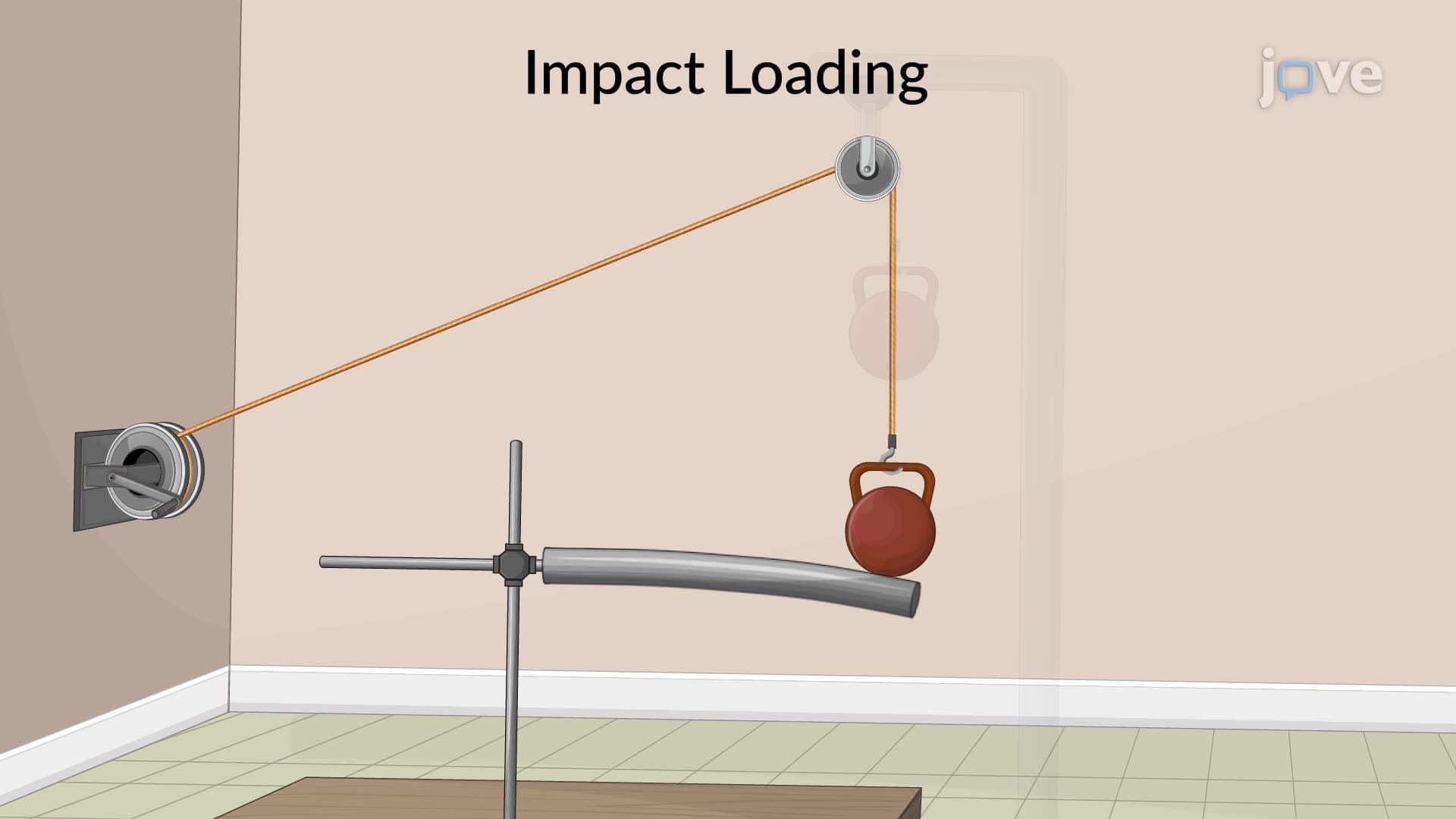
Ever wonder why diving boards flex so dramatically when a diver jumps? Impact loading on a cantilever beam explains this fascinating physics phenomenon where dropped objects transfer massive energy through structural elements. When engineers design bridges like San Francisco's Bay Bridge cantilever sections, they must calculate how falling debris or sudden loads create stress concentrations at fixed supports. The maximum stress depends on the object's potential energy, beam geometry, and material properties, with strain energy reaching its peak at the fixed end where bending moments are greatest. Watch the full video on JoVE Coach to master this concept with expert-led visuals and step-by-step explanations.
Impact loading on a cantilever beam represents a critical engineering concept where dynamic forces create significantly higher stresses than equivalent static loads. Unlike static loading, impact scenarios involve energy transfer from moving objects, making this analysis essential for structures like highway overpasses, building balconies, and industrial equipment supports throughout the United States.
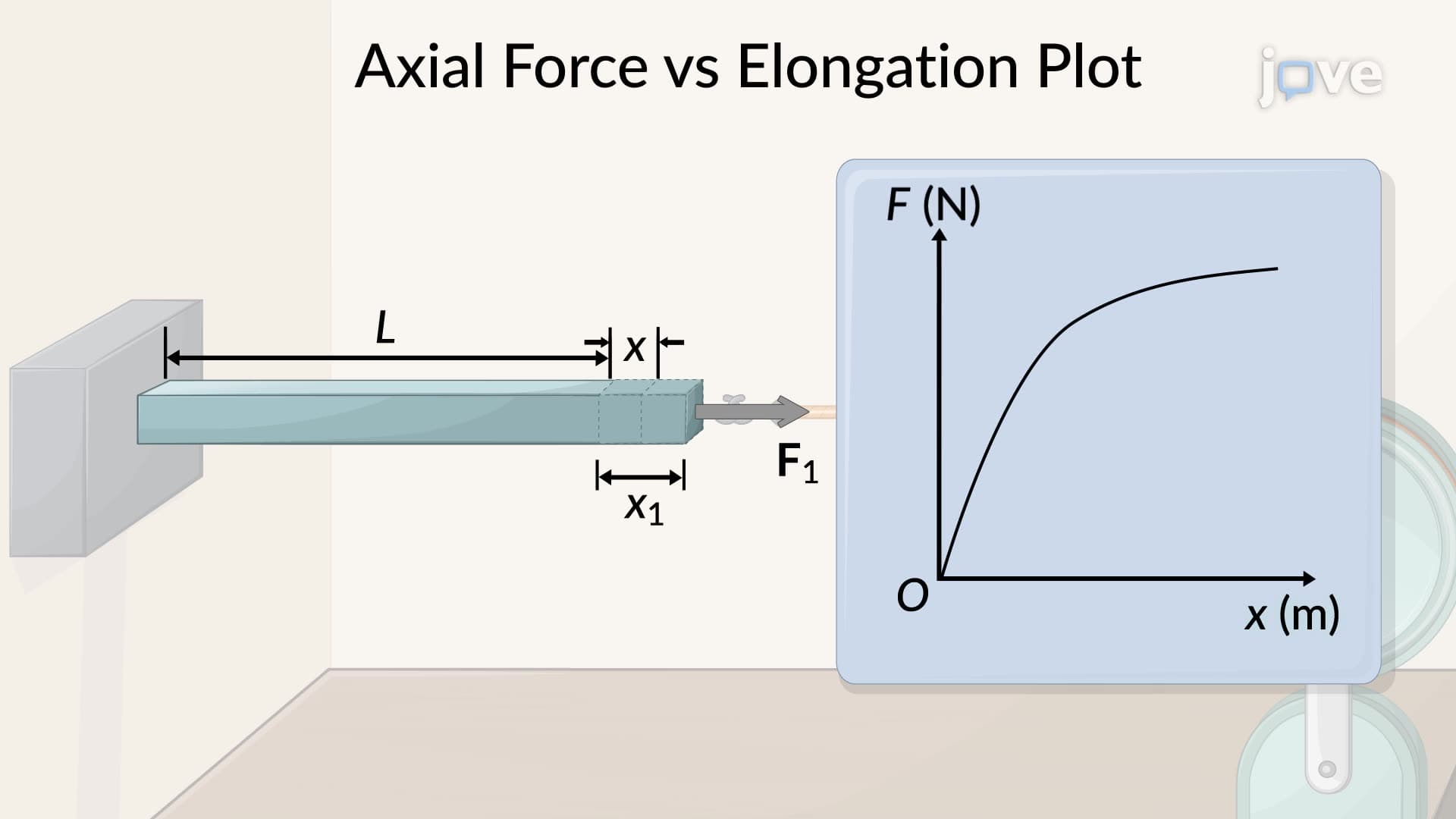
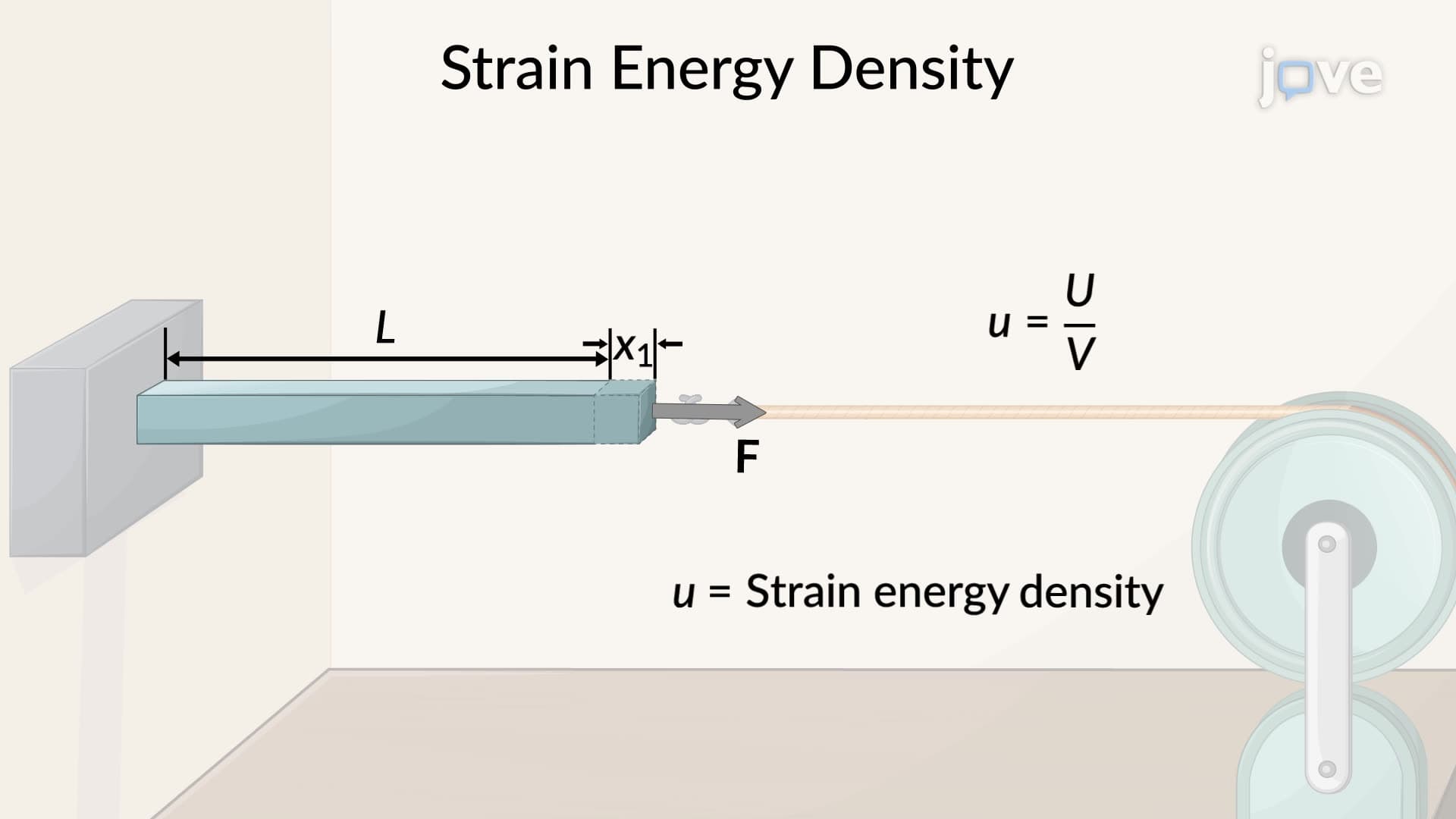
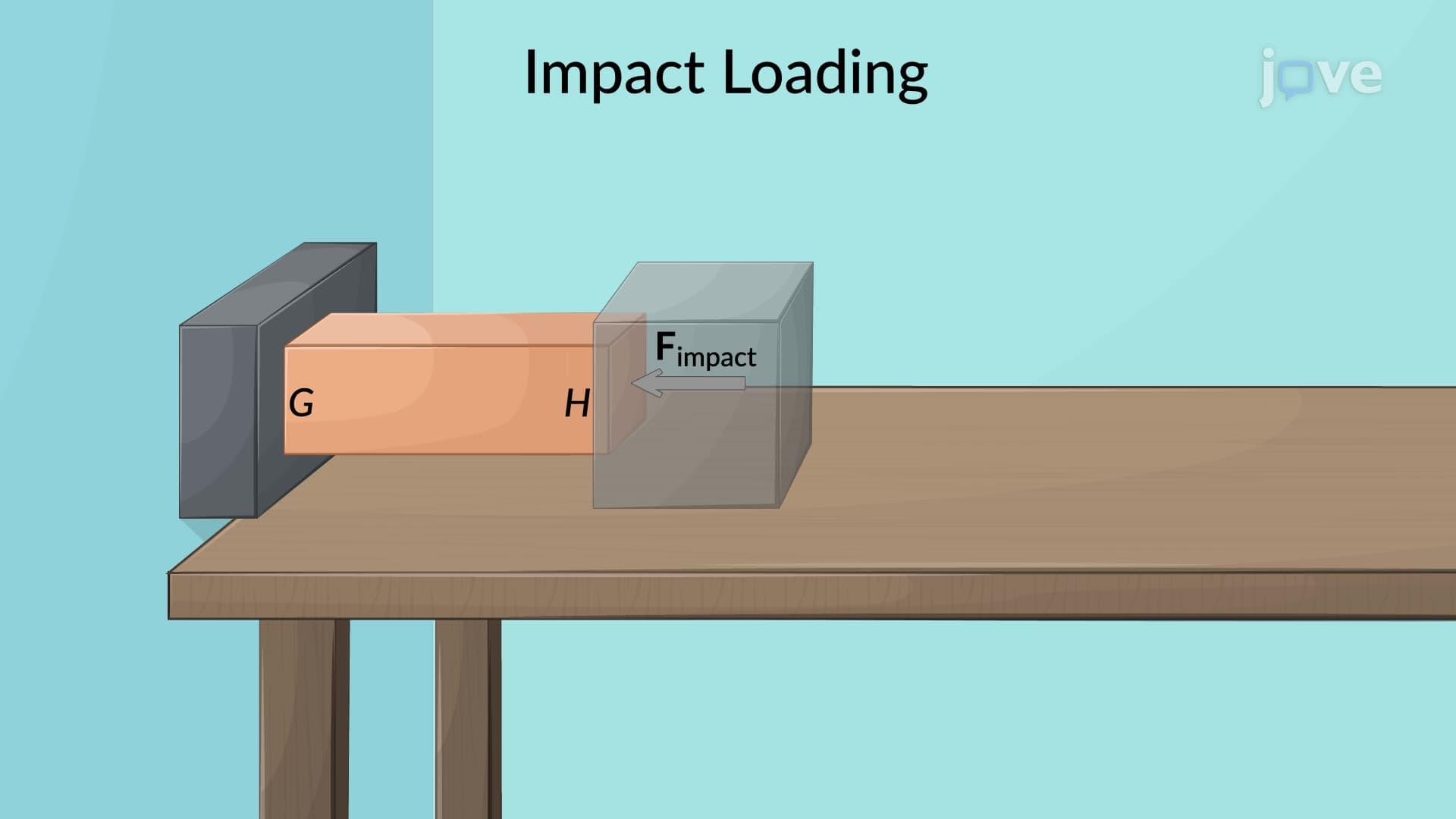
When an object falls onto a cantilever's free end, the collision transforms gravitational potential energy (mgh) into kinetic energy, which then converts to strain energy within the beam material. This energy transformation creates internal stresses that can exceed static load stresses by factors of two or more, explaining why dynamic loading considerations appear frequently in AP Physics C exams and college-level mechanics of materials courses.
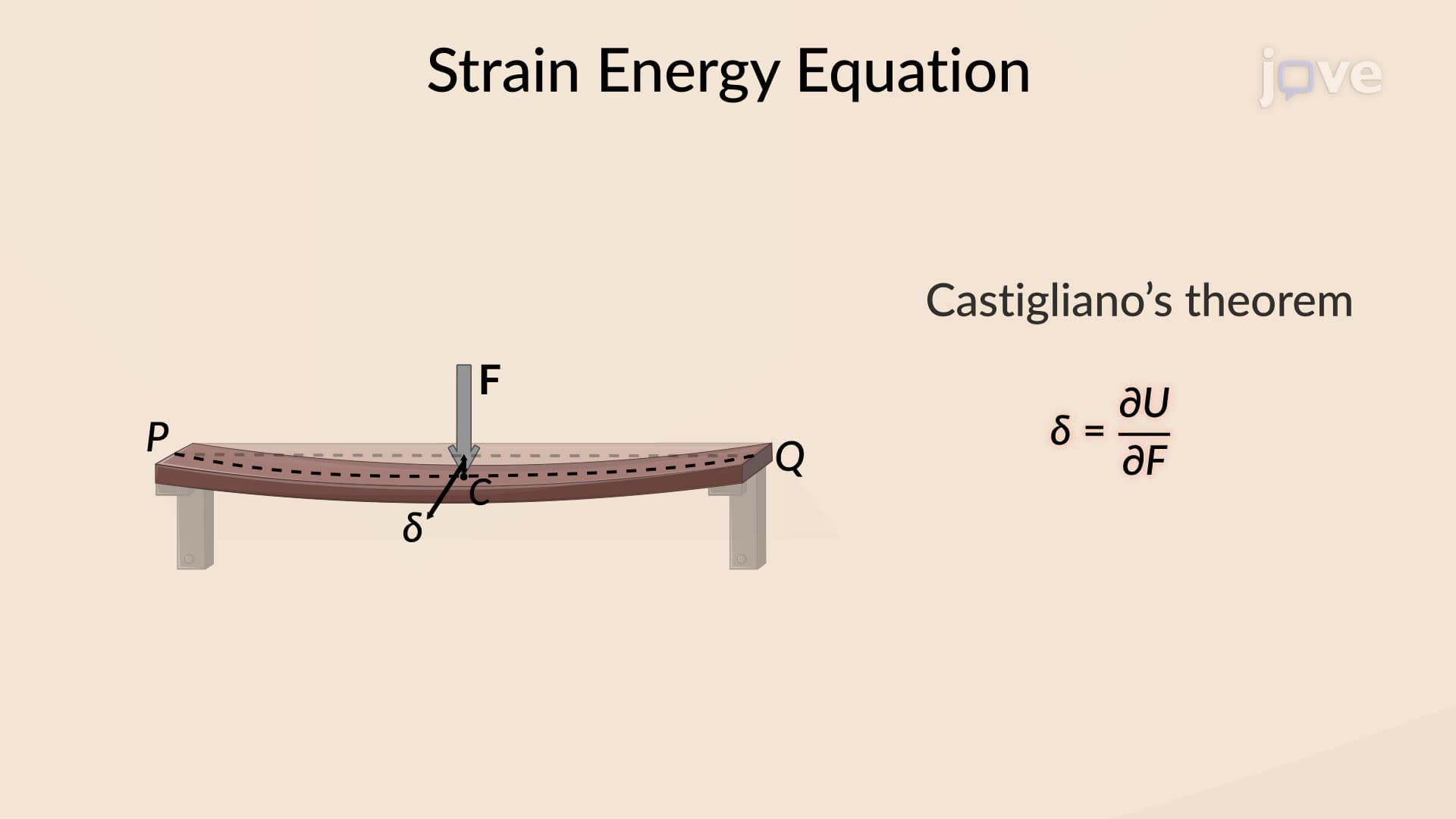
The strain energy concentration occurs primarily near the fixed support, where bending moments reach maximum values. For a cantilever with length L, the bending moment at distance x from the free end equals -Wx, where W represents the impacting object's weight. This linear distribution means engineers must reinforce the fixed end most heavily.
The mathematical relationship integrates strain energy over the beam's entire length, but the fixed end experiences the highest stress concentrations. This principle applies directly to real structures like the cantilever sections of the Queensboro Bridge in New York, where engineers calculated impact loads from potential vehicle collisions or falling construction materials.
Maximum stress in impact loading scenarios depends on three primary factors: the maximum load (related to impact energy), the beam's moment of inertia, and material properties. For circular cross-sections, the moment of inertia equals πd⁴/64, where d represents diameter. This relationship demonstrates why larger diameter beams handle impact loads more effectively.
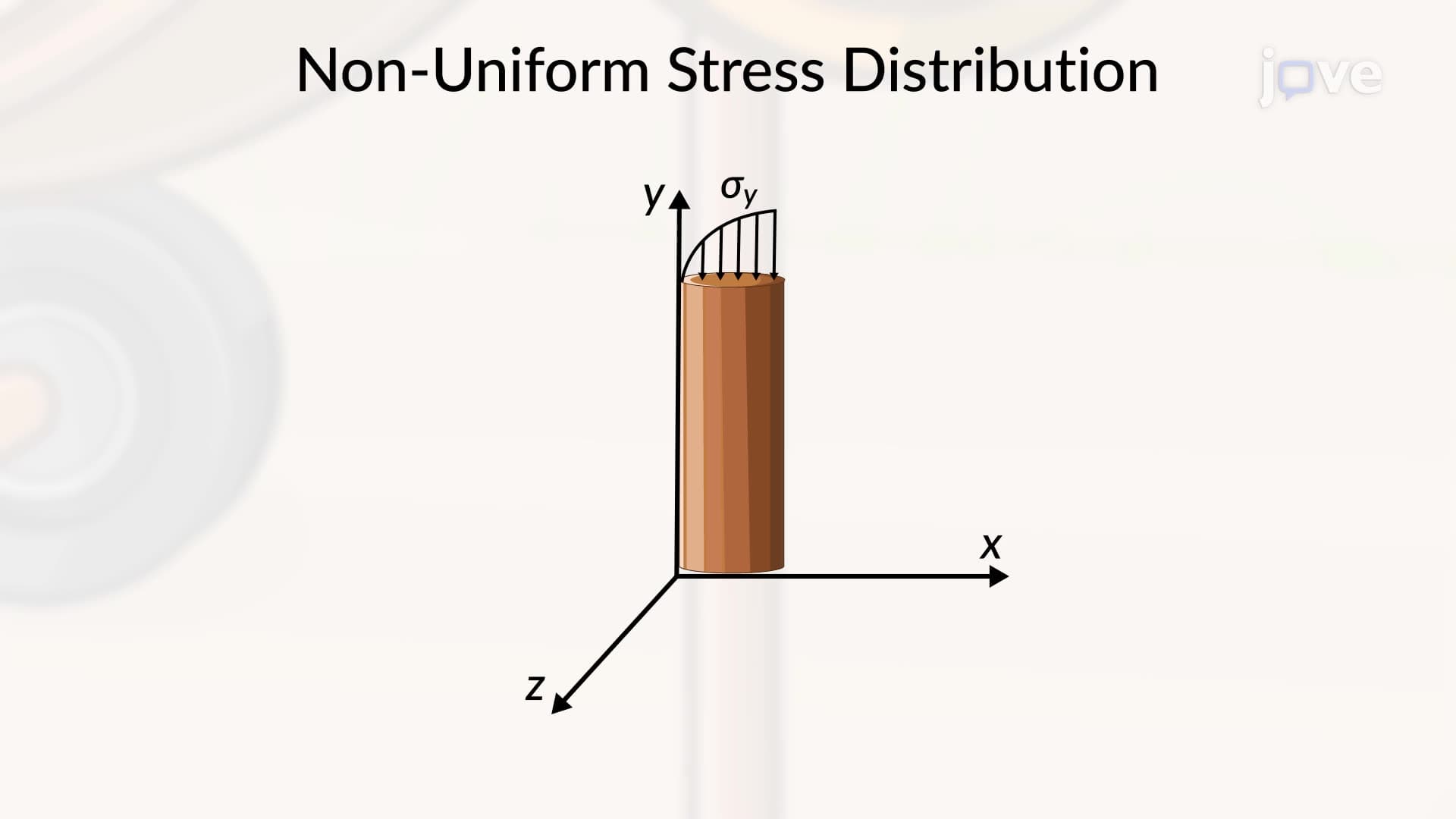
The stress equation σ(max) = M(max) × c / I shows that stress inversely relates to moment of inertia, explaining why engineers prefer larger cross-sections for impact-prone applications. Students encounter these calculations frequently in college engineering courses and professional licensing exams like the Fundamentals of Engineering (FE) exam administered across all US states.
Modern engineering applications require impact loading analysis for structures ranging from California earthquake-resistant building cantilevers to Texas oil rig support beams. The Federal Highway Administration mandates impact load considerations for bridge design, while building codes throughout the US specify minimum impact resistance for cantilever balconies and overhangs.
Understanding these principles helps students excel in advanced placement physics courses and prepares them for engineering programs at institutions like MIT, Stanford, and state universities nationwide. The mathematical foundations support both theoretical understanding and practical problem-solving skills essential for STEM career success.
Frequently Asked Questions
Impact loading on a cantilever beam occurs when objects strike or fall onto the beam, creating dynamic forces that exceed static load equivalents. Unlike gradual static loading, impact loads transfer kinetic energy rapidly, generating higher stresses and requiring specialized analysis methods. This phenomenon appears in real structures like diving boards, building overhangs, and bridge cantilever sections where sudden loads create critical stress concentrations.
Exam questions typically involve calculating maximum stress from dropped objects, comparing dynamic versus static load effects, or deriving strain energy equations. Students must apply energy conservation principles, integrate bending moment equations, and relate material properties to stress distributions. Common problem types include numerical calculations for beam deflections, stress analysis with given impact heights, and conceptual questions about failure modes.
MCAT physics sections occasionally include structural mechanics problems involving cantilever beams, particularly in passages about prosthetic devices or medical equipment design. Understanding energy transfer principles and stress-strain relationships helps with biomechanics questions about bone loading and fracture analysis. The mathematical reasoning skills transfer directly to other physics topics on standardized medical entrance exams.
Engineering mechanics courses emphasize impact loading as a bridge between statics and dynamics, requiring students to integrate multiple concepts including energy methods, stress analysis, and beam theory. Midterm exams frequently feature multi-step problems combining impact calculations with material failure criteria. Professors often assign homework problems based on real engineering failures where impact loading caused structural damage.
Highway departments analyze impact loading for bridge design when vehicles might strike cantilever sections, while building codes require impact calculations for balconies and overhangs in high-wind regions. The petroleum industry uses these principles for offshore platform design along the Gulf Coast, and aerospace companies apply impact analysis to aircraft wing structures. Construction companies must consider impact loads from falling debris during building projects.
Basic calculus and algebra provide sufficient mathematical foundation for introductory impact loading analysis. High school students with AP Calculus background can handle the integration required for strain energy calculations. College courses gradually introduce more complex mathematical treatments, but the fundamental concepts remain accessible to students with solid pre-calculus skills and basic physics understanding.
Start with energy conservation principles before tackling complex stress equations, practice converting between different units consistently, and work through problems step-by-step rather than memorizing formulas. Create summary sheets linking impact loading to static beam analysis, and solve practice problems from multiple textbooks to see various problem-solving approaches. Focus on understanding physical meaning behind mathematical expressions.
Progress to dynamic loading of complex structures, vibration analysis, and fatigue failure under repeated impact loads. Advanced coursework covers finite element analysis methods, composite material behavior under impact, and nonlinear stress-strain relationships. Graduate-level studies include wave propagation in structures, shock loading analysis, and experimental impact testing methods used in aerospace and automotive industries.
Material modulus of elasticity directly influences stress magnitude, while yield strength determines failure thresholds under impact conditions. Ductile materials like steel can absorb more impact energy before failure compared to brittle materials like concrete or ceramics. The material's density affects how impact energy propagates through the structure, making material selection critical for applications involving potential impact loads.
Related Micro-courses
Related Subjects
 Civil Engineering 30 micro-courses›Electrical Engineering 33 micro-courses›