- Mechanical Engineering
- Force Vectors
Micro-courses:28

Force Vectors
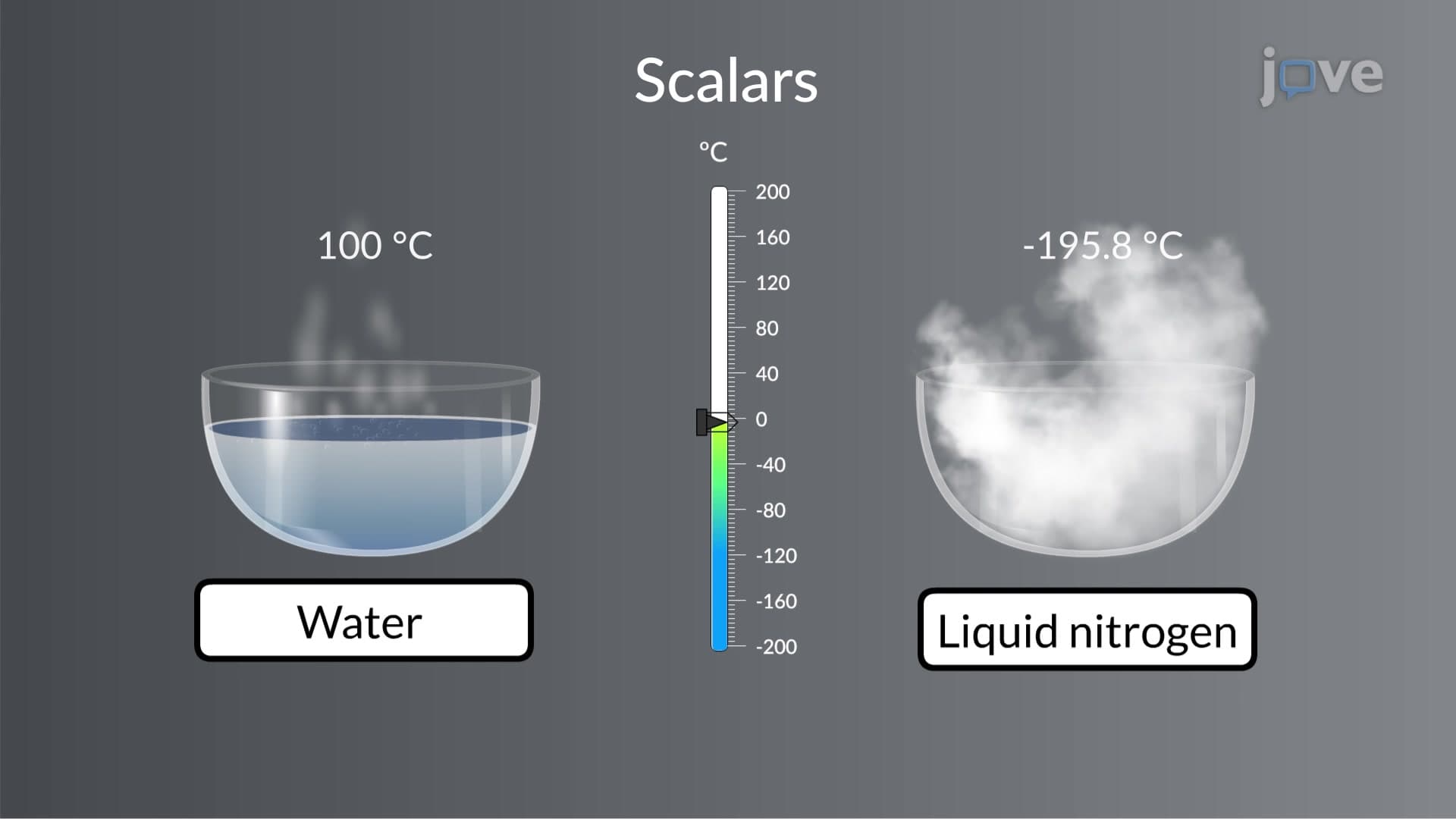
1. Scalar and Vectors
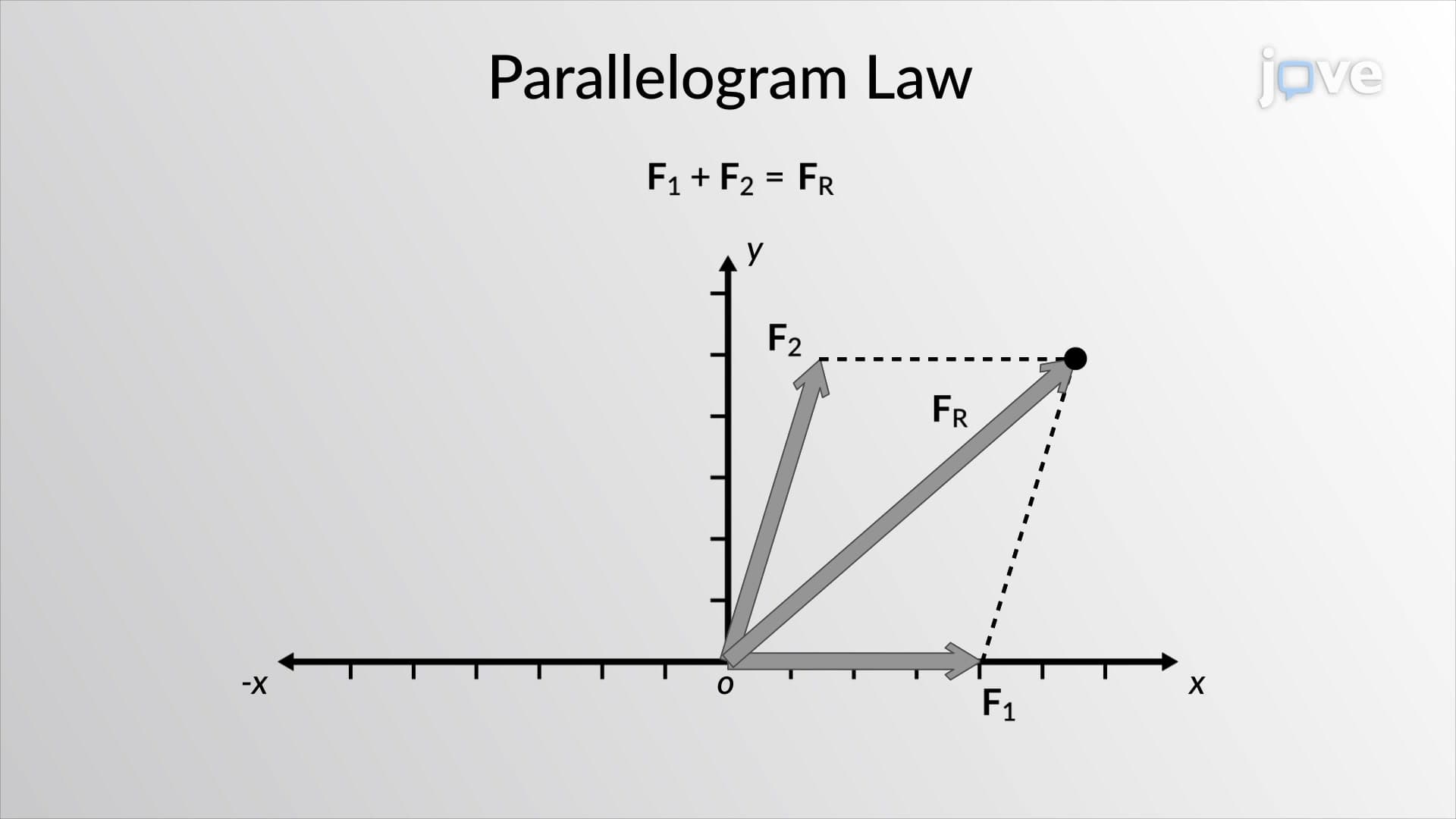
2. Vector Operations
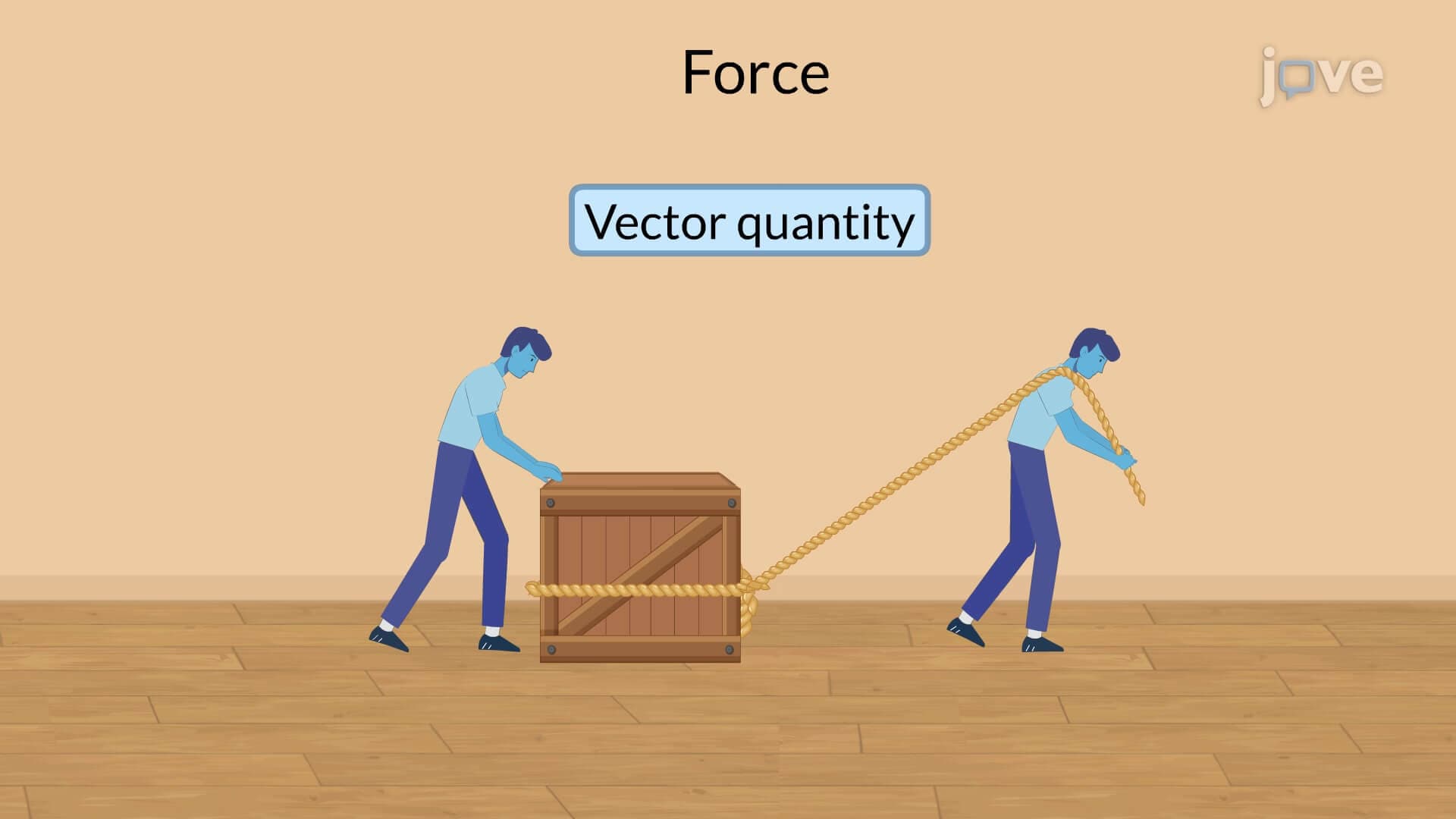
3. Introduction to force
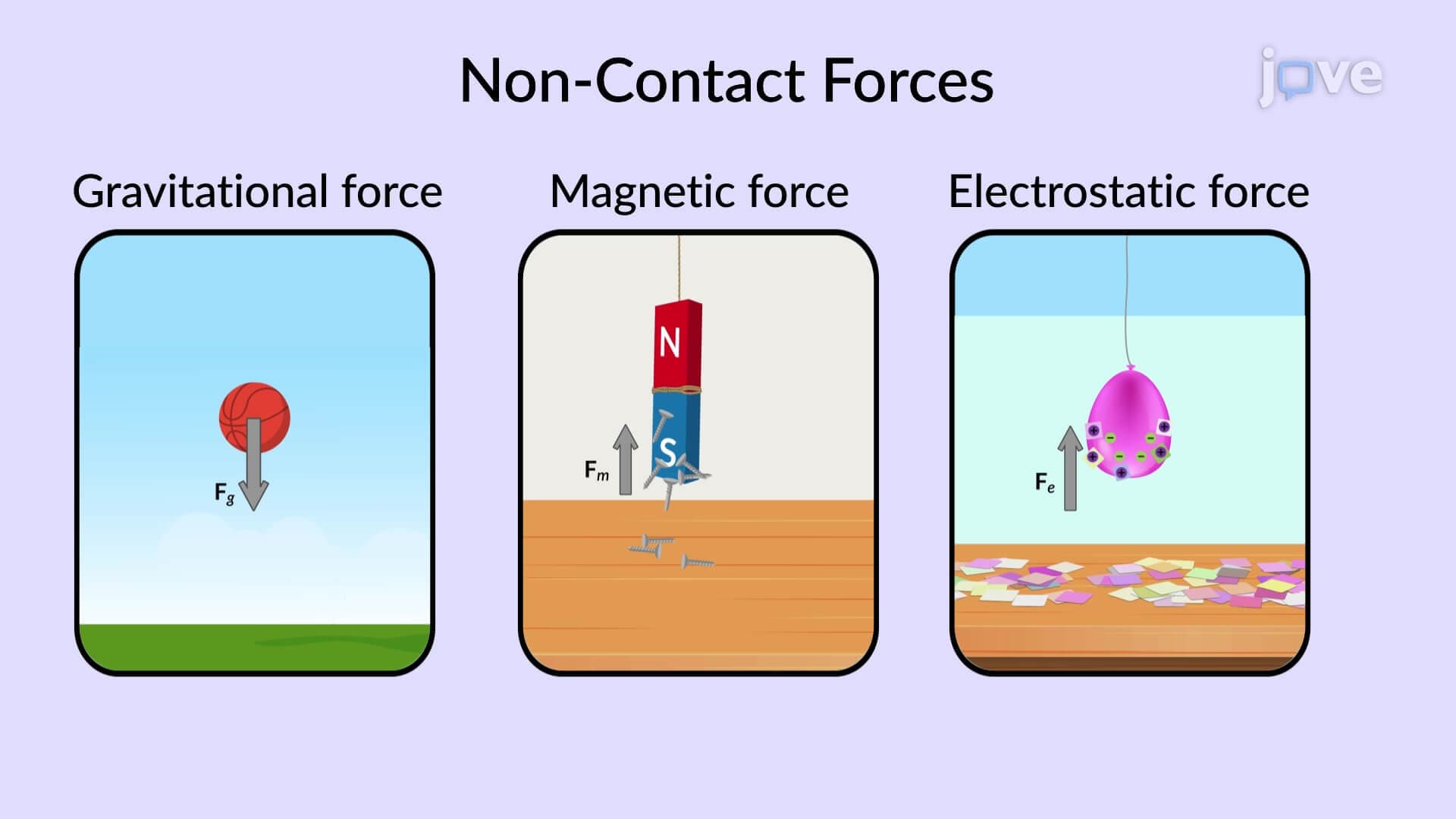
4. Force Classification
5. Vector Addition of Forces
6. Two-Dimensional Force System
7. Two-Dimensional Force System: Problem Solving

8. Scalar Notation

9. Cartesian Vector Notation
10. Direction Cosines of a Vector
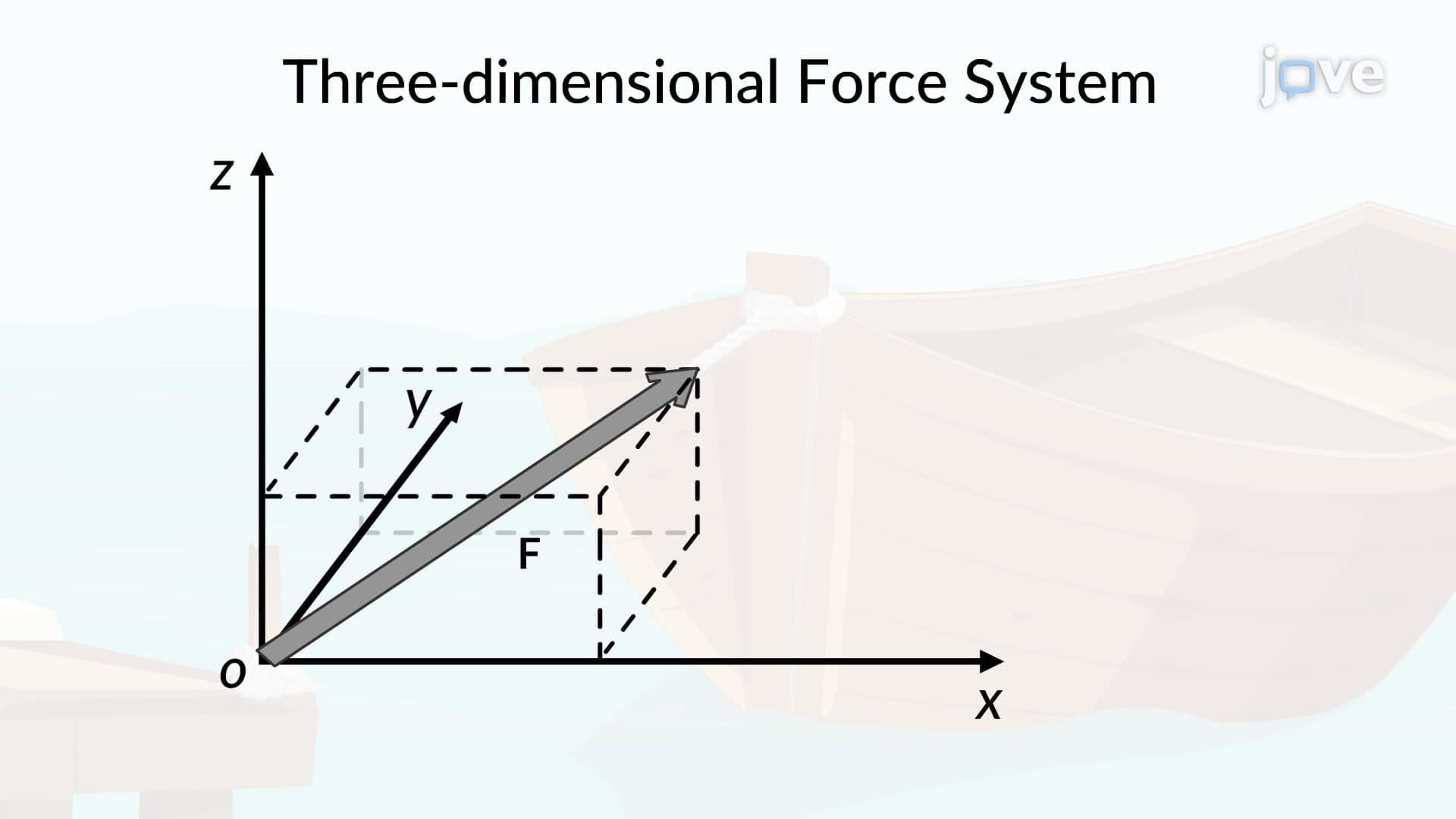
11. Three-Dimensional Force System
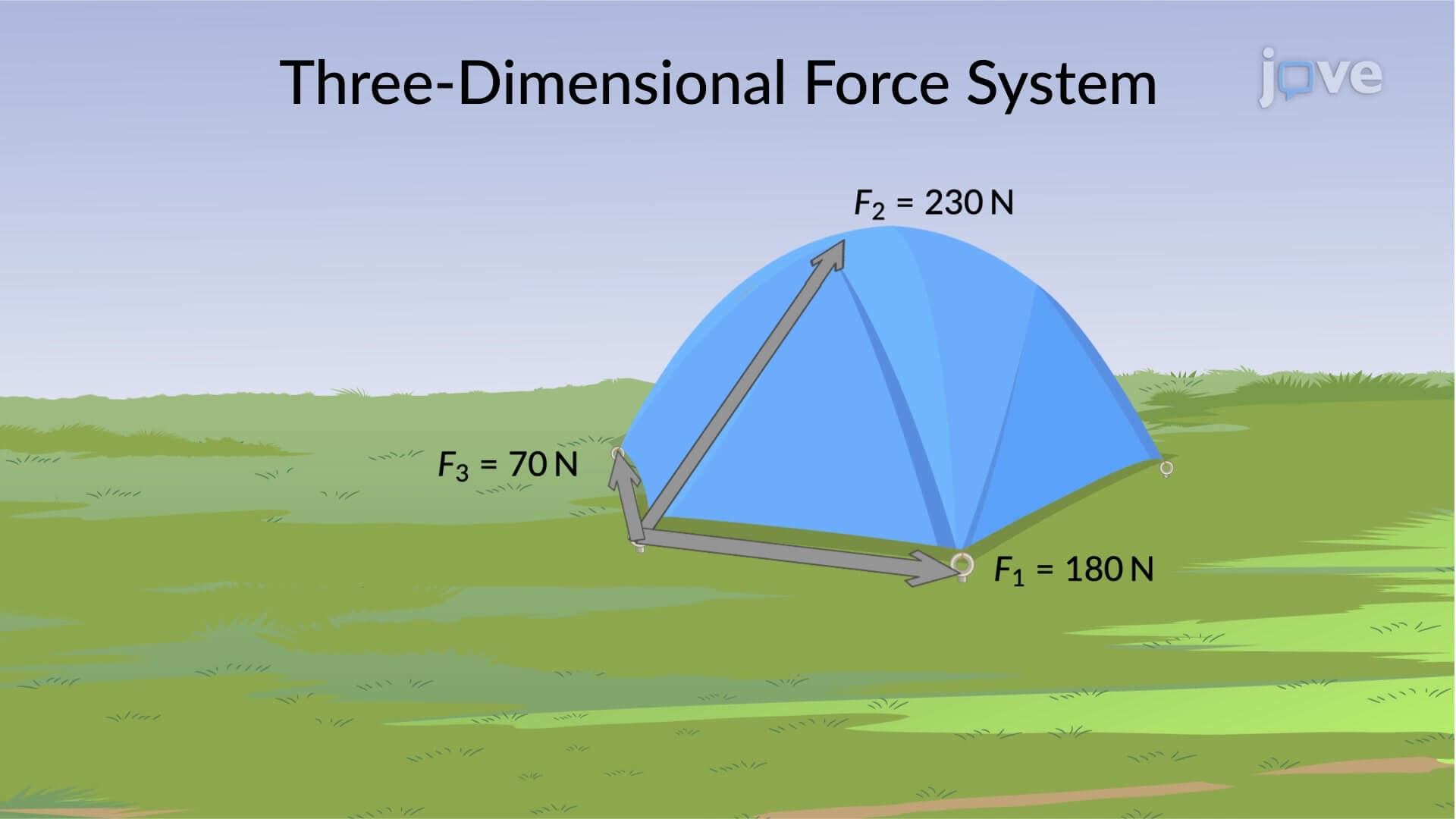
12. Three-Dimensional Force System:Problem Solving
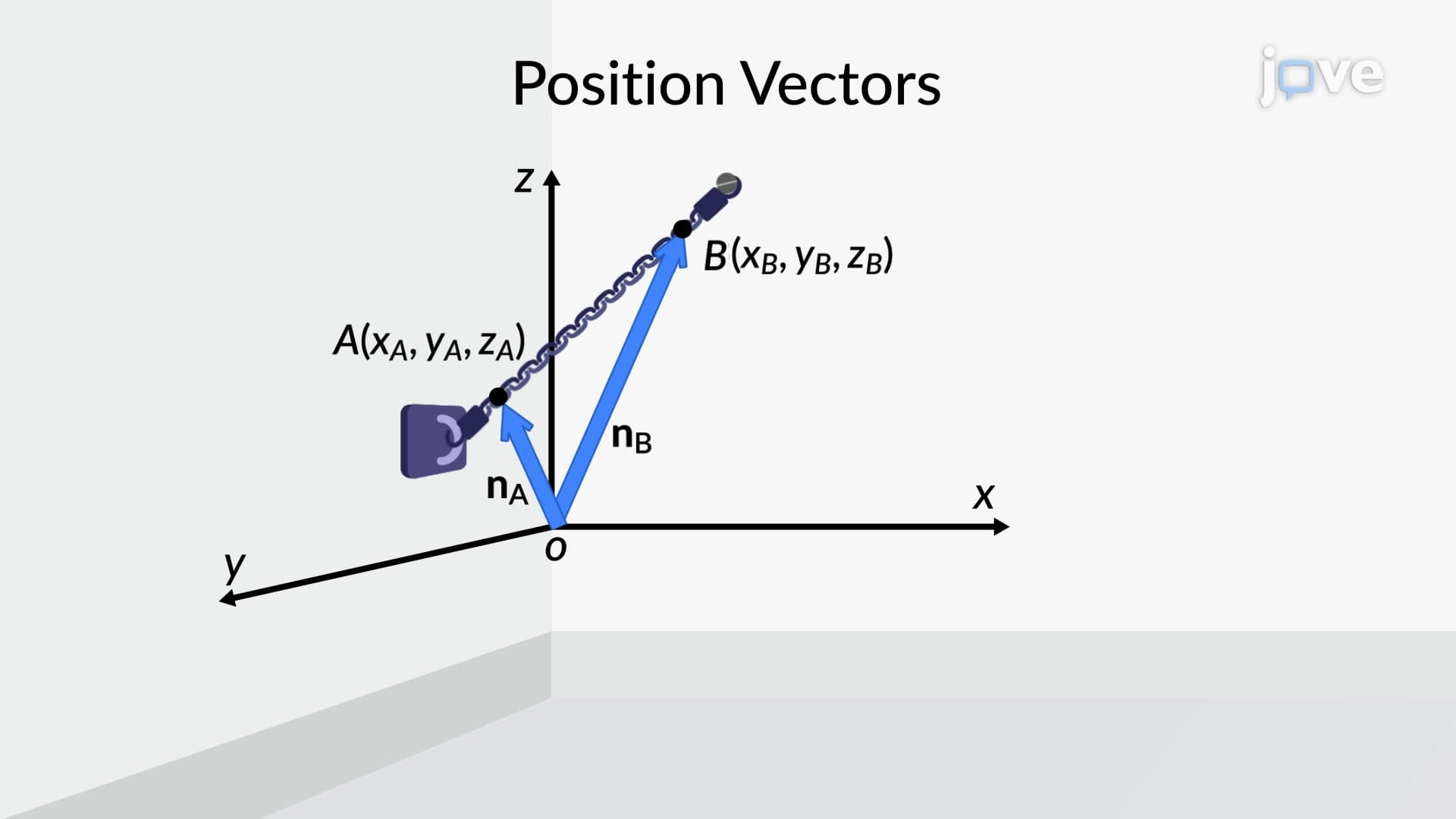
13. Position Vectors
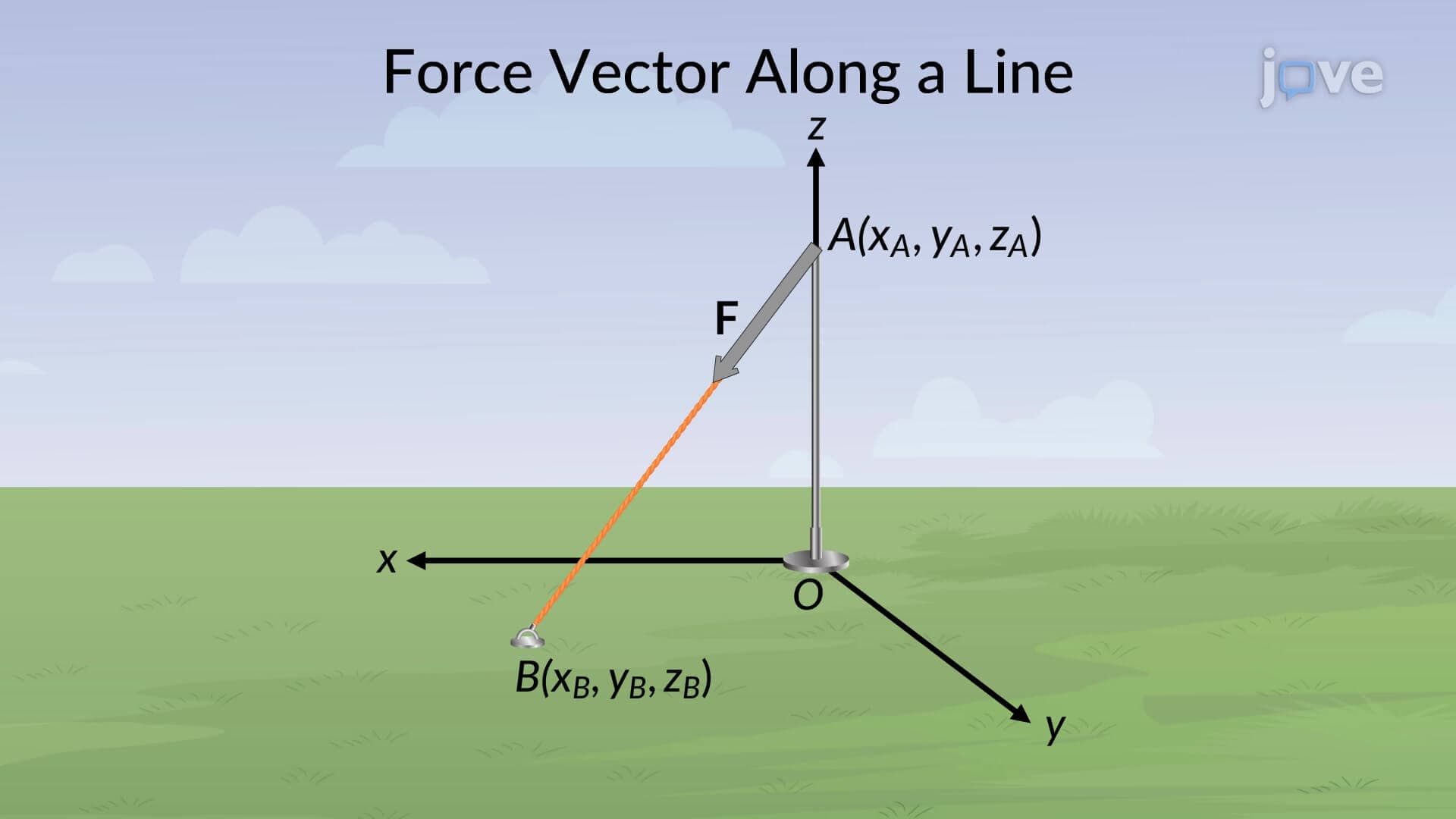
14. Force Vector along a Line
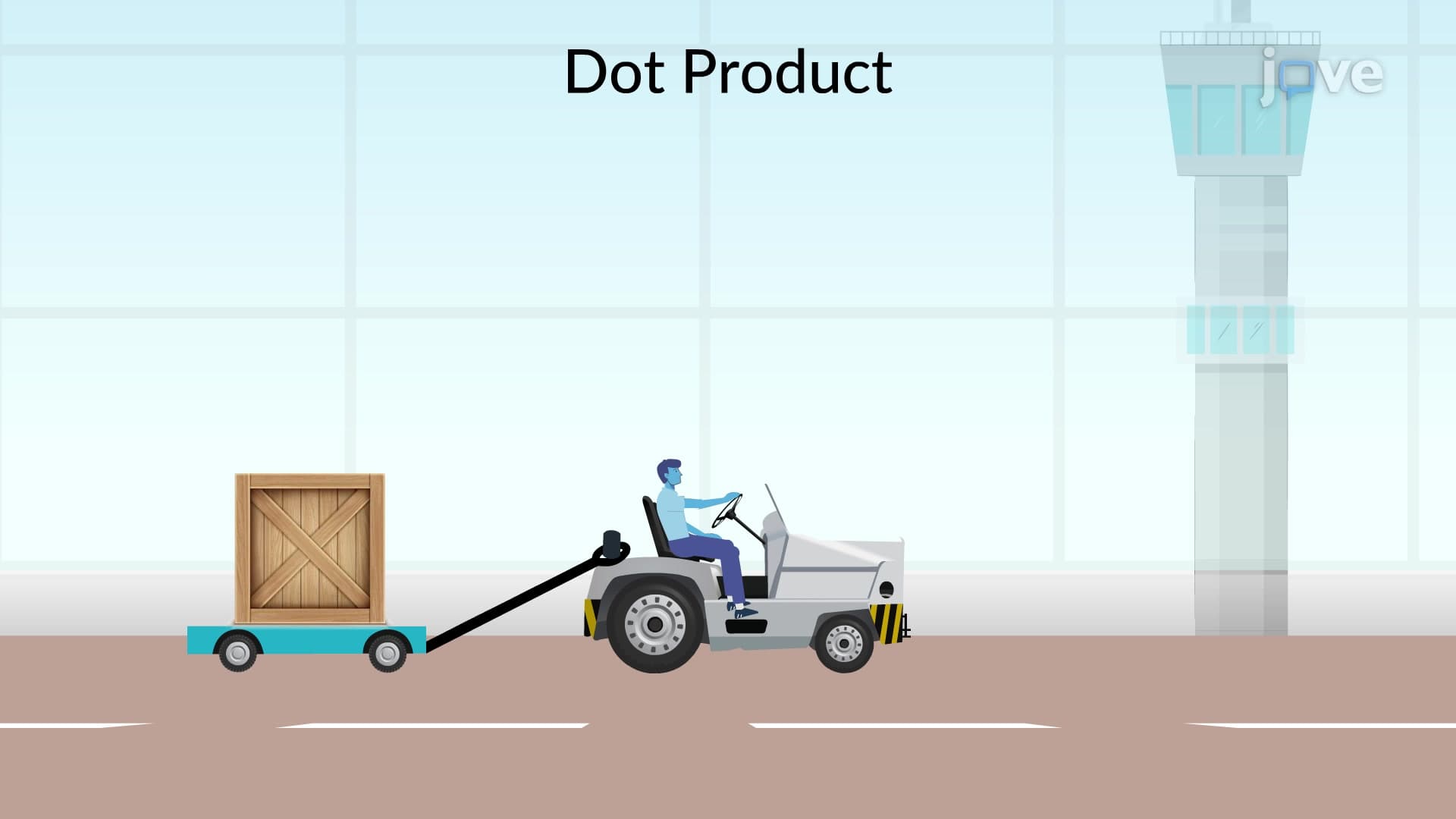
15. Dot Product
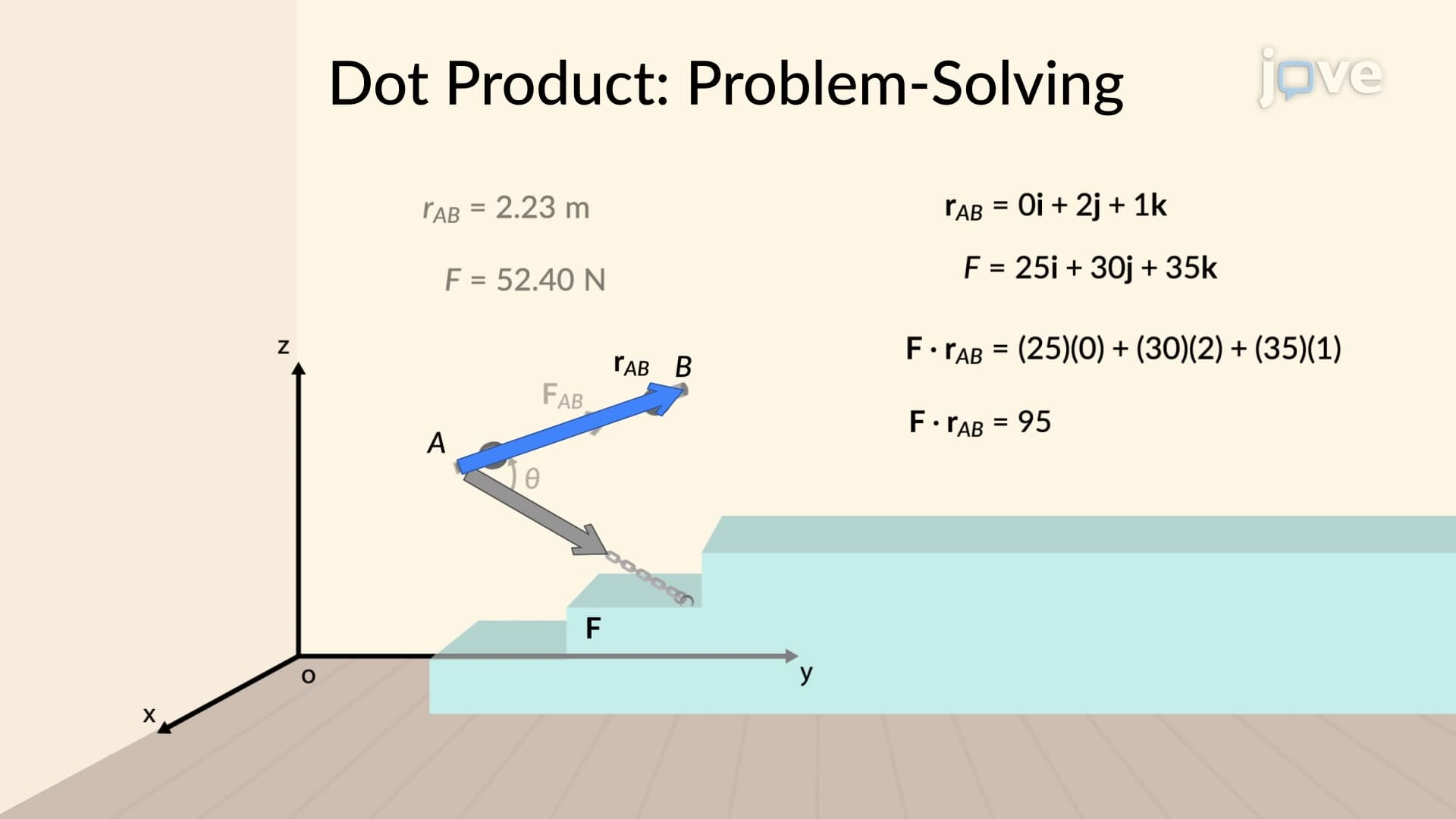
16. Dot Product: Problem Solving
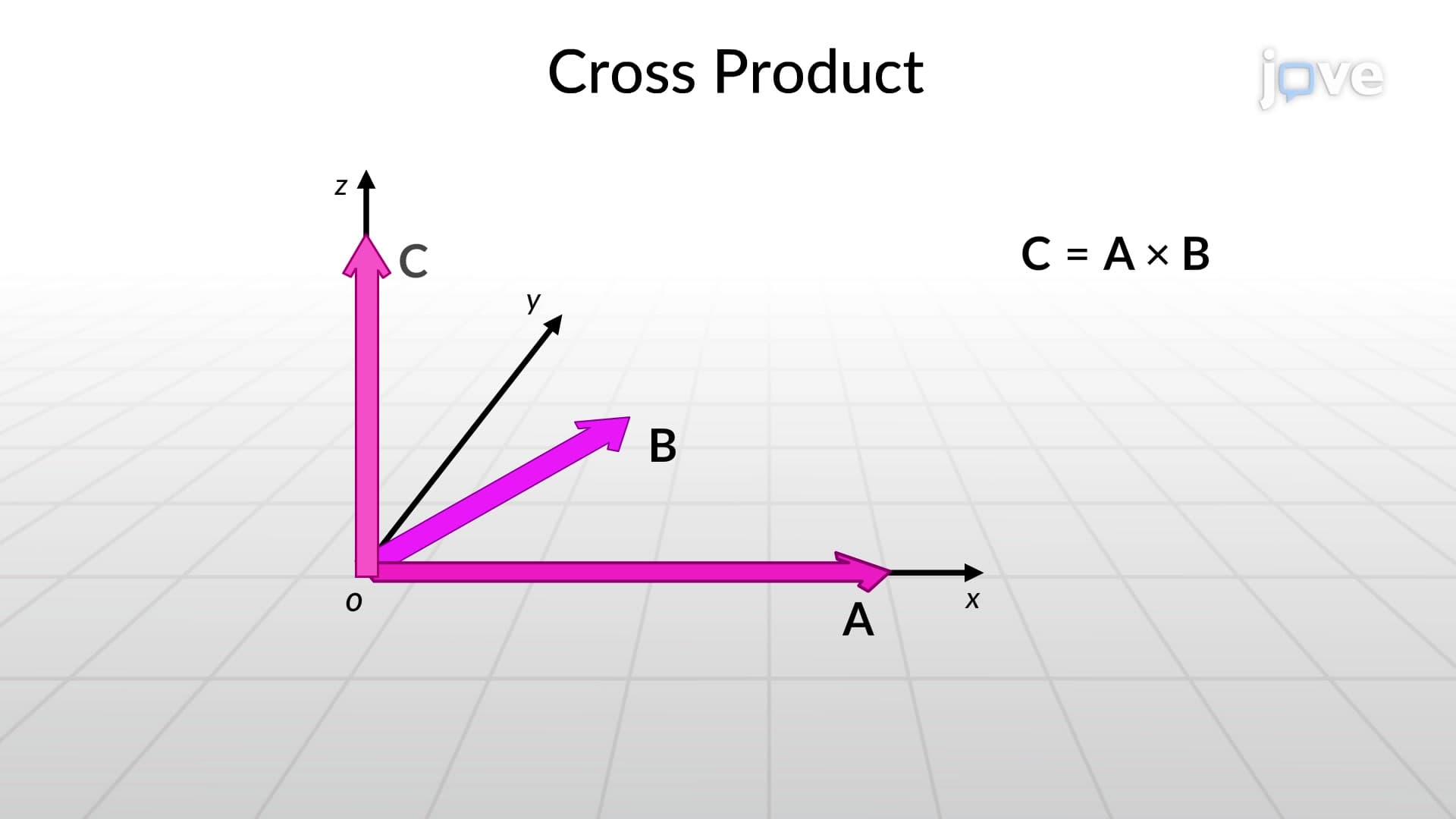
17. Cross Product
Force vectors represent the fundamental building blocks for analyzing forces as vectors in engineering mechanics and physics. This comprehensive course covers vector force resolution from basic 2D systems to complex 3D applications, including resultant force calculations, vector addition methods, and dot/cross product operations. Students explore real-world scenarios like tugboat operations, structural analysis, and mechanical systems through JoVE Coach's systematic approach, building essential skills for AP Physics, MCAT preparation, and engineering coursework.
- Understand the fundamental differences between scalar and vector quantities in force analysis
- Learn vector addition techniques using parallelogram law and triangle rule for multiple forces
- Identify force components in 2D and 3D coordinate systems using trigonometric relationships
- Explore Cartesian vector notation with unit vectors i, j, and k for three-dimensional problems
- Analyze direction cosines and coordinate direction angles for spatial force vectors
- Apply dot product operations to calculate work, force projections, and angles between vectors
- Master cross product calculations for determining perpendicular forces and moments
- Understand position vectors and their role in defining force directions along structural elements
- Learn scalar notation methods for simplified force component calculations
- Apply vector operations to solve complex engineering problems involving multiple force systems
1. Scalar vs Vector Quantities in Force Analysis Understanding the distinction between scalars (magnitude only) and vectors (magnitude and direction) forms the foundation for force analysis. While mass and distance are scalar quantities, forces like weight and tension are vectors requiring both magnitude and directional specification. Consider a construction crane lifting materials—the crane's dimensions represent scalar properties, but the lifting force and cable tension are vector quantities with specific directions. This fundamental concept applies to all engineering systems from bridge design to aerospace applications, where precise force direction determines structural integrity and safety factors.
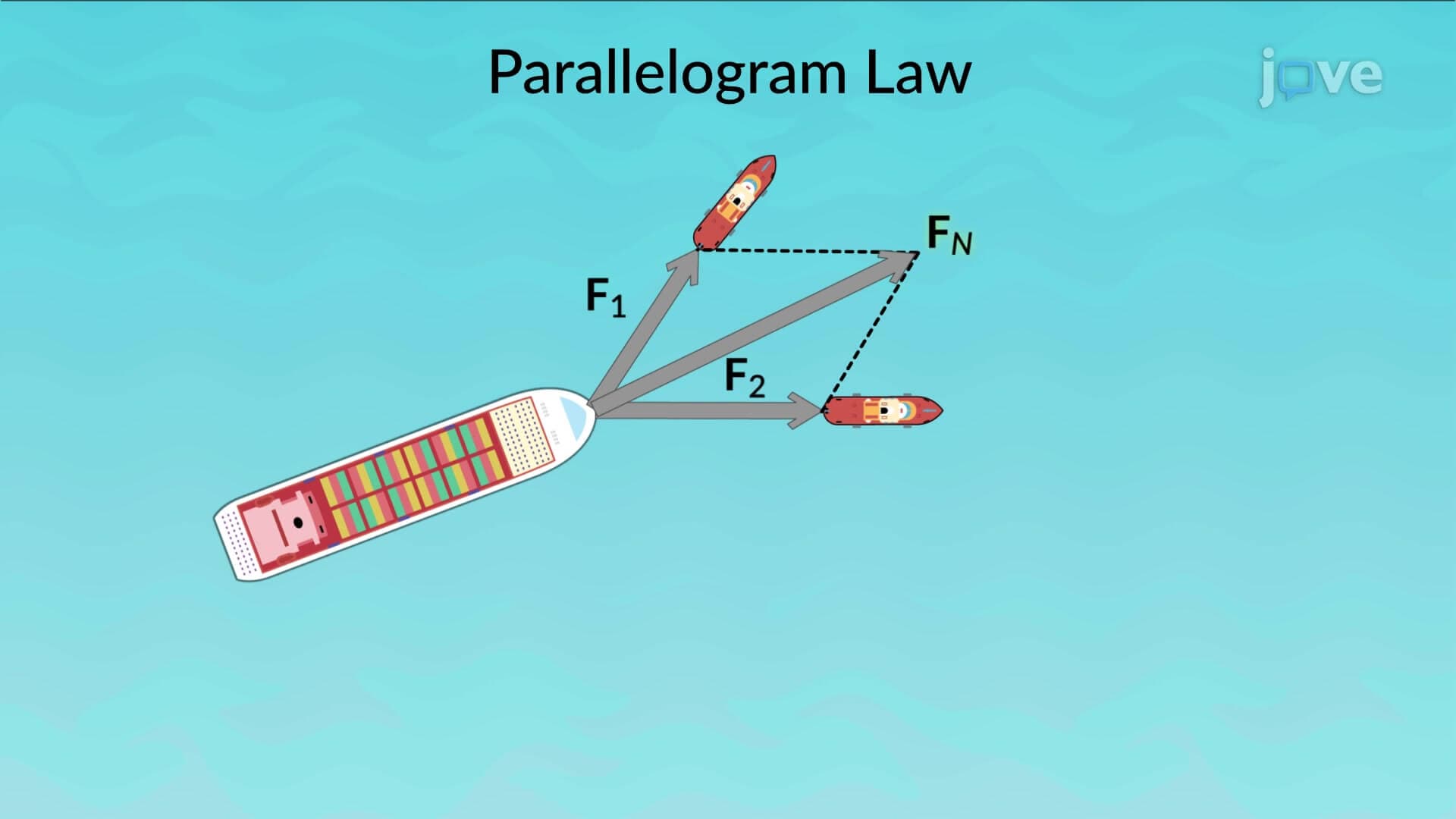
2. Vector Addition Methods and Parallelogram Law The parallelogram law provides the geometric foundation for combining multiple forces acting on a single point. When tugboats pull a ship from different directions, engineers use this method to determine the net force by drawing parallel lines to each force vector, creating a parallelogram whose diagonal represents the resultant force. The triangle rule offers an alternative approach, arranging vectors head-to-tail to find the same resultant. These methods prove essential in structural engineering, where multiple loads act simultaneously on building components, requiring accurate force combination calculations.
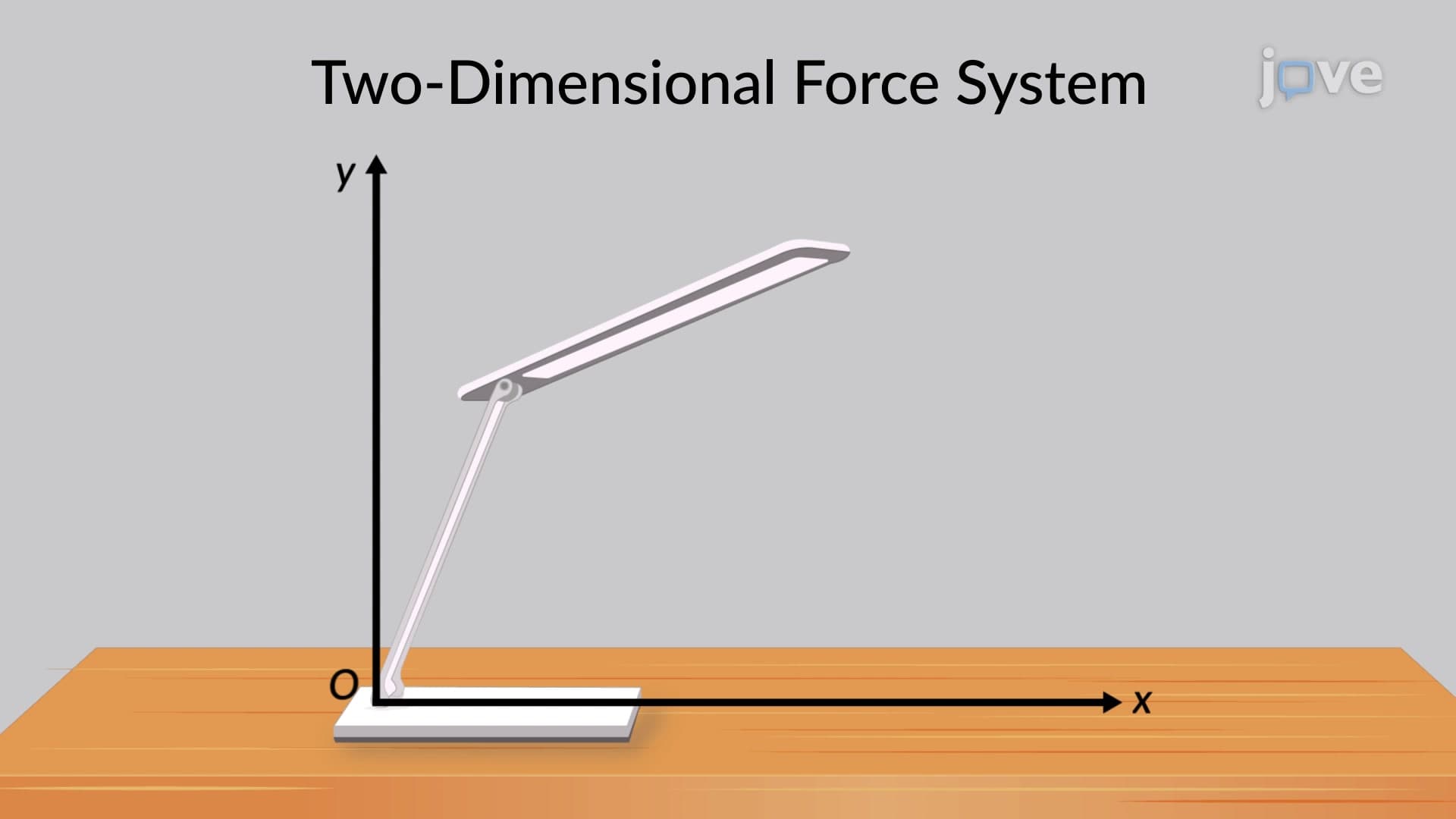
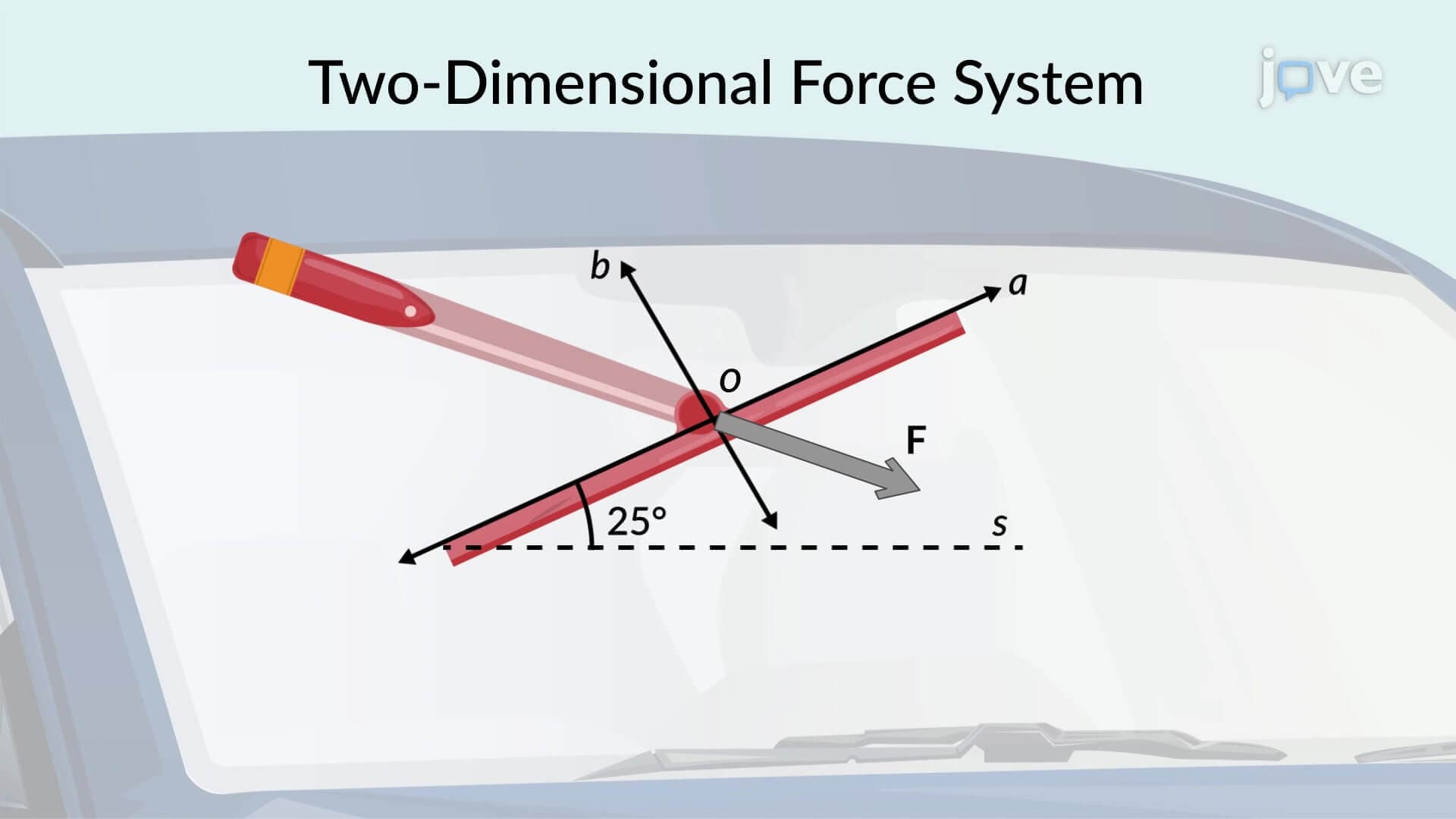
3. Two-Dimensional Force Systems and Components Breaking down forces into perpendicular components simplifies complex force analysis in planar systems. Consider a worker pulling a rope at an angle to move heavy equipment—the force resolves into horizontal and vertical components using trigonometric functions. The horizontal component produces motion while the vertical component affects normal forces. This resolution technique applies extensively in mechanical systems, from inclined plane problems in physics courses to analyzing forces in automotive suspension systems and construction equipment operations.
4. Cartesian Vector Notation and Unit Vectors Expressing forces using unit vectors i, j, and k along coordinate axes provides a systematic mathematical approach to three-dimensional force analysis. A force vector F = 50i + 30j - 20k newtons clearly indicates 50N in the x-direction, 30N in the y-direction, and 20N in the negative z-direction. This notation simplifies vector arithmetic operations and proves invaluable in computer-aided engineering analysis. Structural engineers use this method when analyzing complex frameworks like stadium roofs or bridge trusses where forces act in all three spatial dimensions.
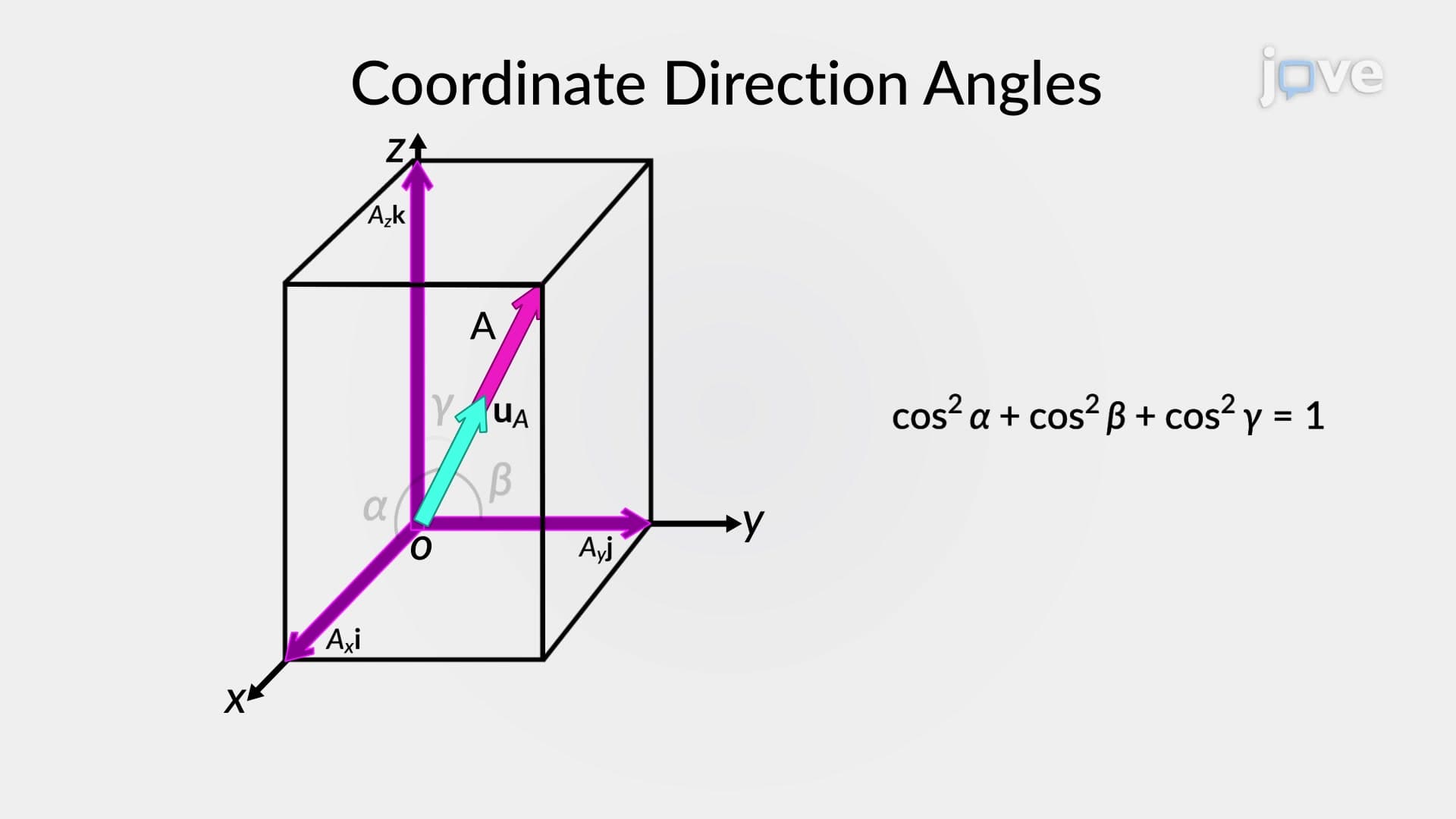
5. Direction Cosines and Three-Dimensional Force Orientation Direction cosines define a force vector's orientation in three-dimensional space using angles measured from coordinate axes. These cosines satisfy the fundamental relationship cos²α + cos²β + cos²γ = 1, providing a consistency check for calculations. Consider analyzing forces in a space frame structure—knowing two direction angles allows calculation of the third, ensuring accurate force representation. This concept proves crucial in aerospace engineering, robotics, and any application where precise spatial force orientation determines system performance and safety requirements.
6. Vector Operations: Dot Product Applications The dot product operation calculates work done by forces, determines angles between force vectors, and finds force components along specific directions. When a forklift moves cargo horizontally while applying force at an angle, the work done equals the dot product of force and displacement vectors. This operation also determines whether forces are perpendicular (dot product = 0) or parallel (maximum dot product). Mechanical engineers use dot products extensively in power calculations, analyzing machine efficiency, and determining optimal force application angles in mechanical systems.
7. Cross Product and Perpendicular Force Relationships Cross products generate vectors perpendicular to two given vectors, essential for calculating moments and torques in mechanical systems. The right-hand rule determines the resulting vector's direction, while the magnitude equals the area of the parallelogram formed by the original vectors. Consider analyzing the torque produced by a wrench—the cross product of the force vector and position vector from the bolt center gives the moment vector. This operation proves fundamental in rotational mechanics, motor design, and any system involving rotational motion or moments about axes.
Frequently Asked Questions
Use 2D analysis when all forces lie in a single plane (like forces on a wall bracket or inclined plane problems). Choose 3D analysis when forces act in different planes simultaneously, such as cables supporting a hanging sign from multiple anchor points at different heights and horizontal positions.
Convert all forces to Cartesian vector notation (using i, j, k components), then add corresponding components algebraically. This method works for any number of forces and easily extends from 2D to 3D problems, making it ideal for complex engineering applications and computer calculations.
Expect problems involving force component resolution, vector addition using geometric methods, and applications to equilibrium situations. AP Physics emphasizes graphical vector addition and component analysis, while MCAT focuses on conceptual understanding and basic calculations involving resultant forces in biological and mechanical systems.
Cartesian notation enables systematic problem-solving for complex systems with multiple forces, integrates easily with calculus operations, and translates directly to computer programming for engineering analysis software. This mathematical approach scales efficiently from simple 2D problems to complex 3D structural and mechanical systems.
Cross products appear extensively in rotational mechanics (calculating torques and moments), electromagnetic field analysis, computer graphics and robotics (determining perpendicular directions), and structural engineering (analyzing moments about supports and joints in frameworks and trusses).
Always draw clear diagrams showing force directions and coordinate systems, use consistent sign conventions throughout problems, verify that component magnitudes don't exceed the original force magnitude, and check that calculated angles make physical sense within the problem context.
Practice translating word problems into vector diagrams, work systematically through component resolution steps, use consistent notation and sign conventions, solve problems using multiple methods when possible to verify answers, and focus on understanding physical meaning rather than just mathematical manipulation.
Vector force analysis provides the mathematical foundation for statics, dynamics, strength of materials, and fluid mechanics courses. These skills directly apply to finite element analysis software, structural design calculations, and mechanical system optimization throughout engineering careers.
Students need solid understanding of sine, cosine, and tangent functions, inverse trigonometric functions for angle calculations, and the Pythagorean theorem for magnitude calculations. Most problems use standard angles (30°, 45°, 60°) or provide sufficient geometric information for component resolution.
This microcourse includes 17 concept videos that walk you through the building blocks of Mechanical Engineering. Each video is short, about 1 minute, so you can cover a full topic during a coffee break or between classes. The full sequence starts with Scalar and Vectors and ends with Cross Product.
The playlist moves from big-picture ideas to the precise vocabulary used in Mechanical Engineering. Early videos introduce Scalar and Vectors, Vector Operations, and Introduction to force. The middle of the series focuses on Vector Addition of Forces, Two-Dimensional Force System, and Two-Dimensional Force System: Problem Solving. The final stretch covers Scalar Notation, Cartesian Vector Notation, Direction Cosines of a Vector, Three-Dimensional Force System, Three-Dimensional Force System:Problem Solving, Position Vectors, and Cross Product.
The natural next step is Equilibrium of a Particle. From there, you can move to Force System Resultants, Equilibrium of a Rigid Body, and Structural Analysis. Once you finish those, the full Mechanical Engineering curriculum of 28 microcourses on JoVE Coach opens up, taking you from foundational concepts to advanced systems.
Related Subjects
 Civil Engineering 30 micro-courses›Electrical Engineering 33 micro-courses›