Loading subject page…
- Mechanical Engineering
- Moment of Inertia
Mechanical Engineering
All Micro-courses:28

1.
Physics Basics
13 Concepts
2.
An Introduction to Statics
10 Concepts
3.
Force Vectors
17 Concepts
4.
Equilibrium of a Particle
6 Concepts
5.
Force System Resultants
20 Concepts
6.
Equilibrium of a Rigid Body
9 Concepts
7.
Structural Analysis
17 Concepts
8.
Internal Forces
14 Concepts
9.
Friction
19 Concepts
10.
Center of Gravity and Centroid
13 Concepts
11.
Moment of Inertia
12 Concepts
12.
Virtual Work
12 Concepts
13.
Kinematics of a Particle
4 Concepts
14.
Kinetics of a Particle: Force and Acceleration
5 Concepts
15.
Kinetics of a Particle: Impulse and Momentum
12 Concepts
16.
Planar Kinematics of a Rigid Body
13 Concepts
17.
3-Dimensional Kinetics of a Rigid Body
10 Concepts
18.
Concept of Stress
8 Concepts
19.
Stress and Strain - Axial Loading
20 Concepts
20.
Torsion
12 Concepts
21.
Bending
18 Concepts
22.
Analysis and Design of Beams for Bending
4 Concepts
23.
Shearing Stresses in Beams and Thin-Walled Members
6 Concepts
24.
Transformations of Stress and Strain
10 Concepts
25.
Principal Stresses under a Given Loading
4 Concepts
26.
Deflection of Beams
9 Concepts
27.
Columns
7 Concepts
28.
Energy Methods
8 Concepts
Moment of Inertia
 12 Concepts
 16.2K Views
 Popular topics
Concepts: 12

01:17
1.6K views

01:12
2.3K views

01:12
2.2K views
01:14
1.4K views

01:14
817 views

01:20
1.4K views
01:13
717 views

01:18
898 views
01:10
851 views

01:14
2.6K views
01:10
1K views
01:13
456 views
Moment of inertia is a fundamental property that measures how mass or area is distributed relative to an axis of rotation or bending. This comprehensive course covers both area moments of inertia (second moment of area) for structural analysis and mass moments of inertia for rotational dynamics, essential for engineering students and physics coursework across US universities.
- Understand the fundamental concept of moment of inertia for both areas and masses
- Learn to calculate second moment of area for basic geometric shapes and composite sections
- Apply the parallel axis theorem to determine moments of inertia about different axes
- Explore radius of gyration and its significance in structural design
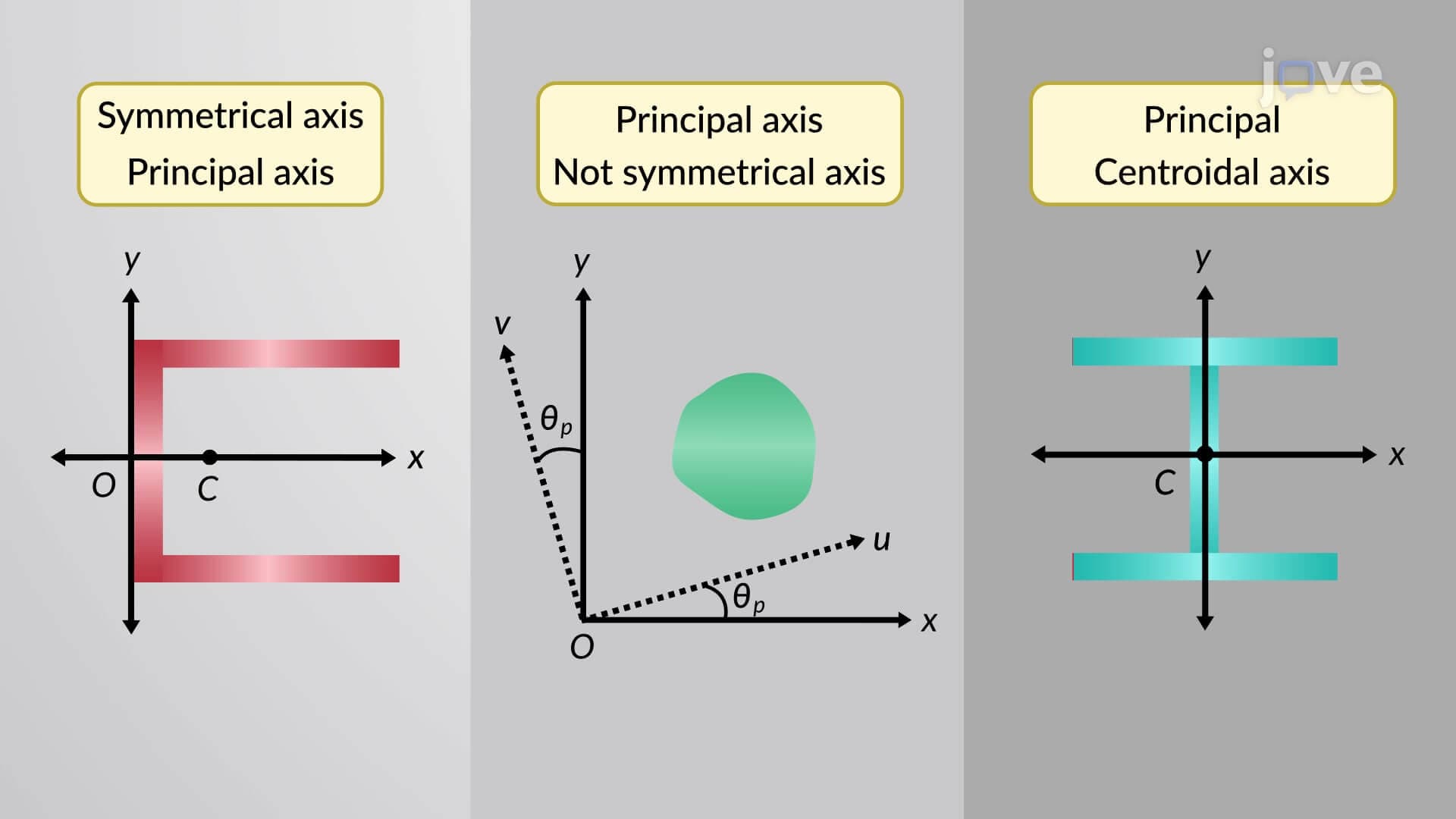
- Identify principal axes and principal moments of inertia for irregular shapes
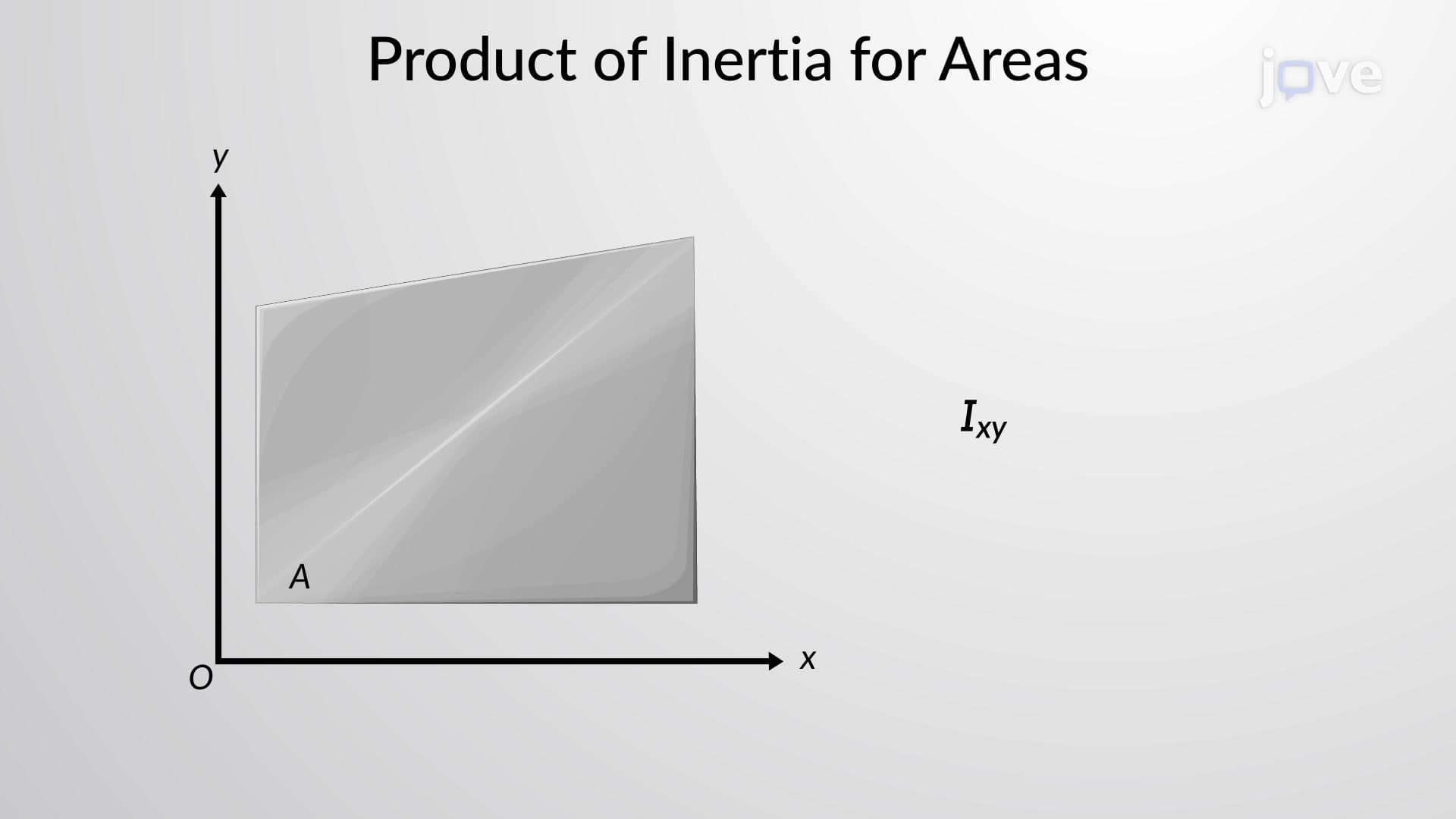
- Analyze product of inertia and its role in asymmetric loading conditions
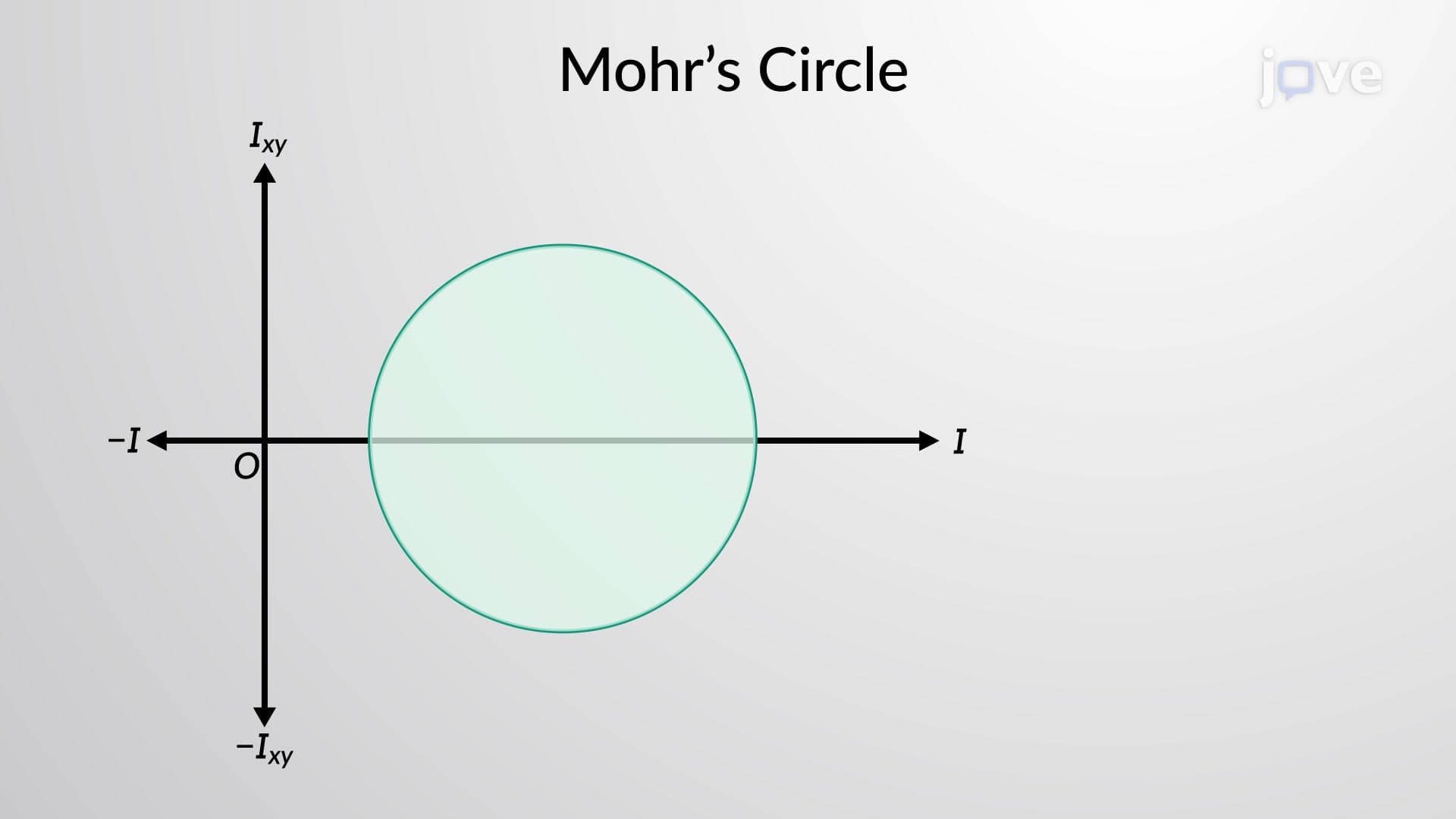
- Master Mohr's circle graphical method for finding principal moments
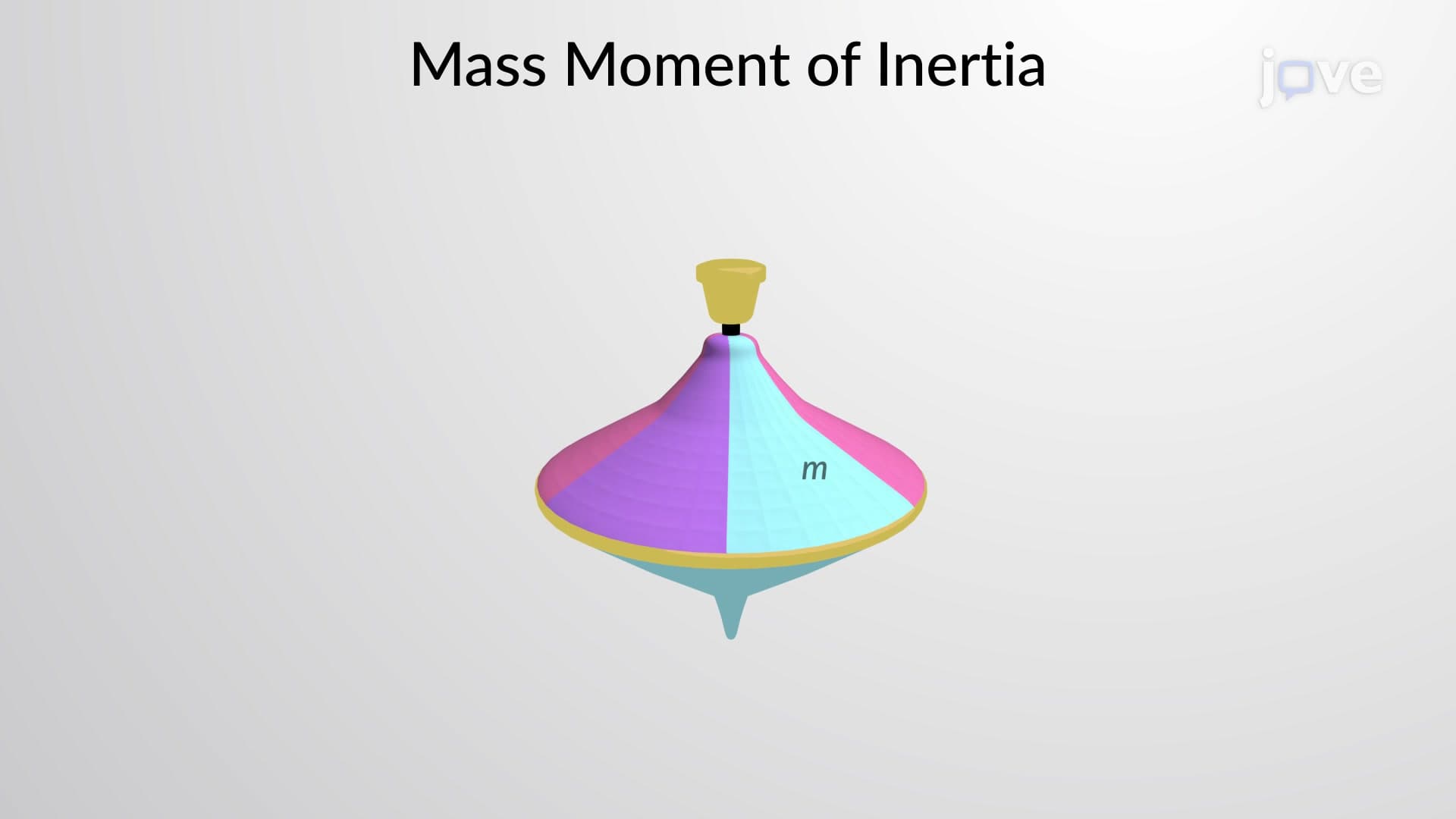
- Calculate mass moment of inertia for rotating objects and mechanical systems
- Apply moment of inertia concepts to solve engineering design problems
1. Area Moment of Inertia Fundamentals The second moment of area represents a cross-section's resistance to bending deformation. For structural members like steel I-beams used in US construction, this property determines how much load the beam can carry before failure. Engineers calculate this by integrating the square of the distance from a reference axis times the differential area element. Understanding this concept is crucial for designing safe buildings, bridges, and mechanical components that must withstand bending forces without excessive deflection or structural failure.
2. Parallel Axis Theorem Applications This theorem allows engineers to calculate moments of inertia about any axis when the centroidal moment is known. The formula states that the moment about any axis equals the centroidal moment plus the area times the square of the distance between axes. This is essential when analyzing composite sections like those found in American Standard (AISC) steel shapes, where engineers must determine bending resistance about axes that don't pass through the centroid of complex cross-sections.
3. Radius of Gyration and Structural Efficiency The radius of gyration represents the distance from an axis where the entire area could be concentrated while maintaining the same moment of inertia. For example, hollow circular sections used in transmission towers have larger radii of gyration than solid sections of equal area, making them more efficient for resisting buckling. This concept helps engineers optimize material usage in structures like cell phone towers and bridge supports throughout the United States.
4. Principal Moments and Mohr's Circle Analysis Principal axes represent orientations where moments of inertia reach maximum and minimum values, with zero product of inertia. Mohr's circle provides a graphical method to find these values, essential for analyzing structures under complex loading. This technique is particularly important when designing aircraft components, where engineers must consider loads from multiple directions. Understanding principal moments helps optimize structural orientation for maximum strength and minimum weight in aerospace applications.
5. Composite Area Analysis Real-world structural members often consist of multiple basic shapes combined together. American steel sections like wide-flange beams, channels, and built-up members require composite analysis techniques. Engineers break complex shapes into rectangles, triangles, and circles, then use the parallel axis theorem to find the total moment of inertia. This approach is fundamental in designing custom structural members for unique applications in US construction and manufacturing industries.
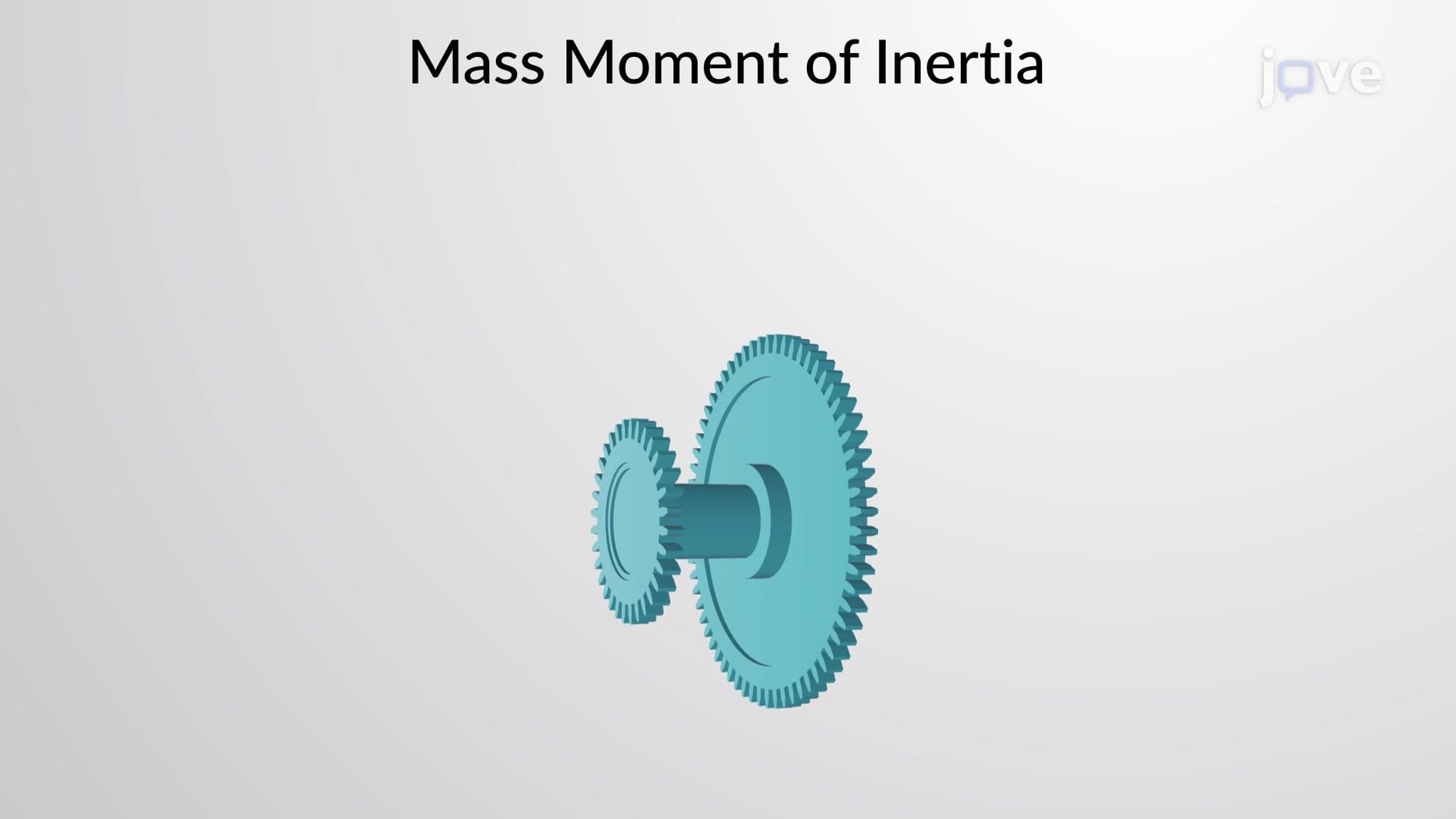
6. Mass Moment of Inertia for Rotating Systems Mass moment of inertia measures an object's resistance to angular acceleration, crucial for analyzing rotating machinery, automotive components, and aerospace systems. For example, calculating the moment of inertia of a car's flywheel helps engineers design smooth engine operation and efficient power transmission. This property depends on both mass distribution and geometry, making it essential for optimizing performance in everything from industrial turbines to satellite attitude control systems used by NASA and US aerospace companies.