- Mechanical Engineering
- Virtual Work
Micro-courses:28

Virtual Work
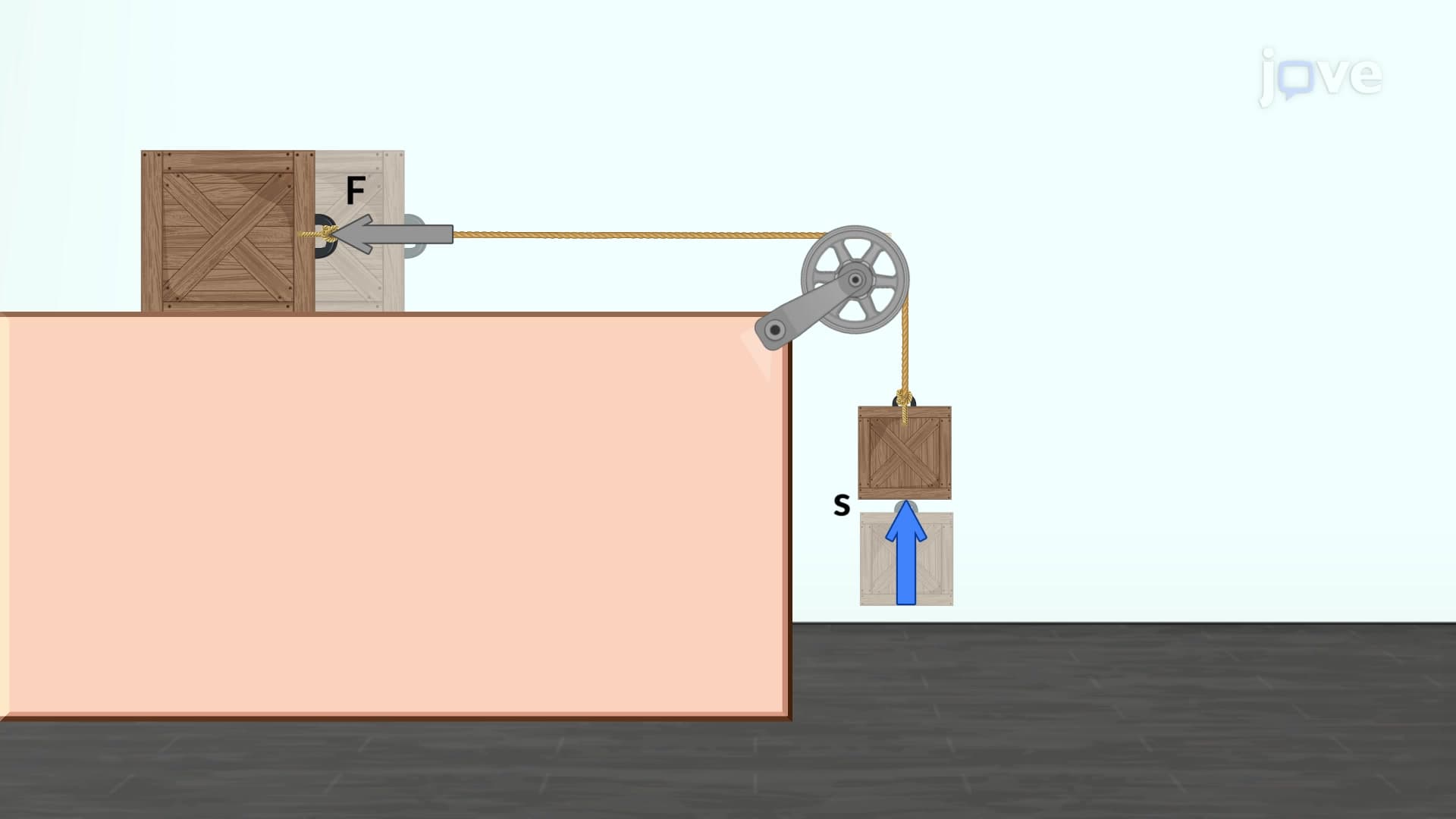
1. Work
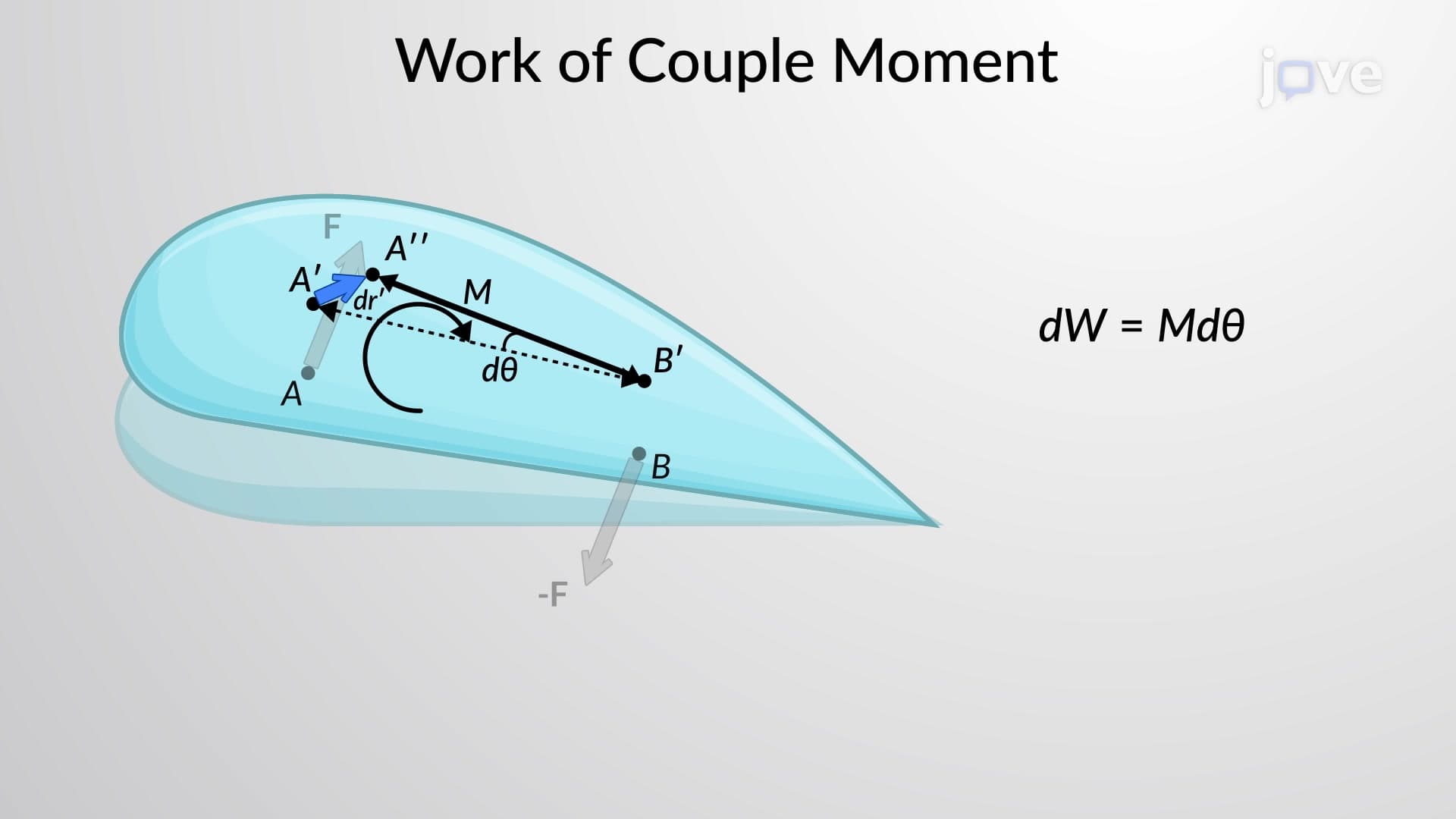
2. Work of a Couple Moment
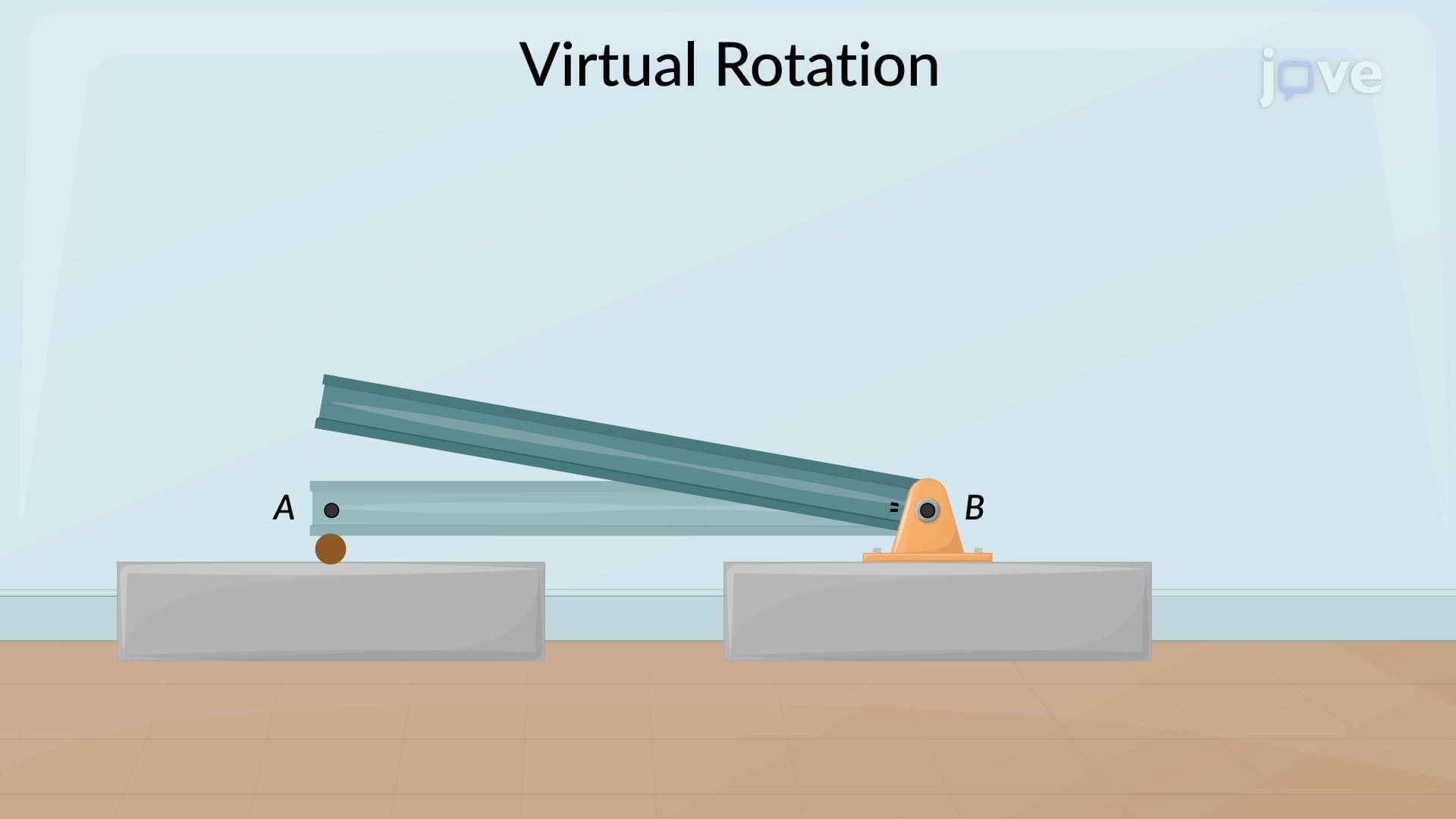
3. Virtual Work
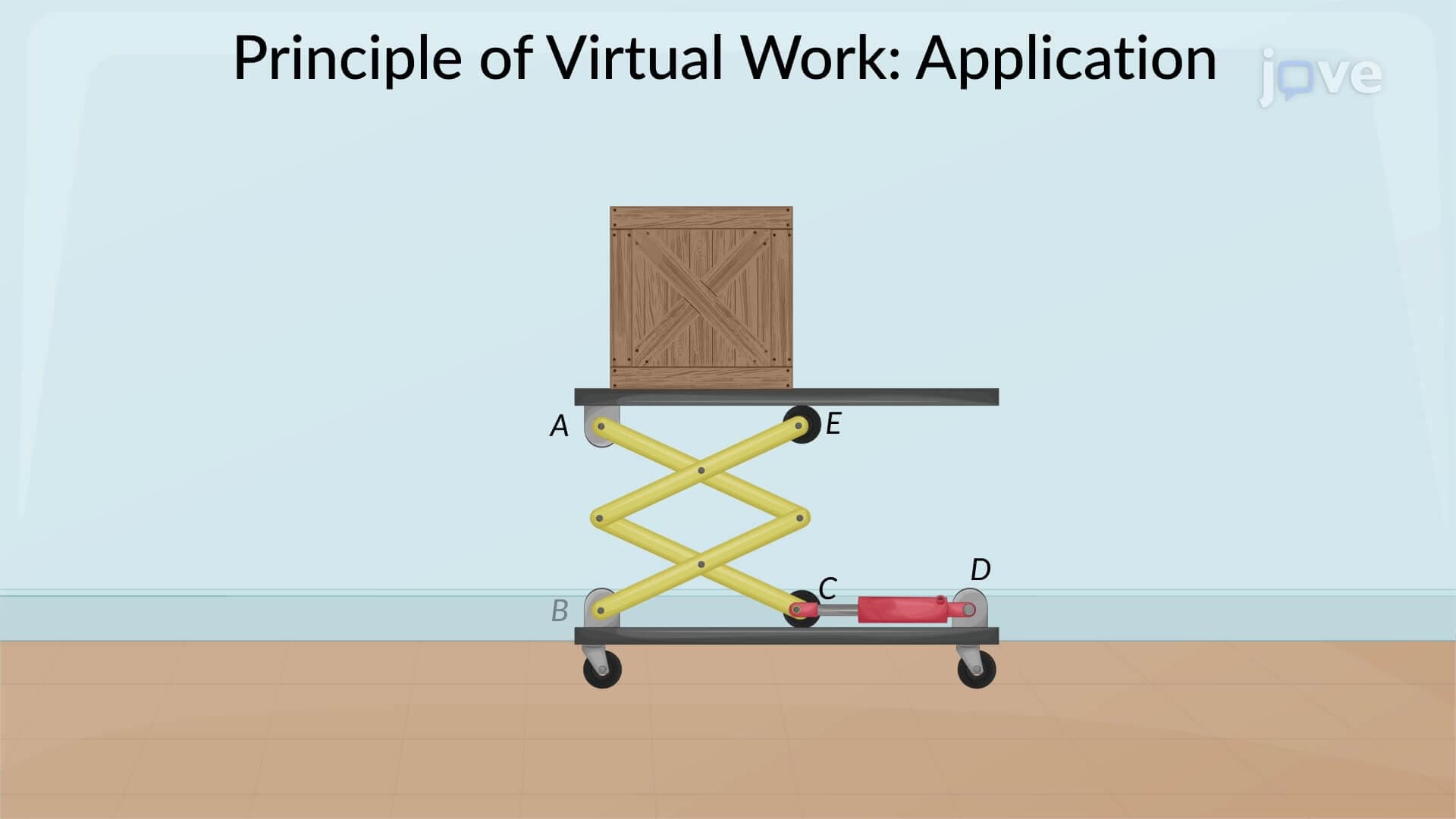
4. Virtual Work for a System of Connected Rigid Bodies
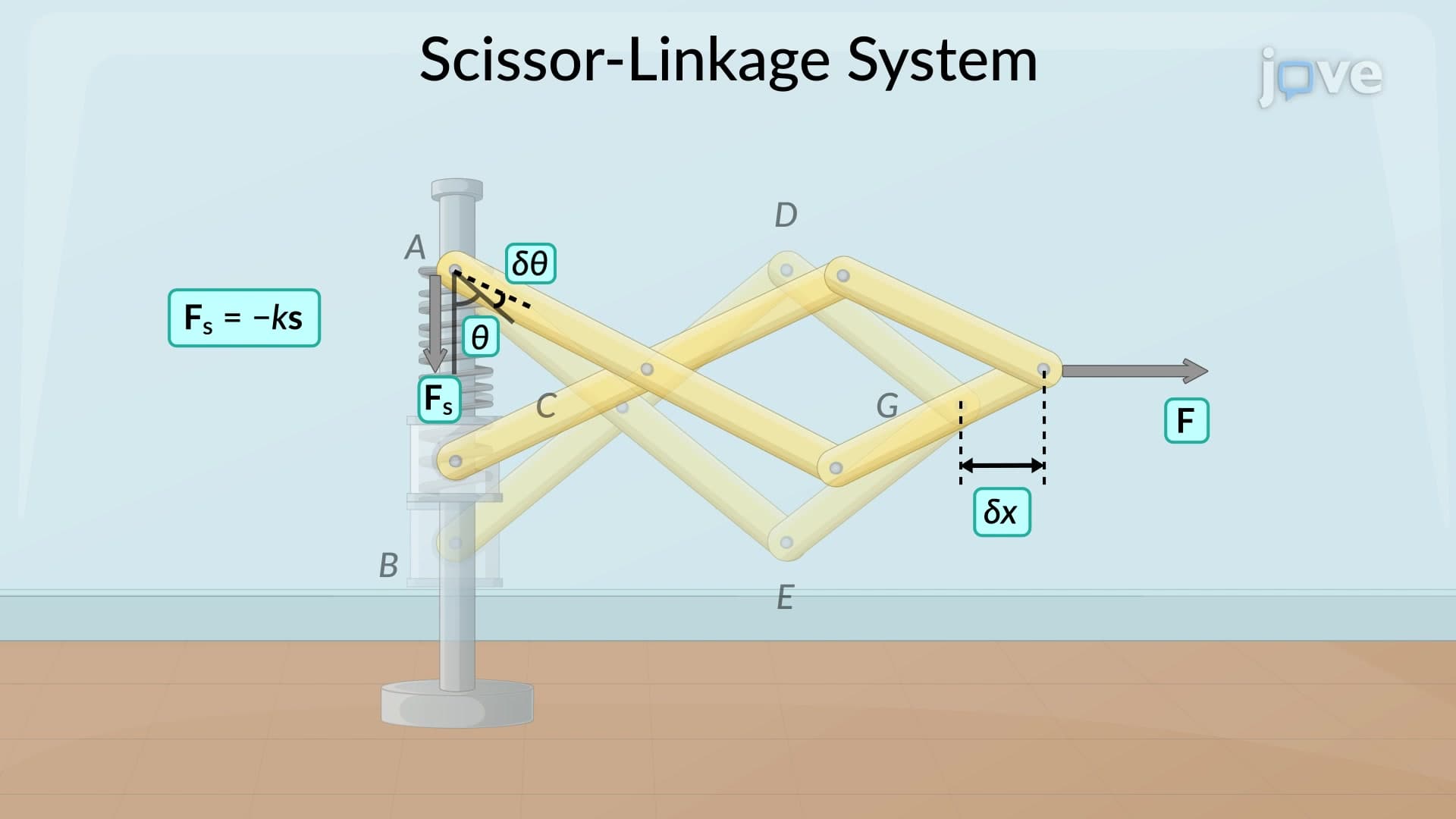
5. Principle of Virtual Work: Problem Solving
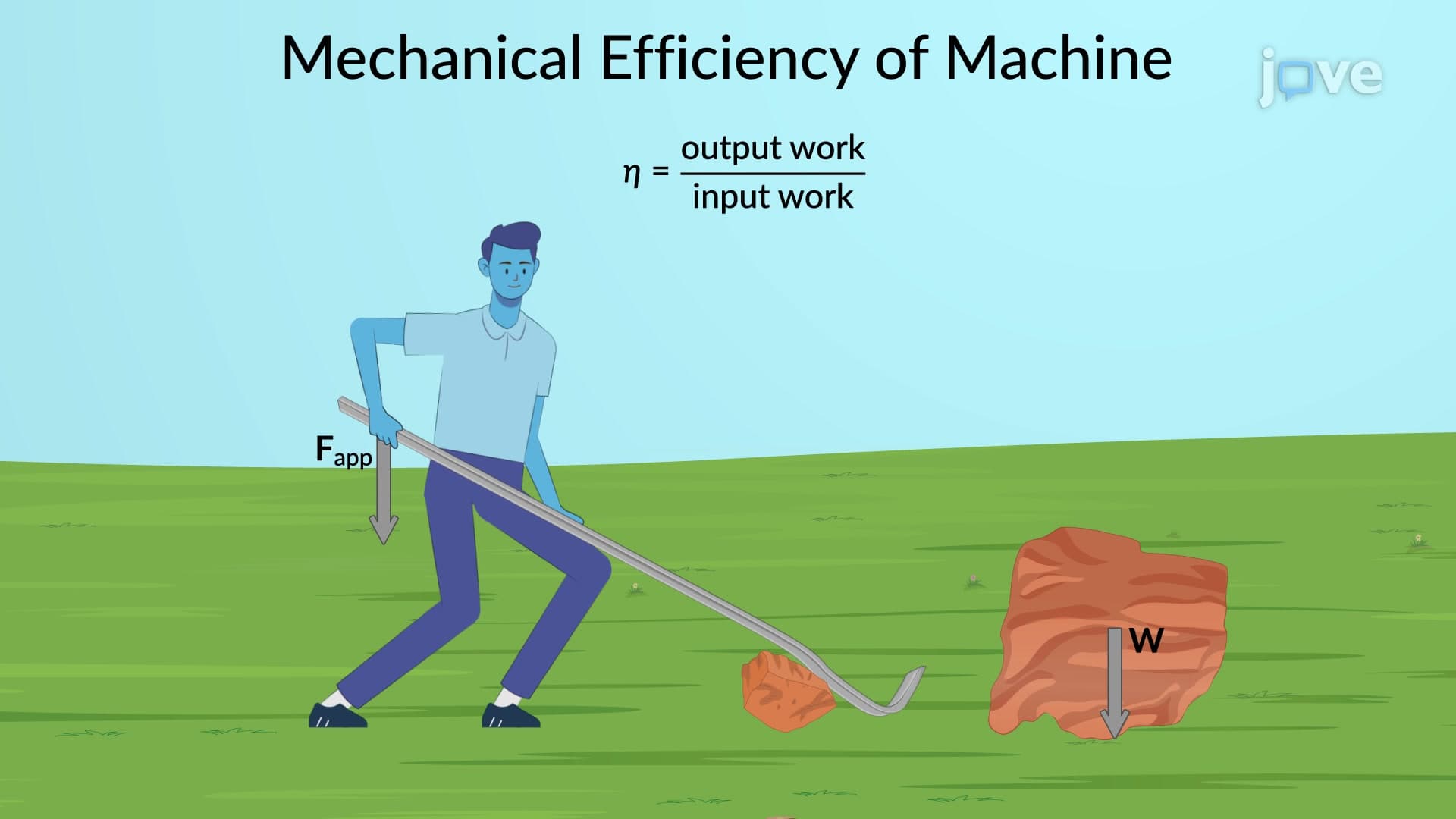
6. Mechanical Efficiency of Real Machines
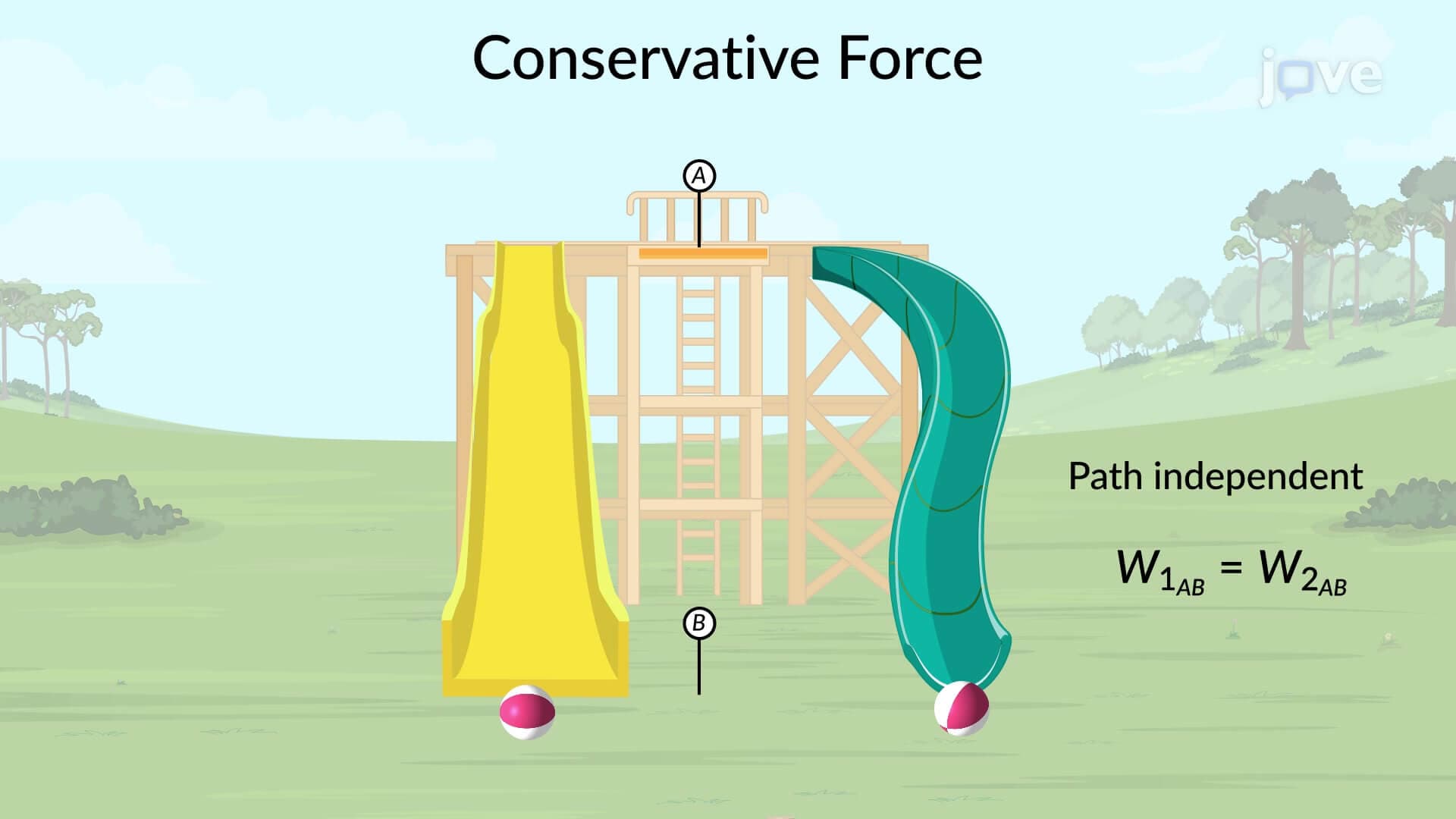
7. Conservative Forces
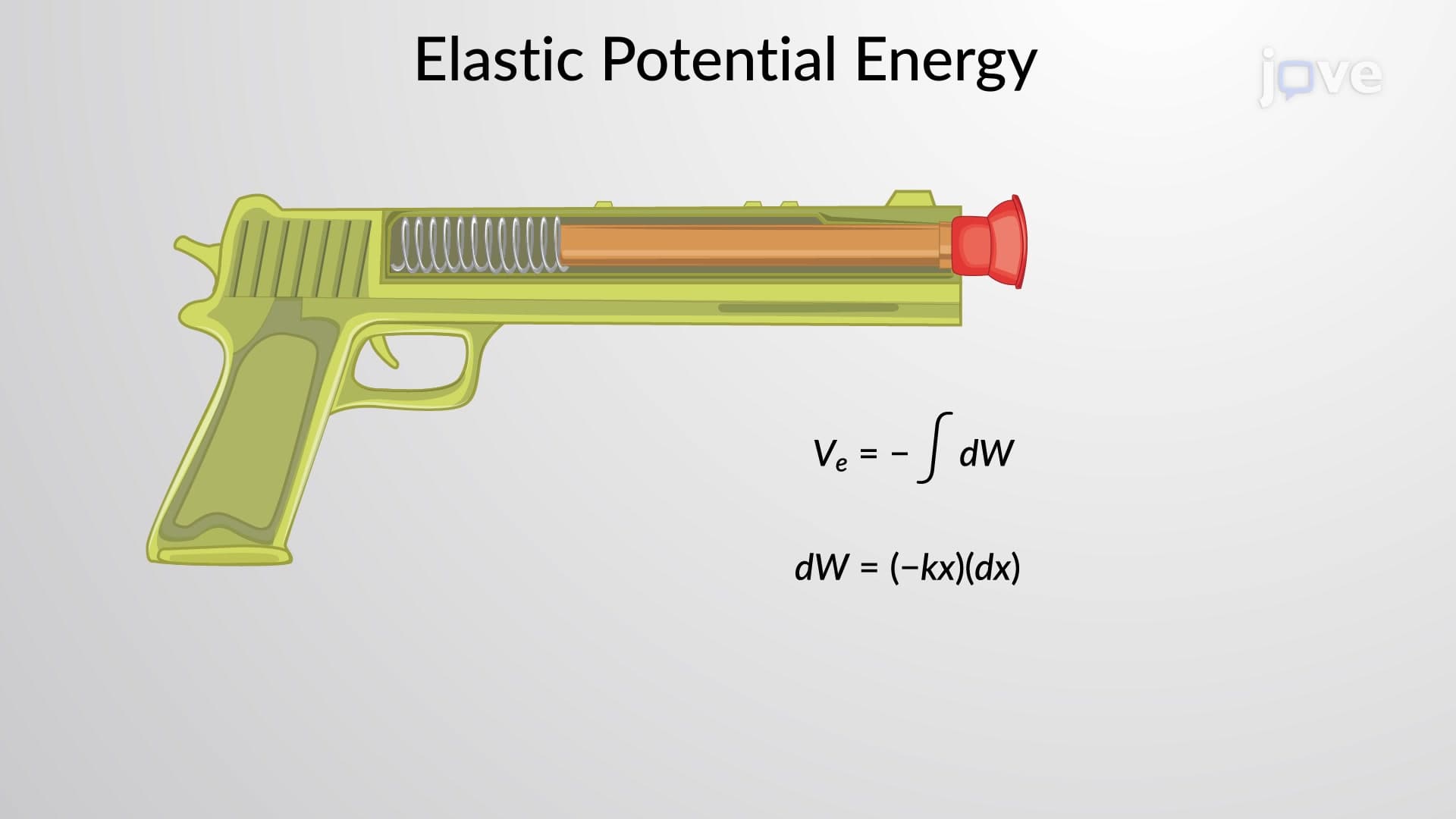
8. Potential Energy
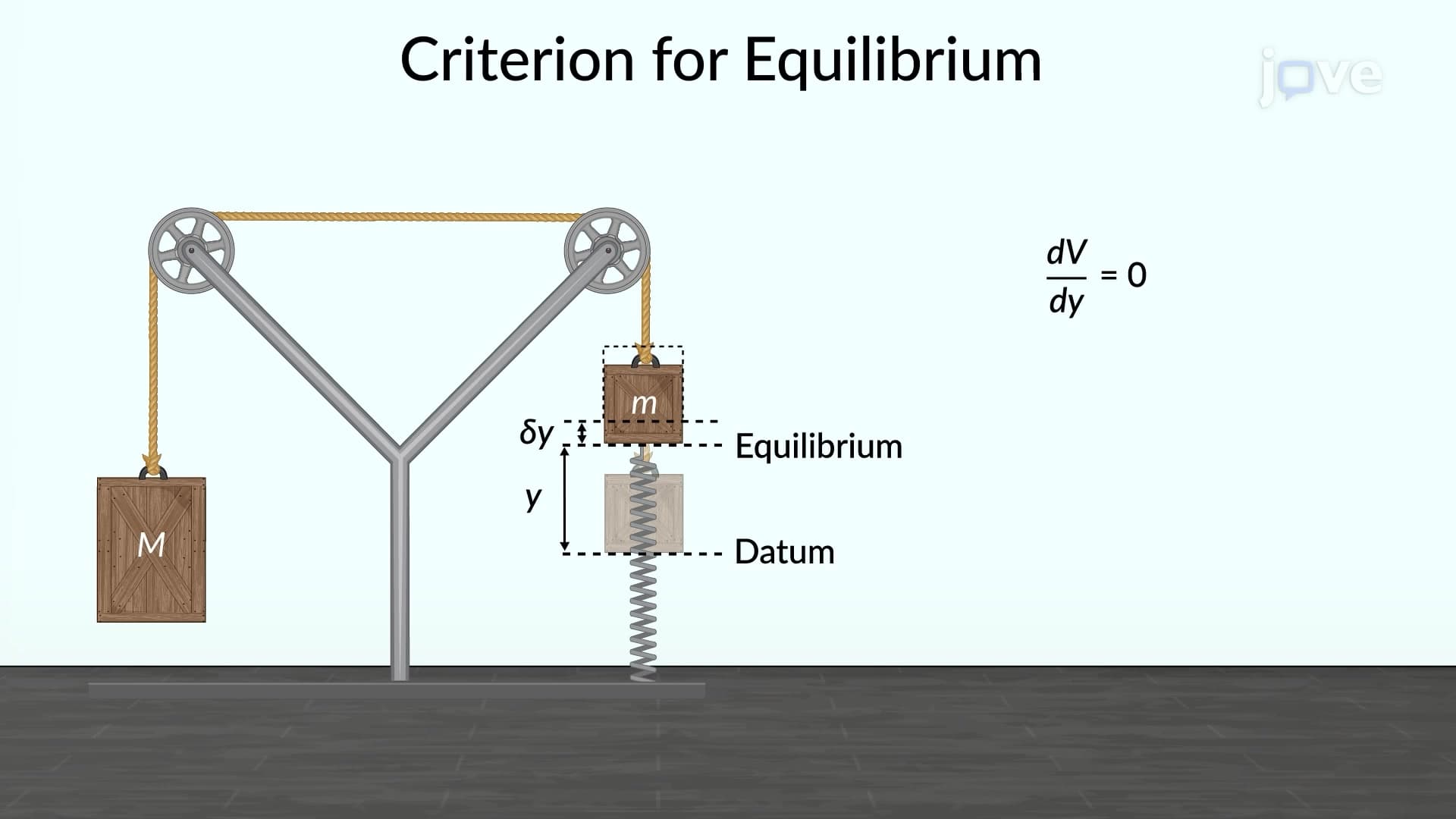
9. Potential-Energy Criterion for Equilibrium
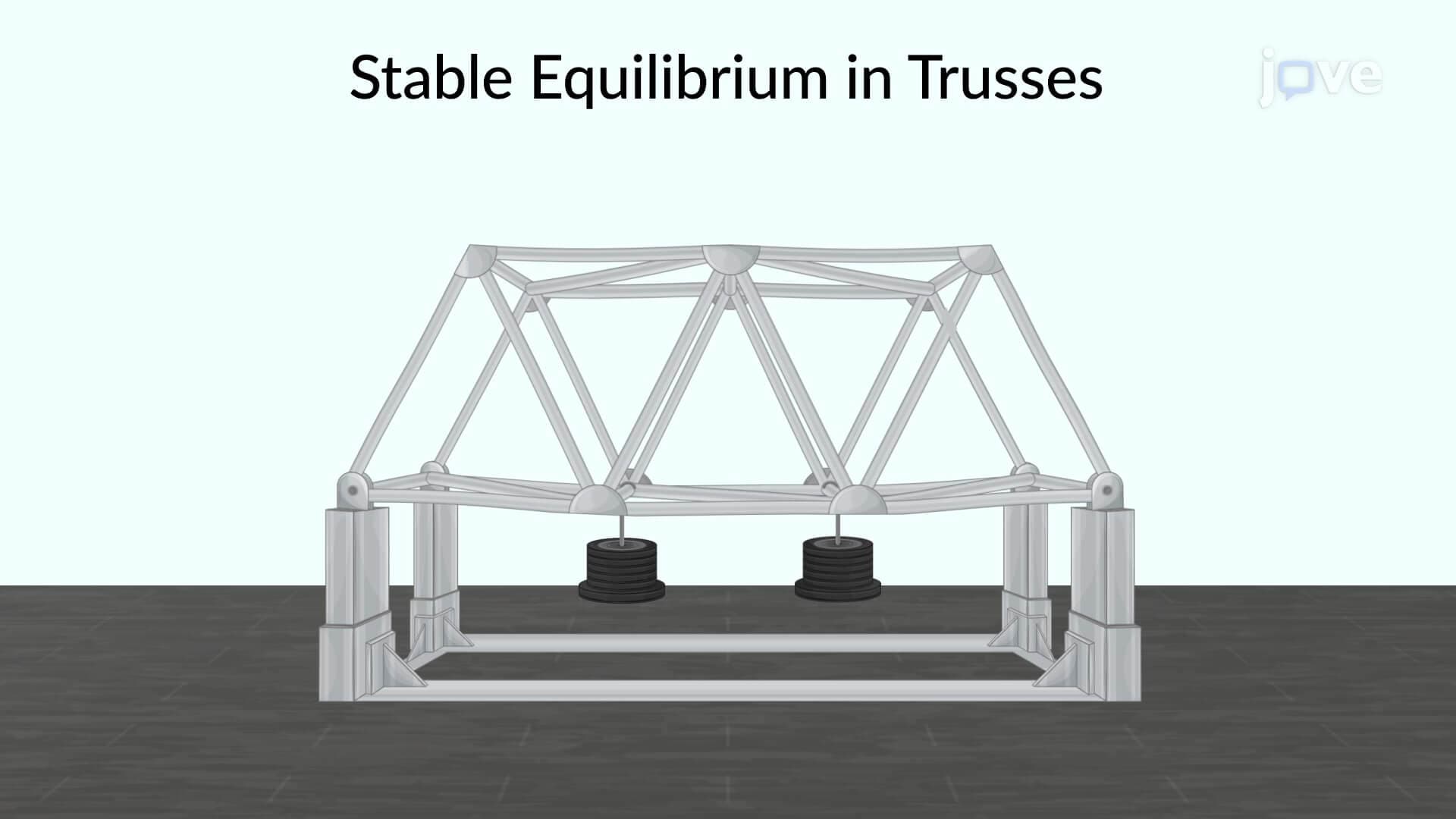
10. Stability of Equilibrium Configuration
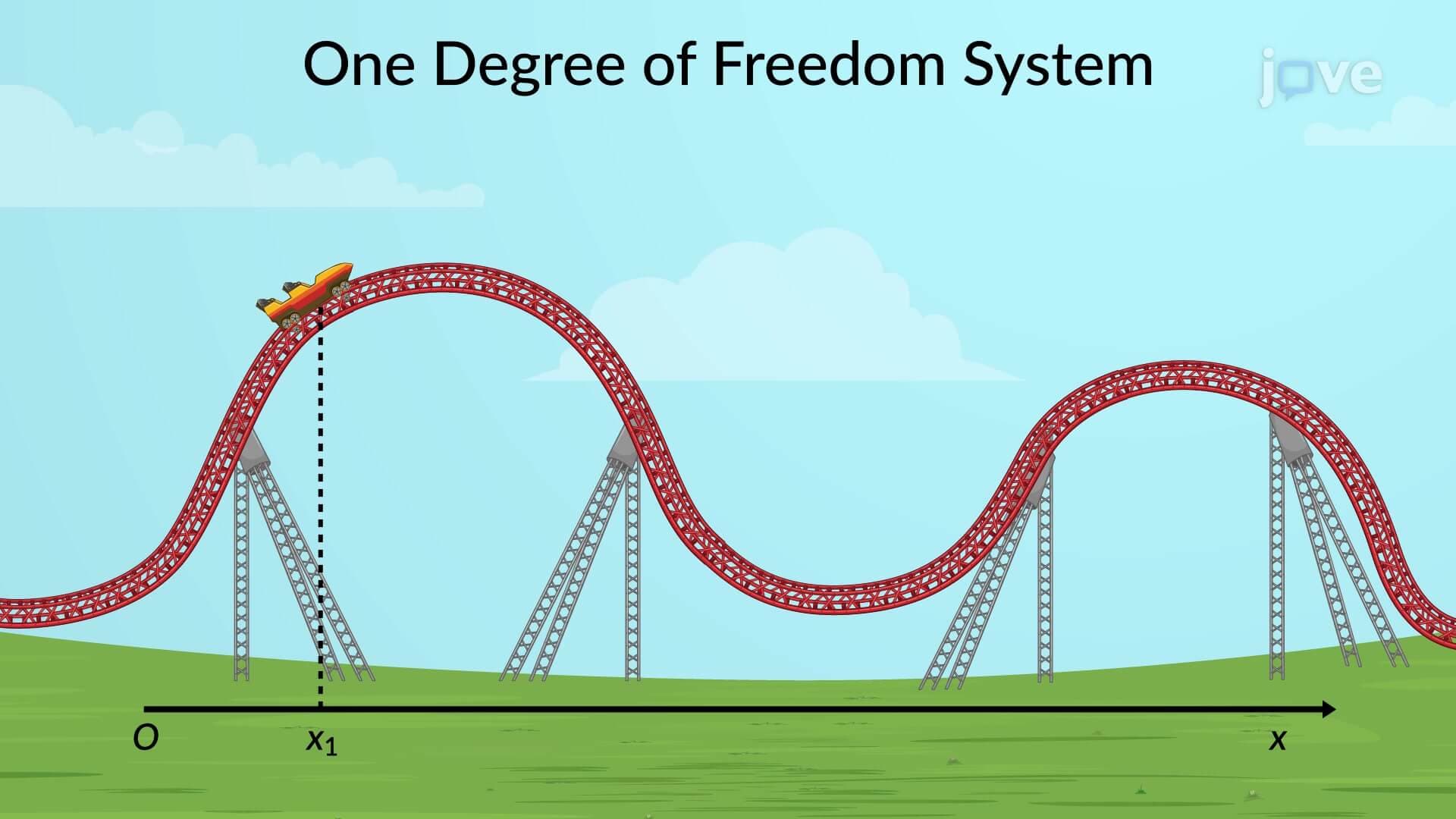
11. One-Degree-of-Freedom System
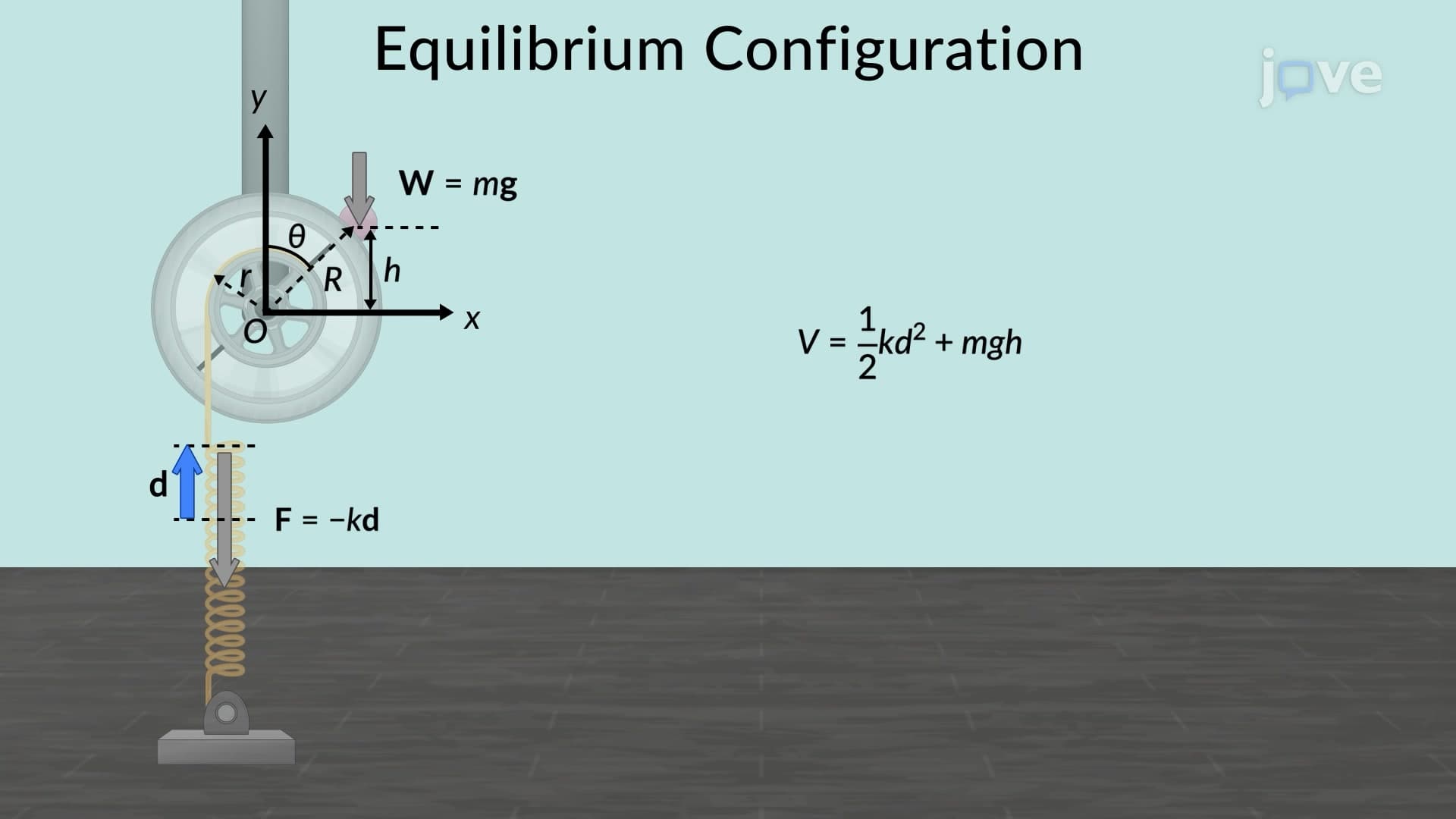
12. Stability of Equilibrium Configuration: Problem Solving
Virtual work is a fundamental principle in engineering mechanics that analyzes forces and equilibrium through hypothetical displacements. This comprehensive course explores the principle of virtual work, its applications in mechanical systems, and connections to potential energy and stability analysis. Students will master problem-solving techniques essential for engineering courses and standardized exams, with JoVE Coach providing expert guidance through complex mechanics concepts used in real-world applications from aerospace engineering to structural design.
- Understand the fundamental concept of work and its calculation for forces and moments
- Learn the principle of virtual work and its application to equilibrium analysis
- Apply virtual work methods to solve problems involving connected rigid body systems
- Analyze mechanical efficiency in real machines considering friction effects
- Identify conservative forces and their relationship to potential energy functions
- Explore potential energy criteria for determining equilibrium configurations
- Analyze stability of equilibrium using mathematical derivatives and energy methods
- Apply virtual work principles to one-degree-of-freedom mechanical systems
1. Work and Energy Fundamentals: Work represents energy transfer through force application over displacement. The mathematical relationship W = F·ds shows that only force components parallel to displacement contribute to work done. For constant forces, work depends solely on starting and ending positions, making it path-independent. Variable forces, such as spring forces following Hooke's law (F = kx), require integration to determine total work. Understanding these principles provides the foundation for analyzing energy transformations in mechanical systems, from simple pulley arrangements to complex robotic mechanisms used in American manufacturing facilities.
2. Virtual Work Principle: The principle of virtual work states that for a system in equilibrium, the sum of virtual work done by all forces and moments equals zero during any virtual displacement. Virtual displacements are hypothetical, infinitesimally small movements that don't violate system constraints. This powerful method allows engineers to analyze equilibrium without considering reaction forces at supports, simplifying complex problems. Applications include analyzing bridge trusses, crane operations, and mechanical linkages found in automotive suspension systems throughout American transportation infrastructure.
3. Connected Rigid Body Systems: When analyzing machines with multiple connected rigid bodies, applying the principle of virtual work enables systematic problem-solving. Toggle mechanisms, scissors linkages, and lever systems demonstrate how forces transmit through connected components. By selecting appropriate coordinate systems and considering virtual displacements, engineers can determine unknown forces and reactions. These techniques prove essential for designing mechanical systems in American industries, from construction equipment manufactured by Caterpillar to precision instruments used in aerospace applications at companies like Boeing and Lockheed Martin.
4. Mechanical Efficiency and Real Machines: Real machines experience energy losses due to friction, making mechanical efficiency (η = Wout/Win) less than unity. Virtual work analysis helps quantify these losses by including frictional forces in equilibrium equations. Understanding efficiency limitations guides engineering design decisions, ensuring machines operate above minimum efficiency thresholds. American manufacturing relies on optimizing mechanical efficiency in everything from automotive transmissions produced by General Motors to industrial conveyor systems used in Amazon distribution centers, where small efficiency improvements translate to significant economic benefits.
5. Conservative Forces and Potential Energy: Conservative forces, including gravitational, elastic, and electrostatic forces, allow energy storage in potential energy forms. Work done by conservative forces depends only on initial and final positions, not the path taken. This property enables the definition of potential energy functions, where the negative change in potential energy equals work done by conservative forces. Understanding these relationships proves crucial for analyzing energy systems in American applications, from hydroelectric dams generating renewable energy to spring-loaded mechanisms in precision manufacturing equipment.
6. Equilibrium and Stability Analysis: Systems reach equilibrium when the first derivative of potential energy with respect to position coordinates equals zero. Stability analysis uses second derivatives: positive values indicate stable equilibrium (minimum potential energy), negative values indicate unstable equilibrium (maximum potential energy), and zero values require higher-order derivative analysis. These mathematical tools help engineers design stable structures and mechanisms, from earthquake-resistant buildings in California following strict seismic codes to stable configurations in NASA spacecraft deployment mechanisms used in American space missions.
Frequently Asked Questions
Virtual work involves hypothetical, infinitesimally small displacements that don't violate system constraints, while actual work involves real motion and energy transfer. Virtual work is a mathematical tool for analyzing equilibrium conditions without calculating reaction forces, making complex problems more manageable. The principle states that virtual work sums to zero for systems in equilibrium, regardless of whether actual motion occurs.
Virtual work eliminates the need to determine reaction forces at supports, which often complicates traditional force-balance approaches. This method directly relates applied loads to system geometry through virtual displacements, making it especially powerful for analyzing complex mechanisms, trusses, and multi-body systems commonly encountered in engineering design and analysis.
AP Physics C emphasizes work-energy relationships, conservative forces, and potential energy concepts. Students should focus on calculating work for variable forces, understanding conservative force properties, and applying energy methods to solve equilibrium problems. Spring systems and gravitational potential energy problems appear regularly, requiring solid understanding of these virtual work foundations.
American engineers use virtual work principles in designing everything from automotive suspension systems at Ford and GM to analyzing loads in bridges maintained by state transportation departments. The method helps optimize mechanical efficiency in industrial equipment, ensures structural stability in earthquake-prone regions like California, and guides design decisions for aerospace mechanisms used in NASA missions and commercial aircraft manufacturing.
Students often struggle with the abstract nature of "virtual" displacements and the mathematical setup requiring careful coordinate system selection. The key is recognizing that virtual displacements follow the same geometric constraints as real motion, just in infinitesimal amounts. Practice with systematic problem-solving approaches and visualization of system geometry helps overcome initial conceptual difficulties.
Start with fundamental work and energy relationships before progressing to virtual work applications. Practice drawing clear free-body diagrams and identifying which forces contribute to virtual work. Work through progressively complex problems, from simple lever systems to multi-degree-of-freedom mechanisms. Focus on understanding the geometric relationships between coordinates and virtual displacements, as this skill proves essential for setting up virtual work equations correctly.
Virtual work principles extend into advanced topics like finite element analysis used in structural engineering software, Lagrangian mechanics in robotics and control systems, and optimization methods in mechanical design. The energy-based thinking developed through virtual work studies provides the foundation for understanding these sophisticated engineering tools used throughout American aerospace, automotive, and civil engineering industries.
This microcourse includes 12 concept videos that walk you through the building blocks of Mechanical Engineering. Each video is short, about 1 minute, so you can cover a full topic during a coffee break or between classes. The full sequence starts with Work and ends with Stability of Equilibrium Configuration: Problem Solving.
The playlist moves from big-picture ideas to the precise vocabulary used in Mechanical Engineering. Early videos introduce Work, Work of a Couple Moment, and Virtual Work. The middle of the series focuses on Principle of Virtual Work: Problem Solving, Mechanical Efficiency of Real Machines, and Conservative Forces. The final stretch covers Potential Energy, Potential-Energy Criterion for Equilibrium, Stability of Equilibrium Configuration, One-Degree-of-Freedom System, and Stability of Equilibrium Configuration: Problem Solving.
The natural next step is Kinematics of a Particle. From there, you can move to Kinetics of a Particle: Force and Acceleration, Kinetics of a Particle: Impulse and Momentum, and Planar Kinematics of a Rigid Body. Once you finish those, the full Mechanical Engineering curriculum of 28 microcourses on JoVE Coach opens up, taking you from foundational concepts to advanced systems.
Related Subjects
 Civil Engineering 30 micro-courses›Electrical Engineering 33 micro-courses›