- Mechanical Engineering
- An Introduction to Statics
Micro-courses:28

An Introduction to Statics

1. An Introduction to Mechanics
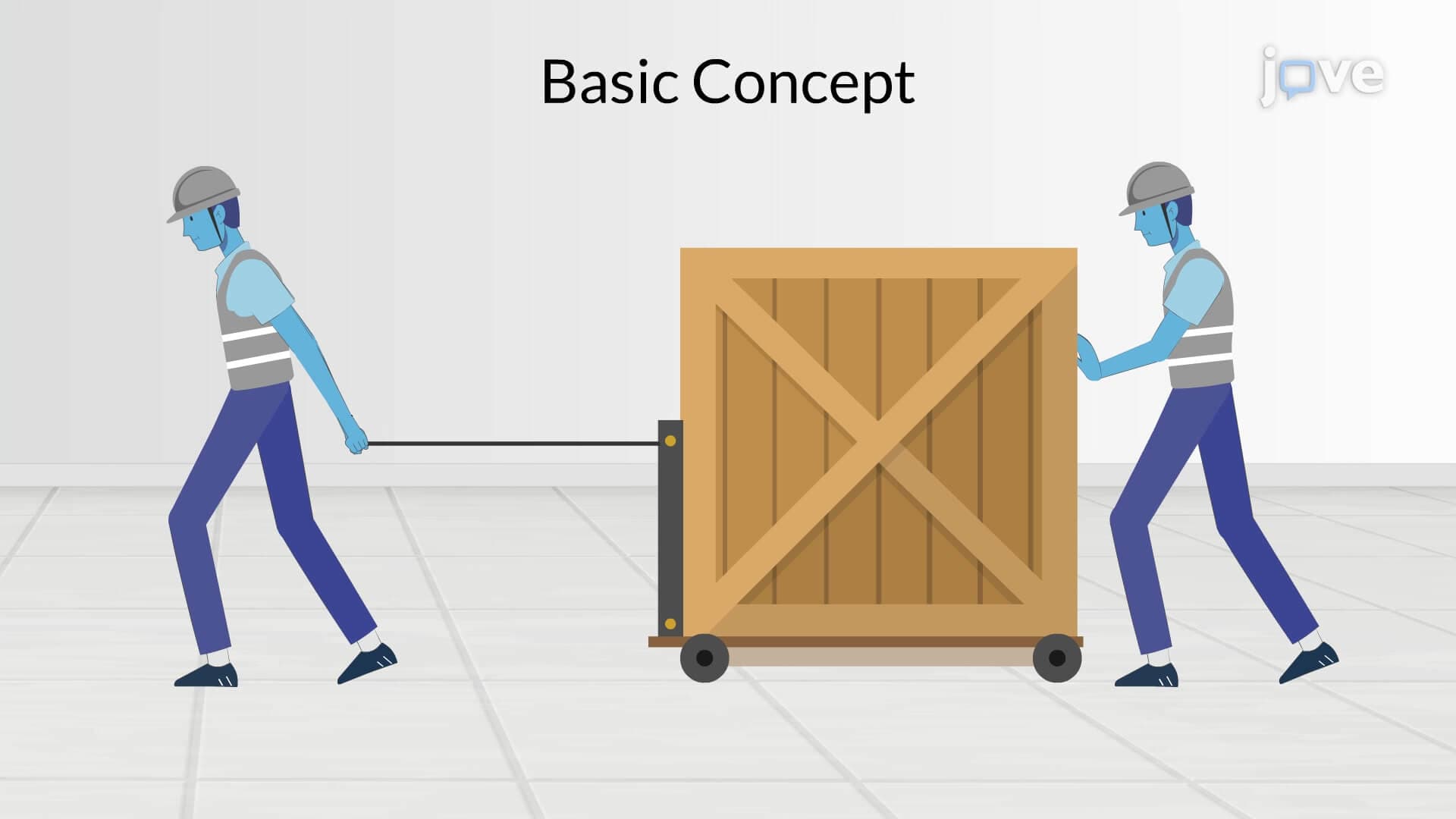
2. Basic Concept
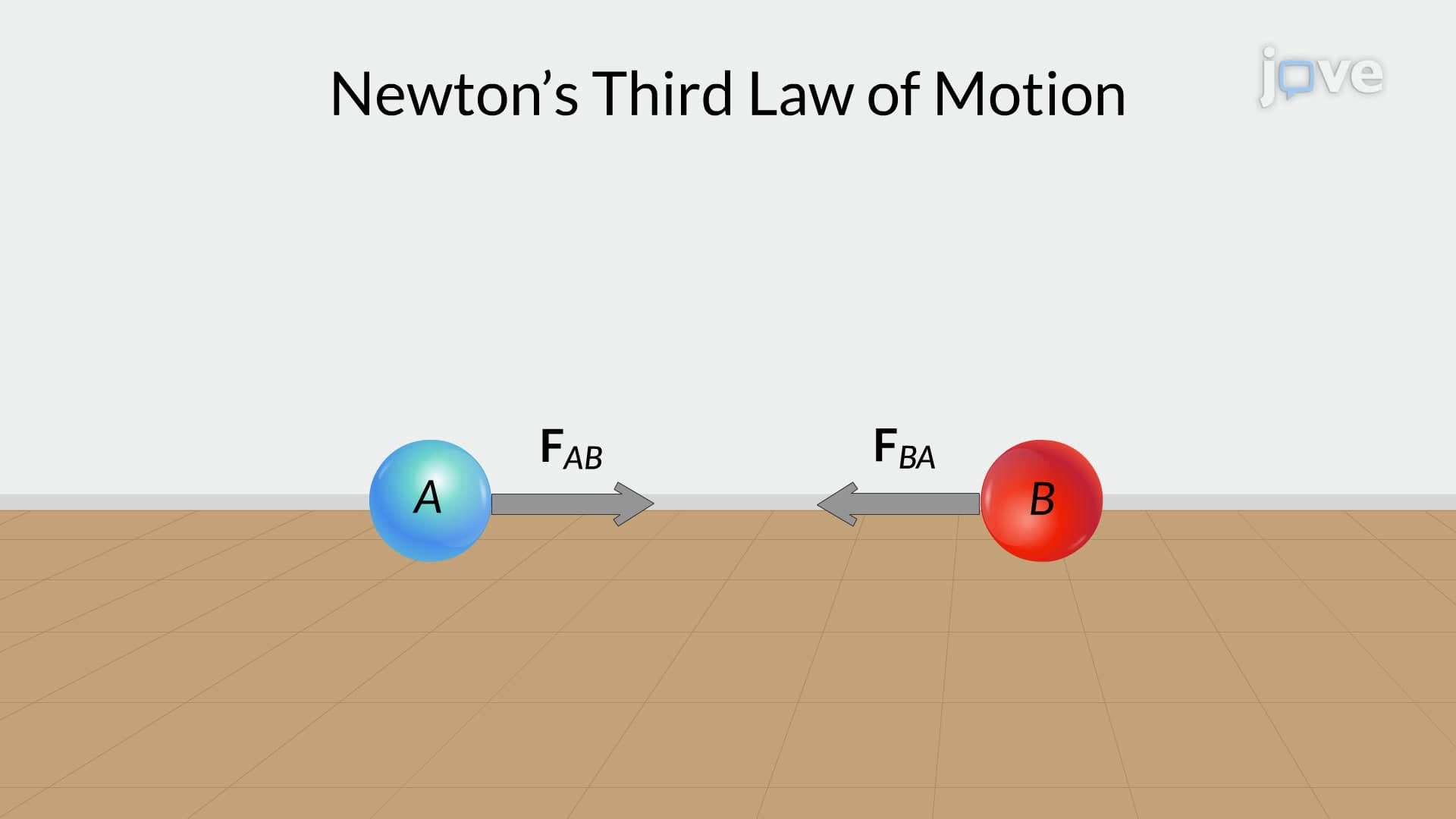
3. Newton's Law of Motion
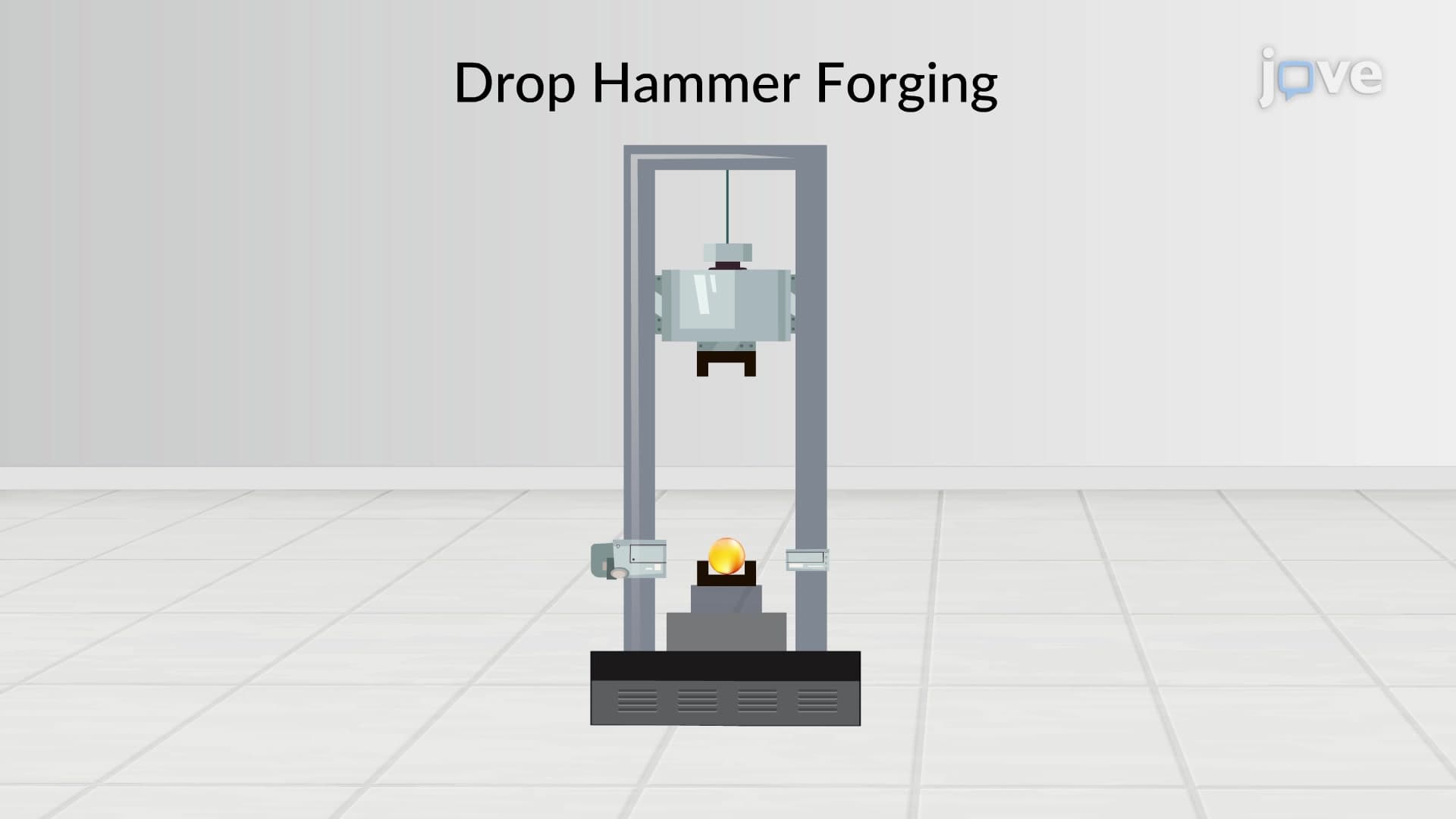
4. Newton's Law of Gravitational Attraction
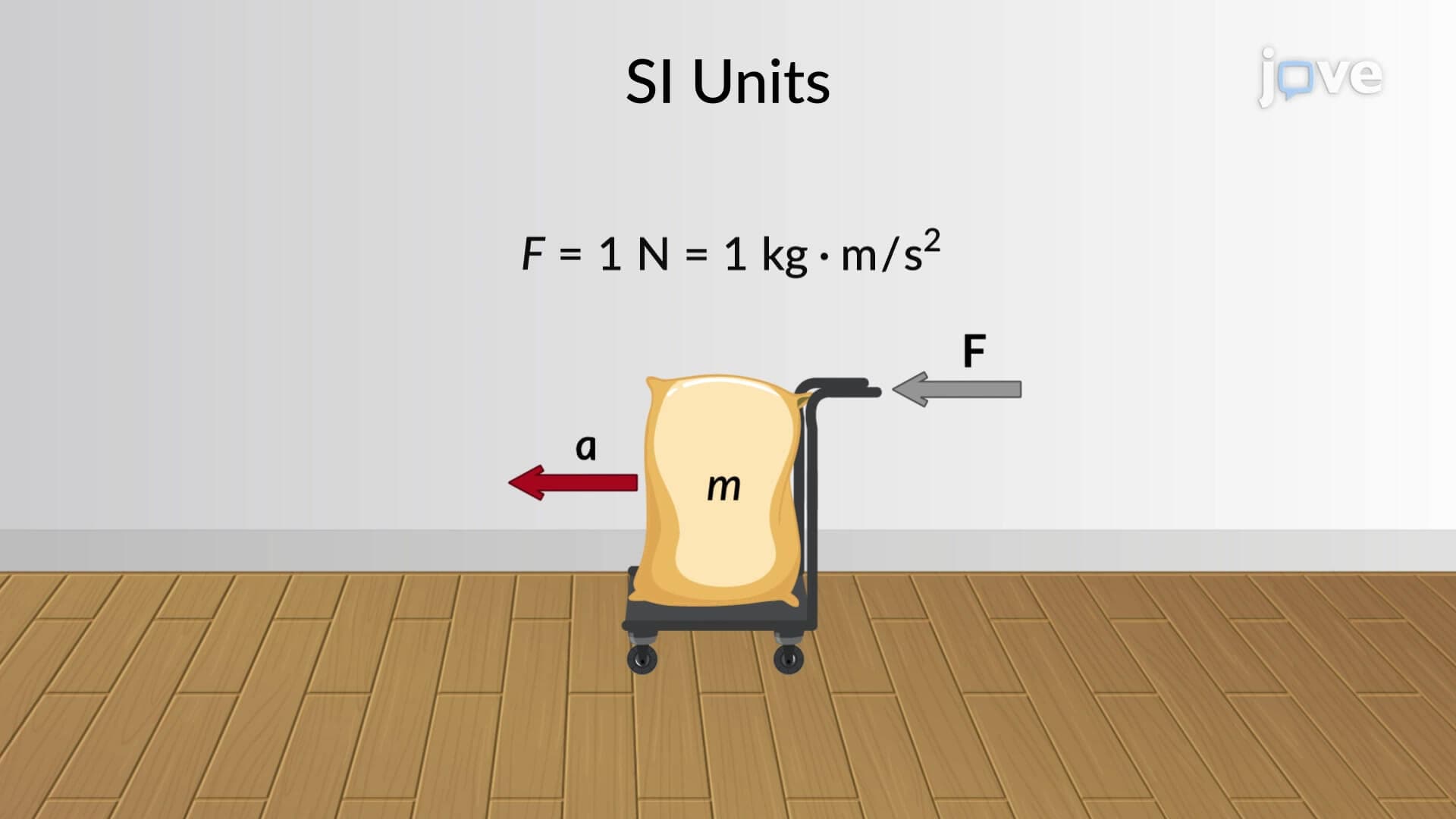
5. Units of Measurement
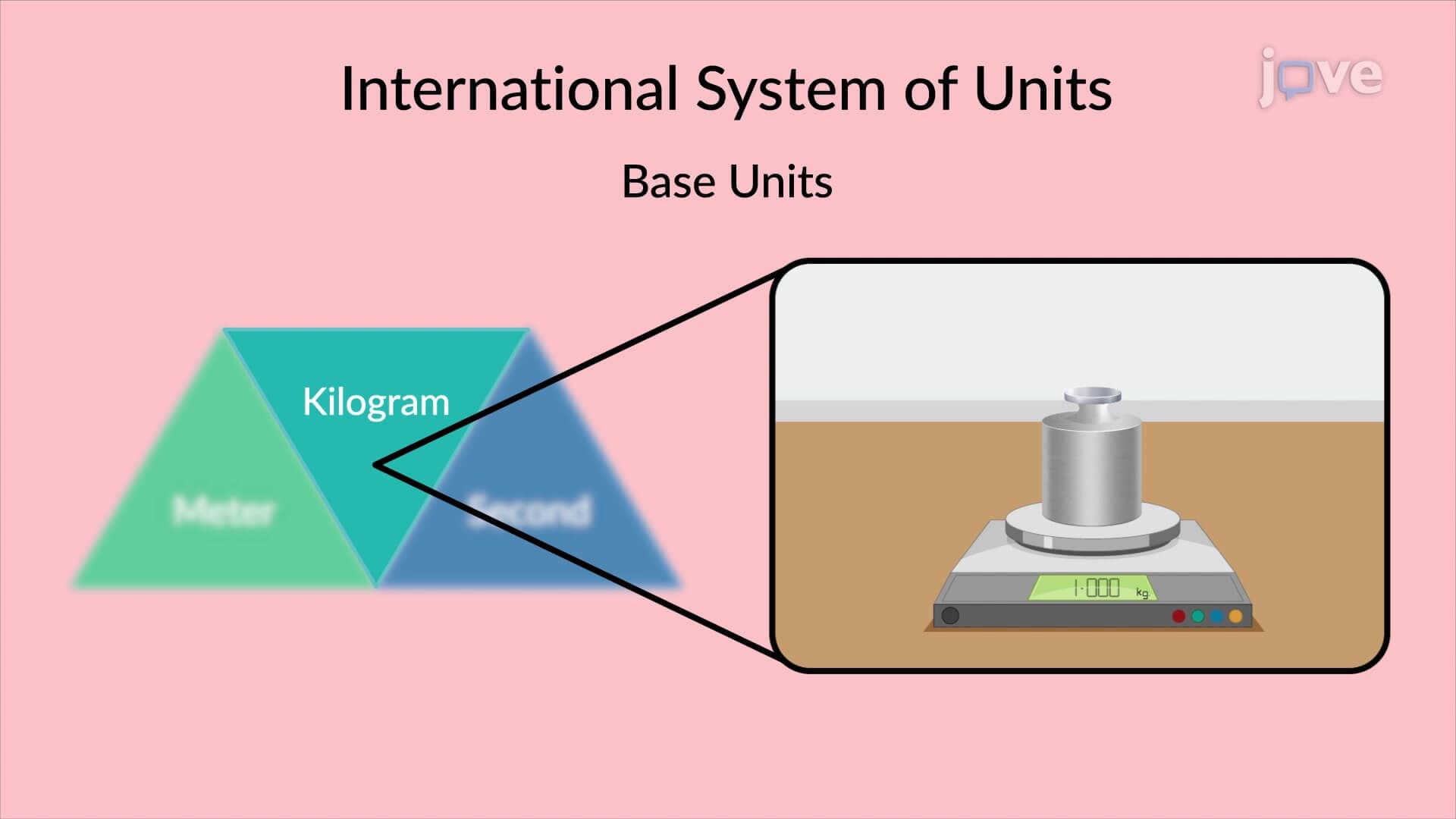
6. International System of Units
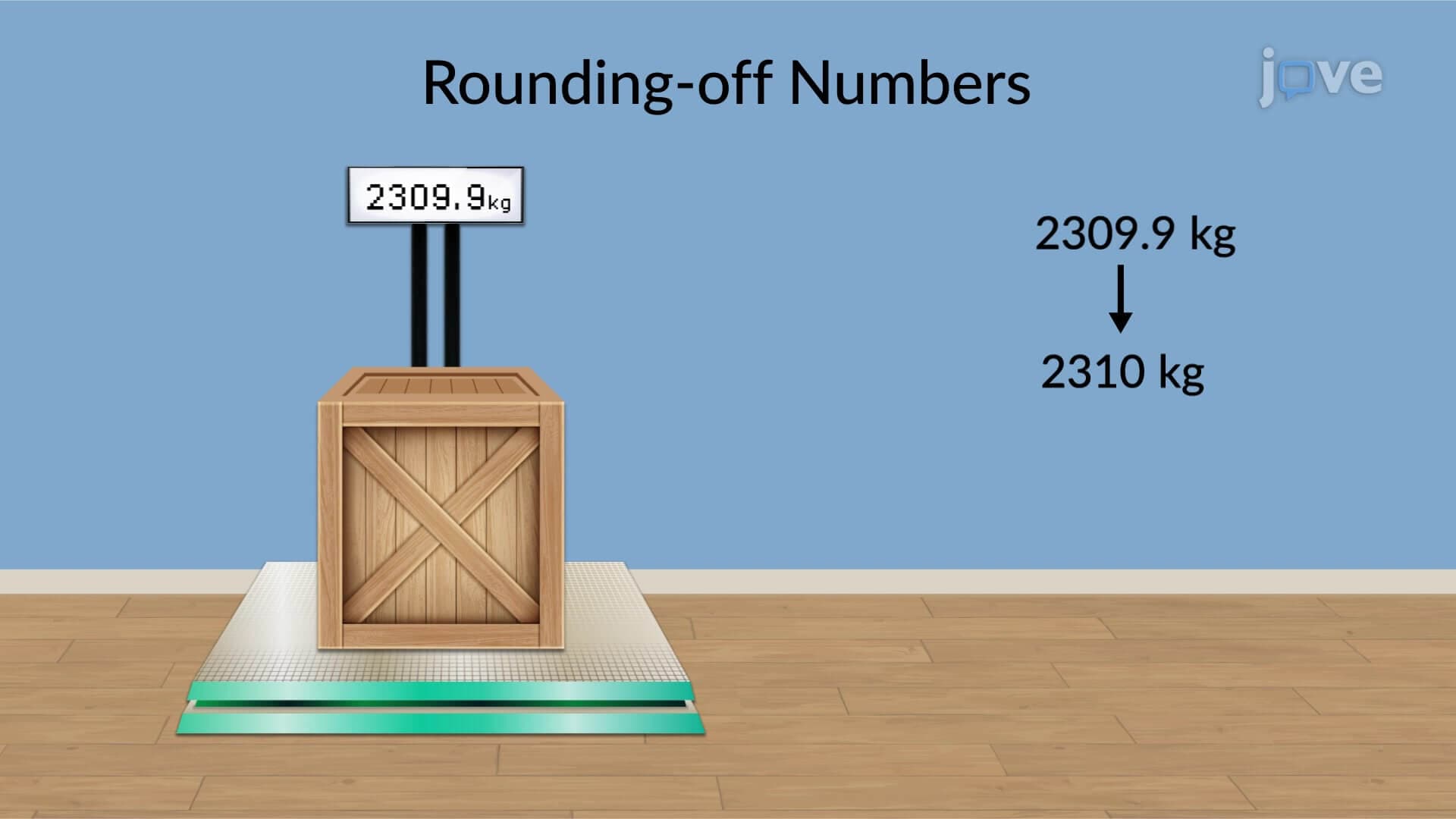
7. Numerical Calculations
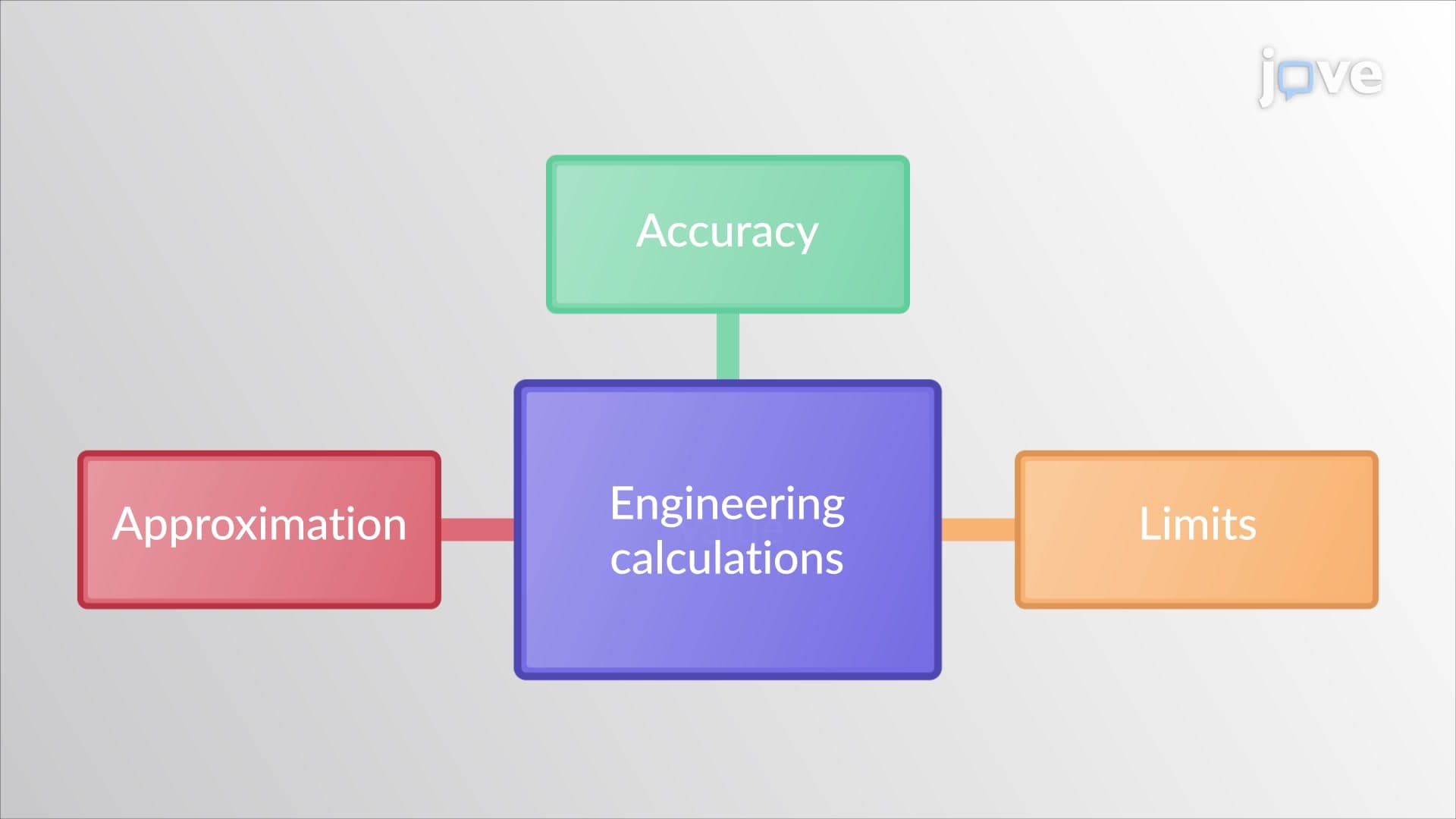
8. Accuracy, limits, and approximation
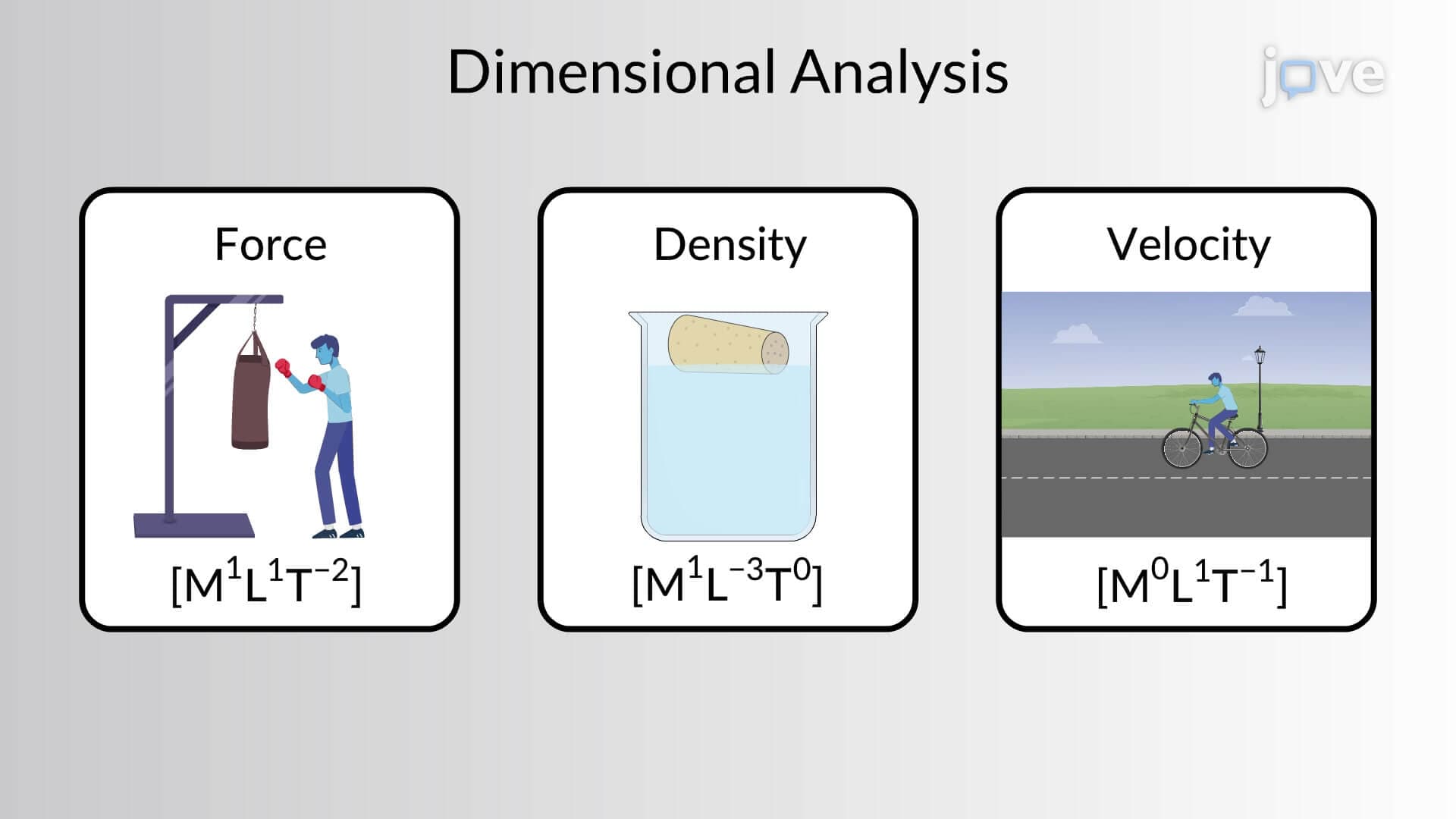
9. Dimensional Analysis
10. Problem Solving in Statics
An introduction to statics provides the foundation for understanding forces in equilibrium within engineering mechanics. This comprehensive course covers Newton's laws, gravitational attraction, measurement units, and problem-solving techniques essential for analyzing structures like bridges, buildings, and mechanical systems. Students will master dimensional analysis and numerical calculations through JoVE Coach's structured approach to statics engineering fundamentals.
- Understand the fundamental principles of mechanics and the distinction between statics and dynamics
- Learn Newton's three laws of motion and their applications in engineering systems
- Identify the basic concepts of length, time, mass, and force in mechanical analysis
- Explore Newton's law of gravitational attraction and its role in engineering applications
- Analyze measurement systems including SI units and U.S. Customary units with conversion factors
- Apply dimensional analysis techniques to verify equation consistency and solve problems
- Understand accuracy, limits, and approximation methods in engineering calculations
- Develop systematic problem-solving approaches for statics equilibrium problems
1. Fundamentals of Mechanics and Classification Mechanics encompasses the study of objects at rest or in motion under force actions, classified into rigid body mechanics, deformable body mechanics, and fluid mechanics. Statics specifically examines objects in equilibrium, forming the foundation for analyzing structures like the Golden Gate Bridge's cable tensions or the Empire State Building's load distribution. Understanding this classification helps students recognize when static analysis applies, such as evaluating forces in stationary construction cranes or determining support reactions in highway overpasses across American infrastructure projects.
2. Newton's Laws of Motion in Engineering Context Newton's three laws govern all mechanical systems, from football dynamics on NFL fields to spacecraft launches at NASA's Kennedy Space Center. The first law explains inertia in parked vehicles, the second law quantifies acceleration in Tesla's electric motors, and the third law describes rocket propulsion principles. These laws enable engineers to design everything from automotive braking systems in Ford vehicles to seismic isolation systems protecting California buildings during earthquakes, demonstrating their universal application in American engineering projects.
3. Gravitational Attraction and Weight Analysis Newton's gravitational law explains how masses attract each other, fundamentally important for understanding weight calculations in structural design. The weight of materials in Chicago's Willis Tower or San Francisco's Transamerica Pyramid directly impacts foundation requirements. Engineers apply gravitational principles in designing drop hammer forging processes in American manufacturing facilities, gravity-fed conveyor systems in Amazon warehouses, and calculating load distributions in suspension bridges spanning American rivers, making gravitational understanding essential for practical engineering applications.
4. Measurement Systems and Unit Conversions Engineering requires precise measurements using either SI units (meters, kilograms, seconds) or U.S. Customary units (feet, pounds, seconds), with conversion factors enabling seamless transitions between systems. American construction projects often require converting metric specifications to imperial measurements, such as translating European engineering drawings for buildings in American cities. Understanding prefixes like kilo, mega, and milli becomes crucial when analyzing forces in megawatts at Hoover Dam or microscopic tolerances in semiconductor manufacturing facilities across Silicon Valley.
5. Dimensional Analysis and Equation Verification Dimensional analysis ensures equation consistency by verifying that both sides have identical dimensions, preventing calculation errors in critical engineering applications. This technique helps engineers remember formulas correctly, such as distinguishing whether velocity equals distance divided by time or vice versa. American aerospace engineers use dimensional analysis when designing aircraft components, ensuring calculations for Boeing 737 wing loads maintain proper units throughout complex analyses, while civil engineers apply these principles when calculating concrete volumes for Interstate highway construction projects.
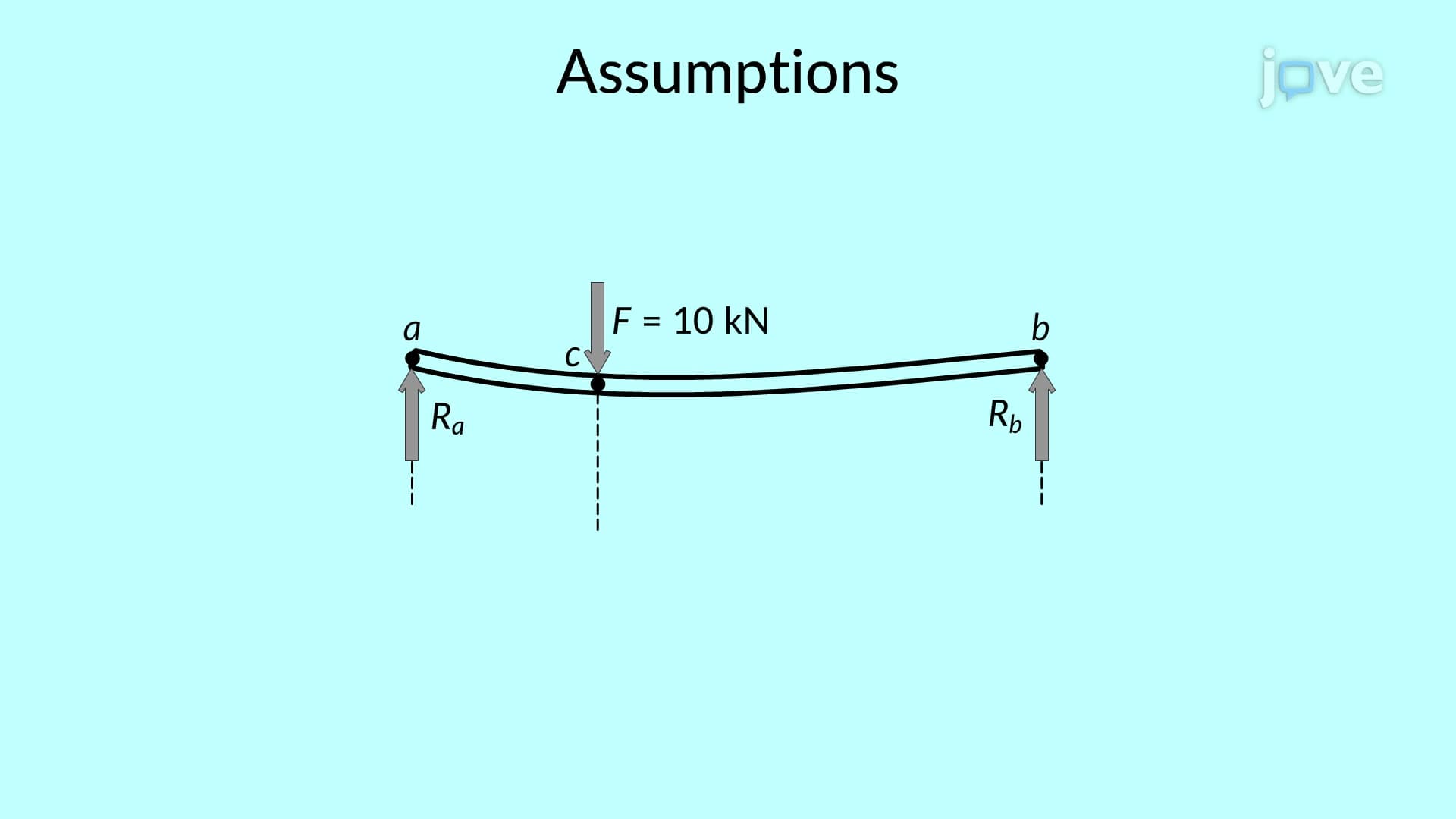
6. Problem-Solving Methodology in Statics Systematic problem-solving involves formulating problems, making appropriate assumptions, applying sign conventions, and creating free-body diagrams to analyze forces. This methodology applies to analyzing beam reactions in American bridge designs, calculating support forces in stadium roof structures, or determining cable tensions in suspension systems. Engineers follow structured approaches when evaluating forces in construction equipment like tower cranes building American skyscrapers, ensuring safety margins meet OSHA standards while optimizing structural efficiency through mathematical precision and engineering judgment.
Frequently Asked Questions
Statics analyzes objects in equilibrium (at rest or moving at constant velocity), while dynamics studies objects undergoing acceleration. In statics, the net force equals zero, making it essential for structural design like analyzing forces in building frames or bridge supports. Dynamics involves changing motion, such as car acceleration or vibrating machinery.
Newton's first law is central to statics since it describes equilibrium conditions where objects remain at rest or move at constant velocity. The second law confirms that when net force equals zero, acceleration is zero (equilibrium). The third law ensures that action-reaction pairs balance in structural connections, like bolted joints in steel frameworks.
Master both SI units and U.S. Customary units since American engineering frequently uses both systems. AP Physics primarily uses SI units, but many U.S. engineering applications require imperial units. Practice converting between systems, especially for force (newtons to pounds-force) and length (meters to feet) conversions essential for engineering problem-solving.
Dimensional analysis prevents costly errors by ensuring equation consistency before numerical calculations begin. It helps verify formula correctness and can reveal missing factors in complex equations. In engineering design, dimensional errors can lead to structural failures or safety hazards, making this verification technique indispensable for professional practice.
Statics principles determine safe load limits for everything from residential decks to interstate highway bridges. Engineers use statics to calculate support reactions in stadium roofs, analyze cable tensions in suspension bridges like San Francisco's Bay Bridge, and determine foundation requirements for skyscrapers in earthquake-prone areas like Los Angeles.
Statics requires strong algebra skills and spatial visualization but is generally more straightforward than dynamics since acceleration doesn't complicate calculations. The main challenge lies in correctly identifying forces and drawing accurate free-body diagrams. Once you master these fundamentals, statics problems follow predictable solution patterns.
Practice drawing free-body diagrams extensively, as they're crucial for visualizing force relationships. Work through problems systematically using consistent sign conventions and always check units throughout calculations. Focus on understanding physical principles rather than memorizing formulas, and practice converting between different unit systems regularly.
Statics provides the foundation for structural analysis, materials science, and fluid mechanics. Understanding force equilibrium becomes essential for studying stress analysis in machine design, load calculations in civil engineering structures, and even biomechanical applications in medical device design. Mastering statics fundamentals ensures success in advanced engineering coursework.
This microcourse includes 10 concept videos that walk you through the building blocks of Mechanical Engineering. Each video is short, about 1 minute, so you can cover a full topic during a coffee break or between classes. The full sequence starts with An Introduction to Mechanics and ends with Problem Solving in Statics.
The playlist moves from big-picture ideas to the precise vocabulary used in Mechanical Engineering. Early videos introduce An Introduction to Mechanics, Basic Concept, and Newton's Law of Motion. The middle of the series focuses on Units of Measurement, International System of Units, and Numerical Calculations. The final stretch covers Accuracy, limits, and approximation, Dimensional Analysis, and Problem Solving in Statics.
The natural next step is Force Vectors. From there, you can move to Equilibrium of a Particle, Force System Resultants, and Equilibrium of a Rigid Body. Once you finish those, the full Mechanical Engineering curriculum of 28 microcourses on JoVE Coach opens up, taking you from foundational concepts to advanced systems.
Related Subjects
 Civil Engineering 30 micro-courses›Electrical Engineering 33 micro-courses›