- Mechanical Engineering
- Concept of Stress
Micro-courses:28

Concept of Stress
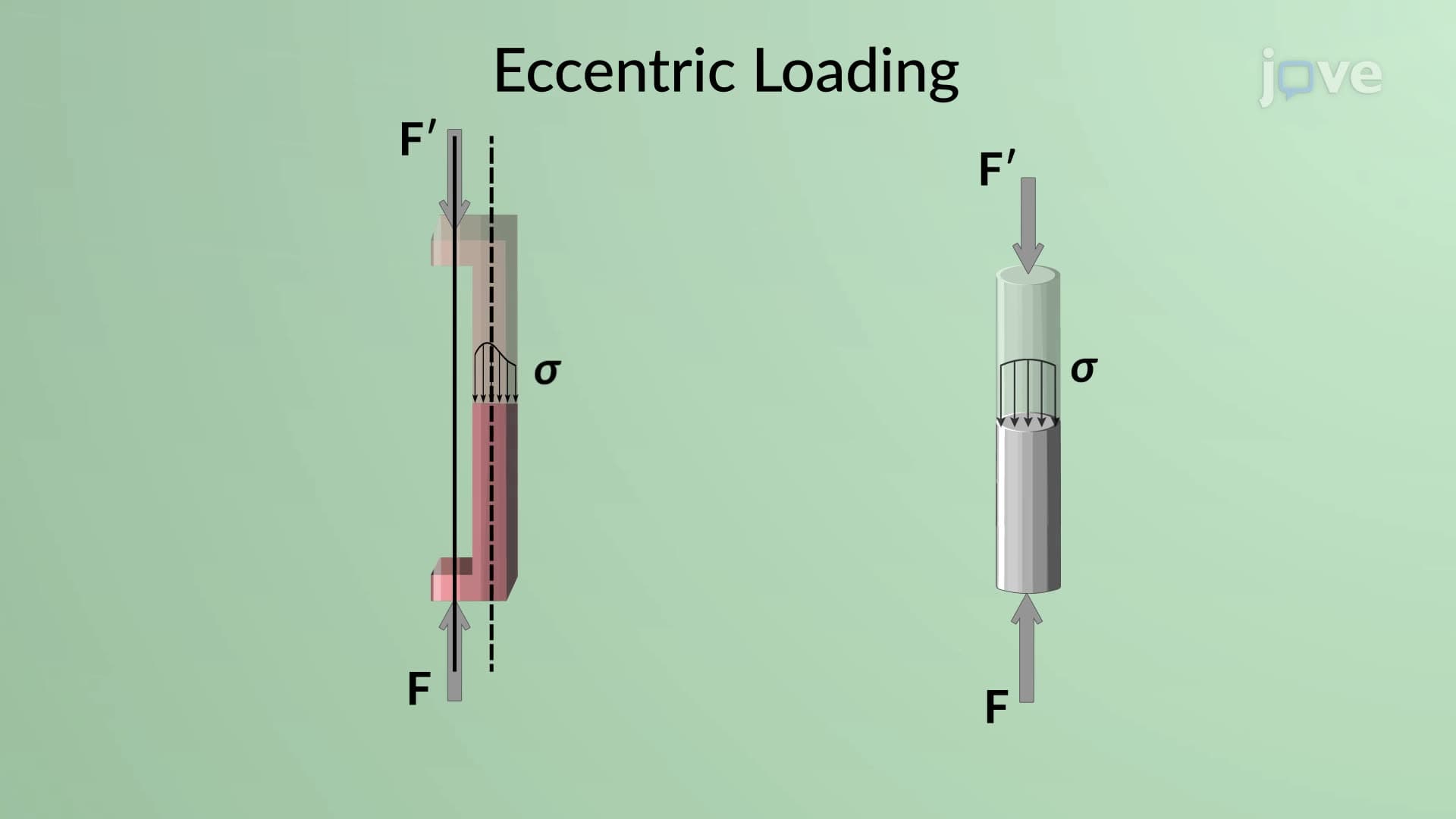
1. Normal Stress

2. Shearing Stress
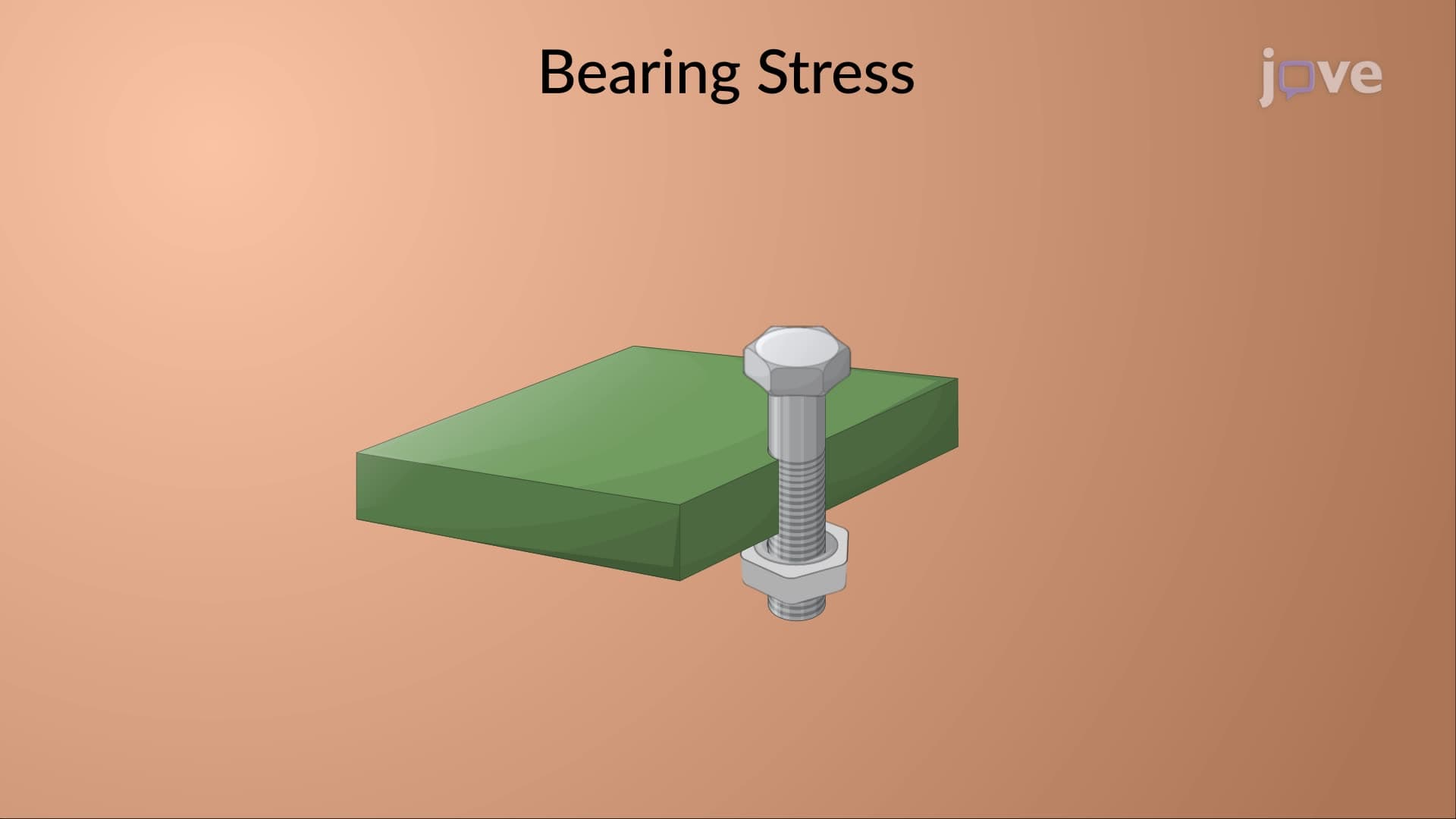
3. Bearing Stress
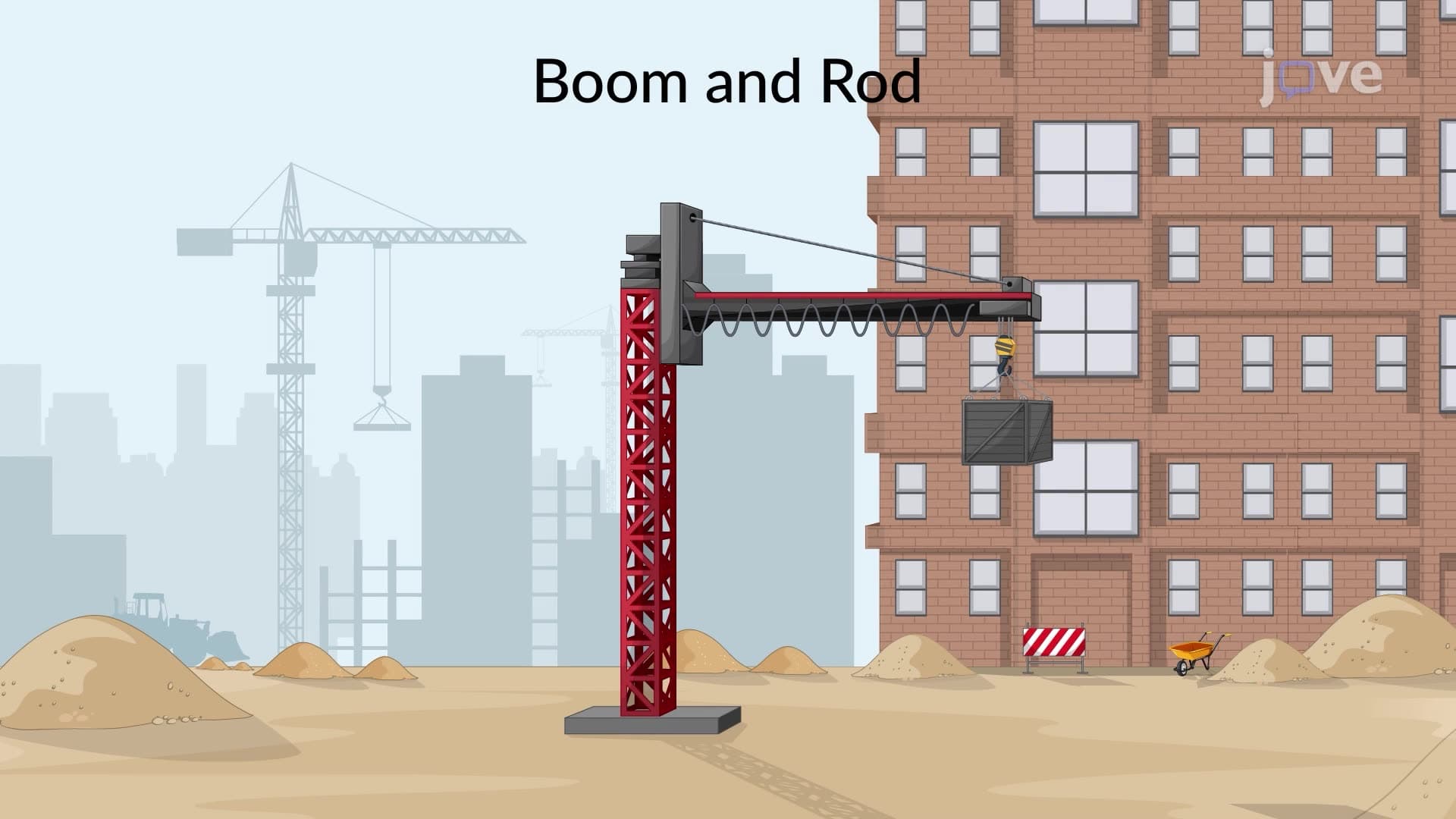
4. Applications of Stress
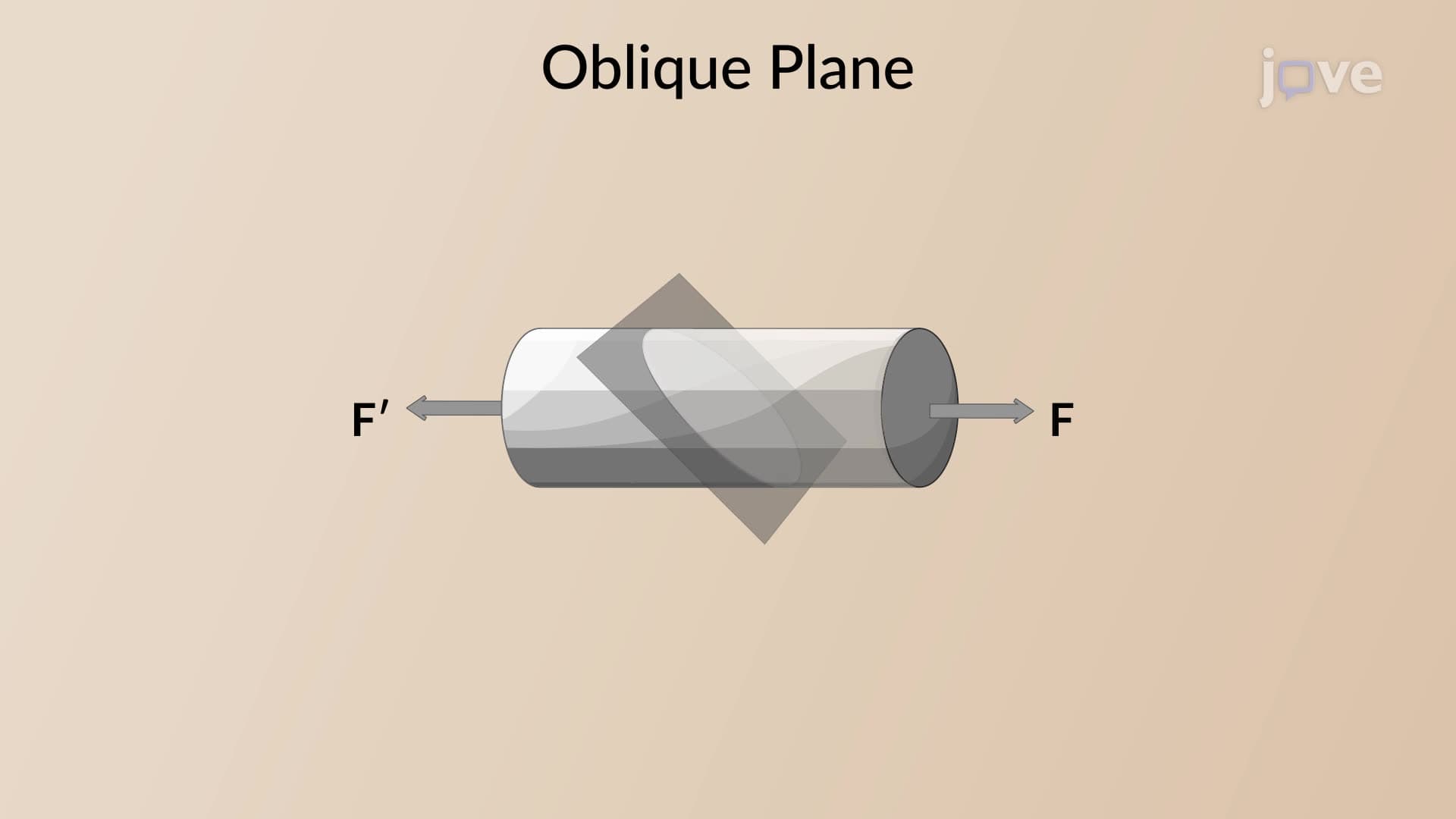
5. Stress on an Oblique Plane
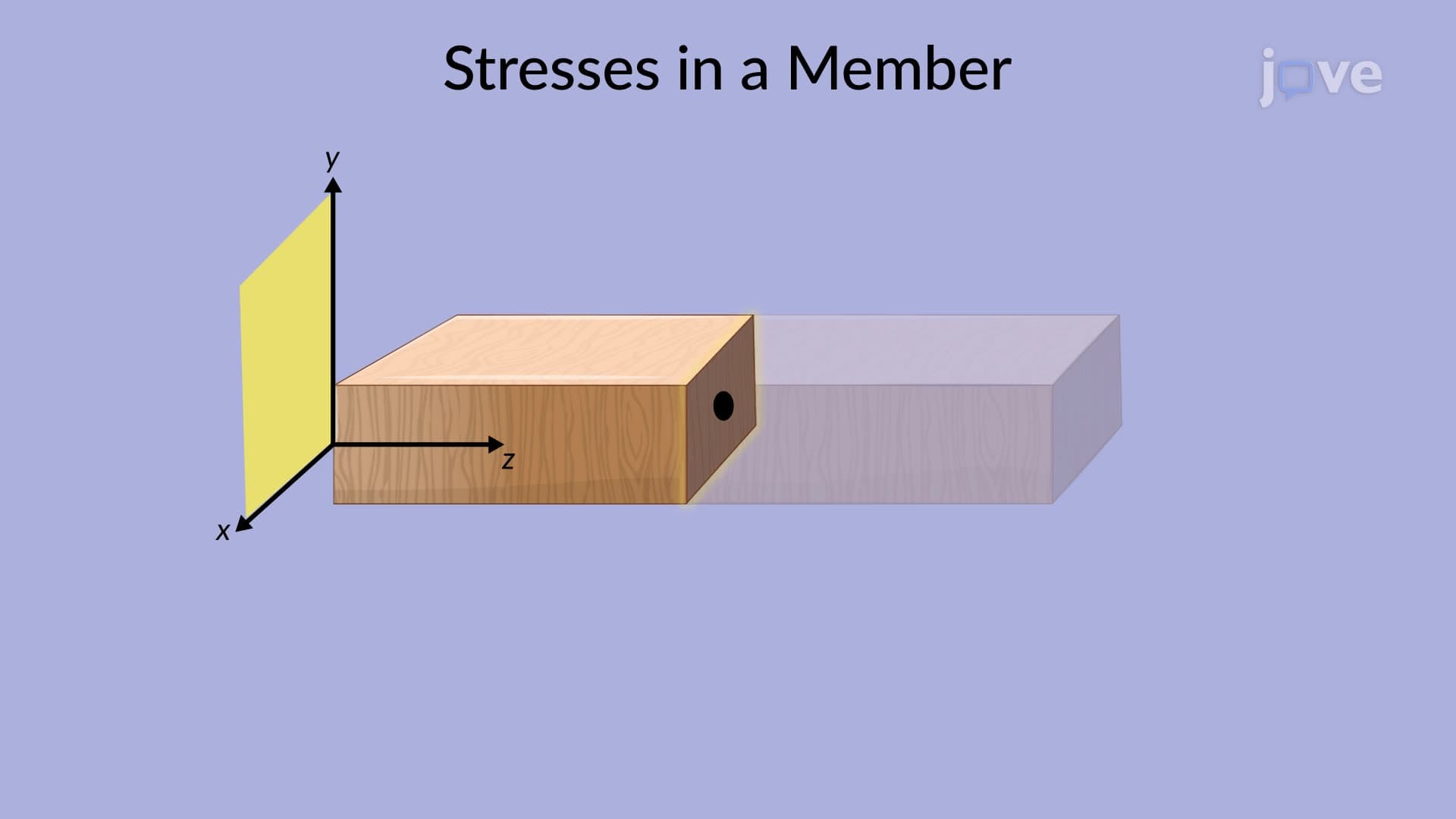
6. Stress: General Loading Conditions
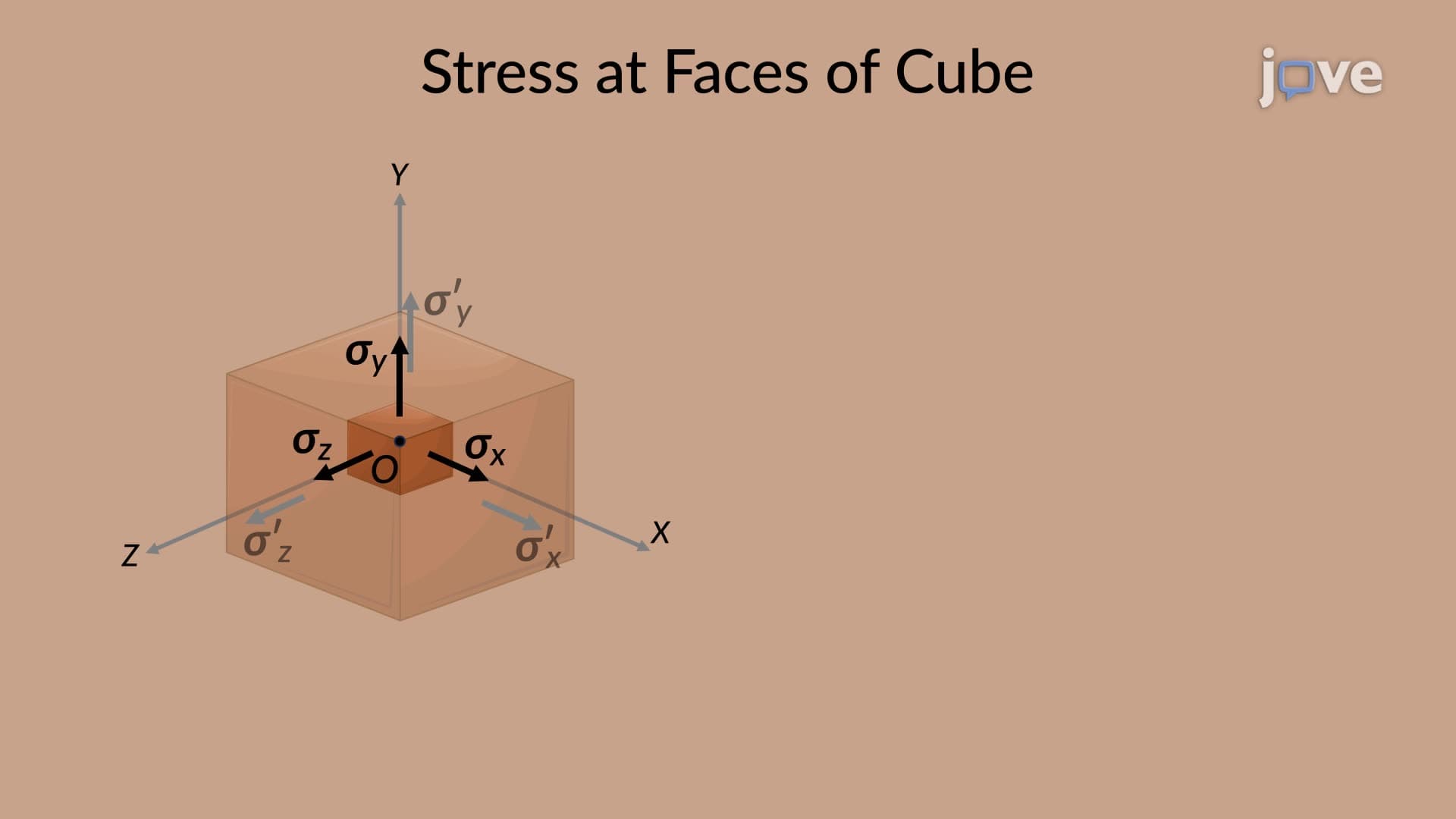
7. Components of Stress
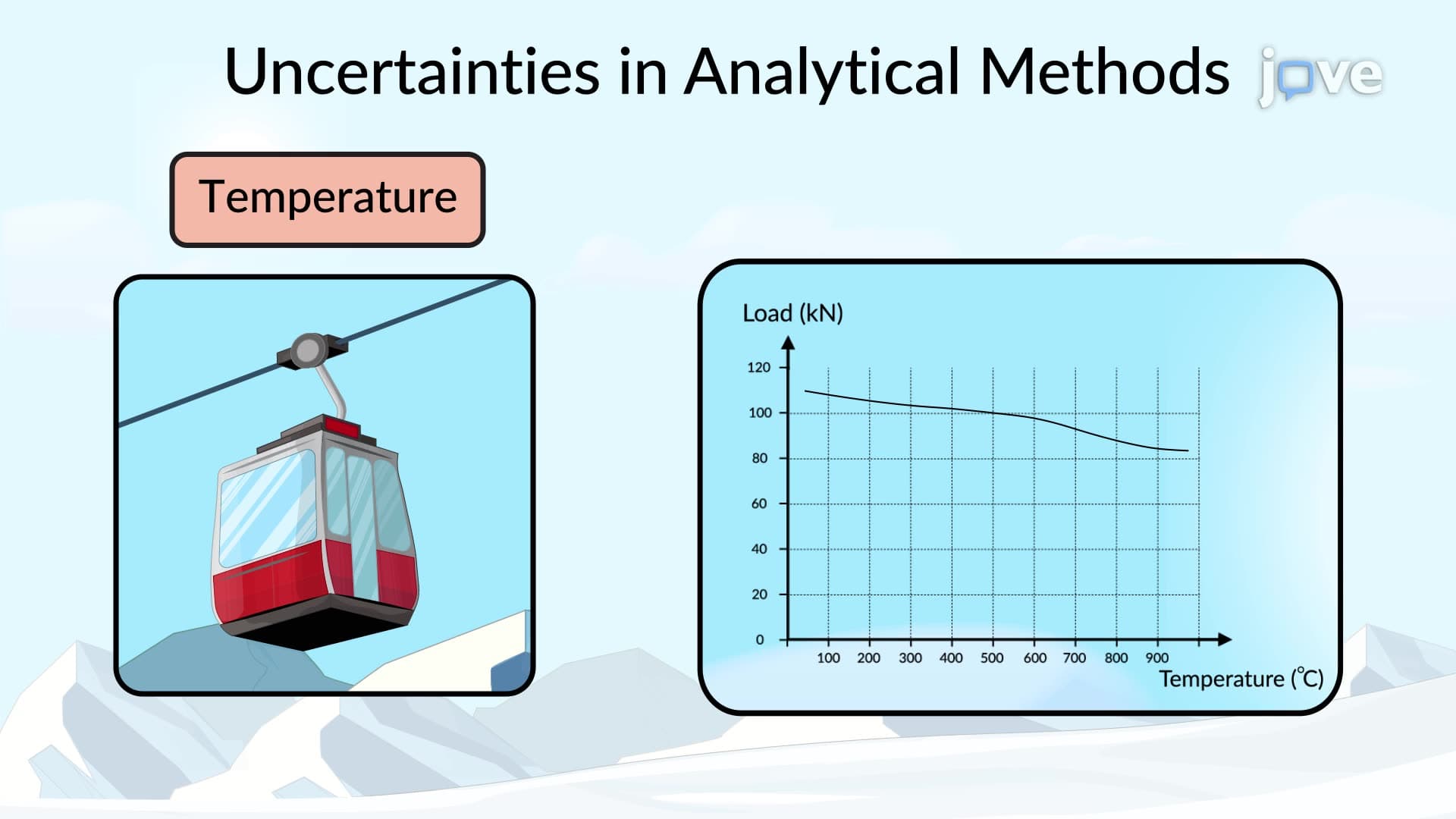
8. Design Consideration
The concept of stress forms the foundation of mechanics of materials, defining how forces distribute within deformable bodies under various loading conditions. This JoVE Coach micro-course explores normal stress, shearing stress, and bearing stress through practical applications like bridge trusses, bolted connections, and structural joints. Students examine stress on oblique planes, multi-axial loading conditions, and design considerations including allowable stress and factor of safety calculations essential for safe structural engineering.
- Understand the fundamental concept of stress as internal resistance to applied forces in materials
- Identify different types of stress including normal, shearing, and bearing stress in structural applications
- Analyze stress distribution patterns in axially loaded members under centric and eccentric loading conditions
- Apply stress calculations for oblique planes and determine maximum normal and shearing stress orientations
- Explore multi-axial loading conditions and stress component relationships in three-dimensional analysis
- Learn design considerations including ultimate strength, allowable stress, and factor of safety determination
- Understand stress mechanics of materials principles for bolted connections and pin joints
- Analyze real-world applications including bridge members, pressure vessels, and mechanical fasteners
1. Normal Stress Fundamentals: Normal stress develops when axial forces create internal resistance perpendicular to cross-sectional areas. In bridge truss members and structural columns, this stress equals force divided by cross-sectional area (σ = F/A). Uniform stress distribution occurs only under centric loading through the section centroid. Eccentric loading creates non-uniform stress patterns due to additional bending moments. Understanding stress in deformable bodies requires recognizing that calculated values represent average stresses across sections rather than point-specific values.
2. Shearing Stress Analysis: Shearing stress occurs when transverse forces create internal resistance parallel to cross-sectional planes. Bolted connections in steel structures experience single or double shear depending on joint configuration. Unlike uniform normal stress assumptions, shearing stress varies from zero at member surfaces to maximum values exceeding average calculations. Double shear connections distribute forces across two planes, reducing average stress by half compared to single shear arrangements.
3. Bearing Stress in Connections: Bearing stress results from contact pressure between connected structural elements, commonly occurring in bolted and pinned joints. This localized stress concentrates where bolt surfaces contact plate materials, calculated as bearing force divided by projected contact area (bolt diameter times plate thickness). Understanding bearing stress prevents connection failures in steel framework buildings and mechanical assemblies where concentrated loads transfer between components.
4. Stress on Oblique Planes: Oblique plane analysis reveals how stress components vary with sectional plane orientation. Normal stress reaches maximum values when sections align perpendicular to loading directions and approaches zero for parallel orientations. Shearing stress maximizes at 45-degree angles and becomes zero for parallel or perpendicular planes. This principle explains failure patterns in materials like concrete beams and timber members under various loading conditions.
5. Multi-Axial Stress States: Complex loading creates three-dimensional stress conditions requiring analysis of normal and shearing stress components on multiple planes. Six independent stress components (three normal, three shearing) define complete stress states at any point. Equilibrium requirements establish relationships between shearing stress components, demonstrating that shearing stresses occur in perpendicular pairs. This analysis applies to pressure vessels, machine components, and structural members under combined loading.
6. Design Safety Considerations: Ultimate strength testing determines material failure limits under increasing loads until fracture occurs. Factor of safety represents the ratio between ultimate and allowable loads, providing reserve capacity for safe operation. Selection considers material property variations, loading uncertainties, failure consequences, and structural importance. Modern Load and Resistance Factor Design (LRFD) methods separate structural and loading uncertainties, distinguishing between dead loads (permanent) and live loads (temporary) for more precise safety assessments.
Frequently Asked Questions
Stress represents the internal resistance developed within materials when subjected to external forces. It equals force divided by the cross-sectional area over which the force acts (σ = F/A), measured in Pascals or pounds per square inch. Unlike force, stress accounts for the size of the loaded area, making it a material property that allows comparison between different structural elements.
AP Physics C mechanics exams focus on basic stress calculations and material properties, while college engineering courses emphasize stress analysis in structural applications. Typical problems involve calculating normal and shearing stresses in beams, determining safety factors, and analyzing stress distributions in connections. Students should master unit conversions between psi and MPa for engineering applications.
Normal stress acts perpendicular to cross-sectional areas (tension or compression), shearing stress acts parallel to sections (sliding resistance), and bearing stress occurs at contact surfaces between connected elements. Each type requires different calculation methods and failure criteria. Understanding these distinctions helps predict how structures fail under various loading conditions.
Factor of safety provides a margin between actual loads and material failure limits, calculated as ultimate strength divided by allowable stress. It accounts for uncertainties in material properties, loading variations, and analysis methods. Typical values range from 2-4 for building structures, with higher values for critical applications like aircraft components or bridge designs.
Stress analysis ensures structural safety in buildings, bridges, aircraft, and machinery. Engineers use these principles to size structural members, design connections, and prevent failures. Examples include determining beam sizes for floor systems, analyzing bolt patterns in steel connections, and evaluating pressure vessel thickness requirements for safe operation under design pressures.
Students often struggle with sign conventions, stress direction identification, and selecting appropriate cross-sectional areas for calculations. Practice with free-body diagrams, consistent unit usage, and visualization of loading conditions improves comprehension. Working through examples with different loading types (tension, compression, shear) builds confidence in applying stress formulas correctly.
Focus on understanding physical concepts before memorizing formulas, practice sketching stress distributions on structural elements, and work progressively from simple axial loading to complex multi-axial conditions. Create summary sheets linking stress types to real applications, and solve practice problems from different textbooks to encounter various presentation styles and problem approaches.
Stress analysis foundations support advanced topics including beam bending theory, buckling analysis, fatigue design, and finite element methods. These concepts appear in structural analysis, machine design, and materials science courses. Solid understanding of basic stress principles enables successful progression through mechanical, civil, and aerospace engineering curricula.
This microcourse includes 8 concept videos that walk you through the building blocks of Mechanical Engineering. Each video is short, about 1 minute, so you can cover a full topic during a coffee break or between classes. The full sequence starts with Normal Stress and ends with Design Consideration.
The playlist moves from big-picture ideas to the precise vocabulary used in Mechanical Engineering. Early videos introduce Normal Stress, Shearing Stress, and Bearing Stress. The middle of the series focuses on Stress on an Oblique Plane, Stress: General Loading Conditions, and Components of Stress. The final stretch covers Design Consideration.
The natural next step is Stress and Strain - Axial Loading. From there, you can move to Torsion, Bending, and Analysis and Design of Beams for Bending. Once you finish those, the full Mechanical Engineering curriculum of 28 microcourses on JoVE Coach opens up, taking you from foundational concepts to advanced systems.
Related Subjects
 Civil Engineering 30 micro-courses›Electrical Engineering 33 micro-courses›