Loading subject page…

- Mechanical Engineering
- Concept of Stress
- Stress: General Loading Conditions
Micro-course: Concept of Stress
5,772 views
Learn key concepts and earn your certificate.
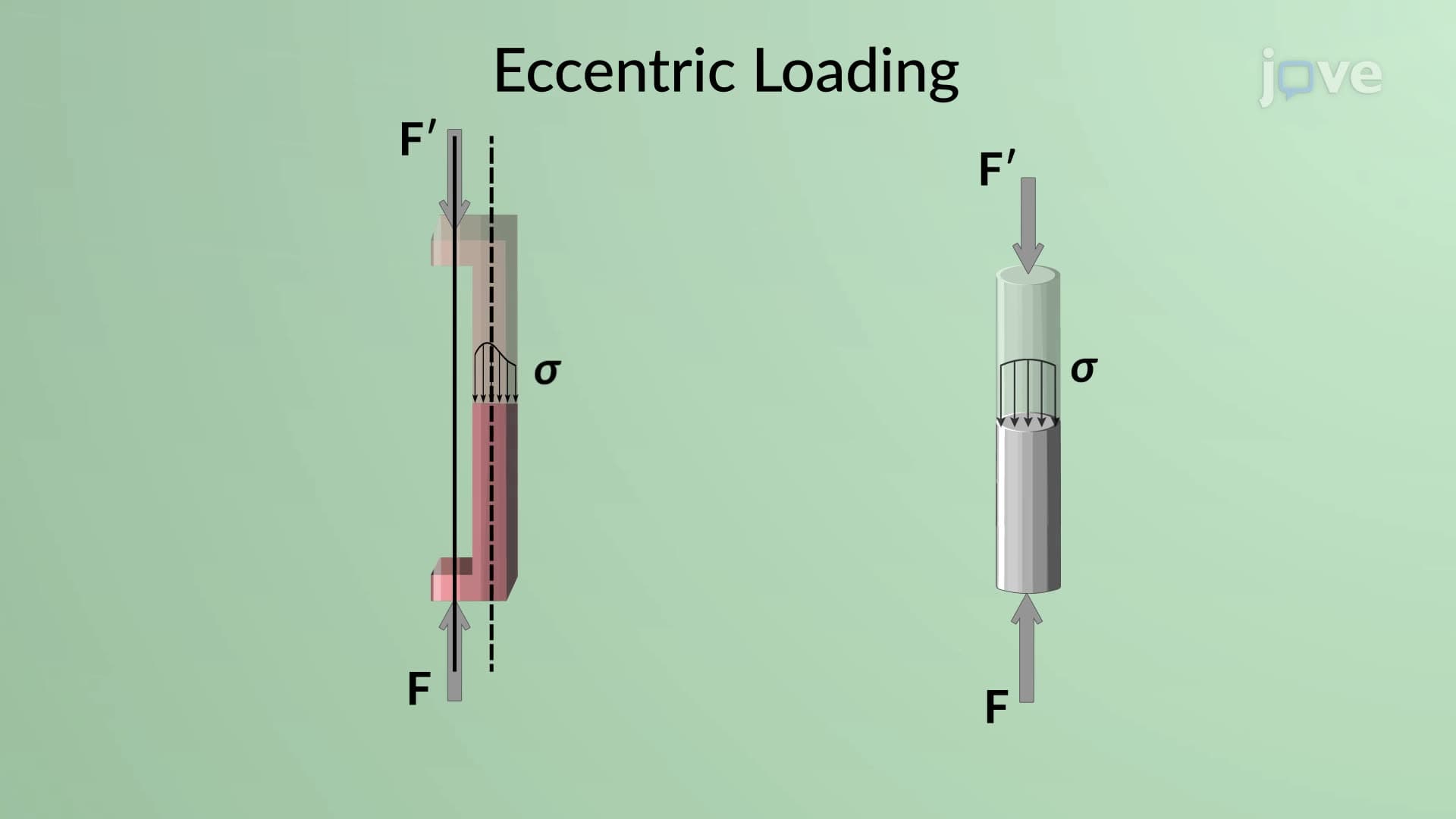


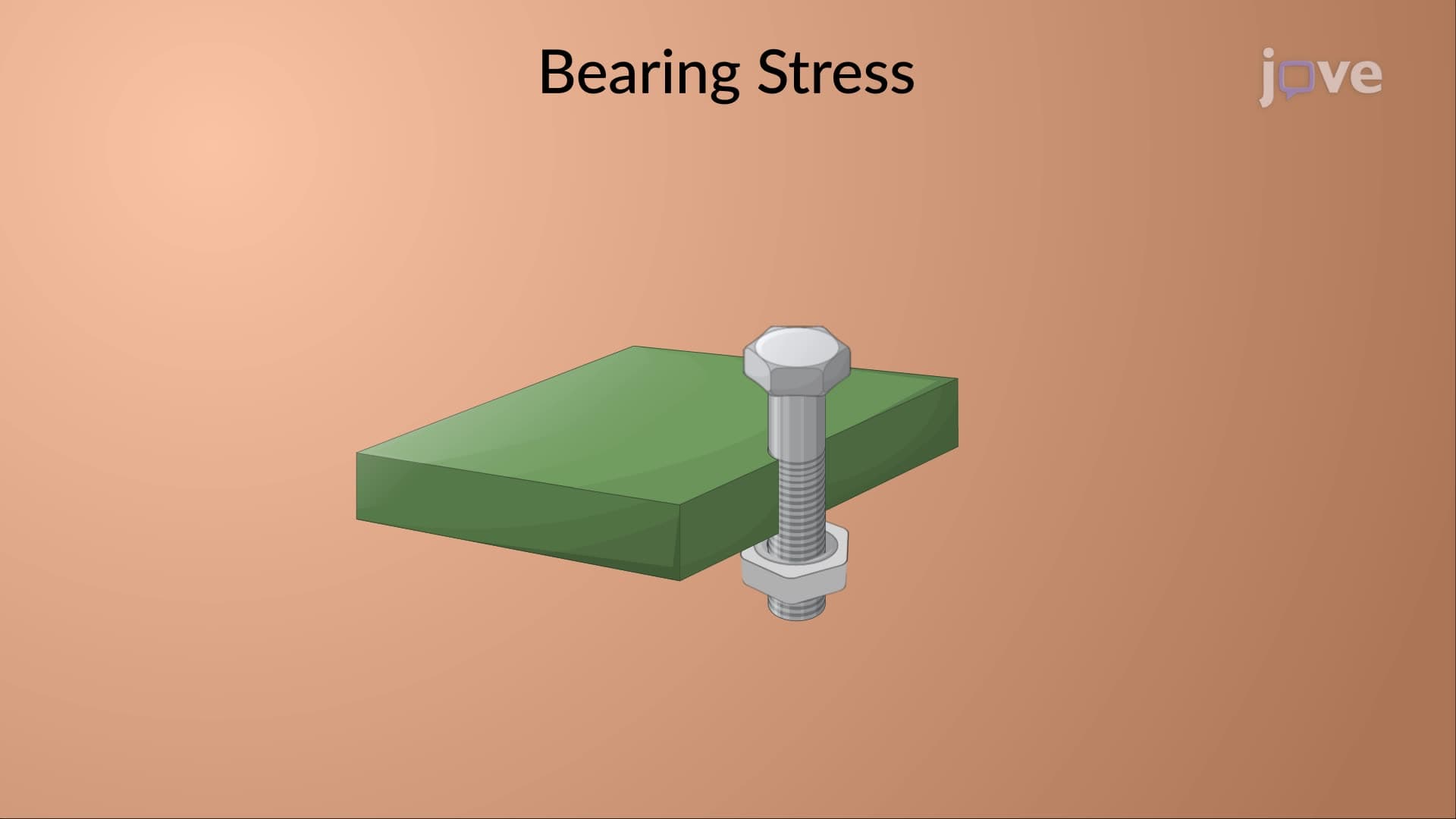
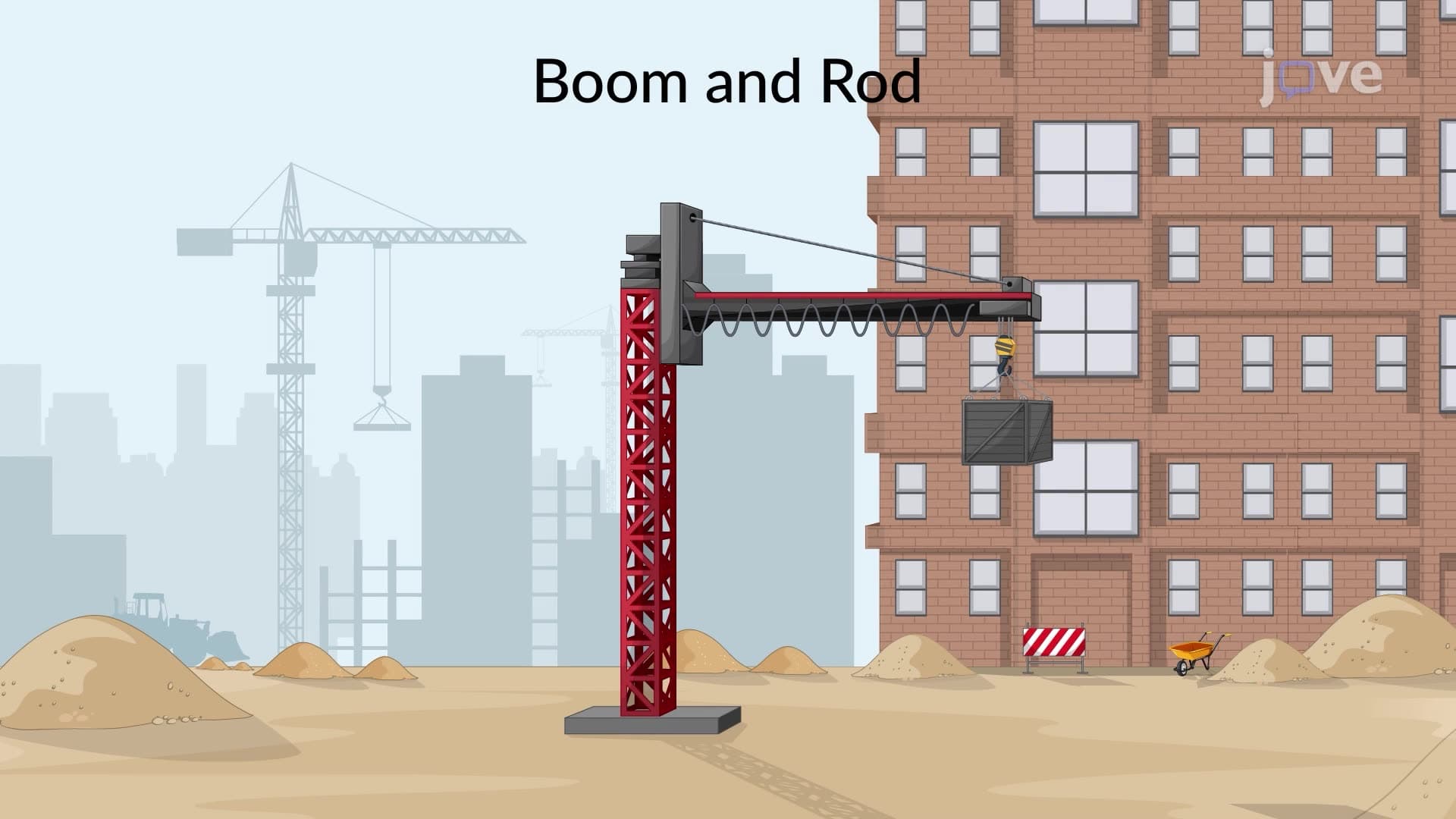
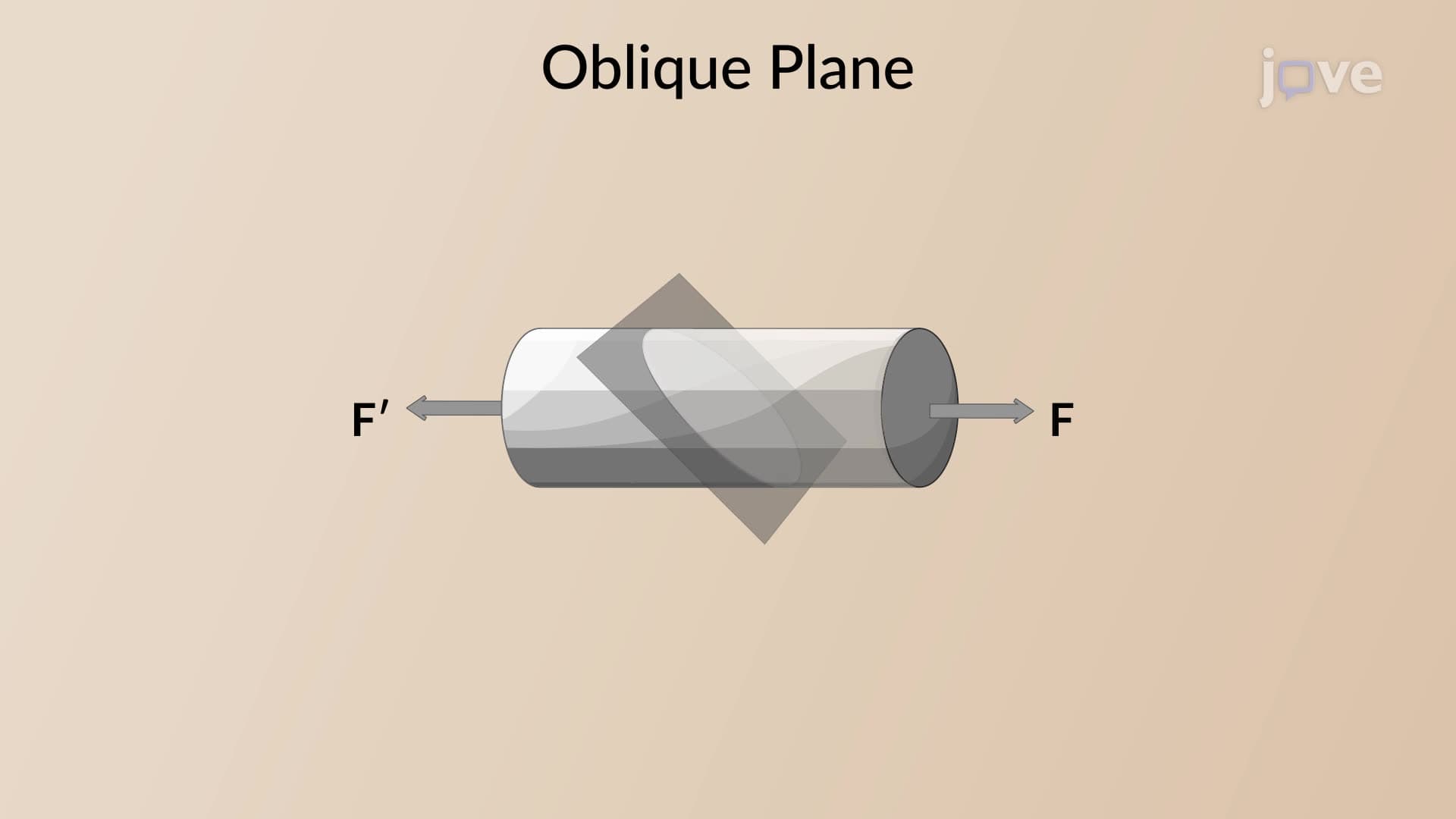
Stress: General Loading Conditions

00:00
01:15
Video Summary: What Is Stress General Loading Conditions
Did you know that a single bolt holding a suspension bridge cable experiences forces pulling, twisting, and pushing simultaneously? Stress general loading conditions occur when structural elements face multiple forces acting in different directions at once. Consider a steel beam in Chicago's Willis Tower experiencing wind loads, gravitational forces, and thermal expansion forces all at the same time. What is stress general loading conditions becomes crucial for understanding how materials respond to complex real-world loading scenarios. Watch the full video on JoVE Coach to master this concept with expert-led visuals and step-by-step explanations.
- Understand what is stress general loading conditions and how they differ from simple uniaxial loading scenarios
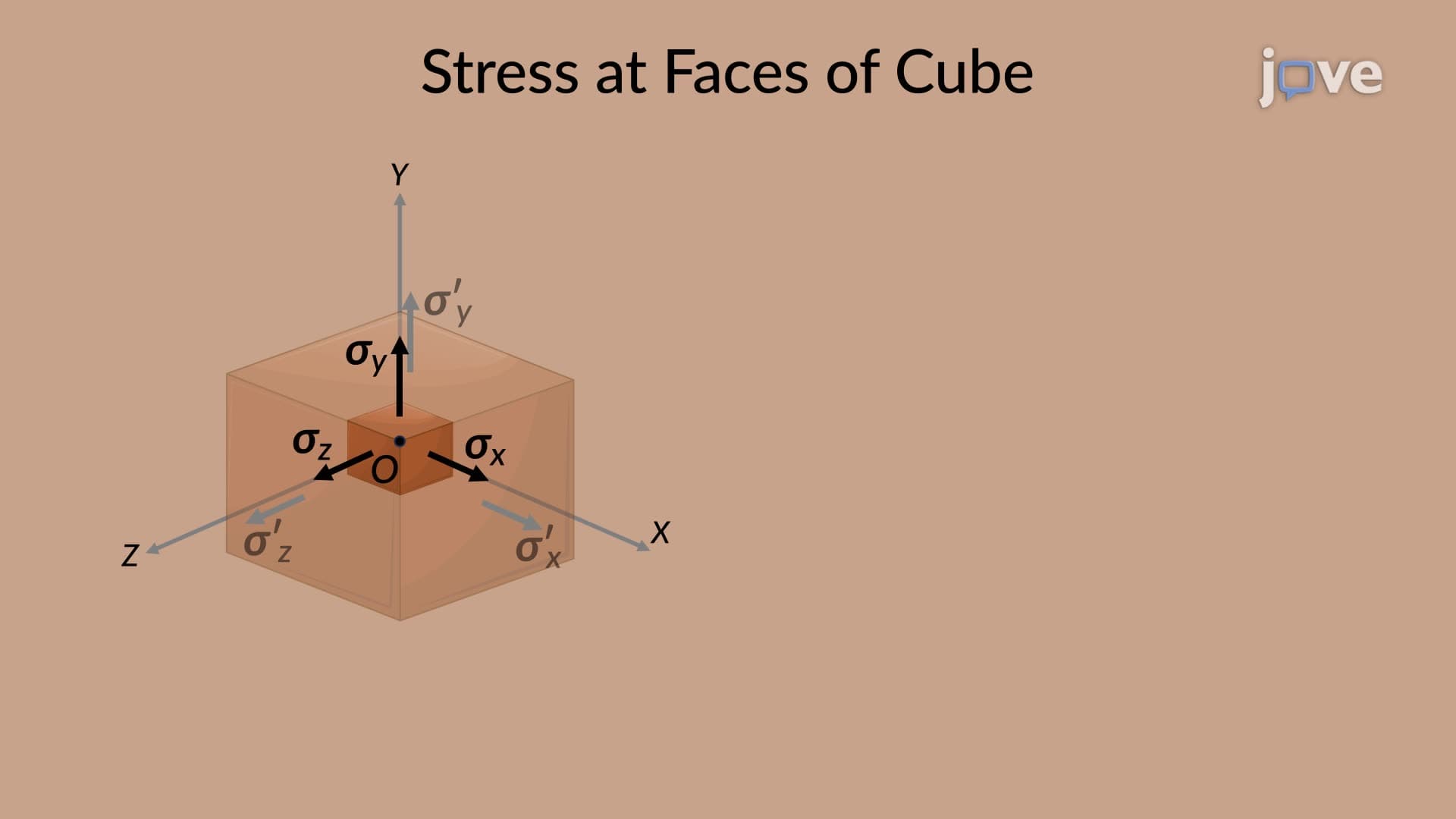
- Identify the three-dimensional stress components that act on a material element under complex loading
- Analyze how shearing forces resolve into component forces along perpendicular axes
- Recognize the subscript notation system used to describe stress components and their directions
- Apply sectional analysis techniques to determine stress distributions through different planes
- Evaluate how stress components change when examining opposite faces of a material element
- Compare stress states on planes oriented parallel to xy, yz, and zx coordinate systems
- Explore the relationship between applied loads and resulting stress distributions in structural members
Understanding Stress General Loading Conditions Fundamentals
Stress general loading conditions represent the complex reality of how structures and materials behave under multiple simultaneous forces. Unlike textbook examples where a single force acts along one axis, real-world engineering applications involve forces acting in multiple directions simultaneously. When a building experiences earthquake motion, wind loads, and its own weight, every structural element faces what engineers call general loading conditions.
Three-Dimensional Stress Analysis and Component Resolution
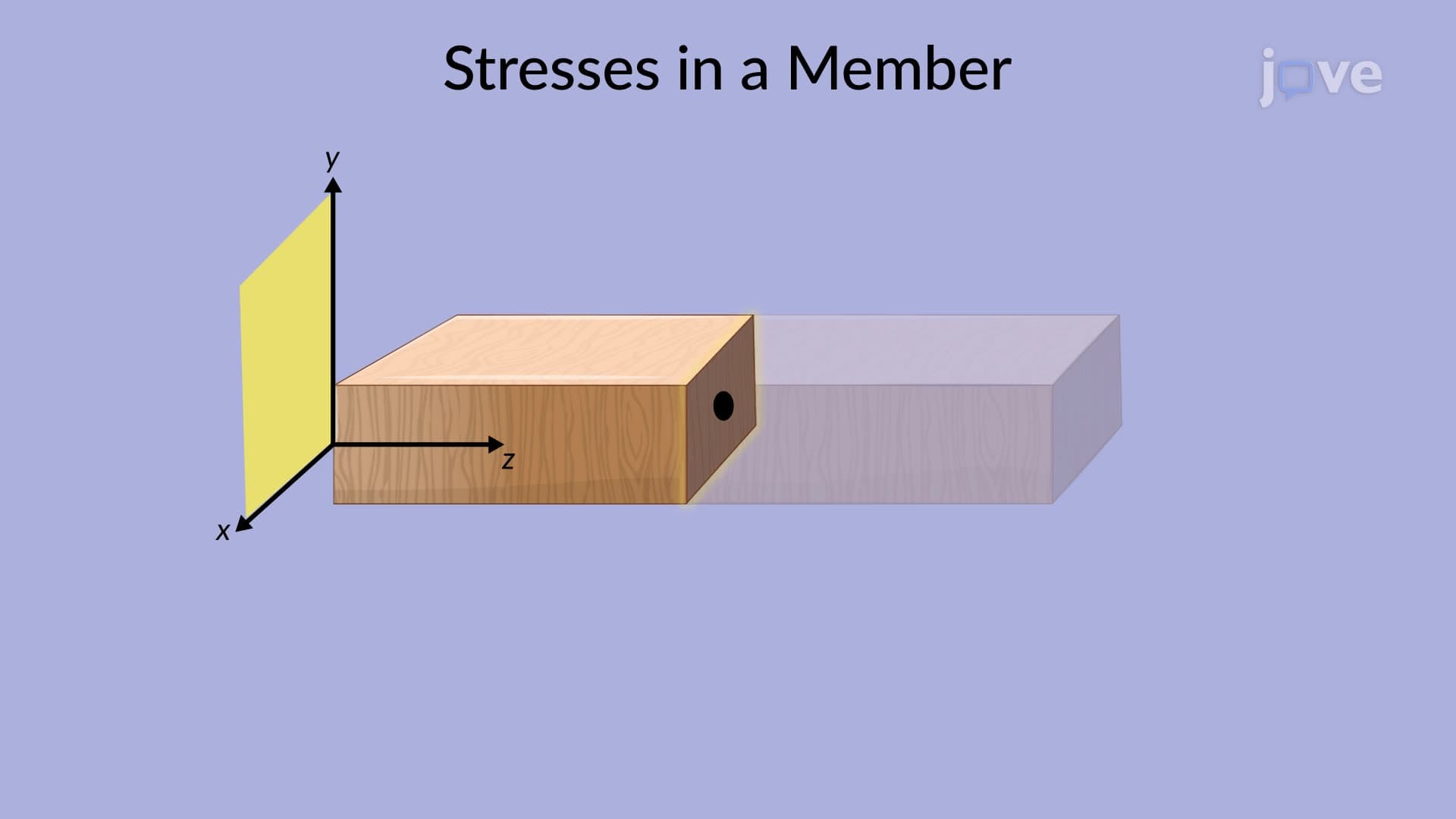
In practice, analyzing stress general loading conditions requires understanding how forces distribute across three-dimensional space. When examining a point within a loaded material, engineers use sectional planes to reveal the stress state. The normal stress acts perpendicular to the sectional plane, while shearing stresses act parallel to it. Since shearing forces rarely align perfectly with coordinate axes, they must be resolved into components along the x and y directions.
The subscript notation system provides clarity: the first subscript indicates which surface the stress acts upon (perpendicular to which axis), while the second subscript shows the direction of the shearing stress. For example, stress component "tau(zx)" acts on a surface perpendicular to the z-axis in the x-direction. This systematic approach appears frequently in AP Physics C mechanics problems and college-level statics courses.
Practical Applications in US Engineering Practice
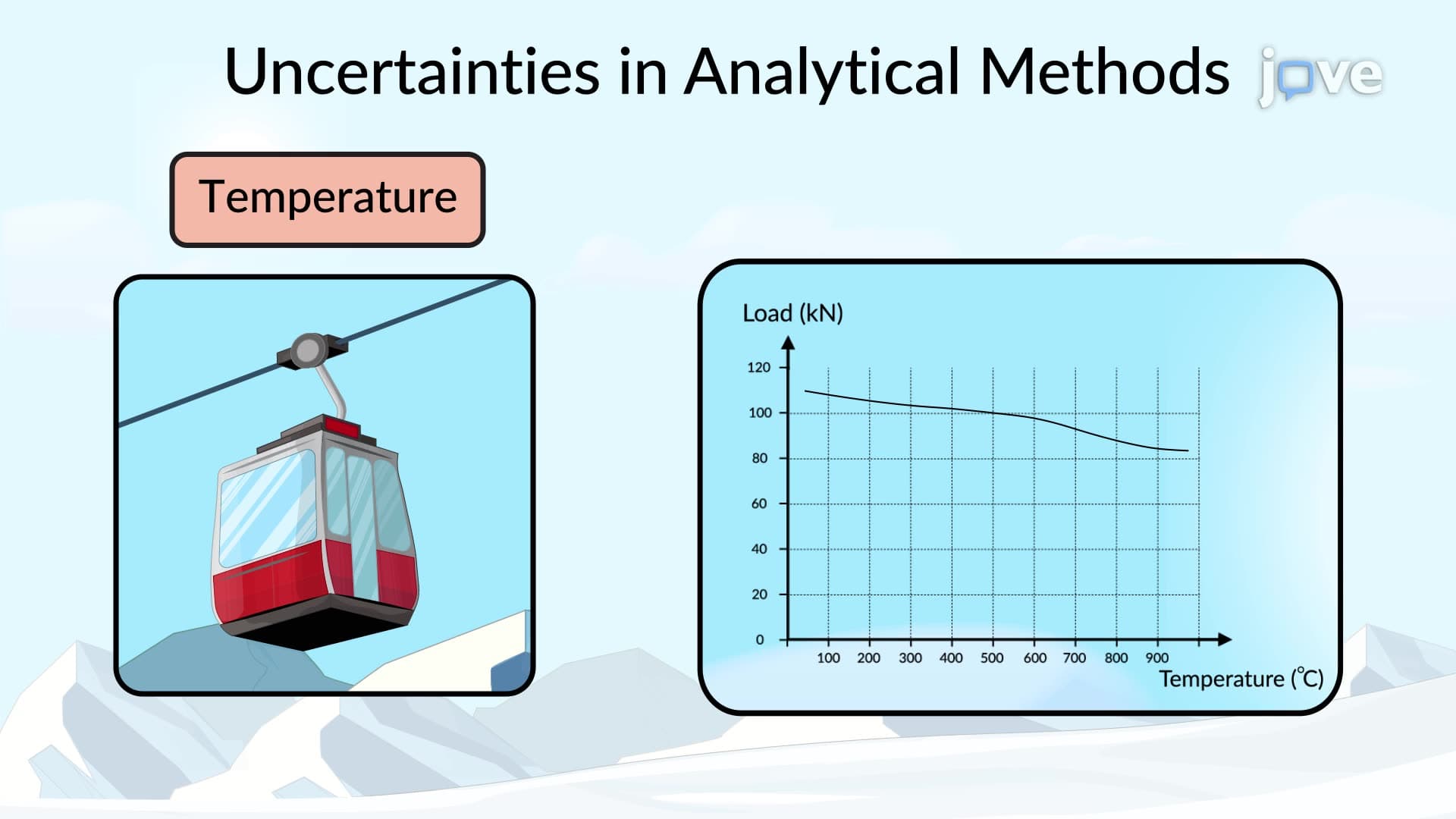
Consider the Golden Gate Bridge's suspension cables, which demonstrate stress general loading conditions perfectly. Each cable point experiences tension from the bridge deck weight, horizontal forces from wind loads, and thermal stresses from temperature changes. Similarly, aircraft wing structures face lift forces, drag forces, and torsional moments simultaneously during flight operations.
Civil engineering projects across the United States rely on general loading analysis. The Hoover Dam's concrete structure experiences hydrostatic pressure, thermal gradients, and seismic loads concurrently. Understanding these complex stress states becomes essential for students preparing for the Fundamentals of Engineering (FE) exam and Professional Engineering (PE) licensure.
Advanced Analysis Through Multiple Sectional Planes
Complete stress characterization requires examining sections through multiple planes. By cutting through points parallel to the yz-plane and zx-plane, engineers reveal additional stress components that complete the three-dimensional stress picture. This comprehensive analysis ensures structural safety margins and appears as a critical concept in MCAT physics sections and college mechanical engineering coursework.
Frequently Asked Questions
Stress general loading conditions describe how materials experience forces acting simultaneously in multiple directions, creating complex stress patterns throughout the structure. Unlike simple tension or compression, real structures face combinations of pulling, pushing, twisting, and bending forces all at once. This concept appears in AP Physics C and college engineering courses as fundamental to understanding structural behavior.
AP Physics C mechanics frequently tests three-dimensional stress analysis through free-body diagrams and equilibrium problems involving multiple force components. Students encounter problems requiring force resolution into perpendicular components and stress calculation on different sectional planes. Practice with College Board released exams shows consistent emphasis on vector analysis and component resolution skills.
The MCAT tests force vector resolution, equilibrium analysis, and mechanical properties of materials - all fundamental to understanding general loading conditions. Students see these concepts in passages about bone mechanics, joint forces, and structural biomaterials. Success requires mastering coordinate systems, vector components, and stress-strain relationships covered in prerequisite physics coursework.
Every major US structure demonstrates general loading conditions - from the Space Needle in Seattle facing wind and seismic loads simultaneously, to the Brooklyn Bridge handling traffic, wind, and thermal stresses concurrently. Modern skyscrapers like One World Trade Center experience gravitational loads, wind forces, and thermal expansion forces acting together continuously.
Basic algebra, trigonometry, and vector concepts provide sufficient mathematical foundation for introductory stress analysis. Students comfortable with resolving forces into components and working with coordinate systems can master these concepts. Advanced calculus becomes necessary only for graduate-level continuum mechanics and finite element analysis applications.
Focus on practicing force resolution problems using free-body diagrams and coordinate systems consistently. Work through multiple examples involving different loading scenarios and sectional plane orientations. Many successful students create visual aids showing stress components and practice subscript notation until it becomes automatic during timed exams.
Understanding general loading conditions leads naturally to studying Mohr's circle analysis, principal stresses, and failure theories in advanced mechanics courses. Graduate programs extend these concepts into finite element analysis, nonlinear material behavior, and dynamic loading scenarios. Professional engineers apply these fundamentals in structural design codes and safety factor calculations.
Related Micro-courses


