Loading video…


 8 Concepts
 5.8K views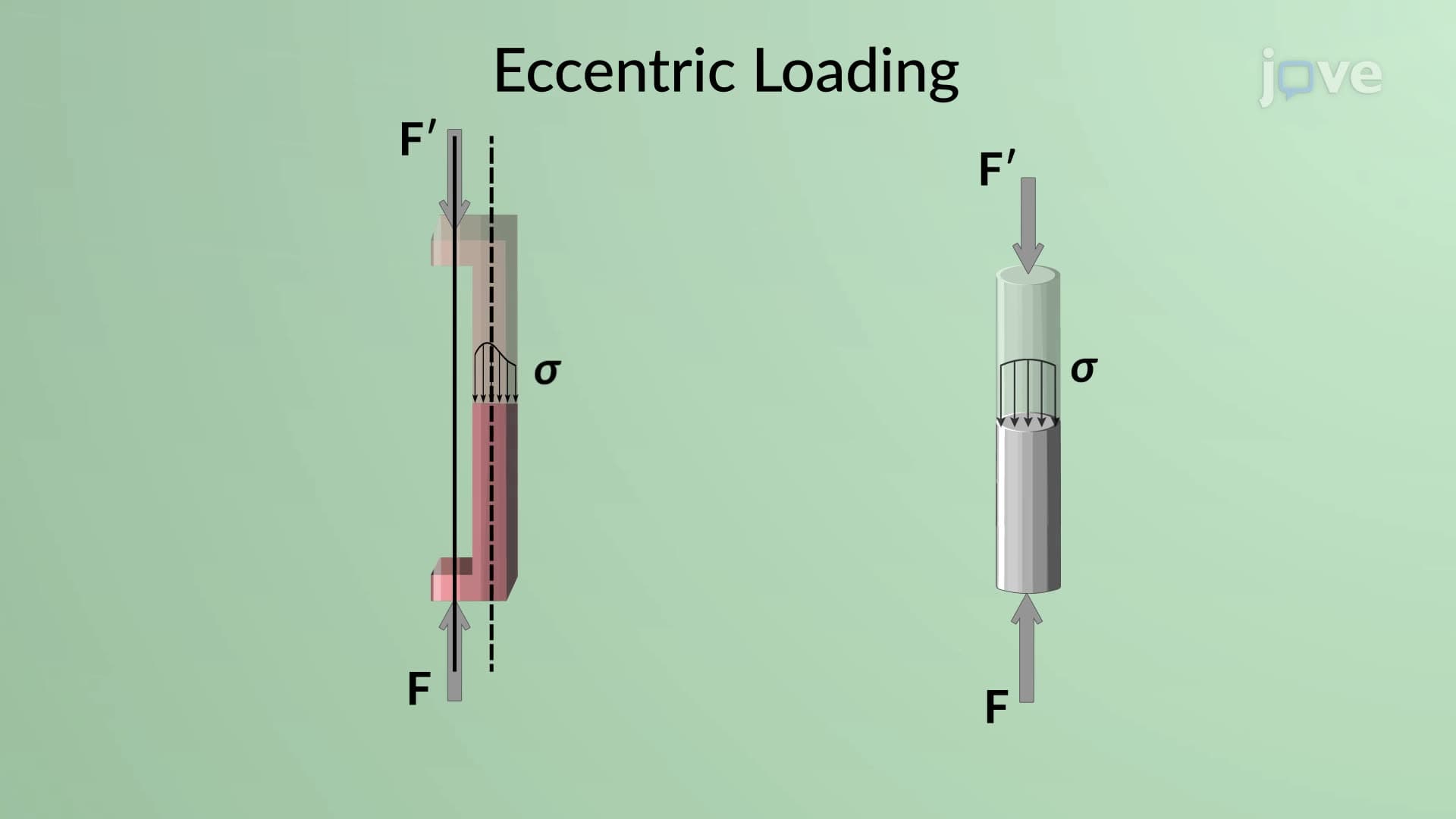

Video Summary: What Is Normal Stress
Ever wondered how the Golden Gate Bridge supports thousands of cars without collapsing? The answer lies in normal stress, the invisible force that keeps structures intact when pulled or pushed. Normal stress occurs when forces act perpendicular to a material's cross-sectional area, like tension in bridge cables or compression in building columns. Understanding this fundamental engineering principle explains why some materials fail while others endure extreme loads. Watch the full video on JoVE Coach to master this concept with expert-led visuals and step-by-step explanations.
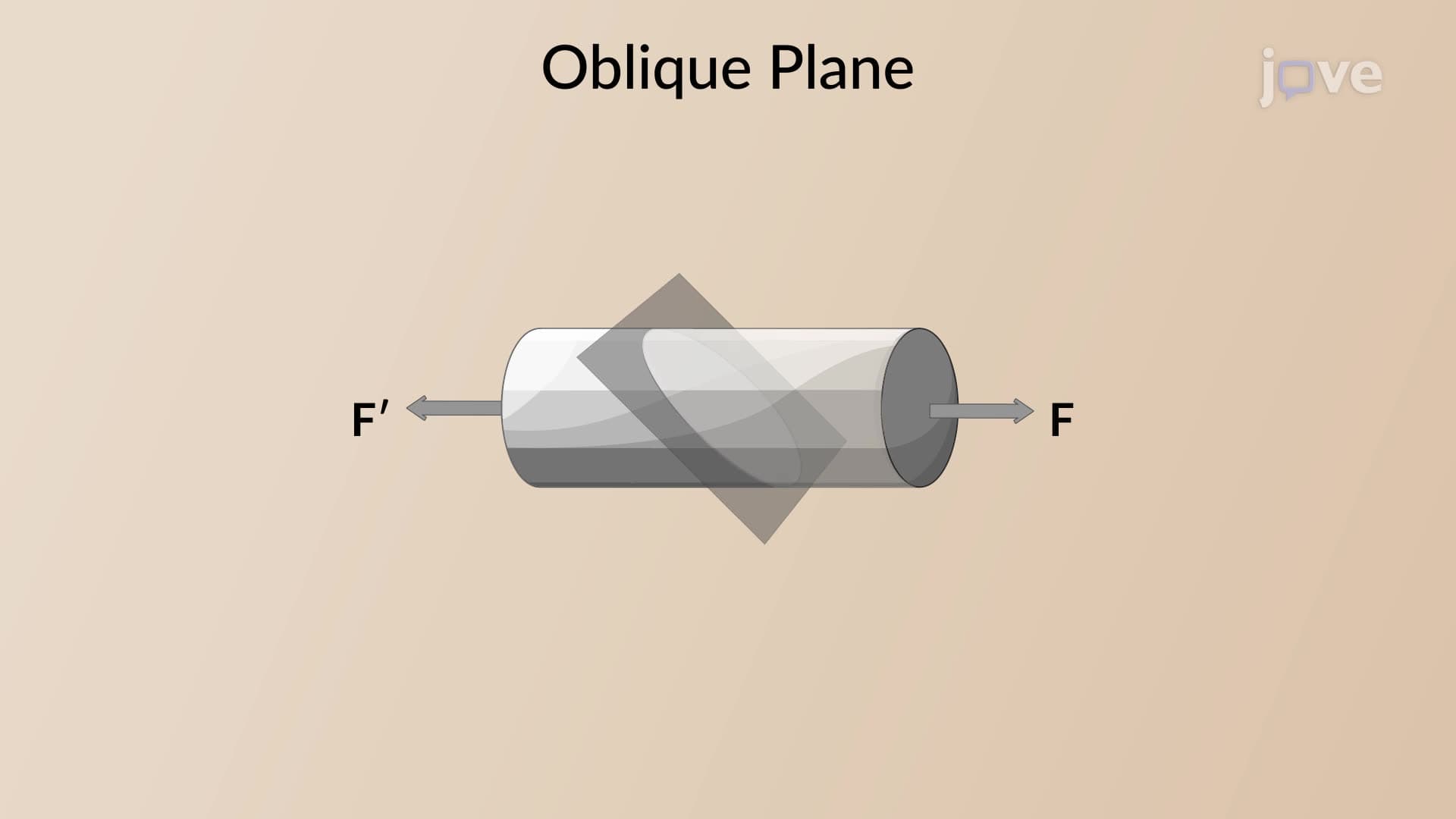
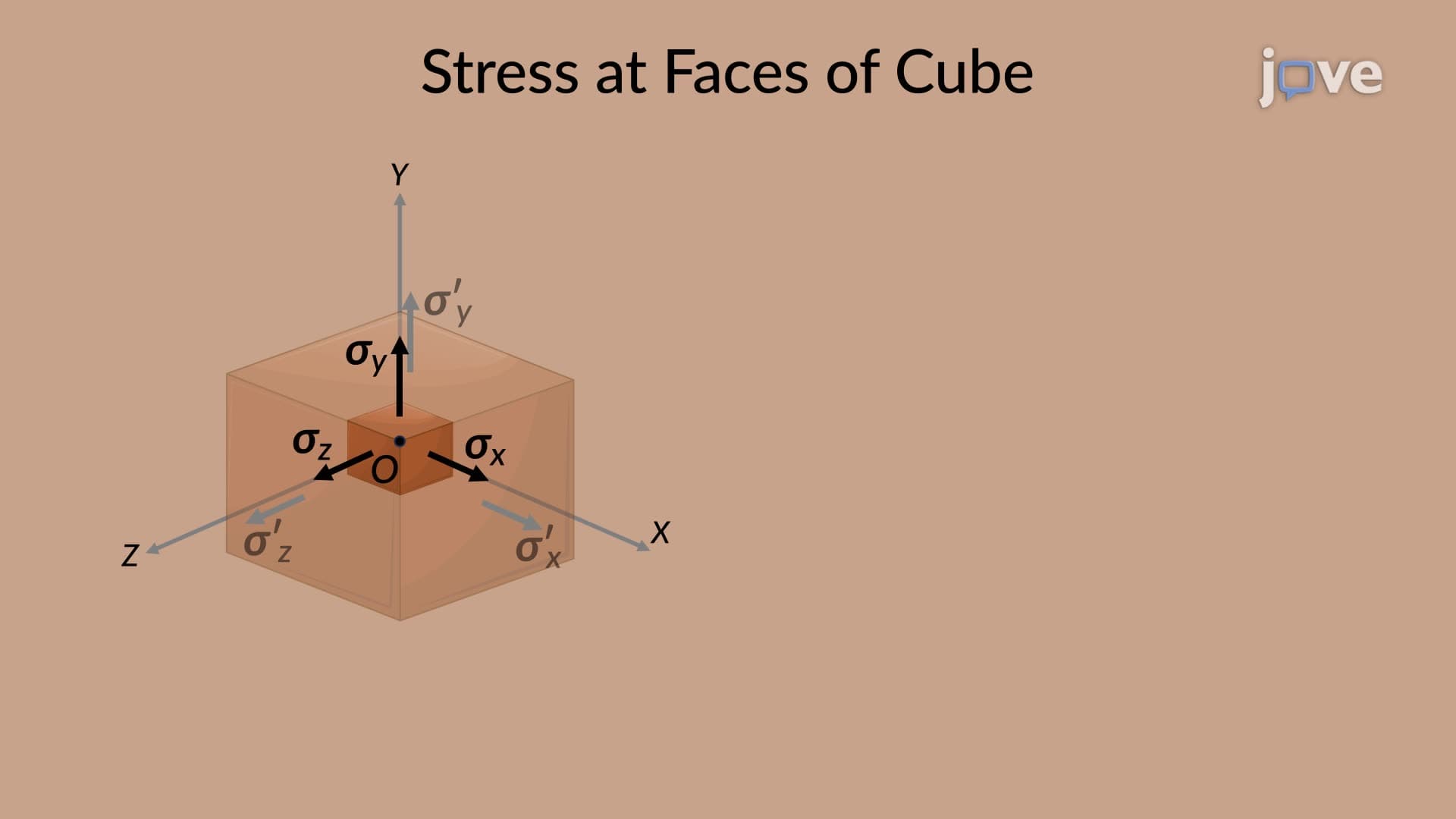
Normal stress forms the foundation of structural analysis and material science. When you pull on a rope or push on a column, internal forces develop within the material to resist deformation. These resistive forces, distributed across the material's cross-sectional area, create what engineers call normal stress. The term "normal" indicates that these stresses act perpendicular (at 90 degrees) to the cross-sectional plane.
The mathematical relationship is elegantly simple: normal stress equals the applied force divided by the cross-sectional area (σ = F/A). This fundamental equation appears throughout engineering coursework, from introductory physics to advanced structural analysis. Students encounter this concept in AP Physics courses and continue applying it through college-level mechanics of materials classes.
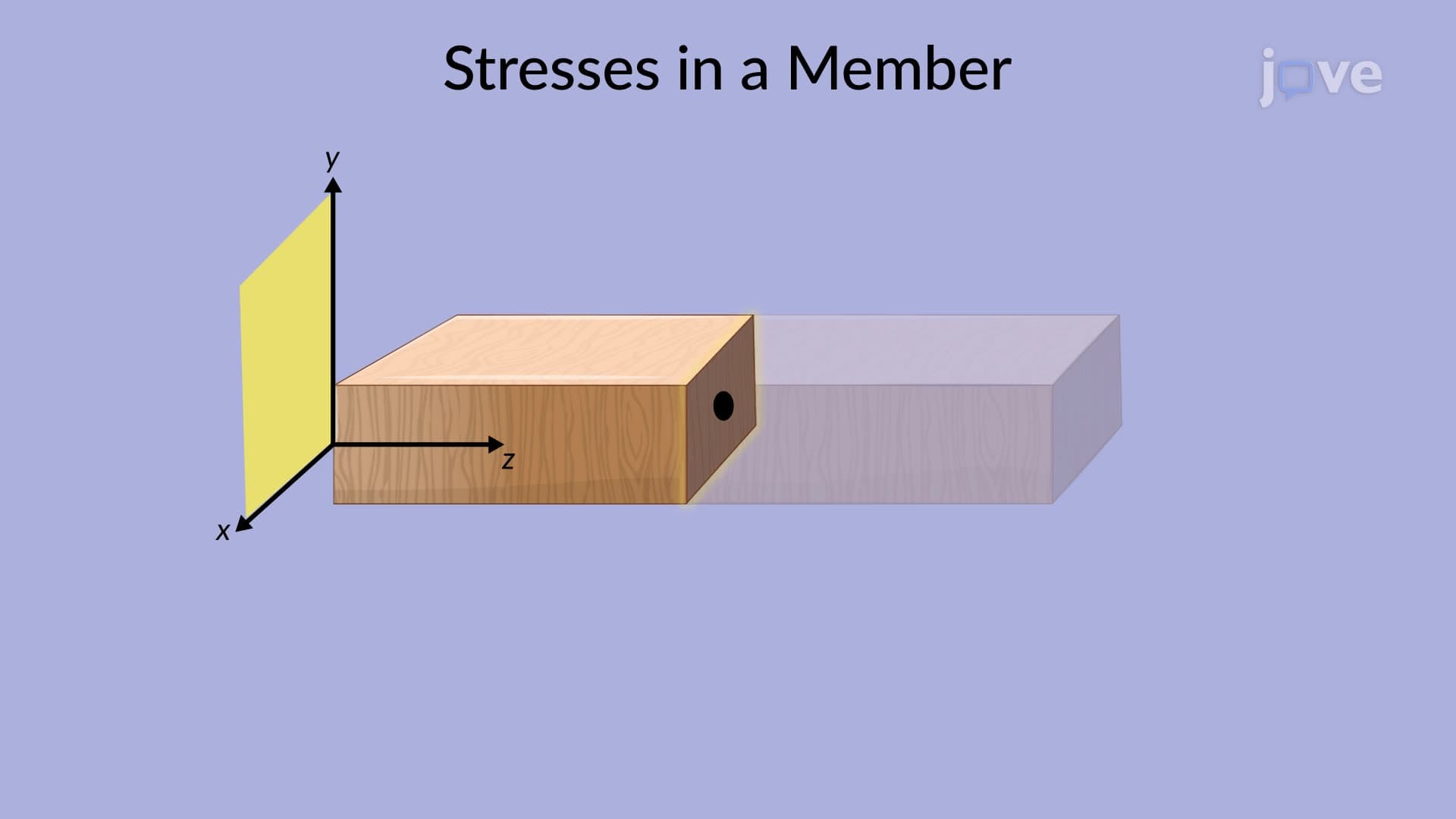
Real-world applications reveal the complexity behind this seemingly simple concept. Consider the cables supporting San Francisco's Bay Bridge, when loaded centrically (force applied through the geometric center), stress distributes uniformly across the cable's cross-section. This uniform distribution assumes the applied load passes directly through the centroid, creating predictable and manageable stress patterns.
Highway engineers rely on this principle when designing bridge supports and building foundations. The assumption of uniform stress distribution simplifies calculations and ensures structural safety margins. However, this idealized condition requires precise load alignment, a critical consideration in construction practices.
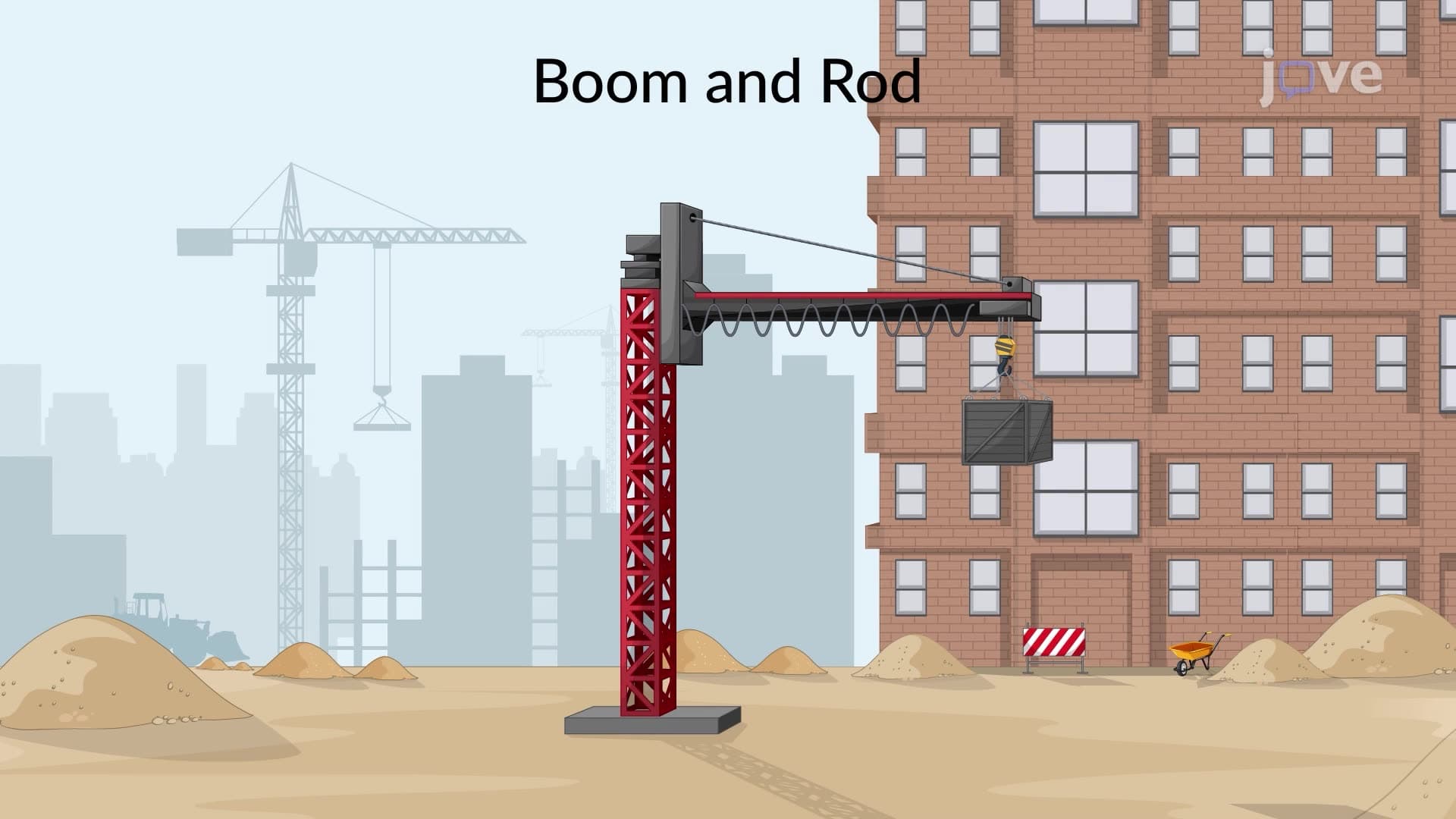
Eccentric loading introduces significant complications that students must understand for both academic success and practical applications. When forces don't pass through the centroid, additional bending moments develop, creating non-uniform stress distributions. Picture a construction crane lifting materials slightly off-center, the supporting beam experiences both direct compression and bending stresses simultaneously.
This concept frequently appears in engineering exams, including the Fundamentals of Engineering (FE) exam and college structural analysis courses. Students must recognize that eccentric loading makes stress analysis statically indeterminate, requiring advanced methods to determine actual stress values. The practical implications affect everything from building design to aerospace engineering, where precise load paths determine structural integrity.
Understanding normal stress proves essential for interpreting structural failures and designing safe systems. The 2007 Minneapolis bridge collapse highlighted how stress concentrations and fatigue can lead to catastrophic failures. Engineers use normal stress calculations to determine load capacities, select appropriate materials, and establish safety factors for critical infrastructure.
Related Micro-courses