Loading subject page…


13 Concepts
10 Concepts
17 Concepts
6 Concepts
20 Concepts
9 Concepts
17 Concepts
14 Concepts
19 Concepts
13 Concepts
12 Concepts
12 Concepts
4 Concepts
5 Concepts
12 Concepts
13 Concepts
10 Concepts
8 Concepts
20 Concepts
12 Concepts
18 Concepts
4 Concepts
6 Concepts
10 Concepts
4 Concepts
9 Concepts
7 Concepts
8 Concepts
 13 Concepts
 18.9K Views
 Popular topics
Master centroid calculations and center of gravity concepts essential for engineering and physics applications. This comprehensive guide covers geometric centroids, composite body analysis, fluid pressure applications, and Pappus-Guldinus theorems. Learn through practical examples including bridge design, automotive engineering, and structural analysis problems commonly encountered in US engineering curricula and standardized exams with JoVE Coach.
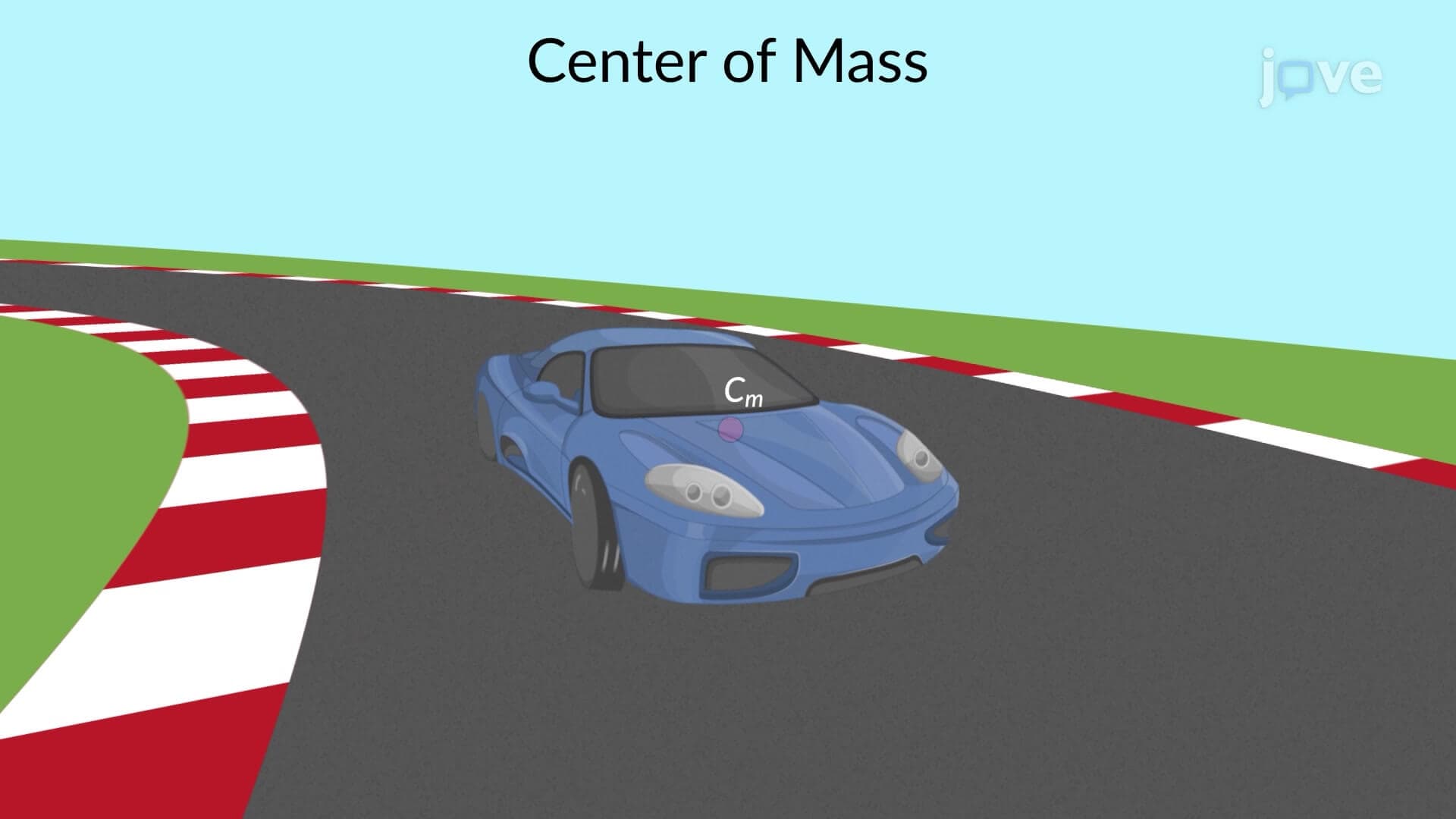
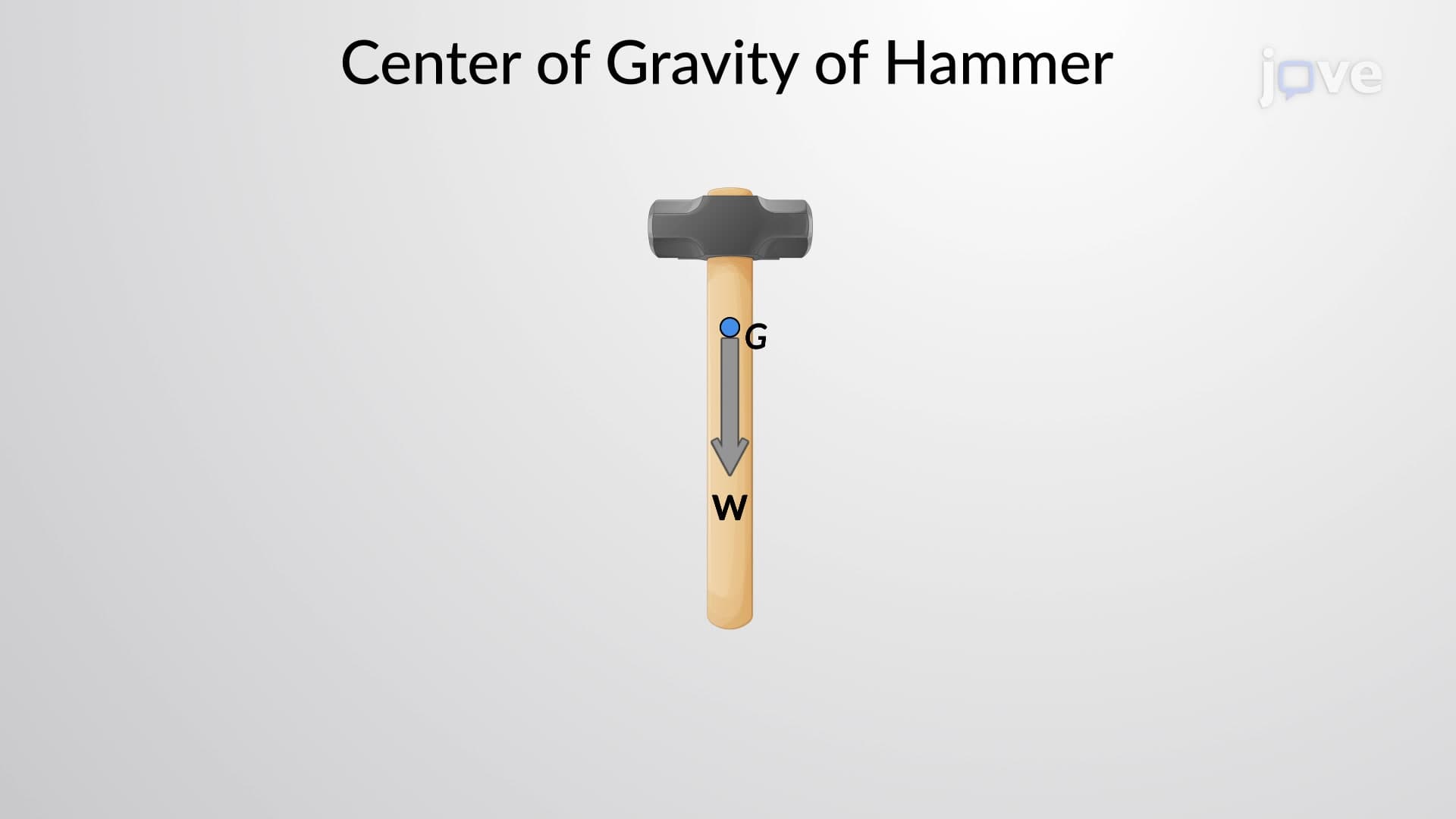
1. Center of Gravity and Center of Mass Fundamentals Understanding the conceptual differences between center of gravity (gravitational force concentration point) and center of mass (mass distribution balance point) forms the foundation for advanced mechanics. Students explore practical applications like automotive design, where engineers position a car's center of mass low to improve stability during cornering. The relationship between these concepts becomes critical when analyzing structures like the Golden Gate Bridge, where engineers must account for both mass distribution and gravitational effects to ensure structural integrity under various loading conditions.
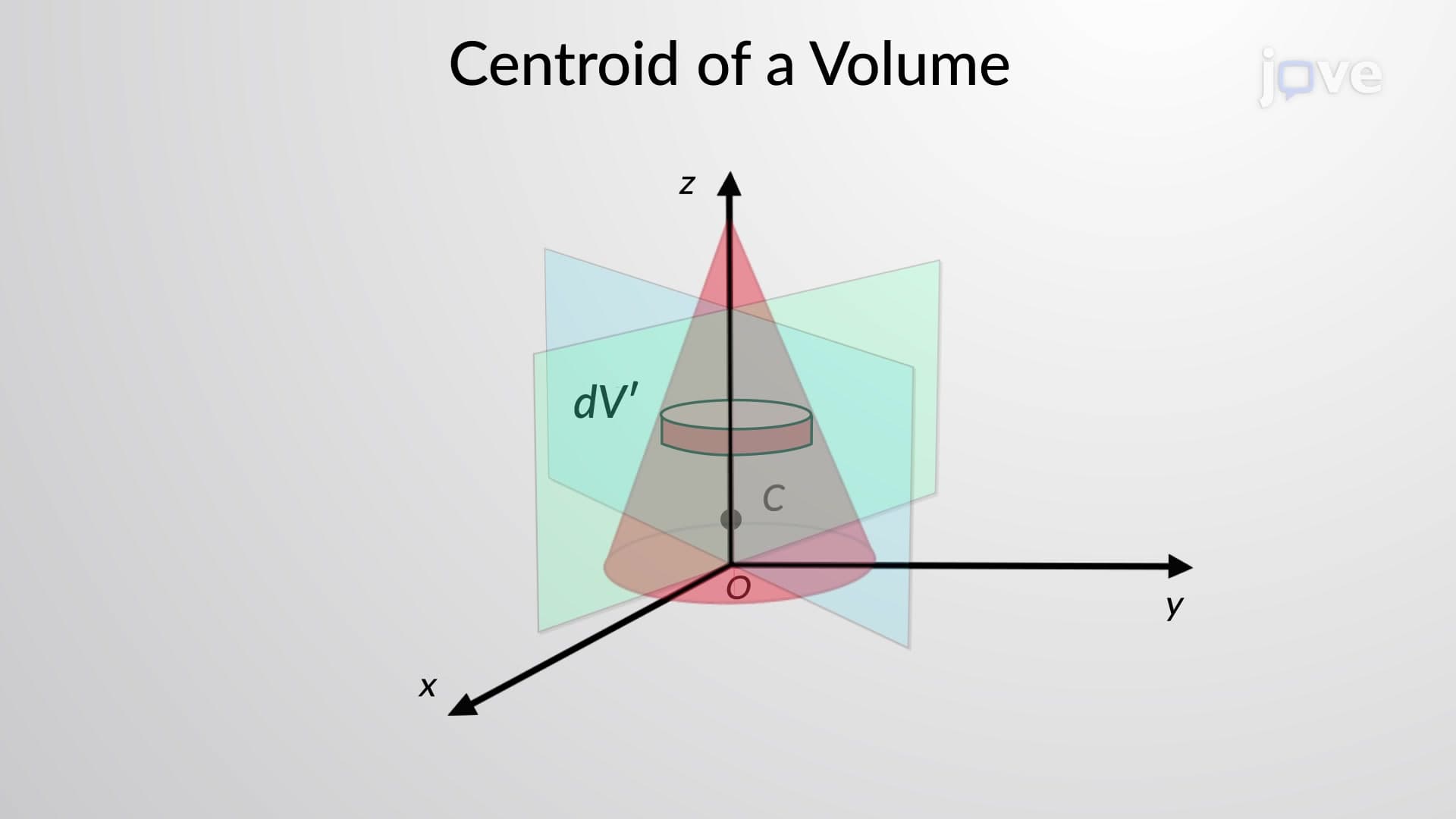
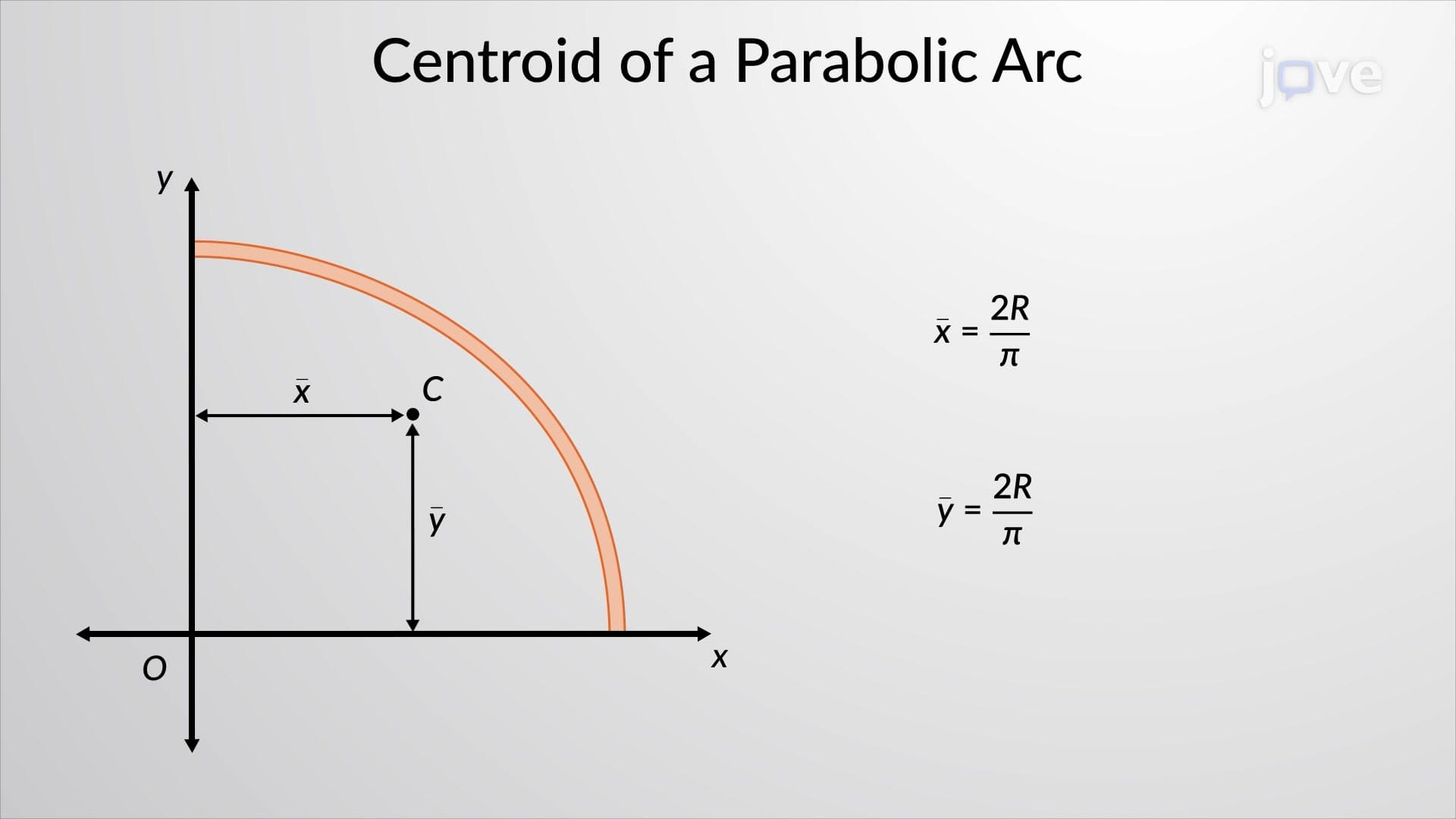
2. Geometric Centroid Calculations Using Integration Centroid calculation techniques involve systematic integration methods for determining the geometric center of shapes and volumes. Students master rectangular, polar, and parametric coordinate systems to solve complex geometric problems. For example, calculating the centroid of a parabolic arch used in bridge construction requires understanding how differential elements contribute to the overall geometric balance. These skills directly apply to AP Physics C problems and form essential preparation for engineering statics courses in college.
3. Composite Body Centroid Analysis Real-world structures consist of multiple simple shapes combined into complex geometries, requiring composite body centroid analysis. Students learn to break down structures like building frames or aircraft wings into manageable components, then systematically combine individual centroids using weighted averaging methods. This approach proves essential when analyzing structures like the Washington Monument, where different sections (pyramid top, rectangular shaft, foundation) each contribute to the overall stability and must be analyzed as a unified system.
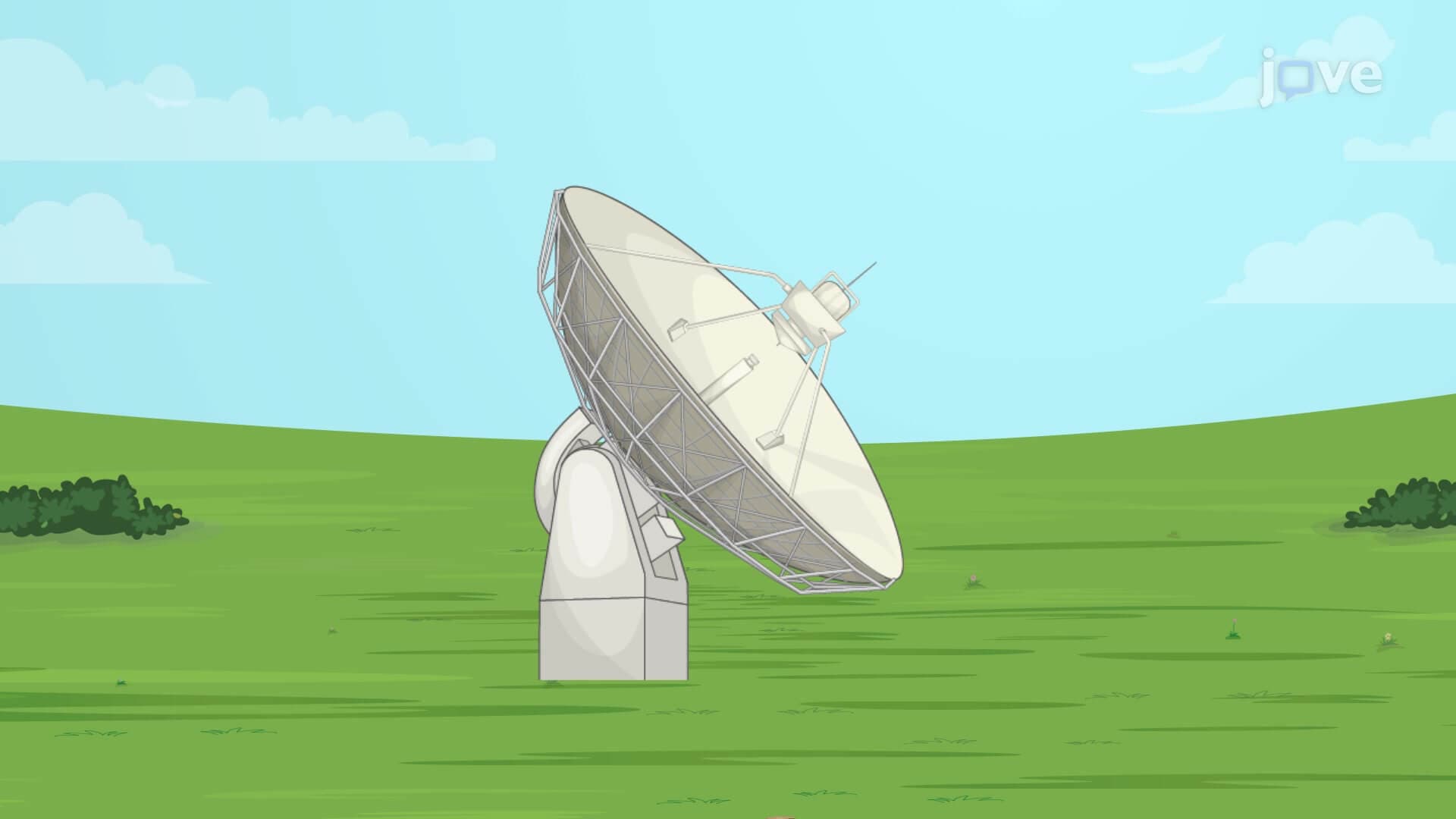
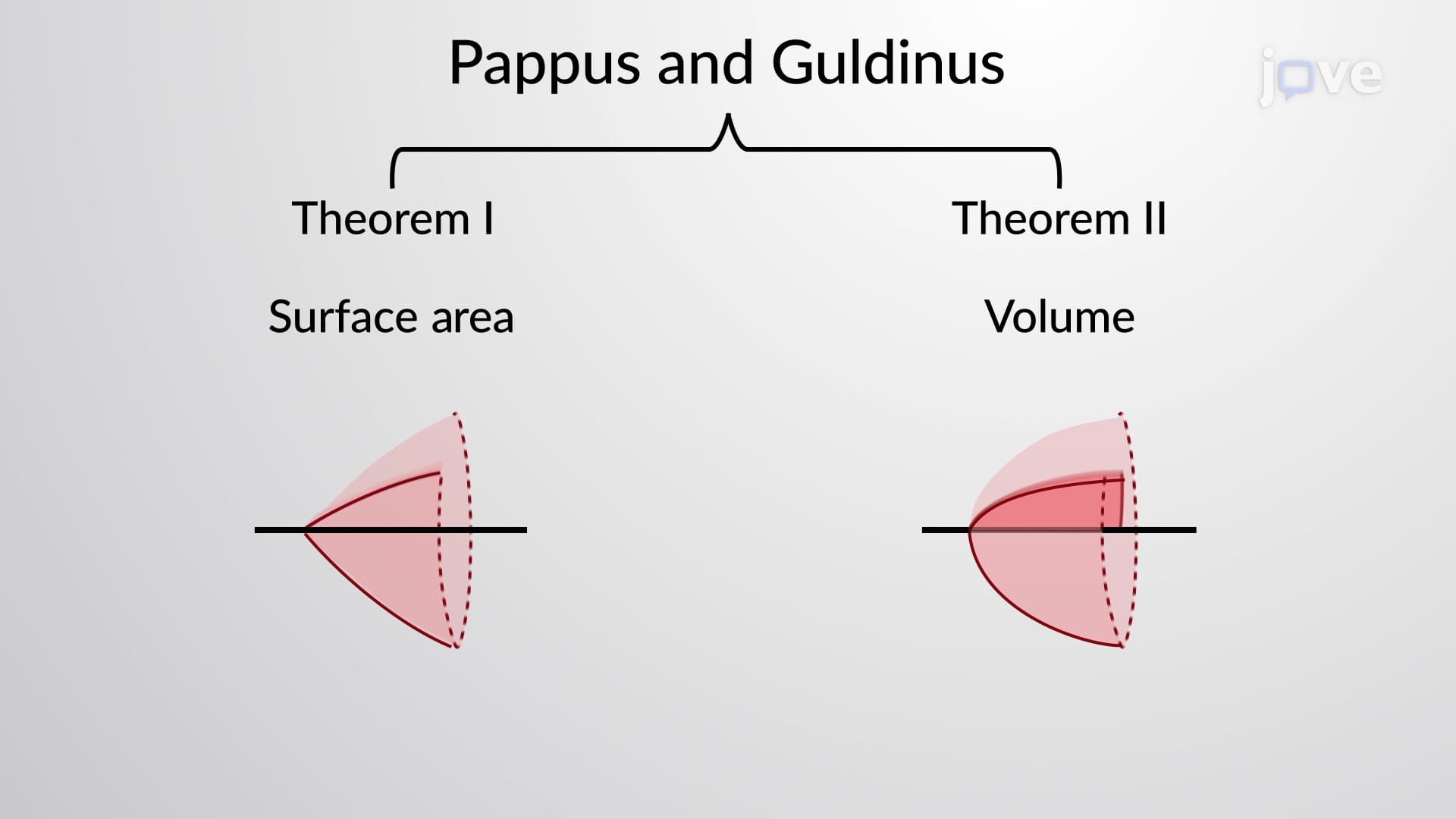
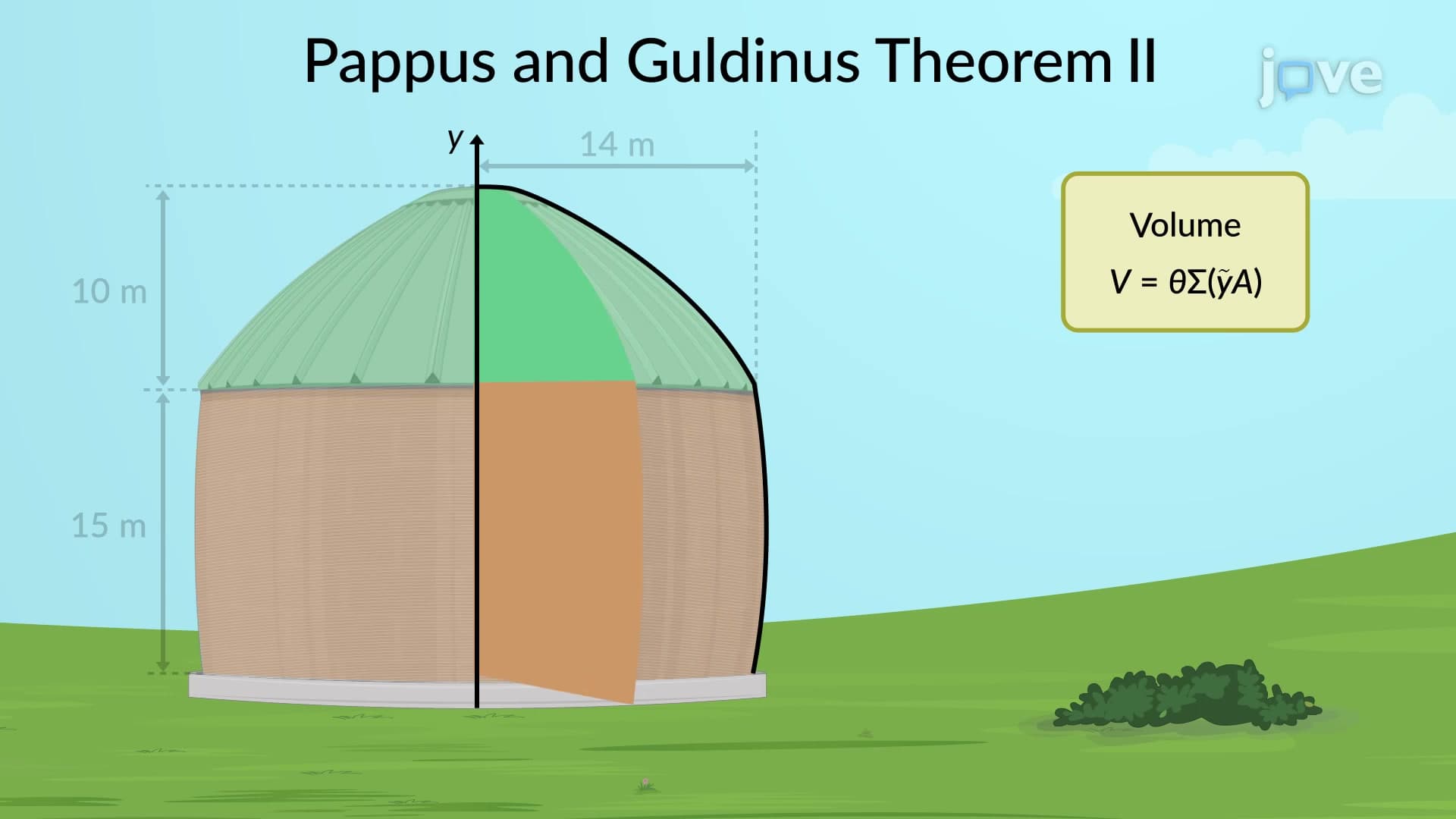
4. Pappus-Guldinus Theorems for Revolution Surfaces The Pappus theorem provides elegant methods for calculating surface areas and volumes of revolution without complex integration. Students apply these theorems to analyze engineering components like storage tanks, satellite dishes, and architectural domes. For instance, determining the volume of the Capitol Building's dome involves rotating a curved profile around a central axis, demonstrating how these ancient mathematical principles solve modern engineering challenges in structural design and material quantity estimation.
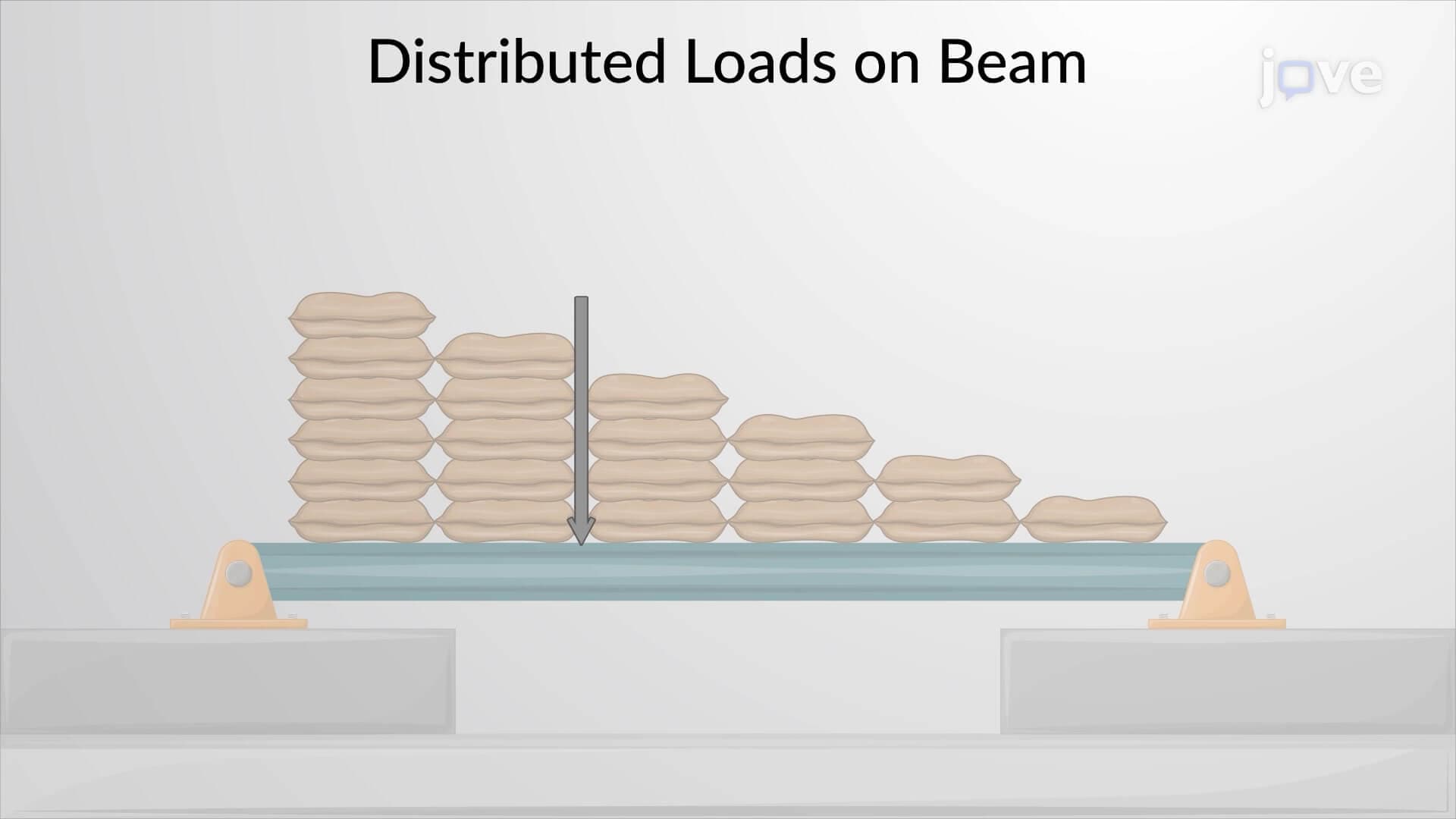
5. Distributed Loading and Resultant Force Analysis Understanding how distributed loads create equivalent concentrated forces through distributed load centroid concepts enables structural analysis of beams, bridges, and buildings. Students learn to replace complex loading patterns with single resultant forces acting at specific locations. This knowledge applies directly to analyzing structures like highway overpasses, where traffic loads distribute across the bridge deck but can be represented as concentrated forces for simplified analysis, a technique essential for civil engineering coursework.
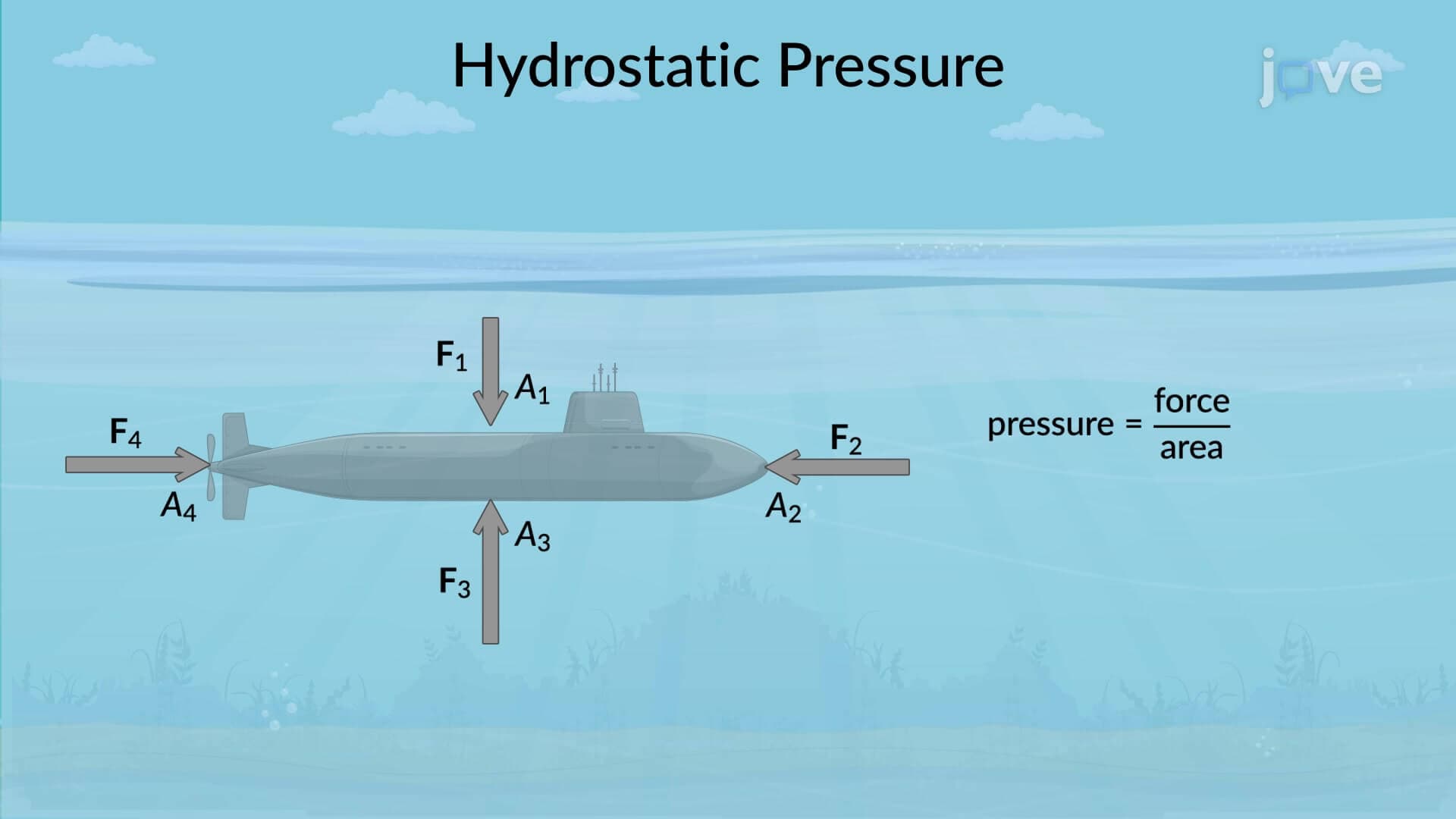
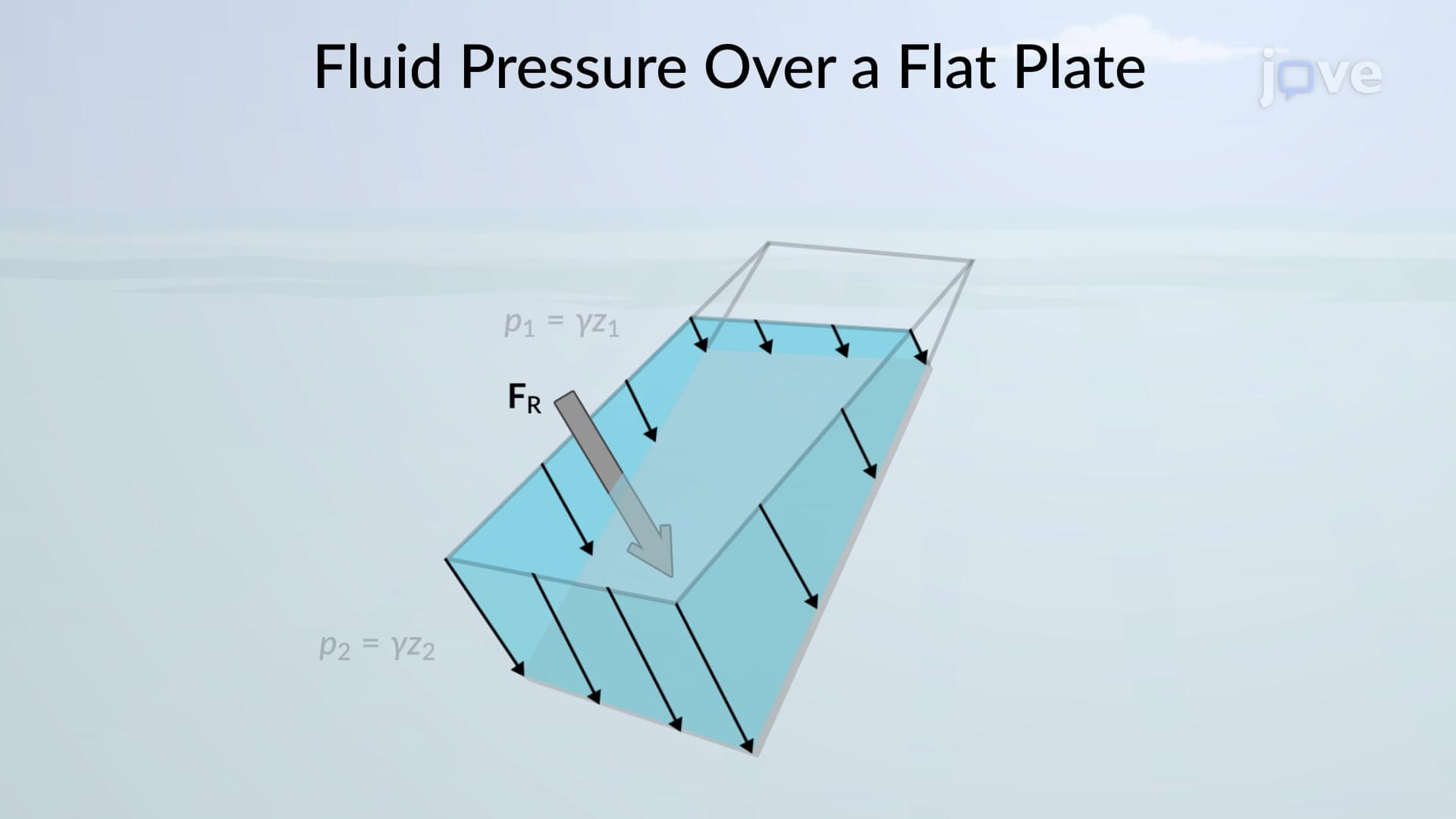
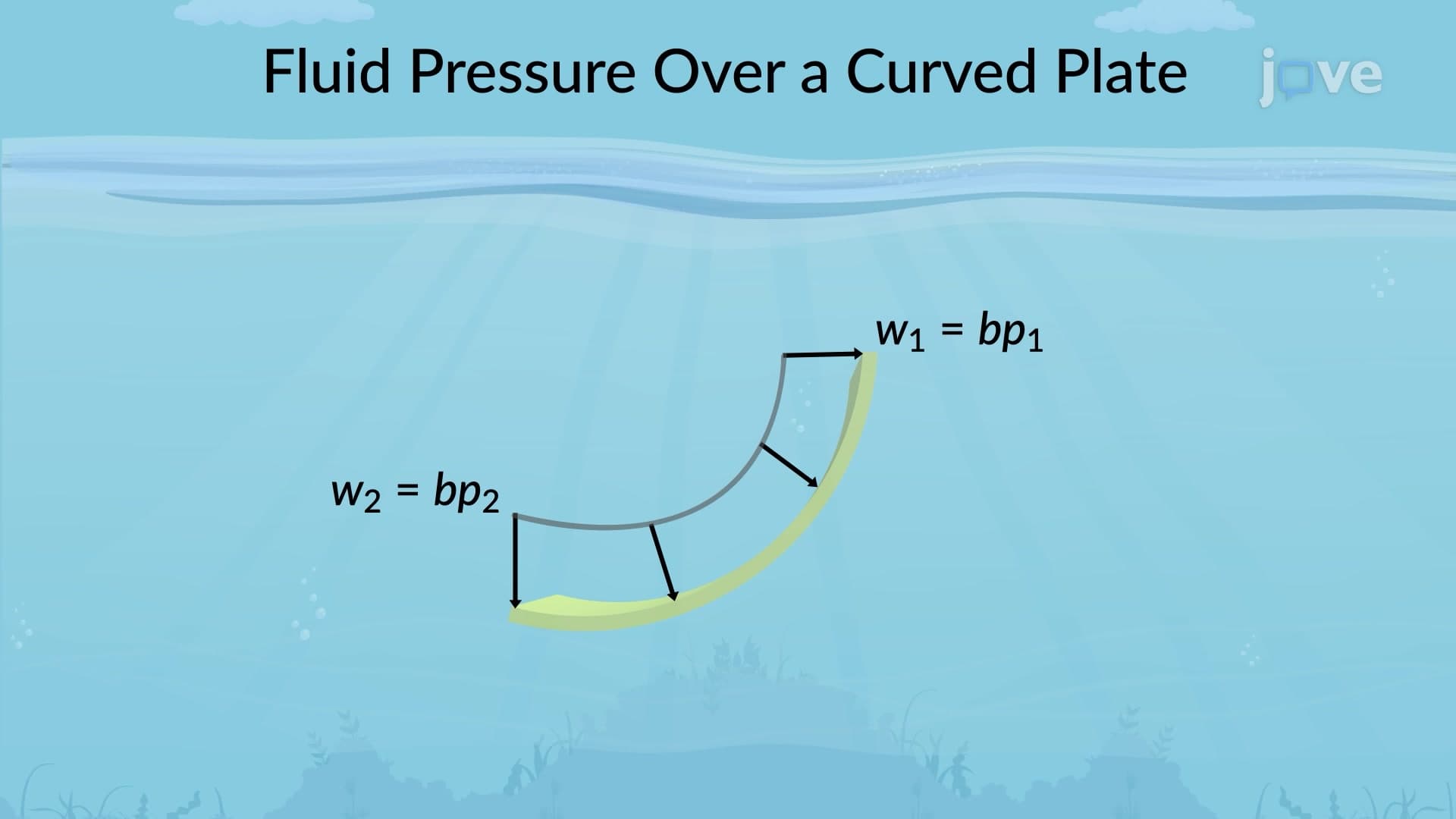
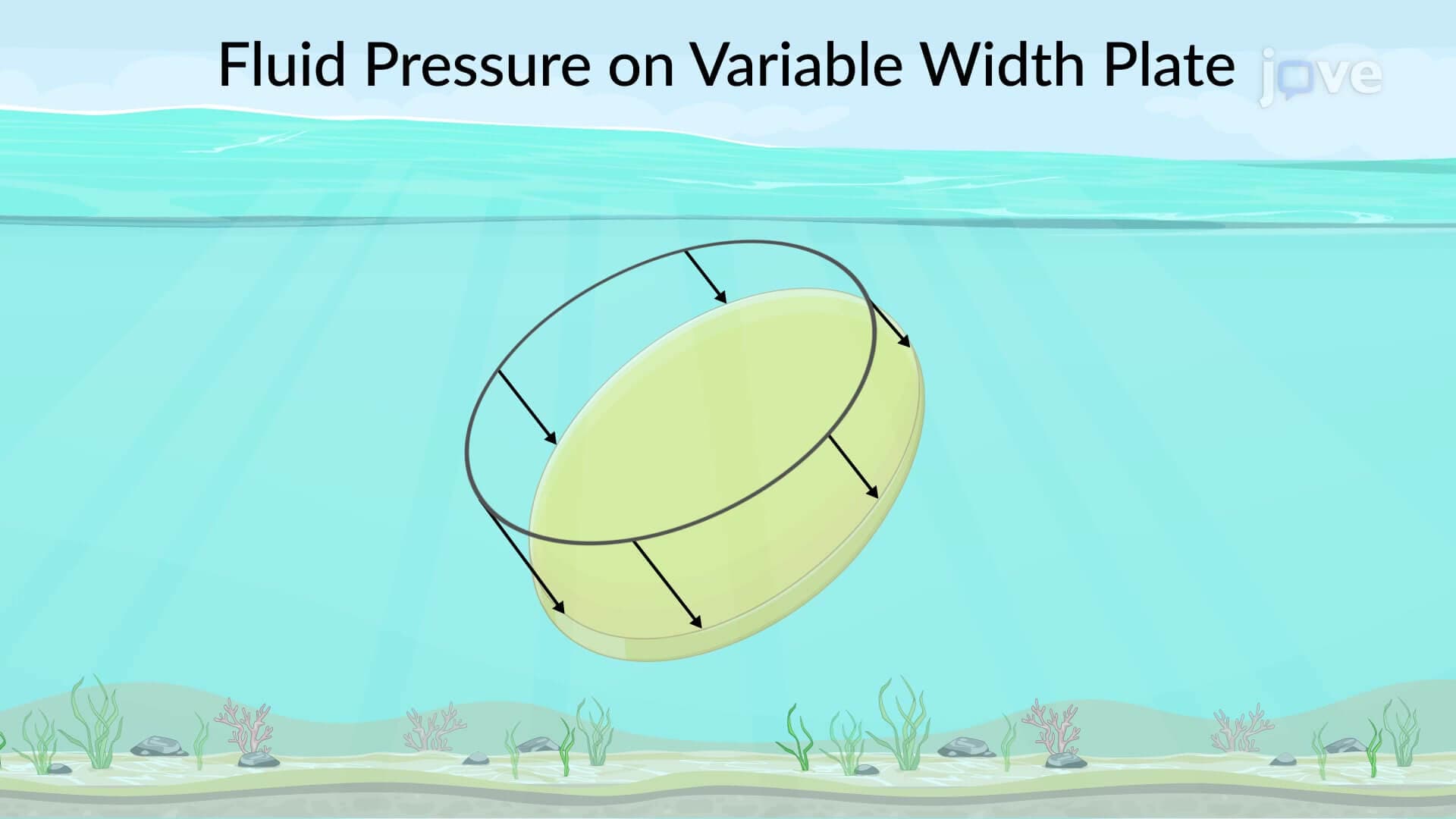
6. Fluid Pressure and Center of Pressure Applications Submerged surfaces experience varying pressure distributions that create resultant forces acting at centers of pressure. Students analyze rectangular gates, curved dam surfaces, and submarine hulls to understand how fluid pressure affects structural design. The Hoover Dam provides an excellent example, where engineers must calculate enormous water pressure forces and their locations to design adequate buttressing. These concepts prepare students for advanced fluid mechanics courses and hydraulic engineering applications.