- Mechanical Engineering
- Torsion
Micro-courses:28

Torsion
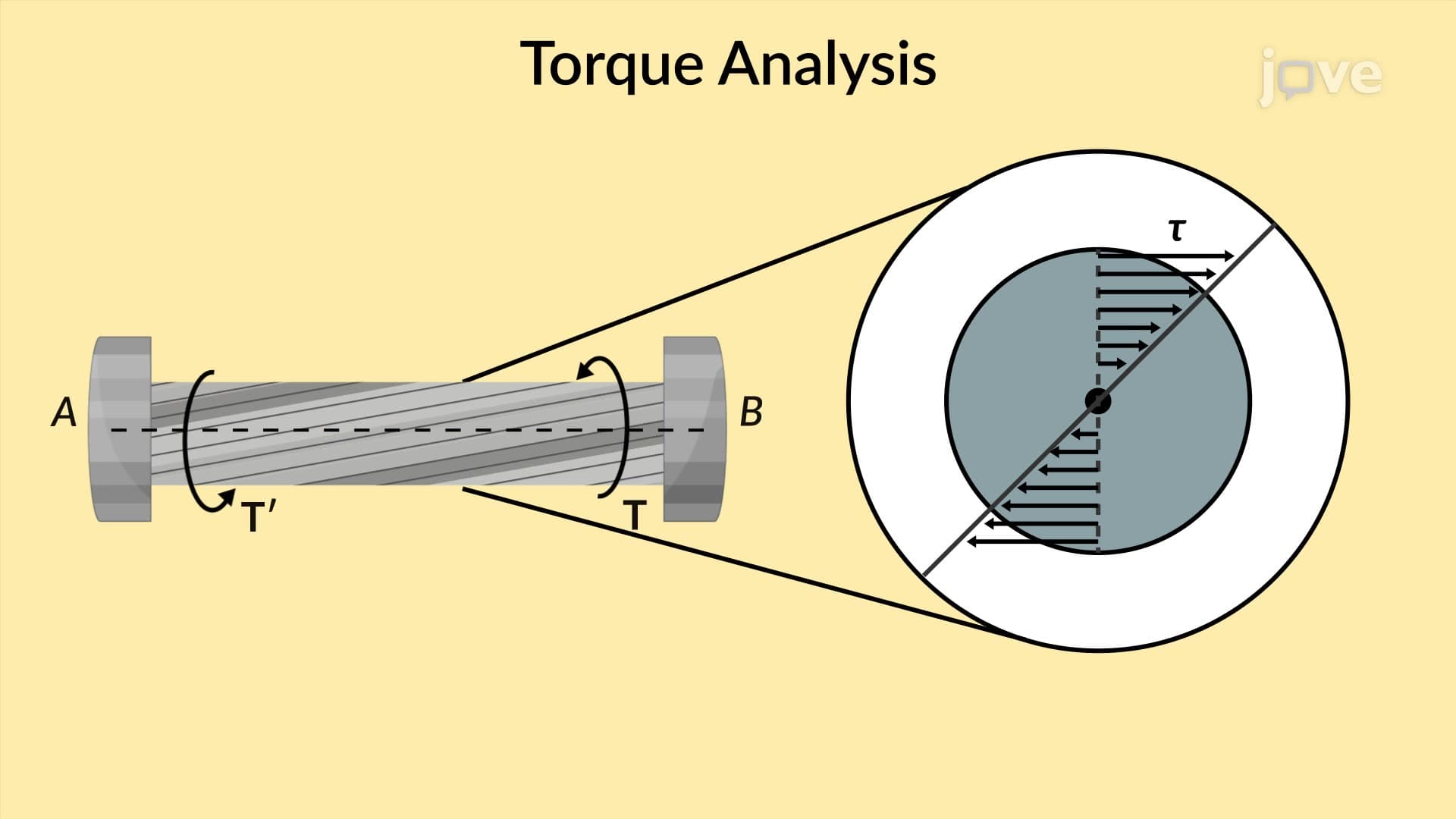
1. Stresses in a Shaft
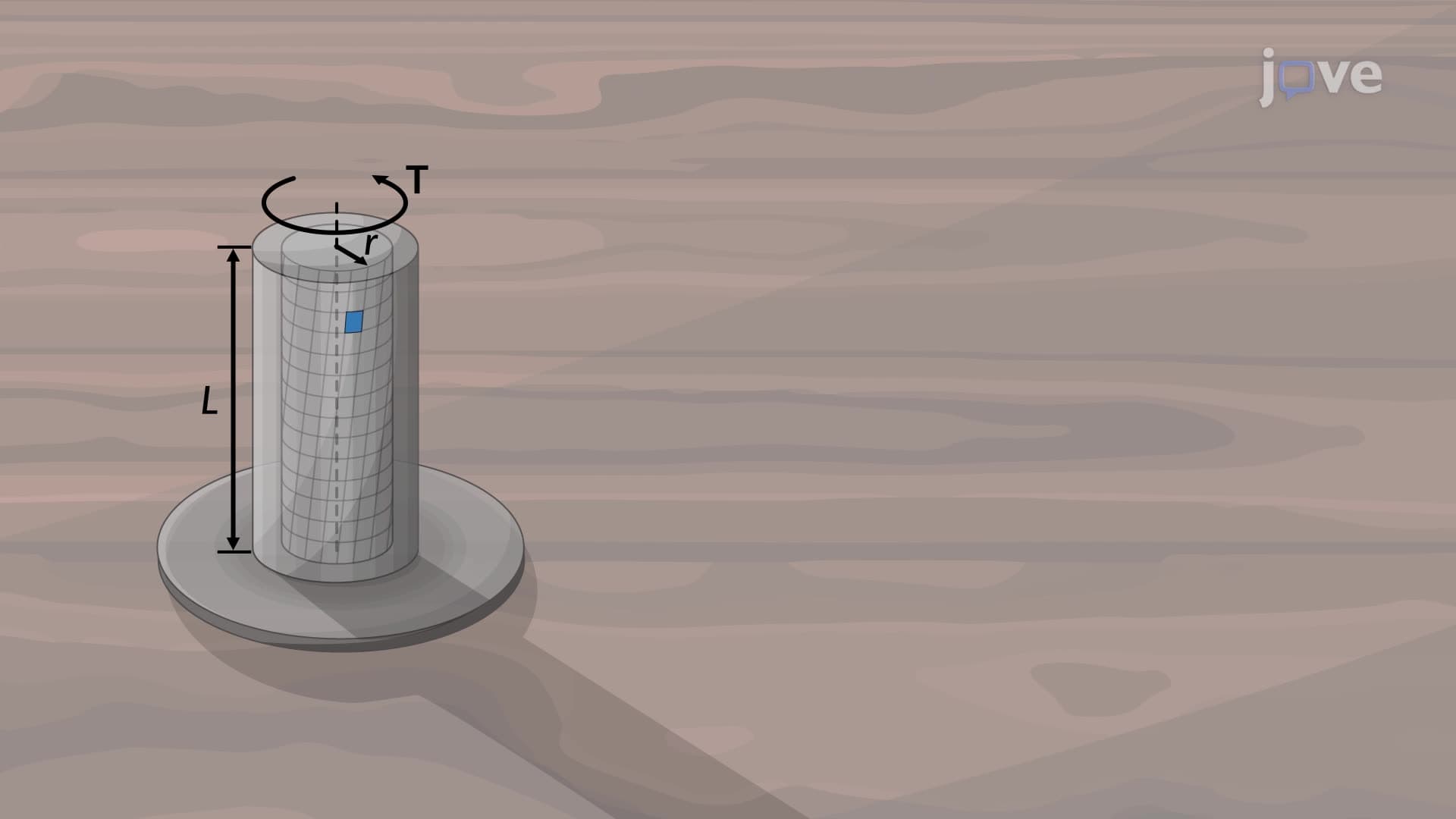
2. Deformation in a Circular Shaft
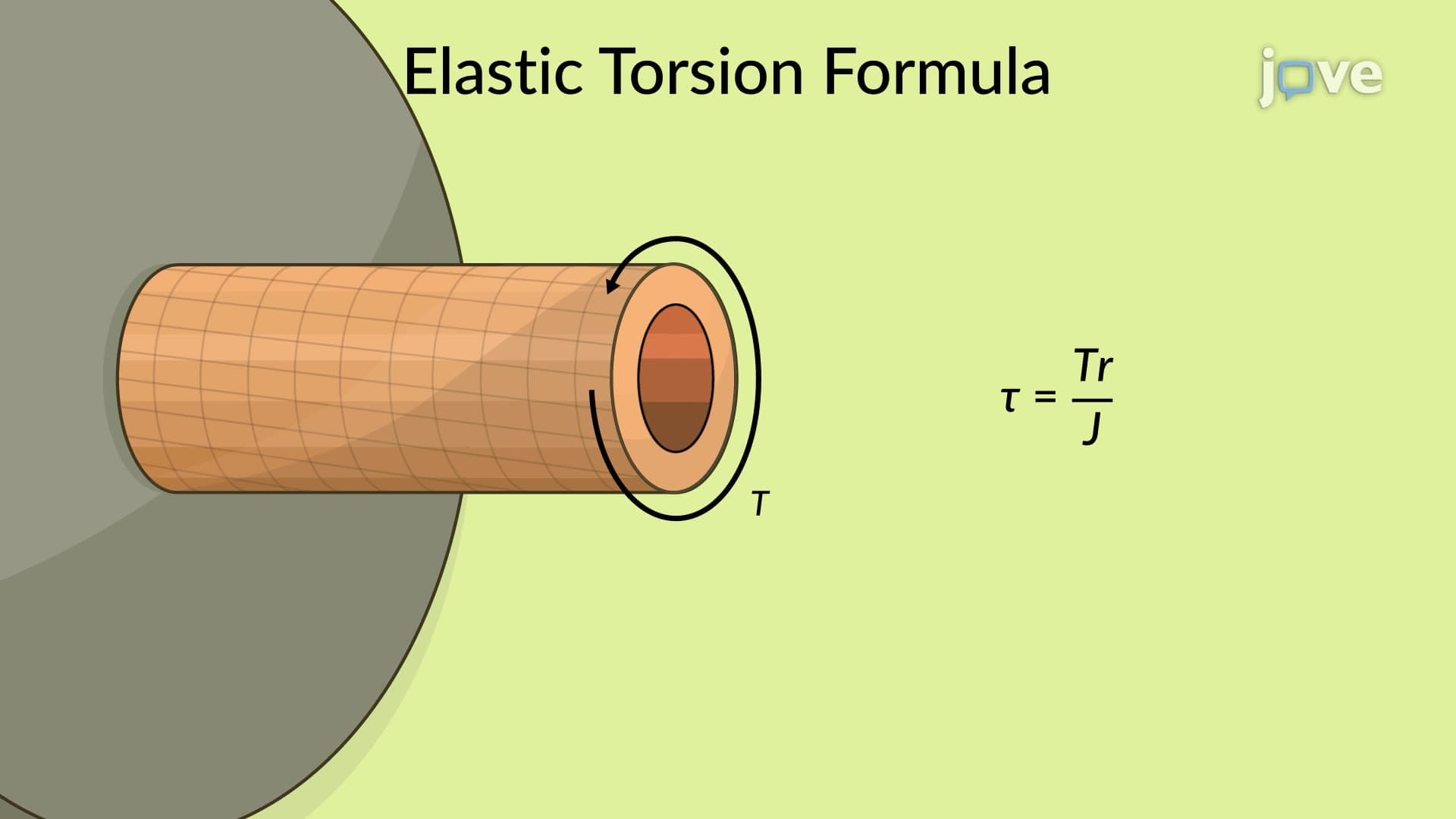
3. Circular Shaft - Stresses in Linear Range
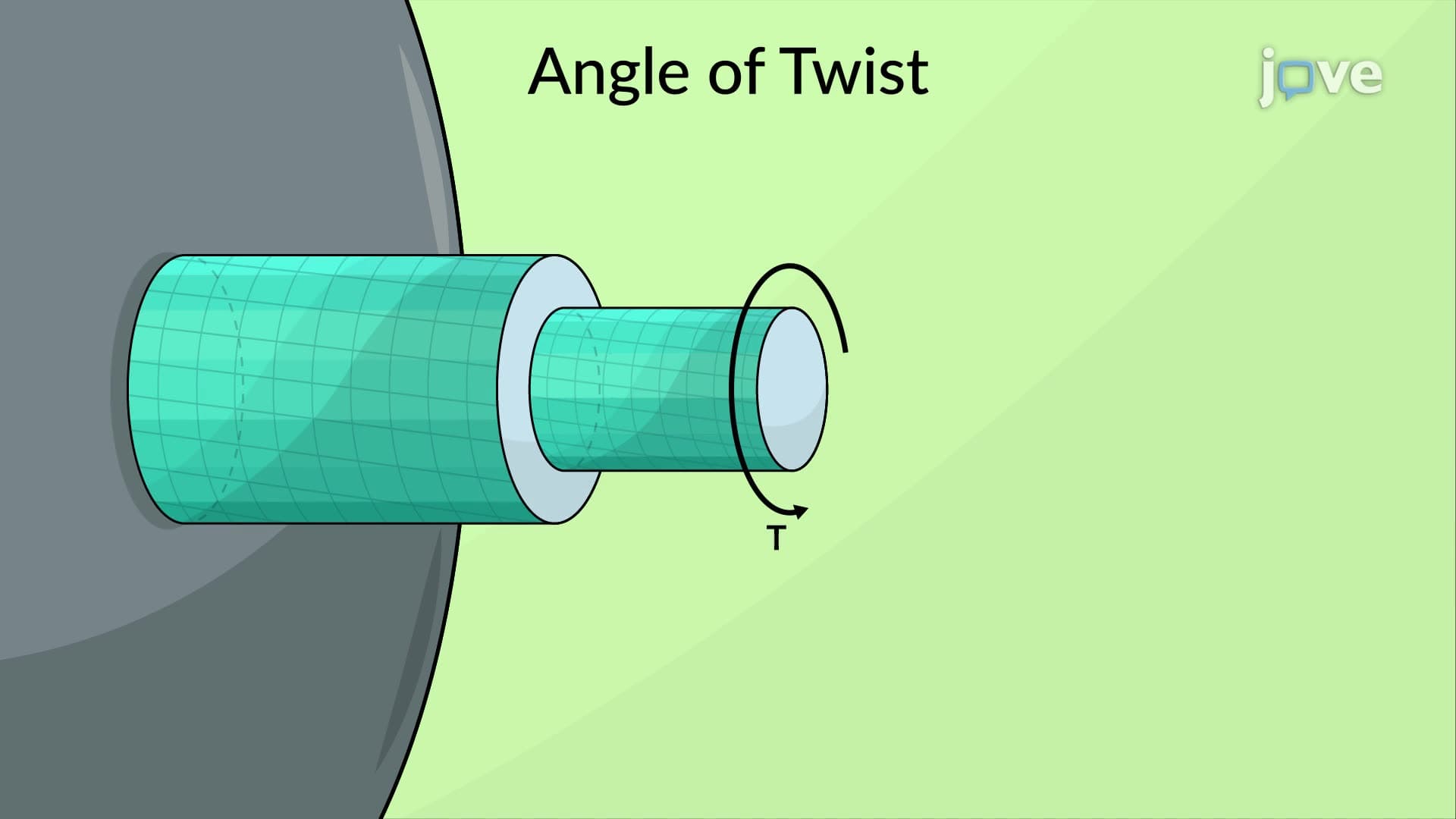
4. Angle of Twist - Elastic Range
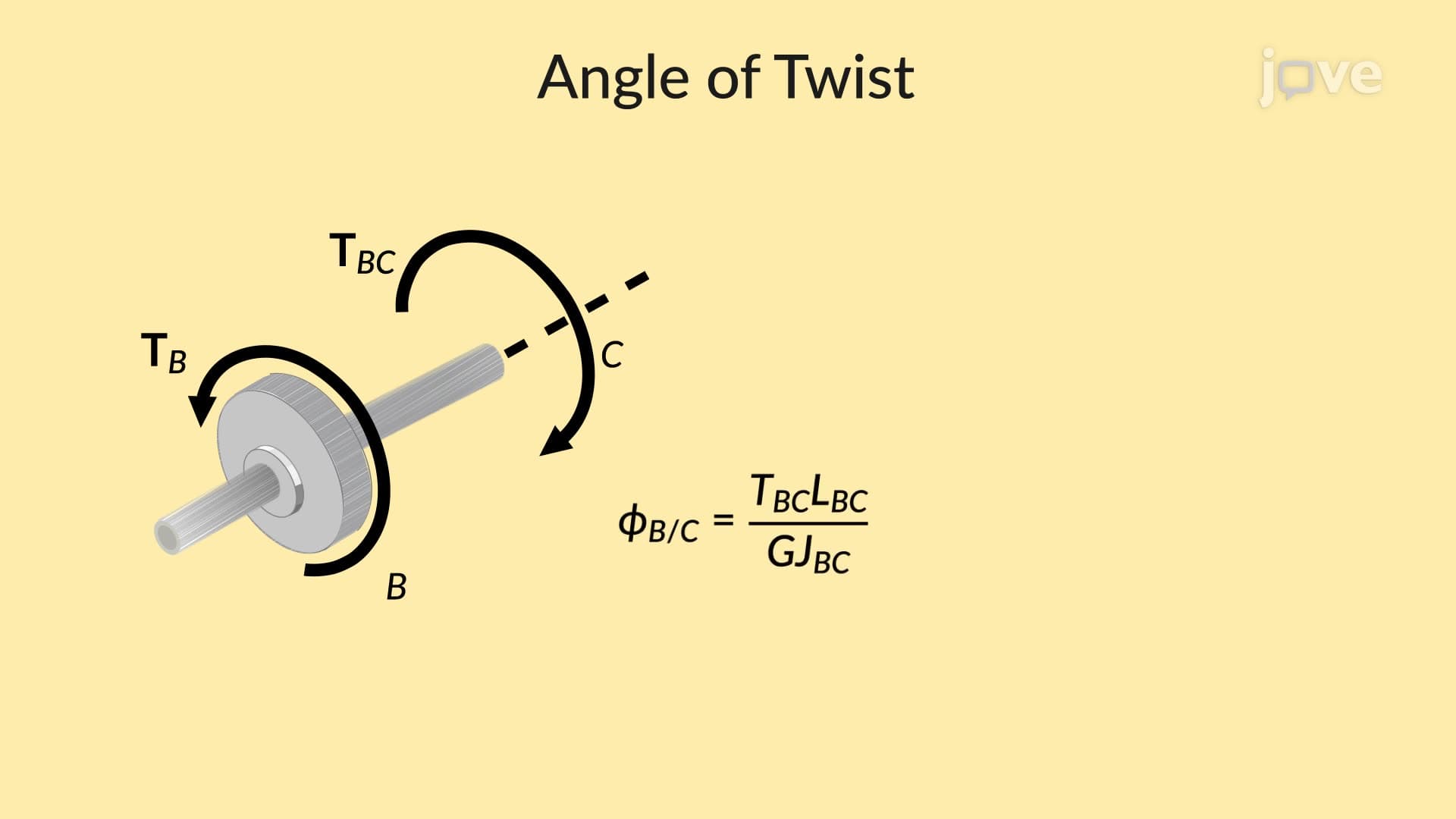
5. Angle of Twist: Problem Solving
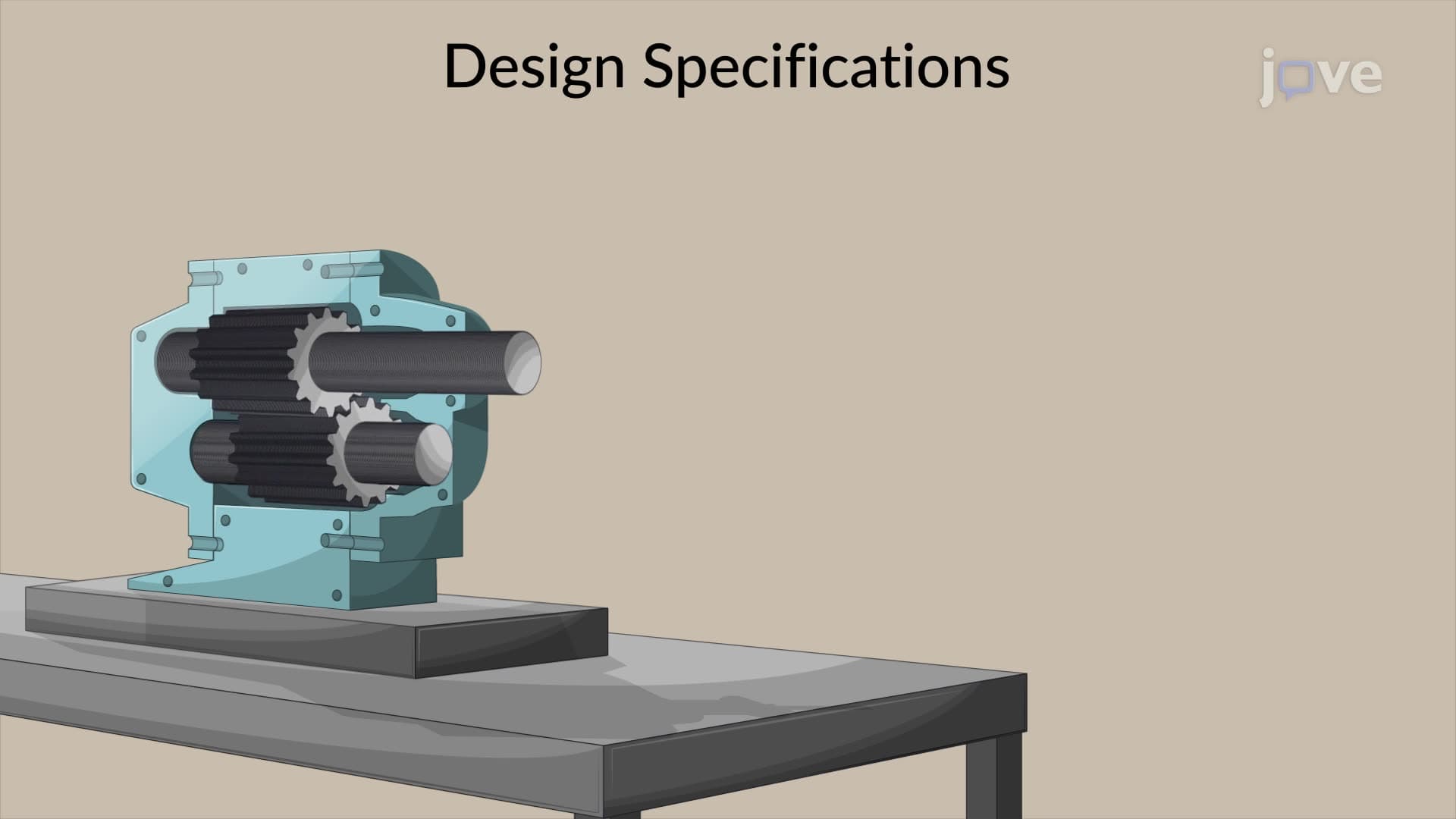
6. Design of Transmission Shafts
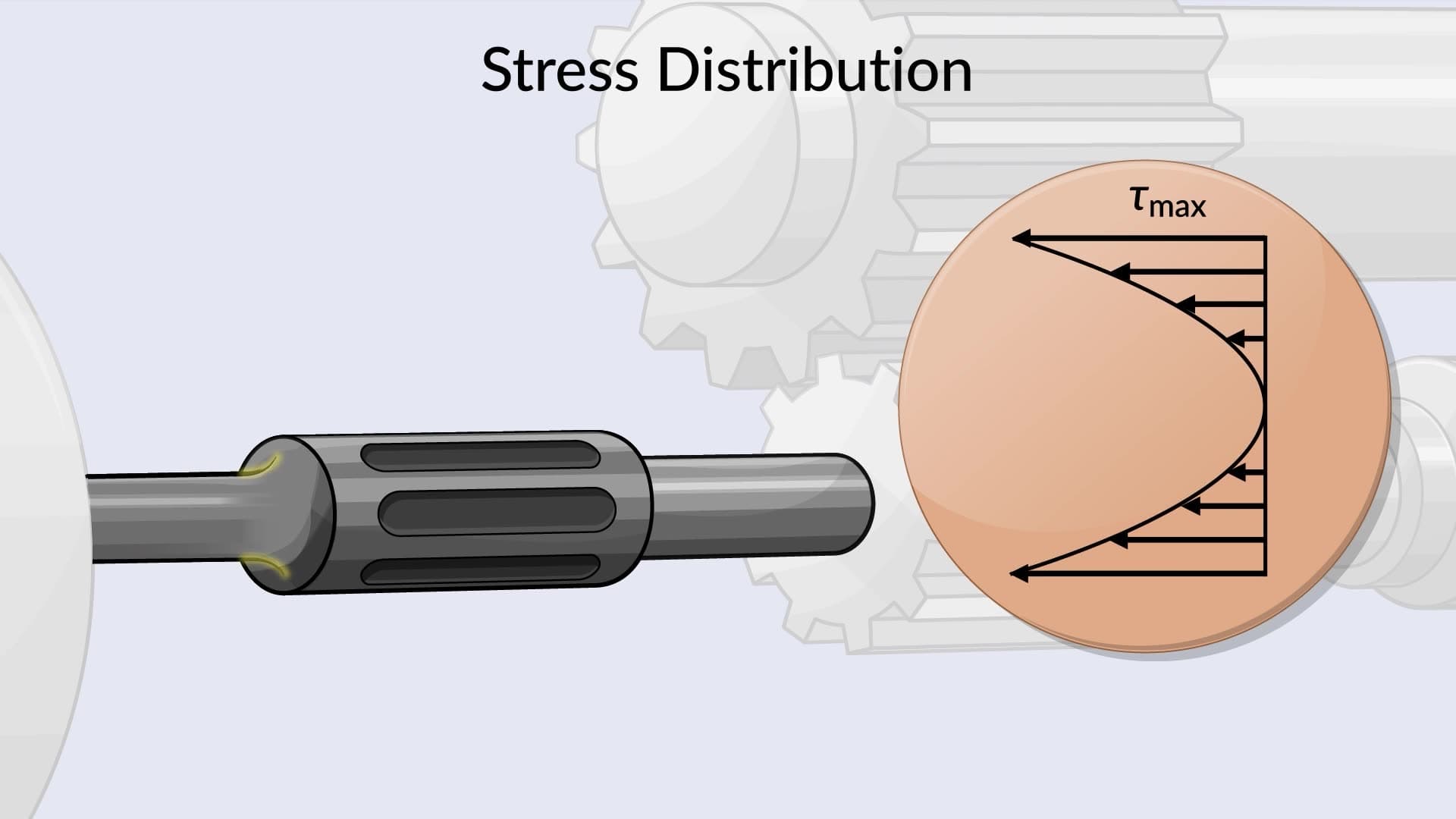
7. Stress Concentrations in Circular Shafts
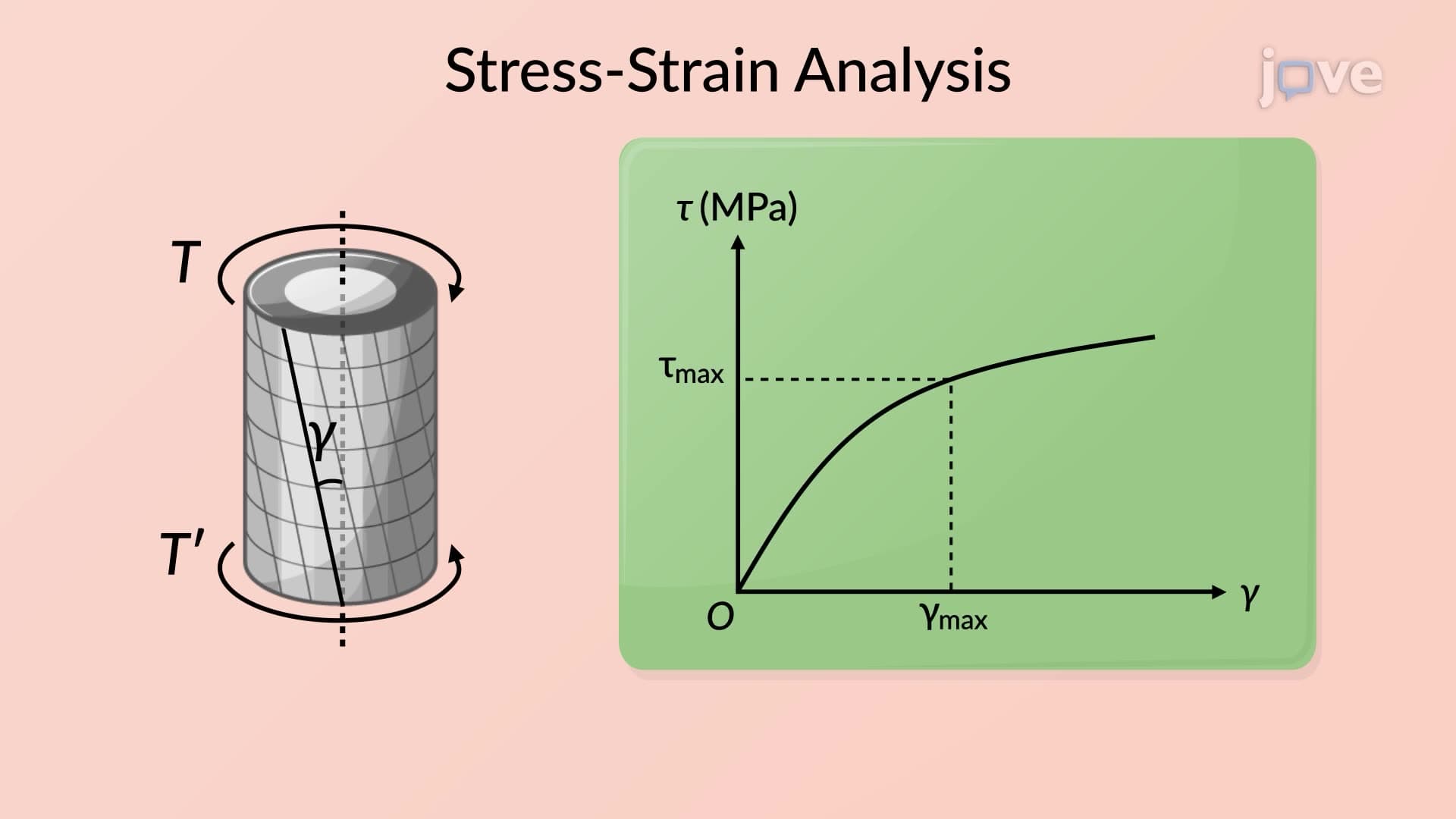

8. Plastic Deformation in Circular Shafts
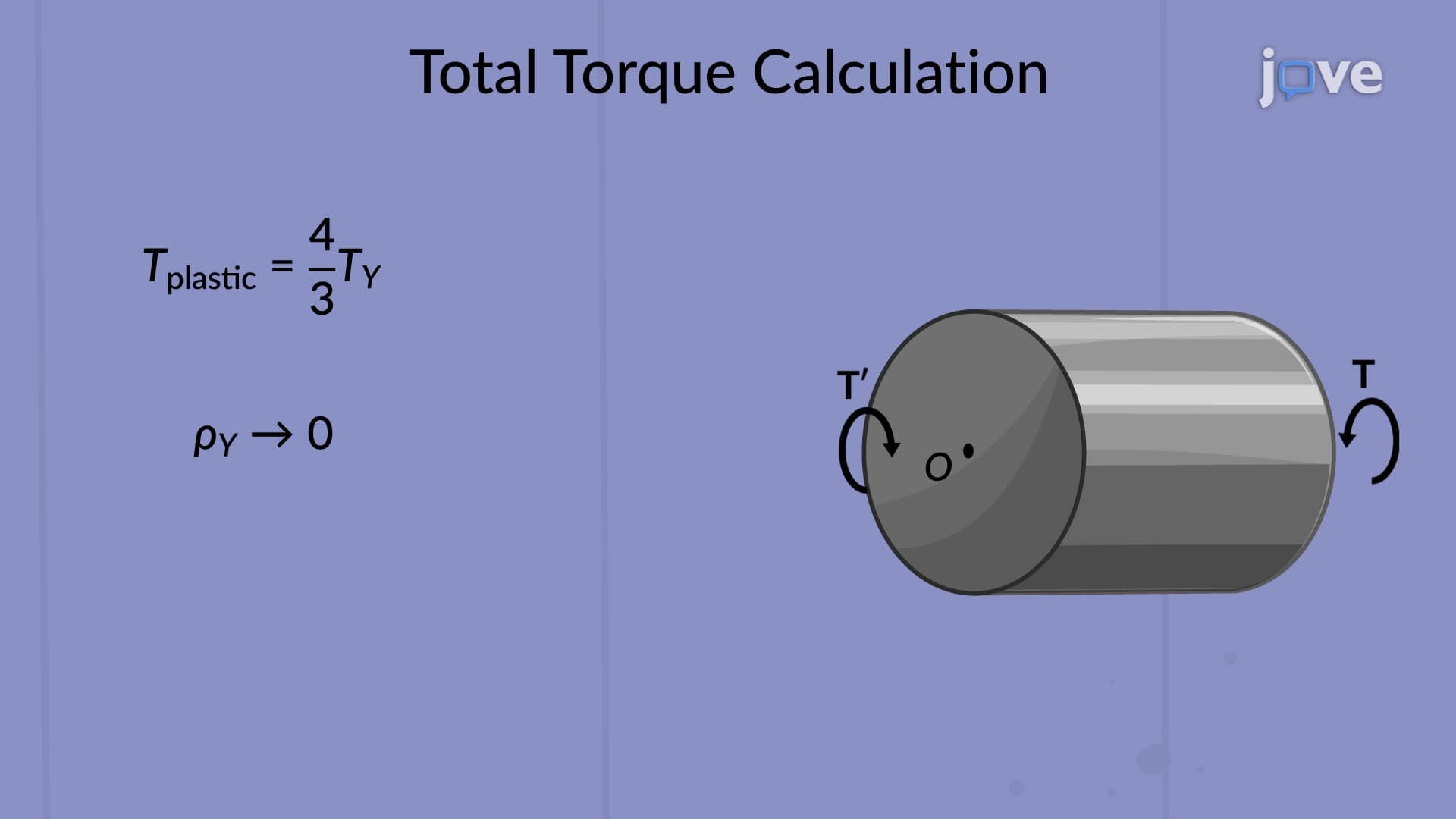
9. Circular Shafts - Elastoplastic Materials
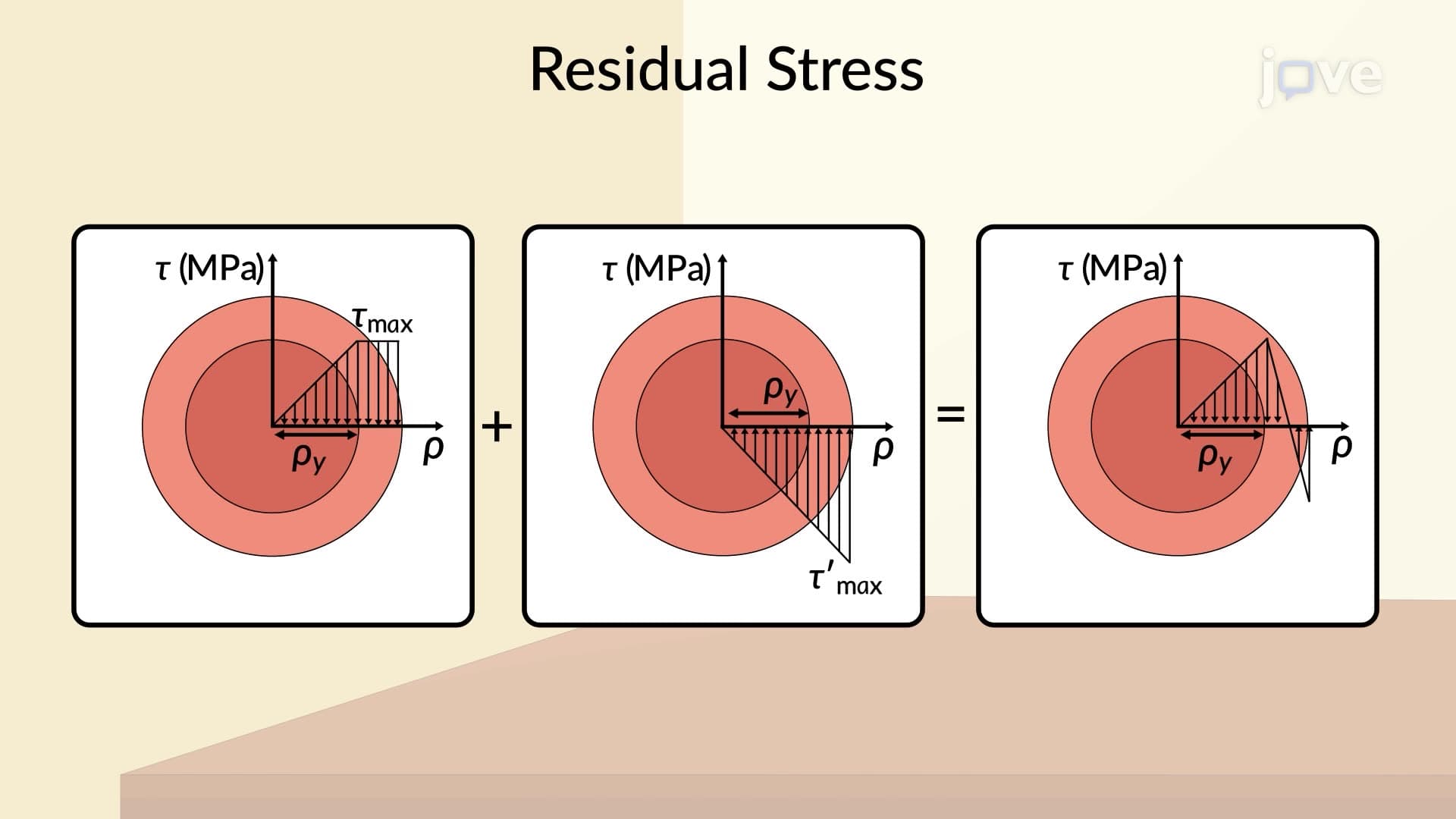
10. Residual Stresses in Circular Shafts
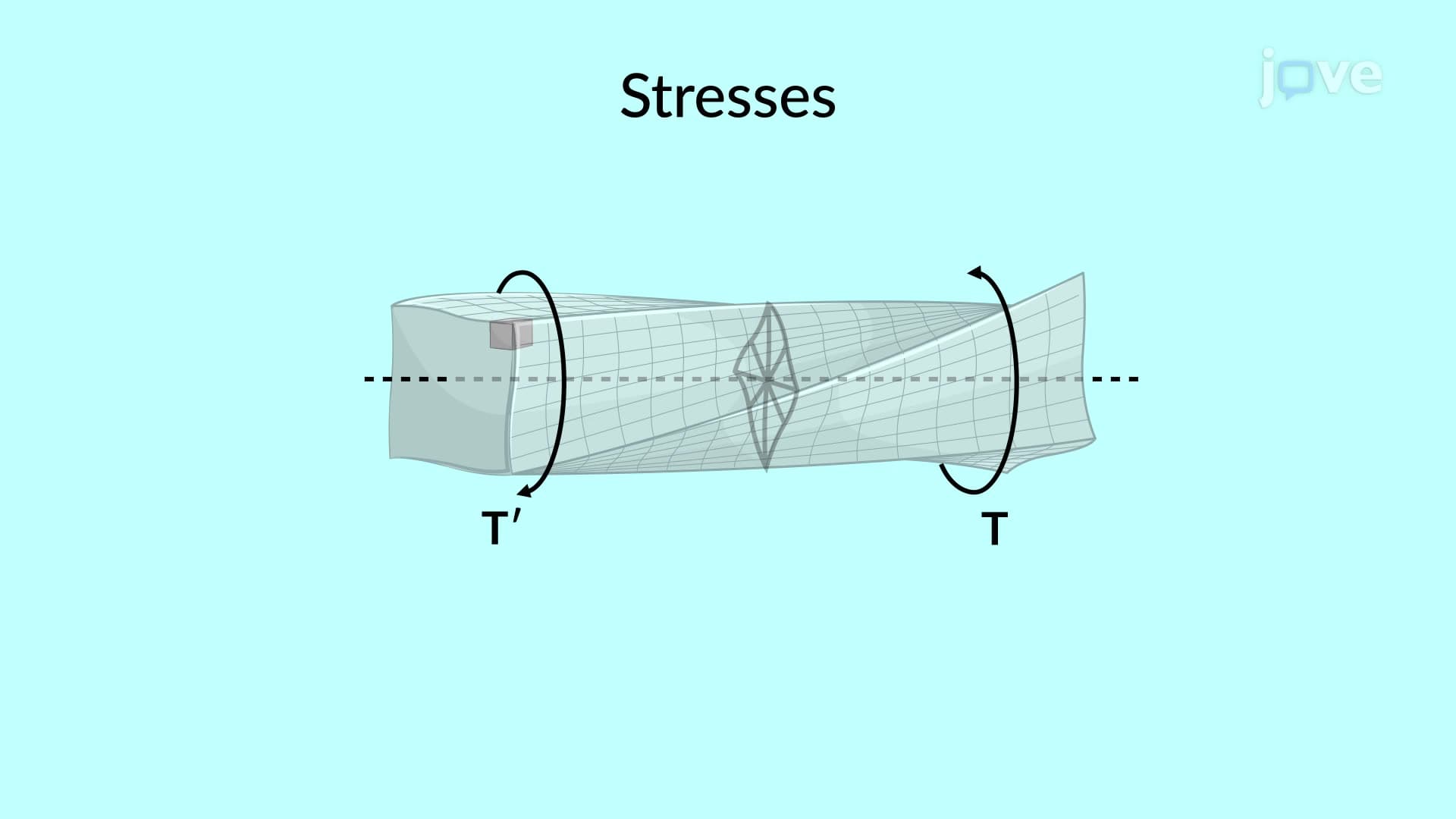
11. Torsion of Noncircular Members
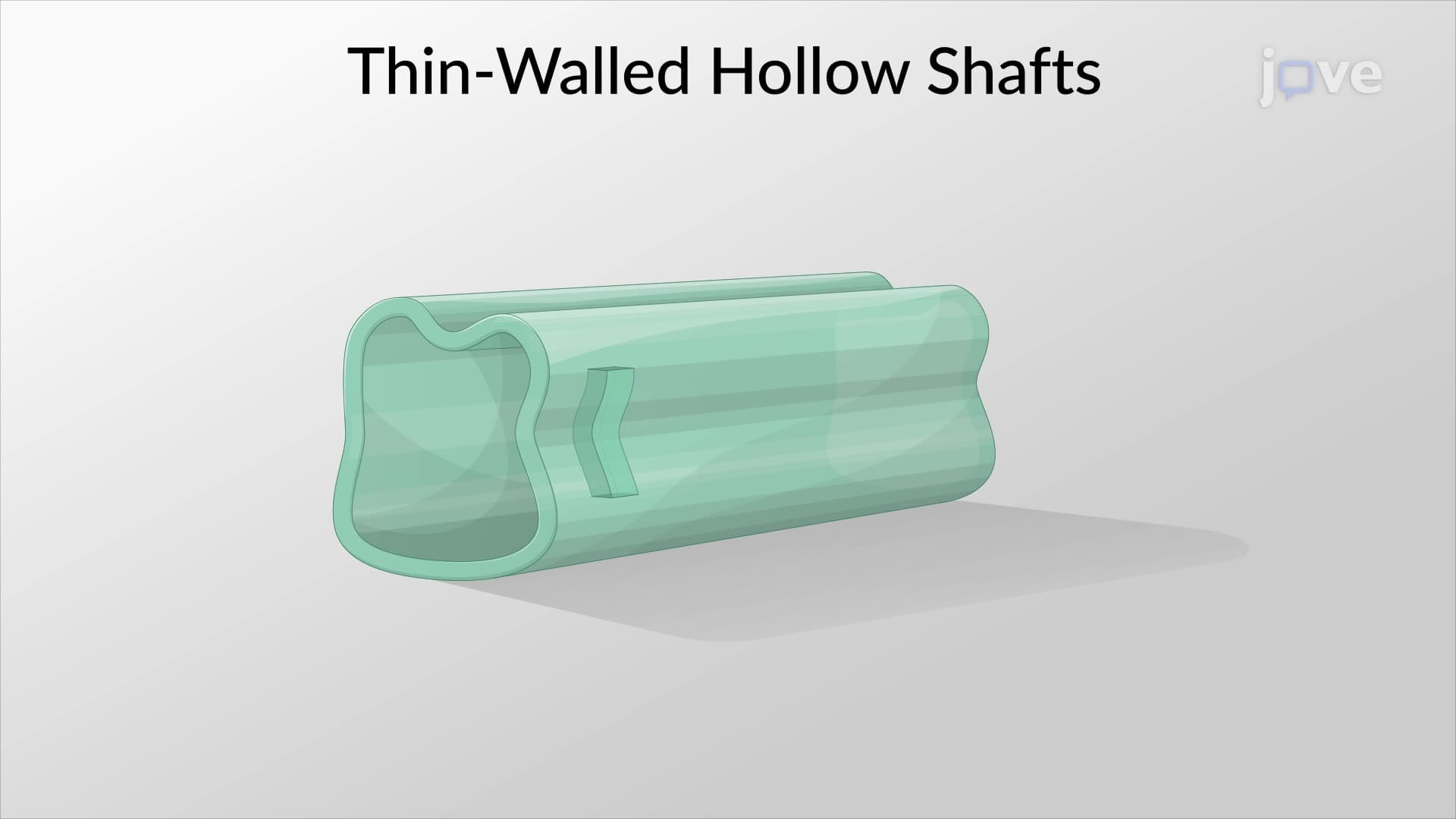
12. Thin-Walled Hollow Shafts
Torsion mechanics governs how shafts twist under applied torques, from automotive drive shafts to industrial machinery. This comprehensive course covers torsional shear stress in circular and non-circular shafts, analyzing stress distributions, deformation patterns, and failure mechanisms. Students master the torsion formula, polar moment calculations, and angle of twist computations essential for mechanical engineering applications. JoVE Coach guides learners through practical shaft design principles used in American manufacturing and aerospace industries.
- Understand fundamental torsion mechanics principles and their applications in engineering systems
- Analyze torsional shear stress distribution patterns in solid and hollow circular shafts
- Apply the elastic torsion formula to calculate maximum stresses and safety factors
- Learn angle of twist calculations for shaft deformation analysis under various loading conditions
- Explore stress concentration effects near keyways, fillets, and diameter changes in real shafts
- Identify plastic deformation behavior and residual stress development in over-loaded shafts
- Analyze torsion of non-circular members including square and rectangular cross-sections
- Apply shaft design principles for power transmission systems in automotive and industrial applications
1. Fundamental Torsion Theory and Equilibrium Analysis Torsion occurs when shafts experience twisting moments, creating internal shearing forces that maintain equilibrium. The relationship between applied torque and internal shear forces forms the foundation for all torsional analysis. Understanding free-body diagrams and equilibrium equations helps students visualize how torques distribute throughout shaft cross-sections, essential for analyzing everything from car axles to helicopter drive shafts used in American aerospace applications.
2. Torsional Shear Stress Distribution in Circular Shafts In circular shafts, shear stress varies linearly from zero at the center to maximum at the outer surface. This unique stress distribution occurs because circular cross-sections remain plane during twisting. The torsion formula τ = Tr/J relates shear stress to applied torque, radial distance, and polar moment of inertia. This principle applies to designing transmission shafts in American automotive manufacturing and turbine shafts in power generation facilities.
3. Polar Moment of Inertia and Cross-Sectional Properties The polar moment of inertia (J) measures a cross-section's resistance to torsion, calculated as J = πd⁴/32 for solid circular shafts and J = π(D⁴-d⁴)/32 for hollow shafts. Hollow shafts provide excellent strength-to-weight ratios, making them ideal for aircraft applications. Understanding these geometric properties enables engineers to optimize shaft designs for specific torque requirements while minimizing weight and material costs in American manufacturing industries.
4. Angle of Twist Calculations and Deformation Analysis The angle of twist φ = TL/(GJ) quantifies shaft rotation under torsional loading, where G represents the material's modulus of rigidity. This calculation proves crucial for determining shaft stiffness in precision applications like machine tools and robotics. Multiple torque applications require superposition principles, while varying cross-sections need integration techniques commonly used in analyzing complex drive systems found in American manufacturing equipment and aerospace propulsion systems.
5. Shaft Design for Power Transmission Applications Power transmission shaft design begins with the relationship P = Tω, connecting power requirements to torque and rotational speed. Engineers select appropriate materials and dimensions ensuring maximum shear stress remains below allowable limits. Design considerations include fatigue resistance, critical speeds, and manufacturing tolerances. These principles apply directly to designing drivetrain components for American automotive, agricultural, and industrial machinery where reliability and efficiency remain paramount concerns.
6. Stress Concentrations and Practical Design Considerations Real shafts contain keyways, shoulders, and fillets that create stress concentrations exceeding theoretical predictions. Stress concentration factors (Kt) quantify these effects, requiring designers to account for localized stress increases. Proper fillet radii and gradual diameter changes minimize stress concentrations. Understanding these factors proves essential for designing reliable shafts in American manufacturing applications where component failure could cause significant safety hazards or economic losses.
7. Plastic Deformation and Ultimate Strength Analysis When applied torques exceed material yield strength, plastic deformation occurs, permanently altering shaft geometry. The modulus of rupture represents ultimate torsional strength, while yield torque marks the onset of permanent deformation. Understanding elastoplastic behavior helps engineers design shafts with appropriate safety factors and predict failure modes. This knowledge applies to designing robust mechanical systems for American heavy industry and construction equipment applications.
8. Residual Stresses and Loading-Unloading Cycles Plastic deformation during overloading creates residual stresses that remain after load removal. These internal stresses affect subsequent loading cycles and can either strengthen or weaken components depending on their distribution. Superposition principles help analyze residual stress patterns, crucial for understanding fatigue behavior and service life prediction in cyclically loaded shafts used in American automotive and aerospace applications where durability requirements are stringent.
Frequently Asked Questions
Circular shafts maintain plane cross-sections during twisting due to their axisymmetric geometry. Non-circular sections warp and distort, violating the plane-section assumption underlying the torsion formula. This geometric property makes circular shafts ideal for power transmission applications.
These exams typically focus on basic torsion concepts, stress calculations using given formulas, and conceptual understanding of shear stress distribution. Students should master unit conversions, formula manipulation, and interpreting stress diagrams for success on American standardized tests.
Hollow shafts provide excellent torsional strength while reducing weight and material costs. The outer fibers carry most torsional stress, making the inner material less critical. This design optimization improves vehicle fuel efficiency while maintaining necessary strength for power transmission in American automotive applications.
Elastic deformation reverses when loads are removed, while plastic deformation creates permanent twisting. Engineers design shafts to operate in the elastic range with safety factors preventing plastic deformation. Understanding both behaviors helps predict failure modes and service life in industrial applications.
Keyways, shoulders, and geometric discontinuities create localized stress increases that can initiate fatigue cracks. Engineers use stress concentration factors to account for these effects, often requiring larger safety factors or design modifications like generous fillet radii to ensure reliable operation.
Focus on understanding fundamental relationships between torque, stress, and geometry rather than memorizing formulas. Practice problems involving multiple loading conditions and varying cross-sections. Create concept maps linking torsion theory to real applications like automotive drivetrains and industrial machinery commonly found in American engineering practice.
Students often struggle with polar moment calculations for complex geometries, superposition of multiple torques, and visualizing three-dimensional stress distributions. Understanding the physical meaning behind mathematical relationships and practicing with diverse problem types helps overcome these conceptual hurdles in torsional analysis.
Torsion fundamentals extend to fatigue analysis, vibration studies, and advanced materials behavior in graduate coursework. Professional applications include drivetrain design, turbomachinery development, and structural analysis in aerospace, automotive, and mechanical engineering careers throughout American industry.
This microcourse includes 12 concept videos that walk you through the building blocks of Mechanical Engineering. Each video is short, about 1 minute, so you can cover a full topic during a coffee break or between classes. The full sequence starts with Stresses in a Shaft and ends with Thin-Walled Hollow Shafts.
The playlist moves from big-picture ideas to the precise vocabulary used in Mechanical Engineering. Early videos introduce Stresses in a Shaft, Deformation in a Circular Shaft, and Circular Shaft - Stresses in Linear Range. The middle of the series focuses on Angle of Twist: Problem Solving, Design of Transmission Shafts, and Stress Concentrations in Circular Shafts. The final stretch covers Plastic Deformation in Circular Shafts, Circular Shafts - Elastoplastic Materials, Residual Stresses in Circular Shafts, Torsion of Noncircular Members, and Thin-Walled Hollow Shafts.
The natural next step is Bending. From there, you can move to Analysis and Design of Beams for Bending, Shearing Stresses in Beams and Thin-Walled Members, and Transformations of Stress and Strain. Once you finish those, the full Mechanical Engineering curriculum of 28 microcourses on JoVE Coach opens up, taking you from foundational concepts to advanced systems.
Related Subjects
 Civil Engineering 30 micro-courses›Electrical Engineering 33 micro-courses›