Loading subject page…

- Mechanical Engineering
- Torsion
- Thin-Walled Hollow Shafts
Micro-course: Torsion
5,181 views
Learn key concepts and earn your certificate.

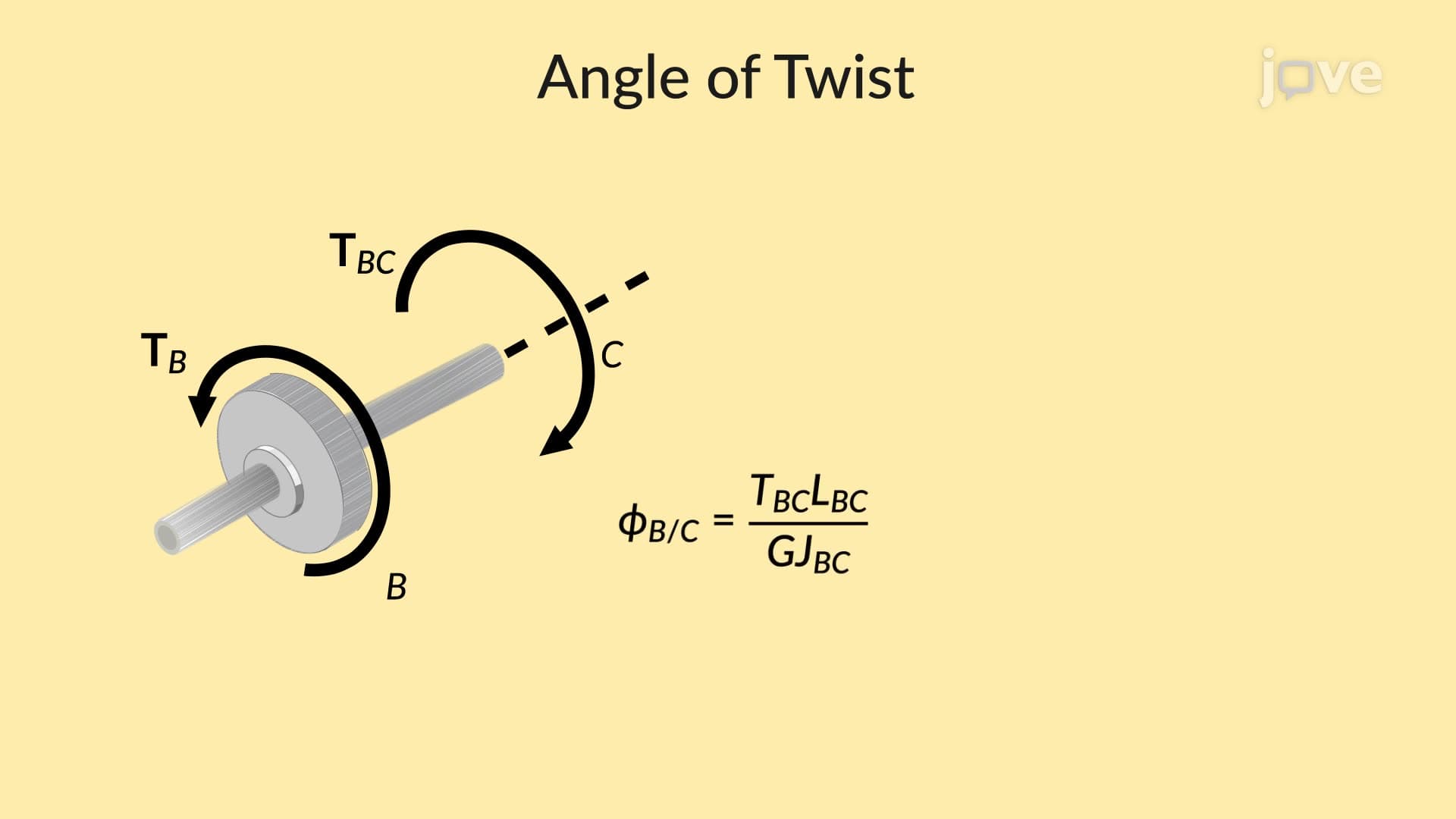
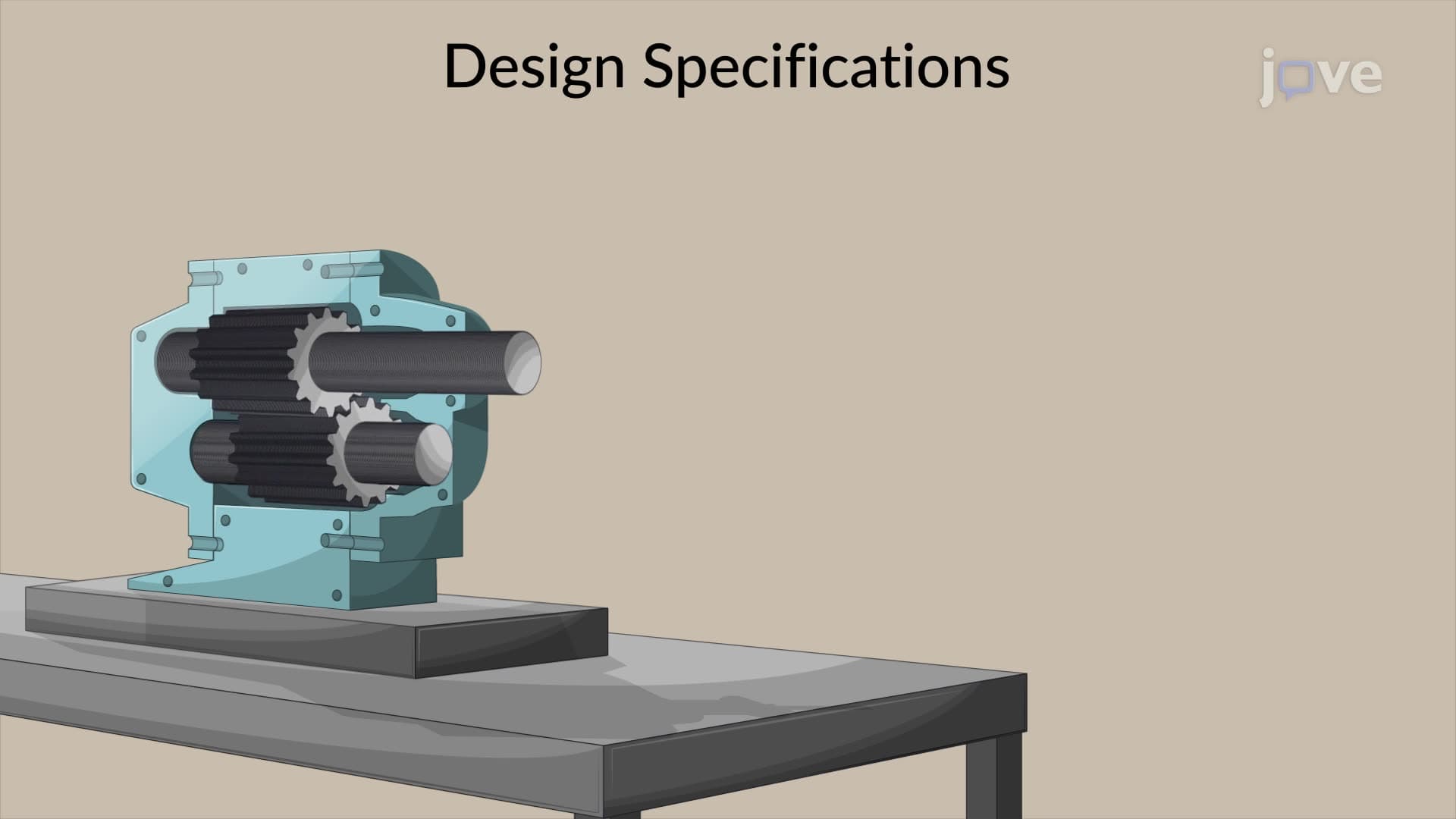
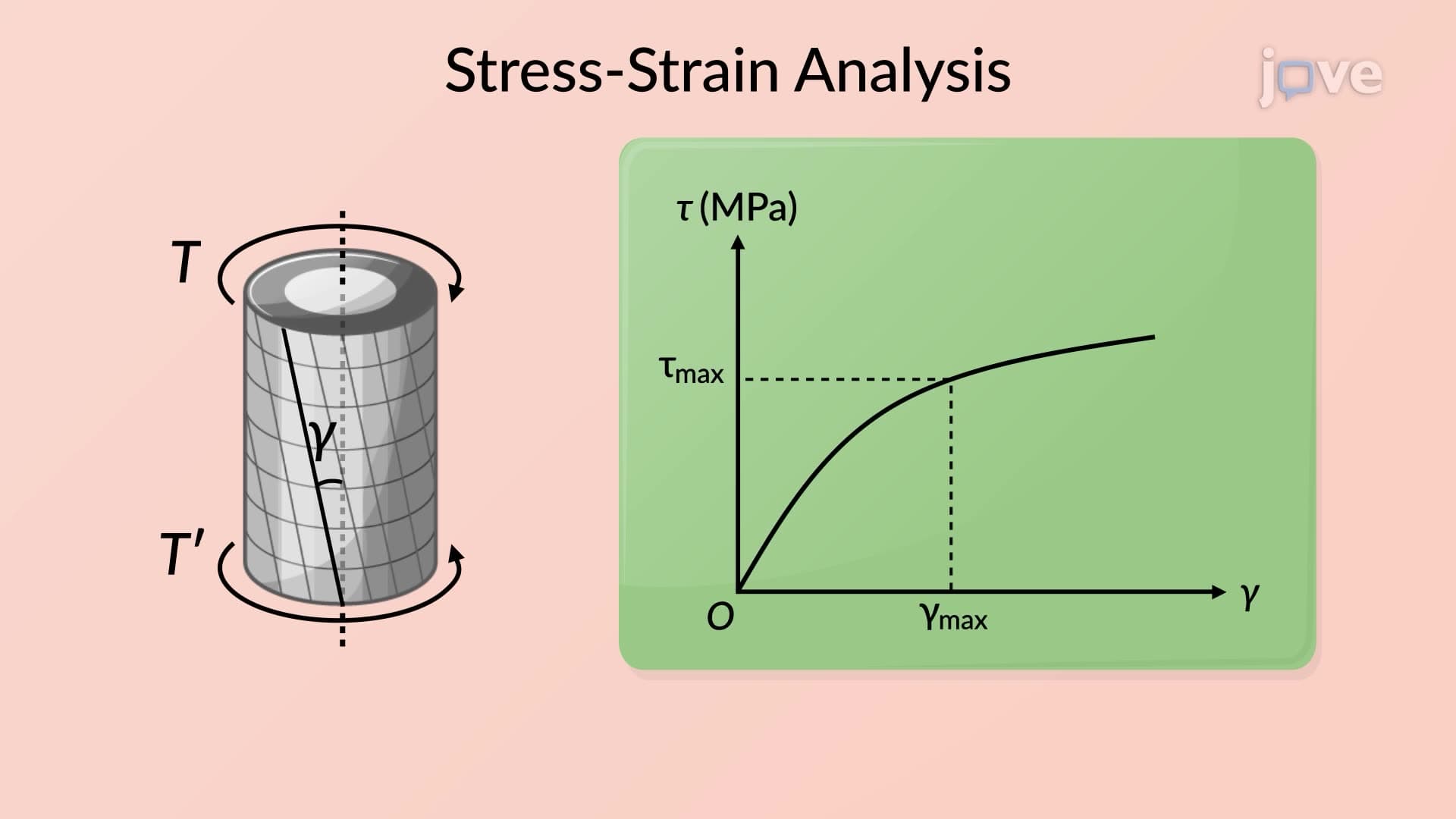
Thin-Walled Hollow Shafts

00:00
01:15
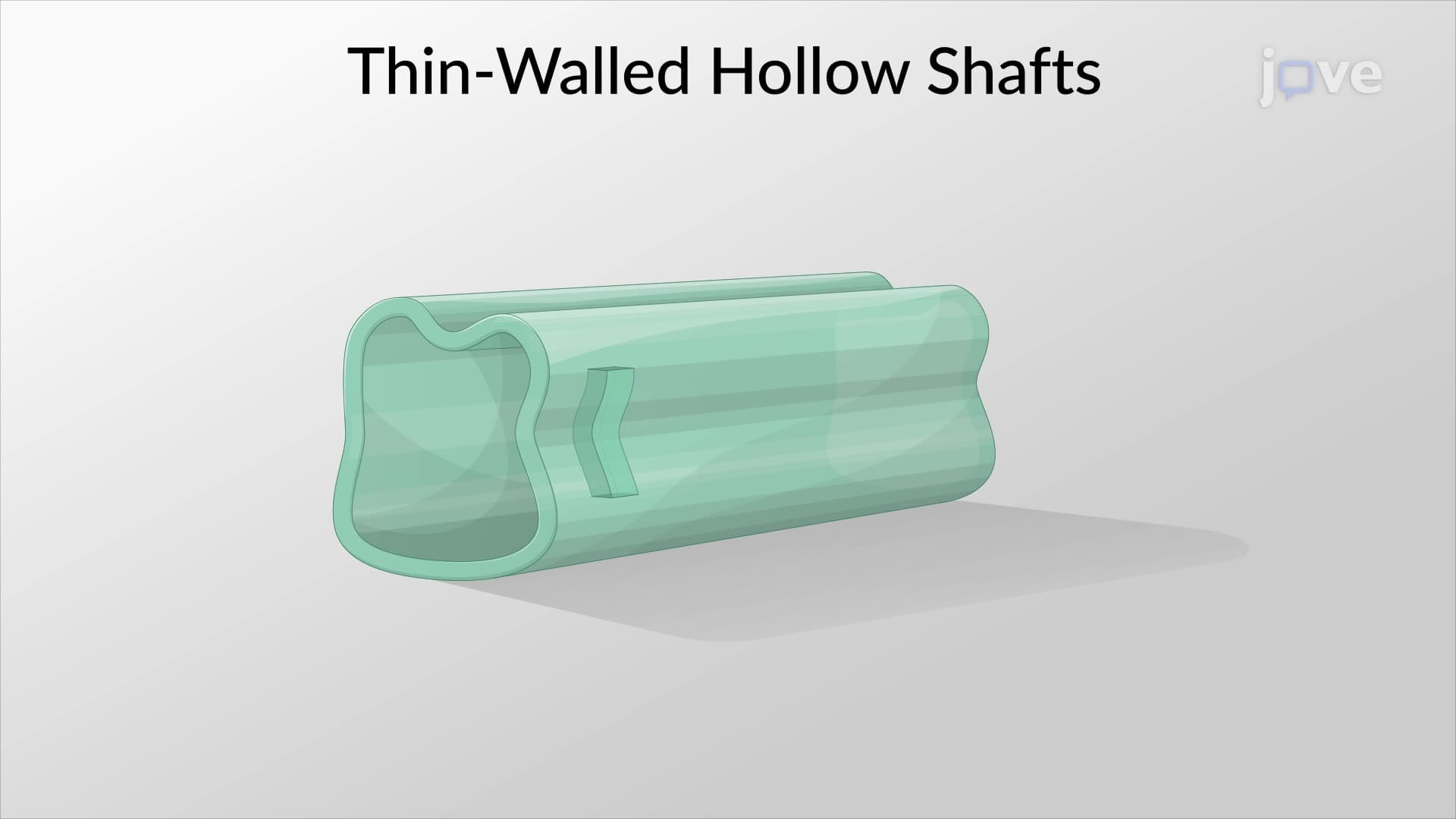
Video Summary: What are Thin Walled Hollow Shafts
Ever wondered how airplane wings and suspension bridge cables handle massive twisting forces without snapping? Thin walled hollow shafts are engineering marvels that maximize strength while minimizing weight through strategic material distribution. Boeing 787 aircraft wings use these lightweight yet incredibly strong hollow structures to withstand enormous torsional stresses during flight. Understanding what are thin walled hollow shafts reveals how engineers solve complex structural challenges through innovative design. Watch the full video on JoVE Coach to master this concept with expert-led visuals and step-by-step explanations.
- Understand what are thin walled hollow shafts and their fundamental structural characteristics in engineering applications
- Identify the key components including wall thickness, shear flow, and torsional loading mechanisms
- Analyze how shear stress distribution creates constant shear flow throughout hollow shaft members
- Apply equilibrium principles to calculate forces and moments in thin-walled structural elements
- Evaluate the relationship between applied torque and internal stress distribution in hollow cylinders
- Recognize real-world applications in aerospace, automotive, and civil engineering structures
- Compare advantages of hollow versus solid shaft designs in weight-critical applications
- Explore mathematical relationships governing torsional behavior and structural performance
Understanding Thin Walled Hollow Shafts Fundamentals
Thin walled hollow shafts represent a sophisticated engineering solution where material is strategically removed from the center of structural members while maintaining exceptional torsional strength. These structures feature wall thicknesses significantly smaller than their overall diameter, creating an optimal strength-to-weight ratio that makes them indispensable in modern engineering applications.
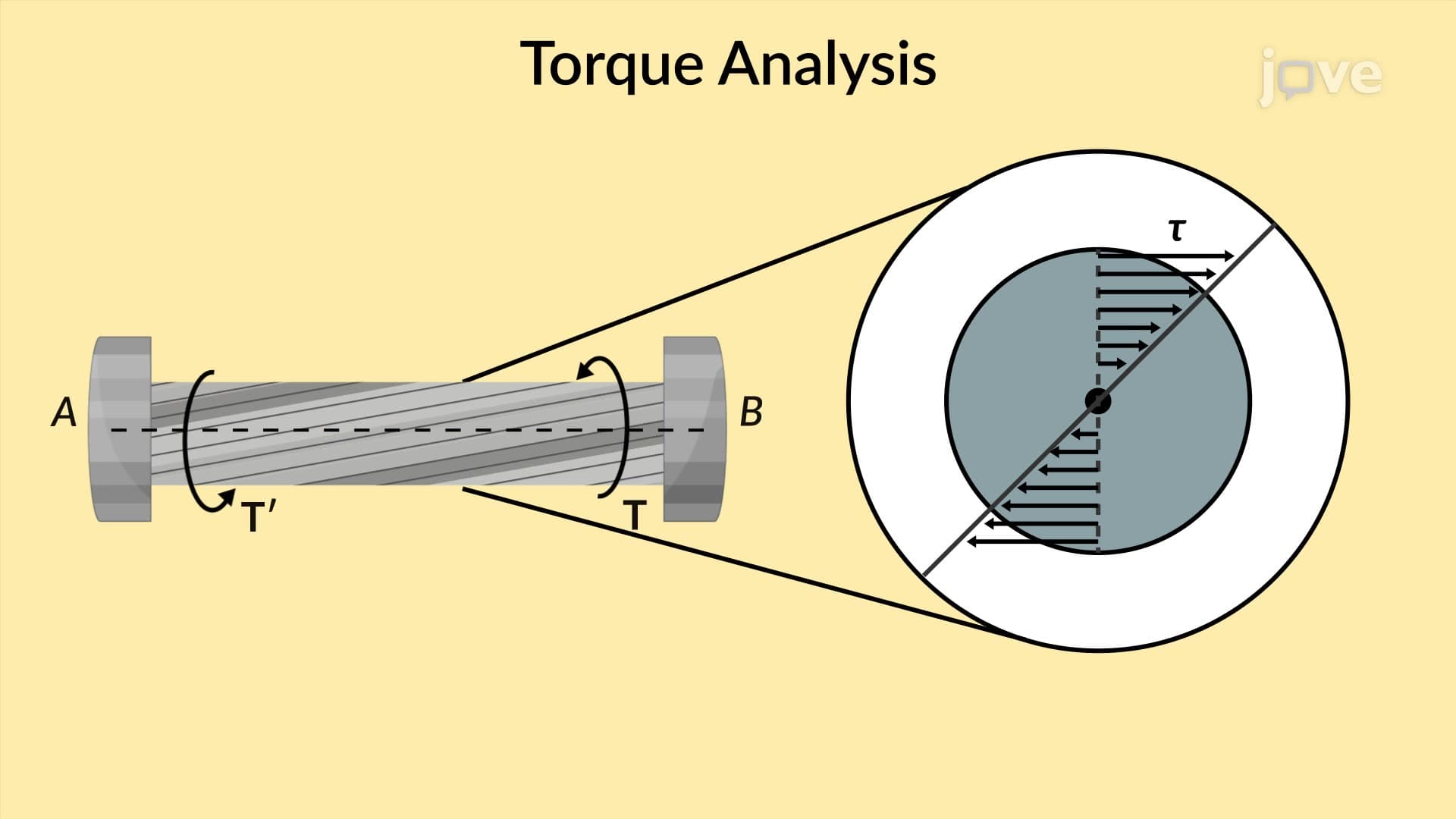
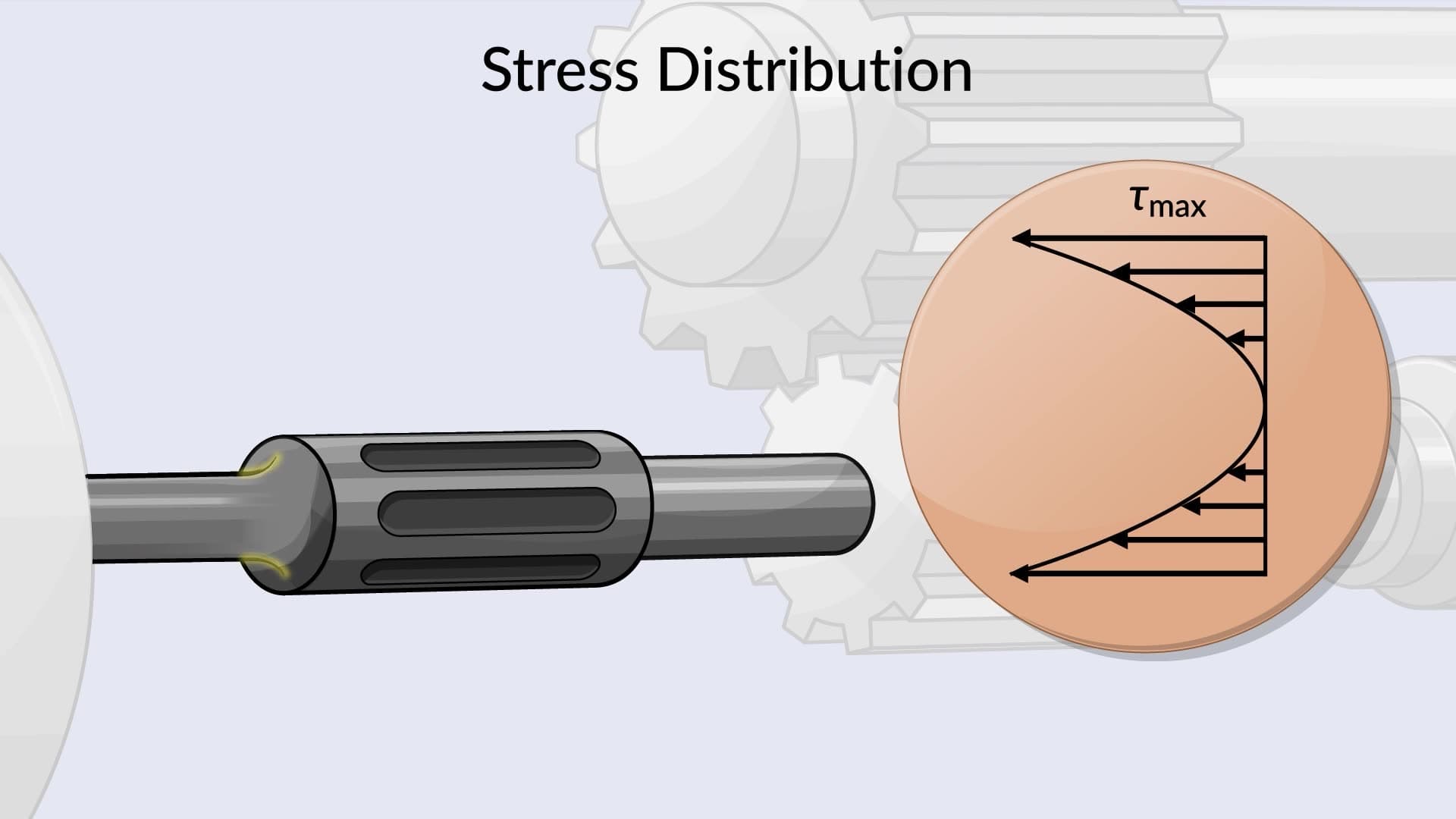
The fundamental principle behind these structures lies in how materials resist twisting forces. When solid shafts experience torsion, the material near the center contributes minimally to overall strength since stress increases linearly with distance from the neutral axis. By removing this less-effective central material, engineers create hollow shafts that deliver comparable strength at dramatically reduced weight.
Types of Thin Walled Hollow Shafts in Engineering
Several types of thin walled hollow shafts serve different engineering applications. Circular hollow sections dominate aerospace applications, where Boeing and Airbus aircraft utilize them in wing structures and fuselage frames. Rectangular hollow sections appear in architectural applications, such as the structural framework of skyscrapers like One World Trade Center in New York. Elliptical hollow sections serve specialized applications in automotive drive shafts where space constraints demand non-circular geometries.
Each configuration offers unique advantages. Circular sections provide uniform stress distribution and optimal torsional resistance, making them ideal for rotating machinery applications found in General Electric turbines or Ford transmission systems. Rectangular sections offer greater bending resistance in specific directions while maintaining the weight advantages of hollow construction.
Shear Flow and Stress Distribution Analysis
The concept of shear flow proves crucial in understanding thin-walled behavior. Unlike solid shafts where shear stress varies across the cross-section, thin-walled members exhibit constant shear flow around their perimeter. This phenomenon occurs because the thin wall cannot support significant stress variation through its thickness, forcing the shear flow to remain constant for equilibrium.
This principle appears in AP Physics C: Mechanics examinations and college-level Statics courses, where students must calculate applied torques using the relationship: T = 2 × A × q, where A represents the area enclosed by the centerline and q represents the constant shear flow. Understanding this relationship proves essential for success in engineering mechanics coursework and professional engineering (PE) examinations.
Real-World Applications and Engineering Significance
Modern infrastructure relies heavily on thin-walled hollow shaft principles. The Golden Gate Bridge incorporates hollow structural members in its suspension system, while Tesla Model S drive shafts utilize advanced hollow designs to reduce unsprung weight and improve vehicle performance. Wind turbine towers, like those manufactured by GE Renewable Energy, employ large-diameter thin-walled hollow sections to support massive turbine assemblies while minimizing material costs.
These applications demonstrate how understanding thin walled hollow shafts directly impacts engineering design decisions affecting safety, performance, and economic viability across multiple industries.
Frequently Asked Questions
Thin walled hollow shafts are structural members with material removed from their center, creating a hollow cross-section with relatively thin walls compared to the overall diameter. They provide comparable torsional strength to solid shafts while weighing significantly less, making them ideal for aerospace and automotive applications where weight reduction is critical.
The main types include circular hollow sections (used in aircraft wings and turbine shafts), rectangular hollow sections (found in building frameworks and bridges), and elliptical sections (used in specialized automotive applications). Each type offers specific advantages depending on loading conditions and space constraints.
These concepts typically appear in mechanics problems involving torque, rotational equilibrium, and stress analysis. Students must apply the constant shear flow principle and calculate applied torques using T = 2Aq, where A is the enclosed area and q is the shear flow. Practice with torsional loading scenarios and equilibrium calculations.
Basic understanding requires only algebra and geometric relationships, making it accessible to high school students in AP Physics courses. Advanced analysis involves integration for complex geometries, but fundamental concepts use straightforward mathematical relationships that build on equilibrium principles learned in introductory physics.
You'll find them in the Golden Gate Bridge suspension cables, Boeing 787 wing structures, wind turbine towers across Texas and California, Tesla vehicle drive shafts, and the structural framework of modern skyscrapers like the Willis Tower. These applications demonstrate their importance in weight-critical and high-strength applications.
Focus on mastering equilibrium principles, shear flow concepts, and torque calculations. Practice problems from Hibbeler's "Mechanics of Materials" textbook, work through similar examples in university Statics courses, and understand the relationship between applied torque and internal stress distribution. Emphasize conceptual understanding over memorizing formulas.
These concepts appear in Statics, Strength of Materials, Structural Analysis, and Machine Design courses at universities like MIT, Stanford, and state engineering programs. They're also covered in AP Physics C: Mechanics and appear on Fundamentals of Engineering (FE) examinations for engineering licensure.
Advanced studies include composite material analysis, dynamic loading effects, fatigue analysis, and finite element modeling. These topics appear in graduate-level structural engineering courses and aerospace engineering specializations, particularly in advanced materials and structural optimization studies.
Related Micro-courses

18 Concepts
4 Concepts
