Loading video…


 12 Concepts
 5.2K views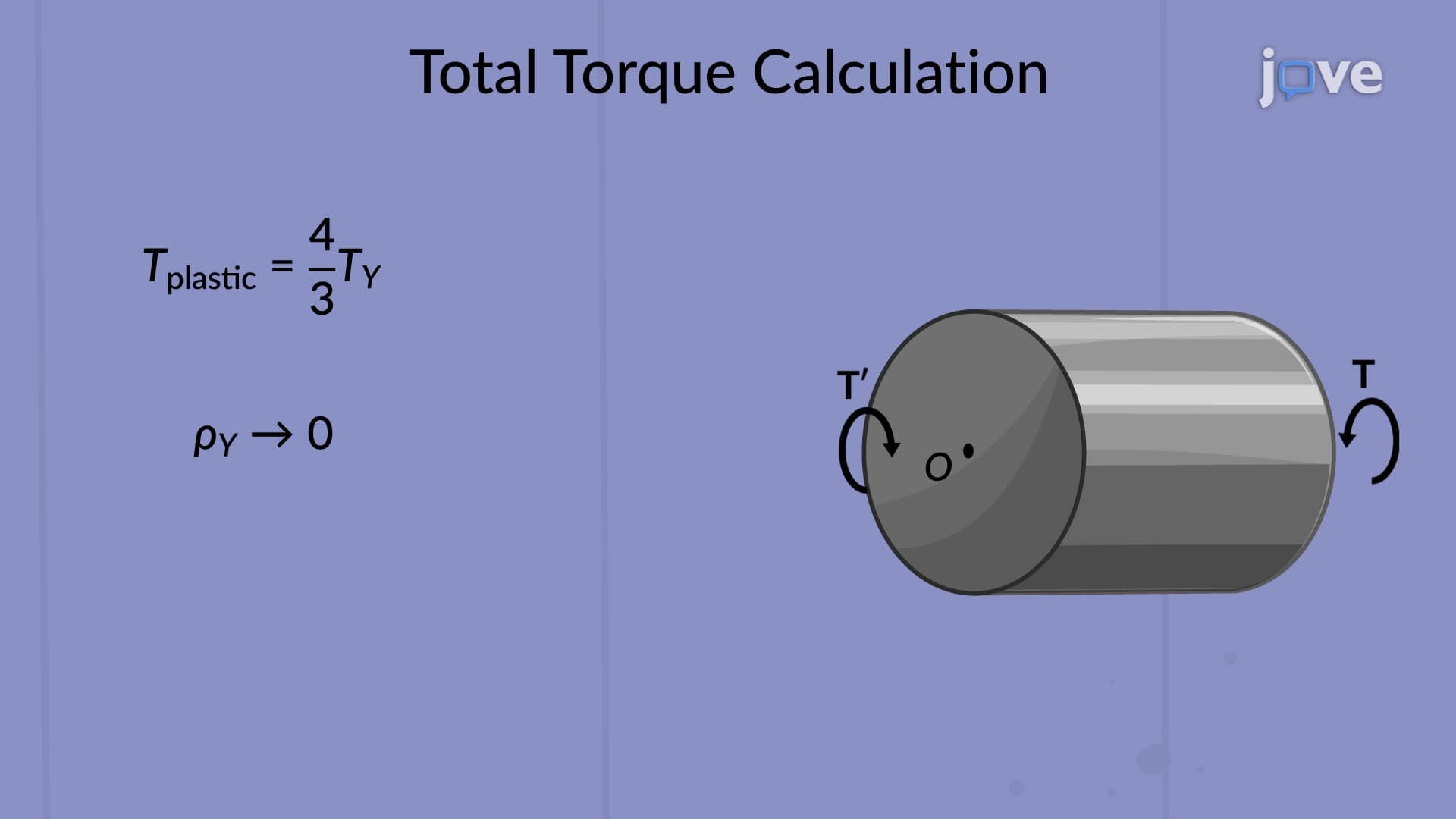

Video Summary: What Is Circular Shafts Elastoplastic Materials
Ever wondered why a steel driveshaft in a Ford F-150 can handle enormous torque without snapping? Circular shafts elastoplastic materials behavior explains how rotating shafts transition from elastic deformation to plastic yielding under increasing torque. When engineers design transmission systems for General Motors vehicles, they must understand how stress distributes from the shaft's center outward, creating distinct elastic and plastic regions. What is Circular Shafts Elastoplastic Materials becomes crucial for preventing catastrophic failure in automotive and aerospace applications. Watch the full video on JoVE Coach to master this concept with expert-led visuals and step-by-step explanations.
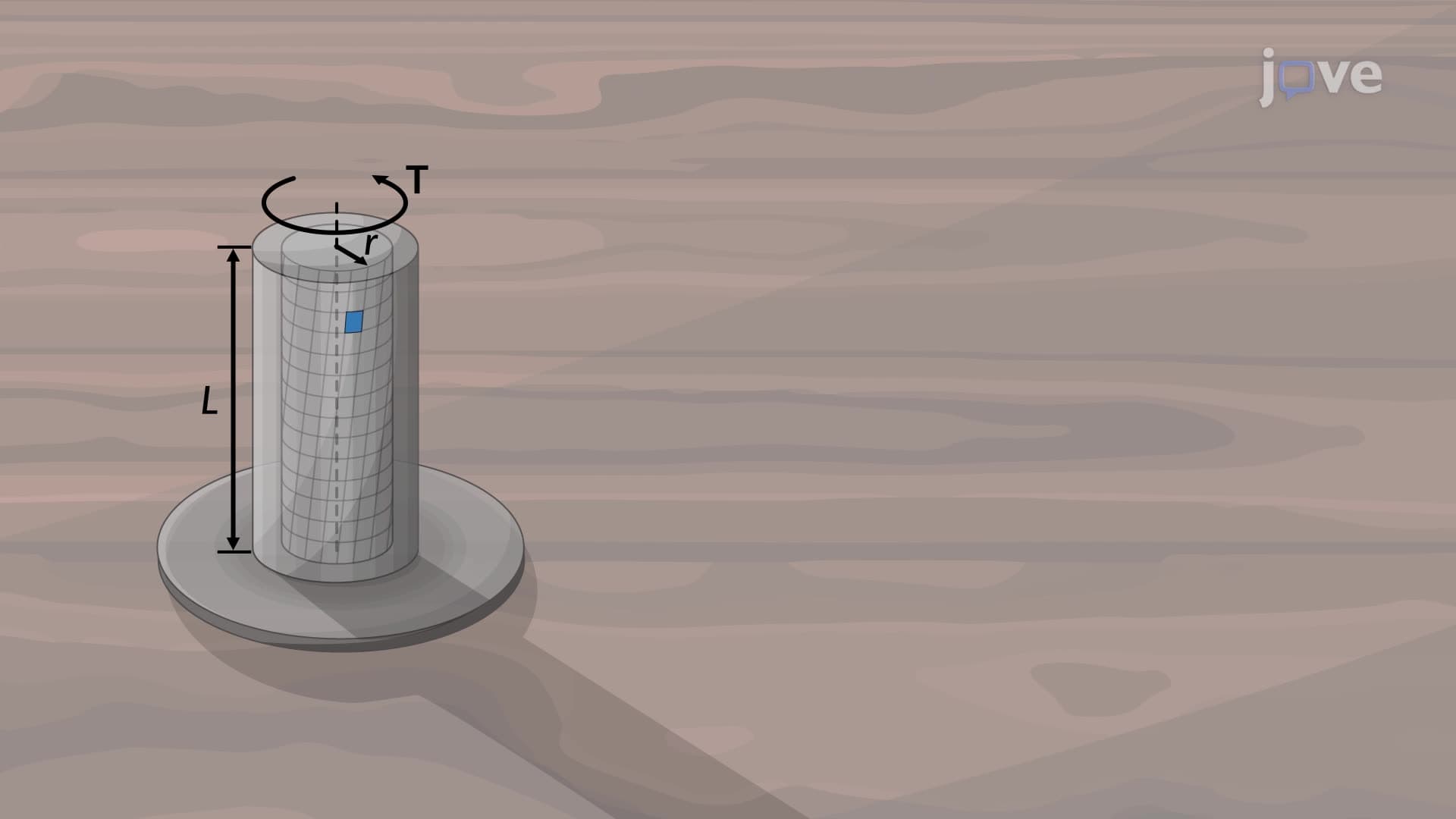
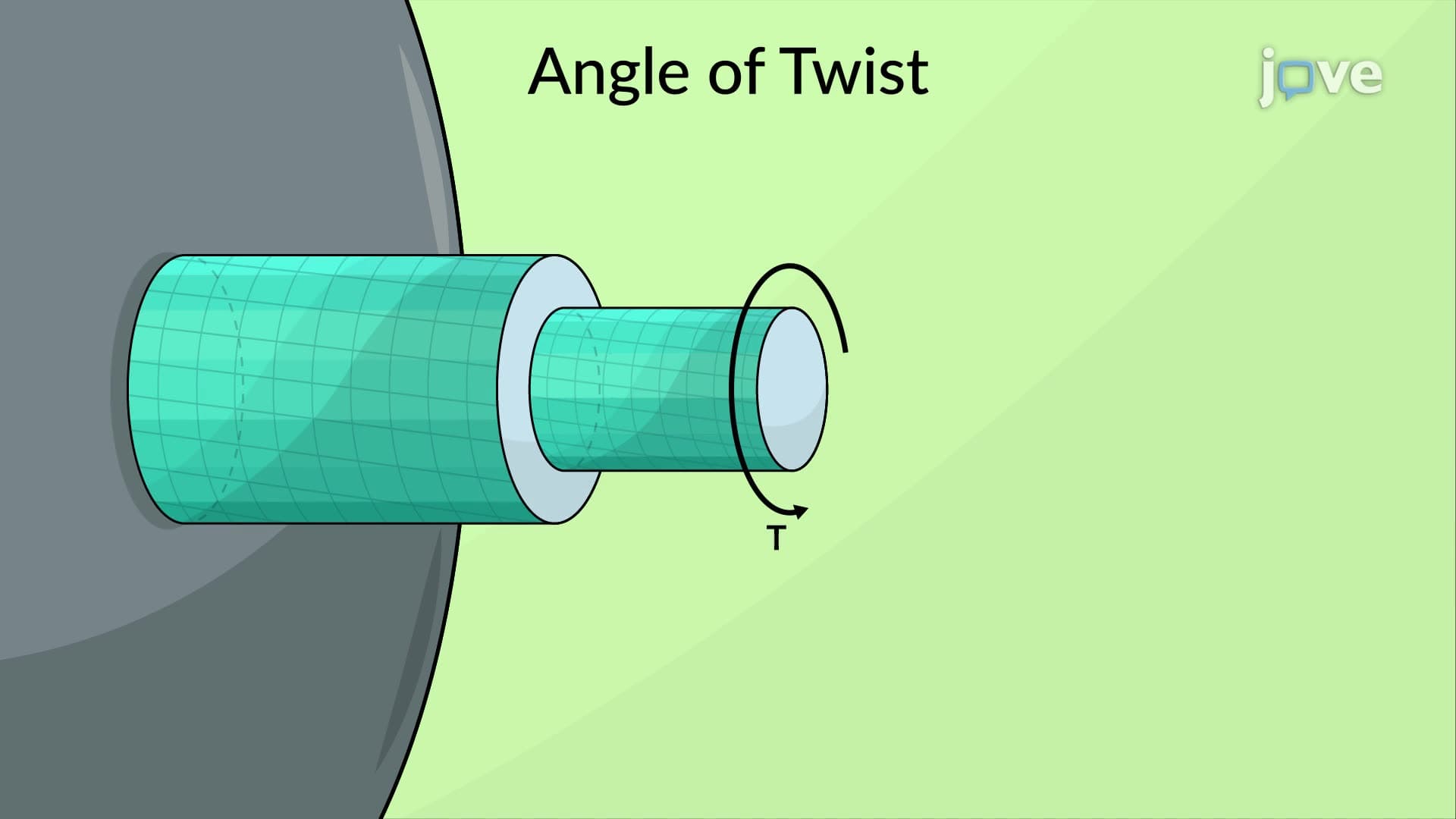
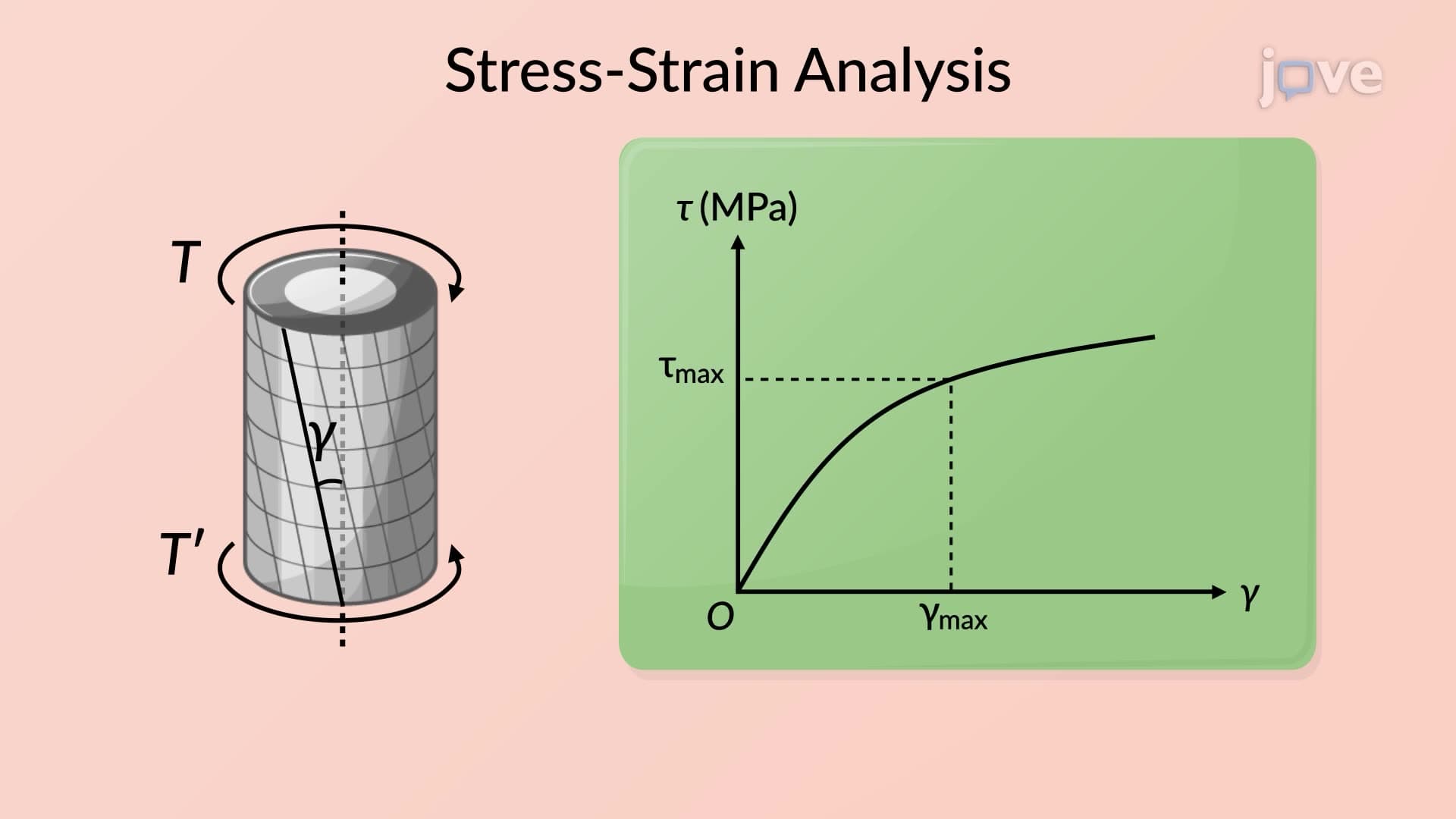
Circular shafts elastoplastic materials represent a critical transition zone in mechanical engineering where materials exhibit both elastic and plastic behavior simultaneously. When a circular shaft experiences increasing torque, the material initially responds elastically, meaning it returns to its original shape when the load is removed. However, as torque increases beyond the elastic limit, permanent plastic deformation begins, creating a complex stress distribution pattern that engineers must understand for safe design.
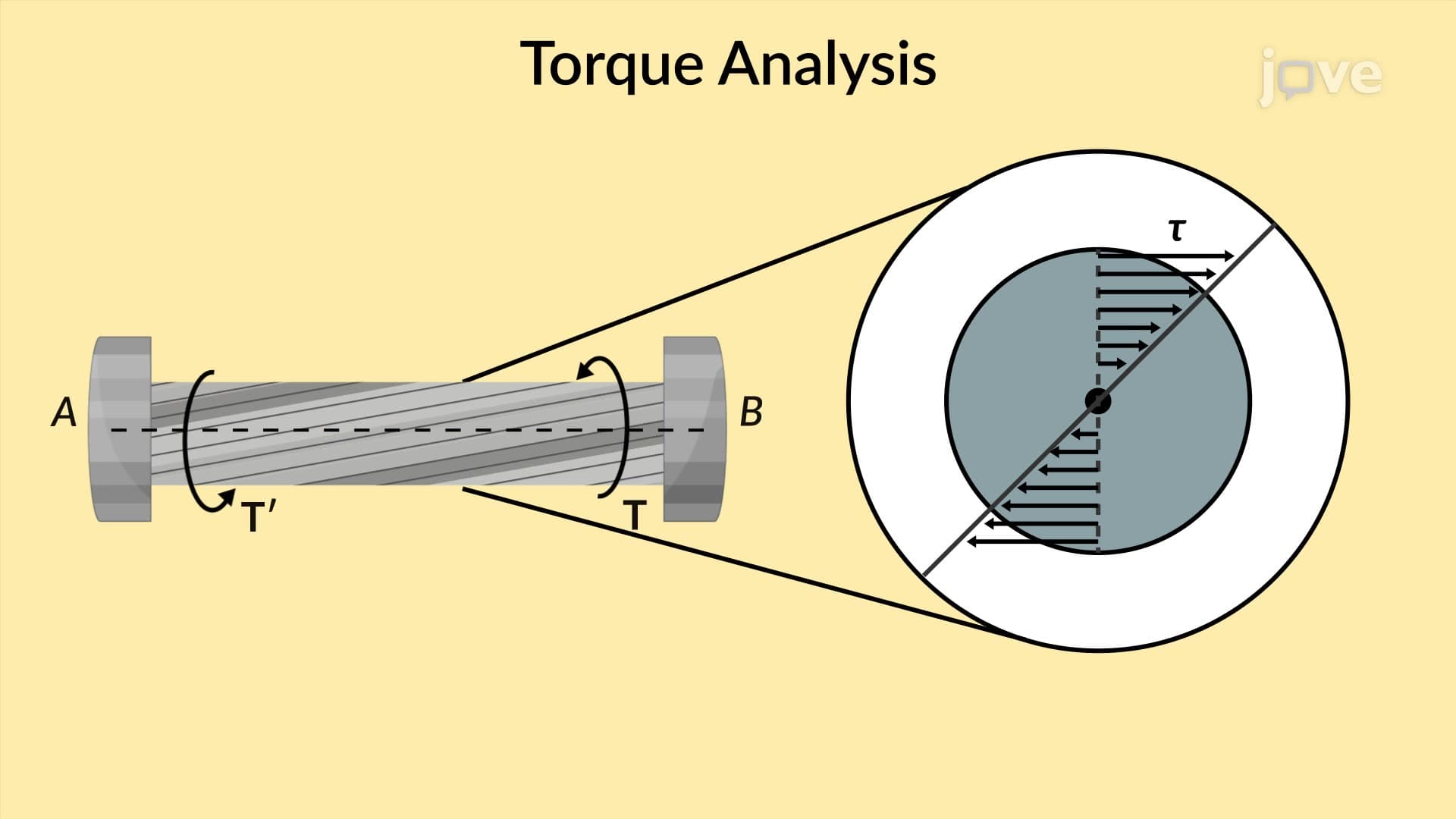
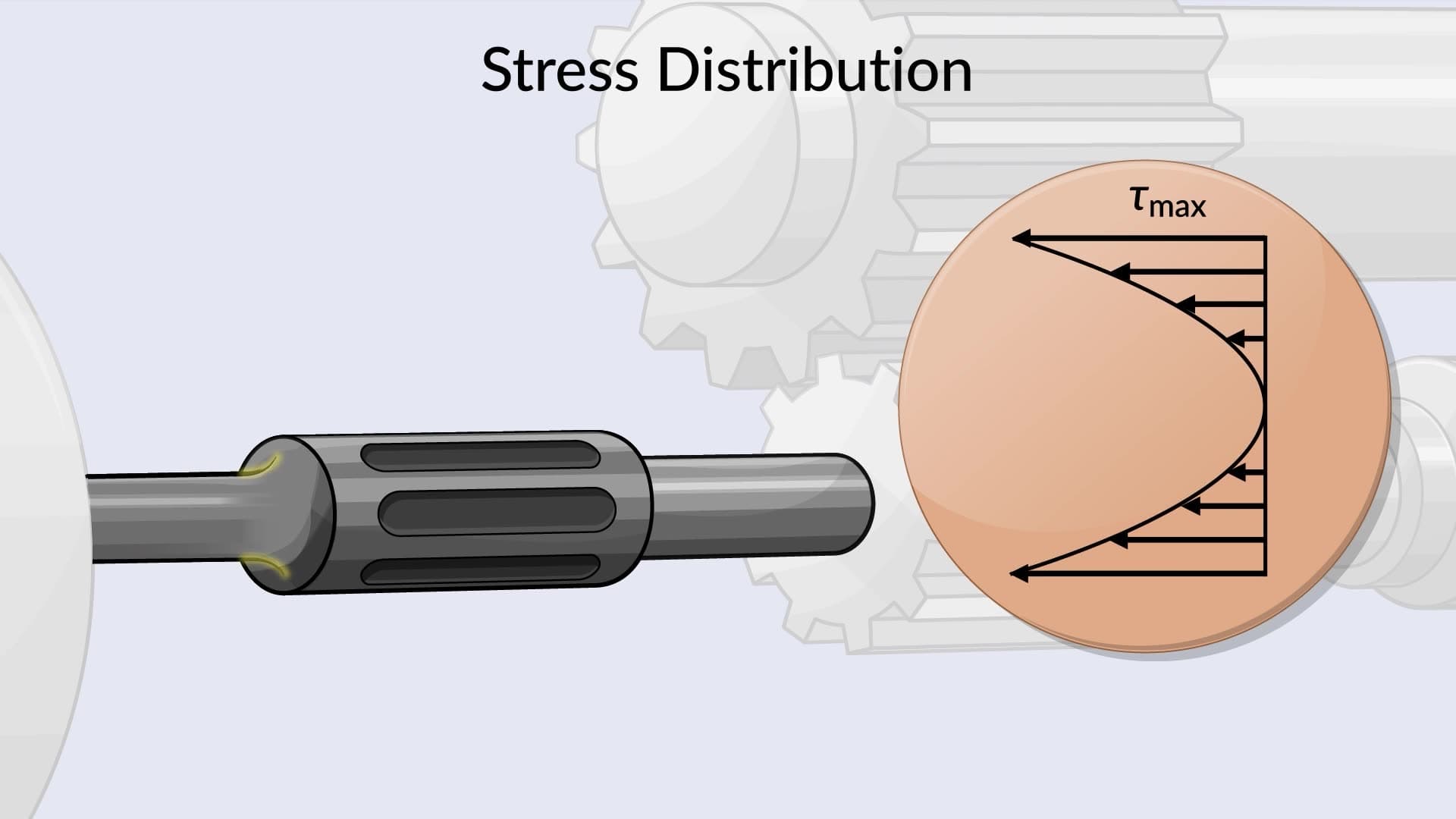
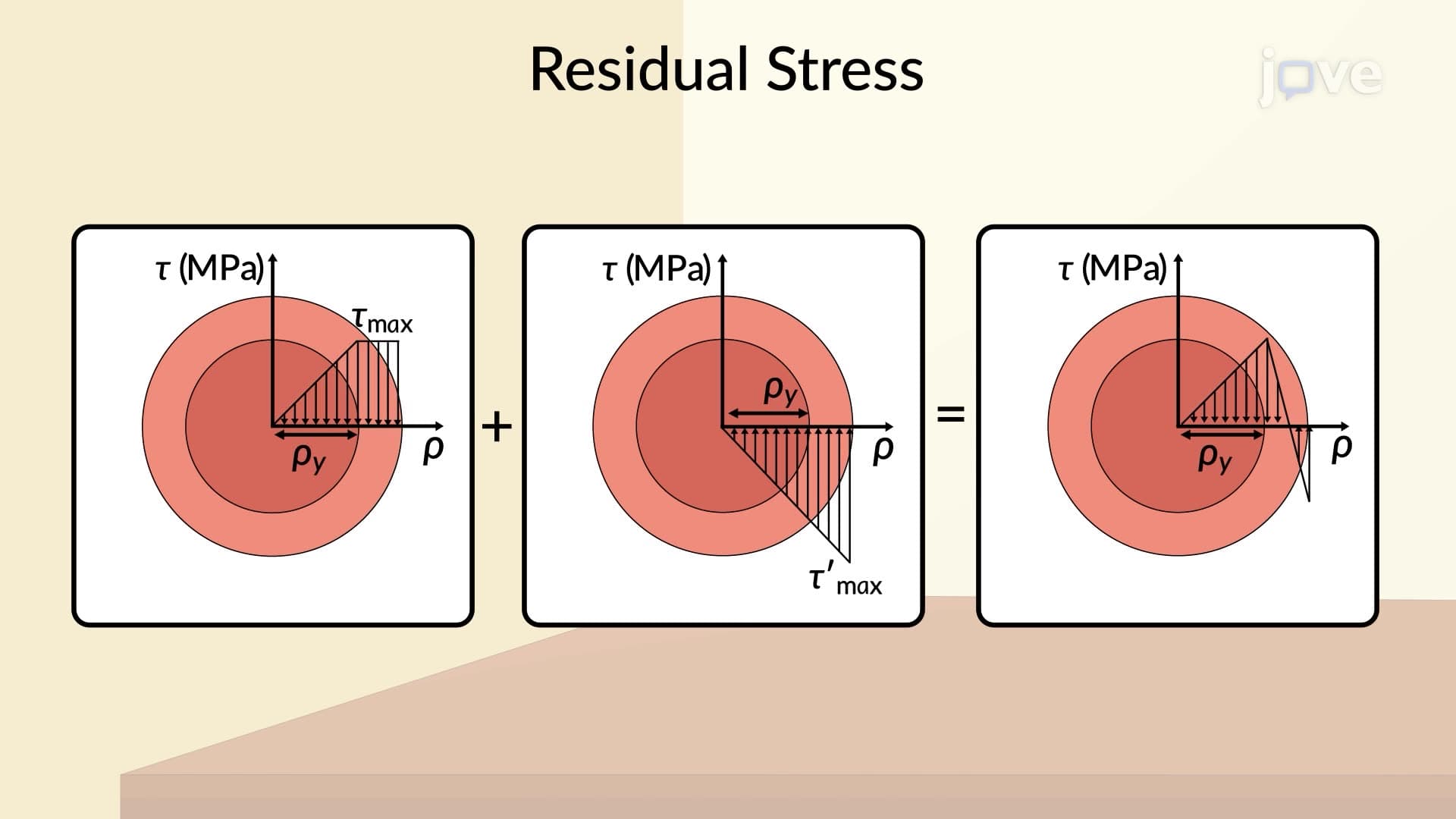
The circular shafts elastoplastic materials concept becomes essential when analyzing how stress varies across a shaft's radius. Initially, stress increases linearly from zero at the center to maximum at the outer surface. Once the outer fibers reach the yield stress, plastic deformation begins while inner regions remain elastic. This creates a unique scenario where the outer plastic region experiences uniform stress equal to the yield strength, while the inner elastic core maintains linear stress distribution.
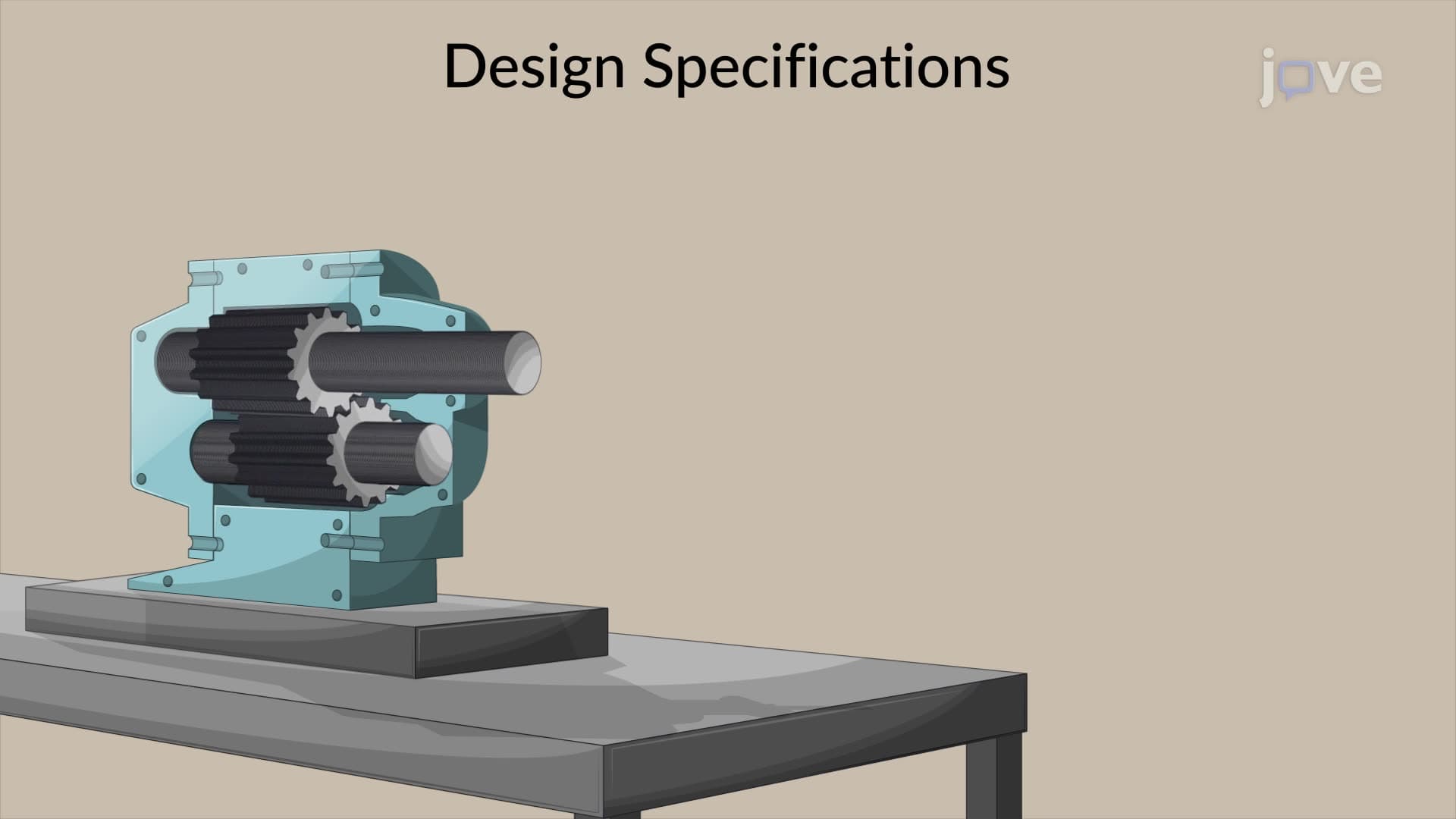
Understanding circular shafts elastoplastic materials proves vital for US automotive manufacturers like Tesla, where electric vehicle drivetrain components must handle high torque efficiently. Similarly, Boeing engineers designing aircraft propeller shafts rely on these principles to ensure structural integrity under varying flight loads. The concept appears frequently in college-level Mechanics of Materials courses and forms the foundation for problems on the Fundamentals of Engineering (FE) exam that aspiring engineers take after graduation.
The superposition principle allows engineers to calculate total torque capacity by adding contributions from elastic and plastic regions. As plastic zones expand inward, the elastic core radius decreases until complete plastic yielding occurs. This progression helps designers optimize shaft dimensions while maintaining safety factors. Students preparing for AP Physics C or college engineering courses encounter these calculations when analyzing power transmission systems, making circular shafts elastoplastic materials a cornerstone concept for future engineers.
Related Micro-courses