Loading…
Loading video…

5,181 views
Ever wonder why airplane propellers don't snap under massive rotational forces? The answer lies in angle of twist problem solving, a critical engineering principle that predicts how much rotating shafts deform under torque. From Boeing 737 engines to Tesla Model S drive shafts, understanding Angle of Twist Problem Solving Explained helps engineers design safer, more efficient rotating machinery that powers American transportation and industry. Watch the full video on JoVE Coach to master this concept with expert-led visuals and step-by-step explanations.
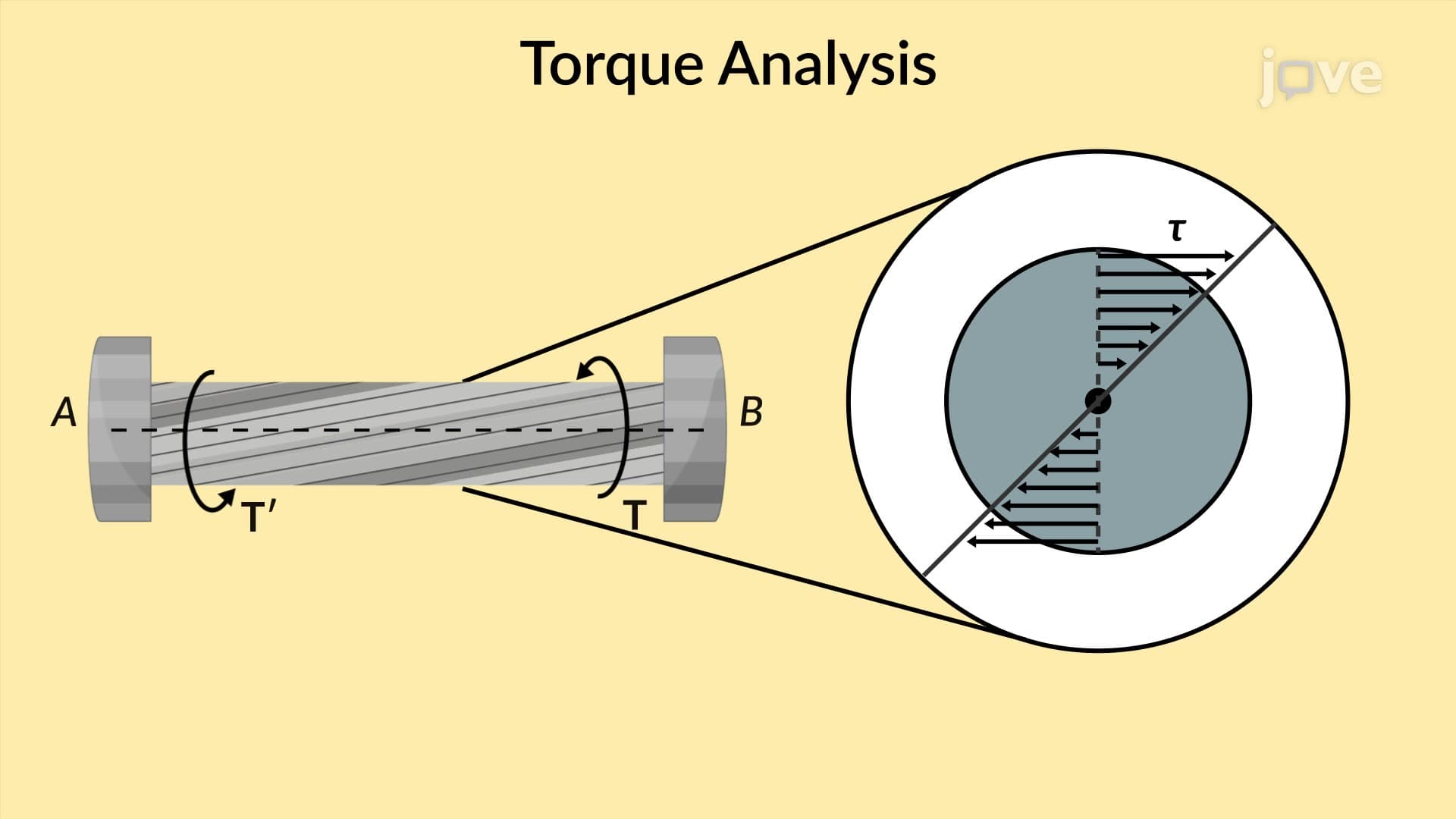
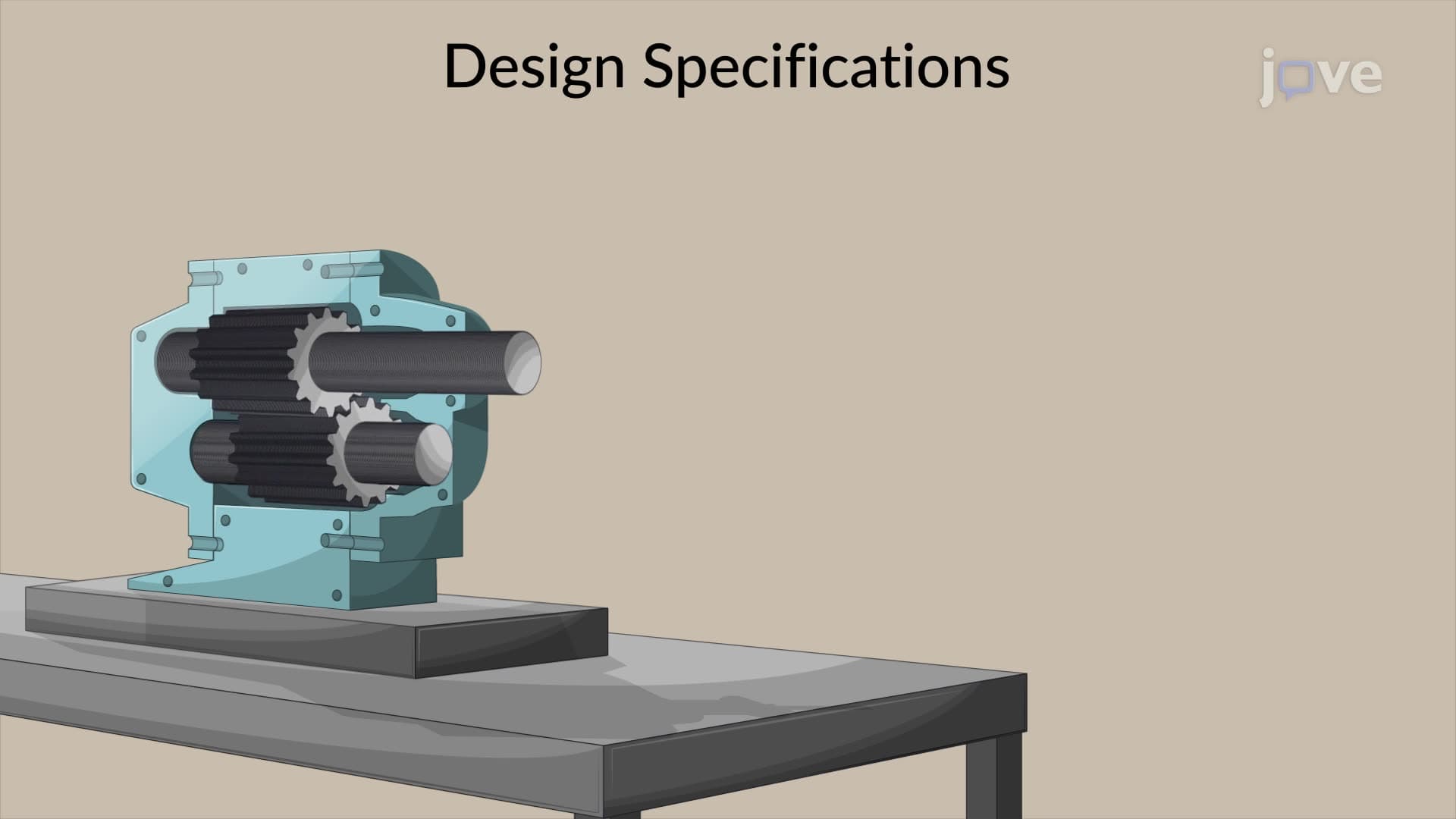
Angle of twist problem solving represents one of the most practical applications of solid mechanics in modern engineering. When rotating shafts transmit power—whether in a Ford F-150's driveshaft or a wind turbine's main rotor—they inevitably twist under applied torques. This angular deformation, measured in radians or degrees, directly impacts performance, safety, and longevity of rotating machinery across American industries.
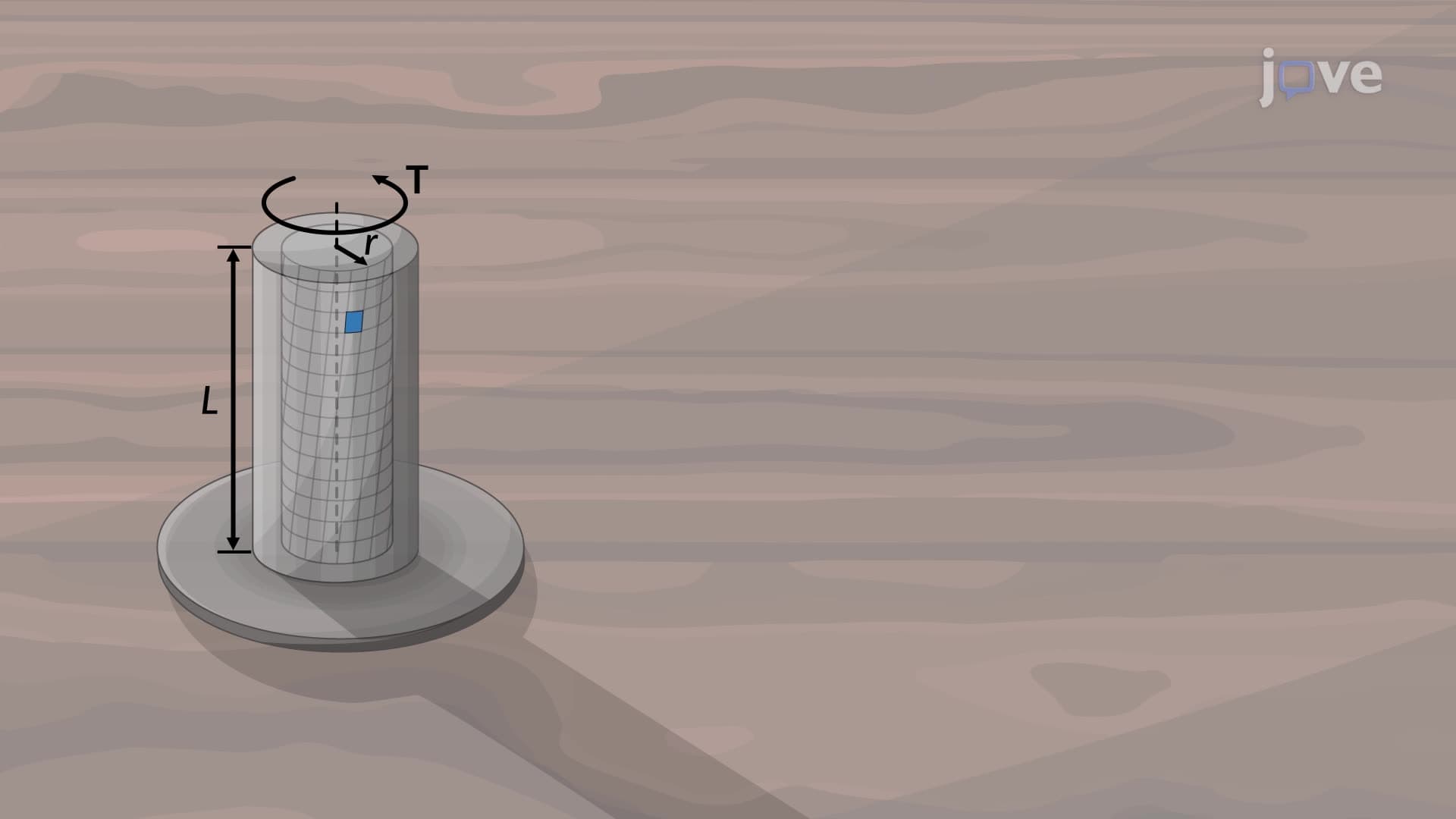
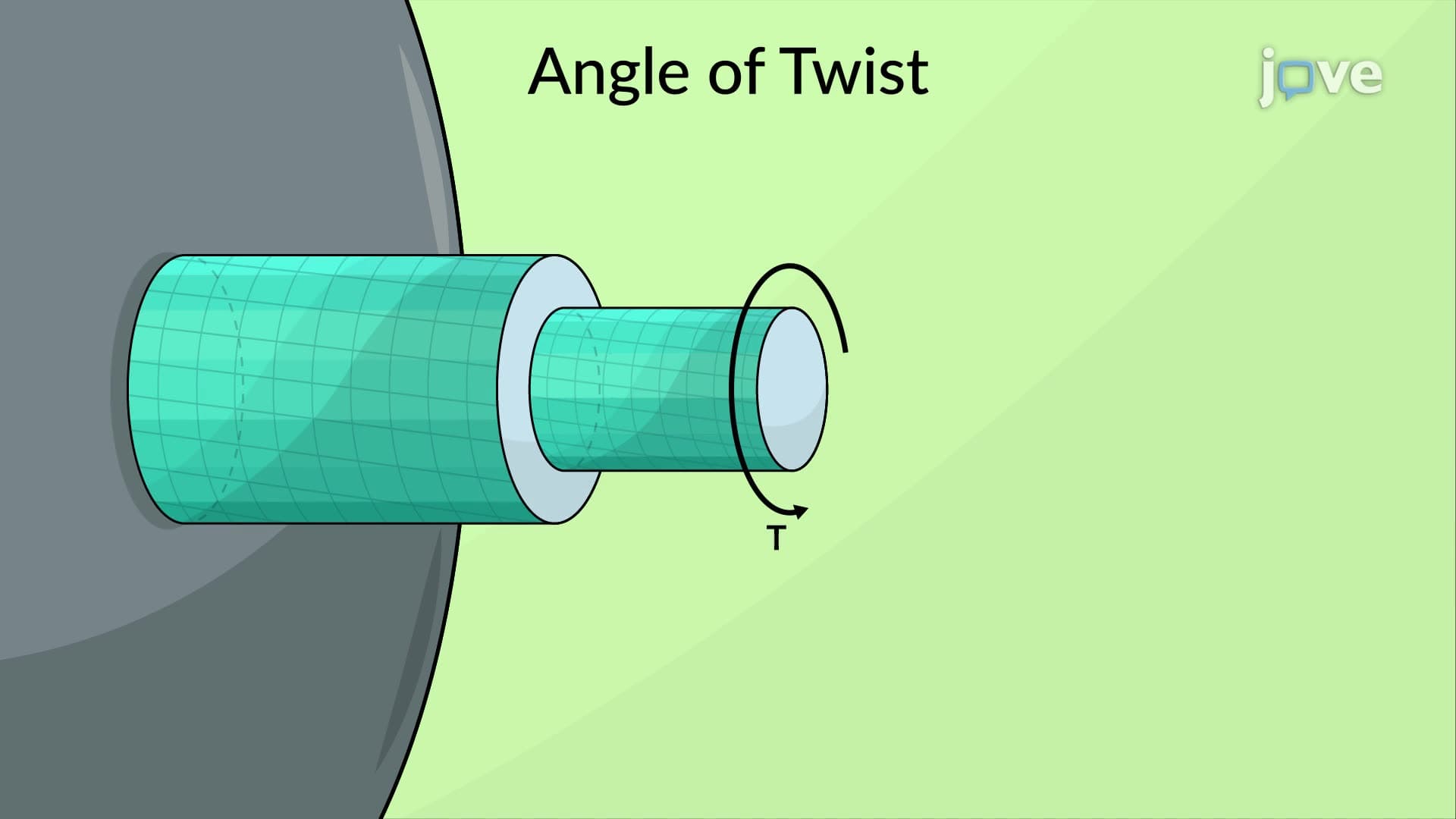
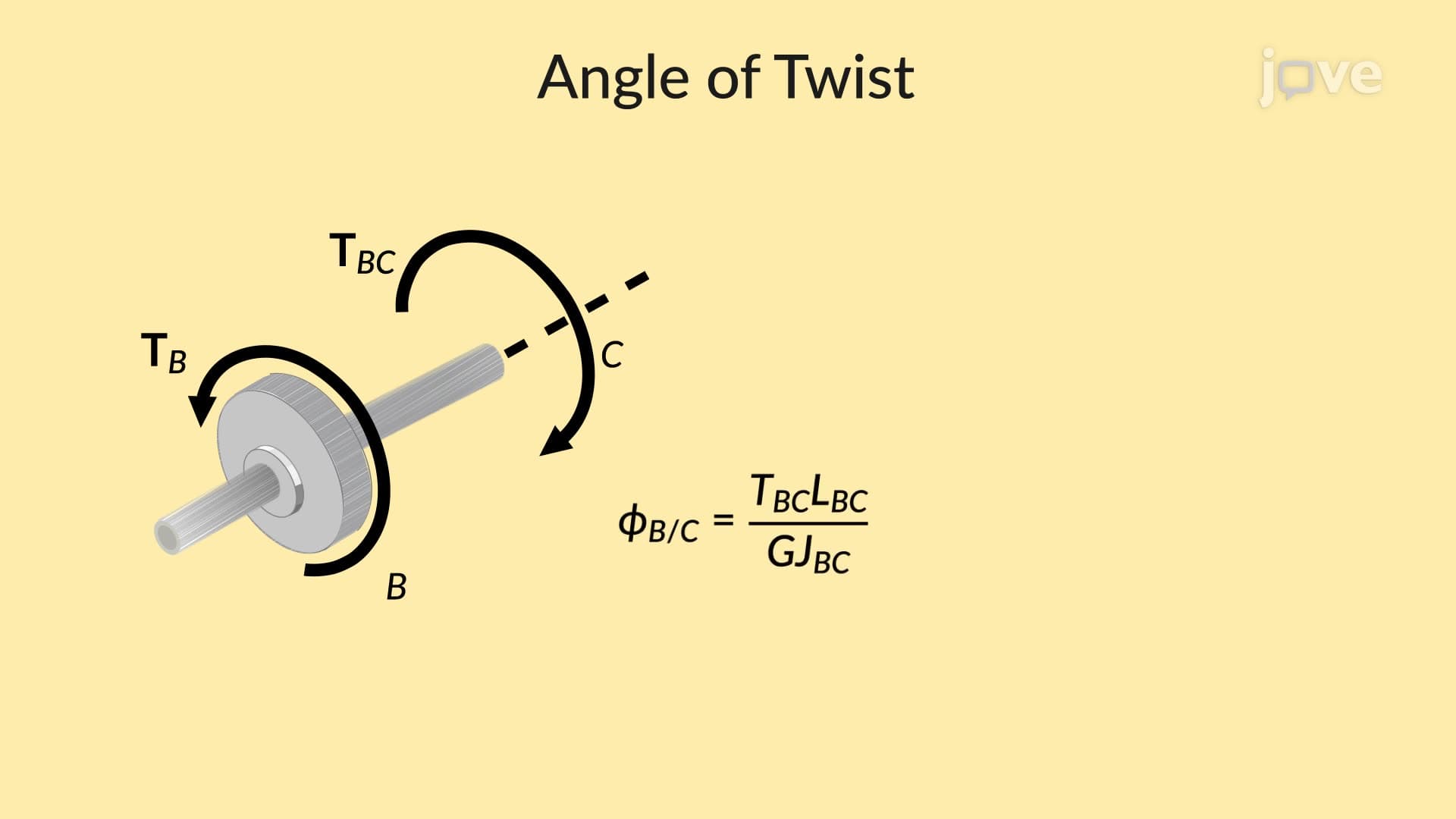
The fundamental relationship governing shaft twist combines four critical parameters: applied torque (T), shaft length (L), polar moment of inertia (J), and the material's modulus of rigidity (G). Engineers use the formula θ = TL/(GJ) to predict exactly how much a shaft will rotate under load, enabling precise design calculations for everything from helicopter rotors to industrial conveyor systems.
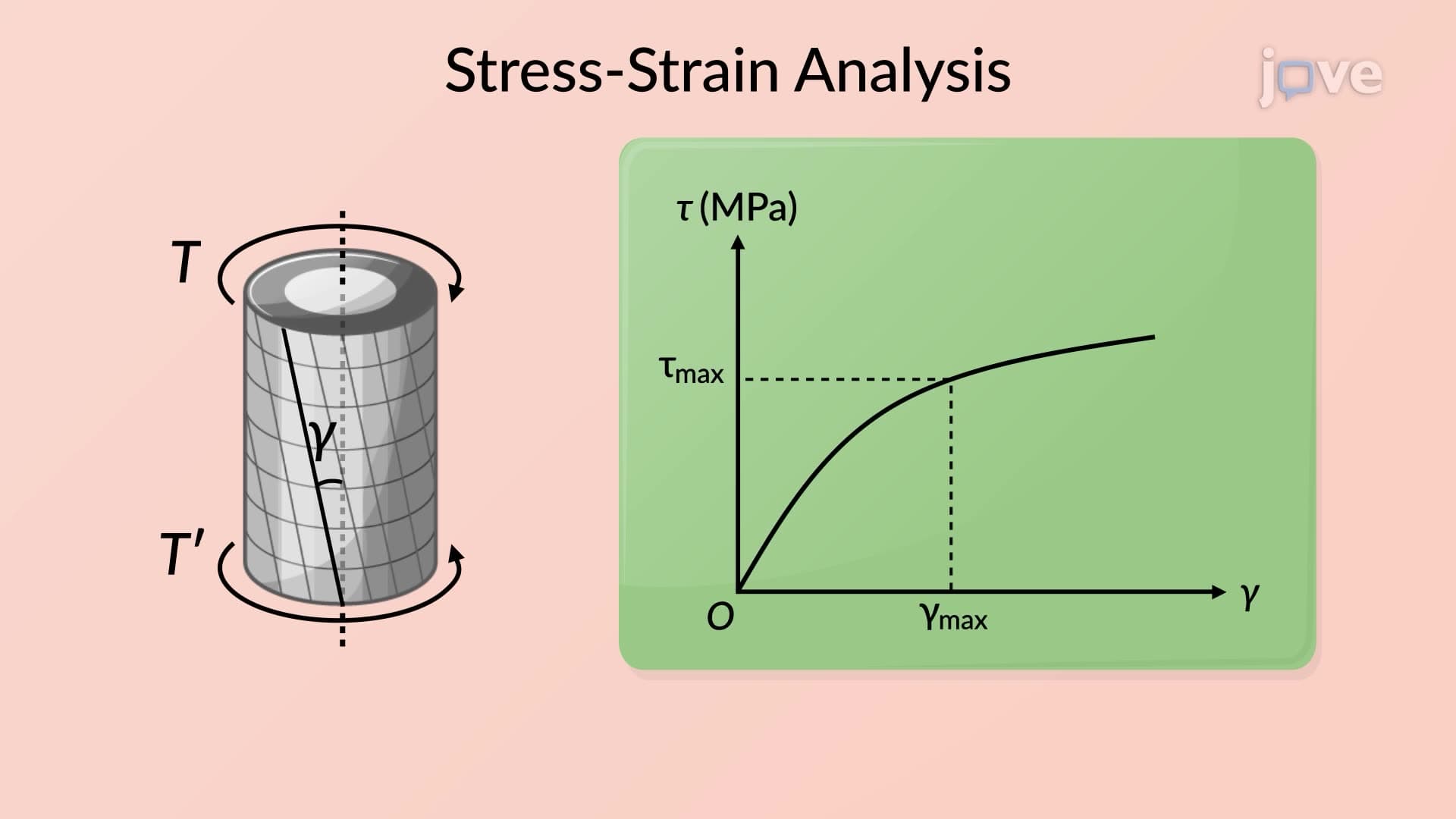
The modulus of rigidity, also called the shear modulus, quantifies a material's resistance to angular deformation. Aluminum alloys commonly used in aerospace applications typically exhibit values around 25-28 GPa, while structural steel reaches approximately 80 GPa. This property directly influences how much a shaft twists under identical loading conditions—critical knowledge for engineers designing everything from NASA rocket engine turbopumps to John Deere tractor transmissions.
Understanding material behavior becomes essential when tackling AP Physics C mechanics problems or undergraduate statics coursework. Students frequently encounter aluminum shaft problems because this material offers an excellent balance of strength, weight, and cost-effectiveness in real-world applications from automotive to aerospace industries.
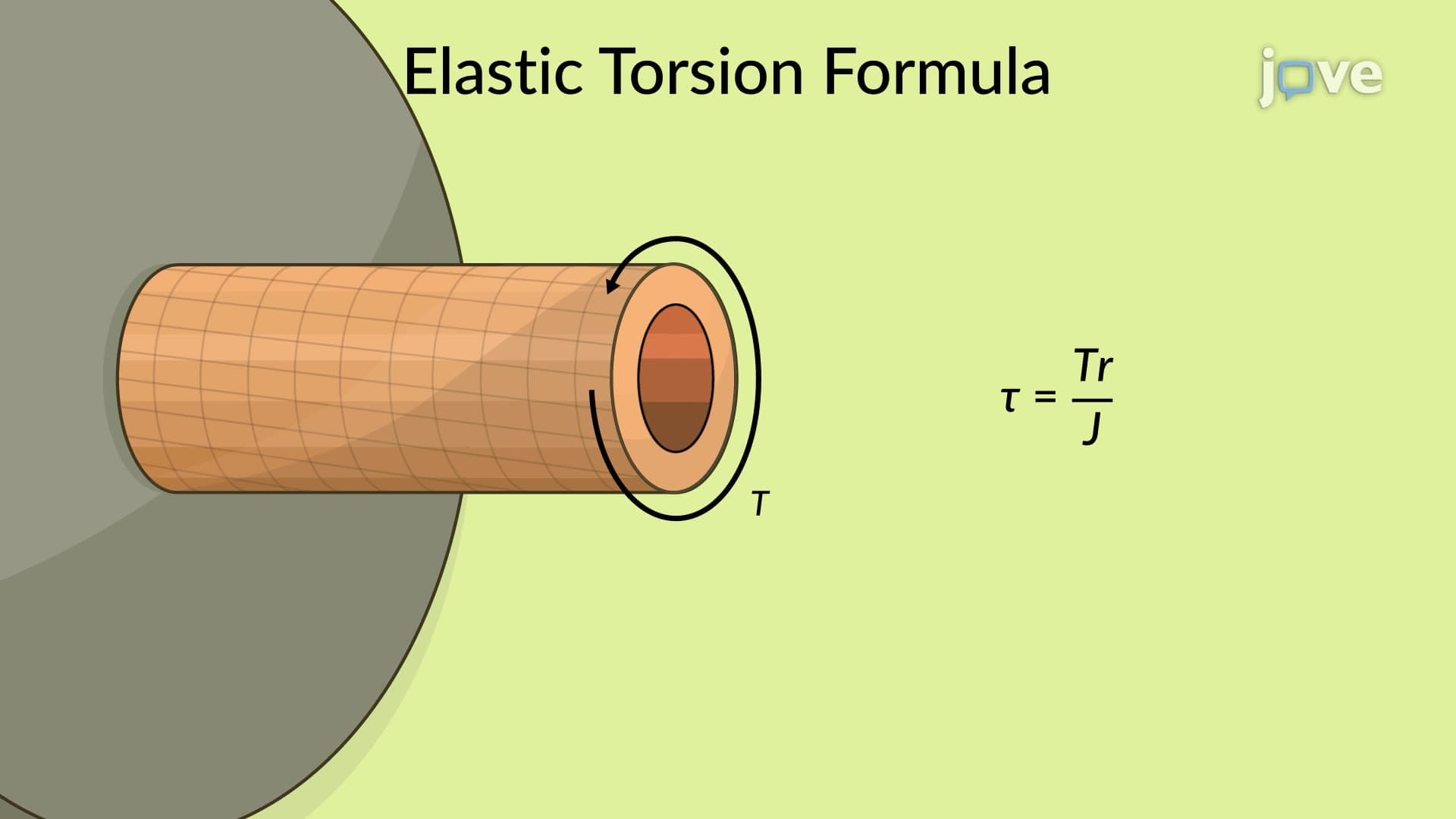
The polar moment of inertia (J) depends entirely on shaft geometry, particularly the fourth power of the radius for solid circular shafts: J = πr⁴/2. This mathematical relationship explains why doubling a shaft's diameter increases its torsional stiffness by a factor of 16—a principle exploited in high-performance applications like Formula 1 racing or military aircraft design.
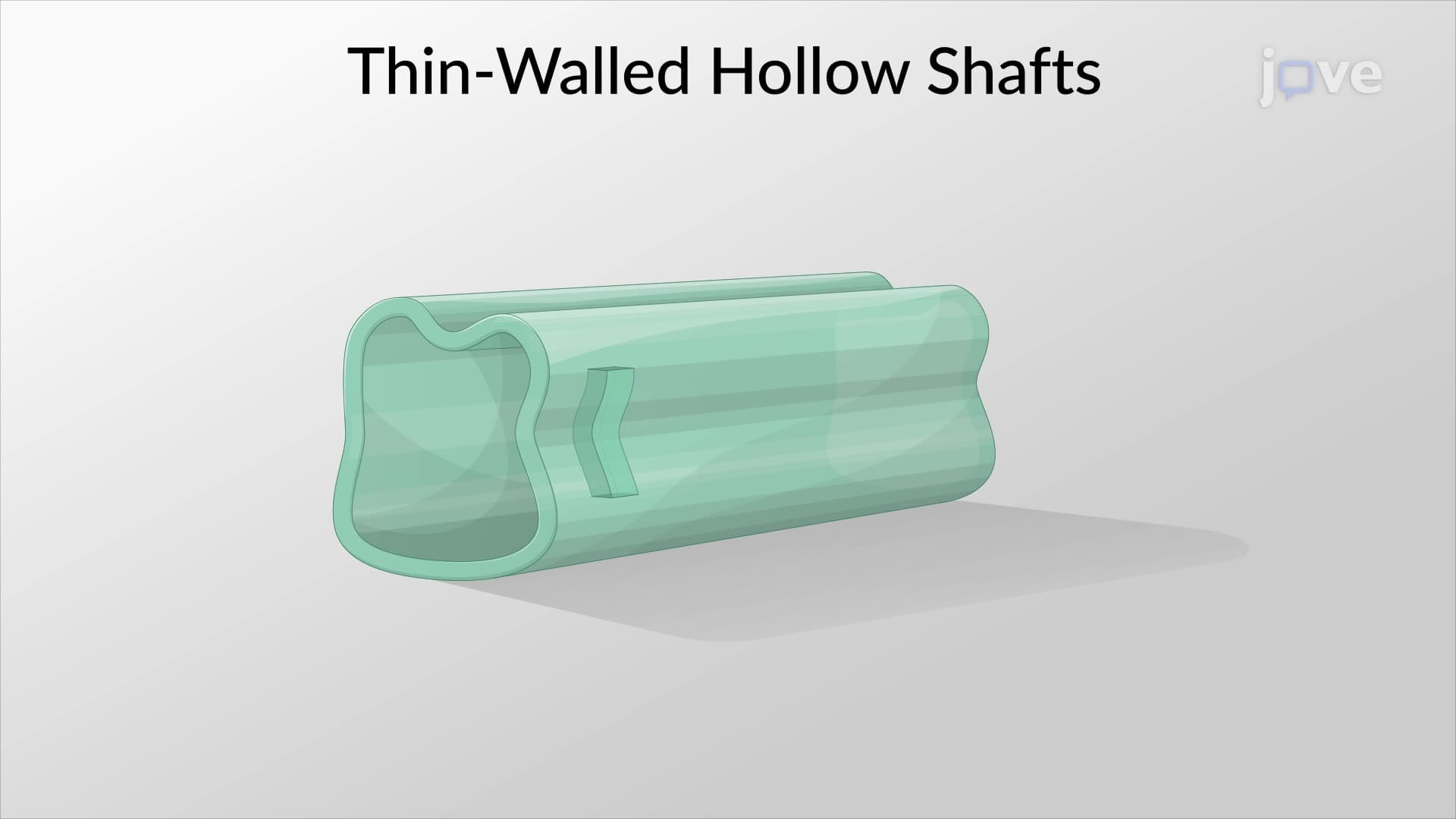
Hollow shafts, commonly found in bicycle frames and aircraft structures, require modified calculations accounting for both outer and inner radii. These weight-optimized designs demonstrate advanced engineering principles frequently tested in college-level mechanics of materials courses and professional engineering examinations.
Successful angle of twist problem solving demands systematic application of static equilibrium principles. Engineers create free-body diagrams by making imaginary cuts through shaft cross-sections, then apply the fundamental rule that internal torques must balance external applied torques. This methodology appears consistently in MCAT physics sections, AP Physics C rotational mechanics problems, and undergraduate engineering curricula nationwide.
Multi-pulley systems, like those found in automotive serpentine belt drives or industrial manufacturing equipment, require careful analysis of torque distributions. Each pulley introduces or removes torque from the shaft system, creating varying internal stress patterns that directly affect local twist angles—calculations essential for preventing catastrophic failures in critical applications.
Frequently Asked Questions
Angle of twist problem solving is the systematic calculation of angular deformation in rotating shafts under applied torques. It's crucial for designing safe, efficient mechanical systems from car transmissions to wind turbines. Engineers use these calculations to prevent shaft failures, optimize material usage, and ensure proper mechanical performance in rotating machinery applications.
MCAT physics sections frequently test torsional mechanics through conceptual questions about material properties and rotational equilibrium. AP Physics C mechanics exams typically include quantitative problems requiring students to apply the twist angle formula, analyze free-body diagrams, and solve multi-step equilibrium calculations. Both exams emphasize understanding relationships between torque, geometry, and material properties.
Focus on the fundamental twist equation θ = TL/(GJ), polar moment calculations for circular shafts, and free-body diagram analysis for multi-torque systems. Practice converting between radians and degrees, solving for unknown torques using equilibrium conditions, and analyzing hollow vs. solid shaft designs. These skills appear consistently in midterm and final examinations across engineering programs.
Automotive engineers use these principles designing drivetrain components for companies like General Motors and Tesla, ensuring proper power transmission without excessive shaft deformation. Aerospace applications include Boeing and Lockheed Martin turbine shaft designs, while renewable energy companies apply these concepts to wind turbine main rotors and generator shafts throughout the Midwest wind corridor.
The basic concepts are accessible to students with solid algebra and trigonometry backgrounds, typically covered in AP Physics courses. The mathematical relationships are straightforward once you understand the physical meaning of each variable. Starting with simple, single-torque problems builds confidence before tackling complex multi-pulley systems found in advanced coursework.
Practice systematic problem-solving: always start with a clear free-body diagram, identify all known and unknown variables, apply equilibrium conditions methodically, and double-check units throughout your calculations. Focus on understanding the physical meaning behind each step rather than memorizing formulas, as exam problems often require creative application of fundamental principles.
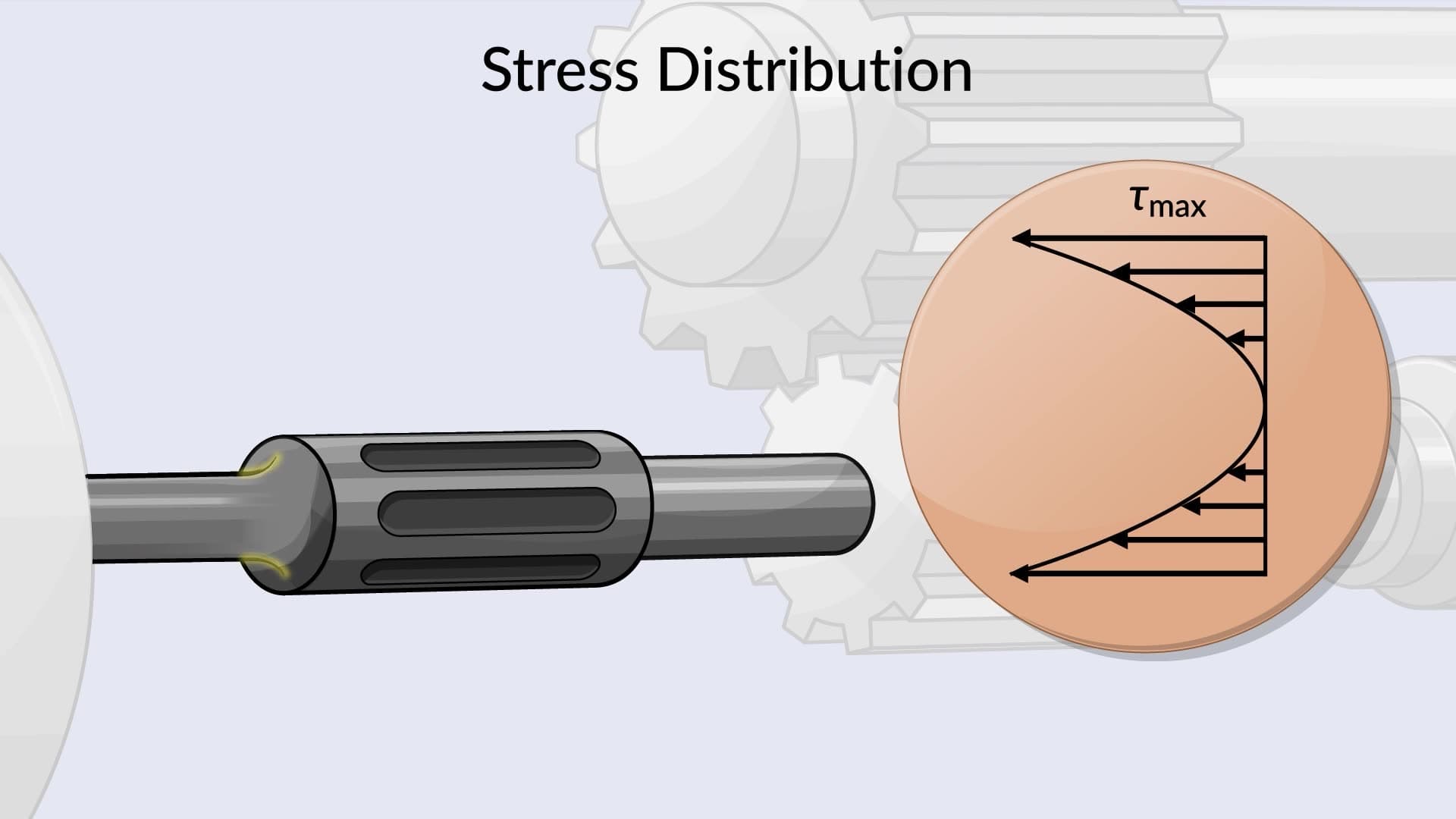
Progress to combined loading scenarios where shafts experience both torsion and bending, study stress concentration factors around keyways and shoulders, and explore dynamic loading effects in high-speed rotating machinery. Advanced courses cover topics like torsional vibrations, fatigue analysis, and composite material behavior under rotational loads.
Engineers balance multiple factors including modulus of rigidity, density, cost, and environmental resistance when selecting shaft materials. Steel offers high stiffness but adds weight, while aluminum reduces mass at the expense of increased deformation. Carbon fiber composites provide exceptional strength-to-weight ratios but require specialized analysis techniques beyond basic twist calculations.
Related Micro-courses

Related Subjects
 Civil Engineering 30 micro-courses›Electrical Engineering 33 micro-courses›