Loading subject page…

- Mechanical Engineering
- Torsion
- Deformation in a Circular Shaft
Micro-course: Torsion
5,181 views
Learn key concepts and earn your certificate.

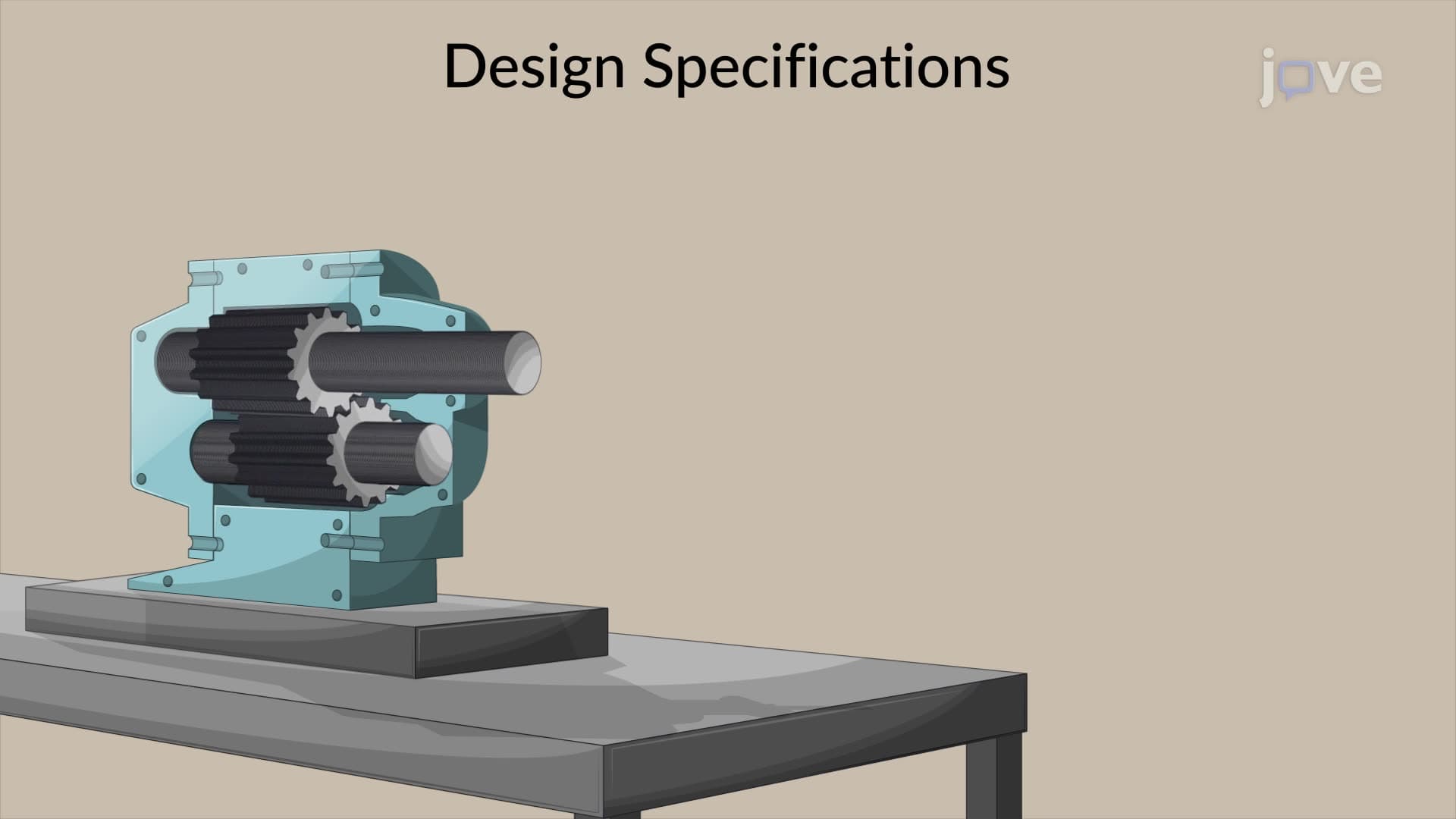
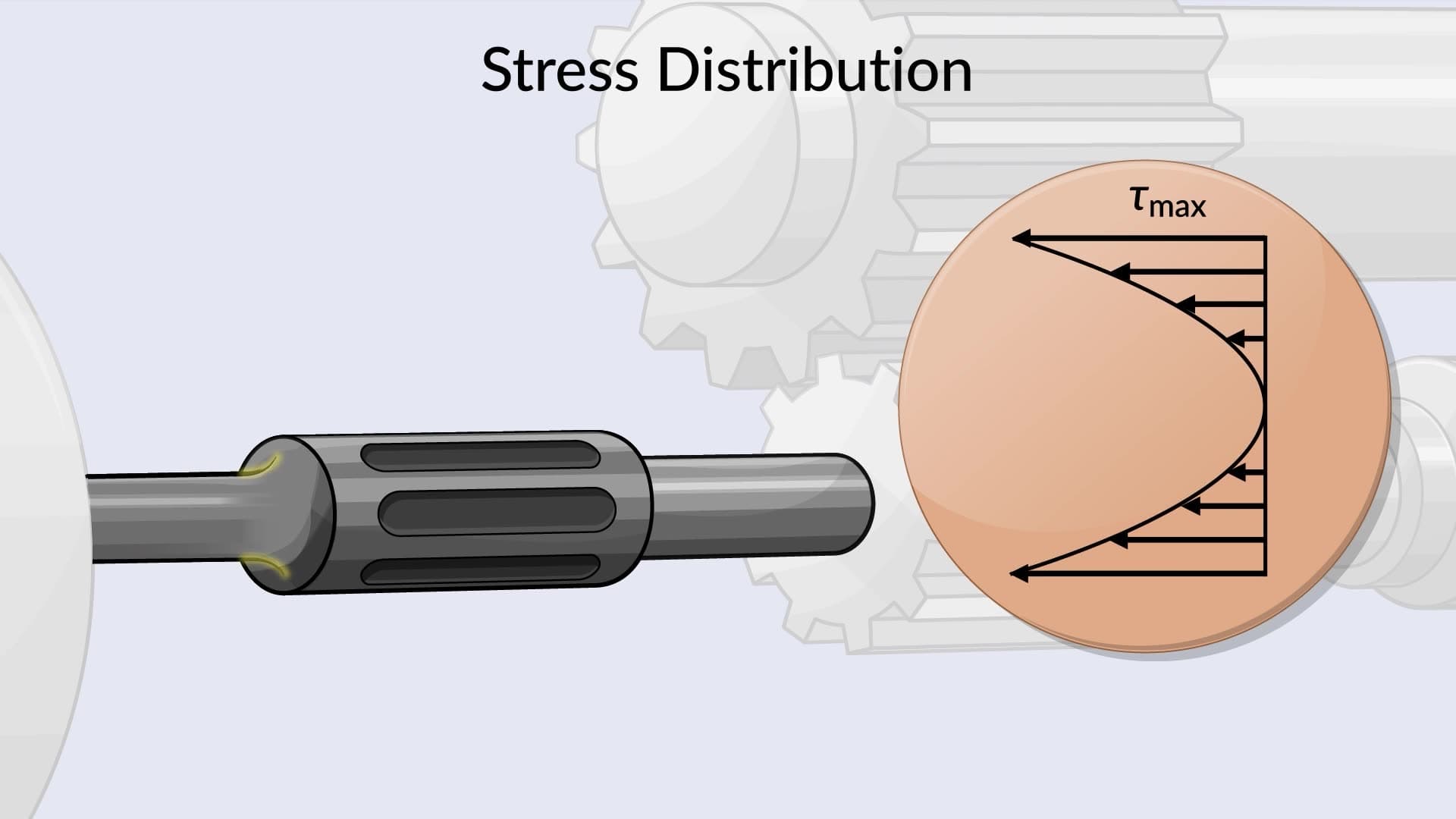

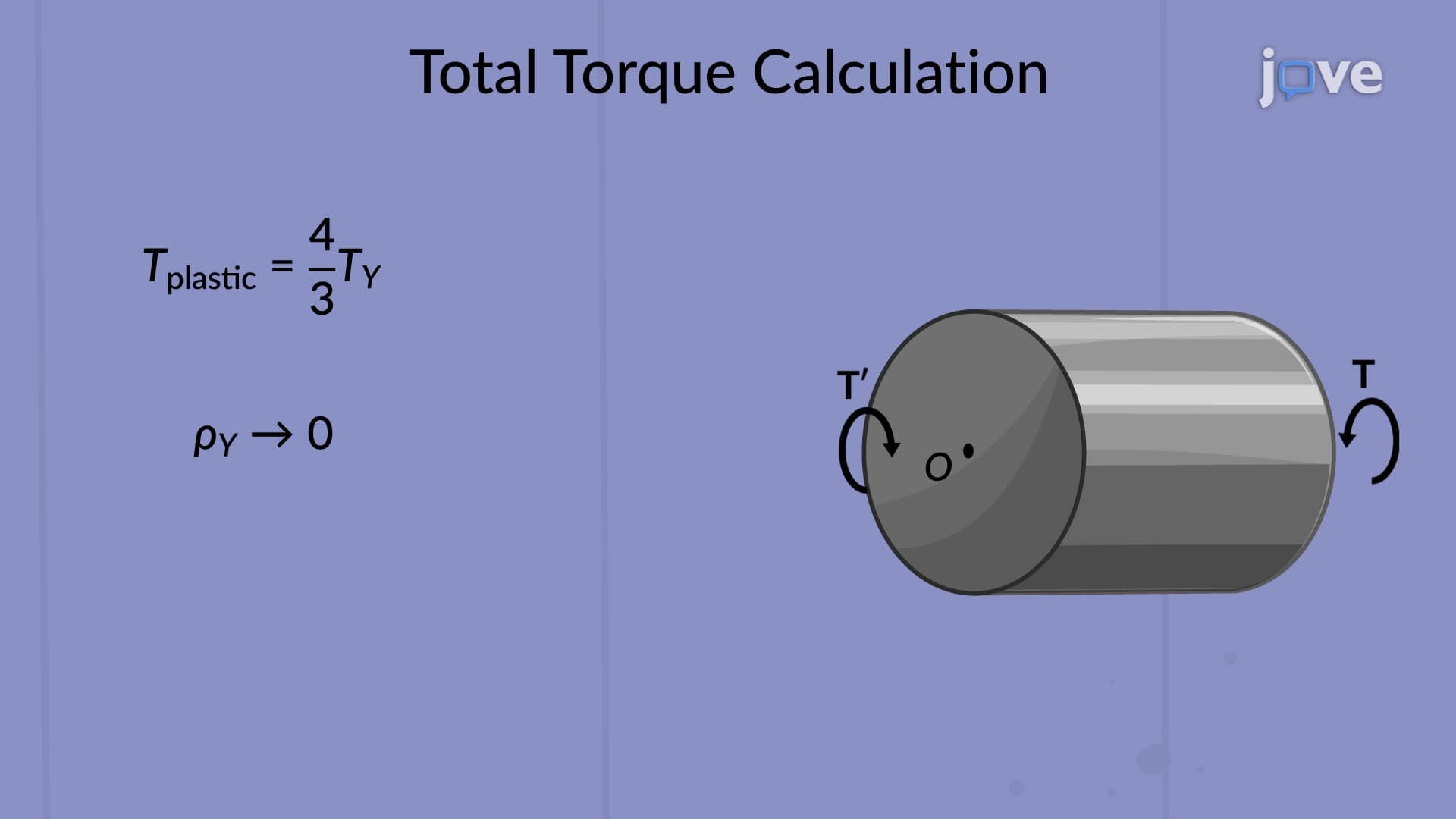
Deformation in a Circular Shaft
00:00
01:10
- Understand how deformation in a circular shaft occurs when torsional loads are applied and why cross-sections remain planar
- Identify the relationship between shearing strain, angle of twist, and radial distance from the shaft's center axis
- Analyze why maximum shearing strain always occurs at the outer surface of circular shafts under torsion
- Apply geometric principles to determine strain distribution patterns in cylindrical shaft elements
- Recognize how small square elements deform into rhombic shapes during torsional loading
- Evaluate the significance of the "plane sections remain plane" assumption in circular shaft analysis
- Compare strain variations between different radial positions within the same cross-section
- Explore practical applications of torsional deformation in mechanical engineering design problems
Understanding Deformation in a Circular Shaft Fundamentals
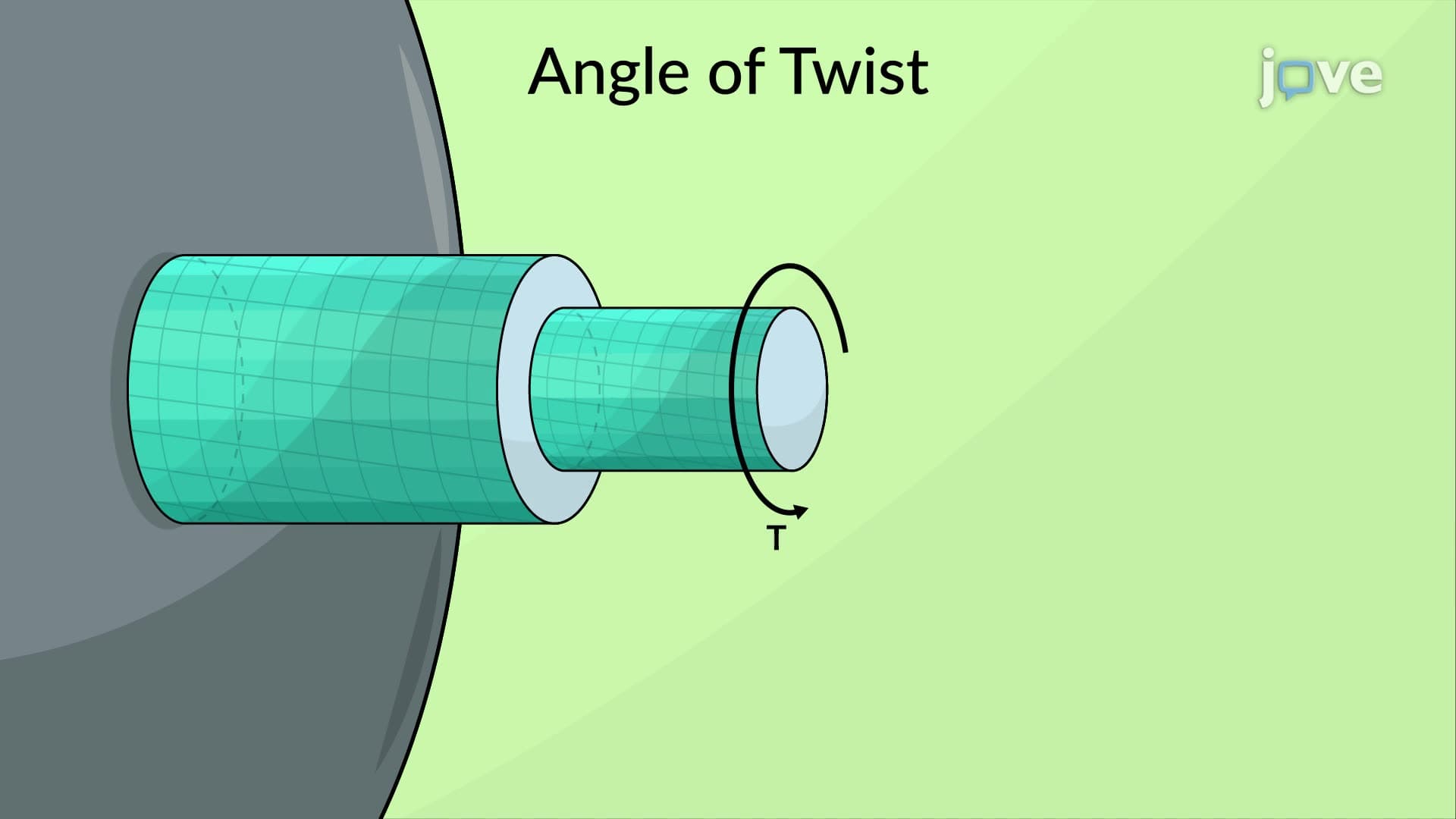
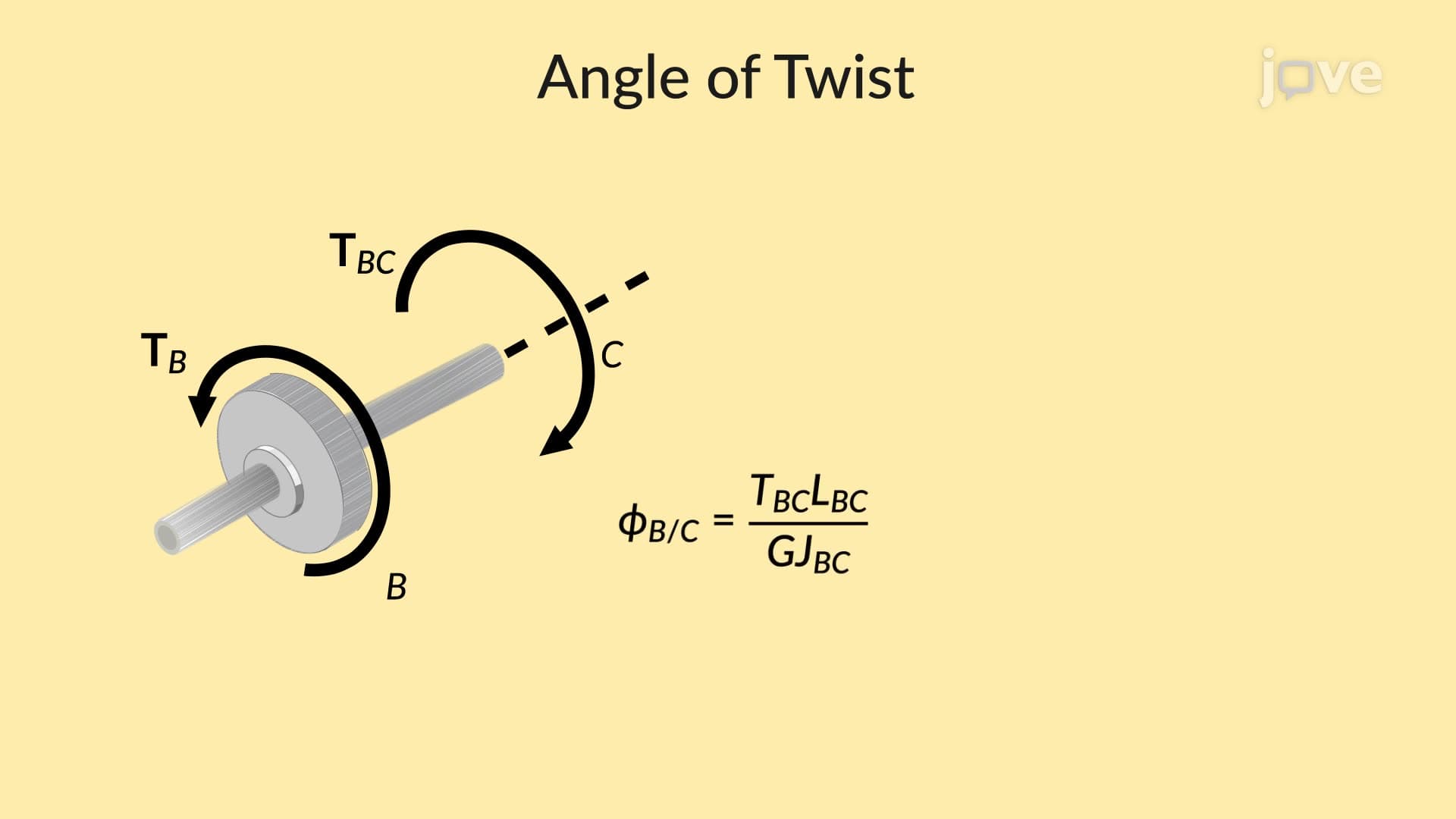
Deformation in a circular shaft represents one of the most elegant principles in mechanical engineering. Unlike other structural shapes, circular shafts possess a unique property: under torsional loading, every cross-section rotates as a rigid body while maintaining its original planar configuration. This behavior forms the foundation for analyzing everything from automotive drive shafts to industrial machinery spindles.
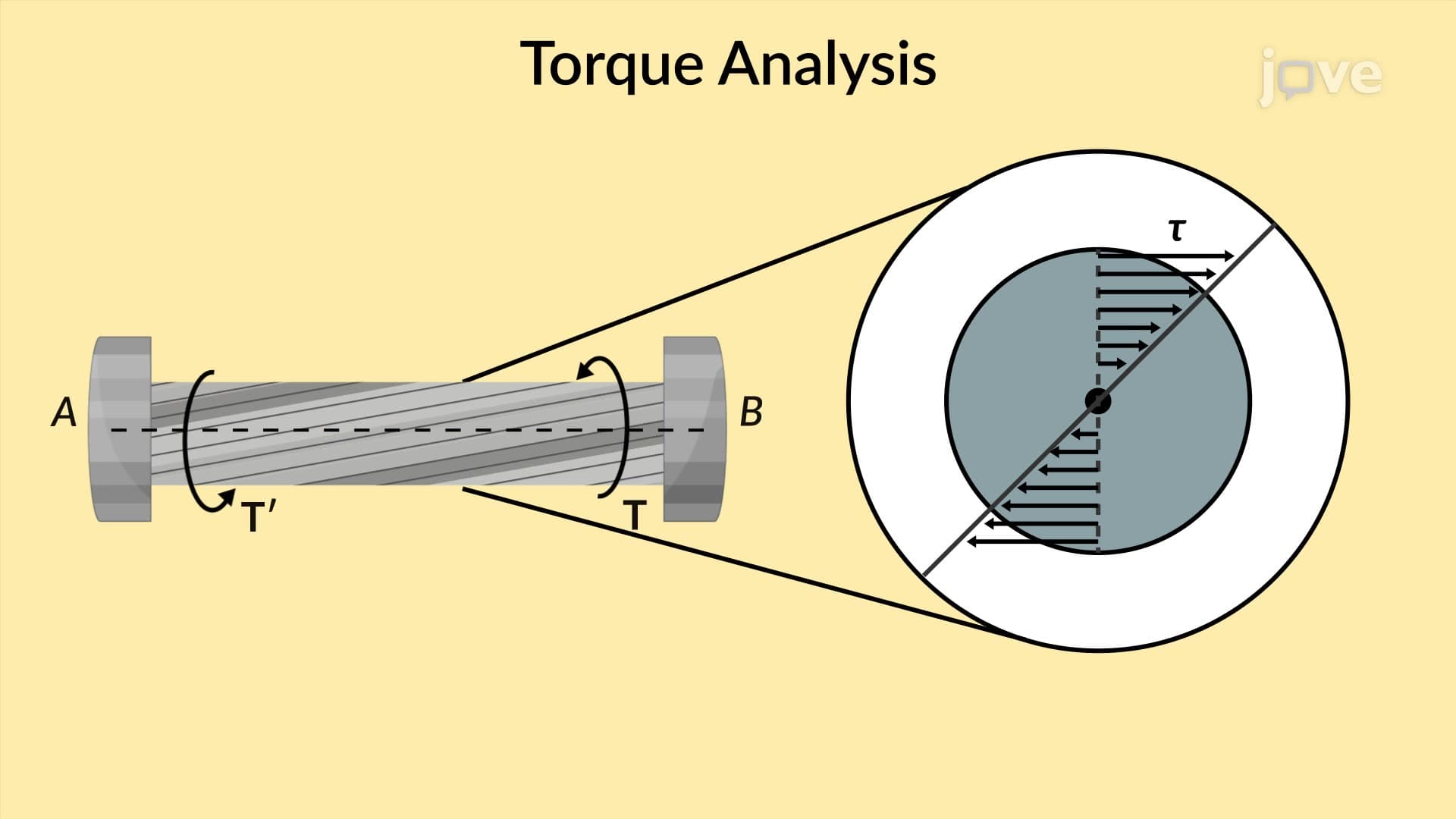
The mathematical beauty lies in the linear relationship between shearing strain and radial distance. At the shaft's centerline, shearing strain equals zero, increasing proportionally as you move outward. This creates a predictable strain distribution that engineers at companies like Caterpillar and John Deere use to optimize equipment designs.
Geometric Analysis of Shaft Element Deformation
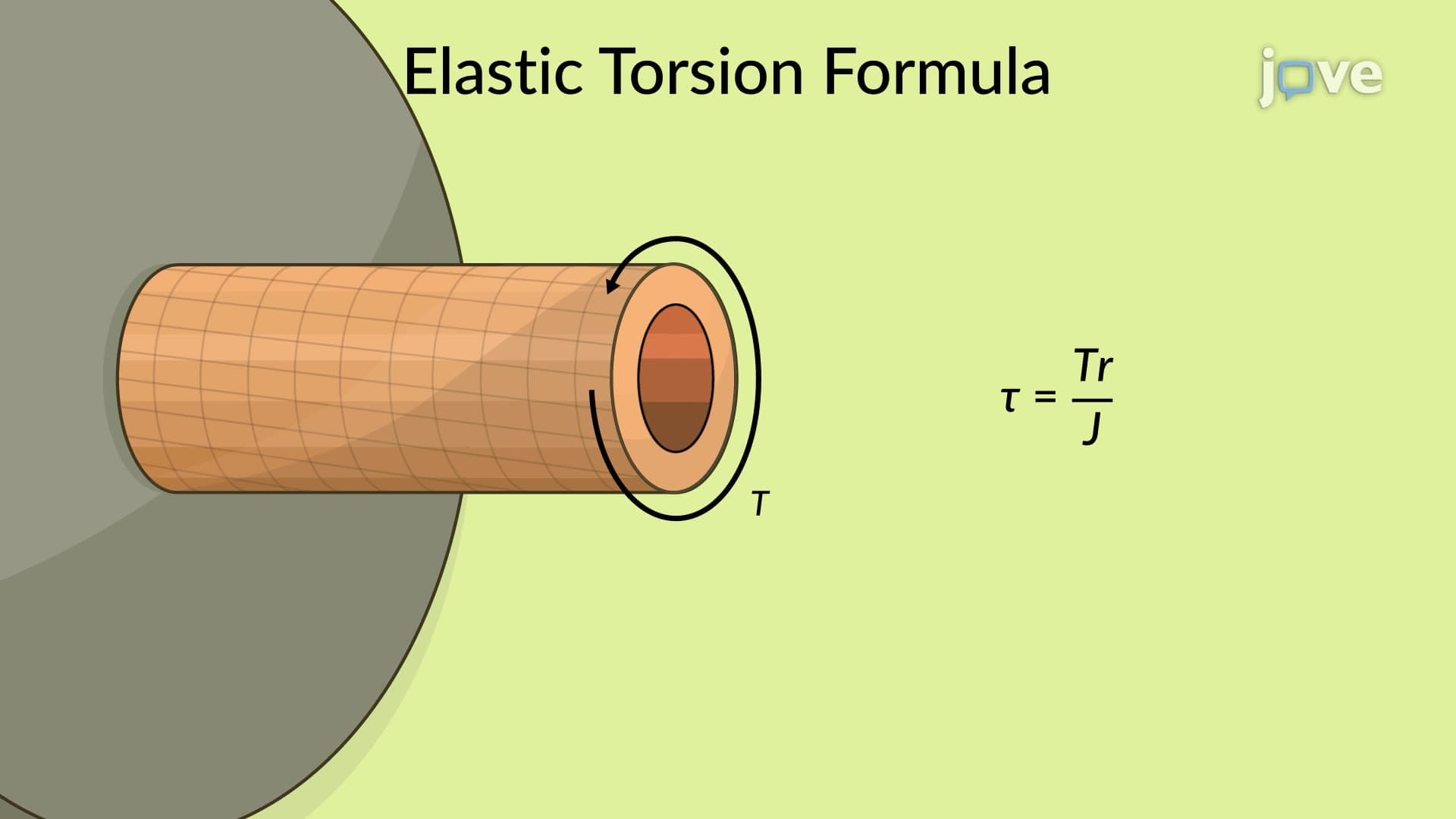
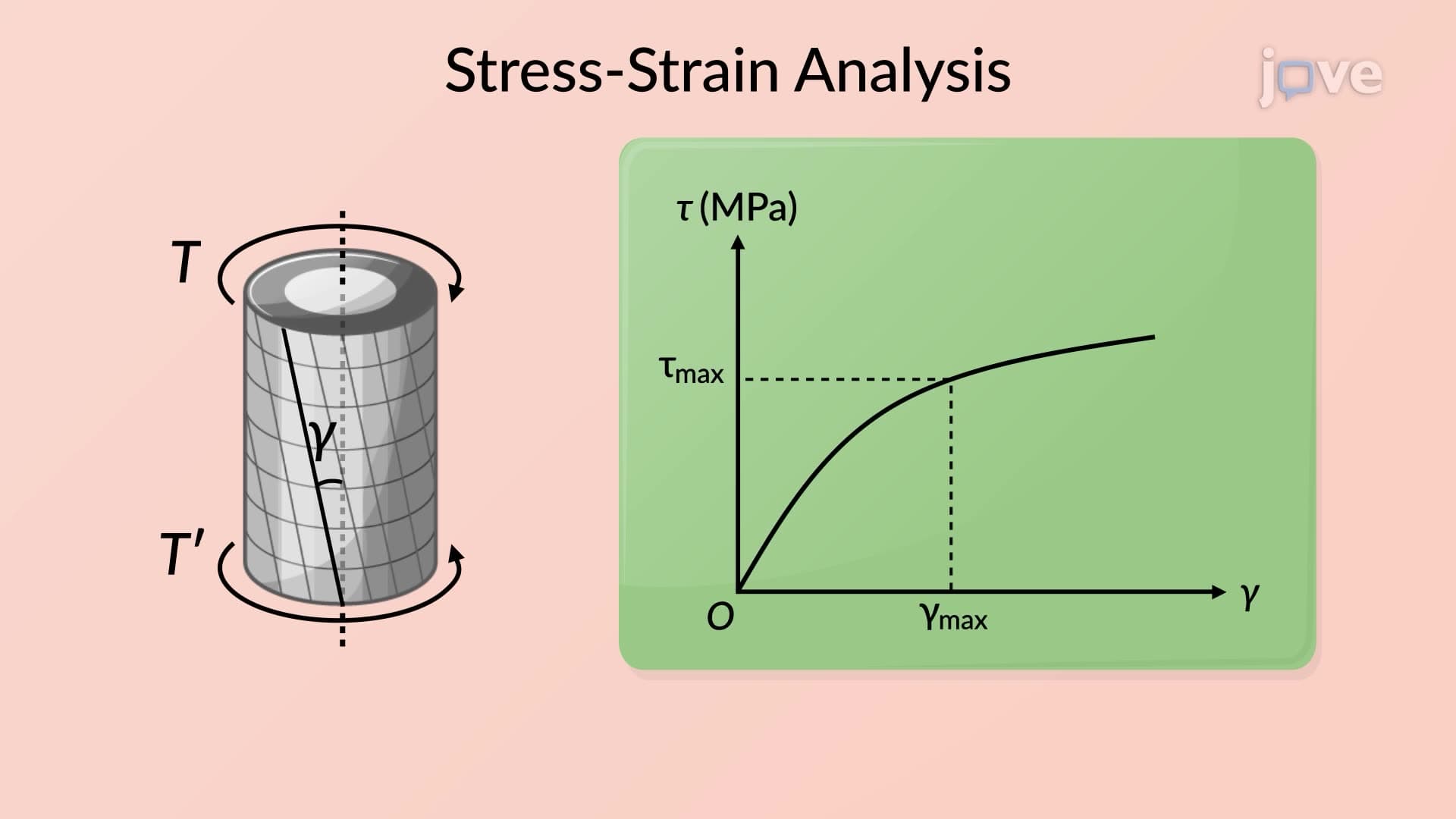
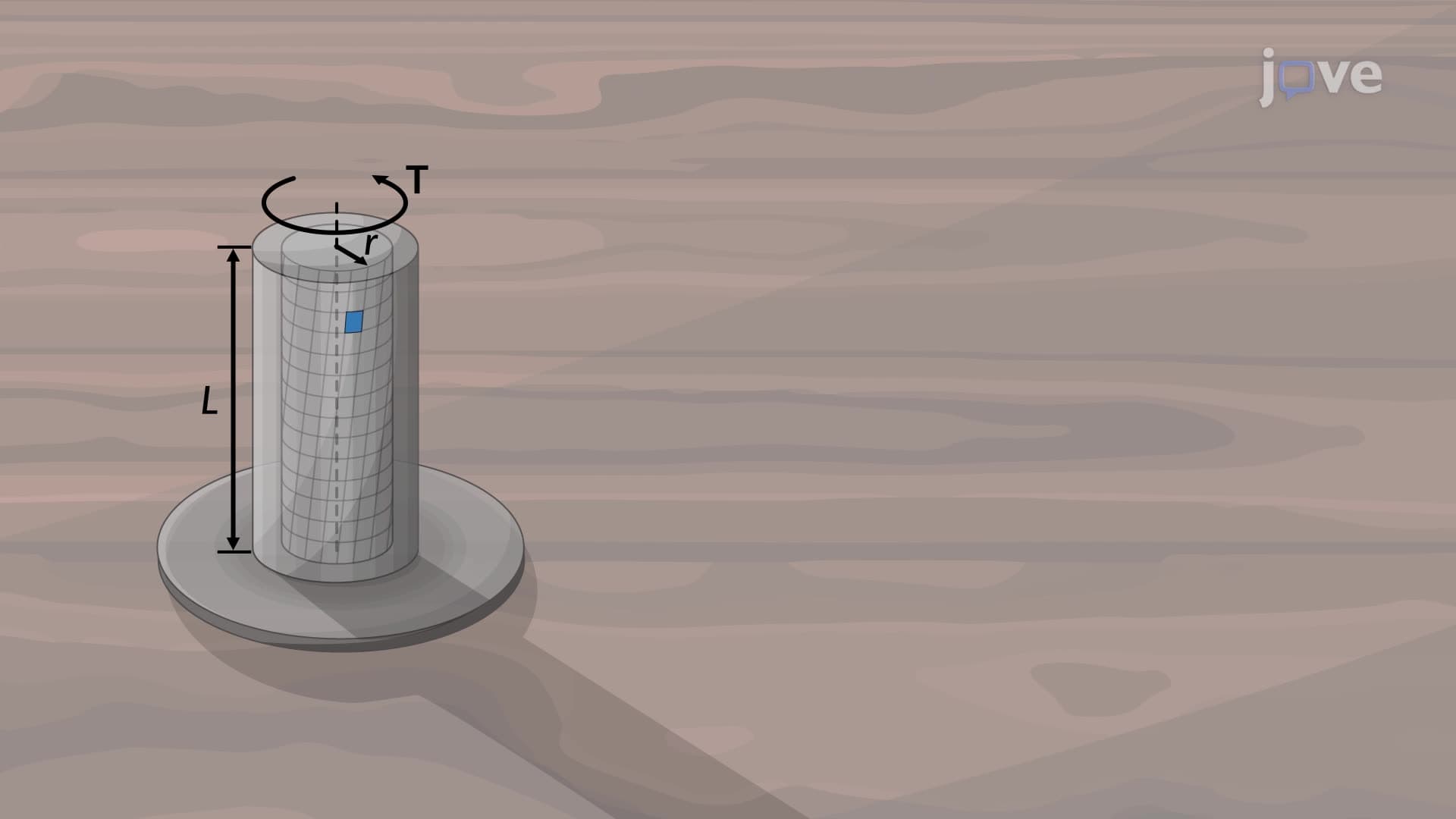
Consider a thin cylindrical element within the shaft, bounded by two circular cross-sections and radial lines. Before loading, surface elements appear as perfect squares. Under torsion, these squares transform into rhombi, with the angular distortion representing shearing strain. The angle between originally perpendicular lines quantifies this deformation.
This geometric transformation explains why hollow shafts often outperform solid ones in weight-critical applications. Since maximum stress occurs at the outer surface, removing material from the center maintains strength while reducing weight—a principle used extensively in aerospace applications at companies like Lockheed Martin and SpaceX.
Practical Applications and Engineering Significance
Real-world applications span numerous industries. In automotive engineering, understanding shaft deformation helps design transmission systems that handle varying torque loads. The Tesla Model S drive unit, for instance, relies on precise torsional analysis to ensure reliability under rapid acceleration conditions.
This concept frequently appears in AP Physics C: Mechanics exams and undergraduate Mechanics of Materials courses. Students encounter problems involving shaft design, maximum allowable twist angles, and material selection criteria. The College Board often tests understanding of the linear strain distribution relationship in multiple-choice format.
Advanced Considerations for Engineering Applications
Professional engineers must consider factors beyond basic theory. Temperature effects, material properties, and dynamic loading conditions all influence actual shaft behavior. The Federal Aviation Administration requires extensive torsional analysis for aircraft propeller shaft certifications, demonstrating the concept's critical importance in safety-critical applications.
Understanding these principles prepares students for advanced topics like composite shaft analysis and optimization techniques used in modern engineering practice.
Frequently Asked Questions
Deformation in a circular shaft refers to the unique way cylindrical shafts twist under torsional loads while maintaining flat cross-sections. Unlike rectangular or I-shaped sections that warp significantly, circular cross-sections rotate as rigid bodies, making analysis much simpler and more predictable.
Exam questions typically involve calculating maximum shearing strain, comparing strain at different radial positions, or determining required shaft diameter for given torque loads. The College Board often tests the linear relationship between strain and radius through conceptual multiple-choice questions.
Focus on problems involving strain distribution calculations, angle of twist determinations, and shaft sizing for specific applications. Many professors use automotive or aerospace examples, so practice with real-world scenarios like drive shaft design or propeller analysis.
Major applications include automotive drive shafts (Ford, GM), wind turbine shafts (GE Renewable Energy), aircraft propeller shafts (Boeing, Airbus Americas), and industrial equipment spindles (Caterpillar). Even bicycle frames and golf club shafts rely on these principles for optimal performance.
Basic algebra and trigonometry suffice for fundamental understanding. While advanced applications use calculus for integration and differentiation, the core geometric relationships rely on proportional reasoning and small-angle approximations accessible to high school students.
Create a systematic approach: identify given parameters, sketch the shaft with loading conditions, apply the linear strain relationship, and check units carefully. Practice with both theoretical problems and practical design scenarios to build confidence.
This foundation enables study of composite shafts, dynamic torsion analysis, and failure theories. It's prerequisite knowledge for advanced courses like Machine Design, Vibrations, and Finite Element Analysis commonly required in mechanical and aerospace engineering programs.
Related Micro-courses

18 Concepts
4 Concepts

Related Subjects

Civil Engineering30 micro-courses
›