Loading…
Loading video…

5,181 views
Ever wonder why a bent paperclip stays bent instead of springing back to its original shape? Plastic deformation occurs when materials are stressed beyond their yield strength, creating permanent changes that don't recover. Consider how aluminum aircraft components maintain their formed shapes even under extreme flight conditions—this permanent structural change is the essence of what is plastic deformation. Understanding this concept is crucial for analyzing material behavior in engineering applications, from automotive crankshafts to construction beams. Watch the full video on JoVE Coach to master this concept with expert-led visuals and step-by-step explanations.
Plastic deformation represents a fundamental shift in material behavior where applied stresses exceed the material's yield strength, resulting in permanent, irreversible changes to the object's shape or dimensions. Unlike elastic deformation, where materials return to their original form when stress is removed, plastic deformation creates lasting structural modifications that remain even after the applied forces are eliminated.
This phenomenon occurs at the molecular level when atomic bonds within the material's crystal structure are permanently displaced. The yield strength serves as the critical threshold—below this point, materials behave elastically, but beyond it, they enter the plastic region where permanent deformation begins.
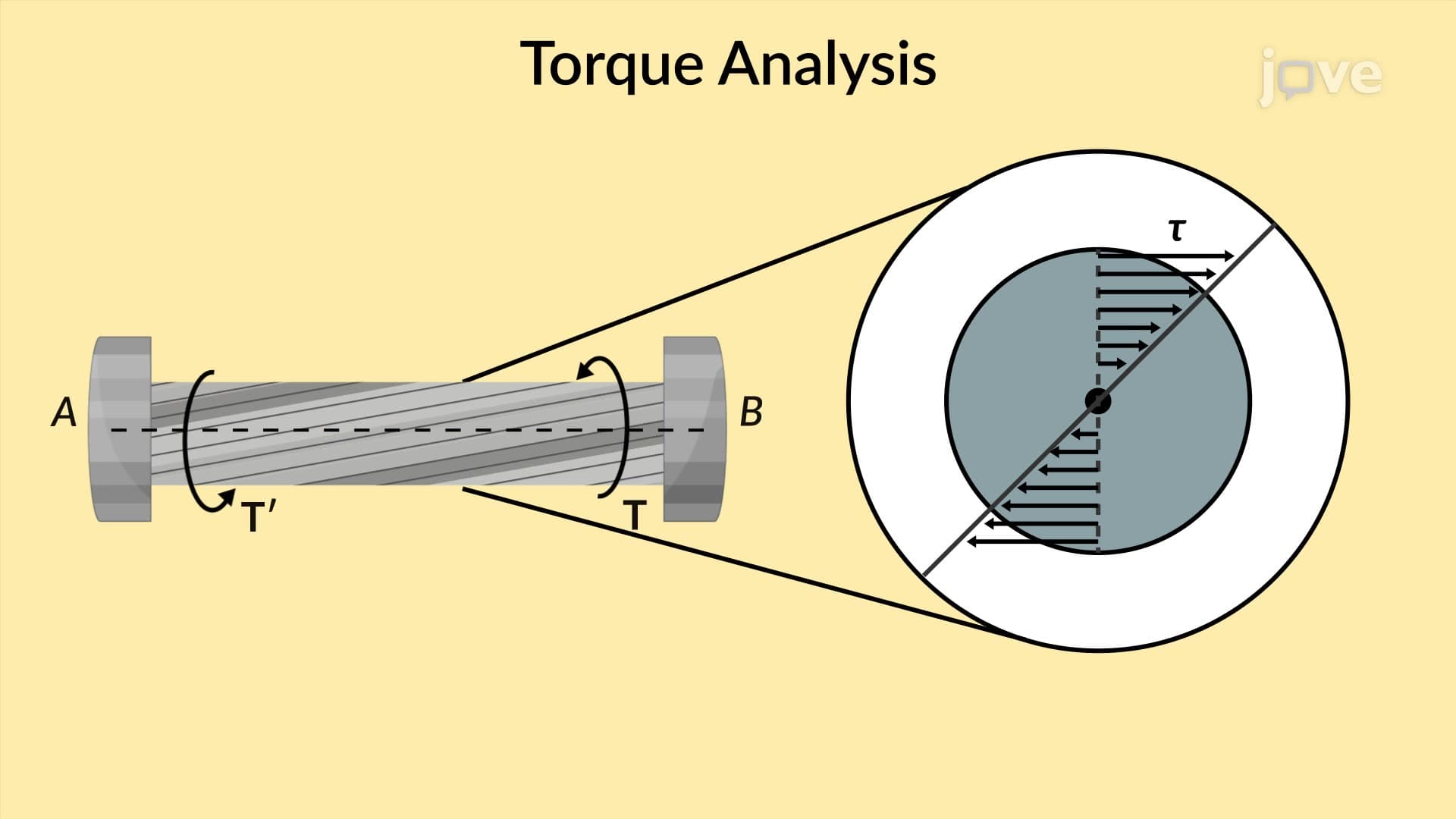
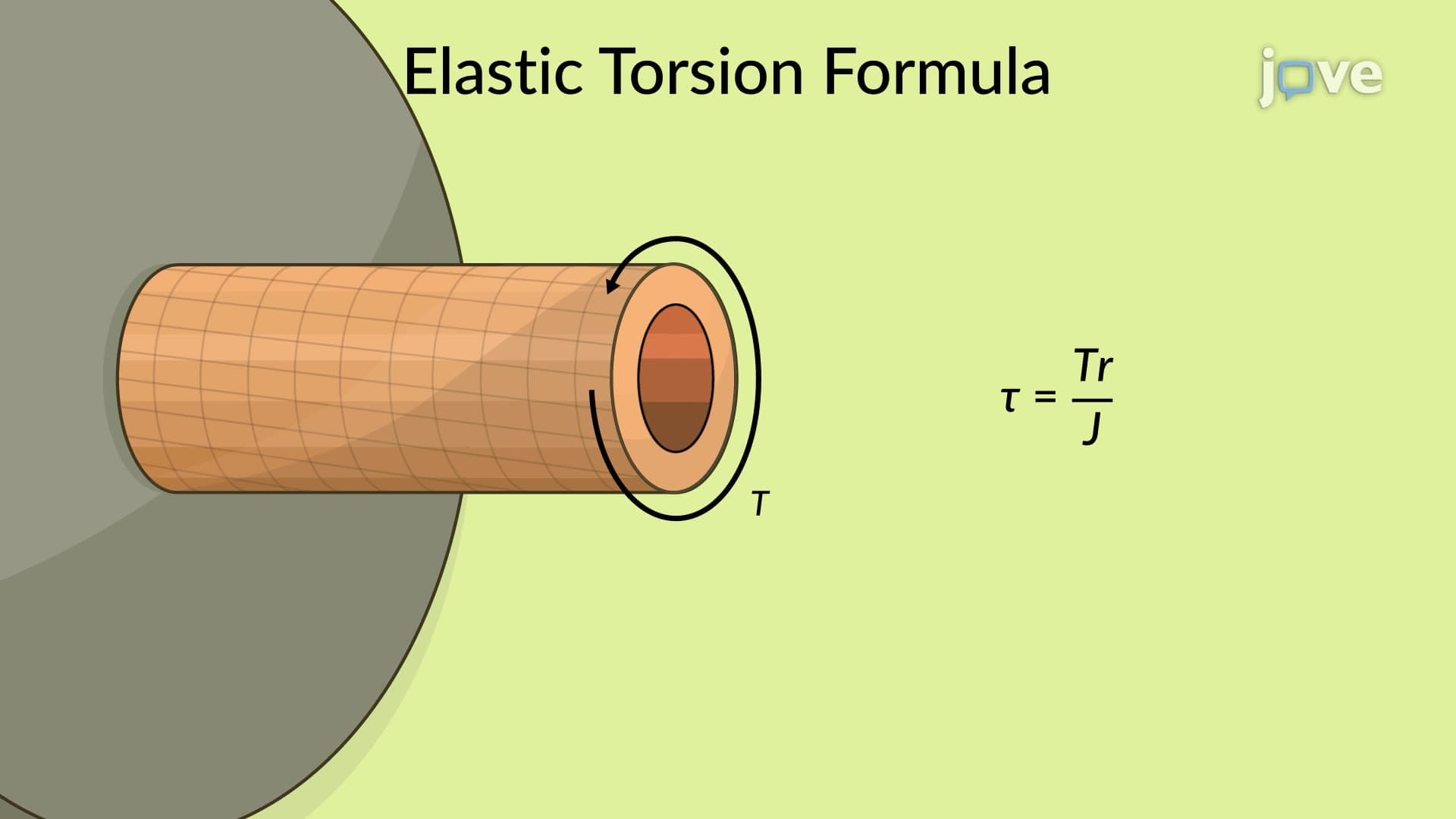
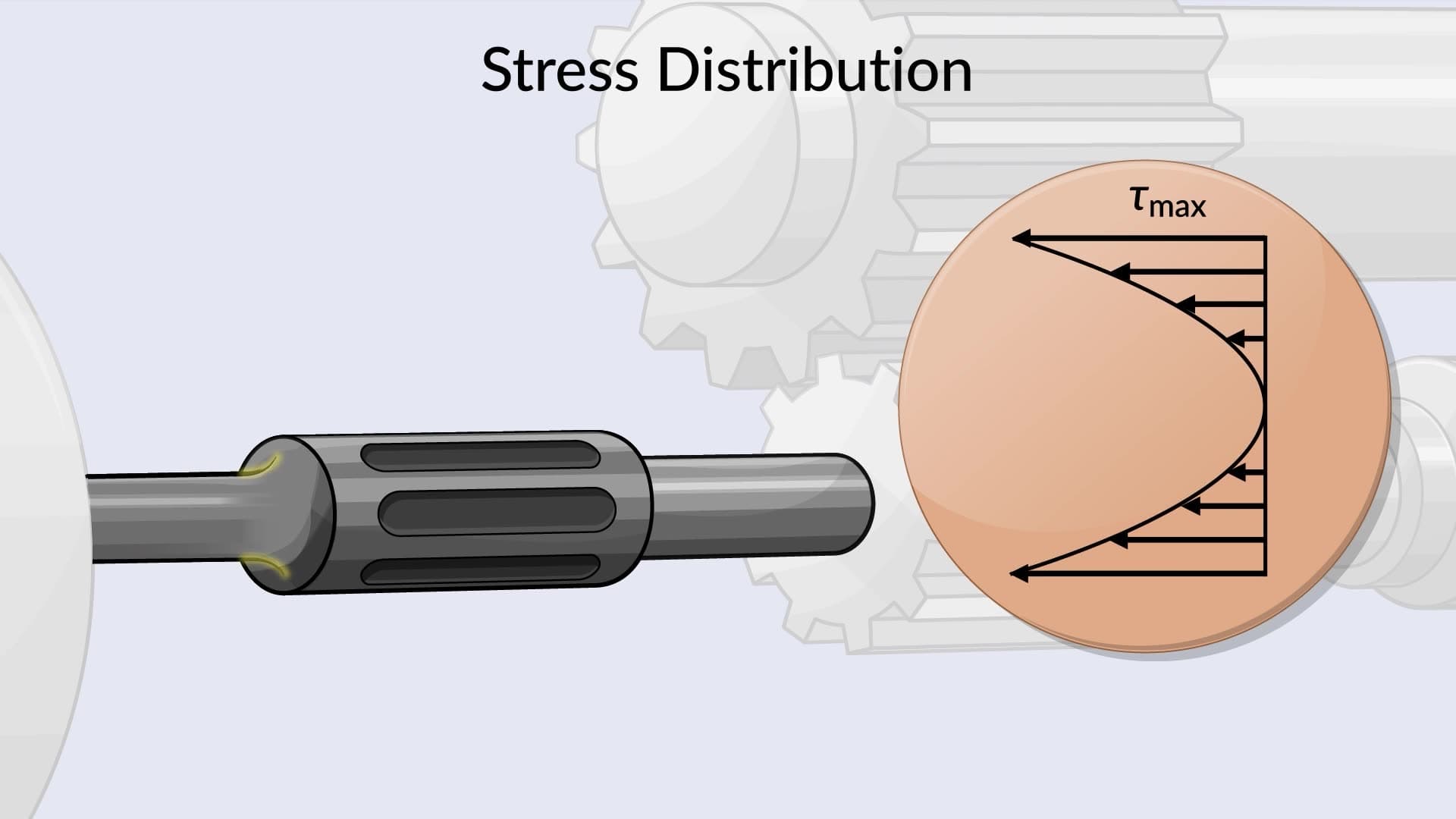
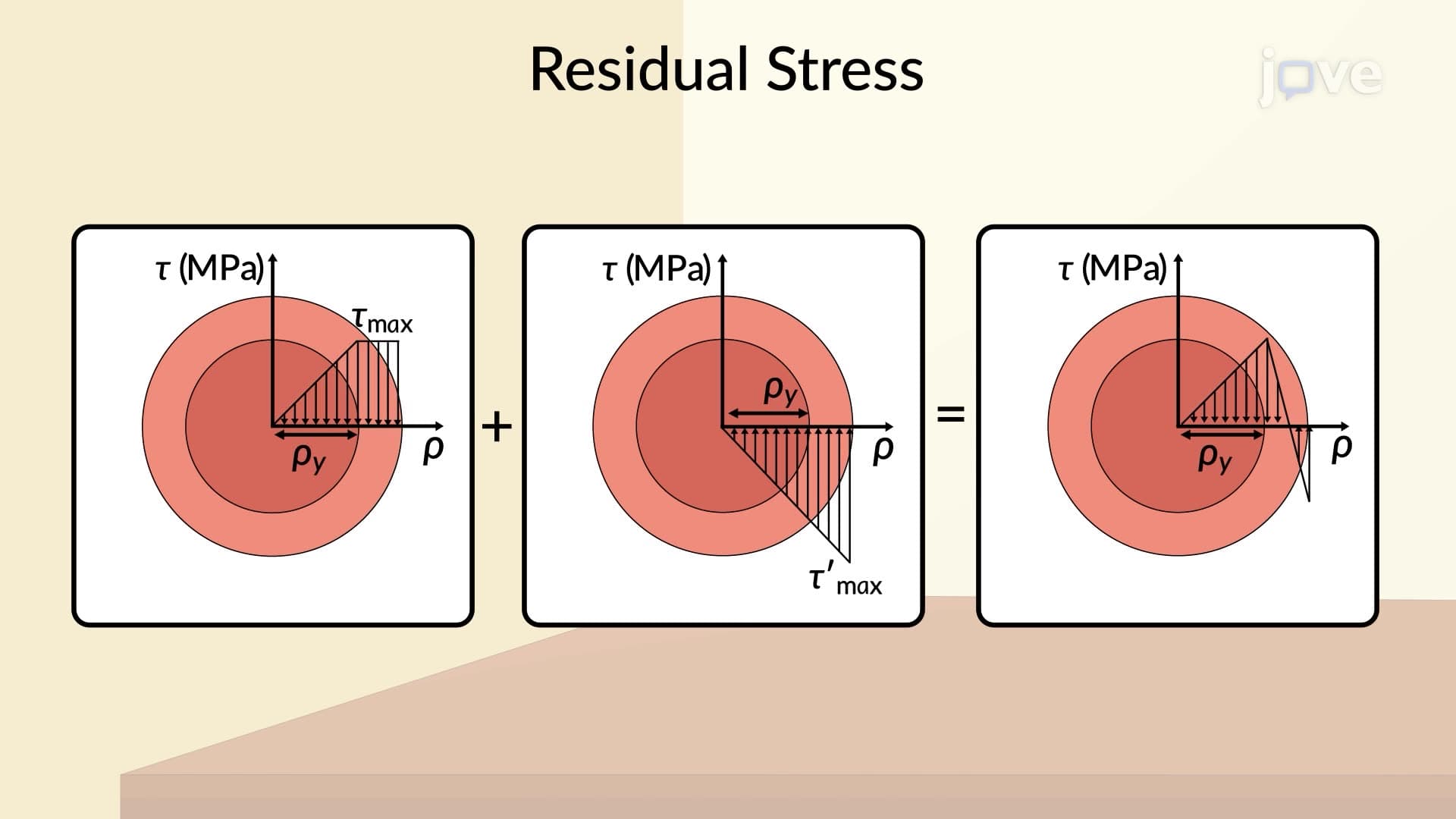
When circular shafts experience plastic deformation, the stress distribution becomes non-linear and complex. In the elastic range, shearing stress varies linearly from zero at the center to maximum at the outer surface. However, once plastic deformation begins, this relationship changes dramatically.
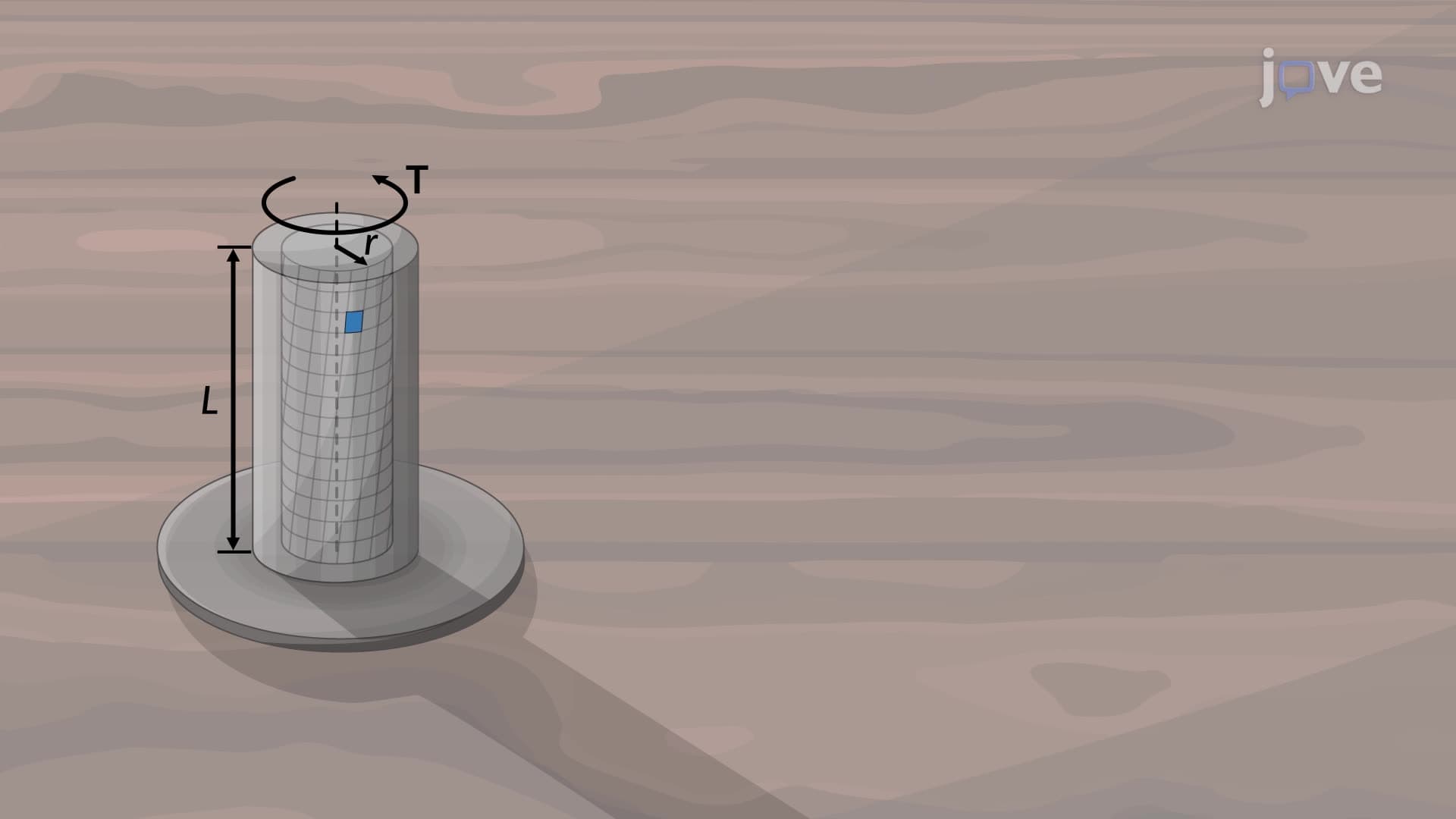
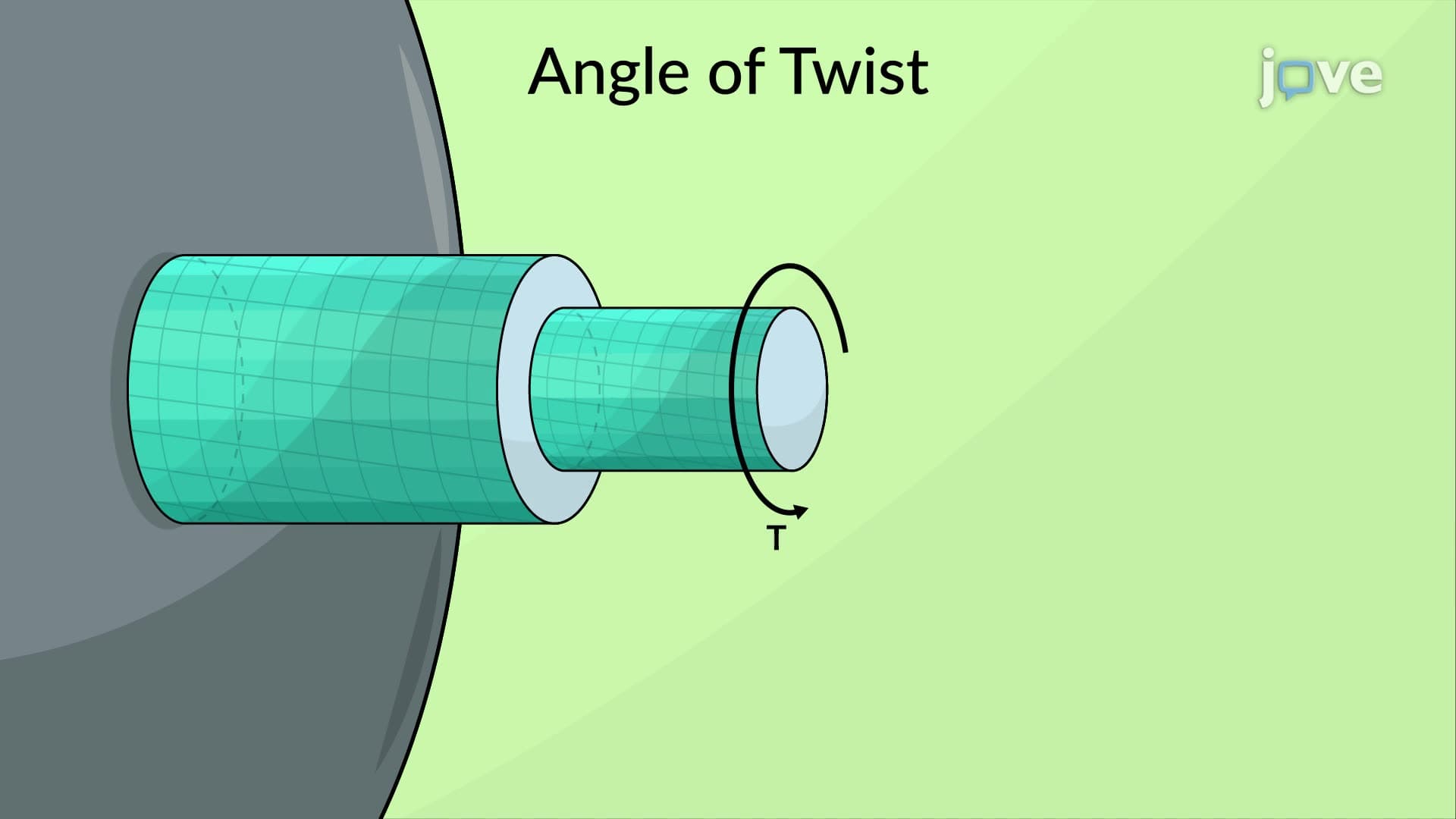
The shearing strain maintains a linear relationship with radial distance from the shaft's axis, even in the plastic range. This principle allows engineers to predict deformation patterns in rotating machinery components like drive shafts in Ford F-150 trucks or turbine rotors in General Electric power plants.
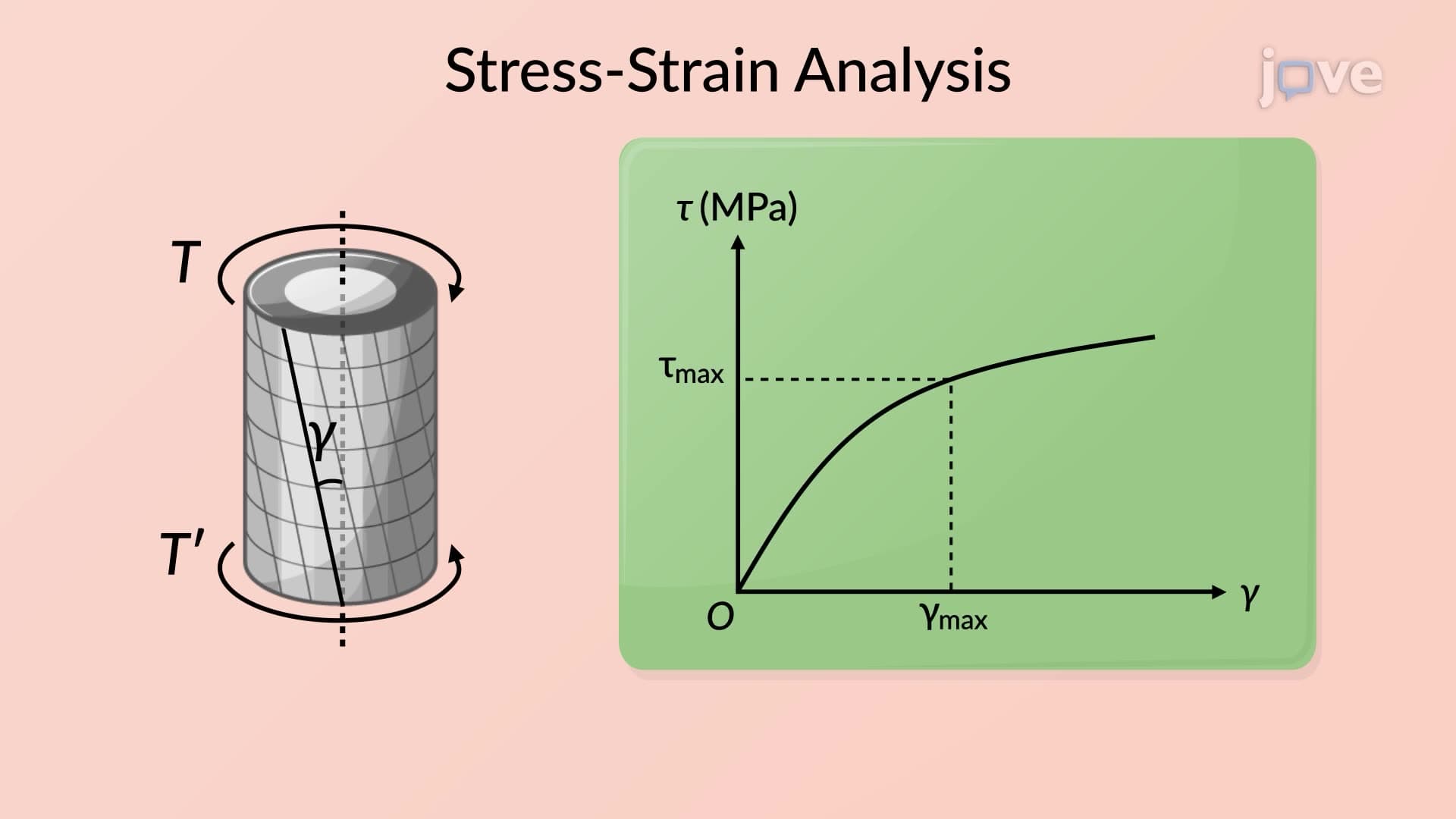
The shearing stress-strain diagram becomes crucial for understanding plastic behavior. By plotting maximum shearing stress against corresponding strain values, engineers can determine the material's plastic response characteristics. This analysis helps predict failure points and design safety margins for critical components.
In practice, this knowledge applies to designing everything from Boeing aircraft engine shafts to oil drilling equipment used in Texas refineries. Students preparing for the AP Physics exam or college-level Materials Science courses frequently encounter problems requiring analysis of these stress-strain relationships.
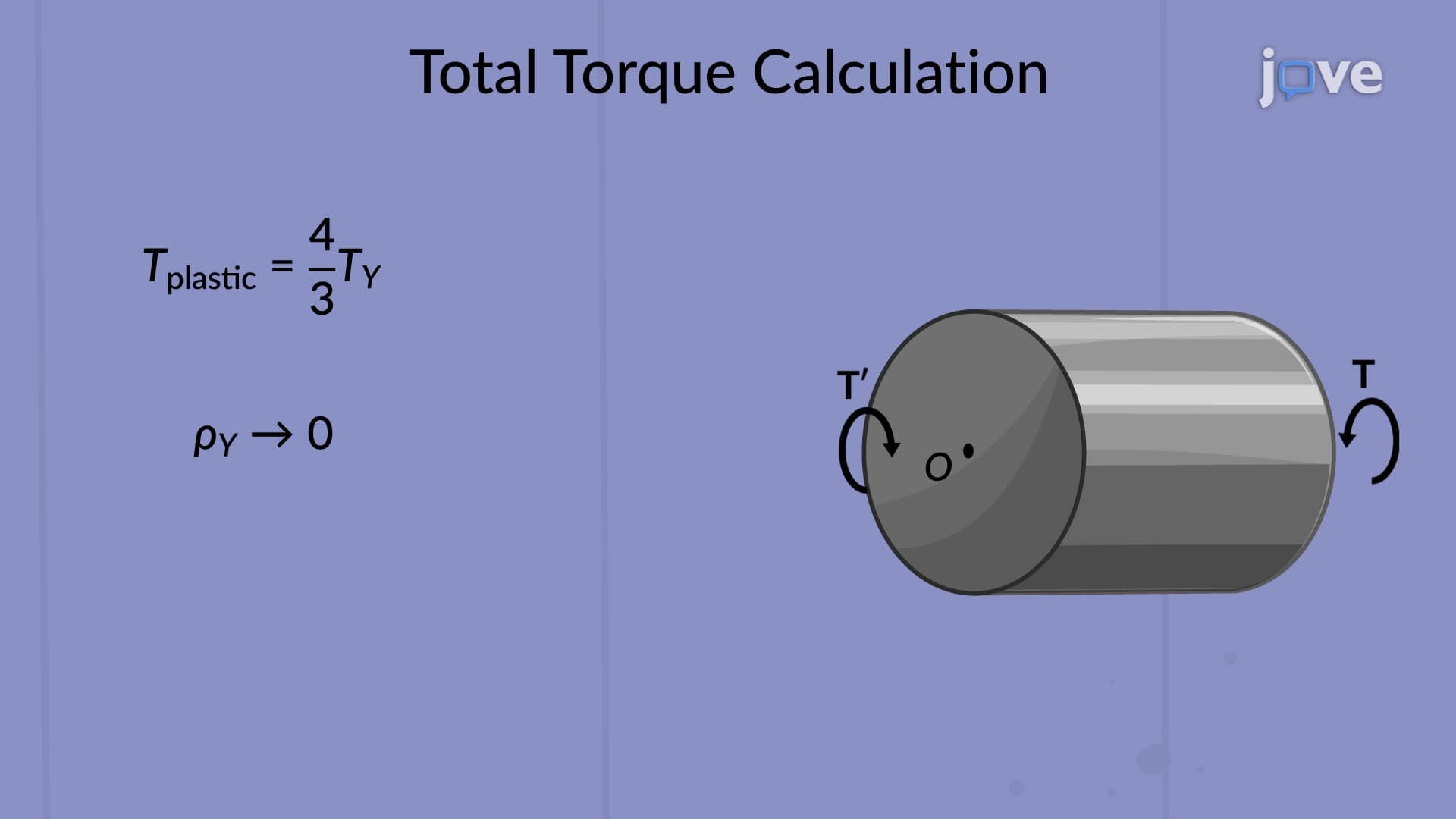
The modulus of rupture represents a fictitious stress value that corresponds to the ultimate torque causing shaft failure. This parameter helps engineers determine the maximum safe operating loads for rotating machinery components. Understanding this concept proves essential for students pursuing mechanical engineering degrees or preparing for the Fundamentals of Engineering (FE) exam.
Real-world applications include designing automotive transmissions, industrial mixer shafts, and wind turbine drive systems where accurate failure prediction prevents catastrophic breakdowns and ensures public safety.
Frequently Asked Questions
Plastic deformation is permanent material change that occurs when stress exceeds yield strength, unlike elastic deformation which is reversible. When you bend a paper clip and it stays bent, that's plastic deformation—the material has permanently changed shape and won't return to its original form even when the bending force is removed.
Plastic deformation questions typically involve stress-strain diagrams, yield strength calculations, and permanent deformation scenarios. Students must identify the yield point, calculate plastic strain, and distinguish between elastic and plastic regions on graphs. Practice with circular shaft problems and torsion analysis prepares you for both multiple-choice and free-response sections.
The MCAT Physics section includes elasticity and deformation under fluids and solids topics. Understanding stress-strain relationships helps with biomechanics questions about bone fractures and tissue damage. The concept also appears in passages about medical device design and materials used in surgical implants.
Plastic deformation is everywhere—from car dents that don't pop back out to aluminum cans that maintain their crushed shape for recycling. Construction workers rely on this principle when bending rebar for concrete reinforcement in buildings and bridges. Even your smartphone's aluminum frame demonstrates plastic deformation resistance under normal use conditions.
Not at all—the basic concept builds naturally from simple stress and strain topics covered in introductory physics. Start with everyday examples like bending objects, then progress to mathematical relationships. Many high school AP Physics courses introduce these concepts, and they're fundamental for any engineering pathway.
Focus on memorizing the yield strength concept and practicing stress-strain diagram interpretation. Work through circular shaft problems step-by-step, and create comparison charts between elastic and plastic behavior. Practice calculating maximum shearing stress and understand the modulus of rupture concept through worked examples.
Progress to strain hardening, creep deformation, and fatigue failure analysis. Explore specific material behaviors like work hardening in metals and plastic flow in polymers. Advanced courses cover finite element analysis for complex geometries and time-dependent deformation in engineering applications.
This knowledge is fundamental for mechanical, civil, and aerospace engineering roles. Companies like Caterpillar, John Deere, and Boeing require engineers who understand material failure modes. The concept directly applies to product design, safety analysis, and quality control in manufacturing industries throughout the United States.
Related Micro-courses

Related Subjects
 Civil Engineering 30 micro-courses›Electrical Engineering 33 micro-courses›