Loading subject page…


26,579 views

Video Summary: What Is Units of Measurement
When NASA's Mars Climate Orbiter crashed in 1999 due to a units conversion error between metric and imperial systems, it highlighted how crucial units of measurement are in science and engineering. Units of measurement provide the standardized language that allows scientists worldwide to communicate precise quantities, from measuring medication doses in US hospitals to calculating forces in aerospace engineering. The concept encompasses base units like meters and kilograms in the SI system, and feet and pounds in the US Customary system, plus derived units like newtons for force. Watch the full video on JoVE Coach to master this concept with expert-led visuals and step-by-step explanations.
Units of measurement serve as the universal language of science, providing standardized ways to express physical quantities. At their core, units allow us to communicate precise information about the world around us-whether a pharmacist is measuring medication in milligrams or an engineer is calculating the load capacity of a bridge in pounds per square inch.
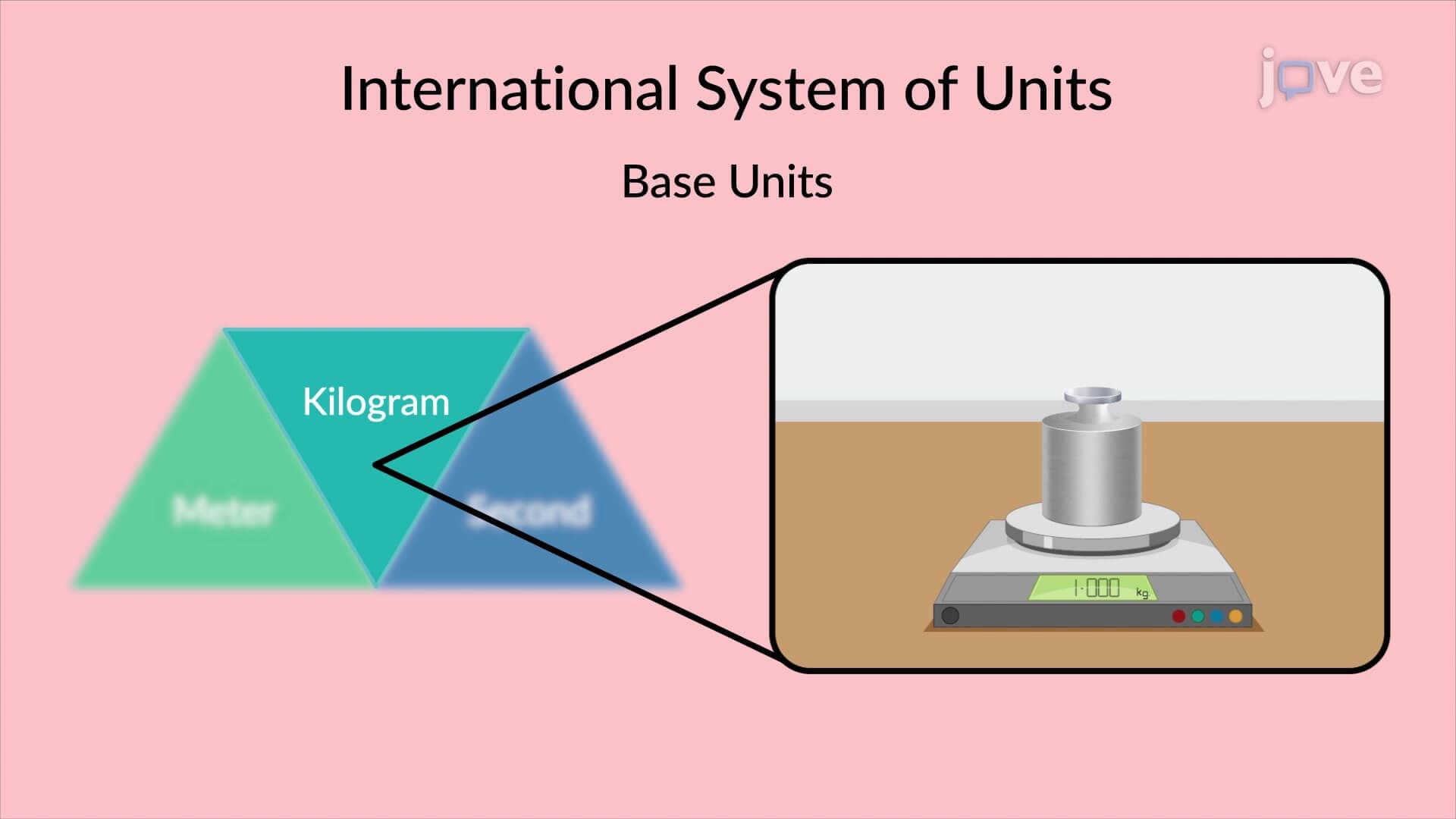
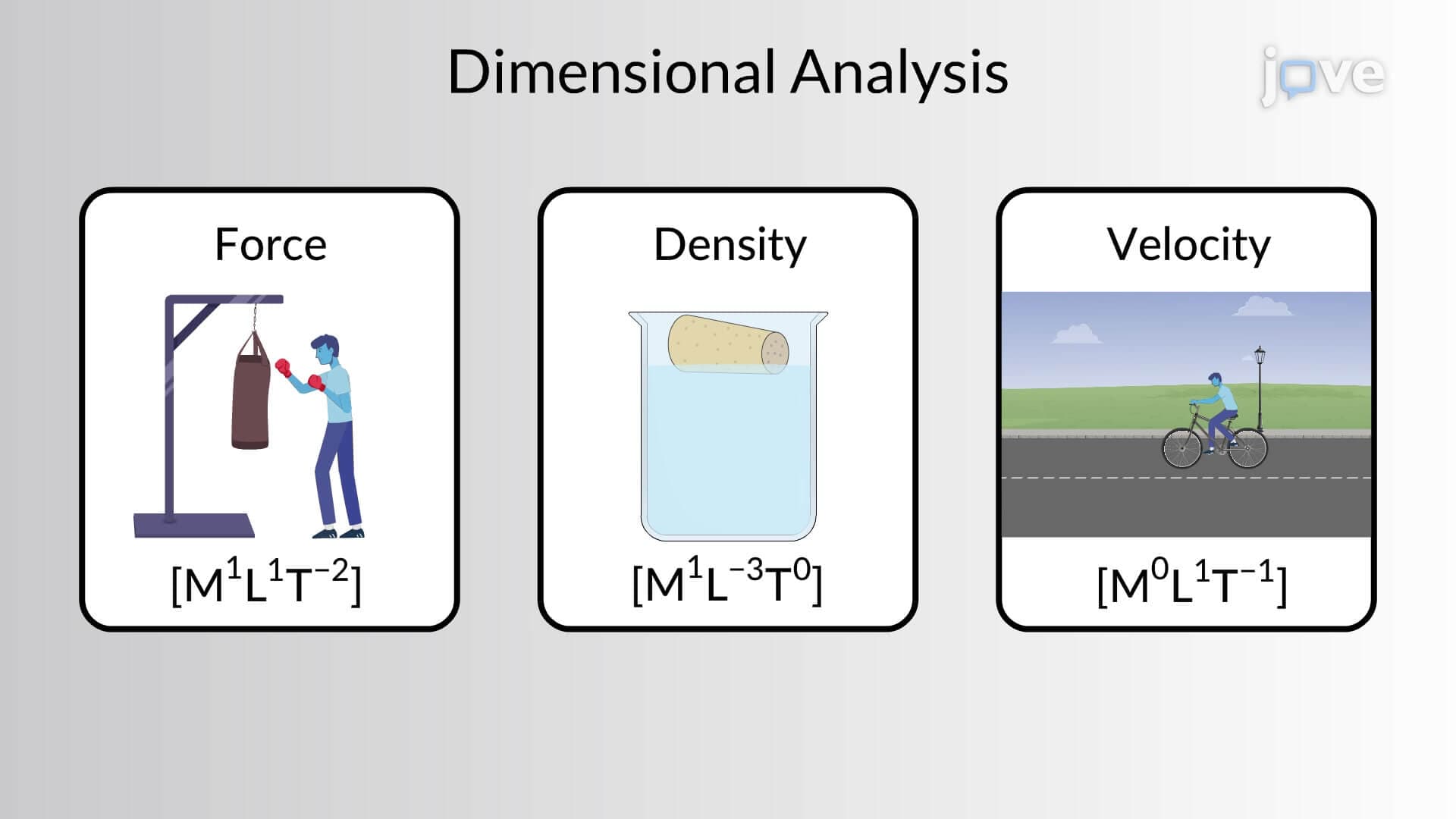
The measurement system begins with base units, which are fundamental quantities that cannot be expressed in terms of other units. In the International System of Units (SI), the three primary base units are the meter (length), kilogram (mass), and second (time). These form the foundation for all other measurements in physics and chemistry.
The US Customary system, still widely used in American industry and daily life, employs different base units: the foot for length, the pound for force (not mass), and the second for time. This distinction is crucial for students preparing for AP Physics or college-level courses, where unit consistency can make or break problem solutions.
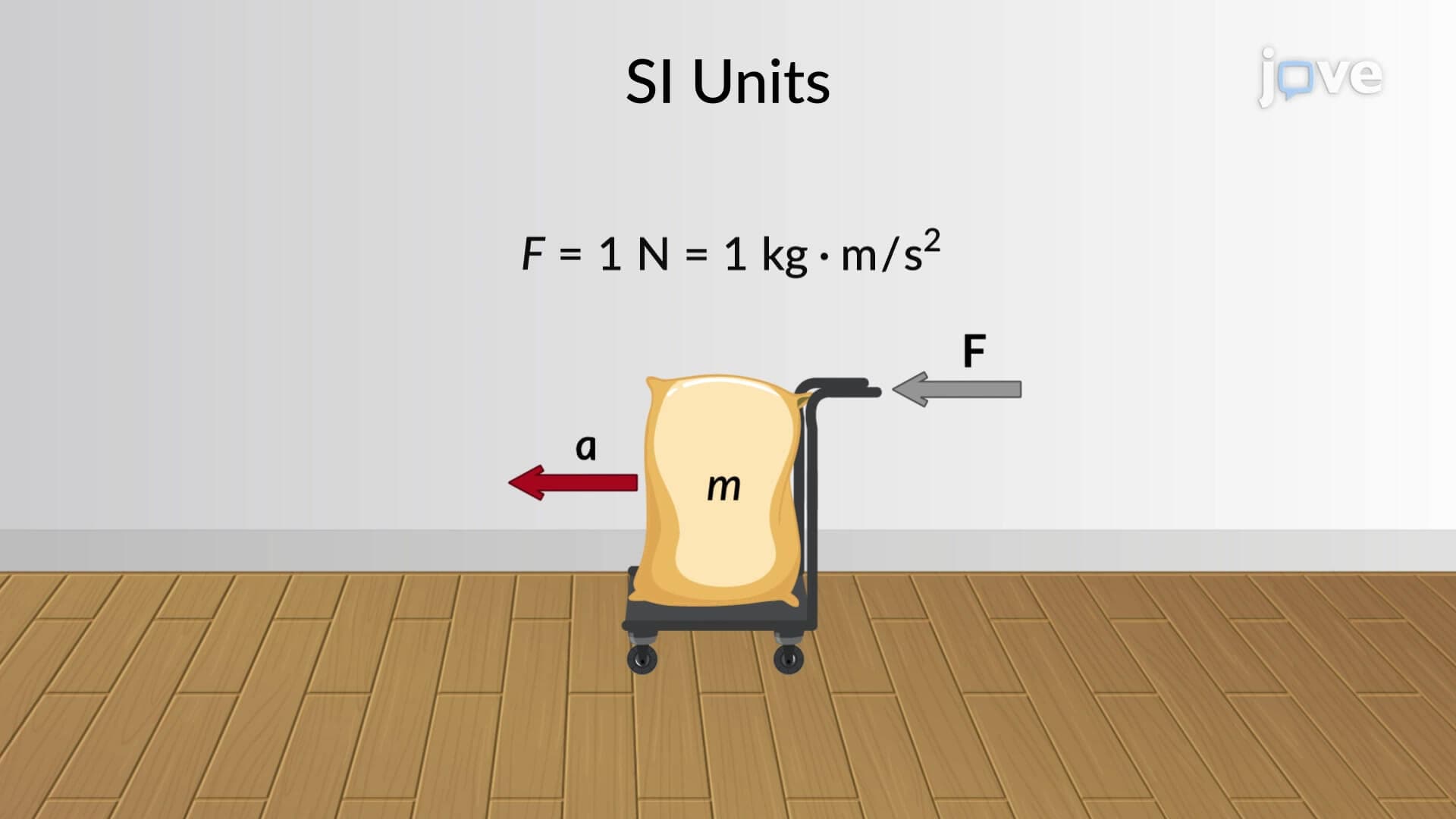
Derived units emerge from mathematical combinations of base units. The newton, SI unit of force, exemplifies this concept-it equals one kilogram times one meter per second squared (kg⋅m/s²). This definition reflects Newton's Second Law, where force equals mass times acceleration.
In the US Customary system, the slug represents a derived unit for mass, defined as the amount of matter that accelerates at one foot per second squared when acted upon by a force of one pound. Understanding these relationships proves essential for MCAT physics sections and engineering coursework.
Unit conversions become critical in professional settings. NASA's Mars Climate Orbiter failure cost $125 million because one team used metric units while another used imperial units. In healthcare, dosage calculations require precise unit conversions-a skill tested on the NCLEX and other nursing exams.
Students encounter unit conversion extensively on standardized tests like the SAT Subject Tests and AP exams. Mastering conversion factors-such as knowing that one meter equals 3.281 feet or one kilogram equals 2.205 pounds-enables accurate problem-solving across disciplines.
Related Micro-courses