Loading video…


 10 Concepts
 26.6K views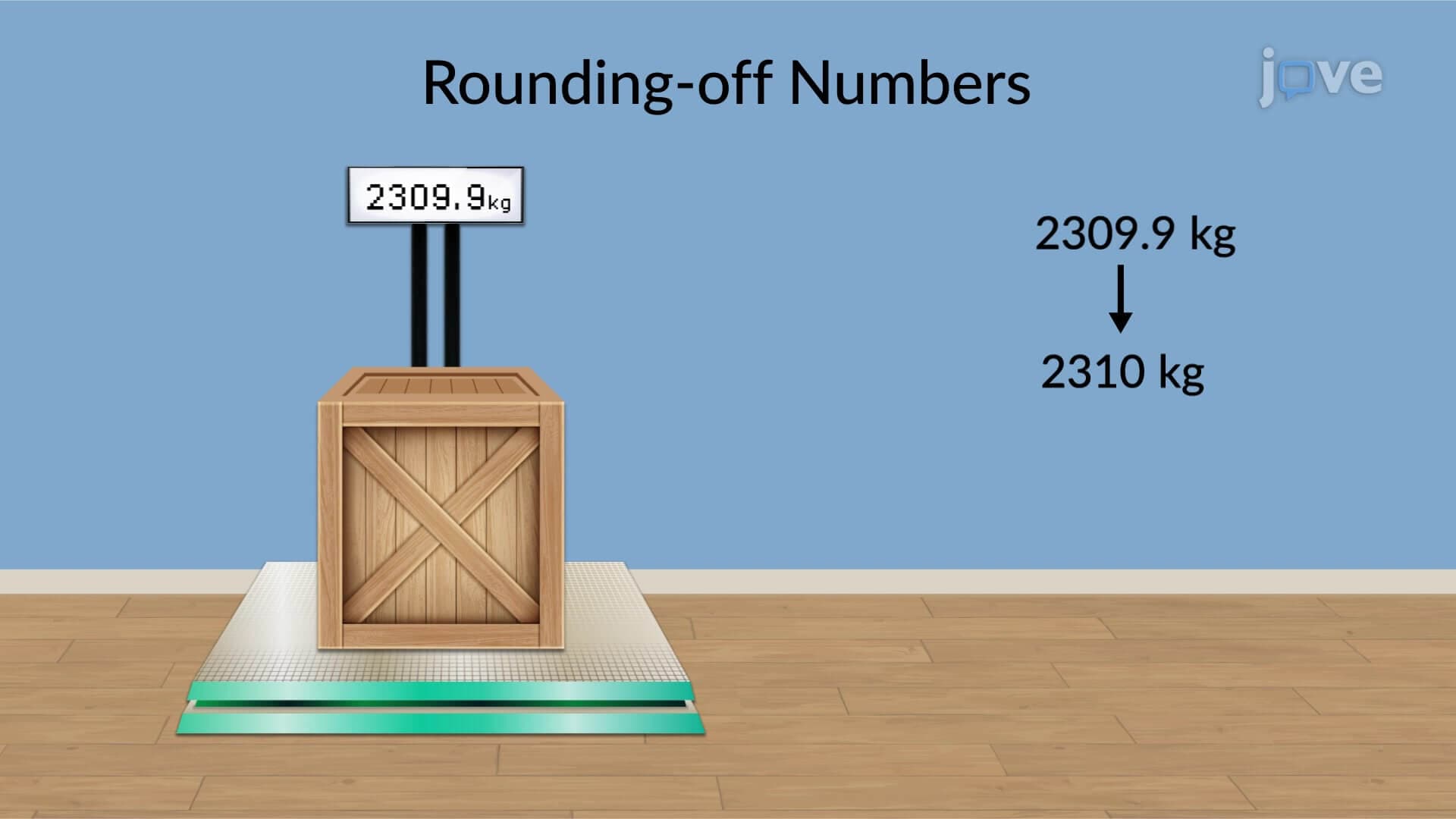

Video Summary: What are Numerical Calculations
Did you know that NASA's Mars Climate Orbiter crashed in 1999 because engineers mixed up metric and imperial units in their numerical calculations? Understanding what are numerical calculations is crucial for preventing costly engineering mistakes and ensuring accurate results in scientific work. From calculating bridge load capacities to determining medication dosages in US hospitals, these mathematical processes form the backbone of technical problem-solving across industries. Watch the full video on JoVE Coach to master this concept with expert-led visuals and step-by-step explanations.
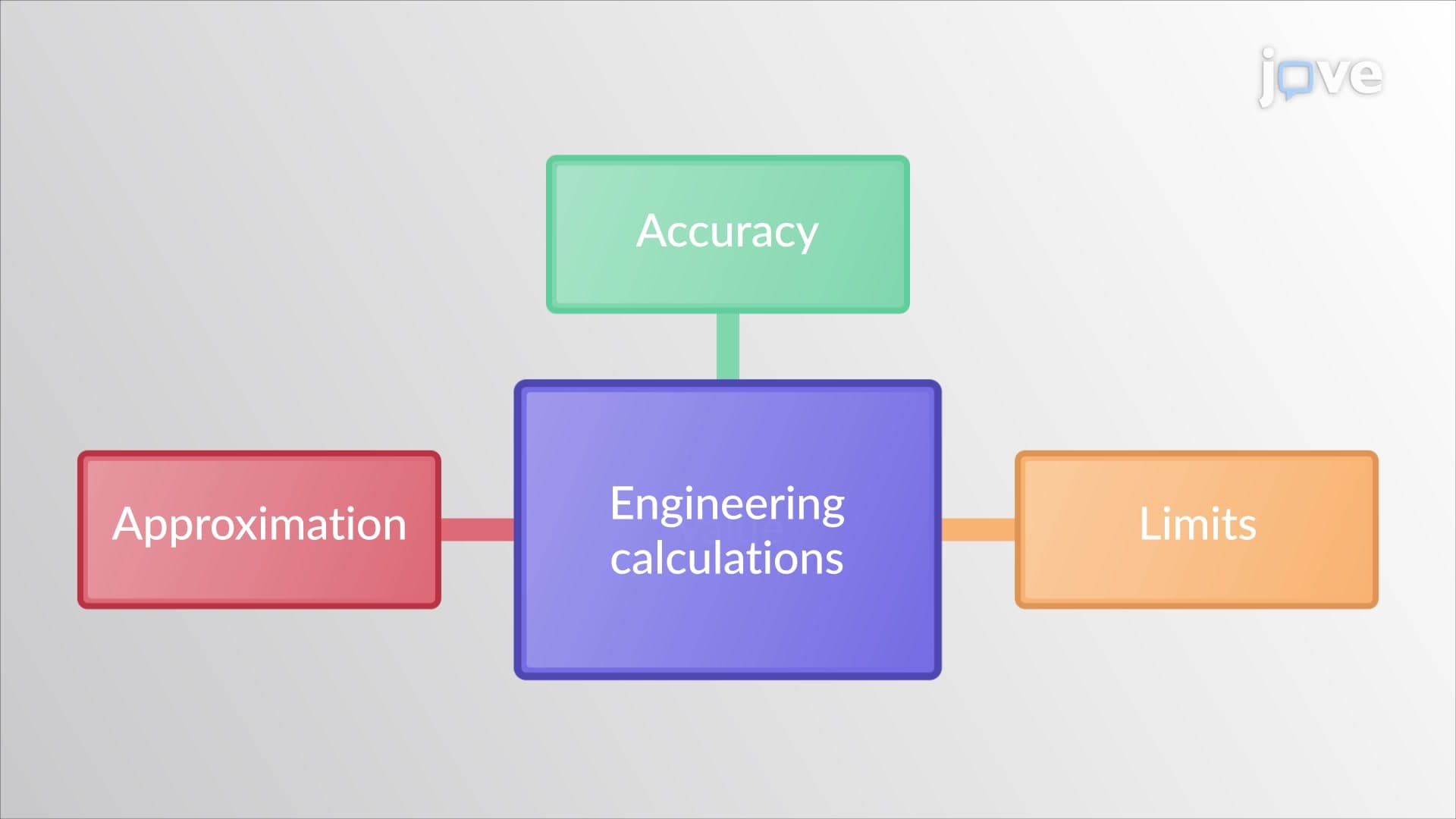
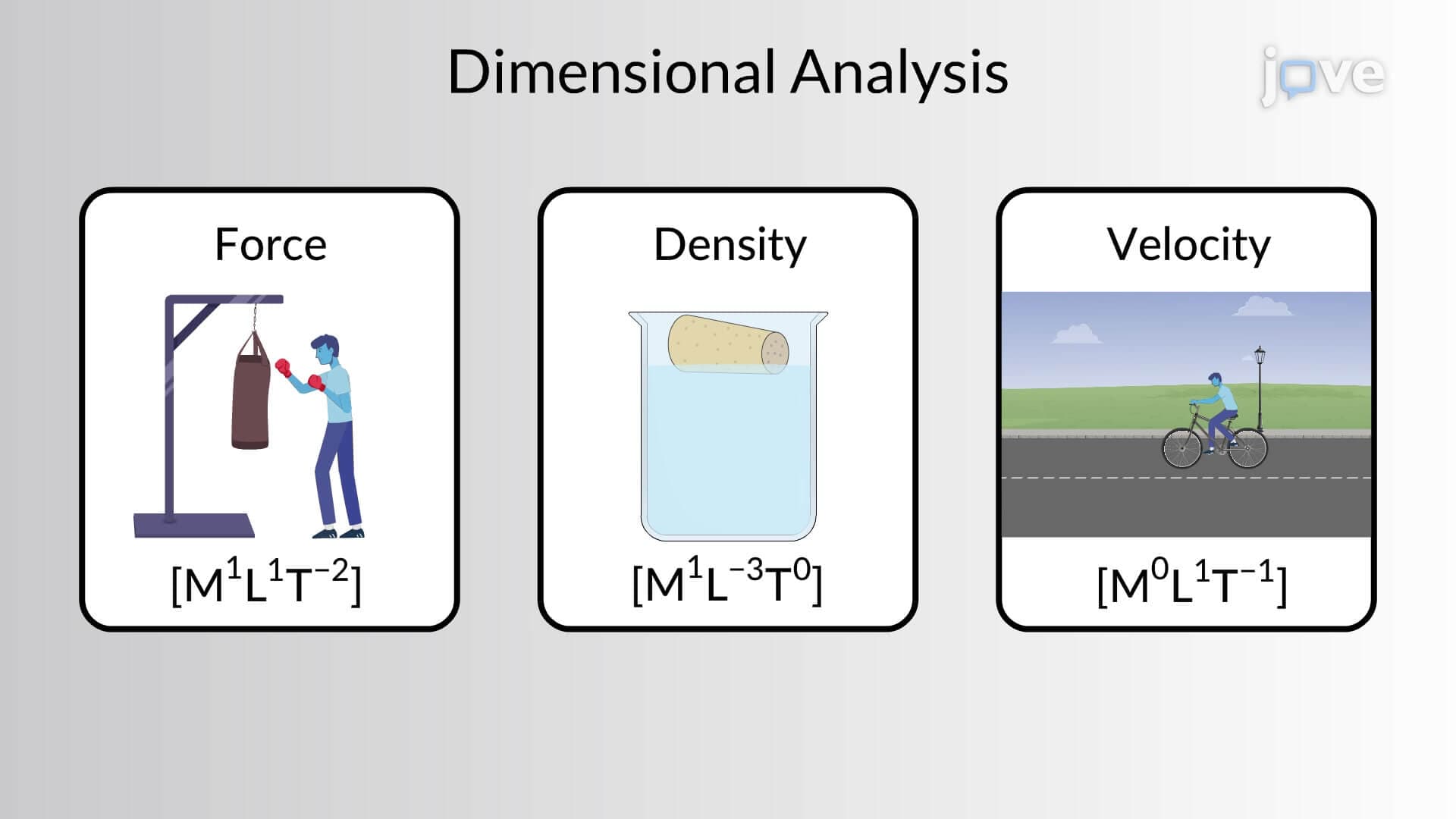
Numerical calculations represent the systematic mathematical processes used to solve quantitative problems in engineering, physics, chemistry, and other STEM disciplines. These calculations go far beyond simple arithmetic-they require careful attention to dimensional analysis, unit consistency, and precision standards that ensure reliable results in critical applications.
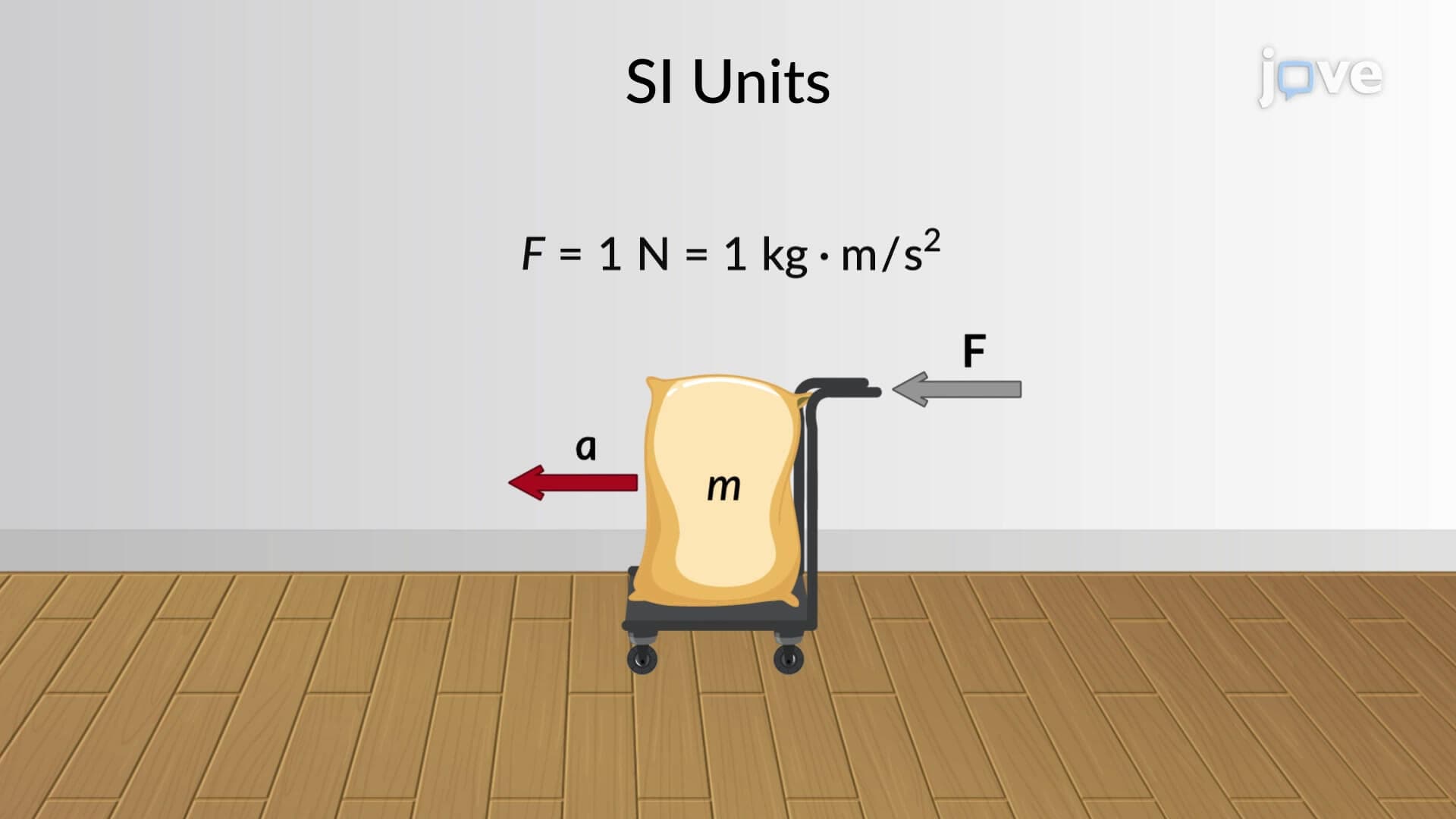
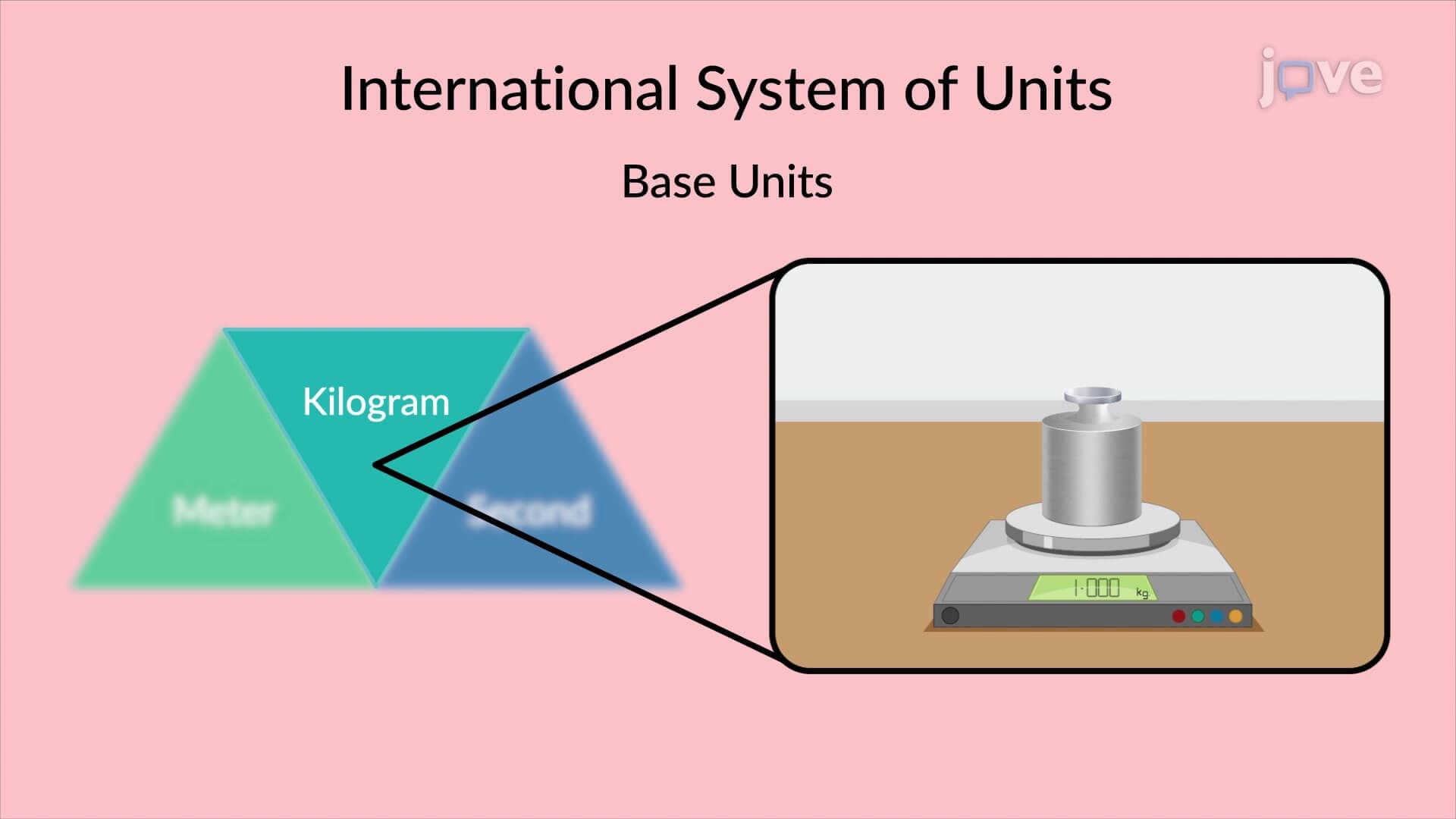
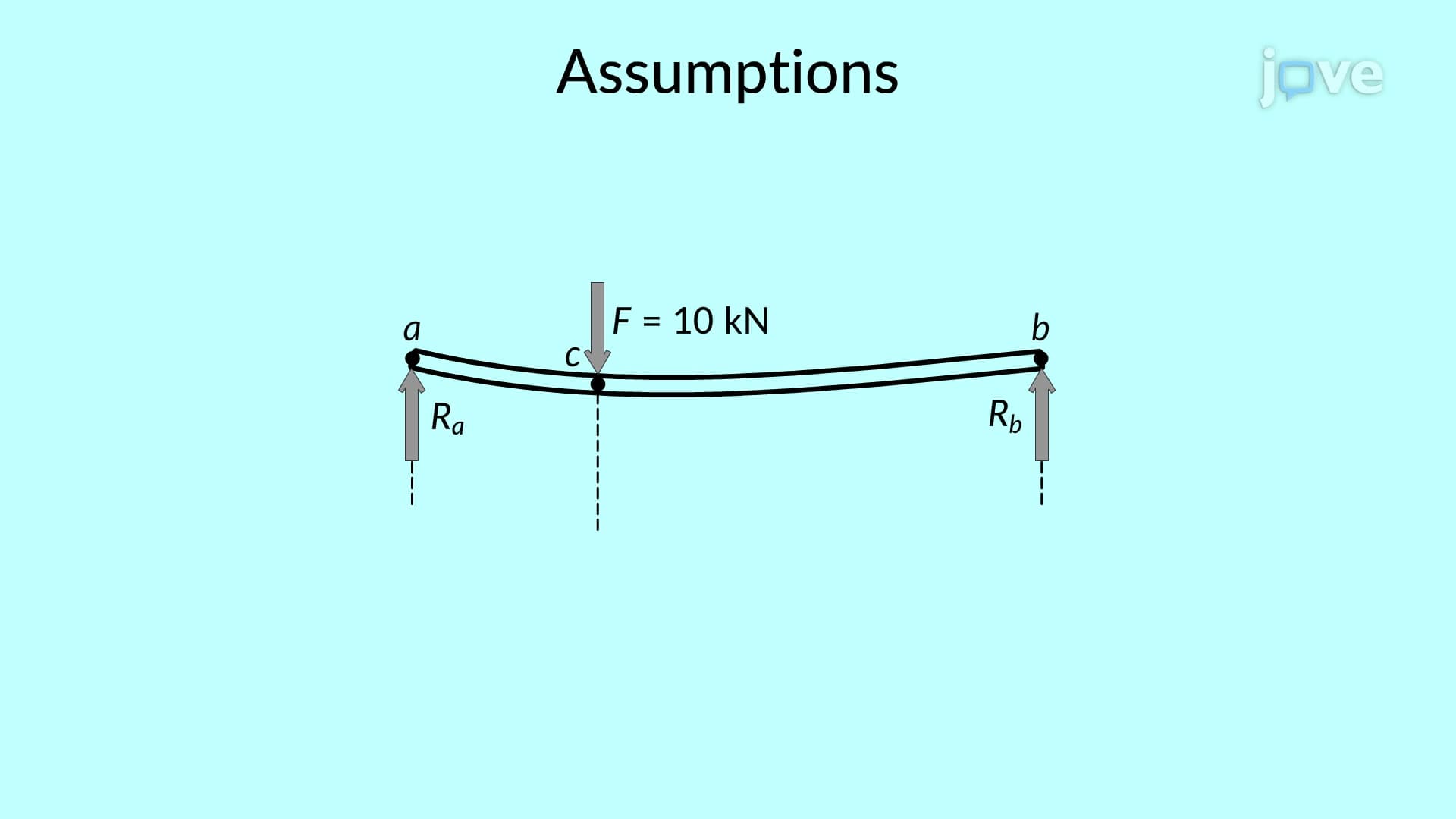
The foundation of all reliable numerical work lies in dimensional homogeneity, meaning every term in an equation must have consistent units. For example, when calculating the force on a bridge beam using F = ma, both the mass (in kg) and acceleration (in m/s²) must use SI units to produce force in Newtons. This principle prevents the type of unit confusion that caused the Mars Climate Orbiter mission failure, where mixing metric and imperial measurements led to a $125 million loss.
Professional numerical calculations employ standardized formatting using powers of ten. Numbers greater than or equal to one are expressed in multiples of 10³ (thousands), such as writing 1,500,000 as 1.50 × 10⁶. Conversely, numbers less than one use multiples of 10⁻³ (thousandths), like expressing 0.00025 as 2.5 × 10⁻⁴. This notation system, widely used in AP Physics, AP Chemistry, and college-level engineering courses, prevents errors when working with very large or very small quantities.
Proper rounding maintains calculation accuracy while reflecting measurement precision. The specialized rule for numbers ending in 5 demonstrates advanced numerical thinking: round up only if the preceding digit is odd, otherwise keep it the same. For instance, 2.35 rounds to 2.4, but 2.25 rounds to 2.2. This "round to even" or "banker's rounding" method reduces systematic bias in large datasets, making it essential for statistical analysis courses and laboratory work.
These numerical calculation principles appear frequently on standardized tests including the SAT Math section, AP Calculus, and MCAT Physical Sciences. In college coursework, students encounter them in introductory engineering courses, general chemistry labs, and physics problem sets. Professional applications span from pharmaceutical dosage calculations (critical for NCLEX exam preparation) to structural engineering load analysis, where precision directly impacts public safety and regulatory compliance with US building codes.
Related Micro-courses