Loading video…


 10 Concepts
 26.6K views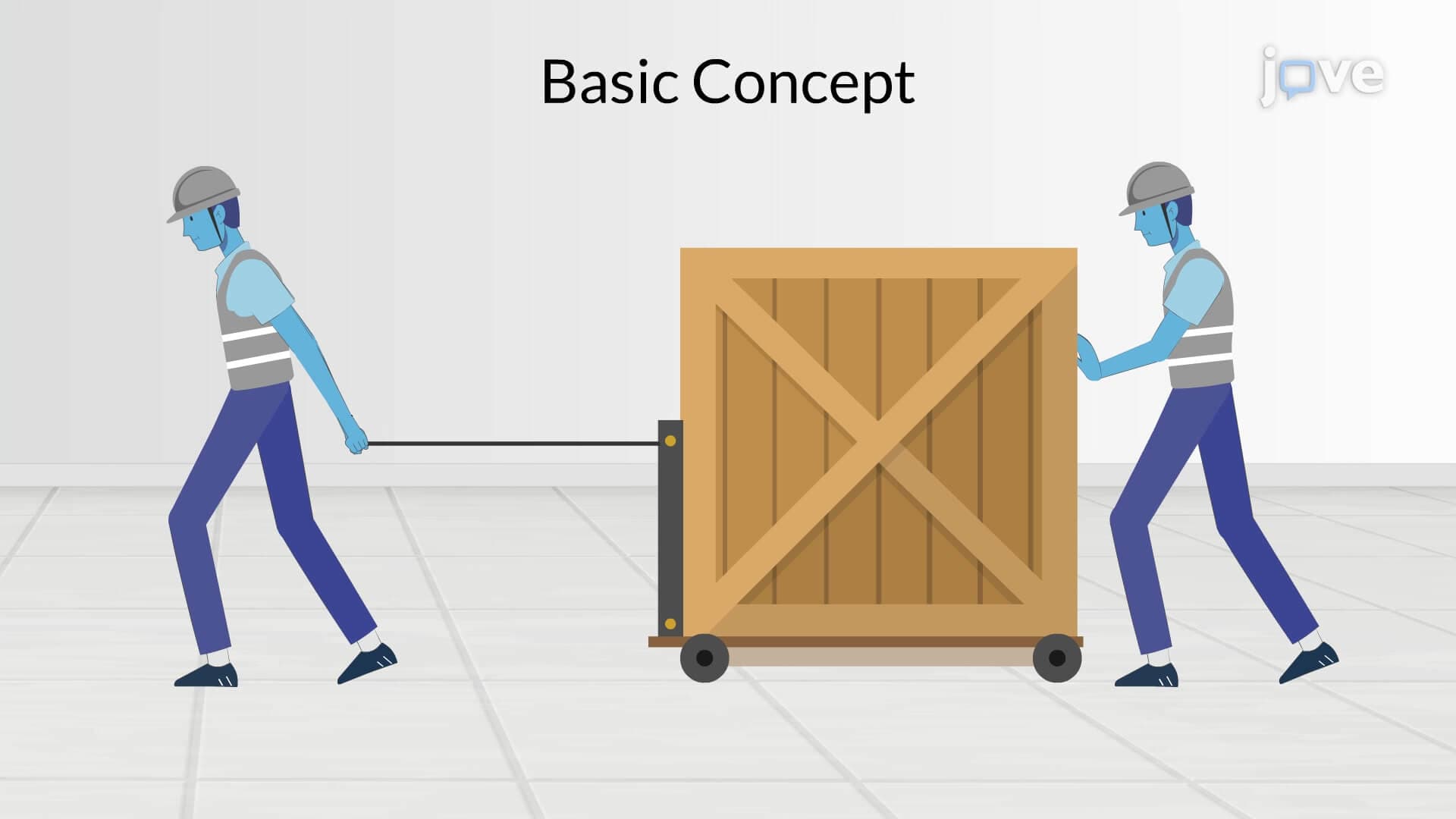

Video Summary: What Is Basic Concept
Why do NASA engineers need to understand four fundamental principles before launching a rocket to Mars? The basic concept of engineering mechanics revolves around four essential elements: length, time, mass, and force. These principles form the foundation for analyzing everything from a simple bridge design to complex spacecraft trajectories. For instance, when Boeing engineers design aircraft, they must precisely calculate how forces act on the plane's structure using these basic concepts. Watch the full video on JoVE Coach to master this concept with expert-led visuals and step-by-step explanations.
The basic concept in engineering mechanics establishes the fundamental framework that engineers use to analyze and solve real-world problems. These four core elements-length, time, mass, and force-serve as the building blocks for everything from designing skyscrapers in Manhattan to calculating rocket trajectories at SpaceX. Understanding these concepts is crucial for students preparing for AP Physics exams and college-level engineering courses.
Length represents more than simple distance measurement; it encompasses the geometric properties that define physical systems. When civil engineers design the Golden Gate Bridge, they use length to establish coordinates relative to reference points, ensuring precise positioning of structural elements. In engineering problems, length helps describe object dimensions, distances between components, and spatial relationships within complex systems. Students encounter length calculations frequently in SAT Physics problems and college statics courses.
Time serves as the universal measure for event succession and motion analysis. Consider how aerospace engineers at NASA calculate the time required for a Mars rover to travel between landing sites-this temporal analysis becomes critical for mission planning. Time enables engineers to understand velocity, acceleration, and dynamic behavior of systems. In academic settings, time-based calculations appear prominently in AP Physics C mechanics problems and university dynamics courses.
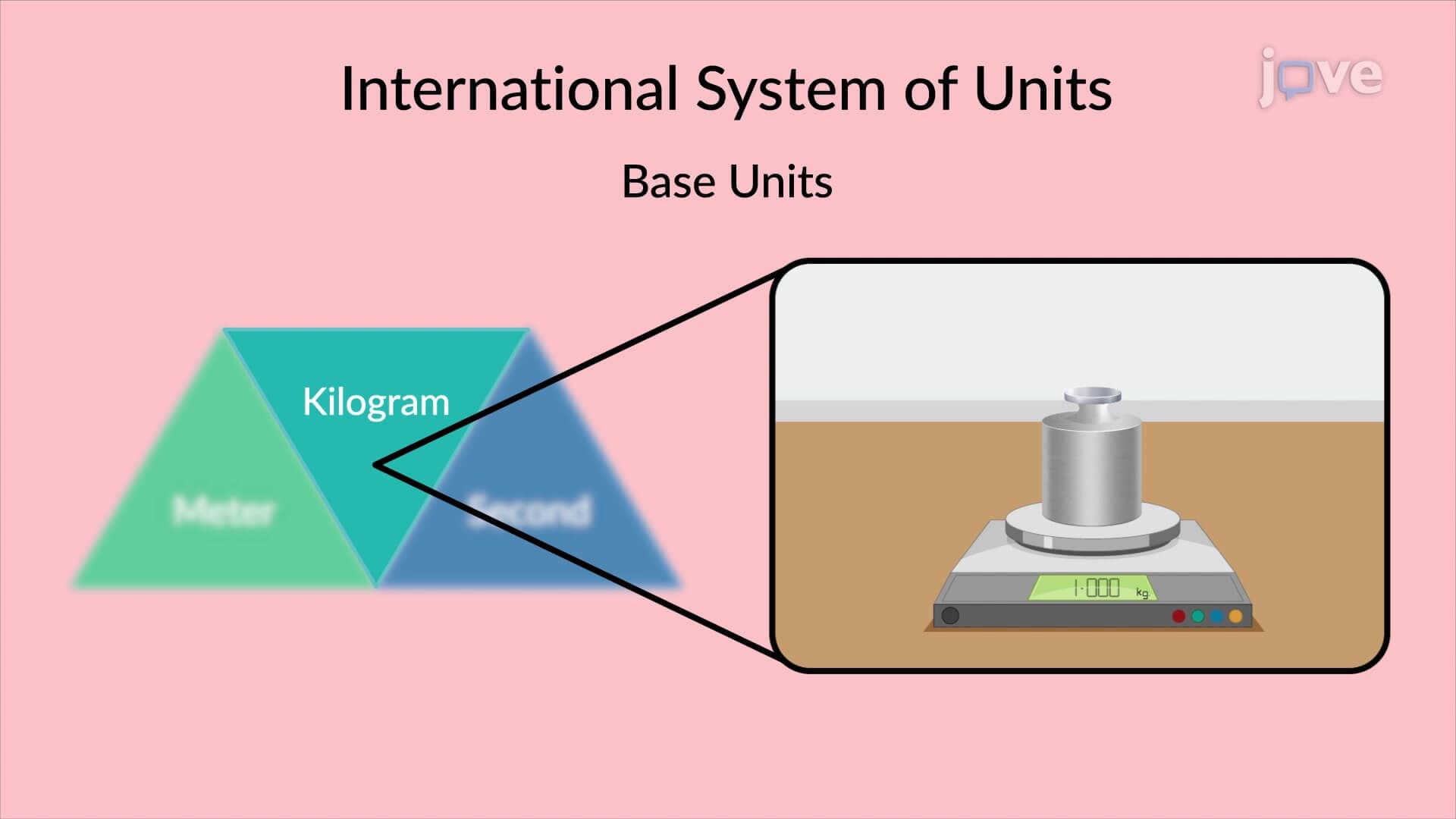
Mass represents the quantity of matter in an object, remaining constant regardless of location-a crucial distinction from weight, which varies with gravitational field strength. When automotive engineers at Ford design vehicle safety systems, they must account for both the car's mass and the forces acting during collision scenarios.
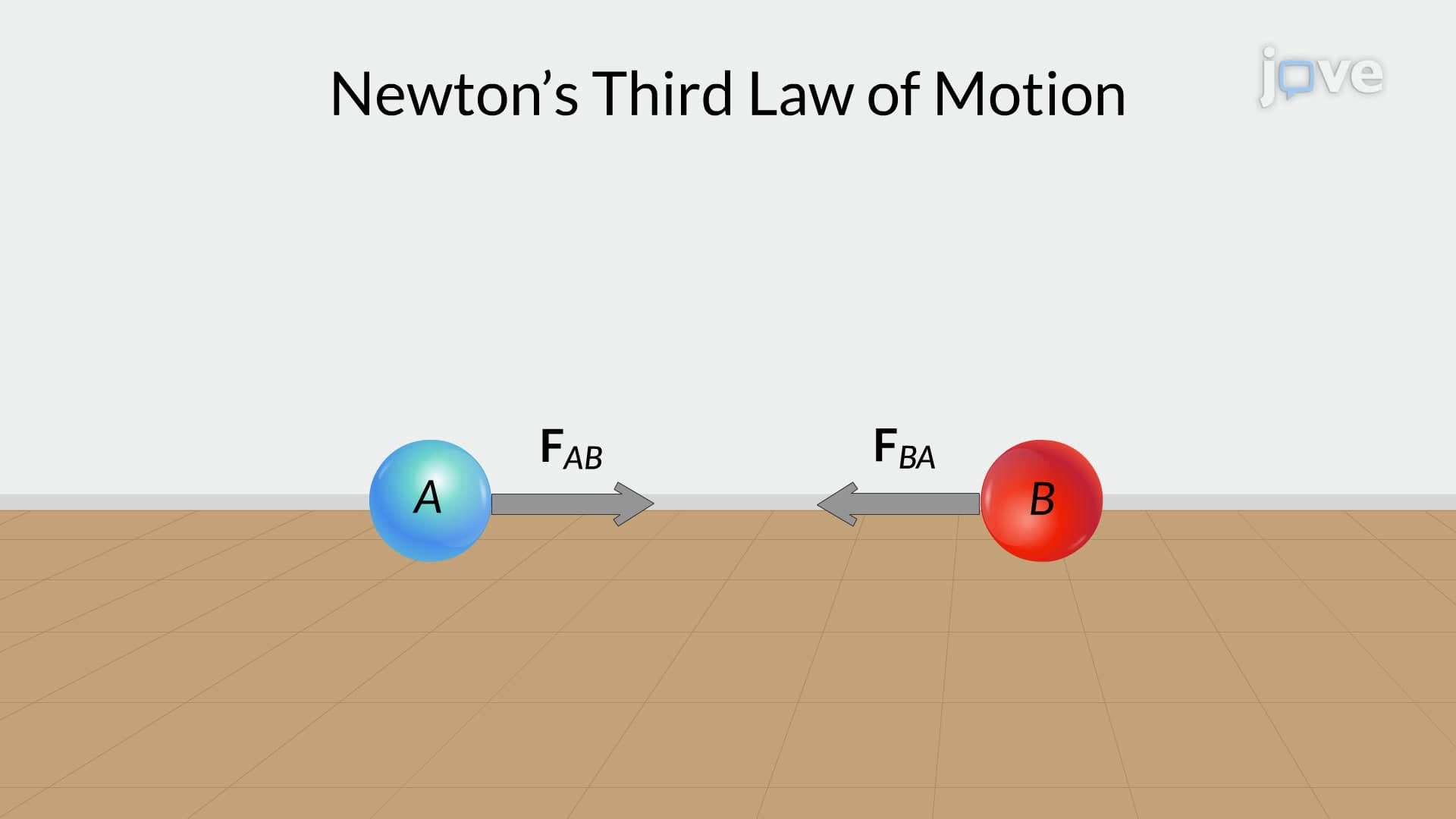
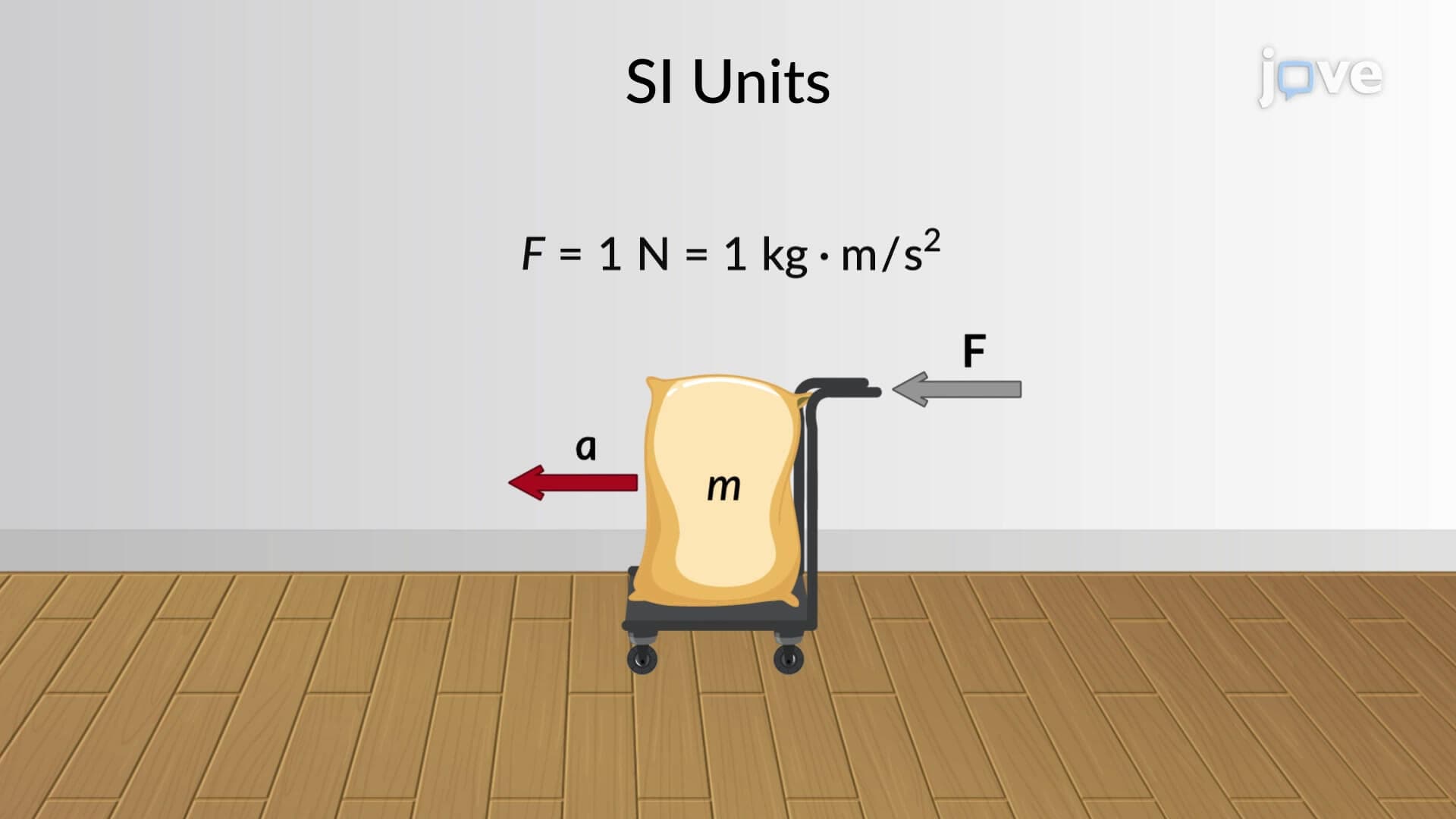
Force represents the interaction between objects through push, pull, or attraction mechanisms. Understanding force relationships helps engineers analyze everything from the tension in suspension bridge cables to the thrust generated by jet engines. These concepts form the foundation for MCAT physics sections and engineering mechanics courses nationwide.
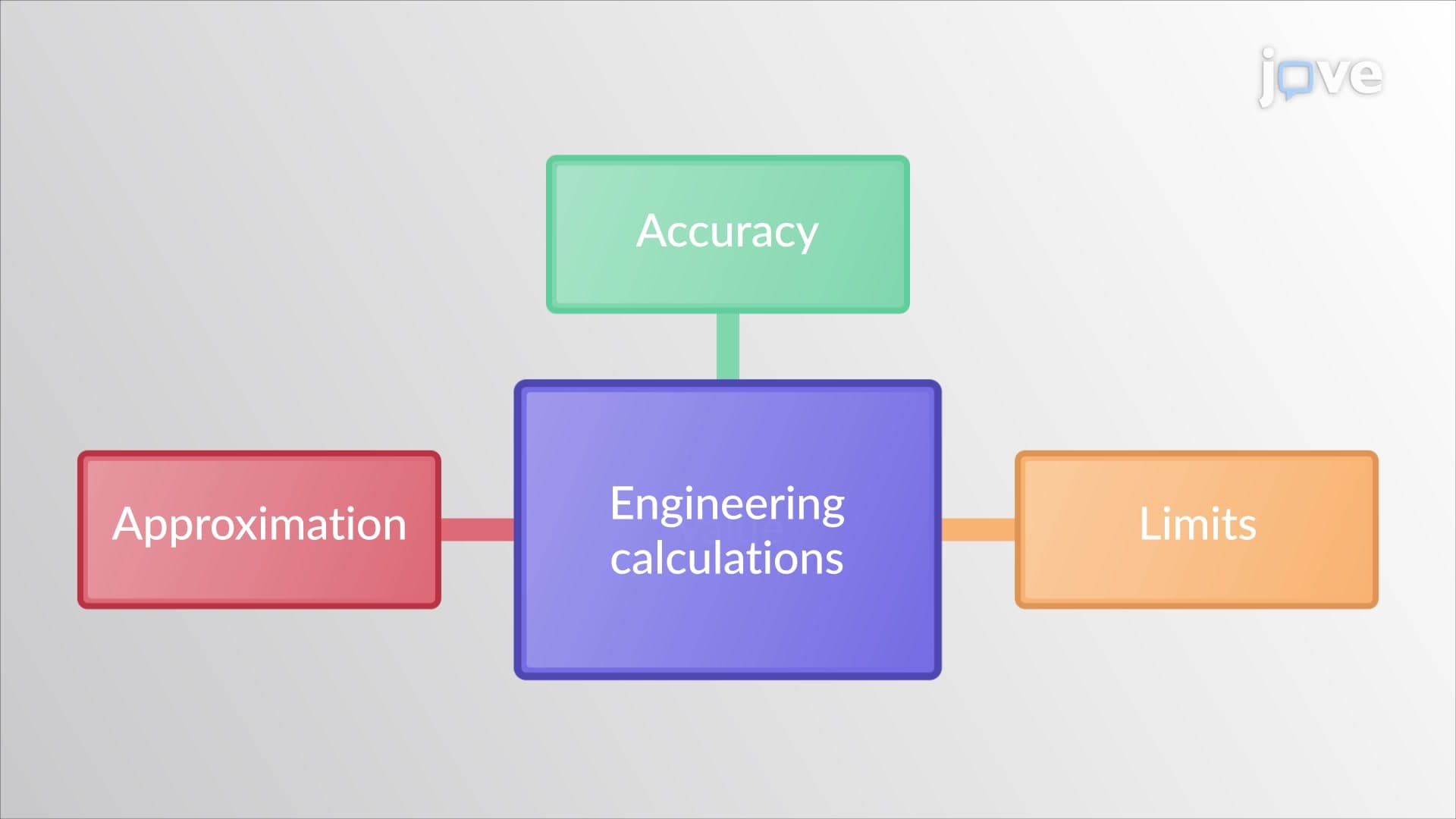
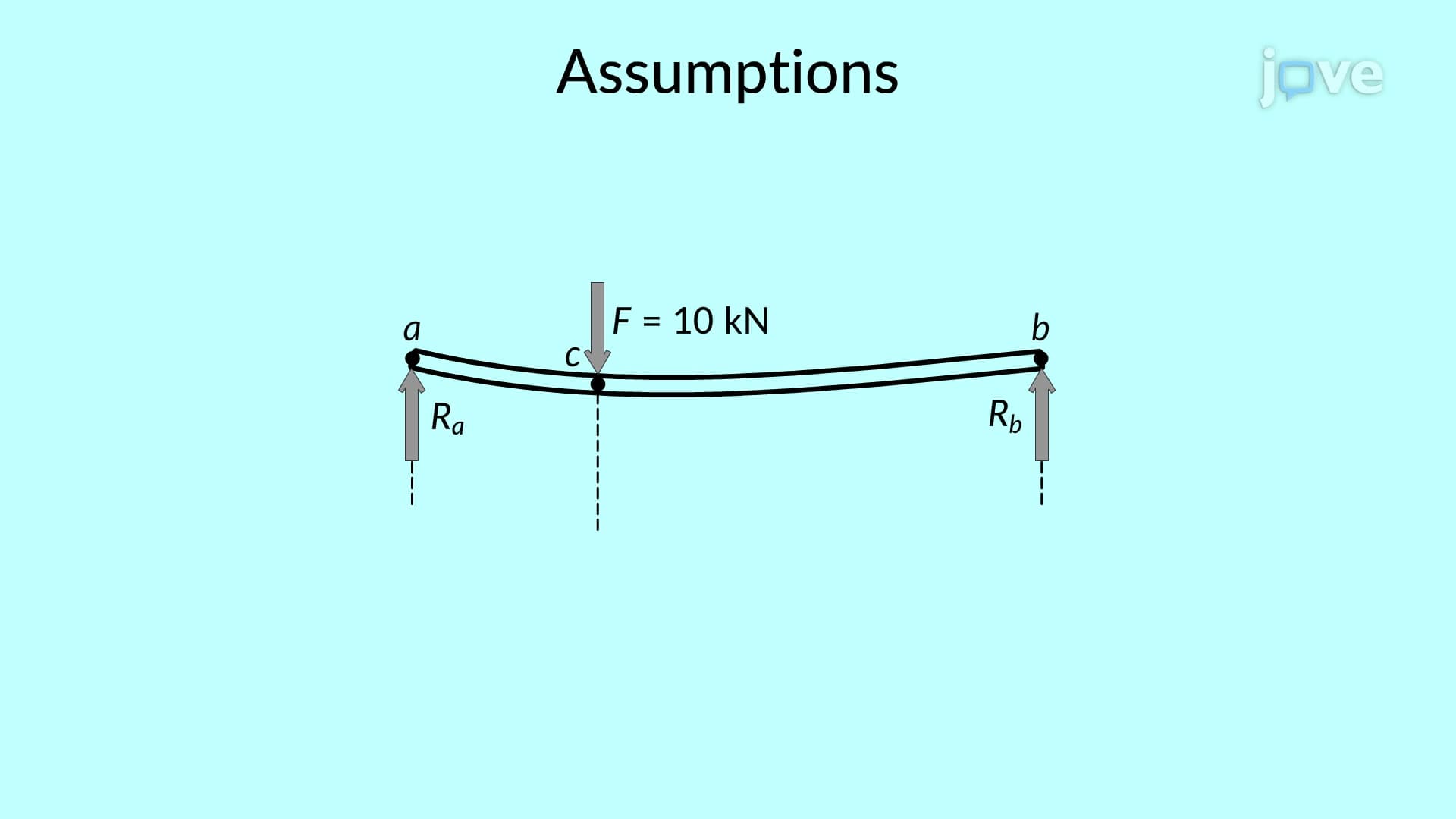
Engineering mechanics employs three key assumptions to simplify complex real-world scenarios. First, objects are treated as particles with negligible size but concentrated mass. Second, materials are considered rigid bodies with no deformation under load. Finally, applied loads are represented as concentrated forces acting at specific points. These assumptions enable engineers to solve problems efficiently while maintaining acceptable accuracy for practical applications.
Related Micro-courses